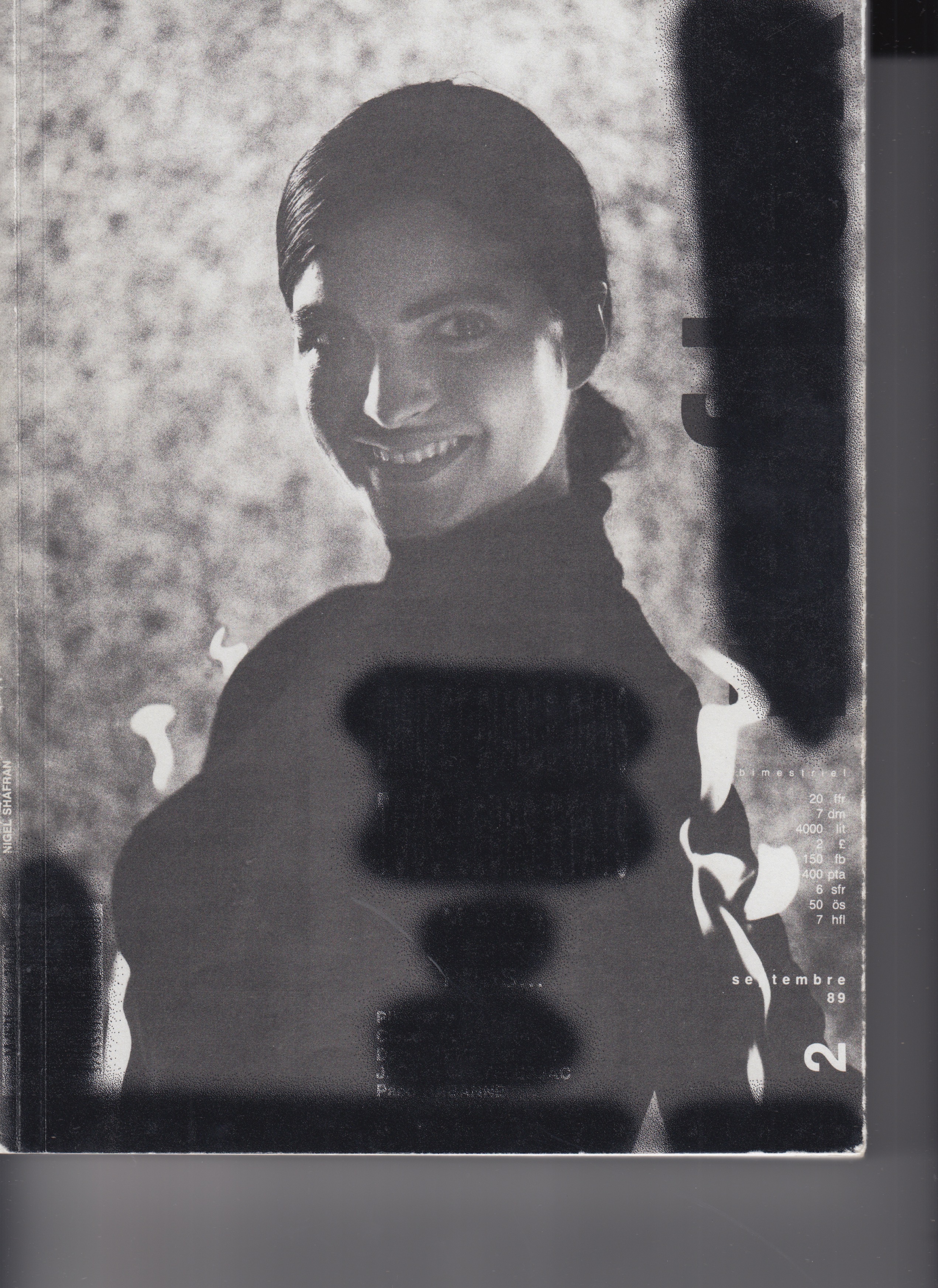
In the world of fashion, 'The well' is industry terminology for the main image section of a magazine. For influential British photographer Nigel Shafran, The Well is a space to critique and reflect the worlds of fashion from the inside, a place for unexpected creativity, subversive critique and wry commentary. This chronicles both Shafran’s commercial and non-commercial approach to photography, along with interviews and reflections between Shafran and his peers threaded throughout.
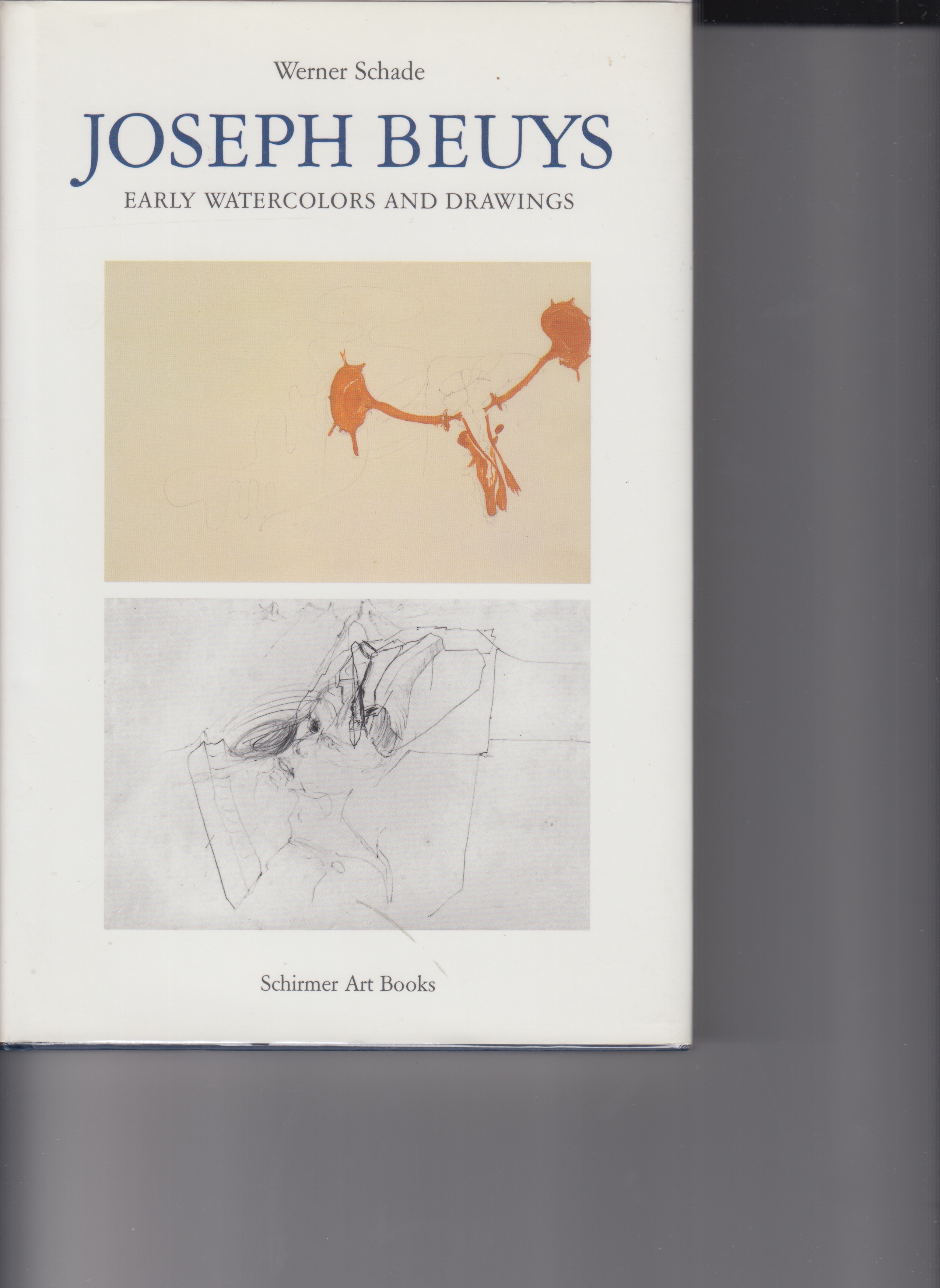
This is a collection of the early drawings and watercolours of Joseph Beuys. Drawing and painting with watercolors was a form of exploring a spiritual world of images which provided him with the fundamental relationships and terms for his later work as a politically active artist.
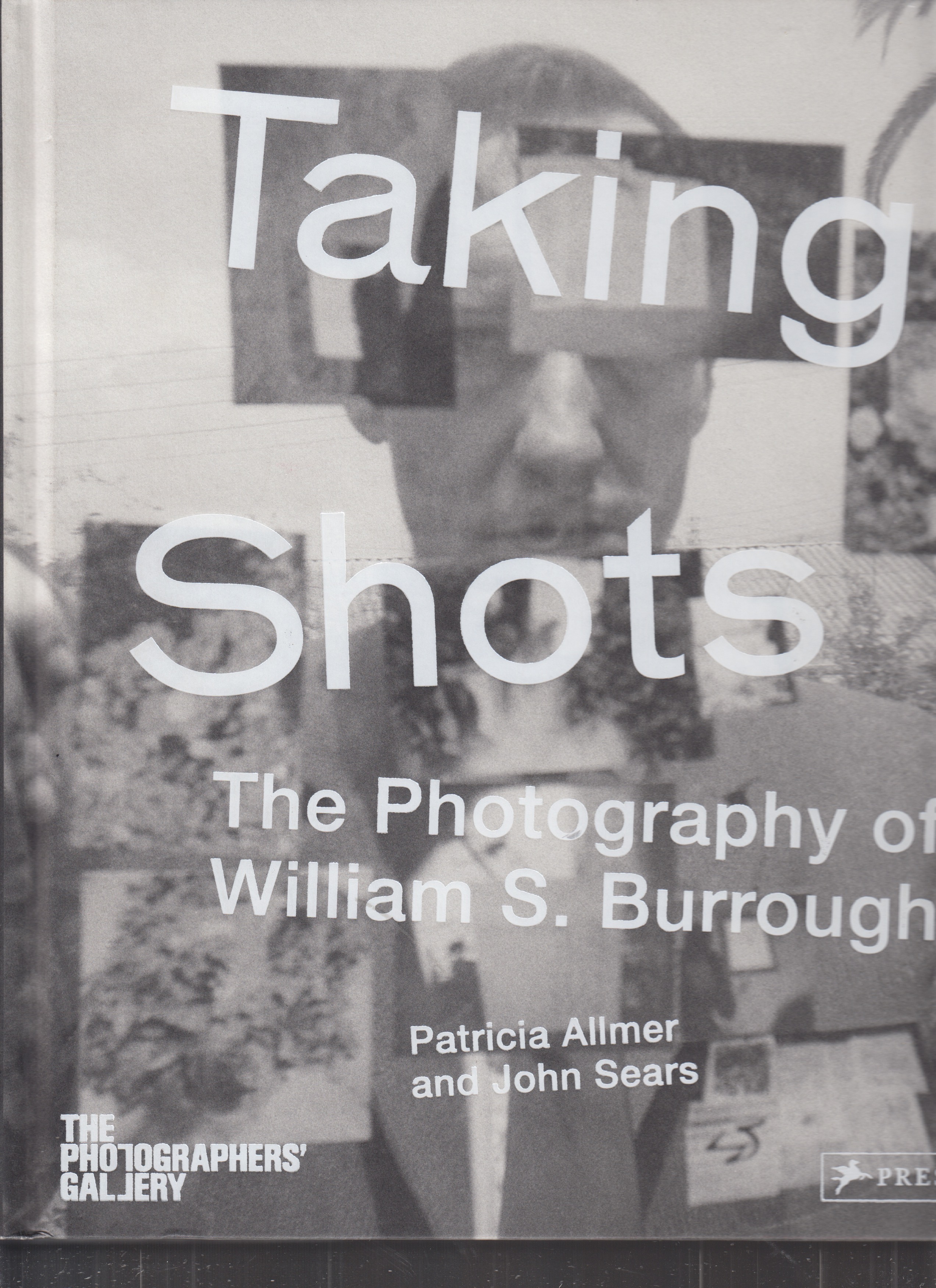
Renowned and highly regarded for his experiments with literature, painting, film, and music, William S. Burroughs was also a prolific photographer. This book reproduces some of his rarely seen works, accompanied by texts.
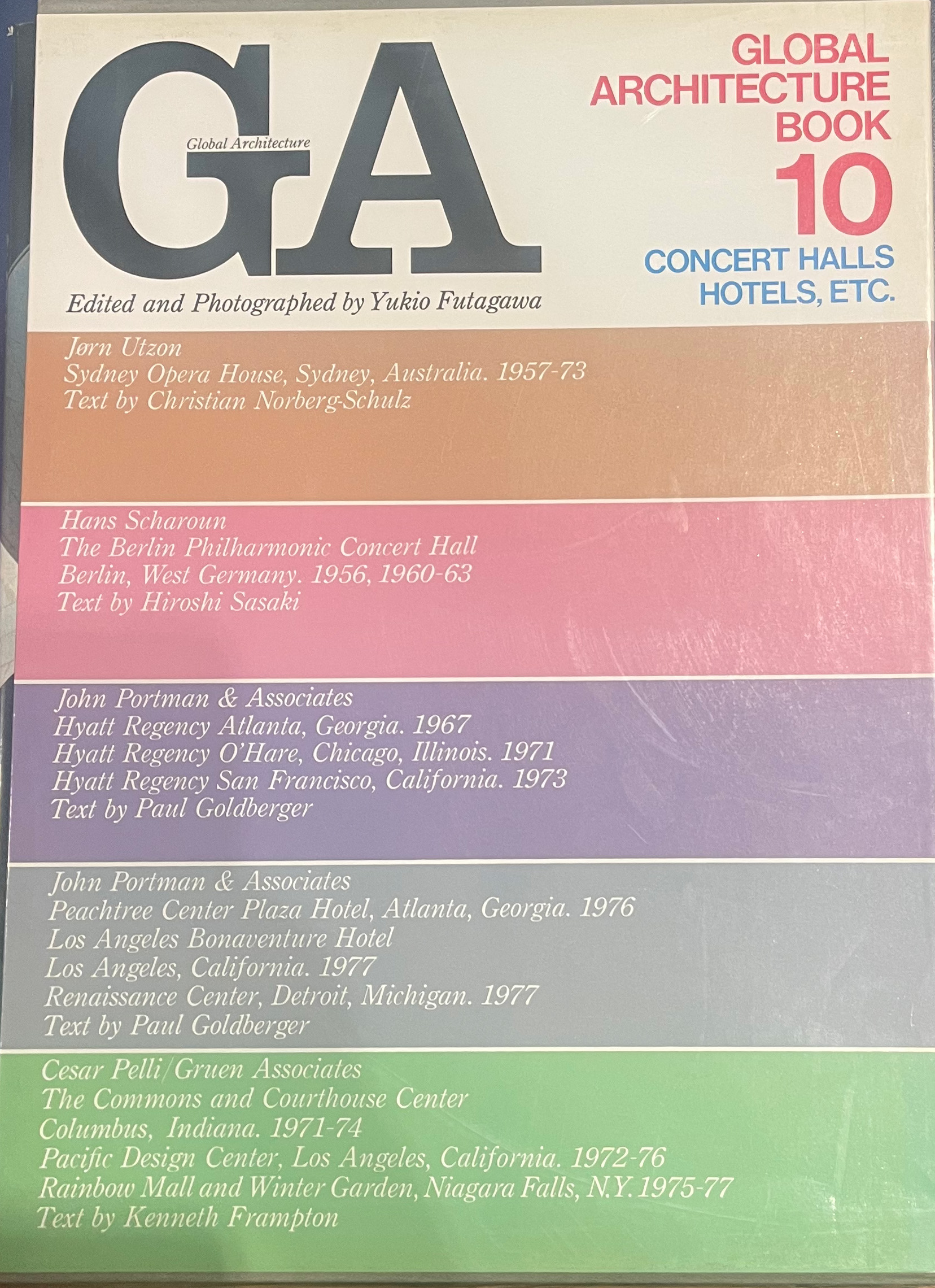
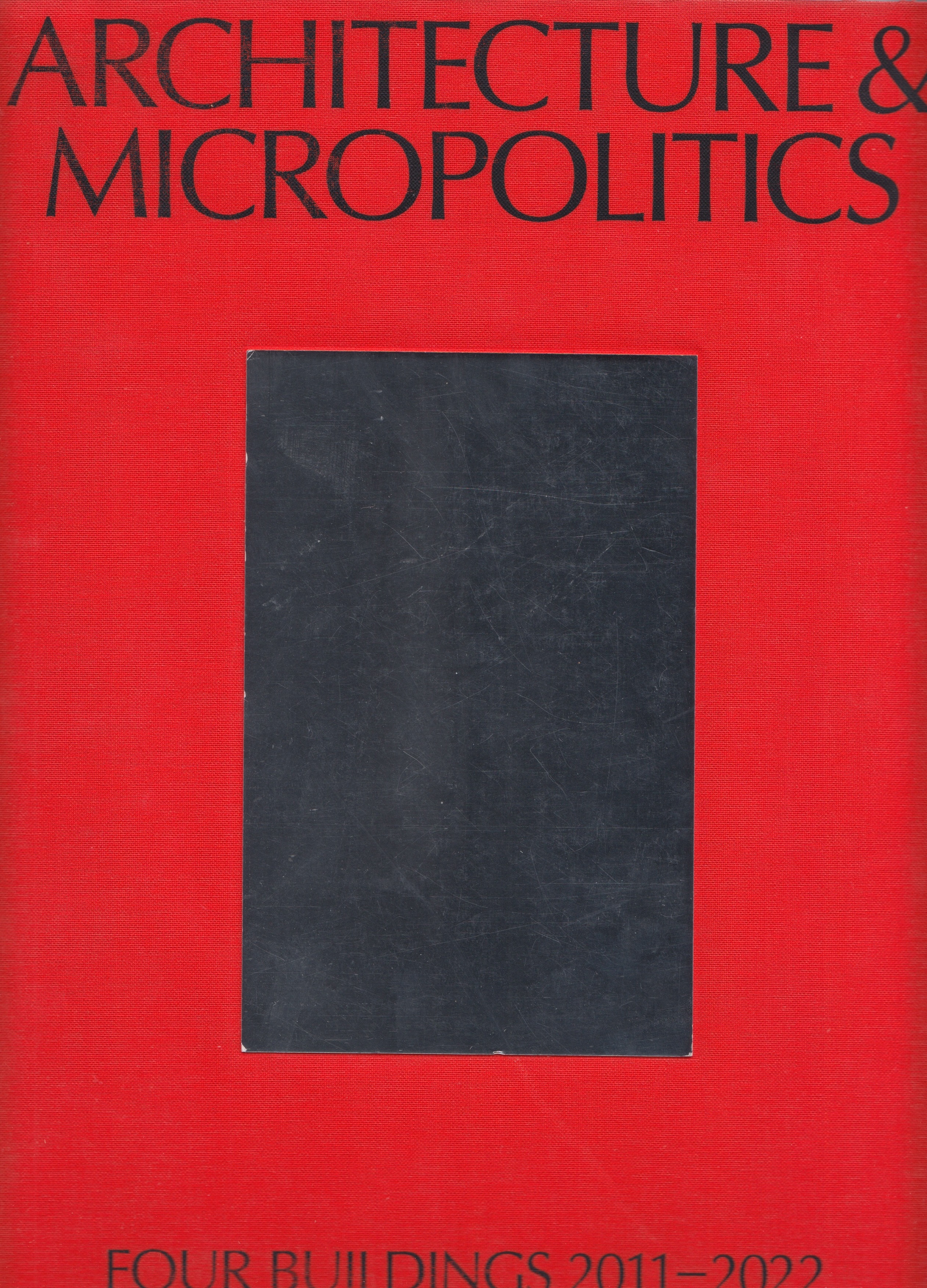
A book about architecture
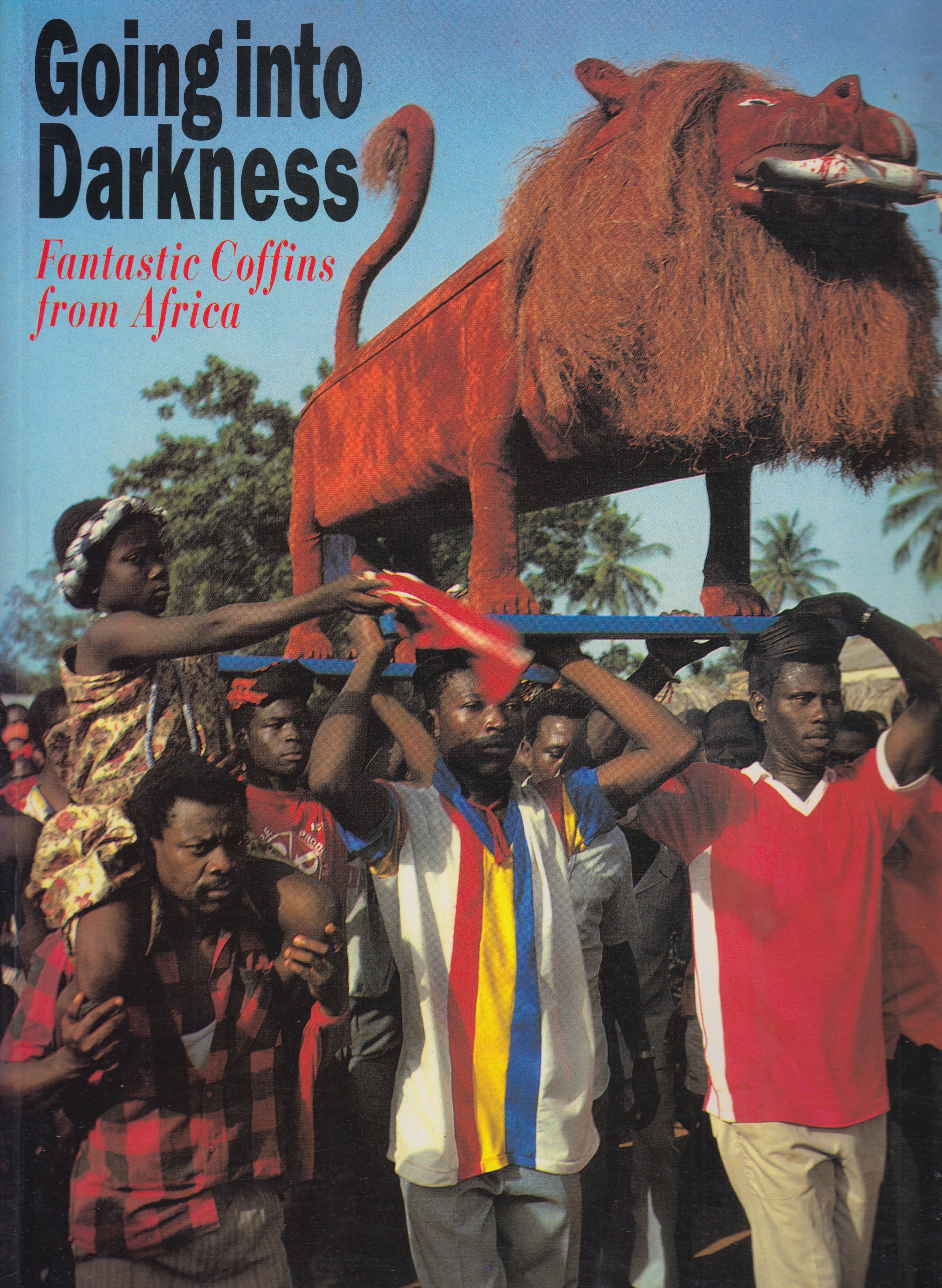
Funerary art has many expressions, but seldom is it as eye-catching and surprising as among the Ga, the dominant people of Accra and the surrounding region. Here a remarkable folk art of coffin-building has developed, combining remembrance, respect, humor and celebration. In this book, photographer and reporter Thierry Secretan's record a wide variety of these sculptural masterpieces in superb colour photographs.
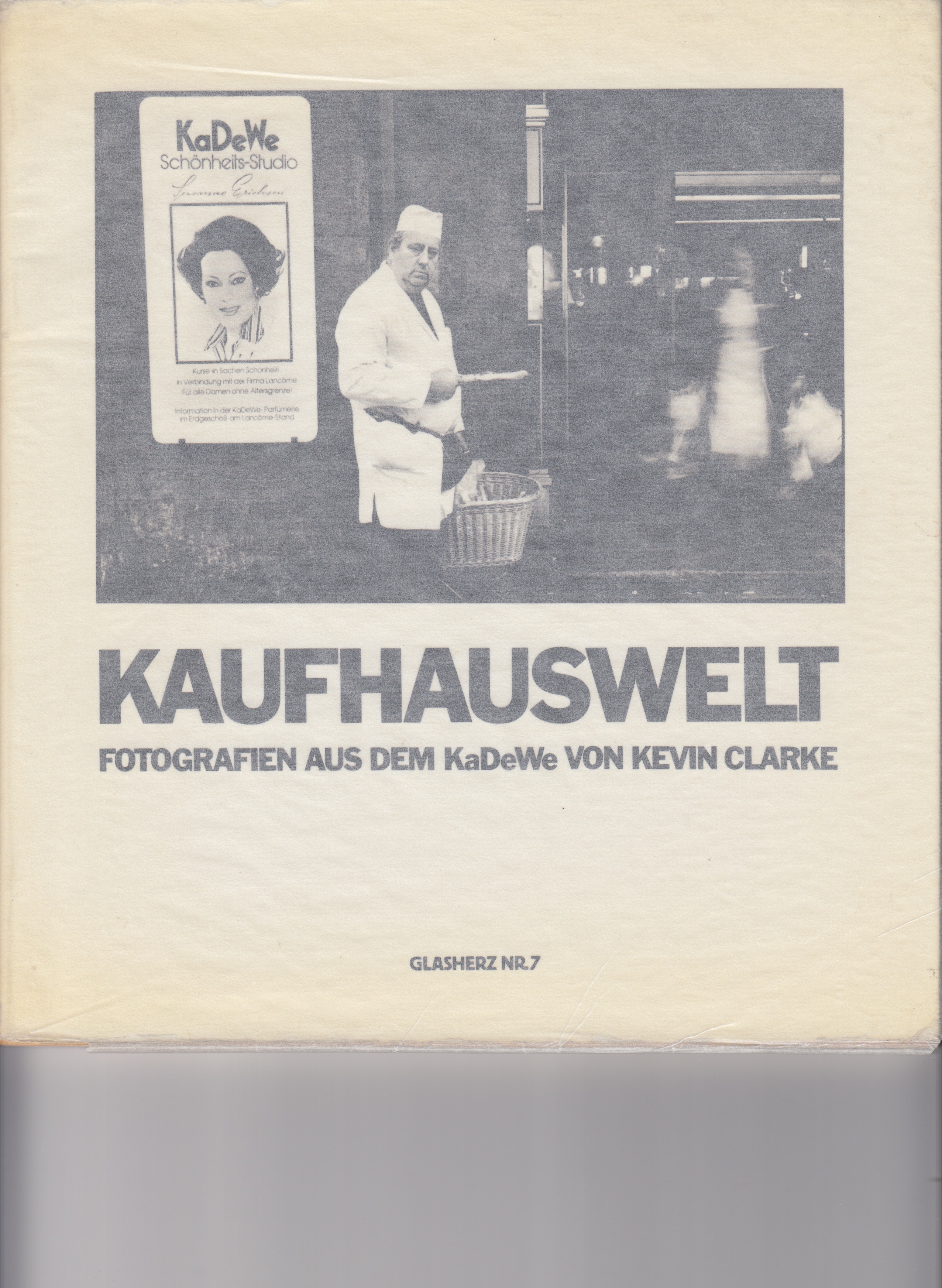

The Smell of Calpol on a Warm Summer's Night blurs the line between reality and fiction. Framed like paintings, each image is a cinematic tableau of Suburbia, with a warm glow of neon light reminiscent of hazy evenings spent in front of TV screens. Carlos Clarke presents a glance into others' living rooms and domestic environments, offering an eerie portrayal of twilight.
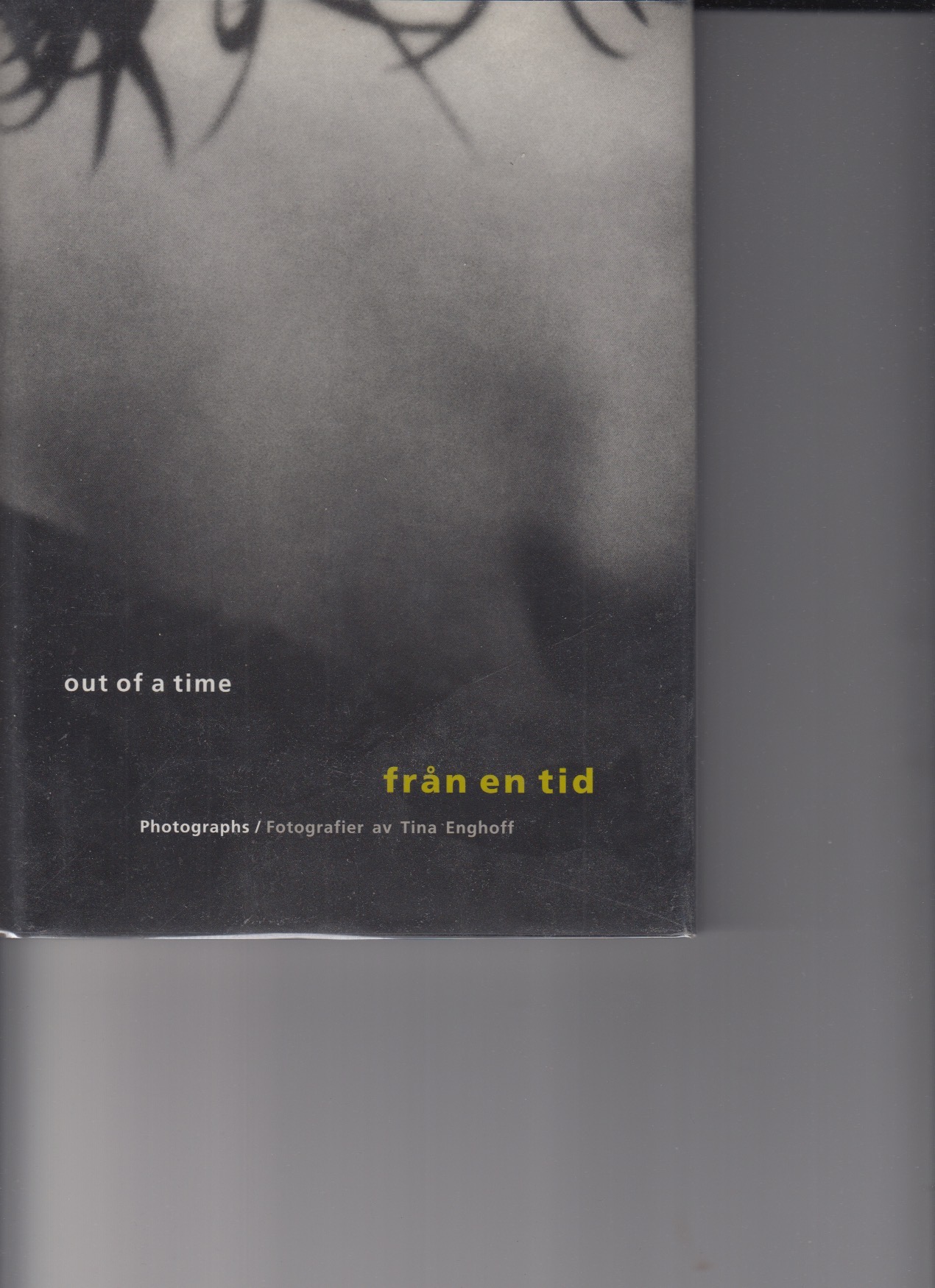
A reflective photographic project by Tina Enghoff exploring childhood, identity, and memory. It considers what is lost in leaving childhood behind—imagination, emotional fluidity, and a fairy-tale sense of perception. Enghoff suggests that while childhood becomes distant and fragmented, its memories persist as an obscured but foundational emotional presence shaping adult life
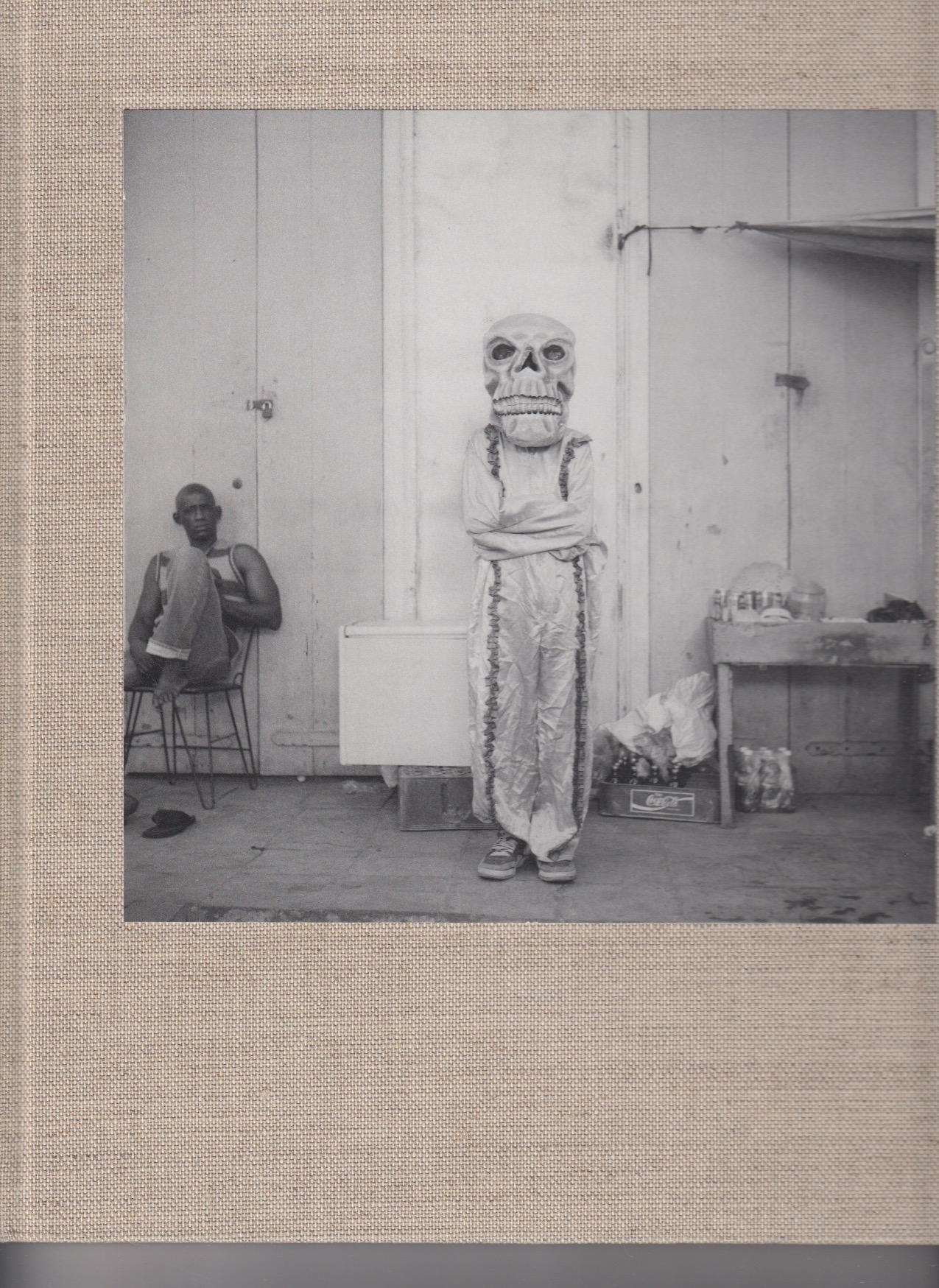
Leah Gordon has been photographing Jacmel Carnival and recording oral histories with its participants since 1995. Her photographs in ‘Kanaval’ are stripped of kinesis and exuberance. She uses a sixty-year-old Rolleicord medium-format twin-lens-reflex camera, and shoots onto black and white negative film. A consensual reciprocity between the photographer and the sitter arises which leaves behind the commotion of the street and enters the more tranquil territory of a portrait studio.
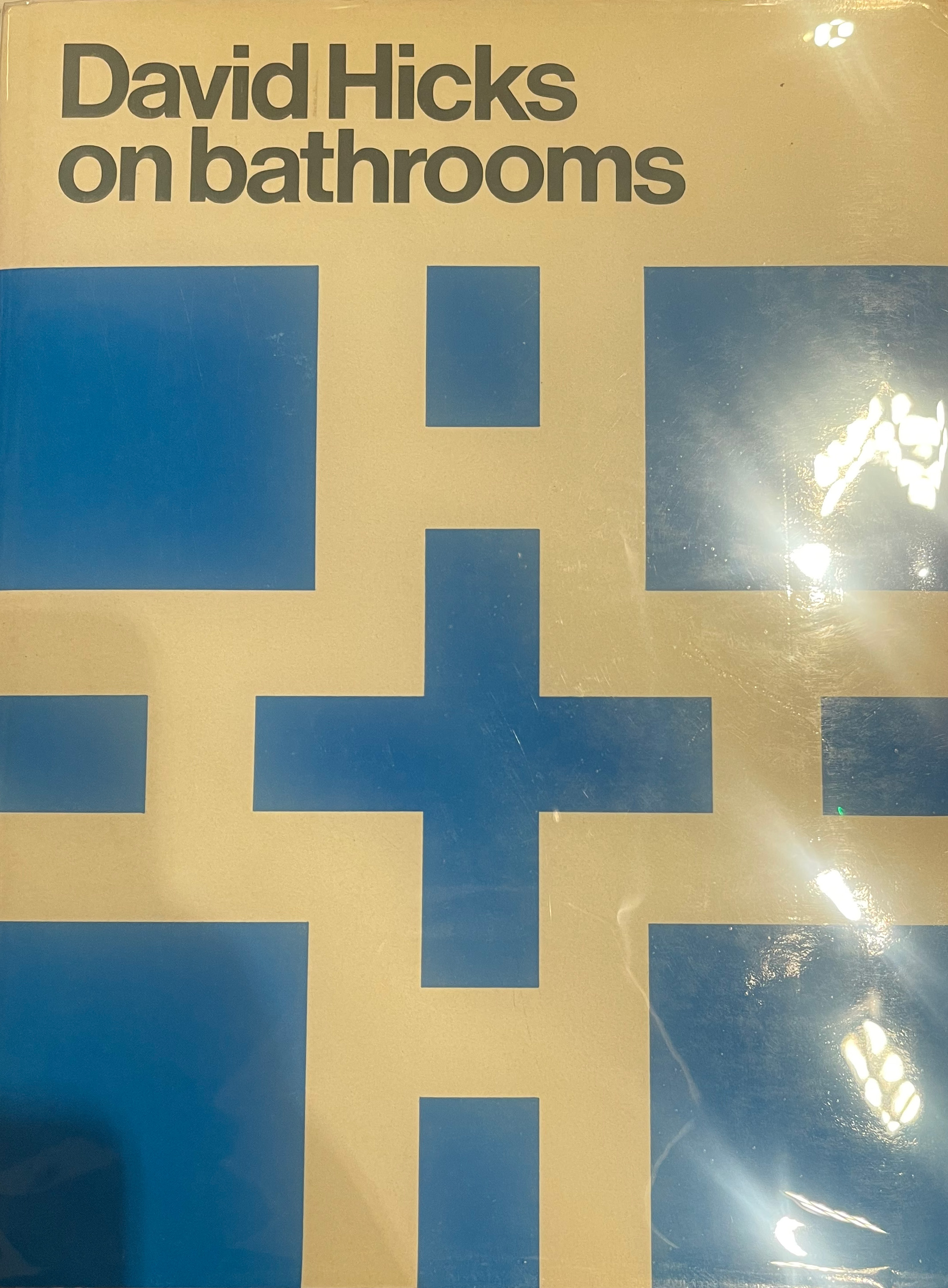
Description goes here
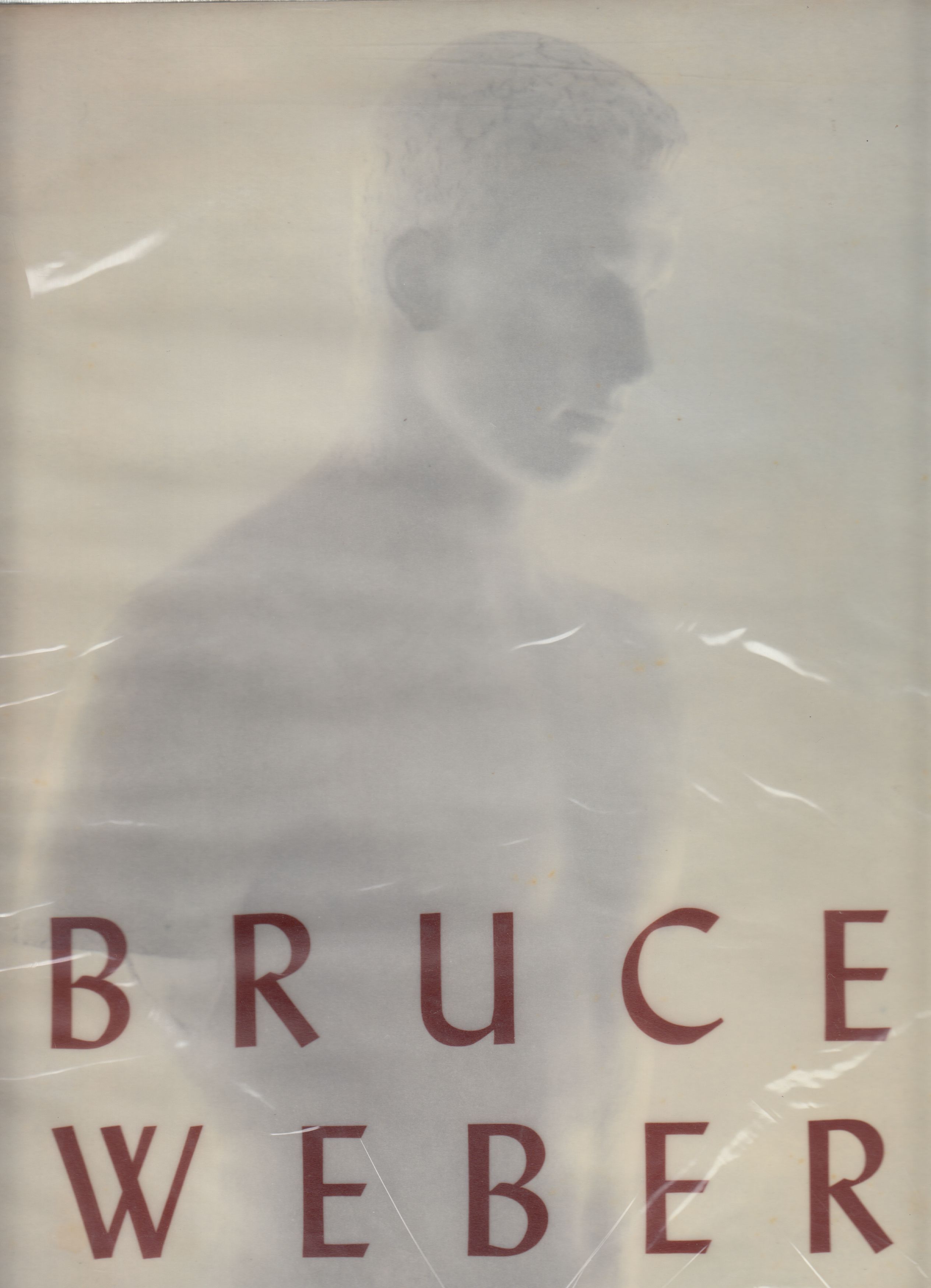
Bruce Weber’s second eponymous monograph is a multidimensional exploration of masculinity. These photographs present a wide array of shifting archetypes and myths that inform society's sense of the masculine – the tough guy, the wild man, the heroic athlete, the courageous soldier, the pensive artist, the family man, the sensitive troubadour, the object of desire.
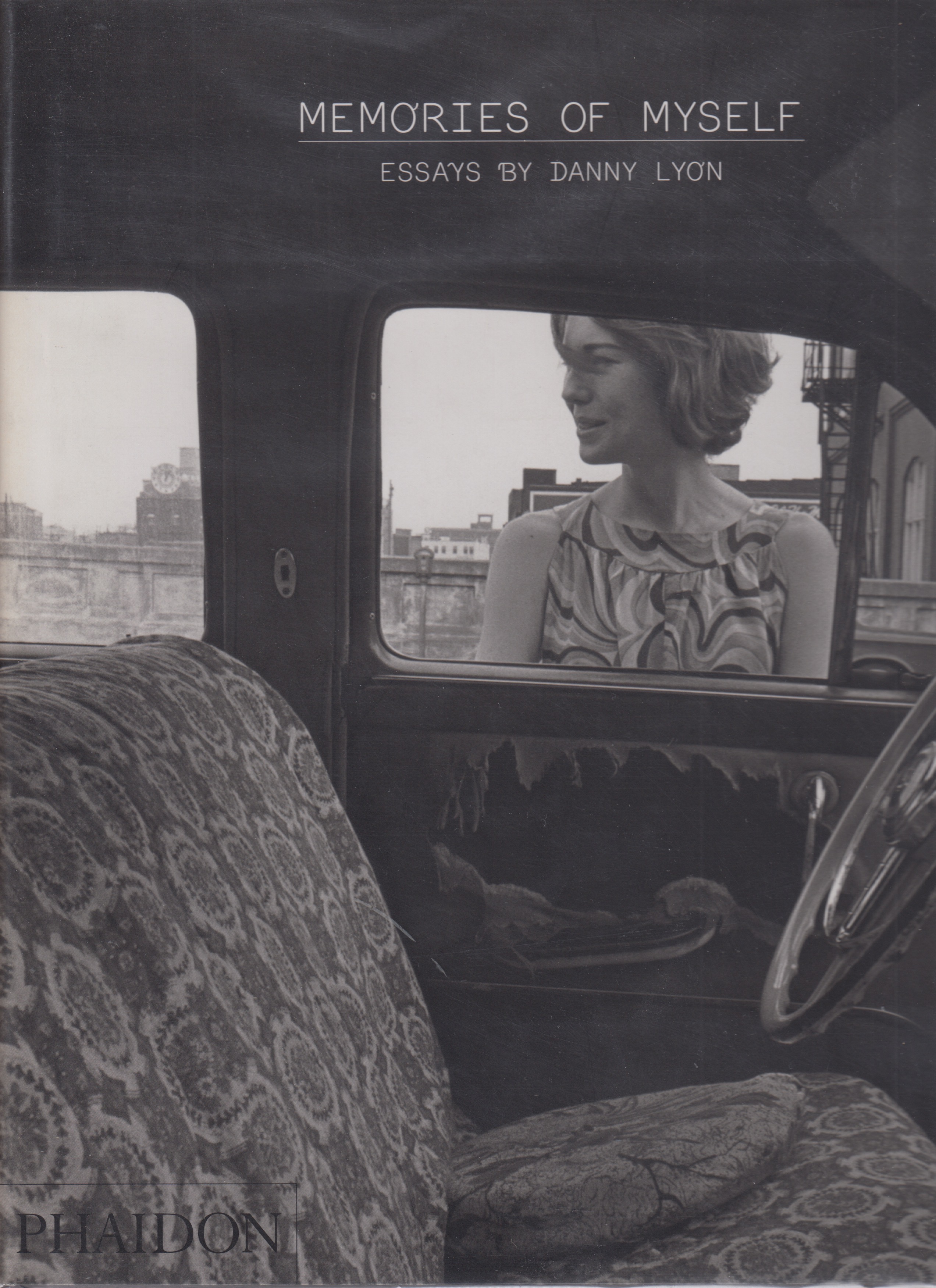
Memories of Myself collects together Danny Lyon's expansive body of work – from sensual images of girls in a barrio of Colombian brothels, to stunning portraits of young local boys in 1965 Chicago, from his most famous bodies of work to never before published projects.
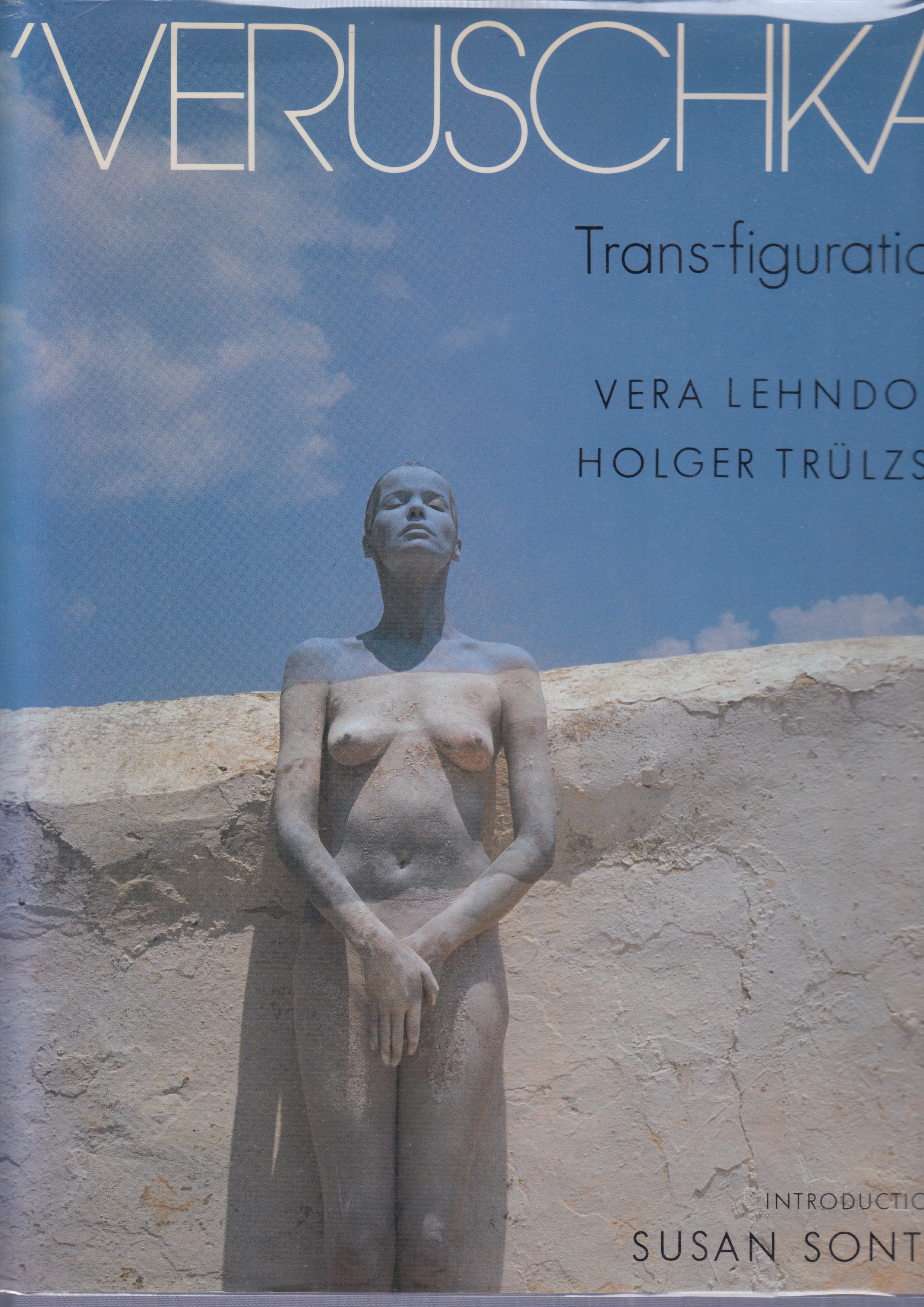
Perhaps the most famous and significant fashion model of the 1960s, the muse to Richard Avedon and star of Antioni's Blow Up, 'Veruschka' was the alter ego of a young German art student called Versa Con Lehndorff and, after a decade as the subject, she gave up modelling to become the canvas. Working in collaboration with the painter Holger Trülzsch, she disappears in images with her body as the canvas, becoming a stone, a wall, a factory floor, or a man, a worker, an aged queen.

This book presents the history of Japan's fine pottery and porcelains.
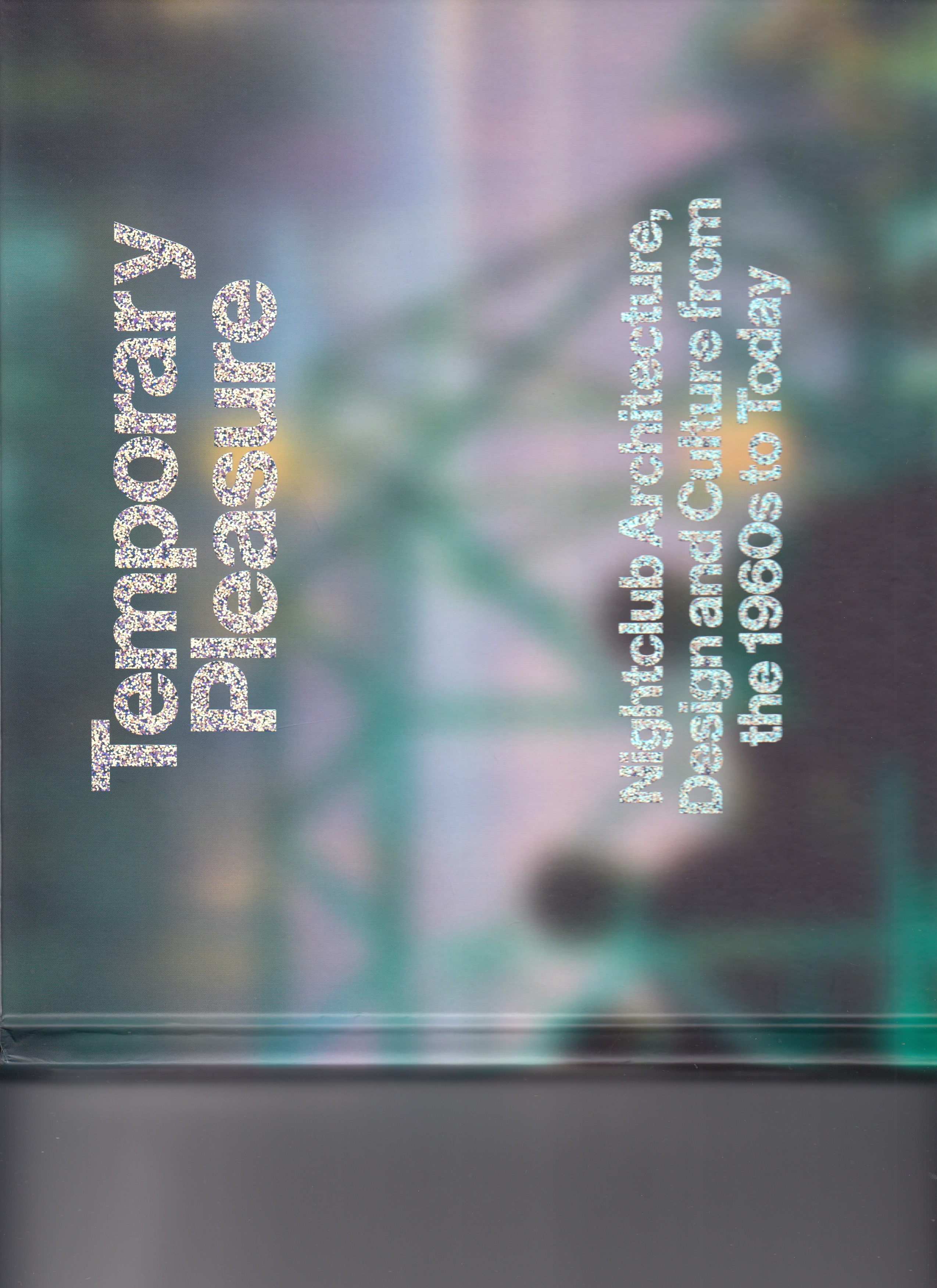
Temporary Pleasure traces the evolution of nightclub culture across America and Europe since the 1960s, revealing constant reinvention. From psychedelic New York and radical Italian clubs to disco, house, rave, Ibiza retreats, and Berlin techno, each chapter explores a defining scene. Through interviews, design analysis, and vivid photography, John Leo Gillen captures nightlife’s shifting cultural and architectural identities.
Throughout the 1980s, Arakawa continued to address both the physical and conceptual relationship of the viewer to a painting. This publication is the catalogue for thw 1991 retrospective, Constructing the Perceiver – Arakawa: Experimental Works, which opened at the National Museum of Art in Tokyo and later travelled to The National Museum of Art, Kyoto and The Matsuzukaya Art Museum, Nagoya.
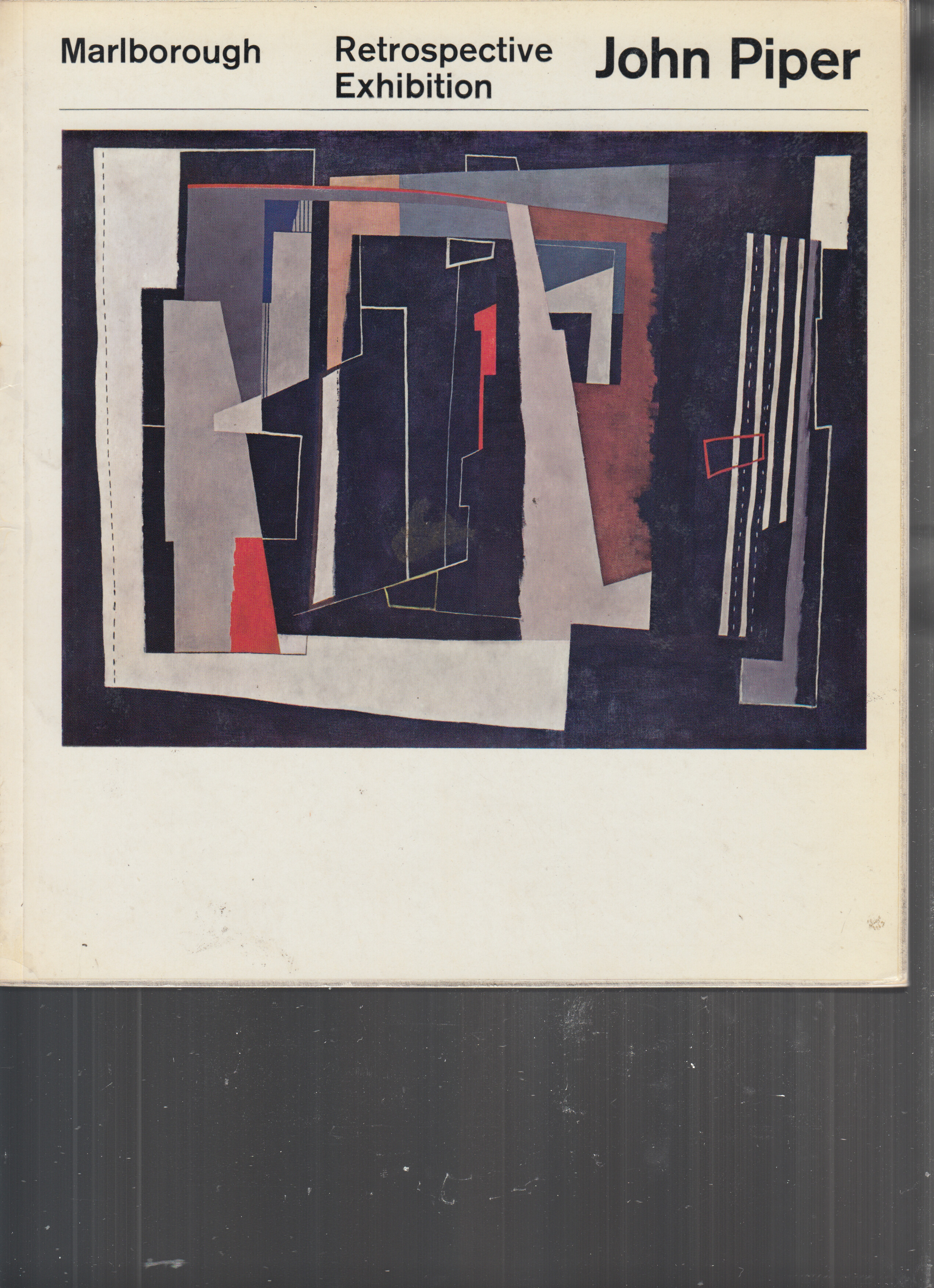
Exhibition catalogue of the work of John Piper – a pivotal 20th-century British artist celebrated for his evocative landscapes, churches, and monuments, bridging English Romanticism with modernism, abstraction, and surrealism, working across painting, printmaking, stained glass, theatre sets, and textile design.
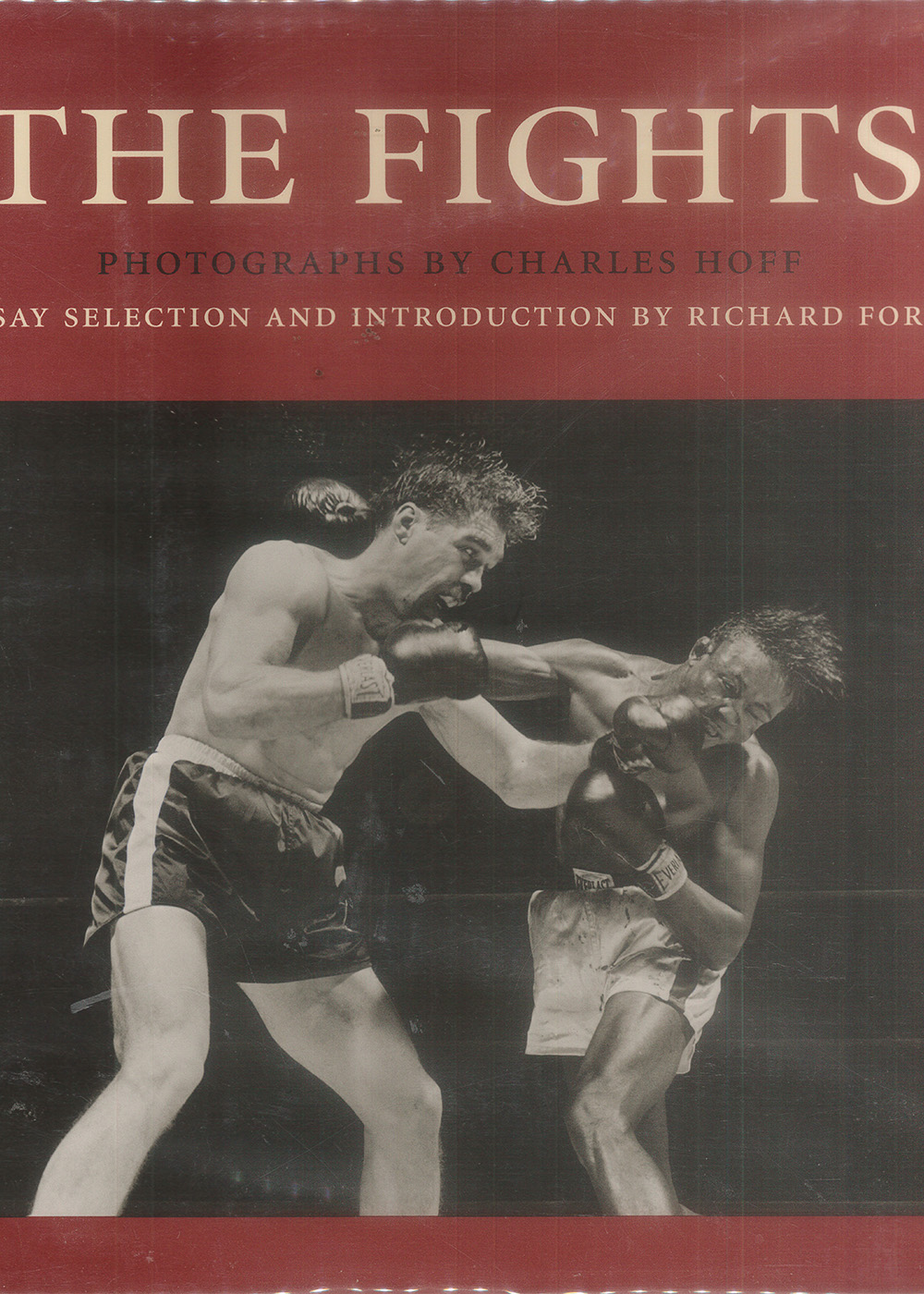
A book containing essays on boxing, illustrated by the remarkable photographs of Charles Hoff, one of the leading photographers of the 1940s and 50s.

Ian Hamilton Finlay (1925–2006) was an influential Scottish poet, artist, and gardener renowned for blending classical poetry with visual art, sculpture, and landscape design. This publication was published on the occassion of his works exhibited at La Fondation Cartier.

A book of the furniture design work by Thomas Rietveld.
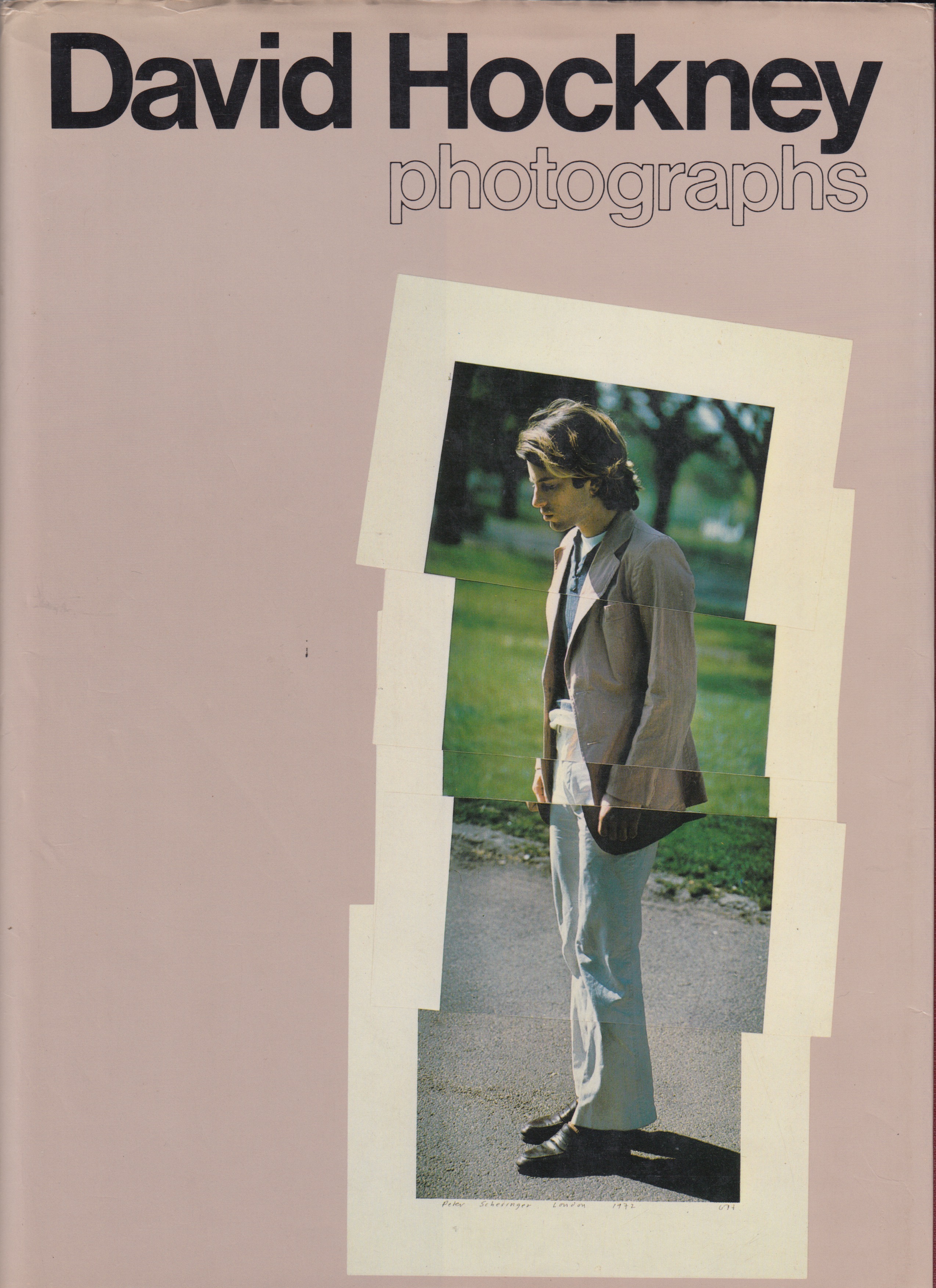
A collection of photographs by David Hockney, published in 1982 for the exhibition of the same name at the Centre Pompidou in Paris.

This book celebrates modern Japanese poster design, showcasing works that combine tradition, bold experimentation, and visual sophistication. Highlighting the concept of kirei, the collection demonstrates how Japanese posters blend classical elegance with inventive, self-contained visual messages, creating striking, memorable imagery that transcends conventional advertising and reflects a unique, independent creative spirit.
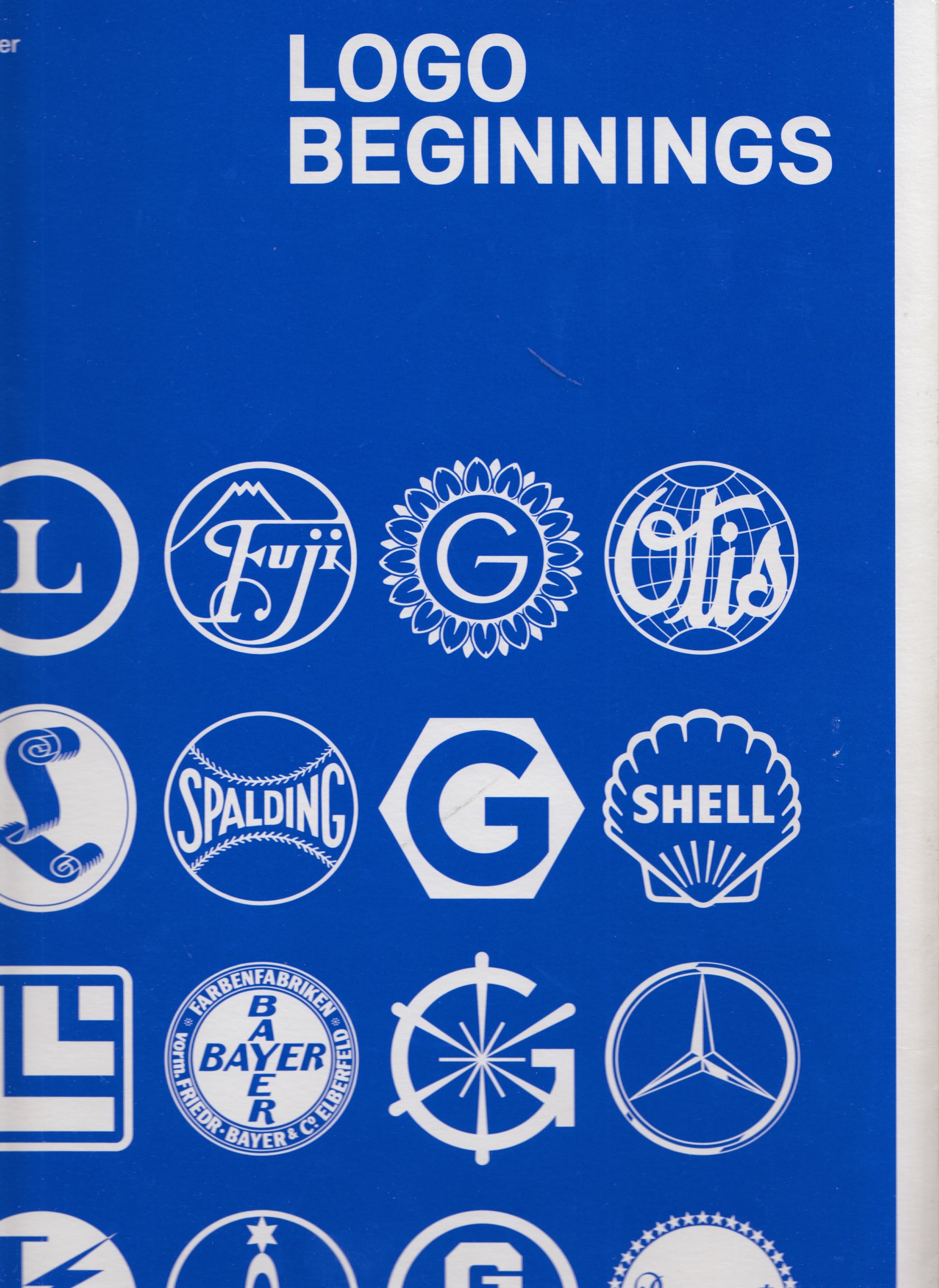
This unparalleled collection traces the development of modern trademarks and sheds light on forgotten designs and early versions of famous logos.

The Airport Pictures of Garry Winogrand assembles 86 of the photographer's most compelling, never-before published images of travellers, flight attendants, airport waiting rooms, airplanes on runways and all the people and places in between.
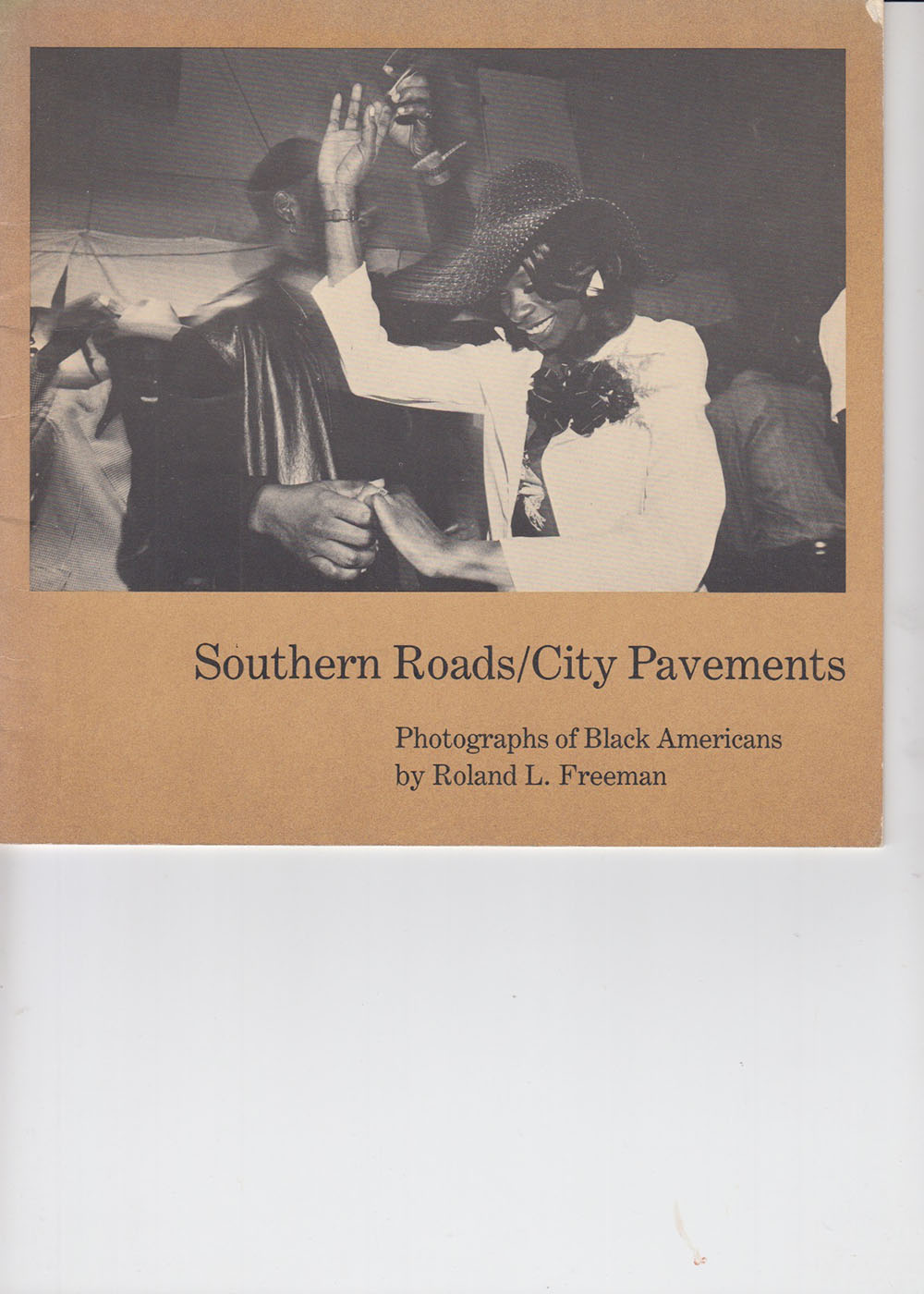
Exhibition catalogue of works by Roland Freeman, capturing the daily life in black American culture during its transition from rural to urban settings.
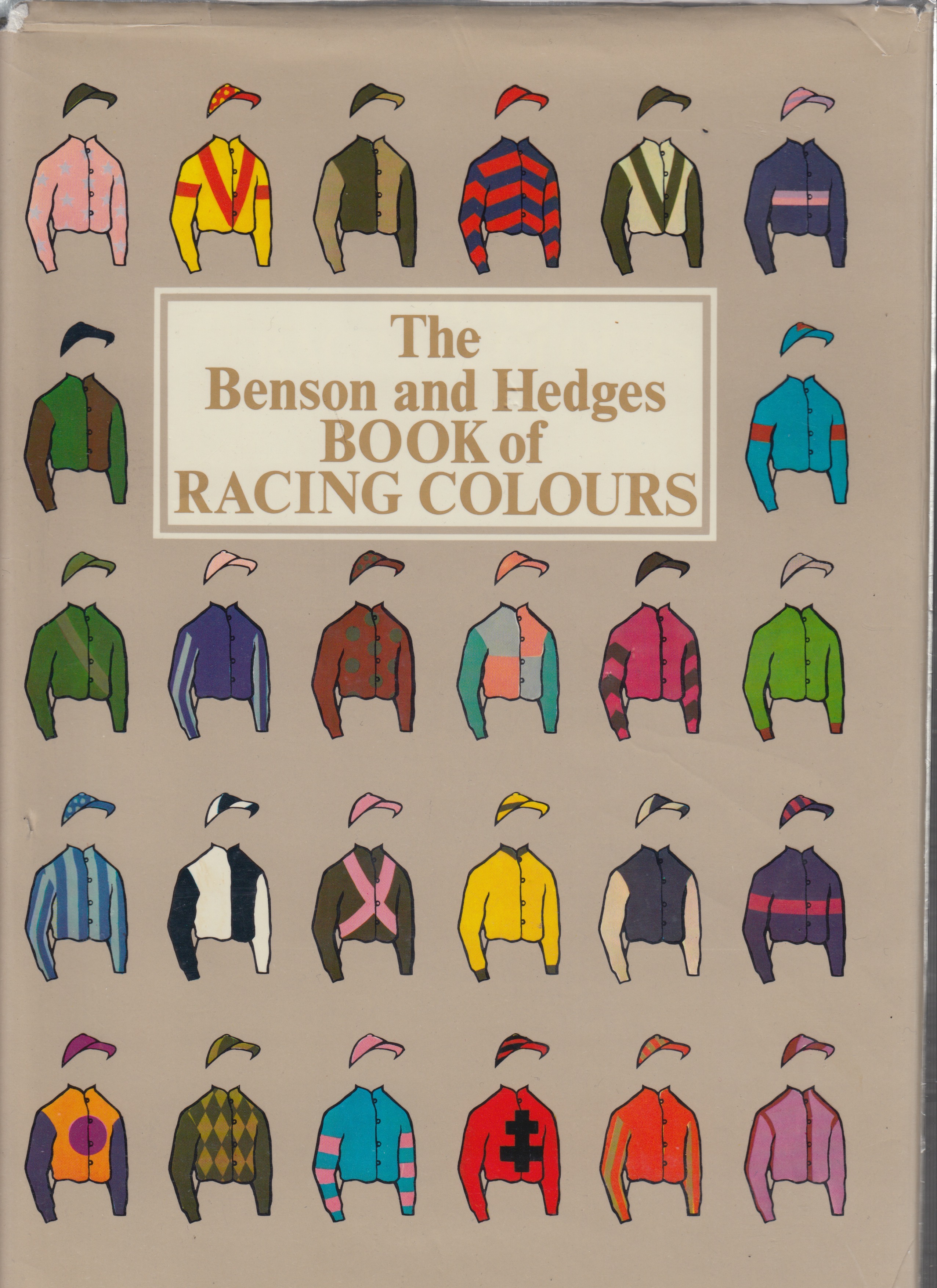
A pictorial dictionary of racing colours; as much a work of graphic art as a reference book. Each page contains a grid of 30 line drawings of a jockey shirt and cap with the colours and names of the owners. Nearly 10,000 registered owners' racing colours are depicted.
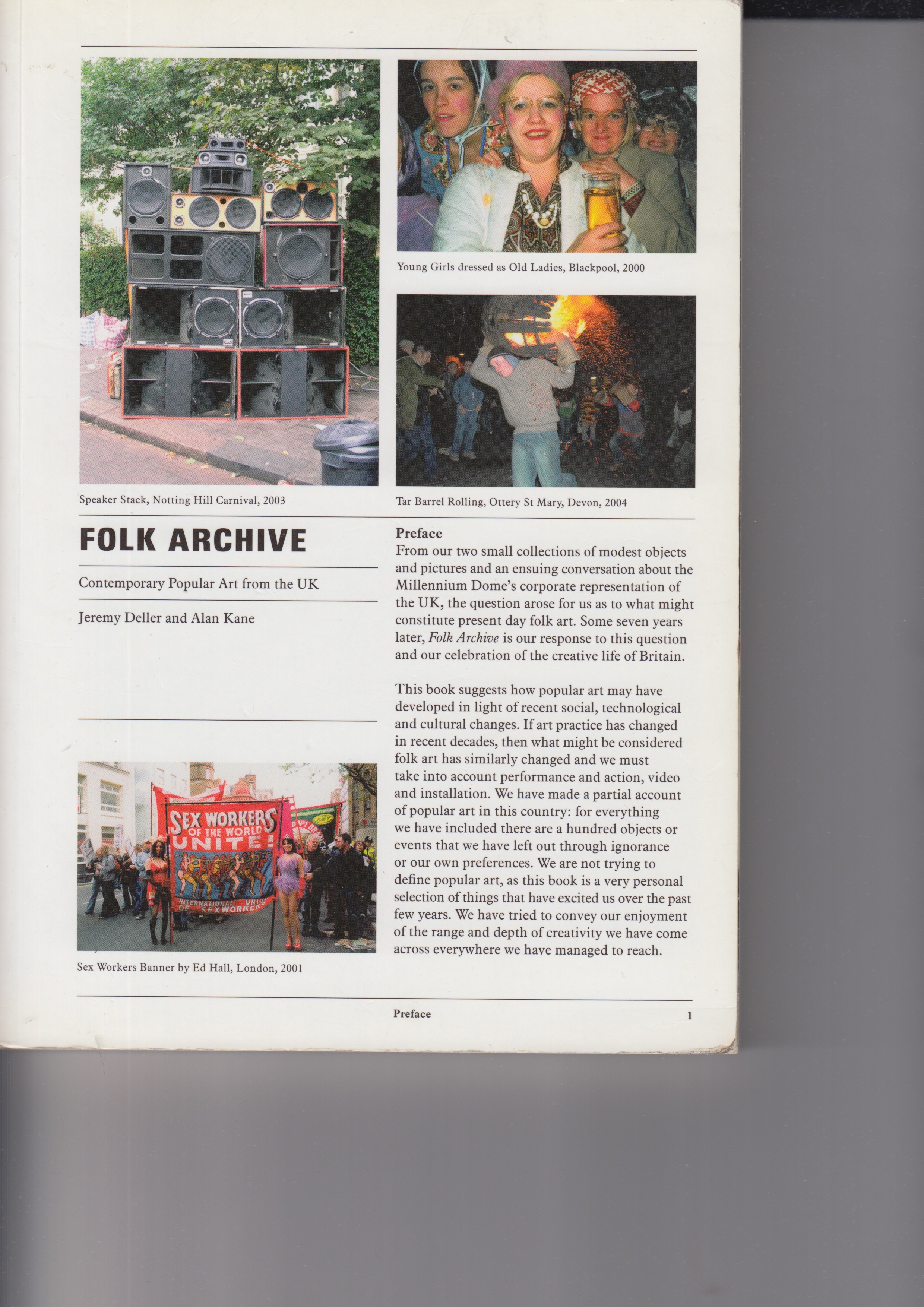
A book about the creative life of Britain and the first attempt since the Festival of Britain to document the popular and folk art of the present day. Organised by Jeremy Deller and Alan Kane, Folk Archive: Contemporary Popular Art from the UK, presents a personal selection of objects and actions, containing elements of ambition, humour, pathos and resistance, which present us with invaluable evidence of creative life in Britain today
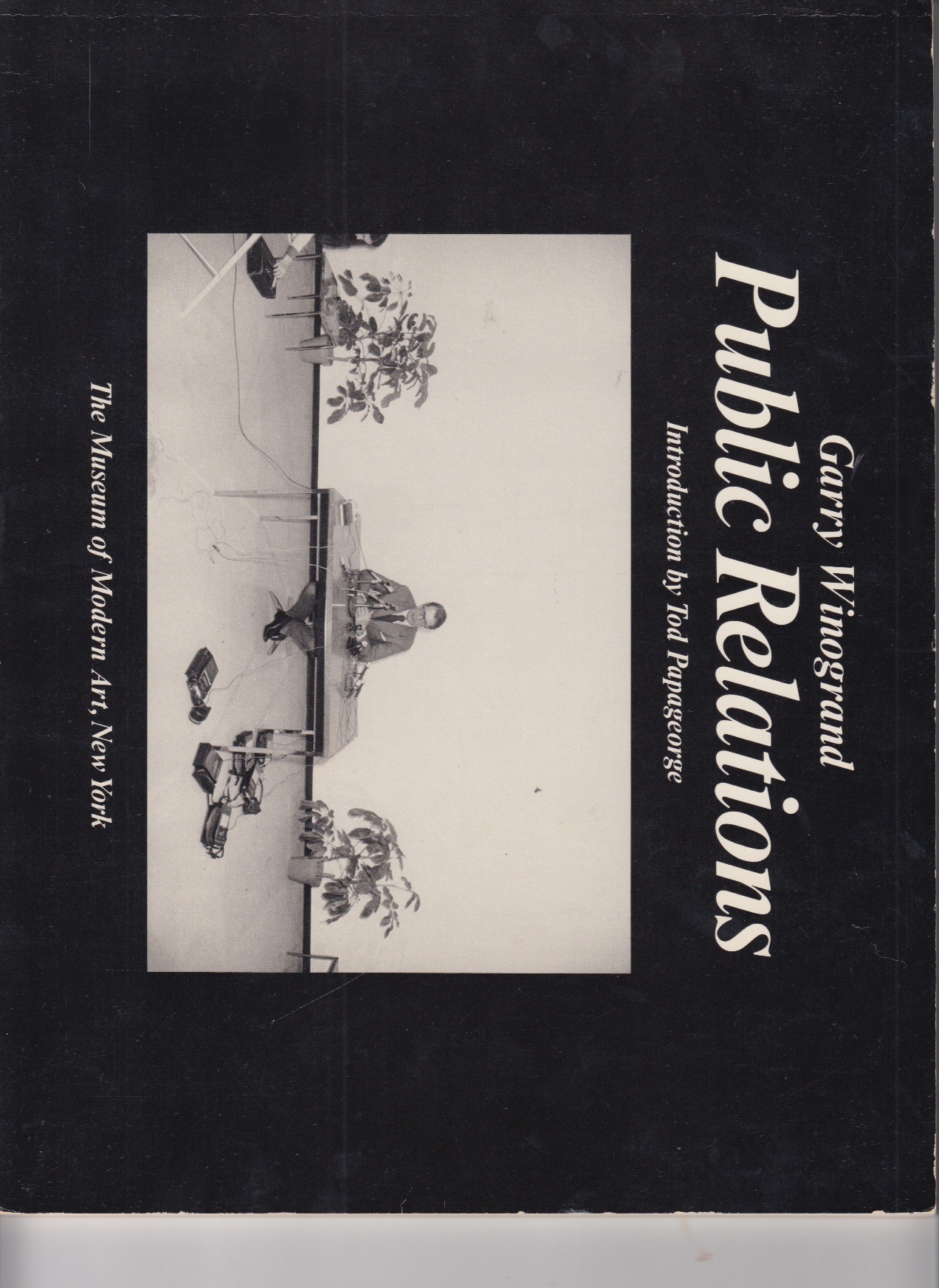
In 1969, Winogrand documented a number of public events. The photographs depict our emerging dependence on the media as well as how the media changes and sometimes even creates the event itself.

Following the release of the first seven volumes in 1973 the editors returned to the project in 1977 with a series of four yearly annuals.
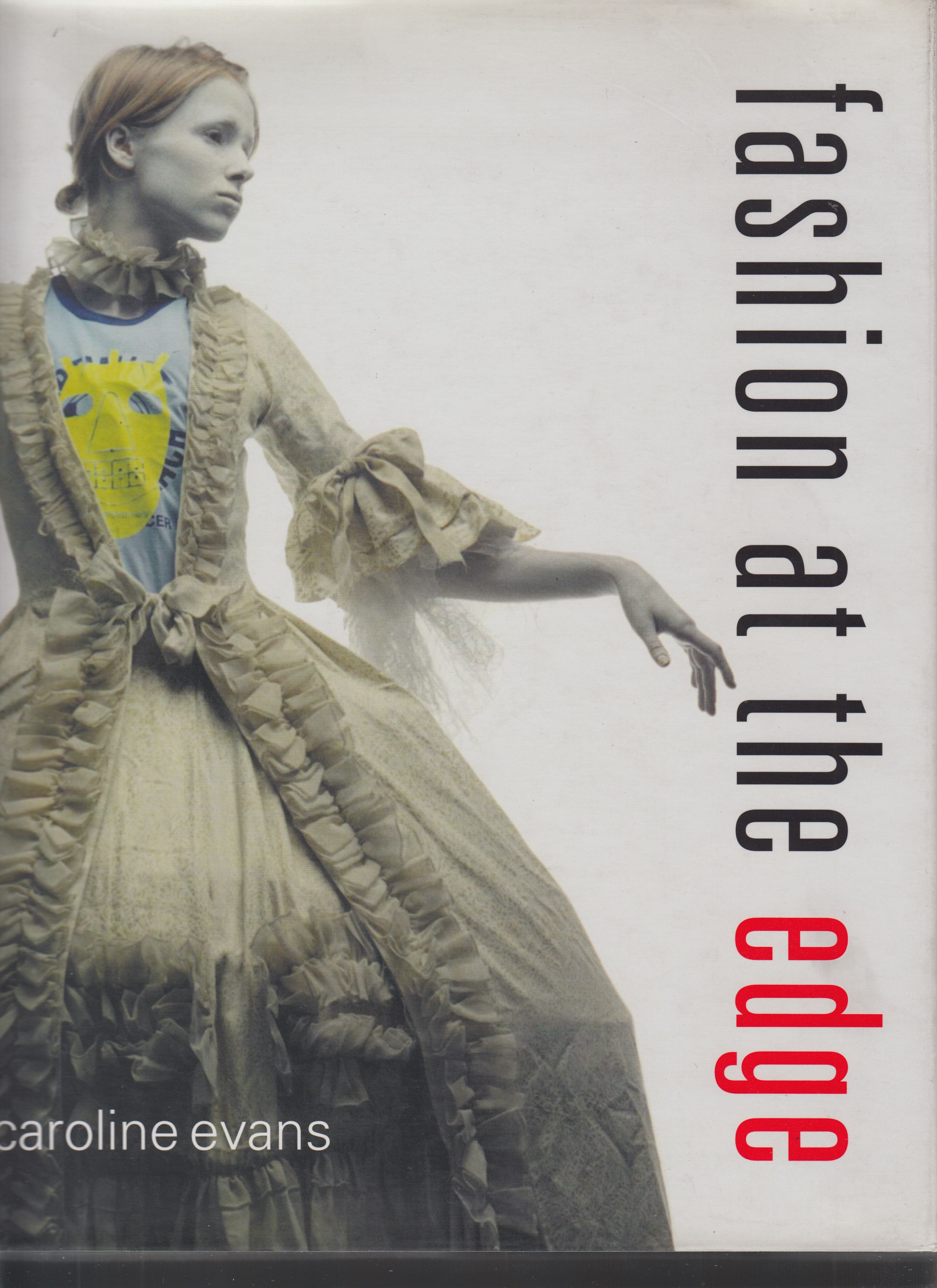
Fashion has a dark side – a preoccupation with representations of death, trauma, alienation, and decay. This intriguing book looks closely at this strand of fashion design in the 1990s, exploring what its disturbing themes tell us about consumer culture and contemporary anxieties. Fashion at the Edge considers a range of cutting-edge contemporary fashion in unprecedented depth and detail, including the work of such current designers as John Galliano, Alexander McQueen, Hussein Chalayan, and Viktor & Rolf. Contrasting images by photographers like Steven Meisel, Nick Knight, and Juergen Teller are also reviewed
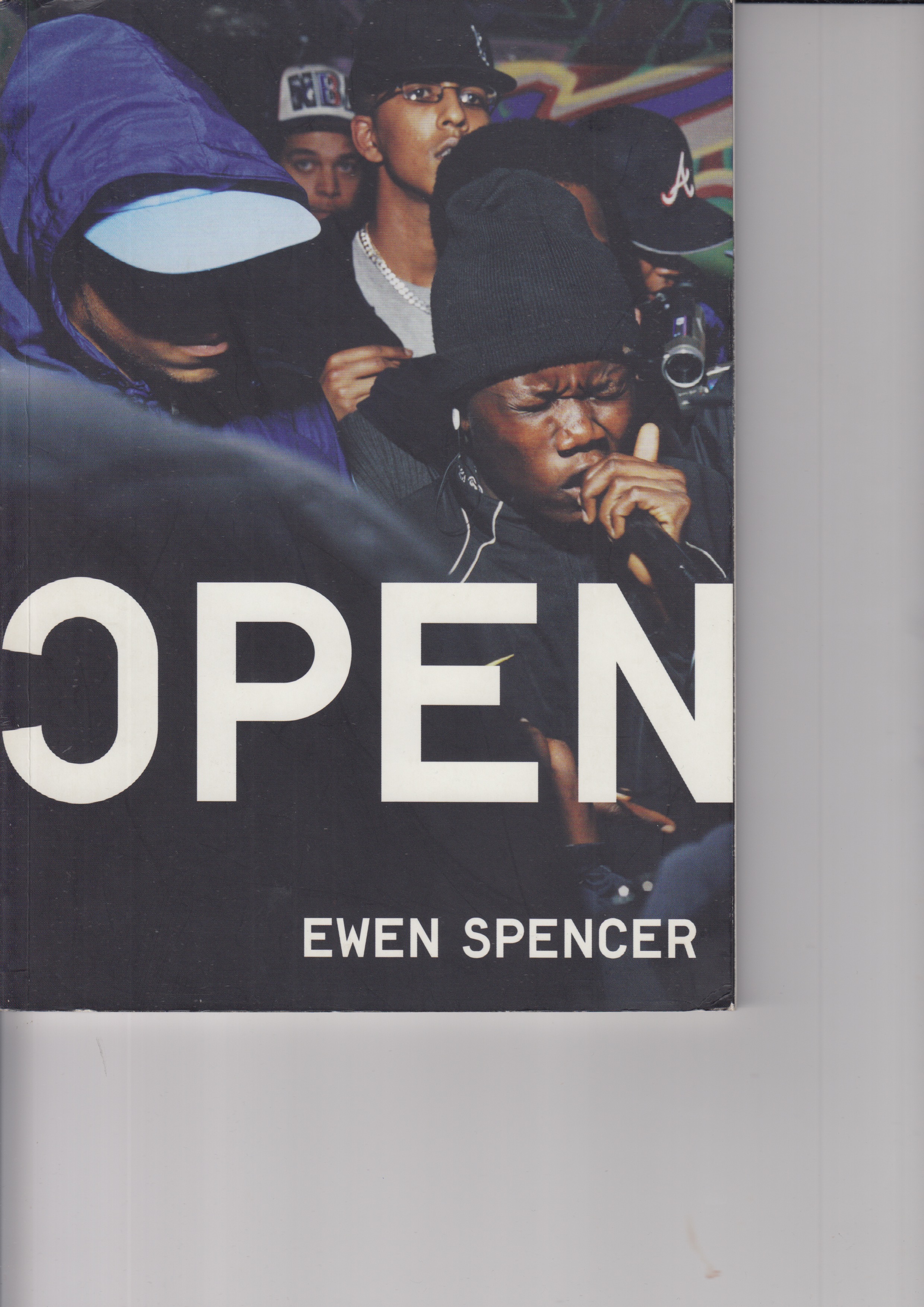
Ewen Spencer's photographic exploration into the East London Grime scene.

An encyclopedia about documenting the Decorative Arts Movement from 1940-1980.
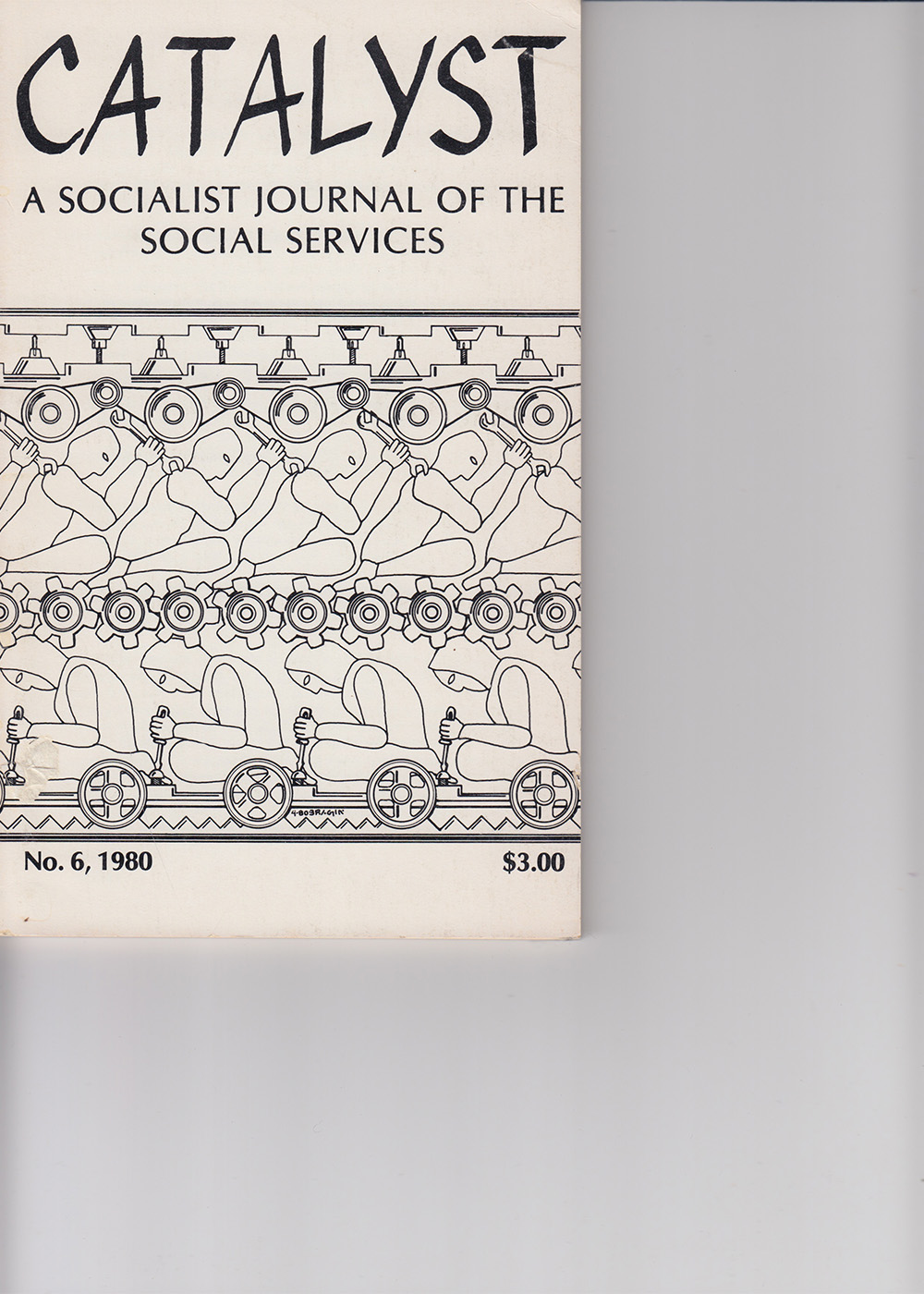
A socialist journal of the social services. In this issue: social planning; women, class and struggle; children's education.
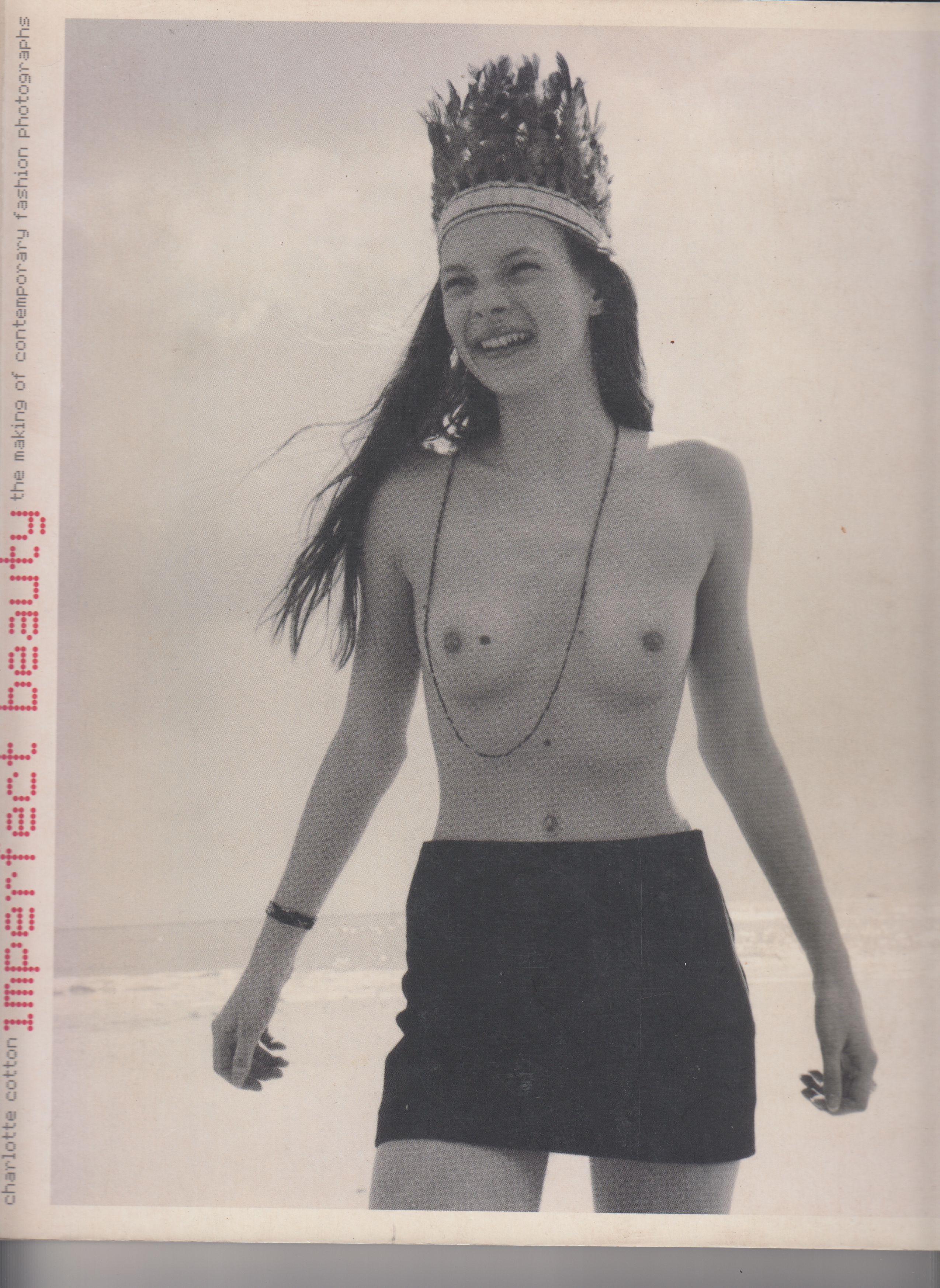
Published to coincide with an exhibition in the Canon Photography Gallery at the V&A, this book looks at the work of key British photographers, art directors and stylists who changed the face of fashion photography in the 1990s. The illustrations show how the distinctions between editorial and advertising, photography and fine art and commercial styles became blurred while the growth in the number of magazines and the rise of the internet increased the scope and availability of fashion imagery. Through interviews and photographs, a style of photography emerges which has a harder edge and challenges previously accepted stereotypes of fashion and glamour.
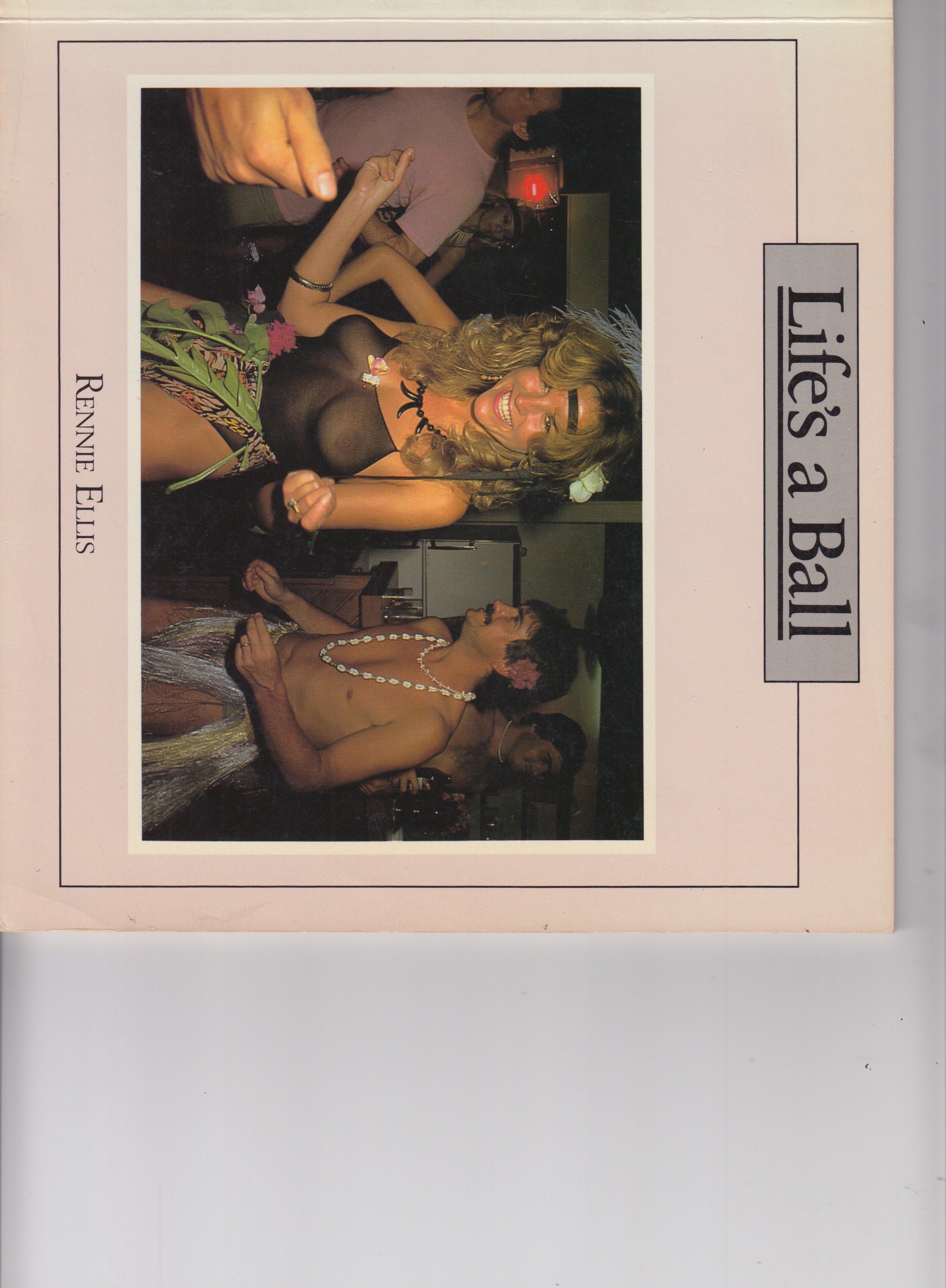
Photographs of parties and balls.
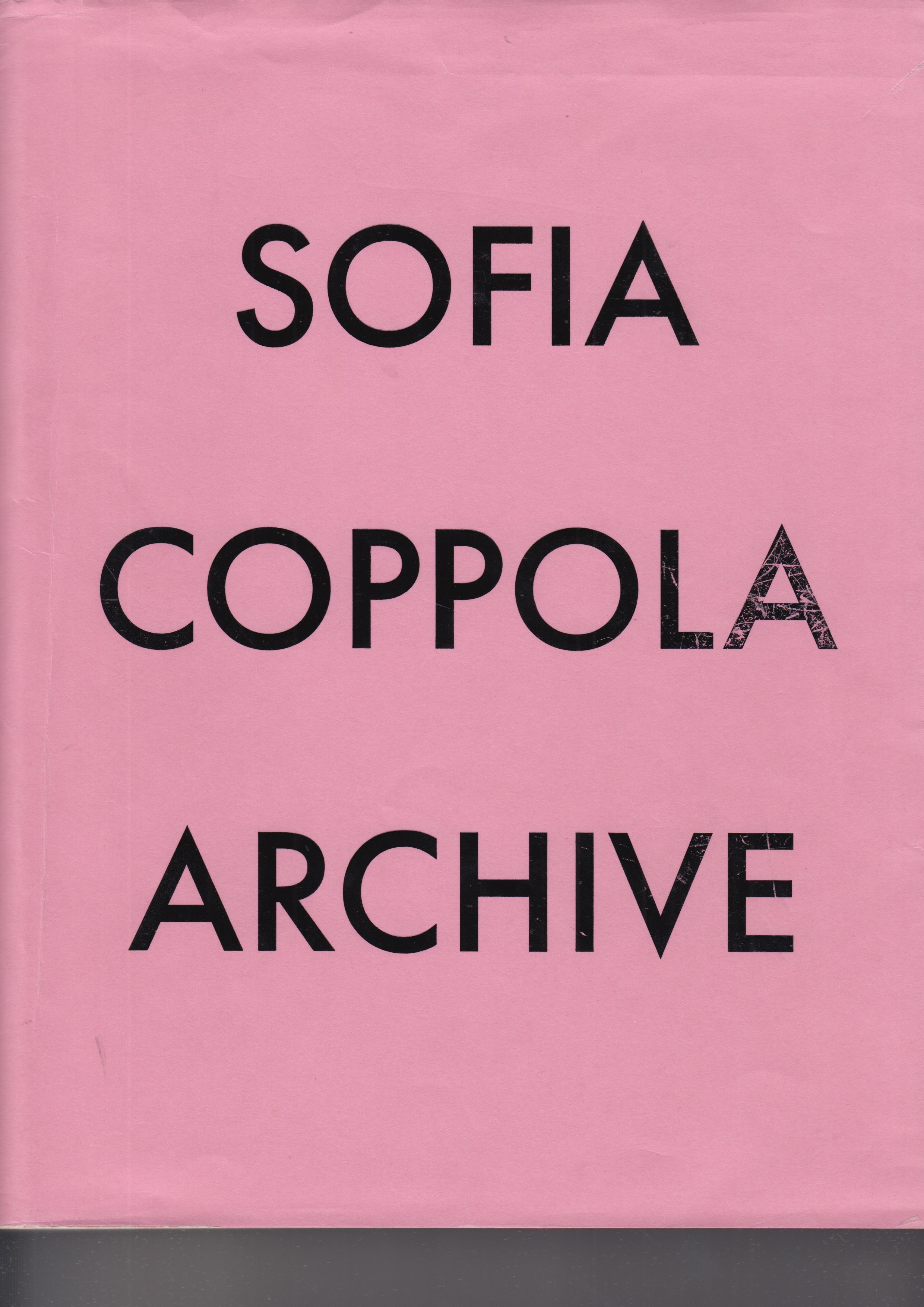
Archive is the first book by Sofia Coppola, covering the entirety of her singular and influential career in film. Constructed from Coppola’s personal collection of photographs and ephemera, including early development work, reference collages, influences, annotated scripts, and unseen behind-the-scenes documentation, it offers a detailed account of all eight of her films to date.

This book presents necklaces, rings, bracelets, pendants, earrings, and cuff links designed by sixteen modern architect, with brief interviews with each about their work. Includes postmodern jewelry by Mario Bellini, Ettore Sottsass, Peter Shire, Marco Zanini, Michele de Luccchi et al.


In this anthology, curator and director Catherine de Zegher compiles 25 influential essays on women artists from the numerous books she has written and edited throughout her career. Like many of de Zegher’s previous projects and books, Women’s Work Is Never Done promotes the feminine principle, showcasing the work of female artists from across the world. Featured artists include Martha Rossler, Anna Maria Maiolino, Anna Atkins, Hilma af Klint, Agnes Martin, Eva Hesse, Judith Wright, Simryn Gill and more.
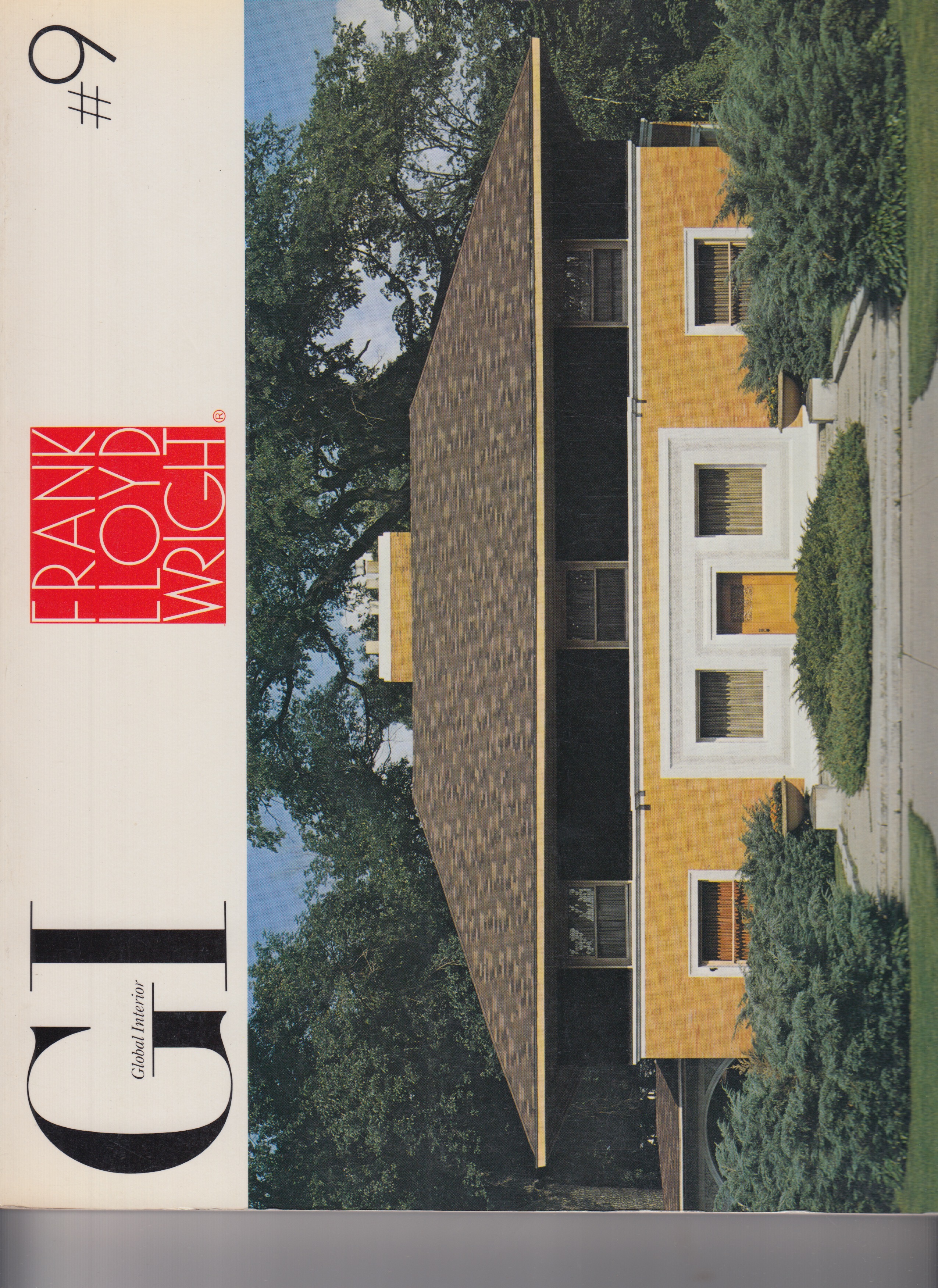
Issue on the work of Frank Lloyd Wright.

This book explores furniture from ancient Egypt to 400 BC, emphasising style, construction, and detailed measured drawings. It presents continuity of design across centuries, showcasing features like animal-hoof chair legs evolving from cattle to lions, and decorative motifs such as pine cones, offering a thorough study of early craftsmanship and aesthetic development in ancient furniture.

Exhibition catalogue published in conjunction with a show held June 6 - August 19, 1990.

A collection of stamps from the People's Republic of China between 1949 - 1954, supplement to China Reconstructs Issue 4 1955
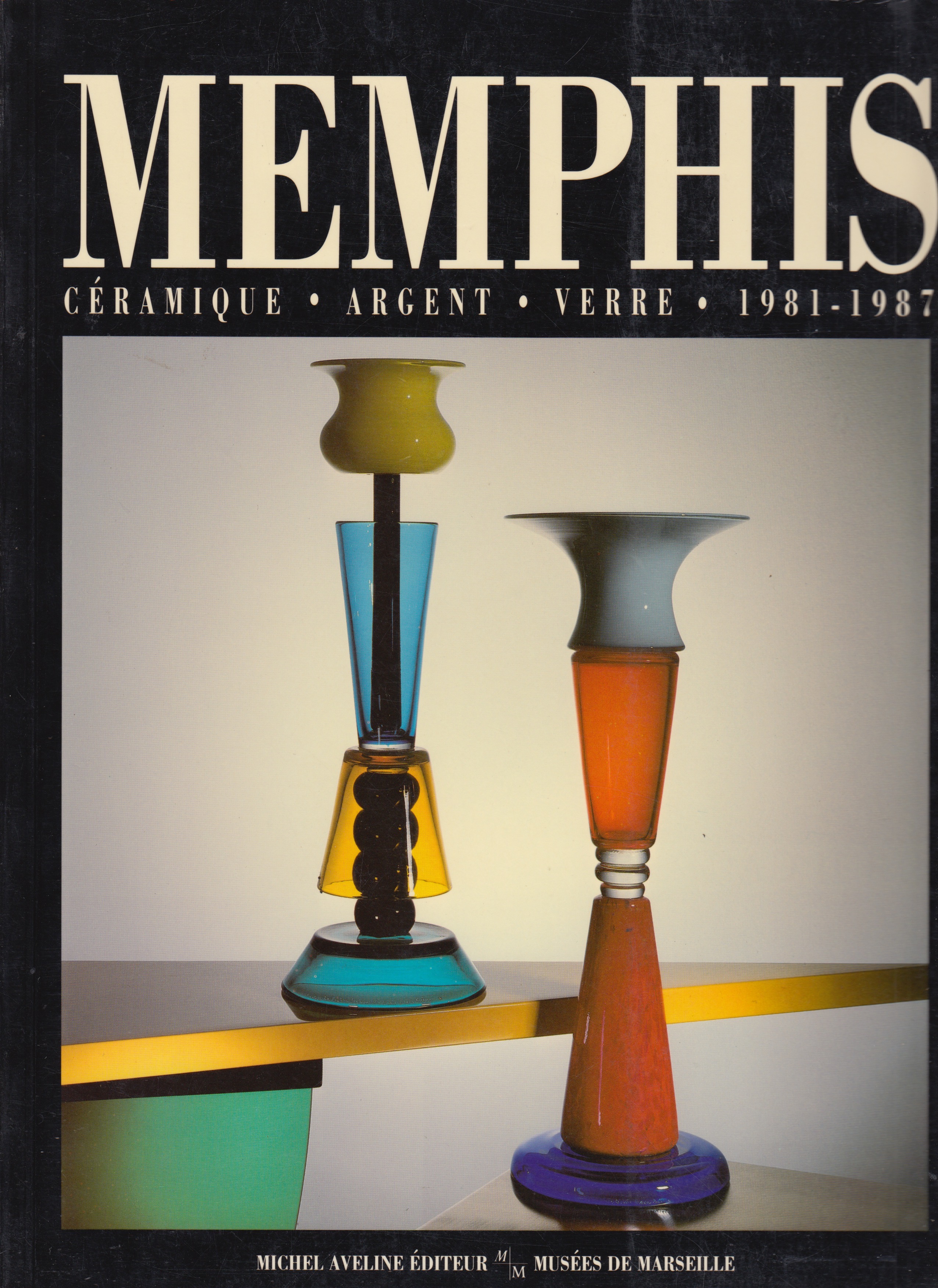
Published for an exhibition at the Centre de la Vieille Charité, this catalogue explores ceramics and glass by the Memphis Group. Featuring essays and illustrations, it highlights works by designers including Ettore Sottsass, Michele de Lucchi, Andrea Branzi, and Nathalie du Pasquier, alongside a bibliography and exhibition history.
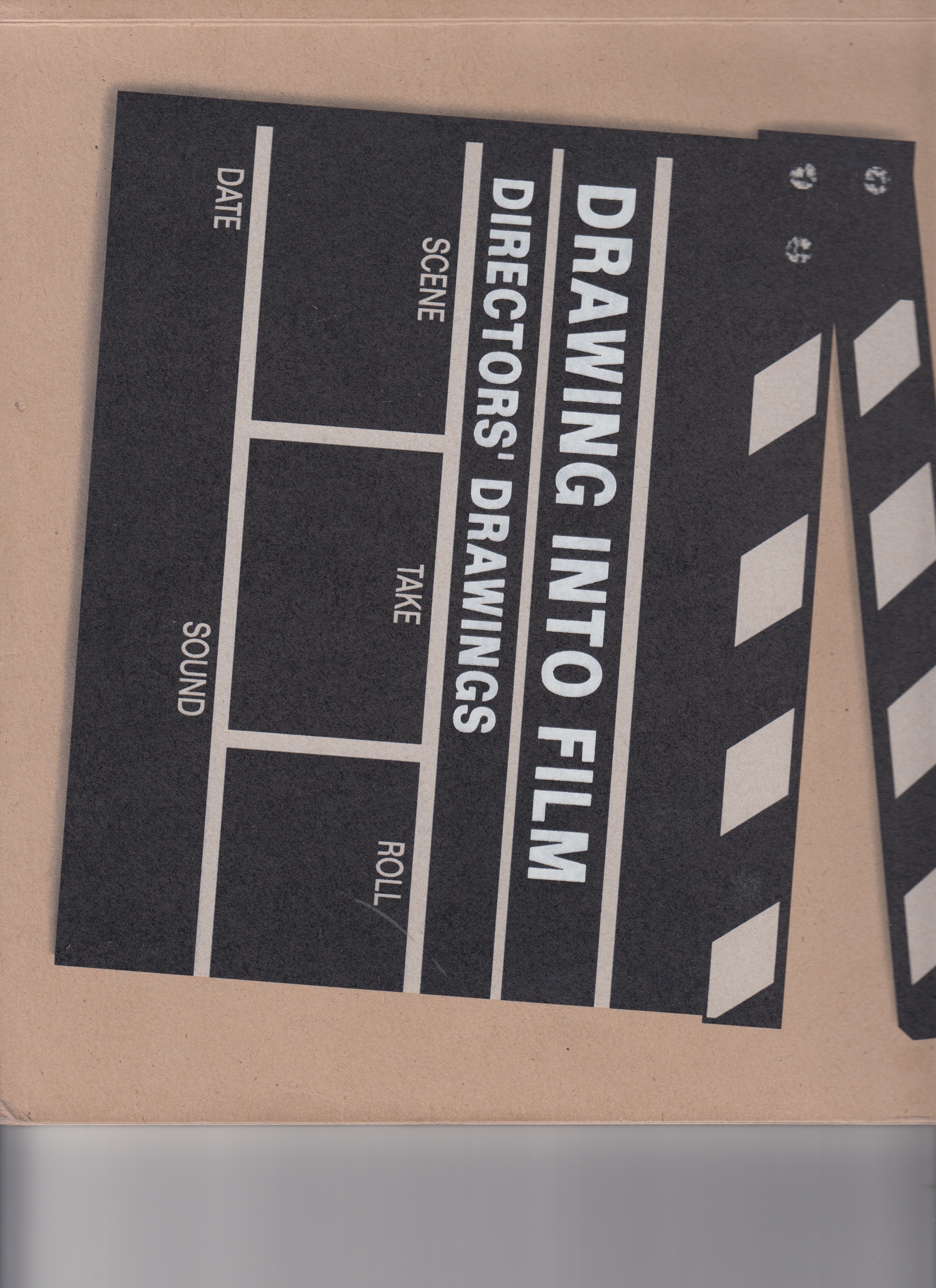
Drawing into Film: Directors Drawings is a 1993 book published alongside an exhibition showcasing the personal sketches, storyboards, and other drawings of various film directors, such as Alfred Hitchcock, Sergei Eisenstein, and David Lynch. Curated by Marc Glimcher and Mark Pollard for the Pace Gallery, it demonstrates how drawing is an integral part of a director's creative process for visualising ideas, from scripts and storyboards to character and set design
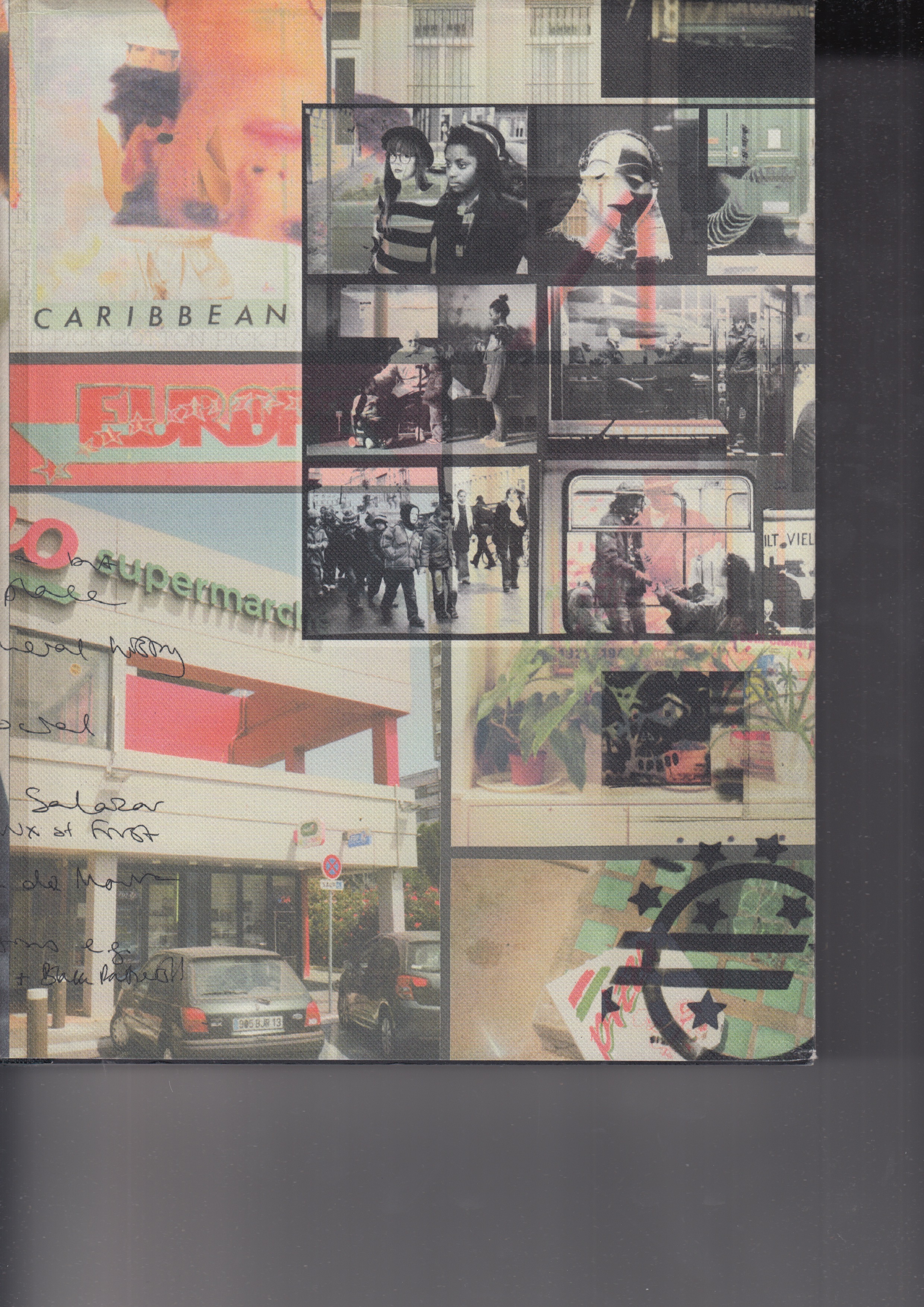
Johny Pitts presents an ongoing visual documentation of the lives and cultures of Black Europeans bringing together twenty years of photography, notebooks and ephemera. Adding new layers of understanding of the Black experience in Europe, and spanning cities such as Paris, Berlin, Lisbon, Brussels, Amsterdam and Stockholm, Pitts delves even deeper into the lives, histories, and cultures of Afropeans.
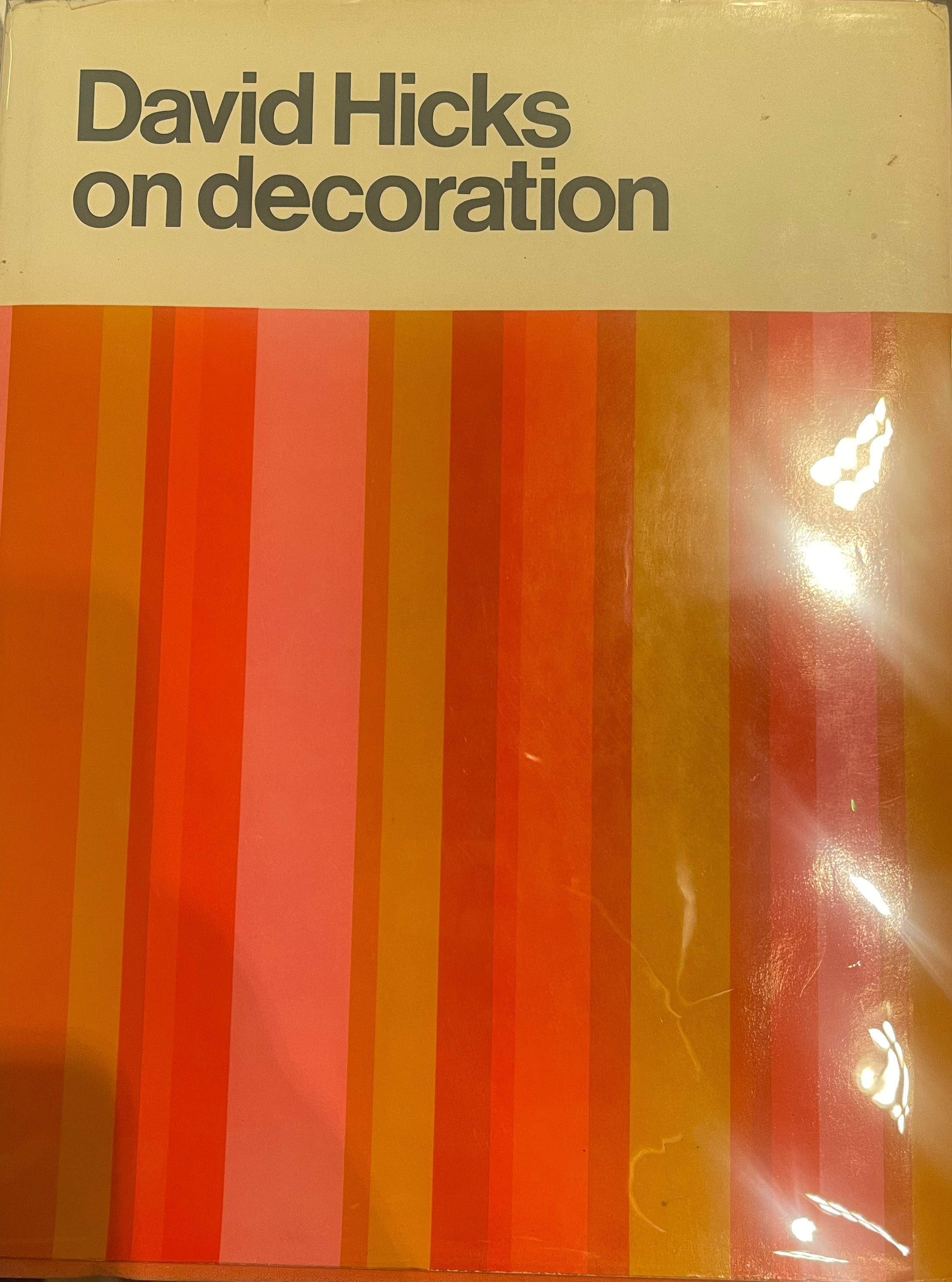
Description goes here
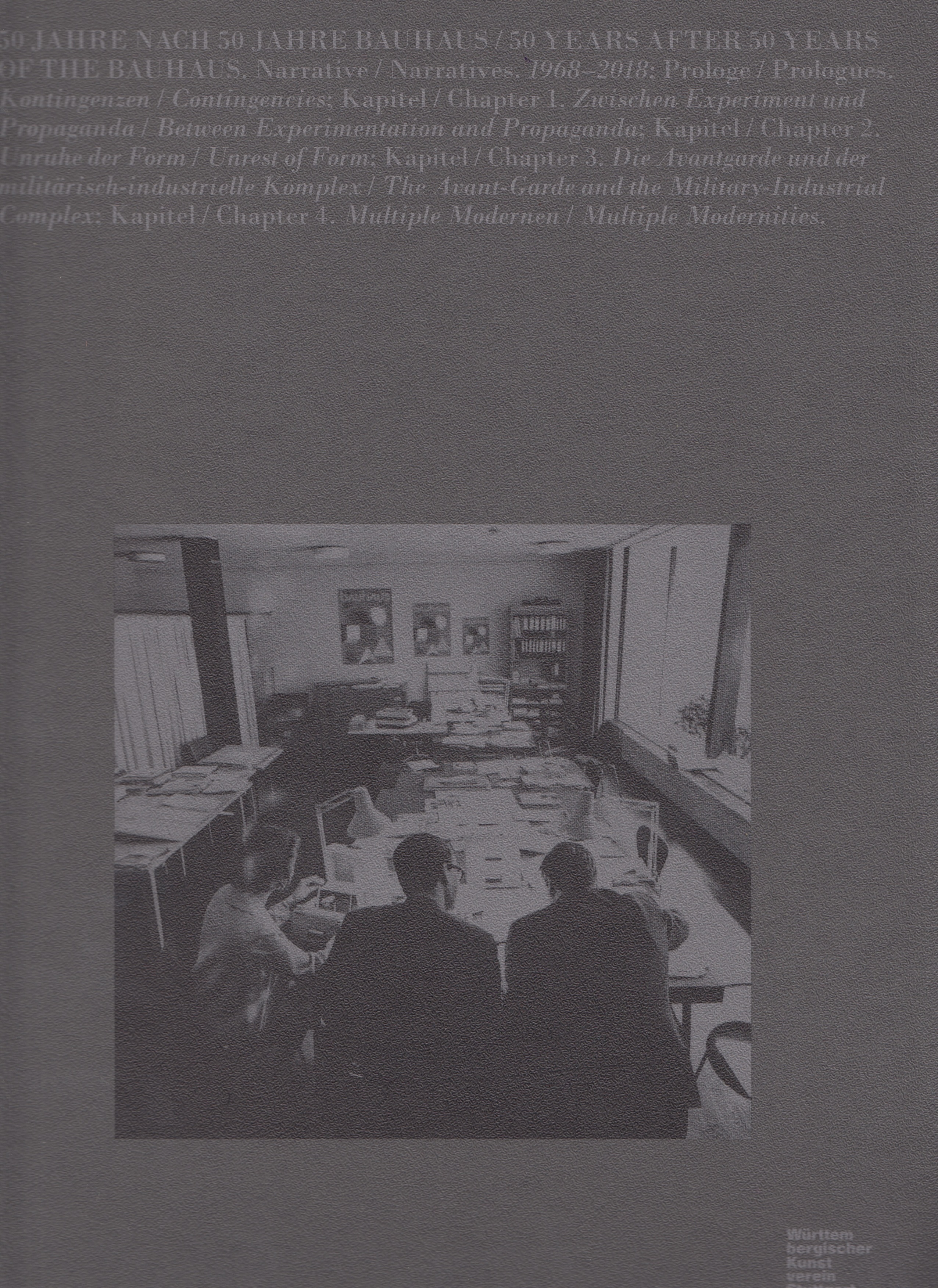
On 4 May 1968, as protests shook Paris, the exhibition 50 Years Bauhaus opened at the Württembergischer Kunstverein, becoming the most influential post-war show on the Bauhaus. Fifty years later, the Kunstverein reassessed it, examining Bauhaus figures’ ties to National Socialism and links between avant-gardes and the military-industrial complex, while broadening its context beyond West Germany and the US.
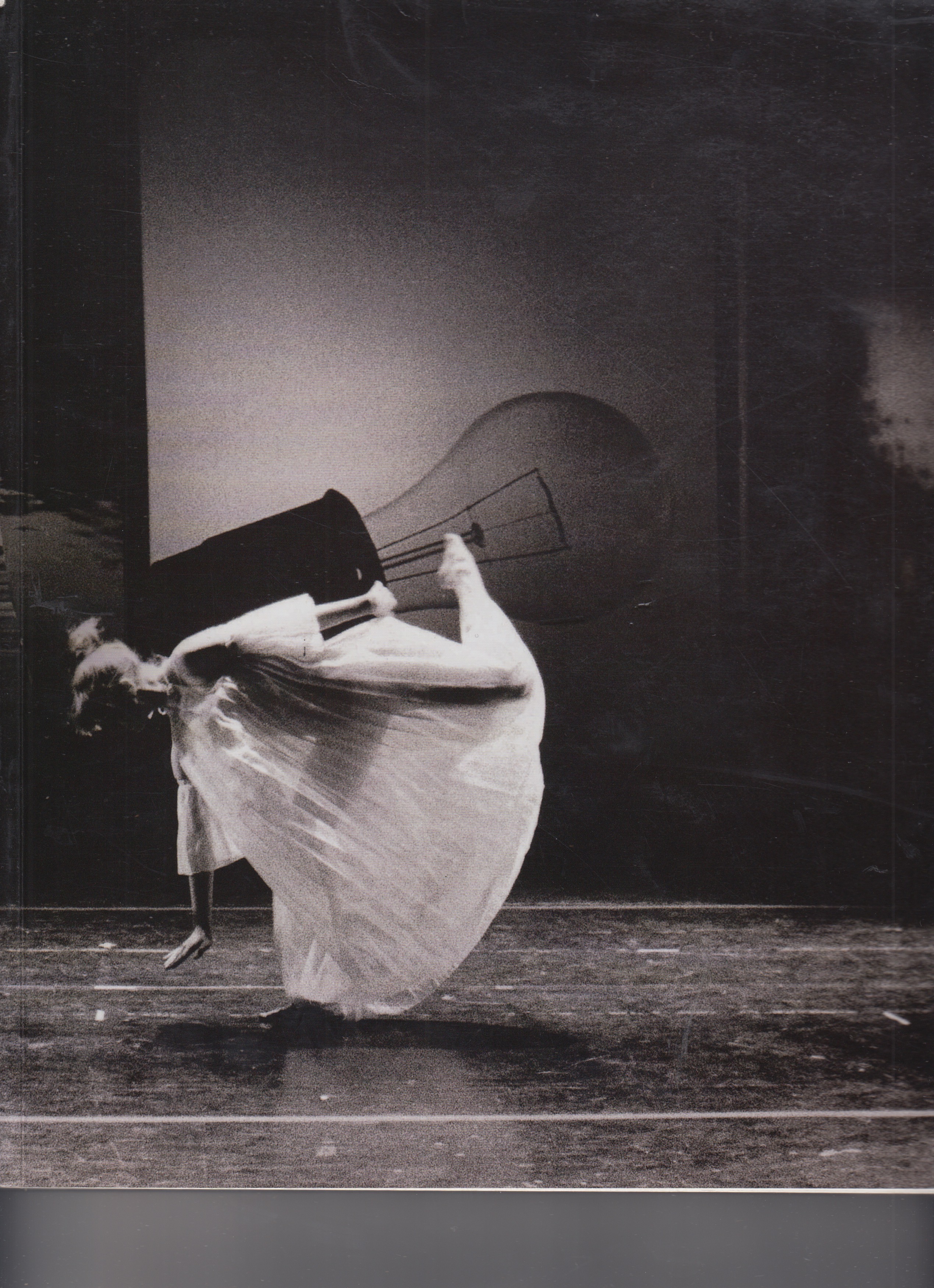
This book explores the connection between dance and visual arts in the work of choreographer and dancer Trisha Brown.
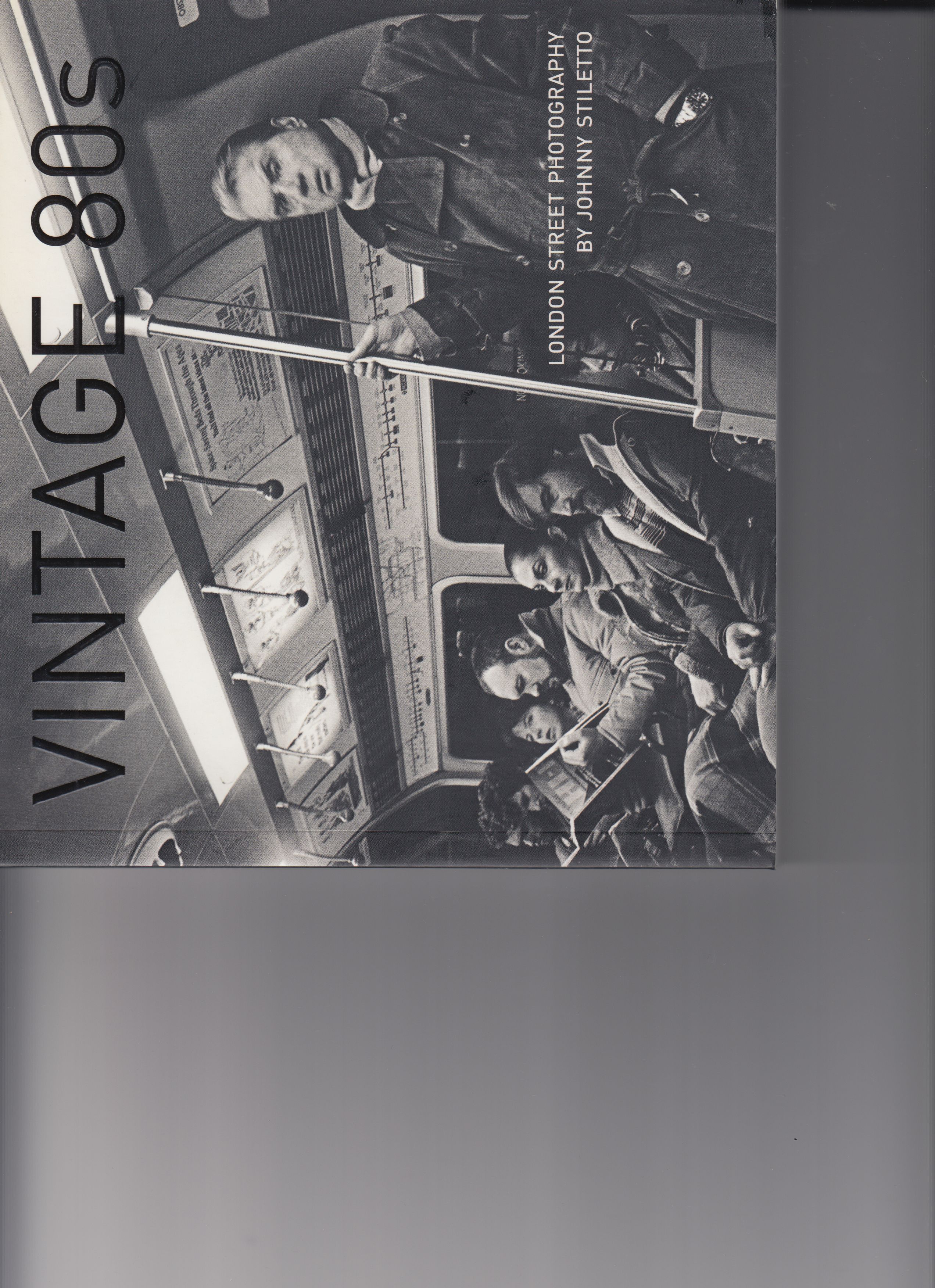
A books 160 unique street photographs of 1980s London by Johnny Johnny Stiletto – portraying the style, music, politics and fashion of the era.
Los Angeles-based artist Ed Ruscha, one of the seminal American artists of the past 30 years, is known for taking elements from the visual language of advertising and commercial art: he has made hundreds of 'word' prints, drawings and paintings that exhibit an interplay between bold letters and softly shaded, atmospheric backgrounds.
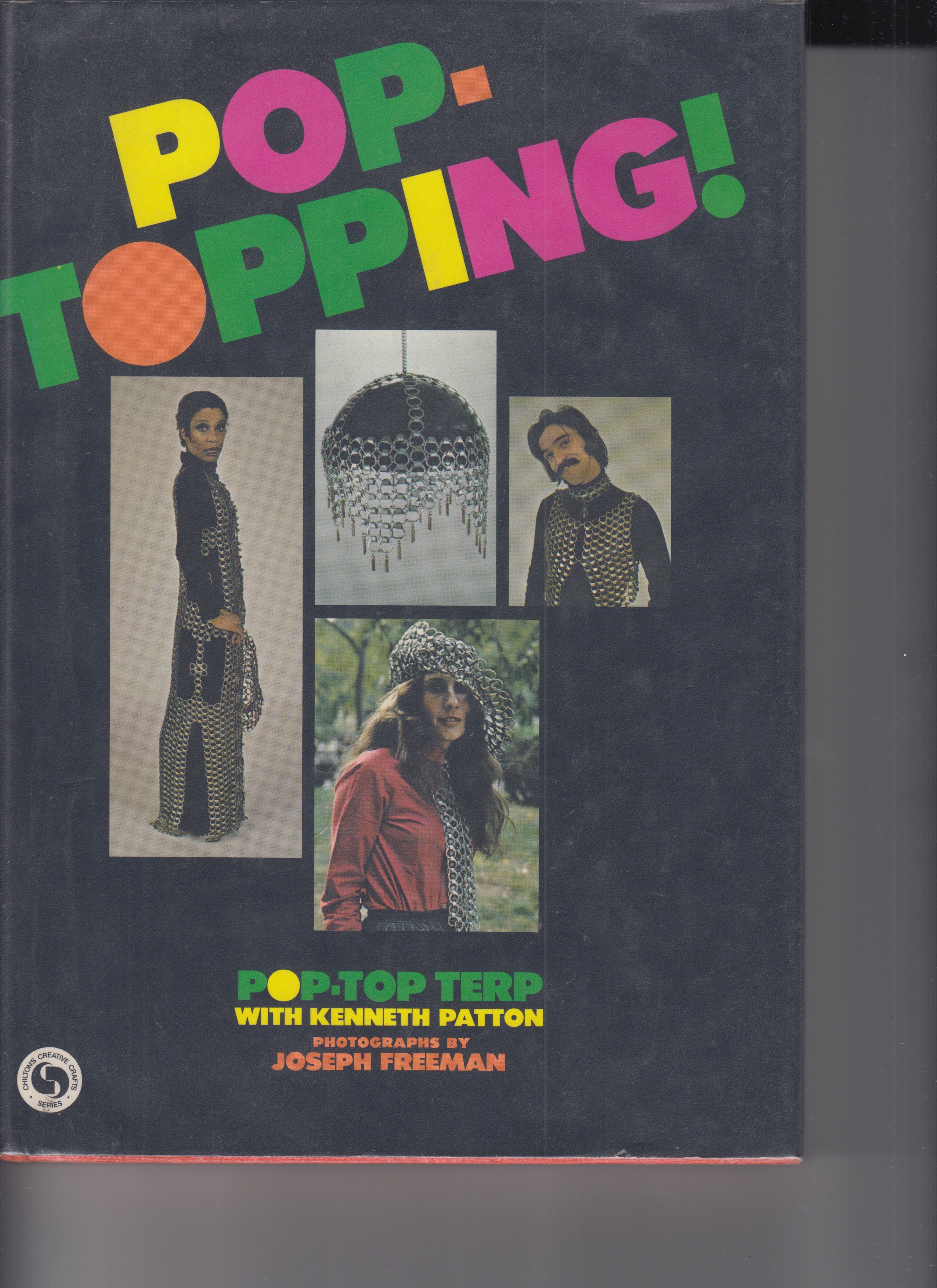
A book of fashion and jewelry made from metal tabs pulled from beverage cans.
In the 1980s, Peter Lindbergh invented a new way of photographing and interpreting fashion. Considered as one of the great masters of black and white photography, he is best known for his brilliantly posed images of women of stiking beauty. Using fashion photography as the key to his era, Lindbergh creates scenes which are immediately recognisable and forceful in their modernity. This book celebrates the essential and fruitful relationship between Lindbergh's photographs and their primary destination, the magazine page, presenting a selection of his work from 1996-1998 as it appeared in publications such as "Vogue", "W Magazine" and the "New Yorker".
This is an exploration in photographs of the world of underwear, looking beneath the surface of our clothes, as seen through the lenses of top photographers. The book explores all aspects of the body – with mages by Henri Lartigue, Richard Avedon, Man Ray, David Bailey, David Hockney, Bruce Weber, Bob Carlos Clarke and Robert Mapplethorpe.

A book exploring the photographic worlds of surrealist artists Picasso, Miró, Dalí, and Tàpies.
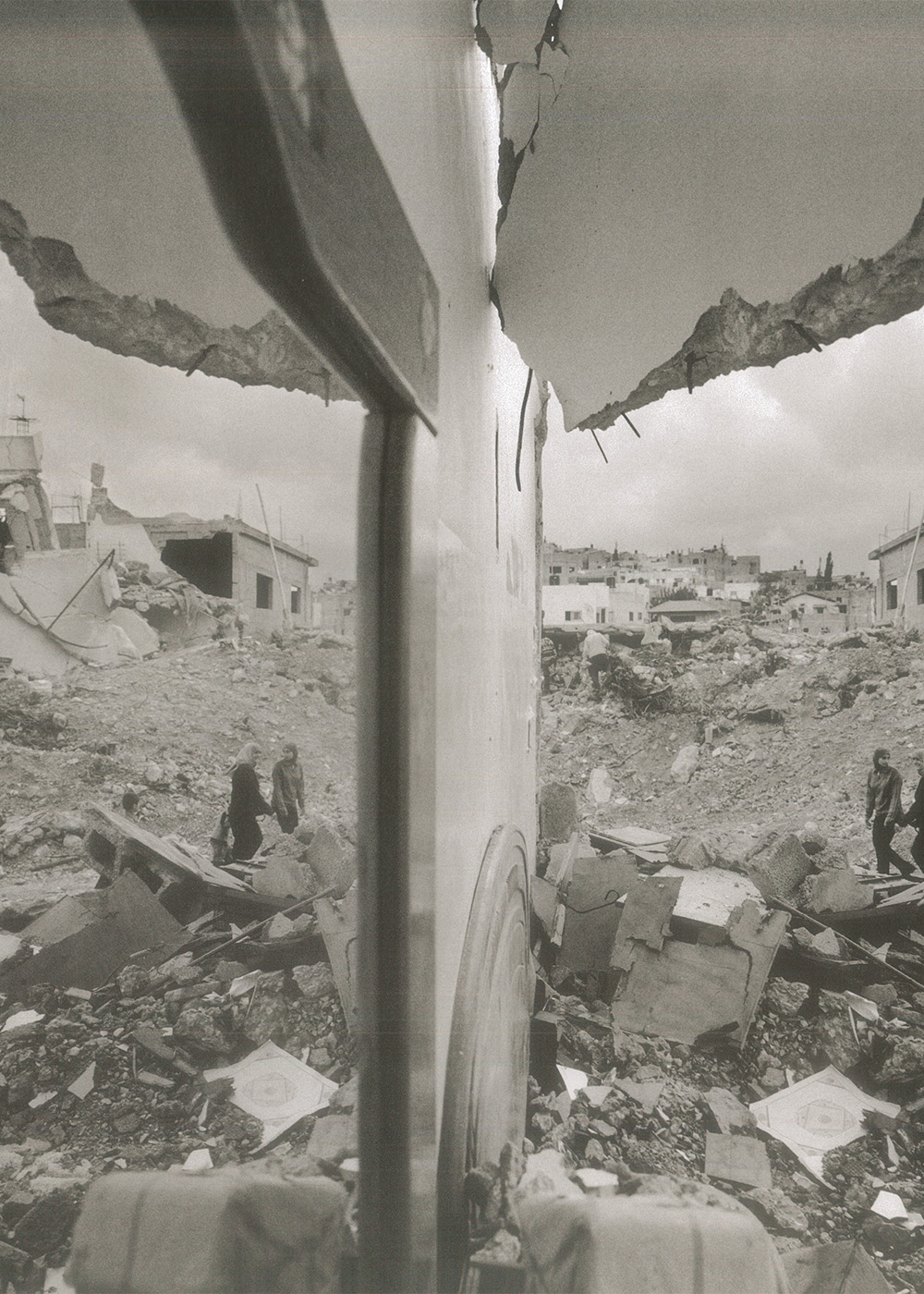
Ground is the result of a decade long documentation of the conflict between Palestine and Israel. With his camera, Bruno Stevens portrays the lives of many shapes by violence, loss and destruction.

London's Lost Riverscape is a unique photographic record of the River Thames, commissioned in 1937 by the Port of London Authority. Showing in a continious line both the north and south banks of the River from London Bridge to Greenwich, the photographs were al taken from the river itself before the bombing of WWII dramatically altered its appearance.

An Exhibition Always Hides Another Exhibition is a collective portrait of Hans Ulrich Obrist composed by friends, collaborators, admirers, and inquisitors. From personal anecdotes to analytic estimations to visual representations, the contributions respond to the questions that frame the book: Who is HUO? What does HUO do? What has HUO done?
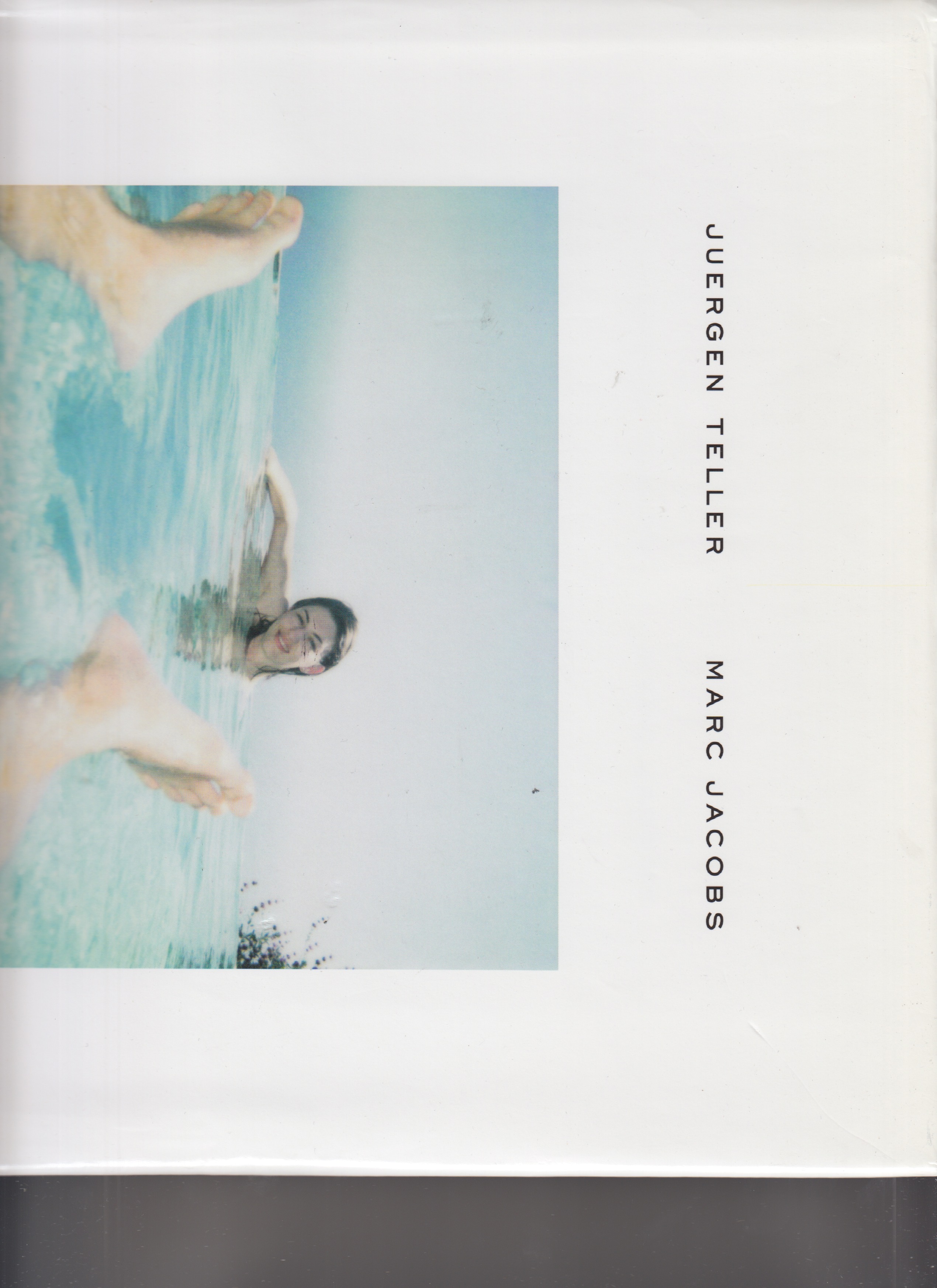
This book brings together a selection of images from all the campaigns into a collection that marks how significant this collaboration between Teller and Jacobs has been in both fashion and visual culture.
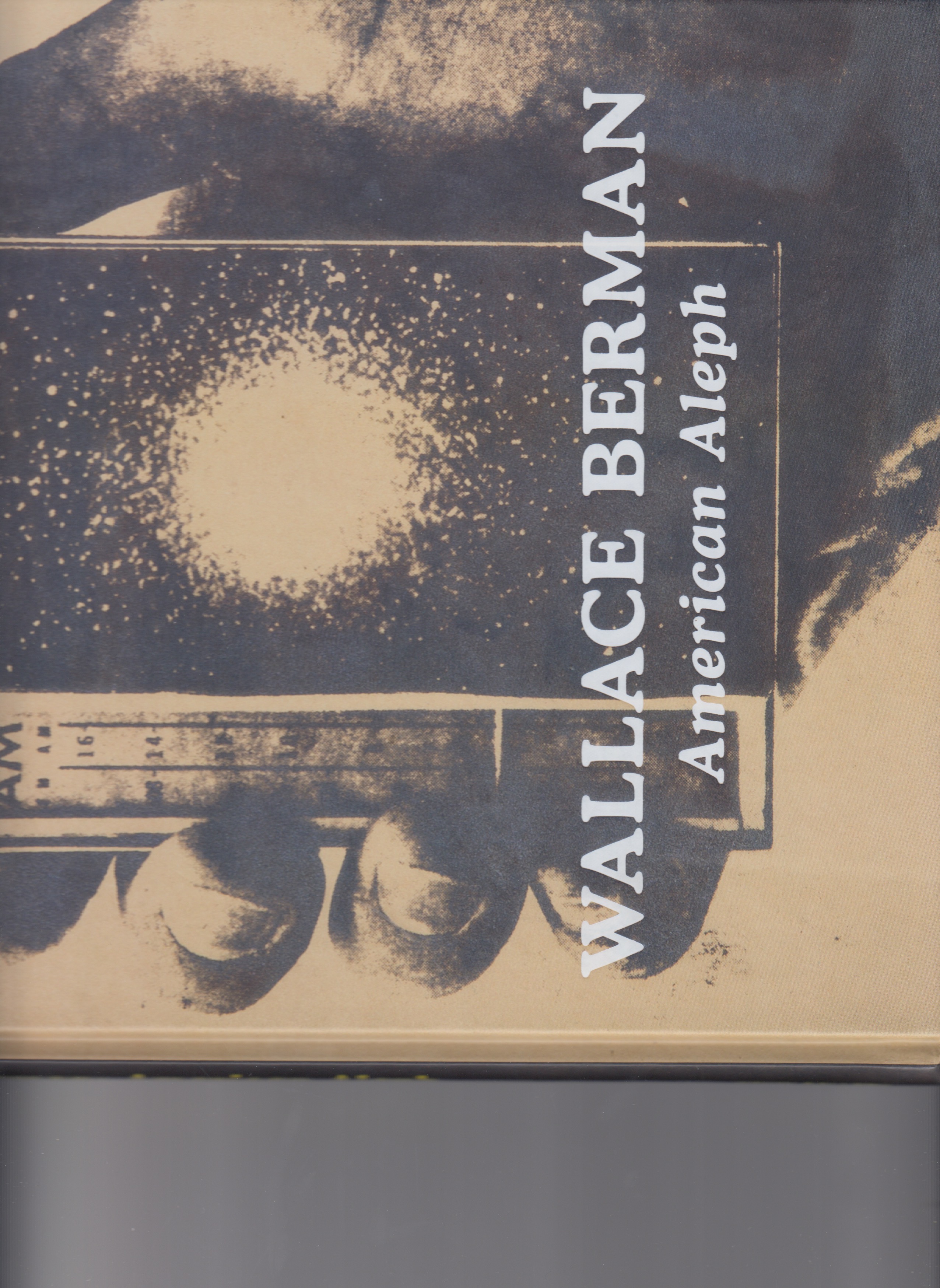
Berman has been long heralded as one of the most significant and influential artists to emerge in Southern California. Spiritually inclined yet steeped in popular culture and the political events of the day, his work mined the American psyche and broadcasting his ideas through mail art, publications, photographs and multilayered art works. This volume offers the first substantial survey of the entire oeuvre of Wallace Berman (1926-76) from the late 1940s until 1976.
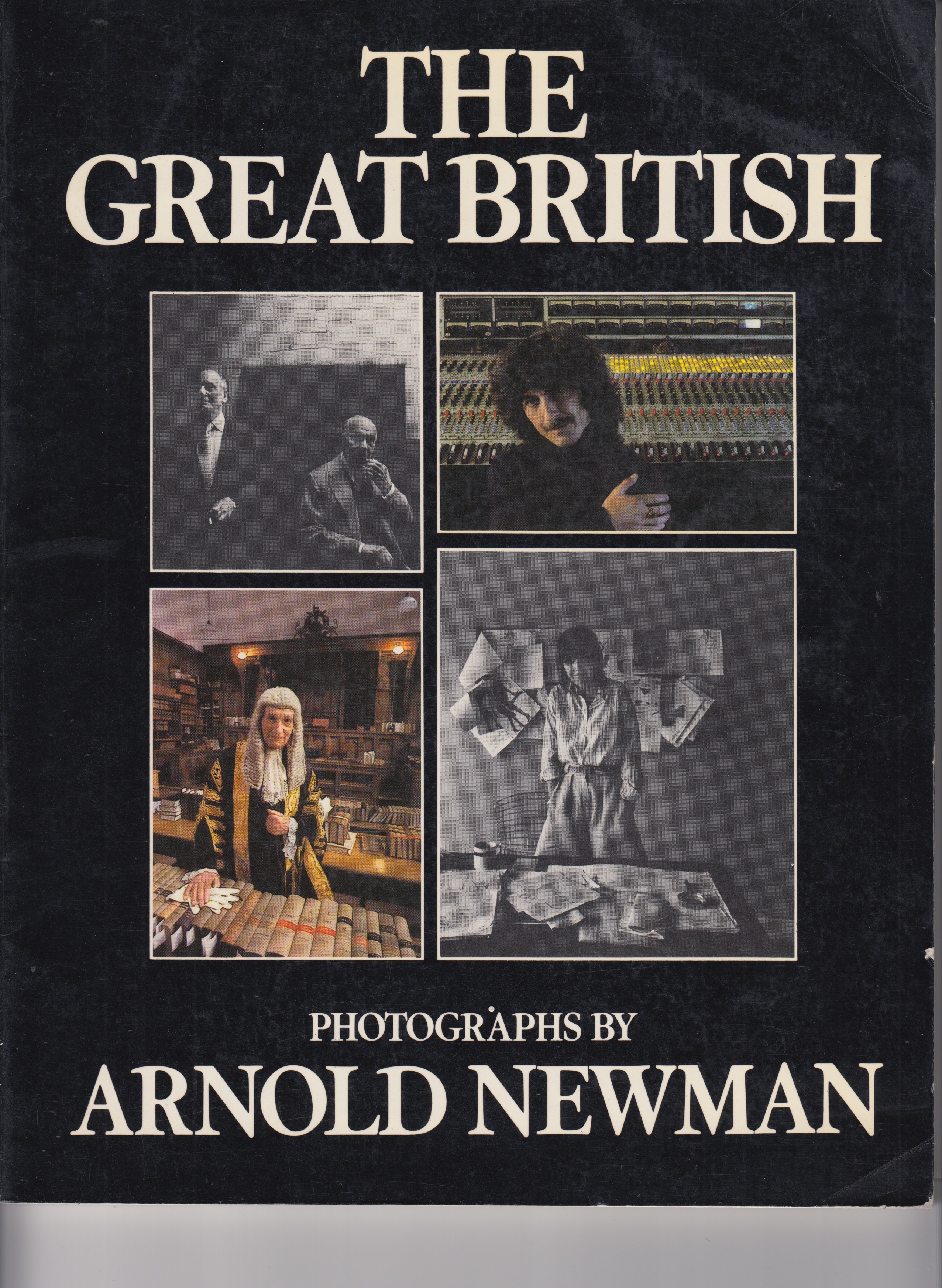
A collection of 50 photographs taken by Arnold Newman presented at the National Portrait Gallery on the occassion of an exhibition of the same name, sponsered by Sunday Times. Striking black and white portraits of artists and figures including Francis Bacon, William Armstrong, Cecil Beaton, Janet Baker, and more.

Photographs and text documenting life at the Bauhaus.

A single work of art that unfolds over 200 odd pages, a visual poem of sex and violence and beauty, an essay told through personal work, newspaper clippings, archival images and television screens - it seems to offer a new interpretation of itself with each visit.
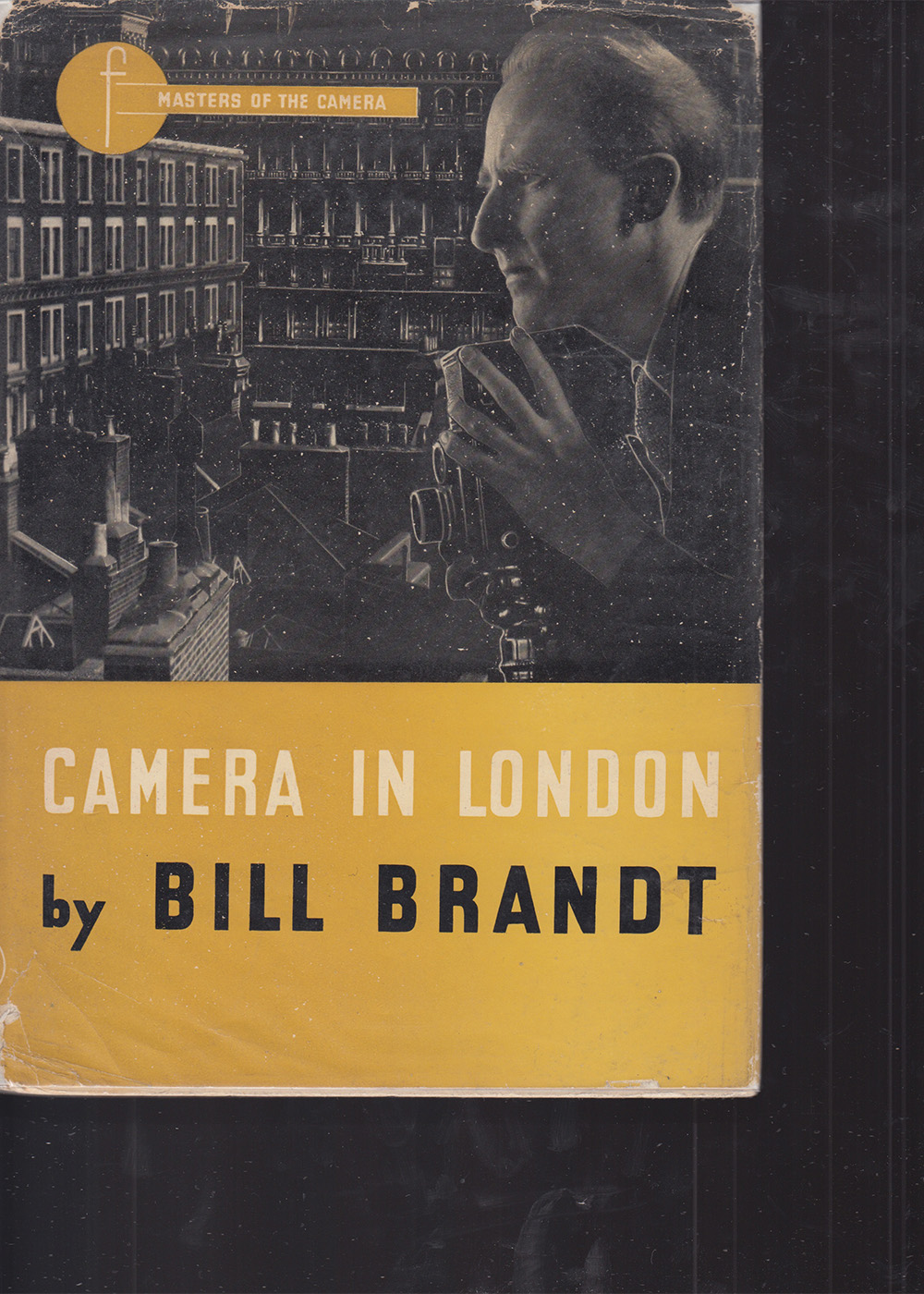
Camera in London by Bill Brandt is a landmark photographic exploration of London’s people and places in the 1930s and beyond. With a keen eye for social contrasts, Brandt captures the city’s vibrant spirit—from the gritty working-class neighbourhoods to the elegant streets of the wealthy elite.
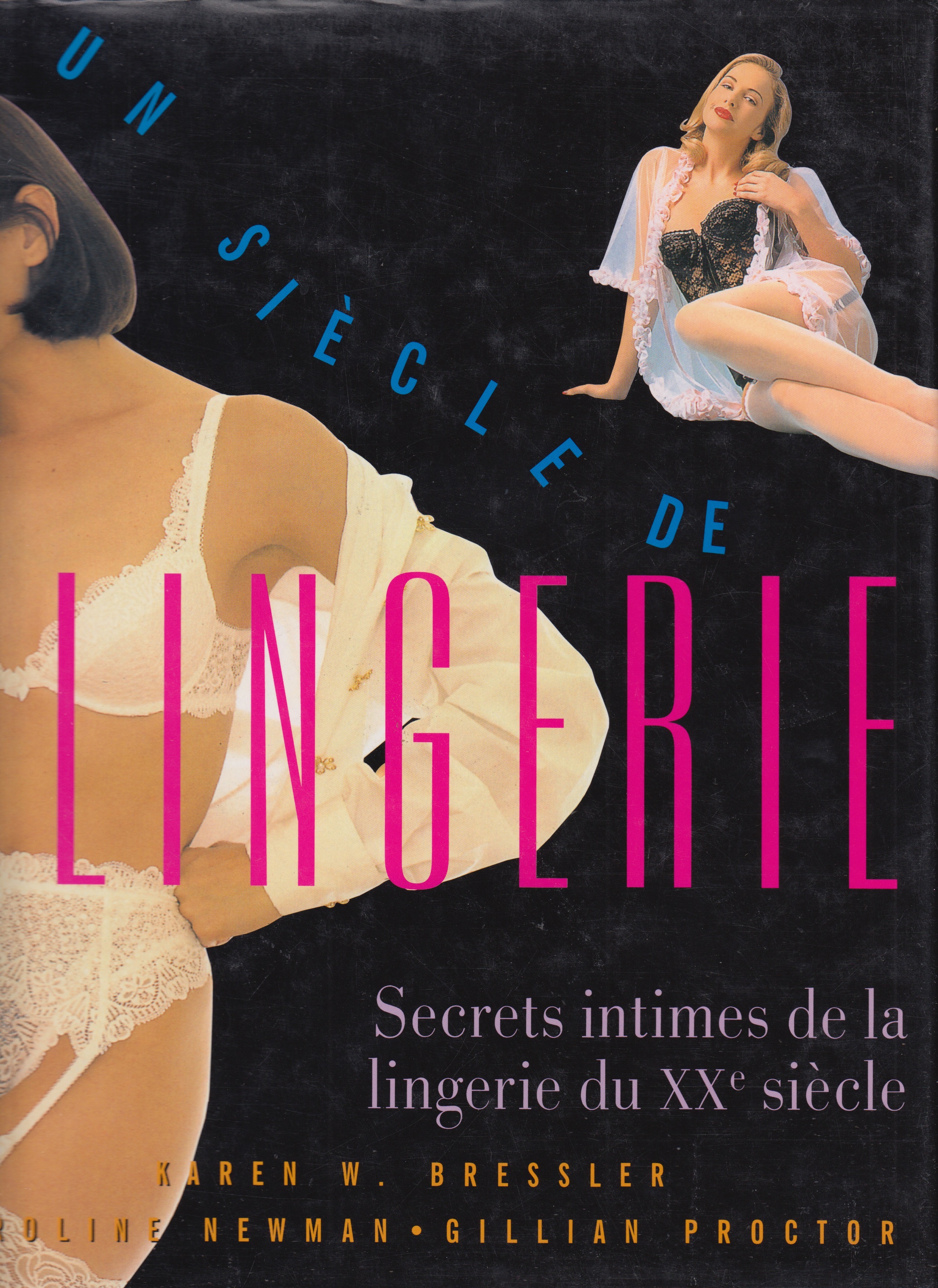
A history of lingerie – includes photographs, sketches and design developments.
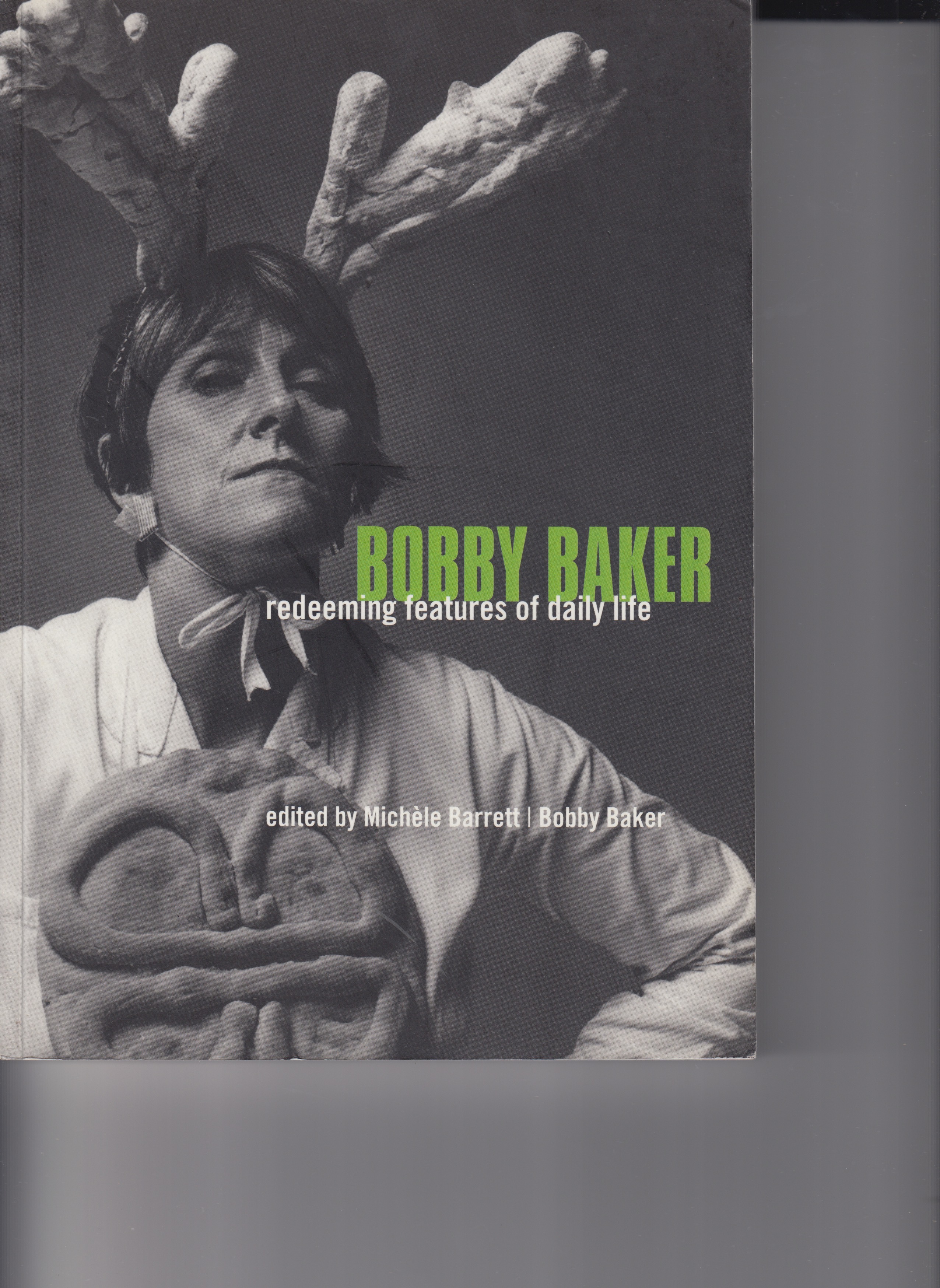
Bobby Baker is one of the most widely acclaimed and popular performance artists working today. This book brings together for the first time an account of Baker’s career as an artist with critical commentary by reviewers; transcripts of Baker's performances; and other originial materials.
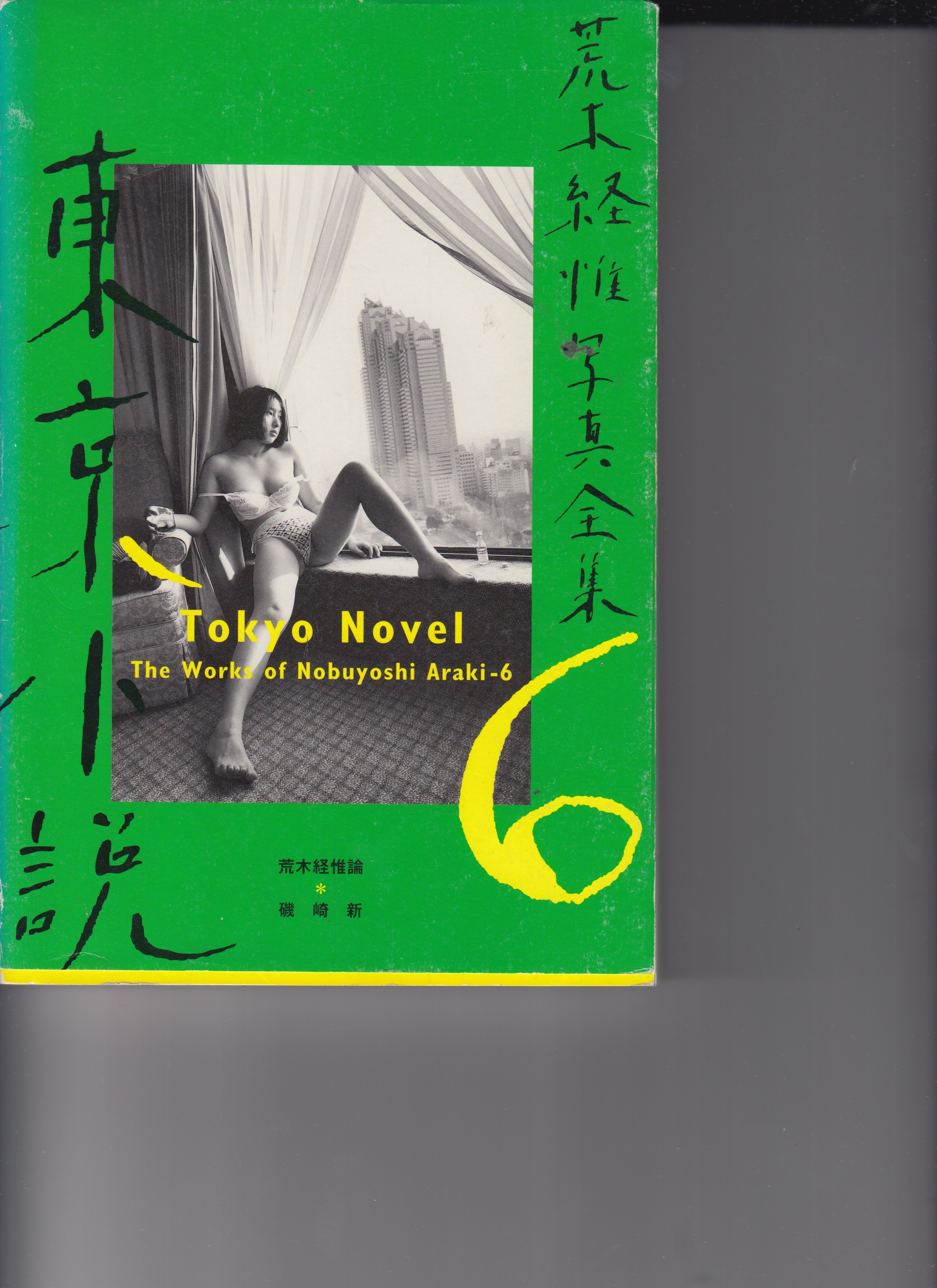
A themed collection of Araki photographs. Issue 6: Tokyo Novel
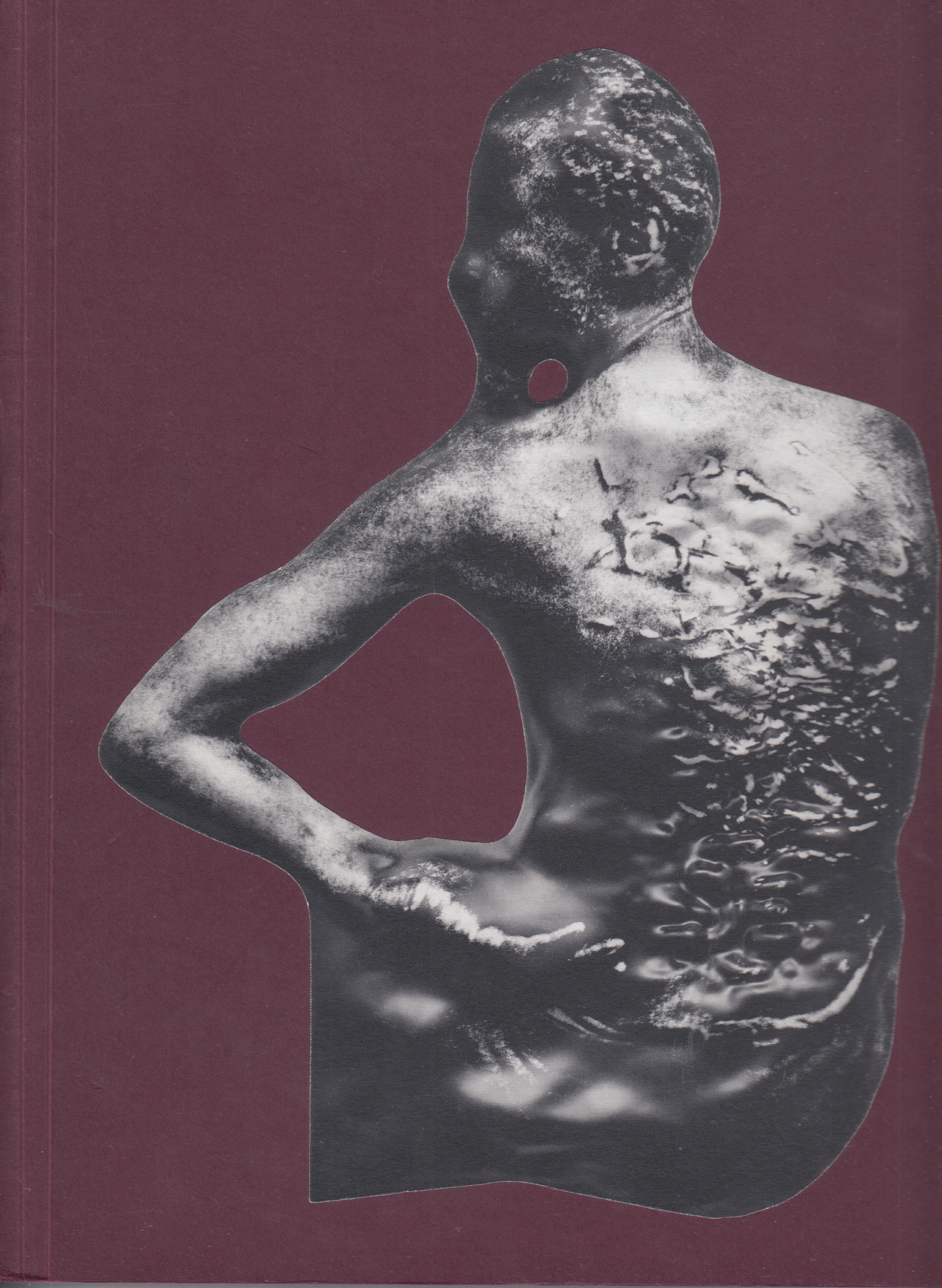
Composed of found images and videos, the work of Arthur Jafa revolves around Black American culture, the history of slavery, and ongoing structural and physical violence against Black Americans. This essential overview presents Jafa's best-known works, such as Love is the Message, the Message is Death and its 2018 follow-up piece The White Album, alongside never-before-seen projects and essays by notable scholars.
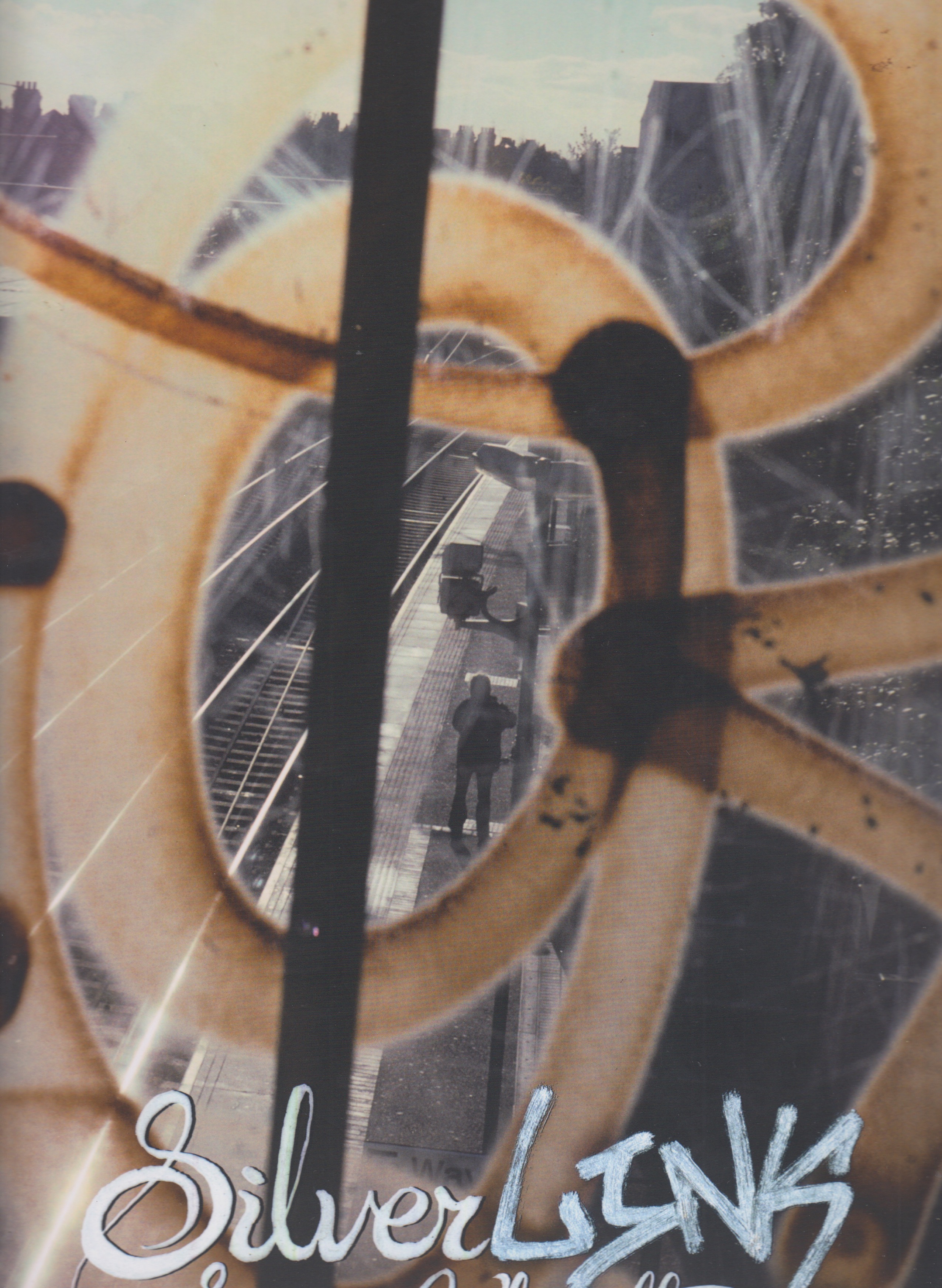
Between 1998 and 2010, Simon Wheatley photographed a train line that ran across London’s northern inner-suburbs. Initially intrigued by the social polarisation of neighbourhoods along the line, the story became a meandering one with seemingly no end - until the Kodachrome film with which I shot it was discontinued. The work has emerged into this book as a reflection of the emptiness of the Blair years, and a tacit indictment of rail privatisation.
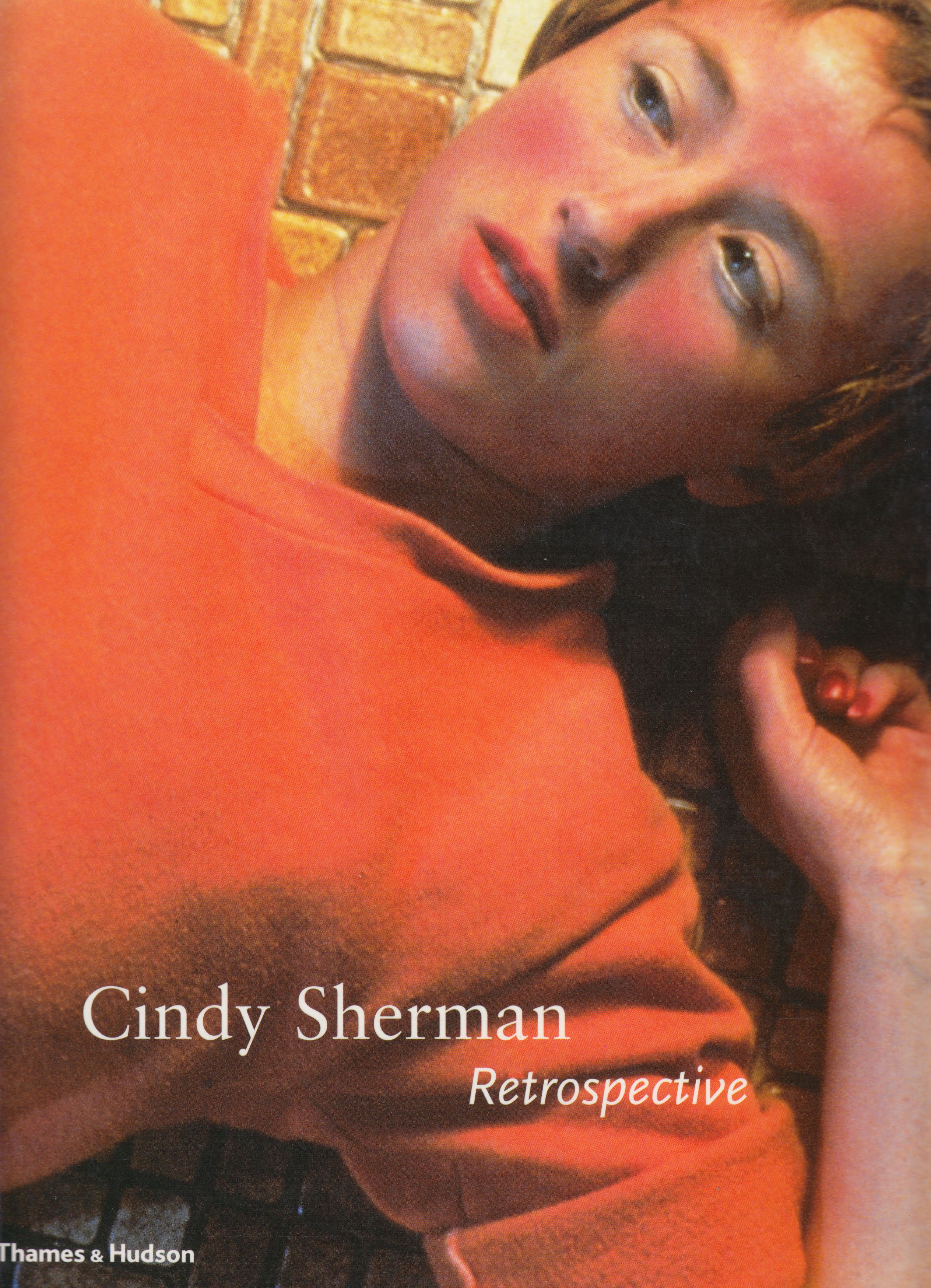
By visually examining the ways in which gender is dressed, made up and culturally enforced, Sherman has for many become an icon of feminism and postmodernism. More than 270 images show the breadth of Sherman's body of work, from the Untitled Film Stills of the 1970s to series such as Centrefolds, Fashion, Disasters, Fairy Tales and History Portraits, as well as photographs influenced by surrealist artists. Also included are intriguing excerpts from Sherman's notebooks, selections from her contact sheets and numerous Polaroid studies, all of which shed light on the artist's process.
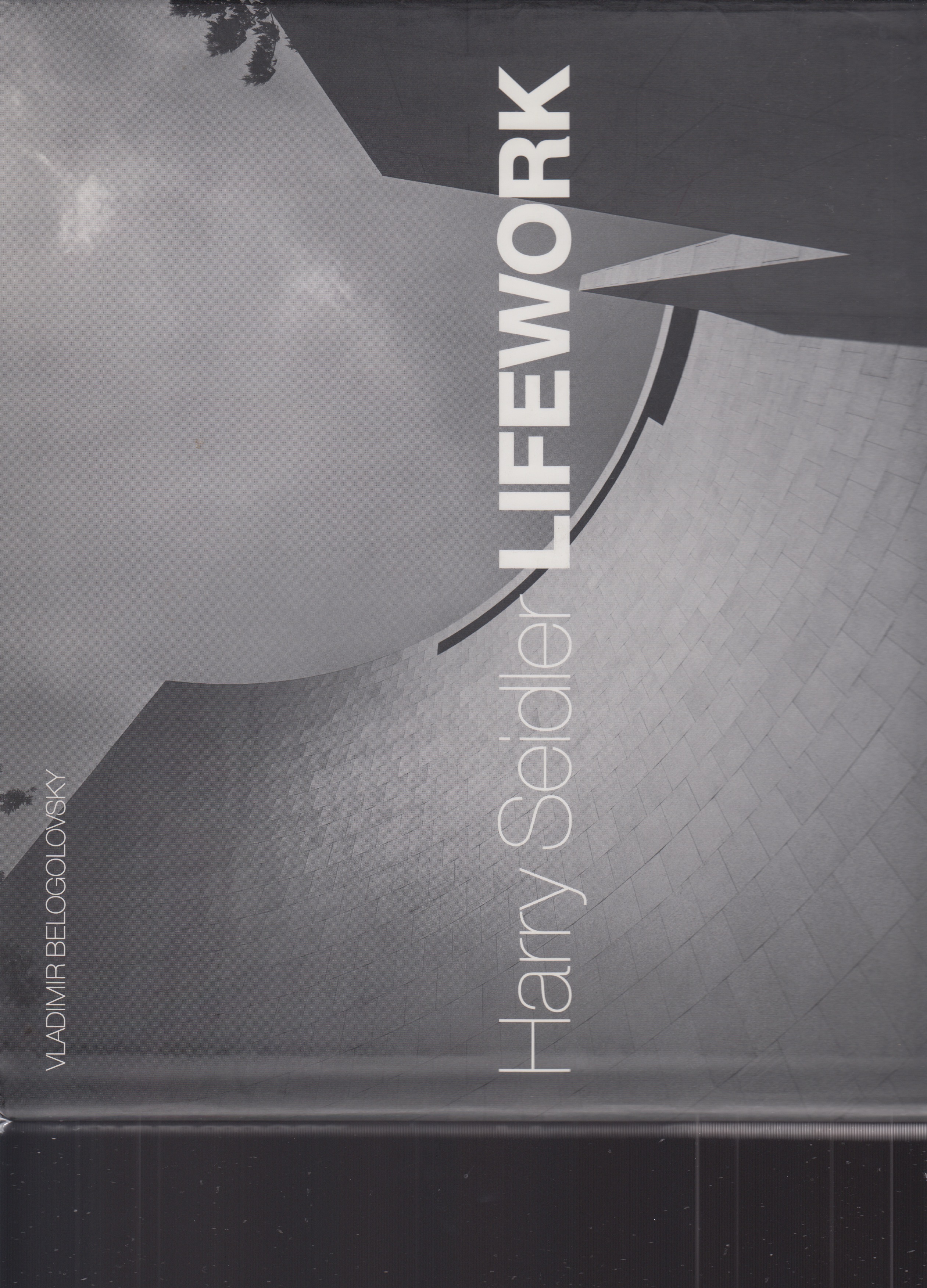
A book of the work of Austrailian architect Harry Seidler.
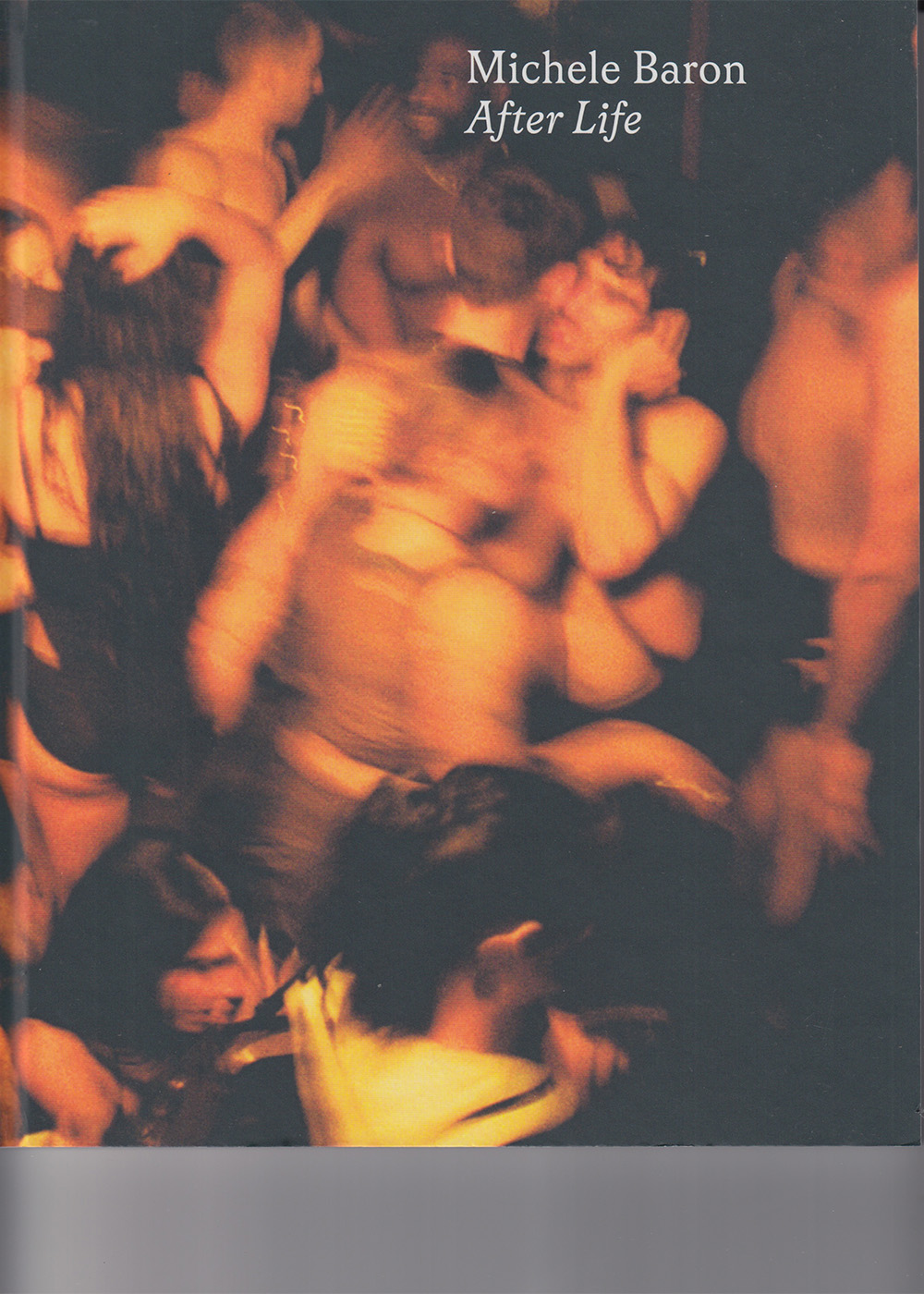
After Life is the debut photobook by London-based, Italian photographer Michele Baron. Known for his spontaneous and punchy photographic style, Baron captures the underground queer communities and techno clubbing scenes of London, Paris, and Berlin. Through intimate portrayals of friends, lovers, and vibrant subcultures, After Life presents one of the largest selections of Baron’s impressive archive and offers an unflinching visual diary of these marginalised yet dynamic worlds.
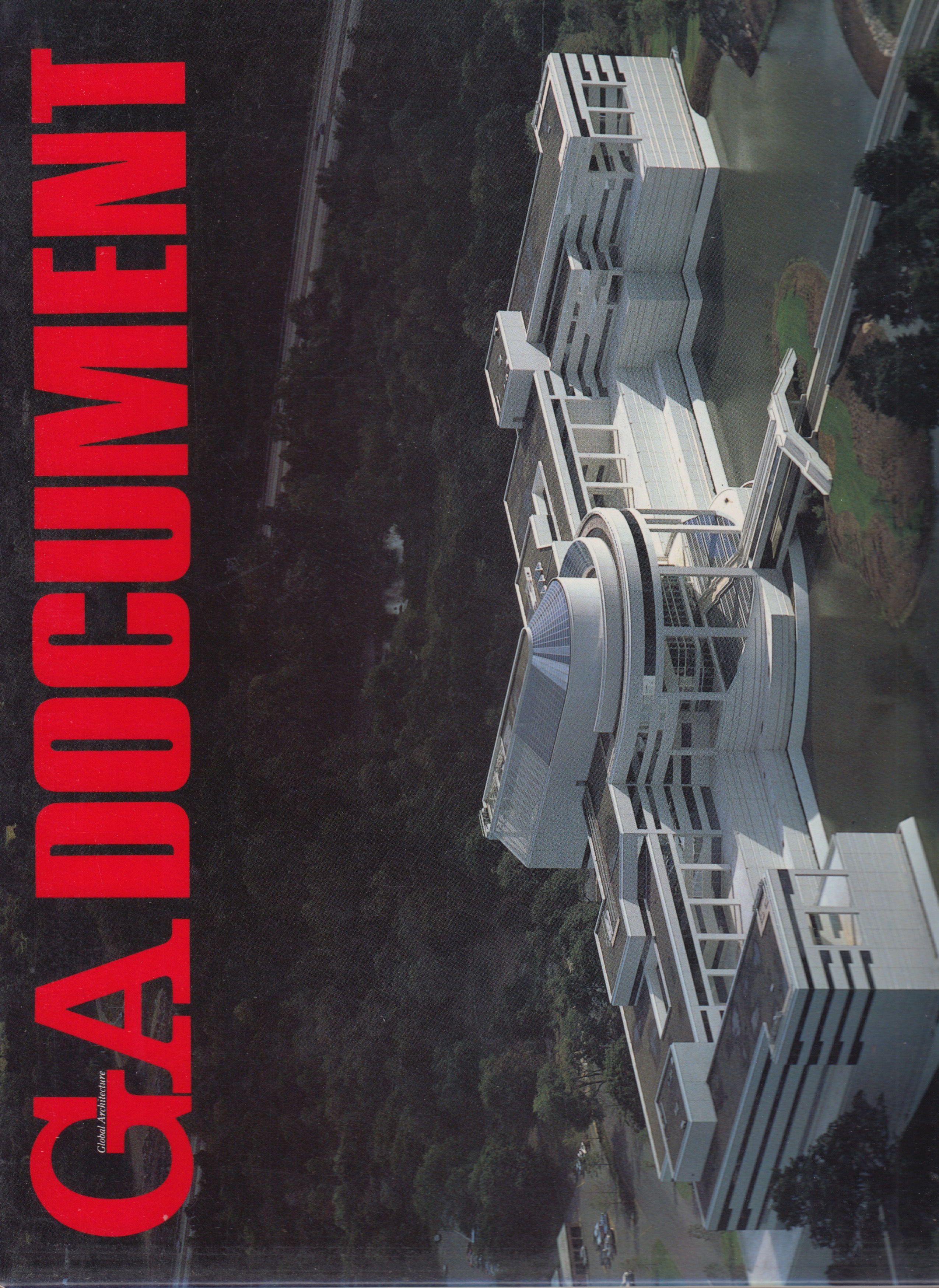
GA Document is a Global Architecture focusing on contemporary international architecture and design projects.
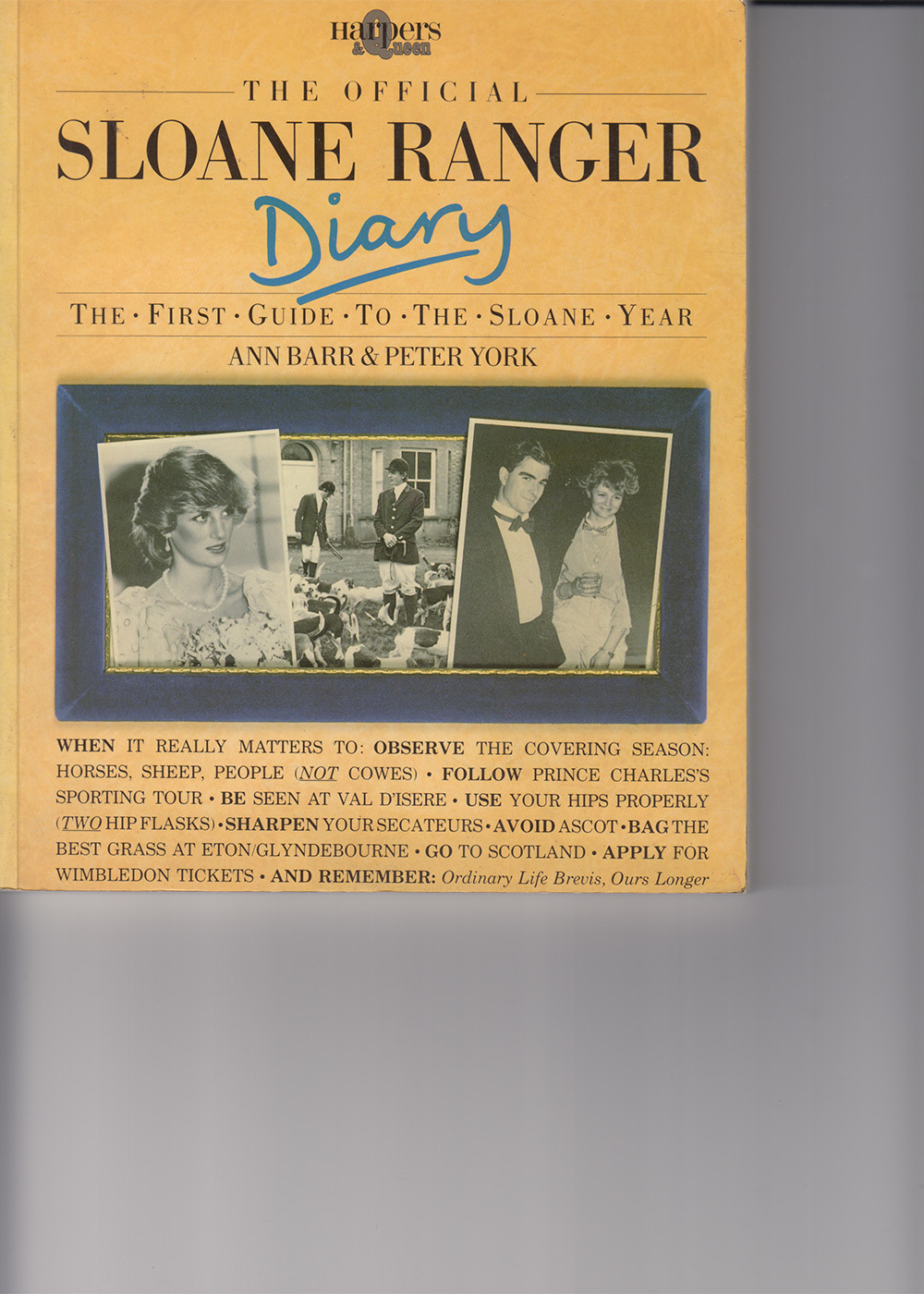
Published in 1983 as a companion piece to the hugely popular Sloane Ranger’s Handbook, authors Ann Barr and Peter York expanded the satirical take on the upper classes by providing a definitive guide to the Sloane year.

An illustrated history of fashion in skateboarding.
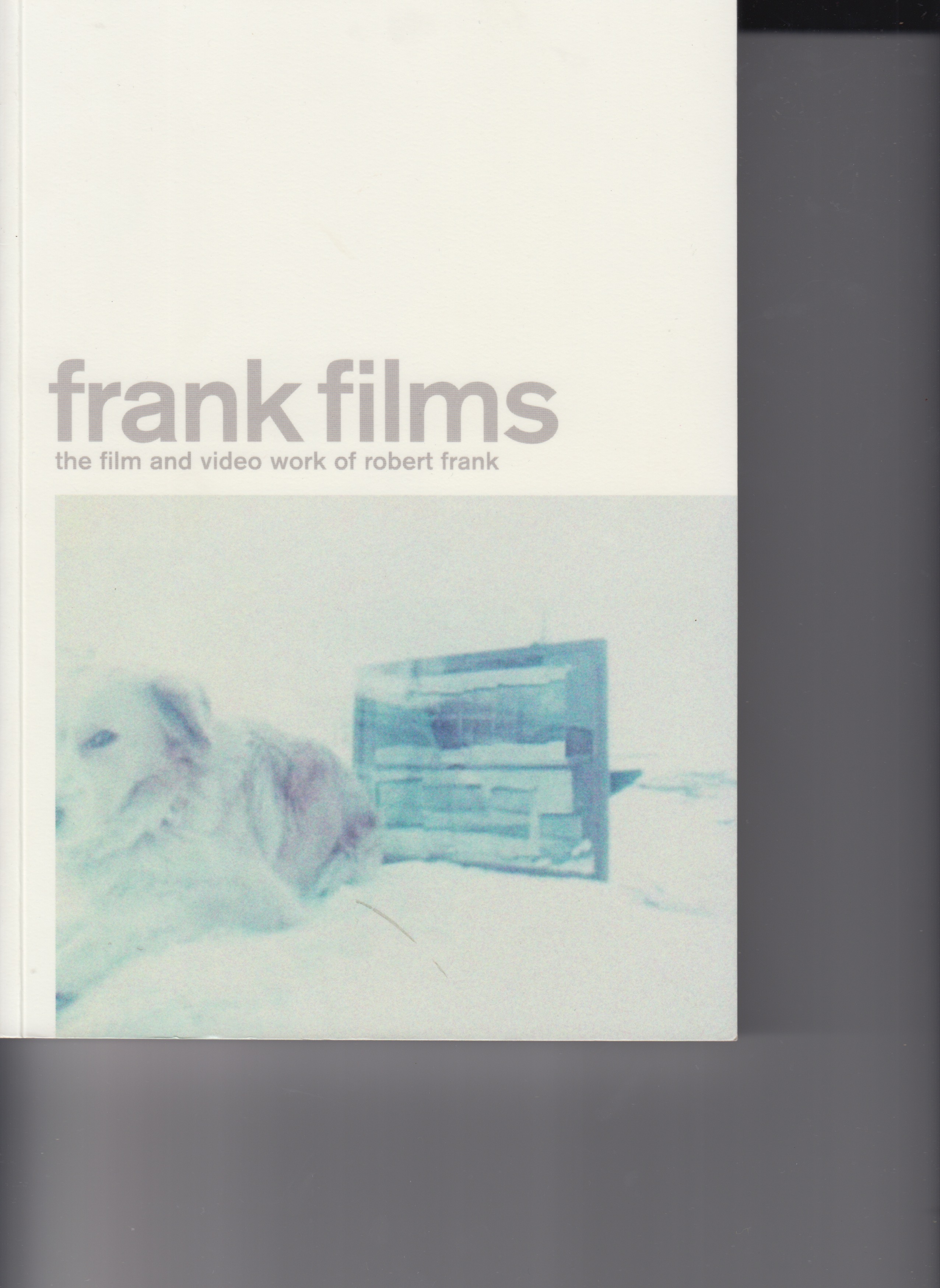
A book on the film and video work of Robert Frank.
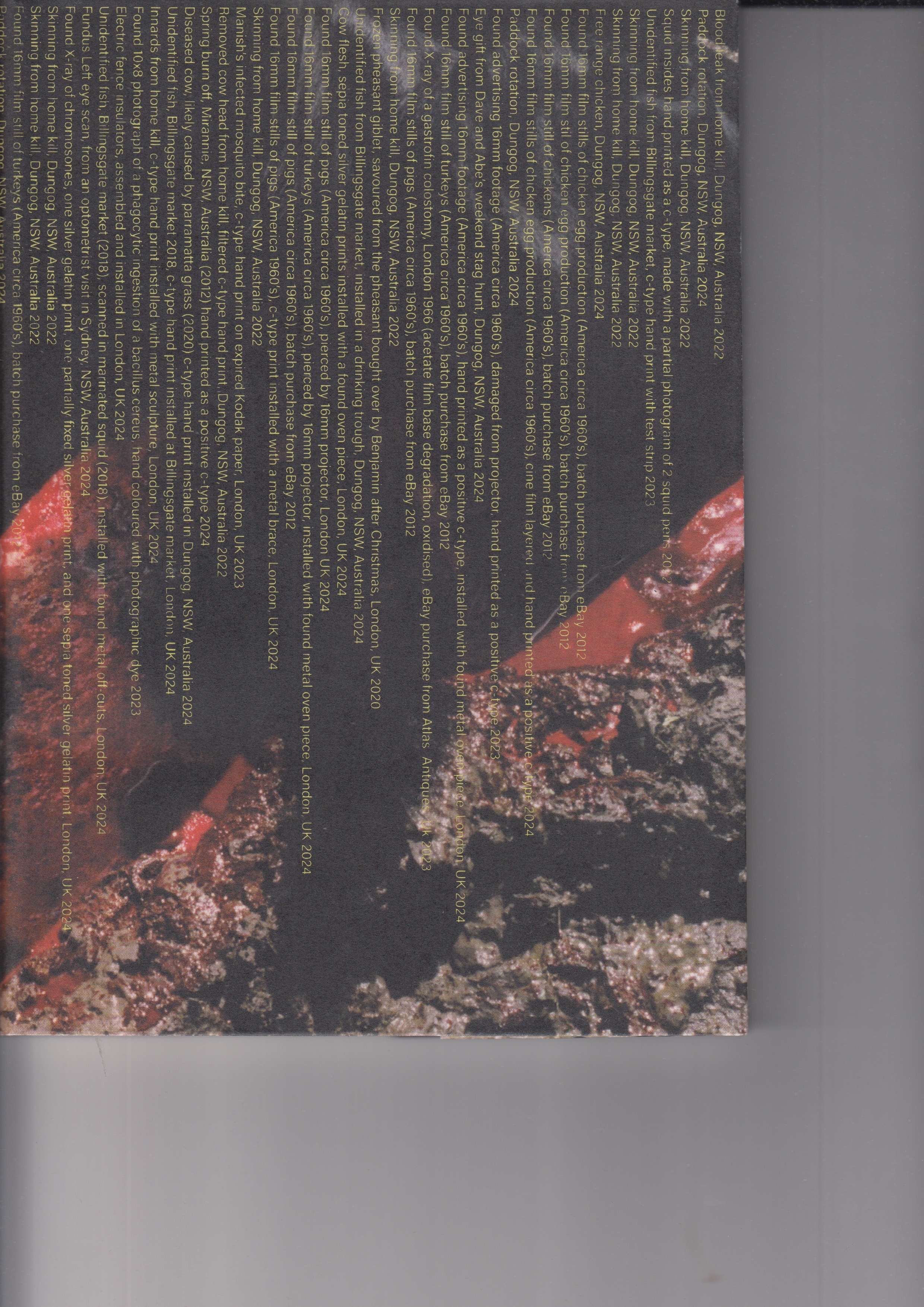
DOMESTIC is grounded in research on the food production industry, and focuses on relationships between humans and animals, eaters and eaten. The project stems from a batch of found 16mm agricultural and advertising footage shot in America in the 1960's; a poignant time for industrial and technological change in agriculture. As the found 16mm film aged over time, portions became pierced by the 16mm projector needing to be snipped off bit by bit. Hand printing these isolated strips in the darkroom form a basis of DOMESTIC's visual narrative, with positive to negative and negative to positive transitioning.
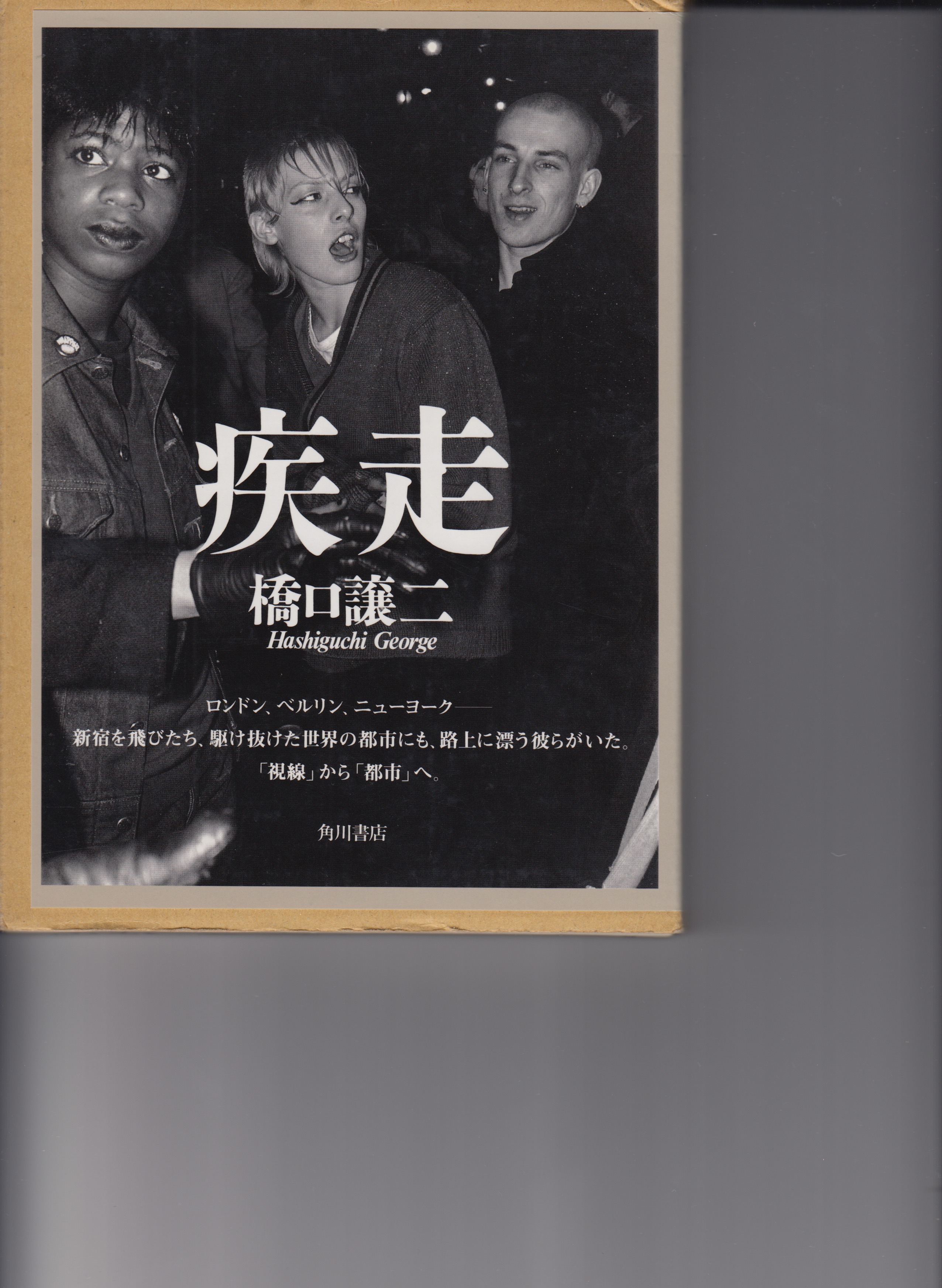
Photographs of young people across different cities – punks, ravers, squatters and various tribes of youth.

Lee Miller is arguably the 20th century's most famous woman photographer. During her extraordinary life, she came into contact with a wide range of people including many of the most celebrated and influential artists, writers, actors, fashion designers and socialites of the last century. This book is a comprehensive collection of these photographs, while exploring the relationship between photography and Lee Miller's life.
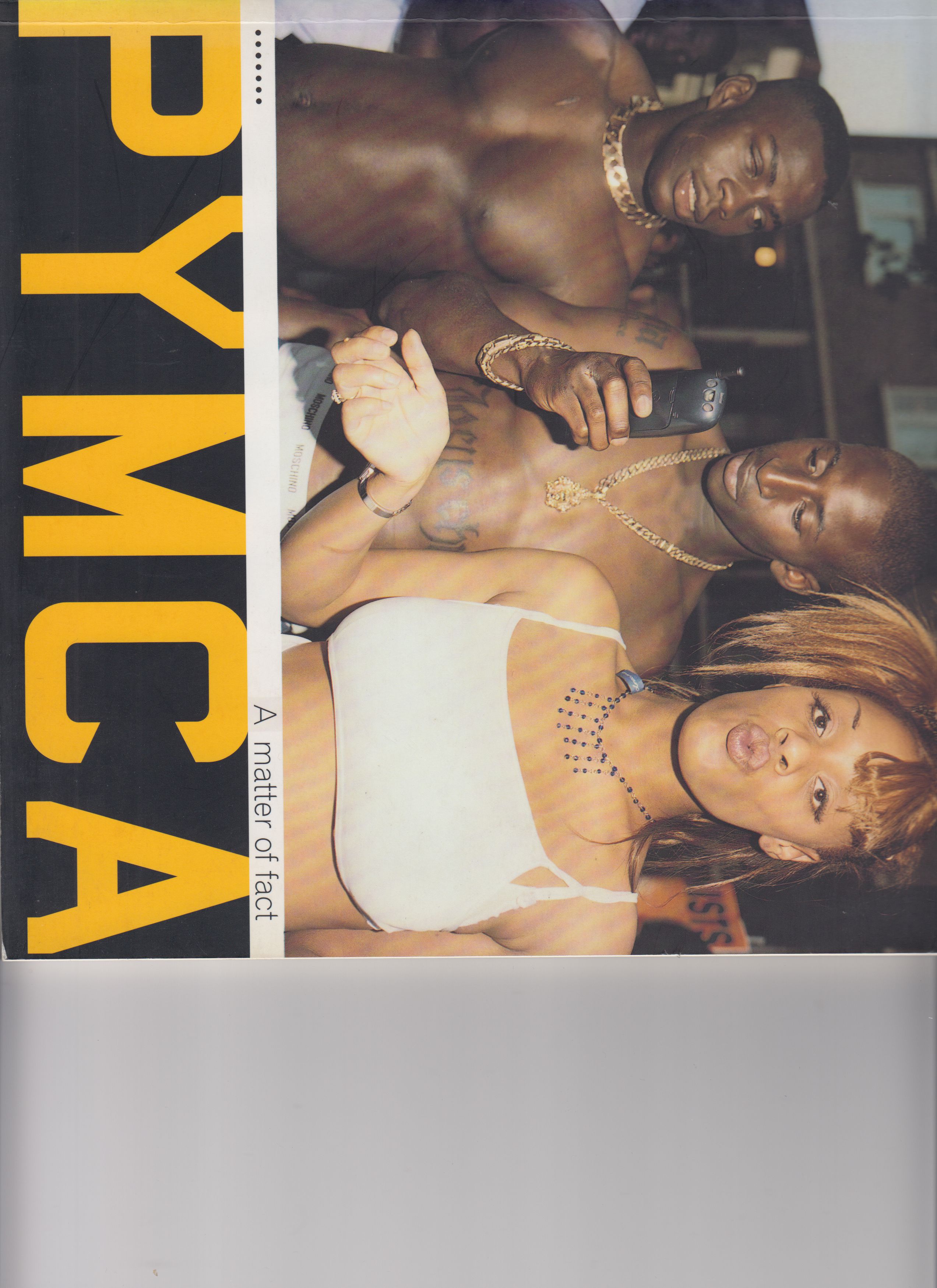
PYMCA (The Photographic Youth Music Culture Archive) is the first photographic archive dedicated to youth culture. Includes images documenting subcultures ranging from New Romantics at Taboo, to Punks at the Roxy in '77, Summer of Love ravers to Travellers, Protestors and festival goers – and all have been taken by people deeply embedded in the subcultures that they documented.
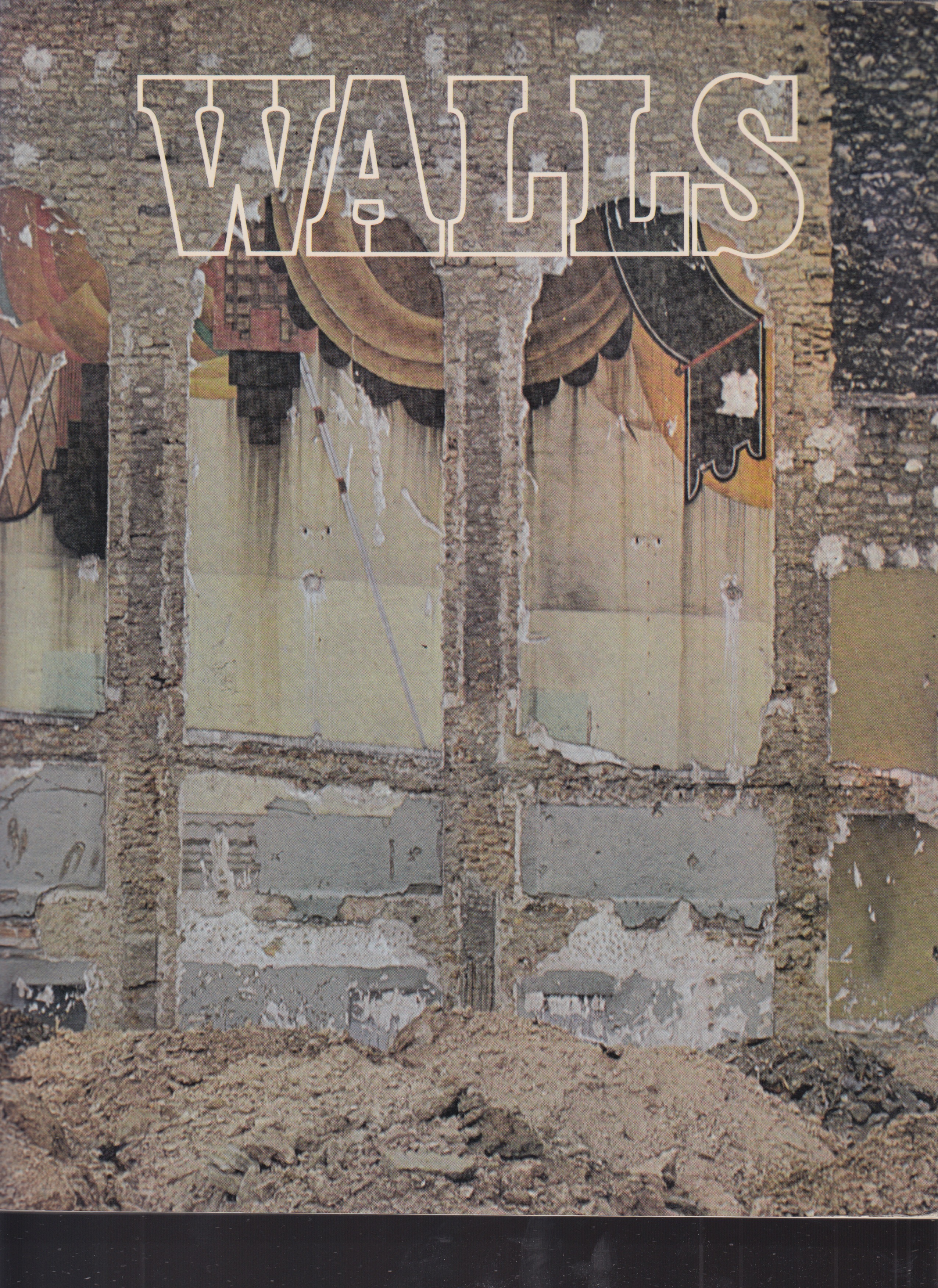
Deidi von Schaewen’s ‘Walls’ documents hand painted advertising on walls in the 1960s and 1970s. It’s geographical coverage is noteworthy with examples from Berlin, London, New York, Paris and elsewhere in France.

A book on the work of design studio Hipgnosis.
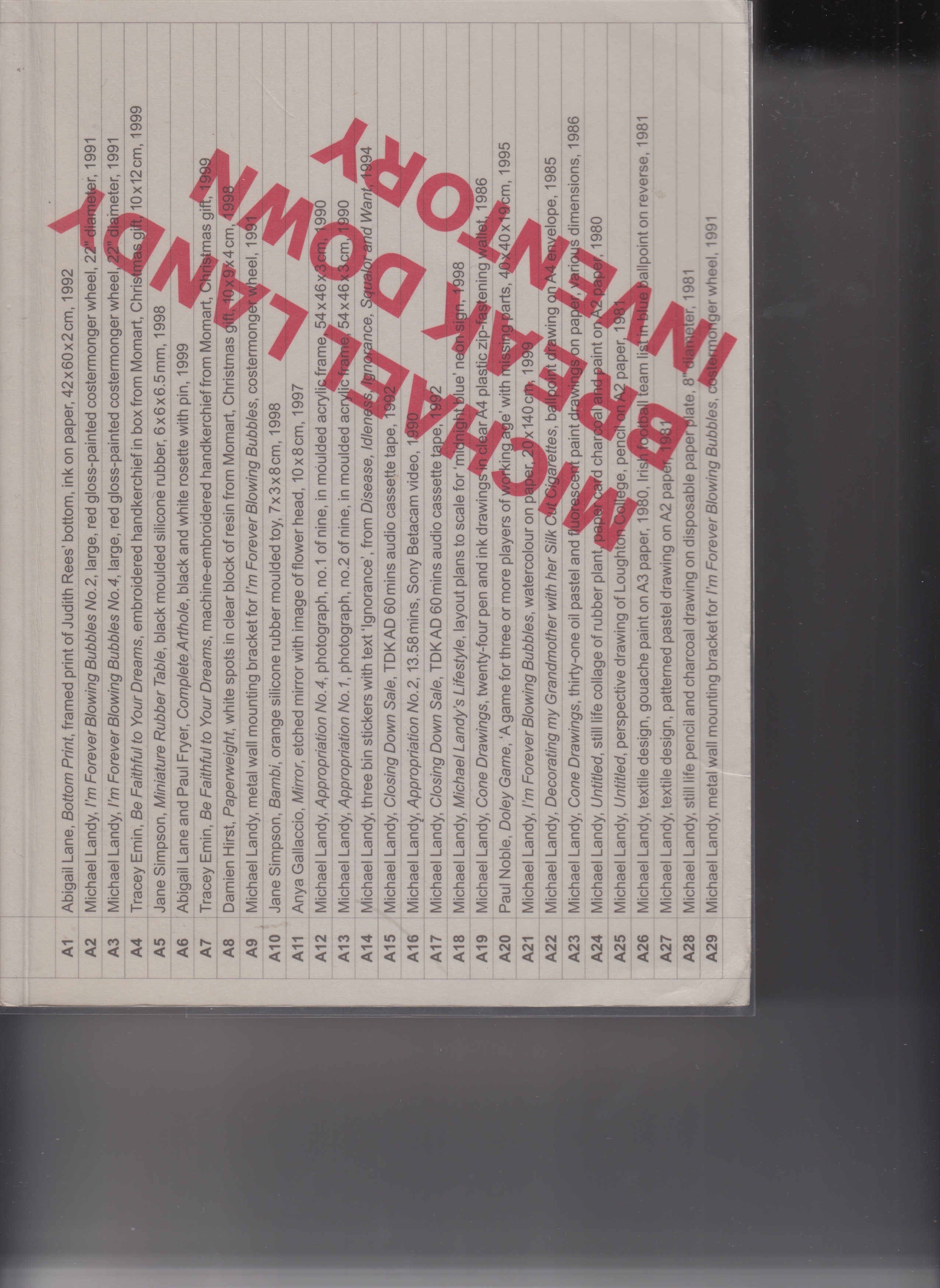
Over three years in the making, BREAK DOWN is one Michael Landy’s most extreme projects in which he made an inventory of his life. This book compiles the list of all his possessions.

A collection of black and white photographic portraits by Laon Maybanke presenting the many expressions, gestures and faces of humanity.
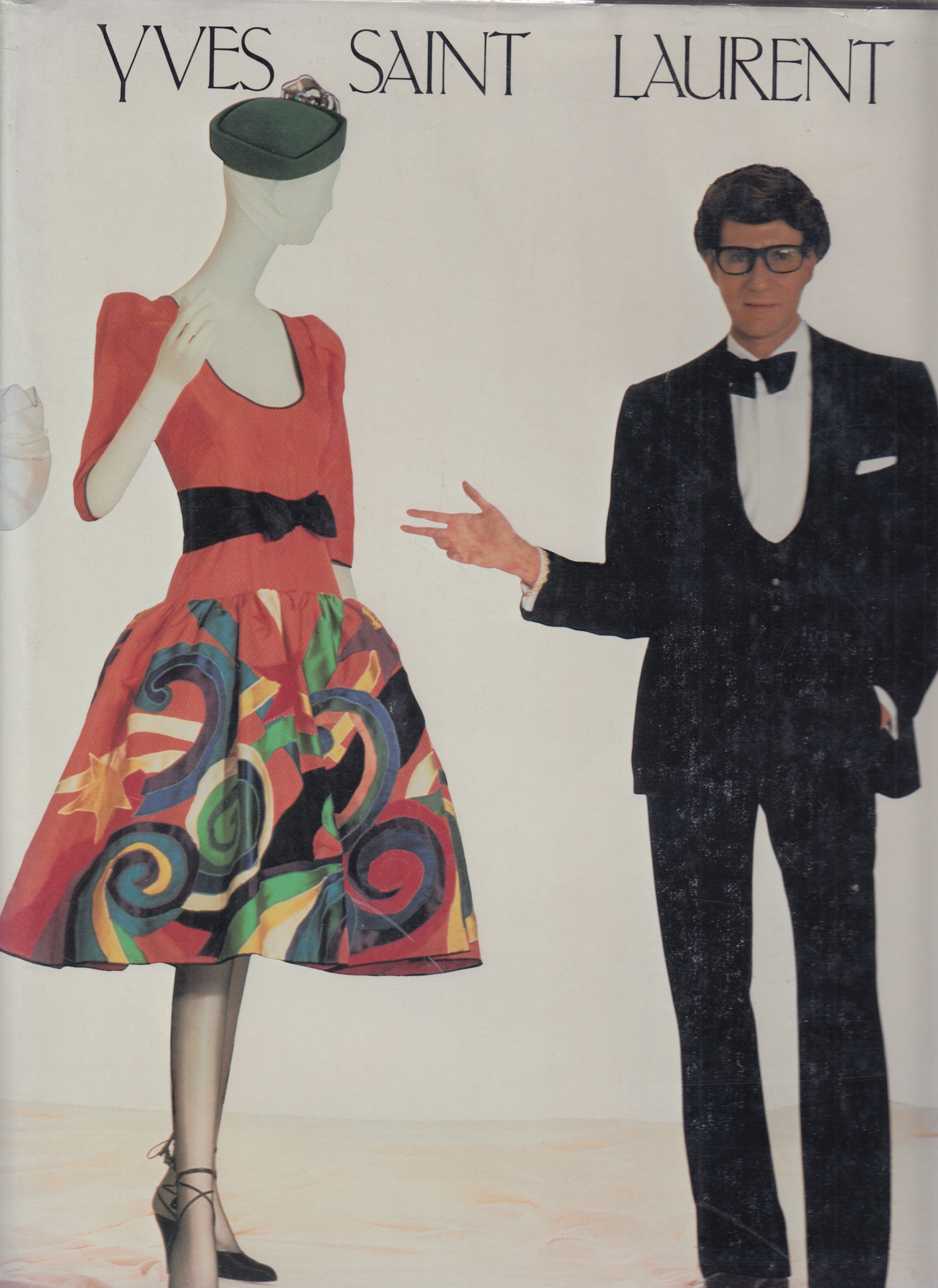
This book was published to accompany the first retrospective of designer Yves Saint Laurent at the Costume Institute of The Metropolitan Musuem of Art. Inside features over two hundred of Saint Lauren't Couture designs - with photography by Duane Michals, Pierre Boulat and Nicholas Vreeland, Richard Avedon, Irving Penn and Neal Barr.
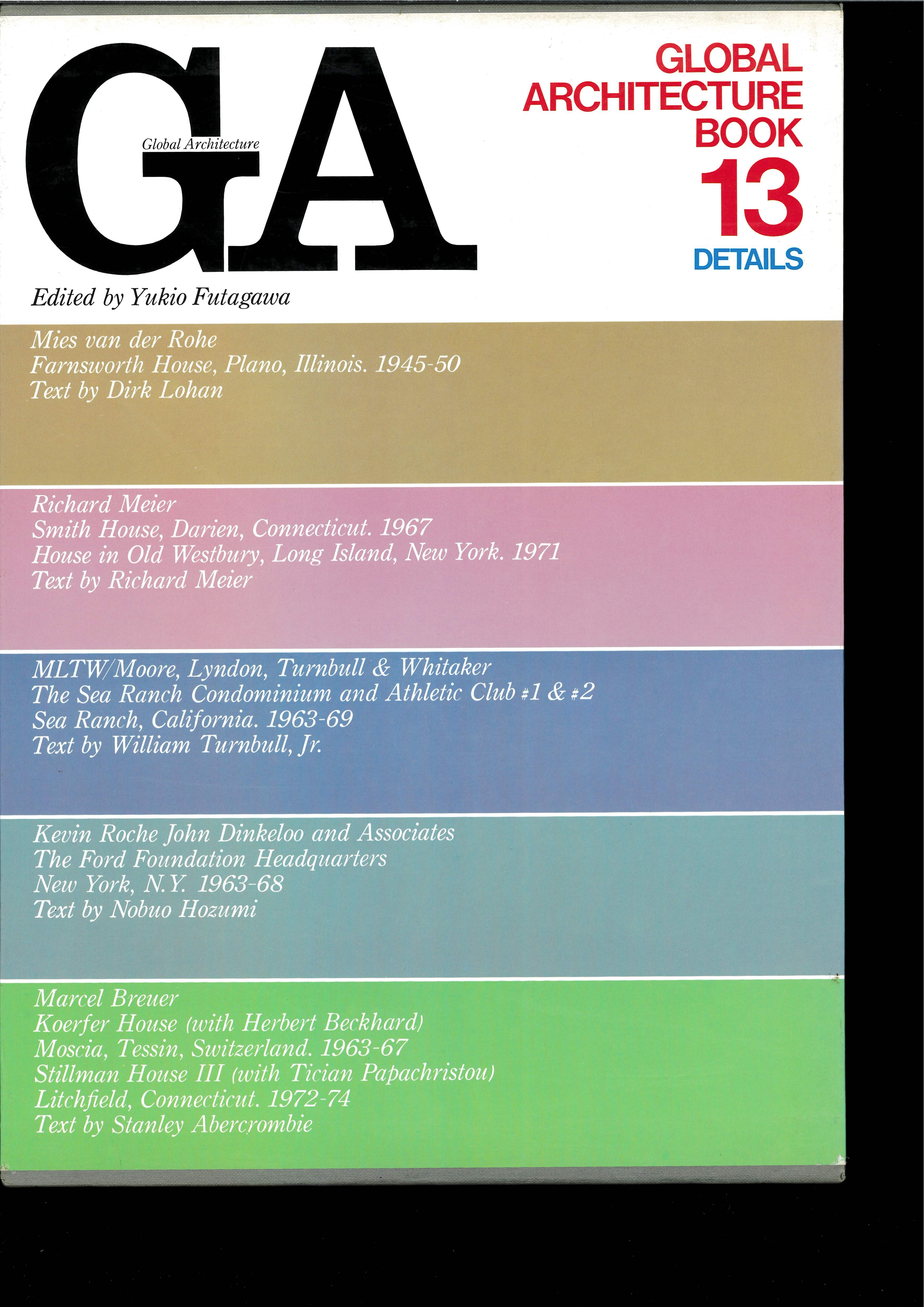
A periodical book on modern houses from around the globe. Featuring work of architects Mies v.d. ROhe, R. Meier, MLTW, K. Roche & J. Dinkeloo, M. Brewer
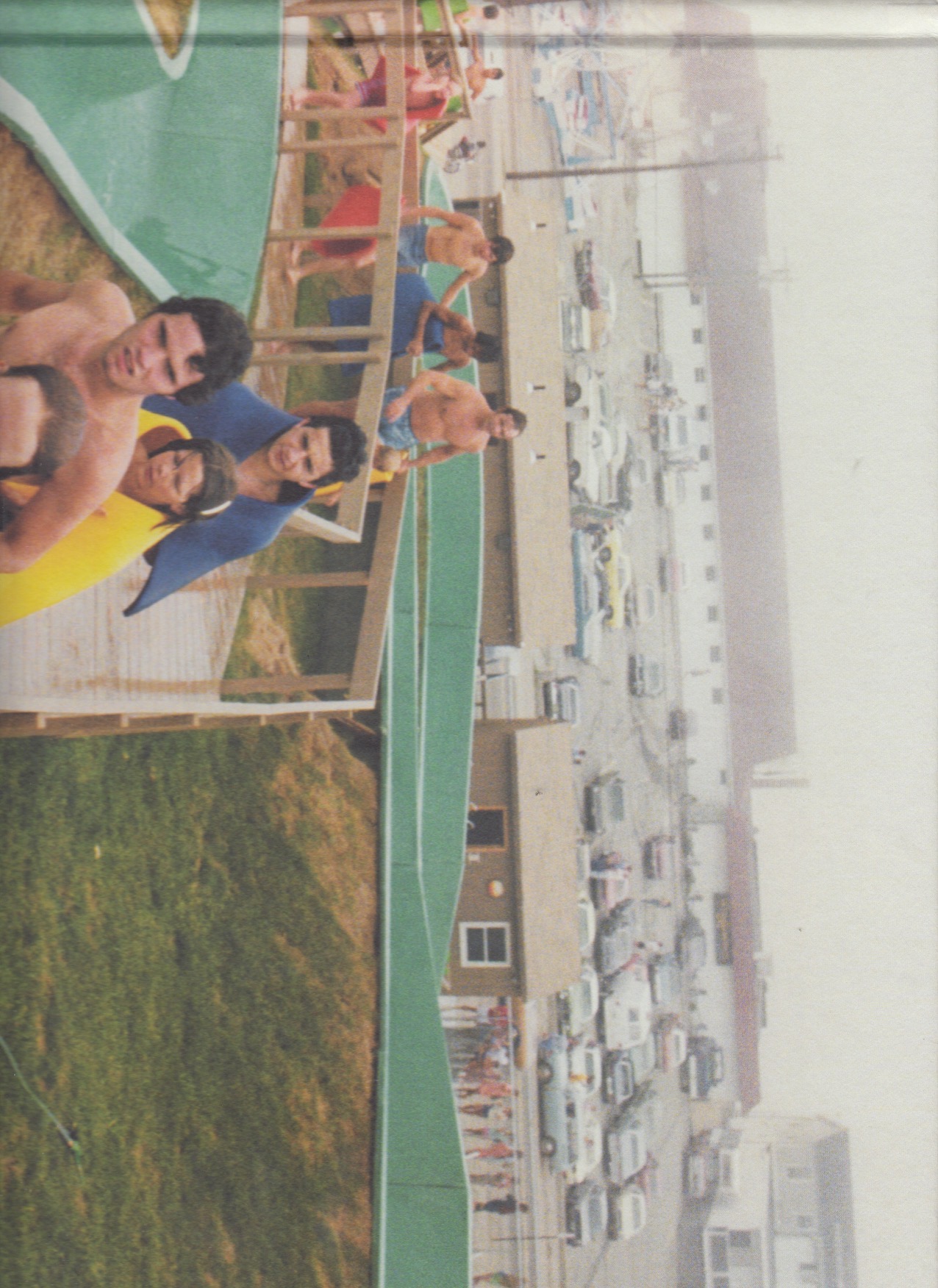
This book collects long-lost images of family and friends from the late 1970s by Tina Barney, the acclaimed portraitist and chronicler of domesticity.
War Without Heroes is a book of black and white photographs by David Douglas Duncan of soldiers during the Vietnam war – capturing moments of both comradeship and tragedy.
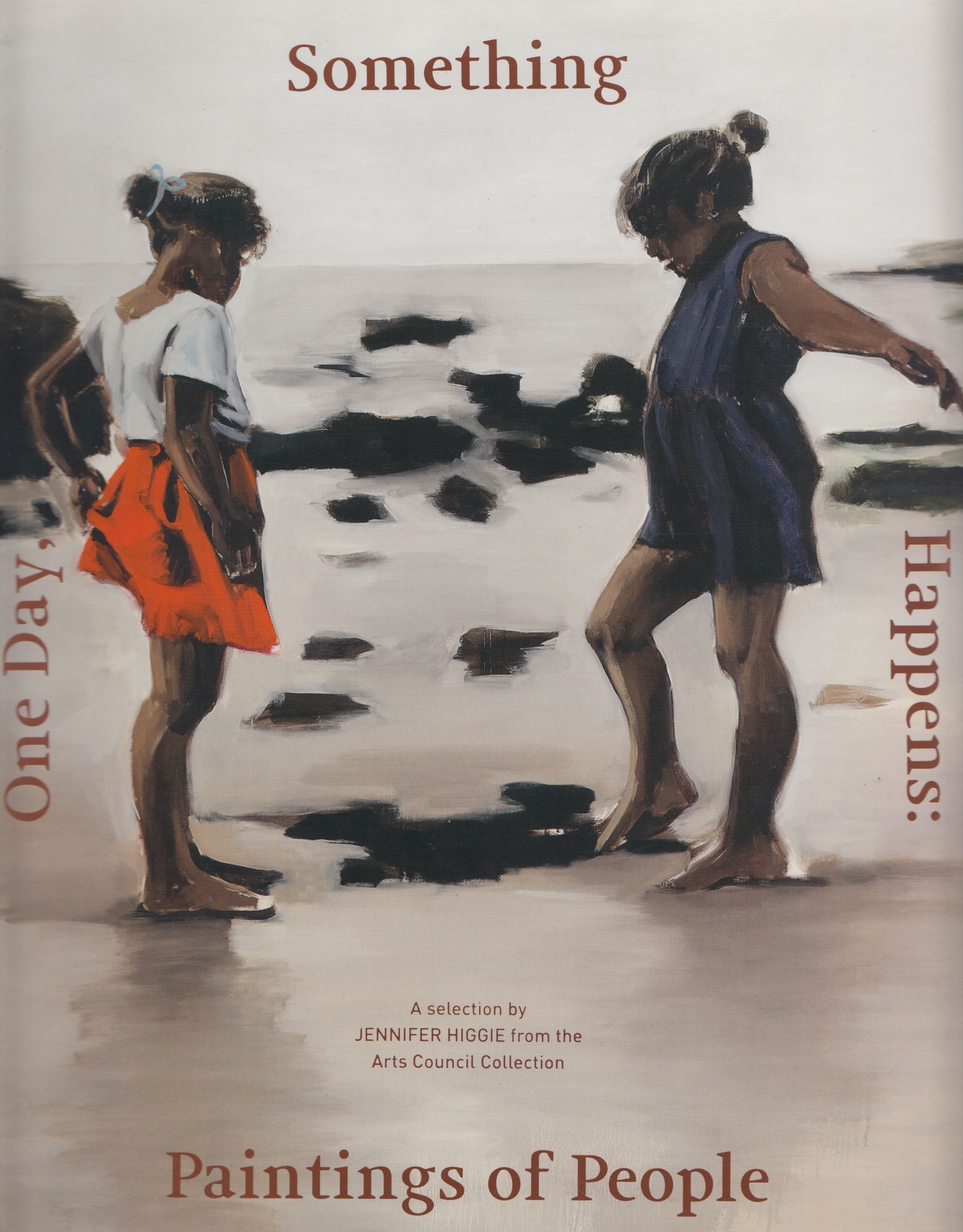
In One Day, Something Happens: Paintings of People the celebrated writer, art critic and co-editor of Frieze magazine, Jennifer Higgie, illuminates her fascination for the figure in modern British painting through the works of 40 diverse artists from the past century.
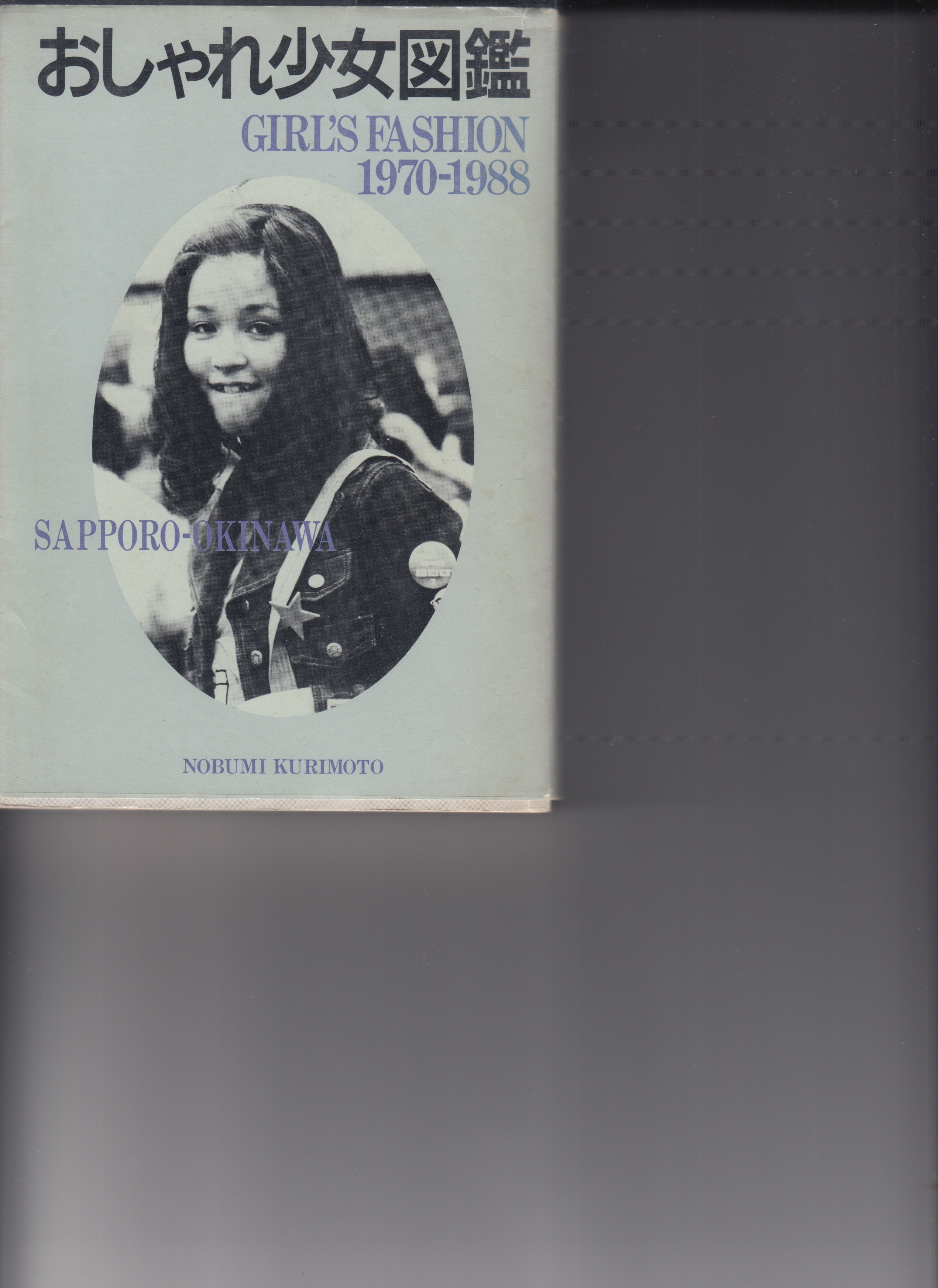
An incredible reference book that quietly tells the history of fashion in Japan. Kurimoto shoots girls on the street in their everyday outfits from 1970-1988, in Tokyo, Kyoto, Yokohama, and so on. Arranged by year and roughly grouped according to their looks – with reference to natural styling & accessorising present in Japanese youth culture.
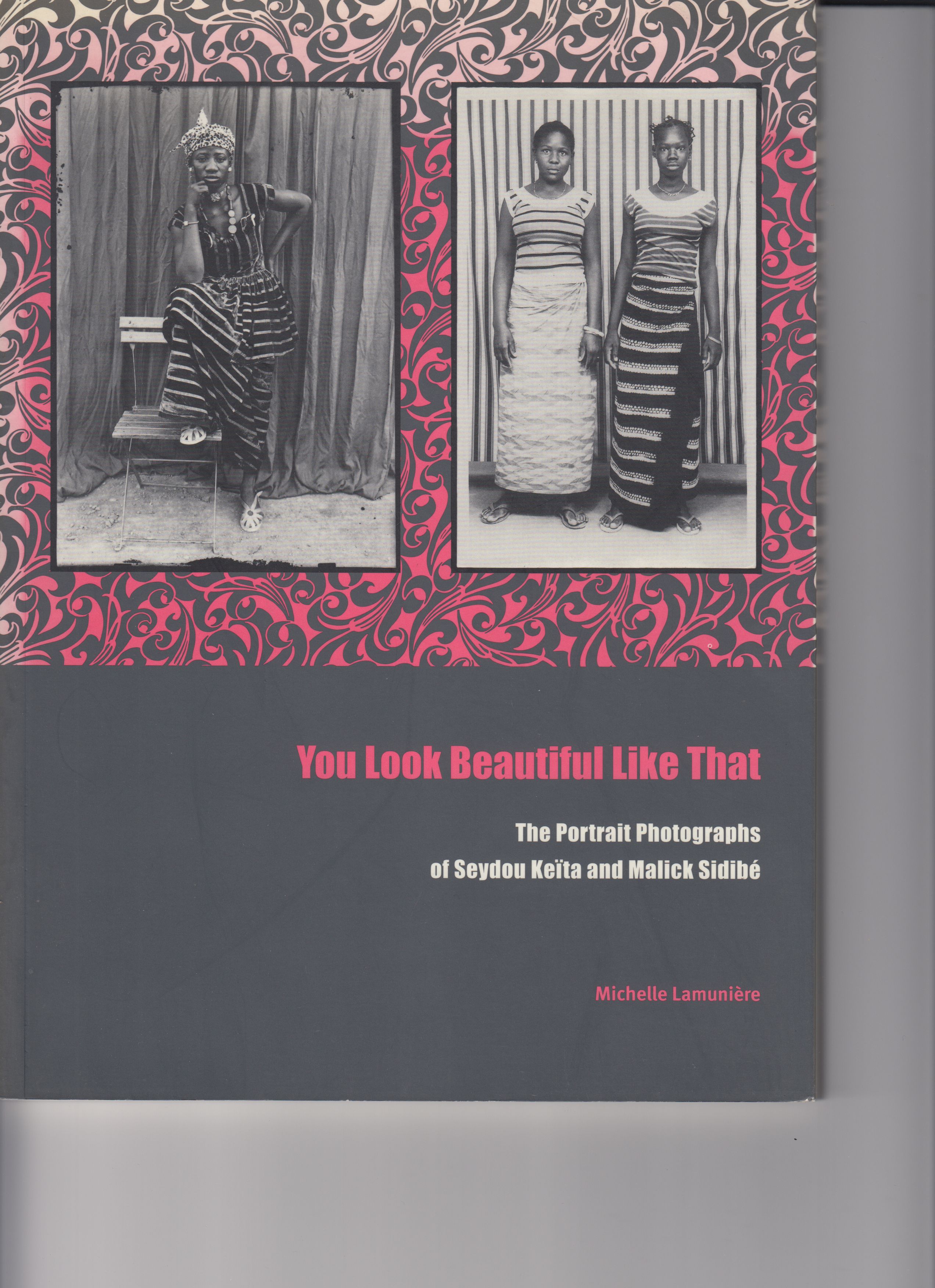
Seydou Keita and Malick Sidibe, two important and widely known commercial photographers from Mali, took mesmerising photographs of members of their communities during the decades before and after the country's independence from France in 1960. This book presents a range of these portraits, as well as excerpts of recent interviews with the artists and an essay placing the photographers within the context of the history of portrait photography in West Africa since its beginnings in the 1840s.

The X Directore presents a collection of 601 “kink” cards gathered from London telephone booths between 1984 and 1994. Documenting the secretive, eclectic world of Bizarre Madams, Old Colonial Schoolboys, and cross-dressers, the book preserves a disappearing ephemera culture—once ephemeral due to cheap color printing and now nearly unimaginable in the digital age.

Top Symbols & Trademarks of the World was the efforts of Franco Maria Ricci & Corinna Ferrari, and Italian publisher Deco Press. The series, published in 1973 was an unprecedented initiative to catalogue many of the finest examples of trademark design of the time. What marks this series out is both the format and the approach Ricci and Ferrari took. The second volume in the series looks at Canada.
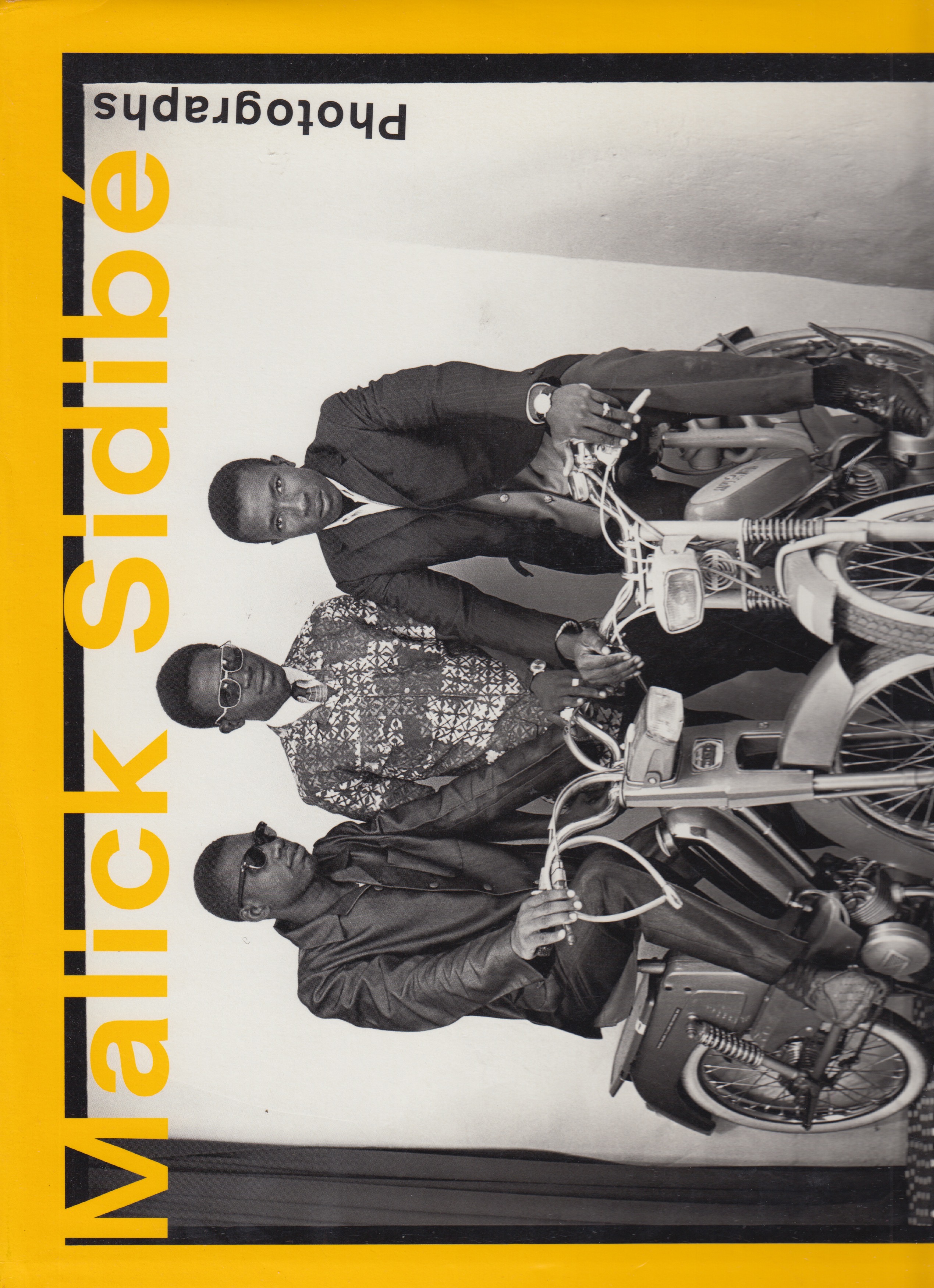
This book was published on the occasion of the Hasselblad Foundation International Award in 2003, which was awarded to West African photographer Malick Sidibé. Sidibé was Bamako's first photojournalist, capturing the energy of that city's youth at parties and social gatherings. Studio Malick became a central meeting place for this new generation, and Sidibé's striking portraits reveal an exuberance for photography that matched the spirit emblematic of post-colonial West Africa in the late 1950s through the mid-1970s.
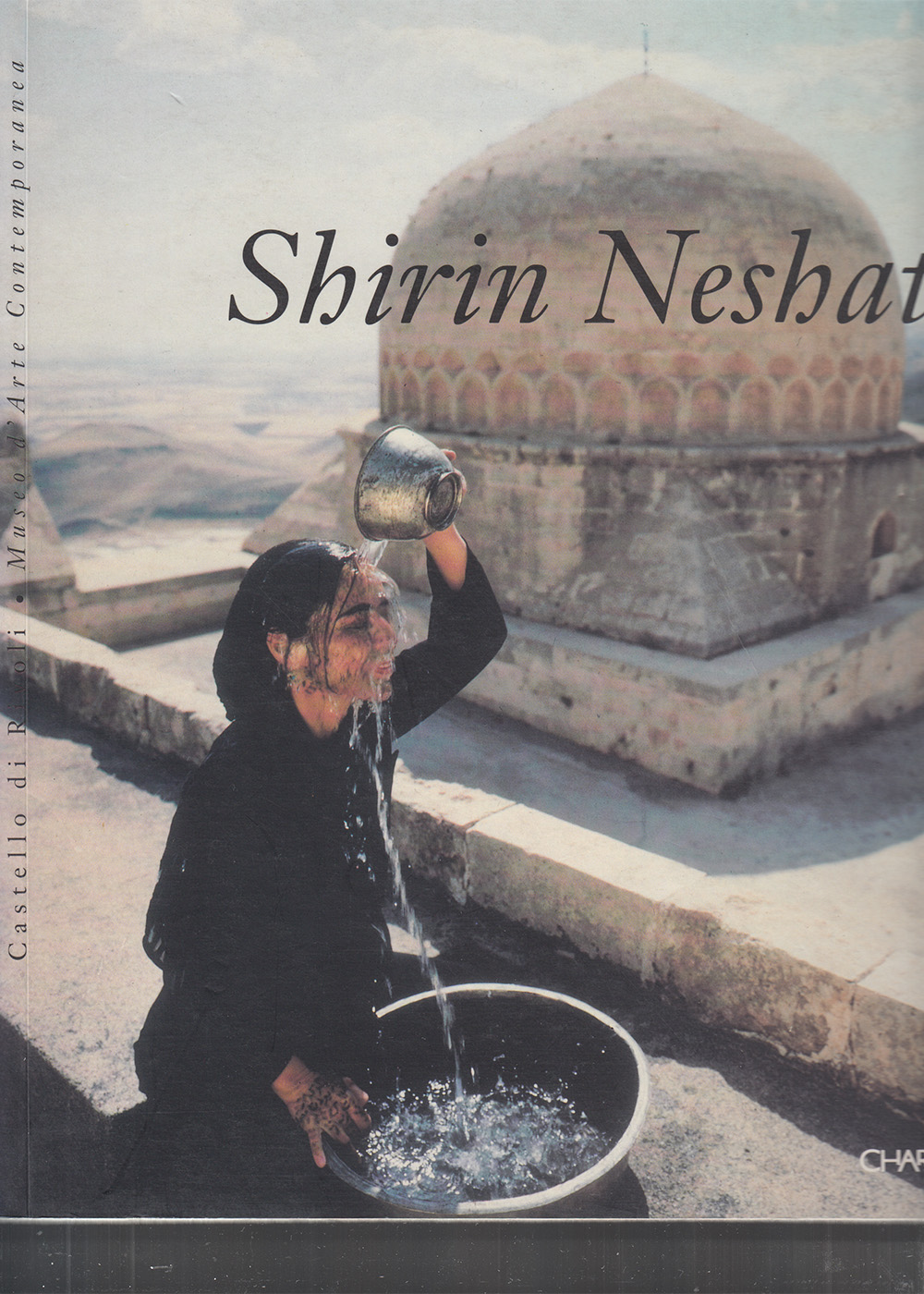
Born in Iran and currently living in the US, Shirin Neshat's work sits at the centre of two very different cultural universes. This book documents all of her activity, including her first black and white photographic work in which she gave voices to Iranian women by tracing onto their faces, hands, and naked feet the verses of ancient Persian poets.
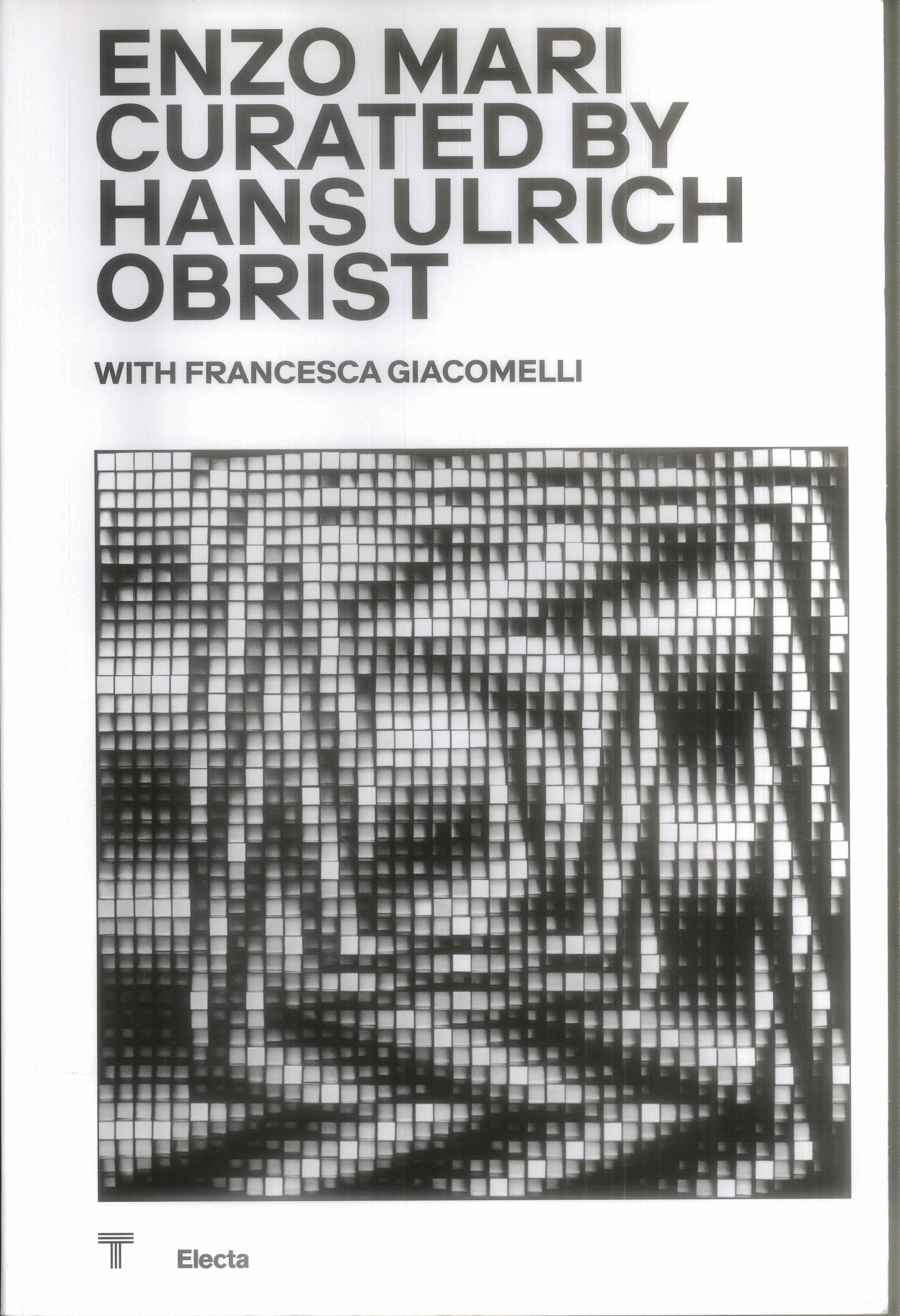
In this book, over 60 years of work by designer, artist, critic and theoretician Ezno Mari is documented through projects, drawings, unpublished materials, essays, interviews and tributes by internationally renowned artists and designers.
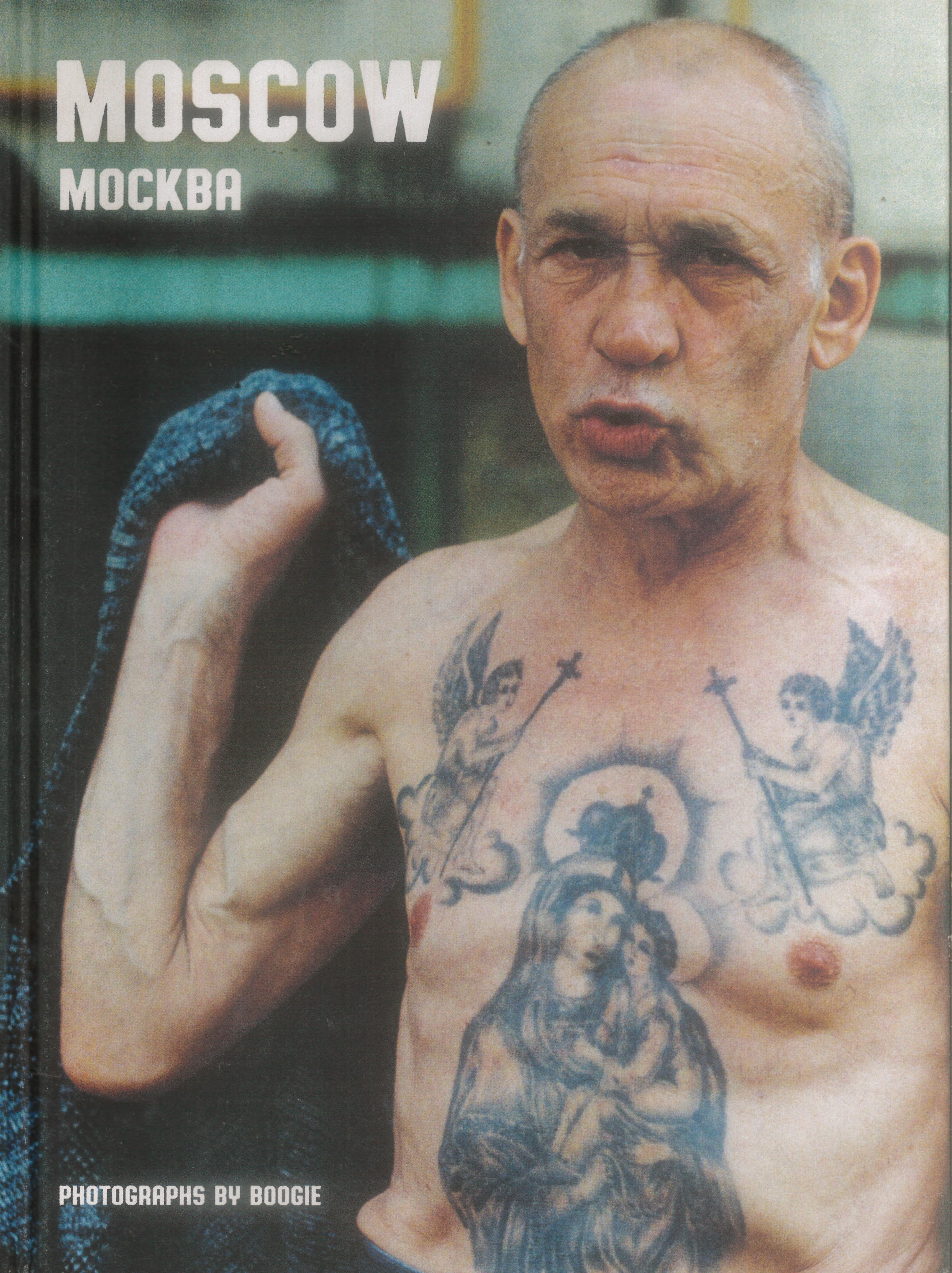
Born and raised in Belgrade, Boogie first began photographing during the Yugoslav Wars, which ravaged the Serbian territory throughout the 1990s. Growing up during these wars ignited Boogie’s attraction to the darker side of human existence; his distinctive photographs often focuses on rebellion, unrest, and the disenfranchised. In this book, he documents the people of Moscow – people sculpted by a brutal, concrete landscape, fighting to survive.

This book surveys 1,800 recent print publications that operate outside the international book trade. Lacking ISBNs and produced on paper, they range from photocopied flyers to handcrafted editions and hardcovers. Created largely by young artists, these works highlight independent, experimental publishing, with illustrations chosen to reflect the expressive energy of contemporary art-driven print culture.