
Auto-Destructive Art revisits Gustav Metzger’s radical 1965 lecture, presenting art as both creative practice and revolutionary social action. Republished 50 years later, this facsimile edition renews Metzger’s powerful critique of war, technological domination, and society’s fixation on destruction—issues that remain strikingly relevant today.
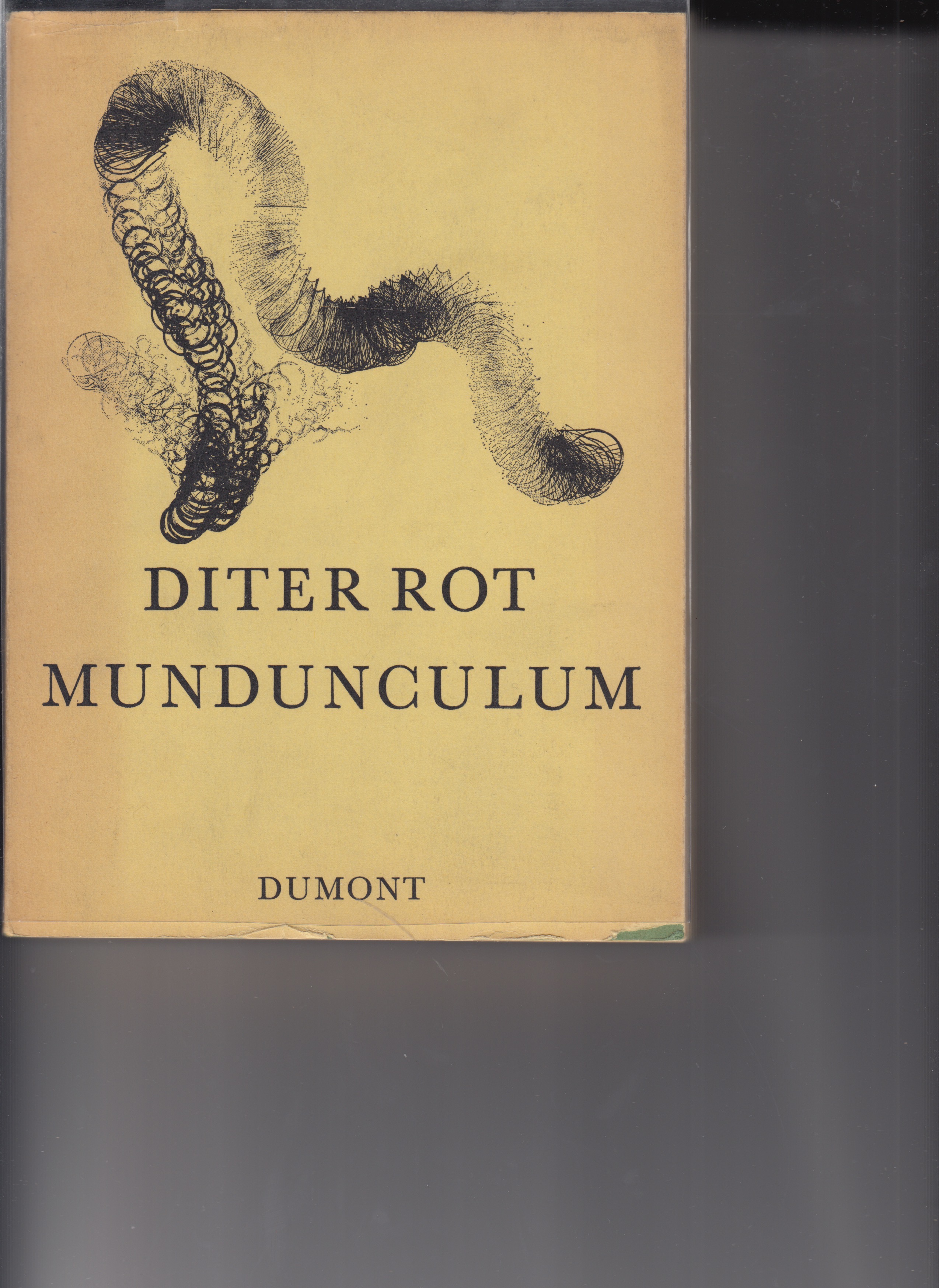
Dieter Roth (1930–1998) was a highly diverse and influential artist, known for his work as a poet, sculptor, graphic designer, and musician. He associated with the Fluxus movement and explored the boundaries between material and intellect in his work, often using unconventional and even perishable items in his art. This book is characteristic of Roth's experimental approach to art and publishing, with a mix of letterpress texts, drawings, and rubber-stamp pictures, with German and English texts included.
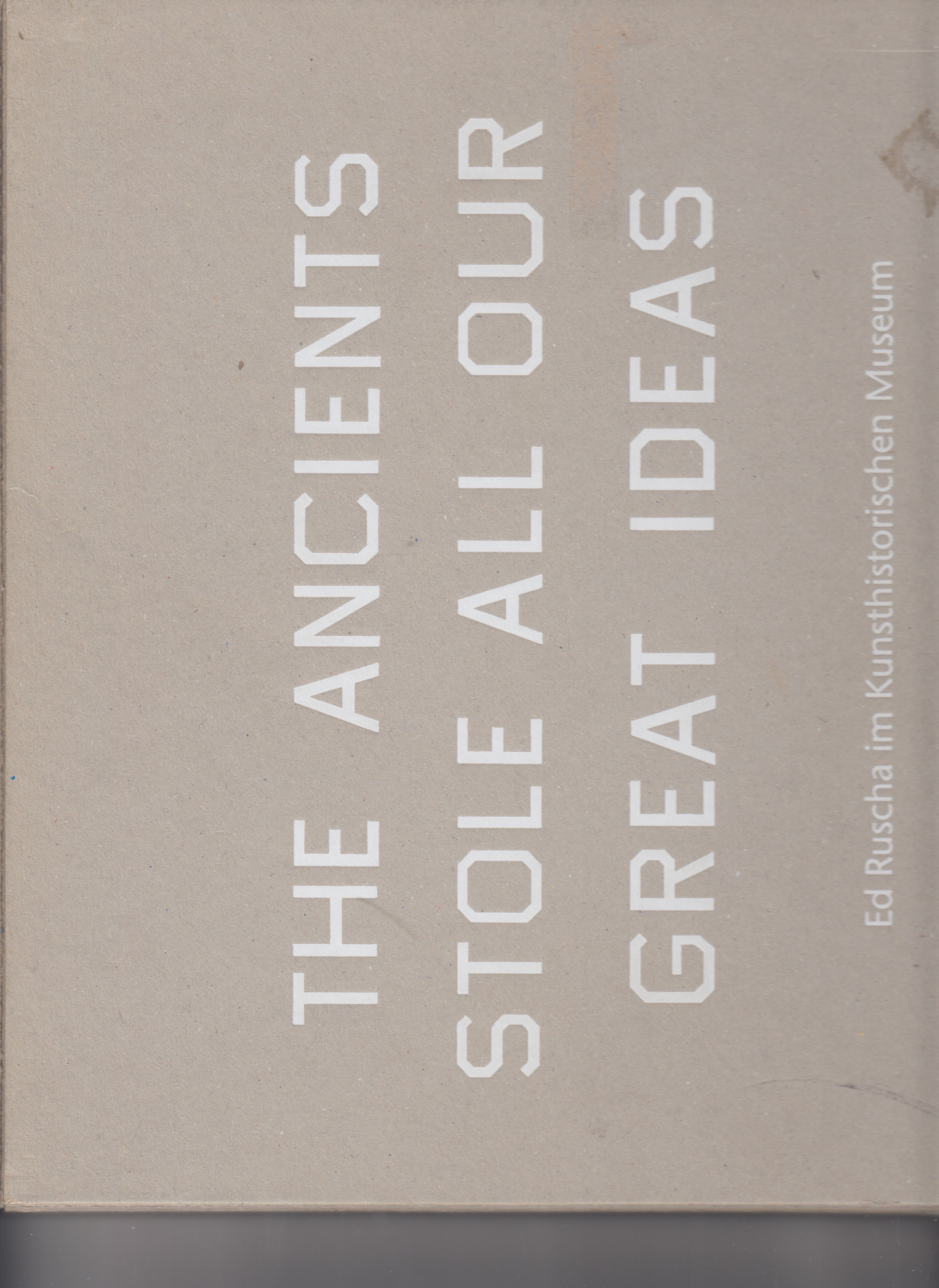
Composed of paintings, sculptures and nature specimens that intrigue, amuse or confuse Ruscha, this exhibition and catalogue offers a portrait of the artist's taste and thought in response to Vienna's Kunsthistorisches Museum's call out for artist's to make work in reference to their collection.
Dieter Roth (1930–1998) was a highly diverse and influential artist, known for his work as a poet, sculptor, graphic designer, and musician. He associated with the Fluxus movement and explored the boundaries between material and intellect in his work, often using unconventional and even perishable items in his art. This book is characteristic of Roth's experimental approach to art and publishing, with a mix of letterpress texts, drawings, and rubber-stamp pictures, with German and English texts included.

Auto-Destructive Art revisits Gustav Metzger’s radical 1965 lecture, presenting art as both creative practice and revolutionary social action. Republished 50 years later, this facsimile edition renews Metzger’s powerful critique of war, technological domination, and society’s fixation on destruction—issues that remain strikingly relevant today.

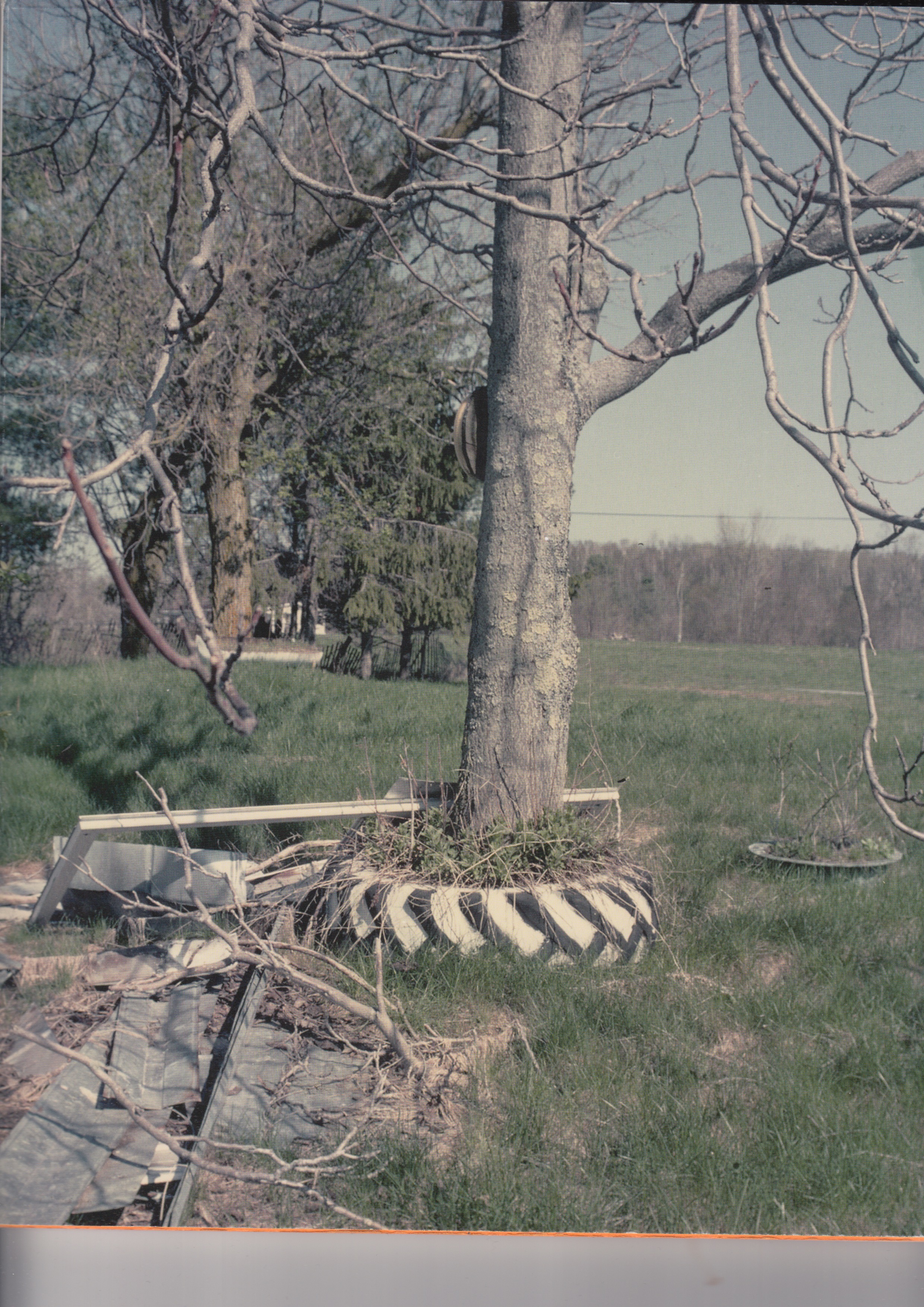
A previously unpublished one act play by Don DeLillo, illustrated with photographs by Richard Prince.

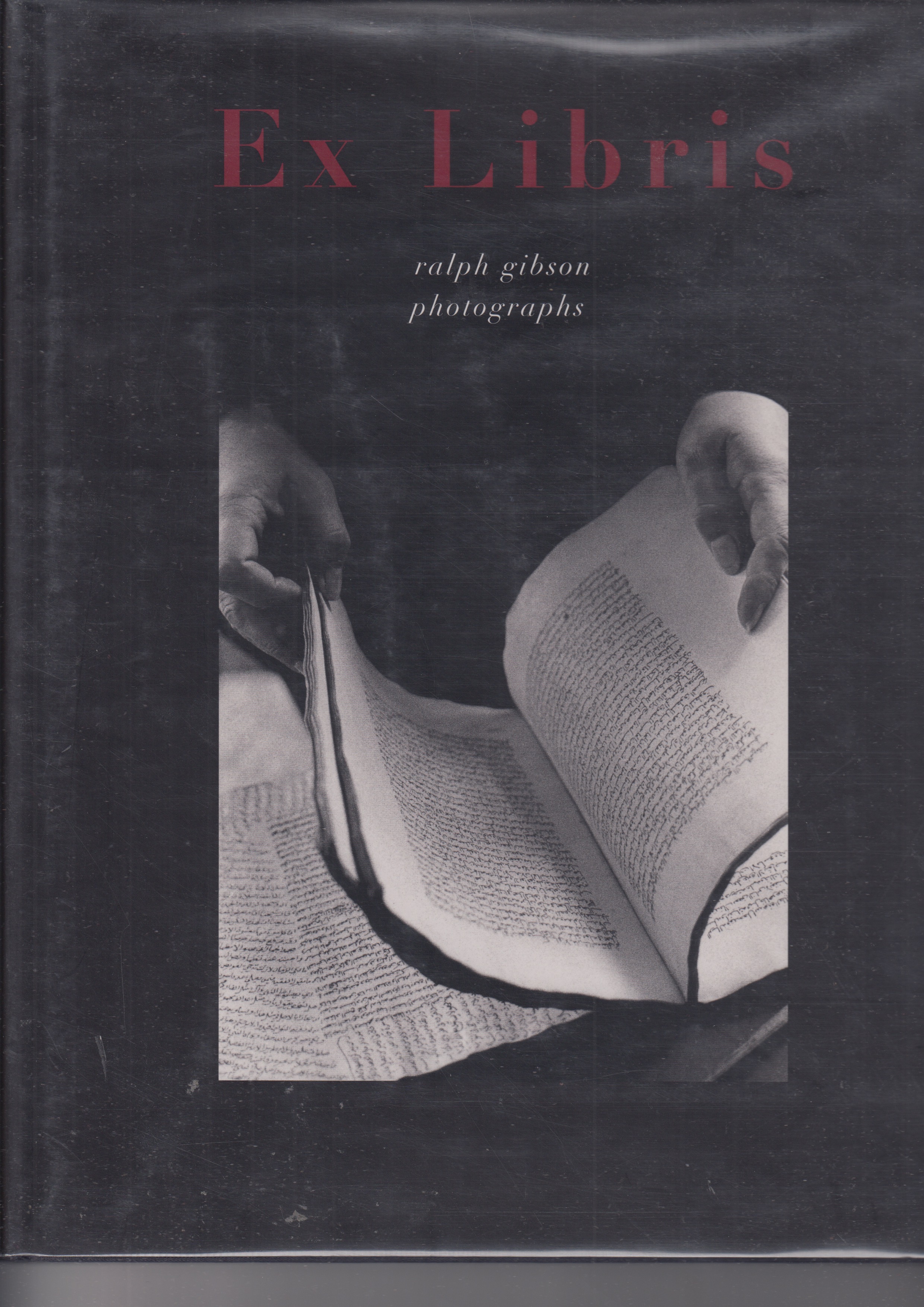
In this, Ralph Gibson's 30th monograph, books themselves have become objects of fascination, examination, and veneration.

Composed of paintings, sculptures and nature specimens that intrigue, amuse or confuse Ruscha, this exhibition and catalogue offers a portrait of the artist's taste and thought in response to Vienna's Kunsthistorisches Museum's call out for artist's to make work in reference to their collection.