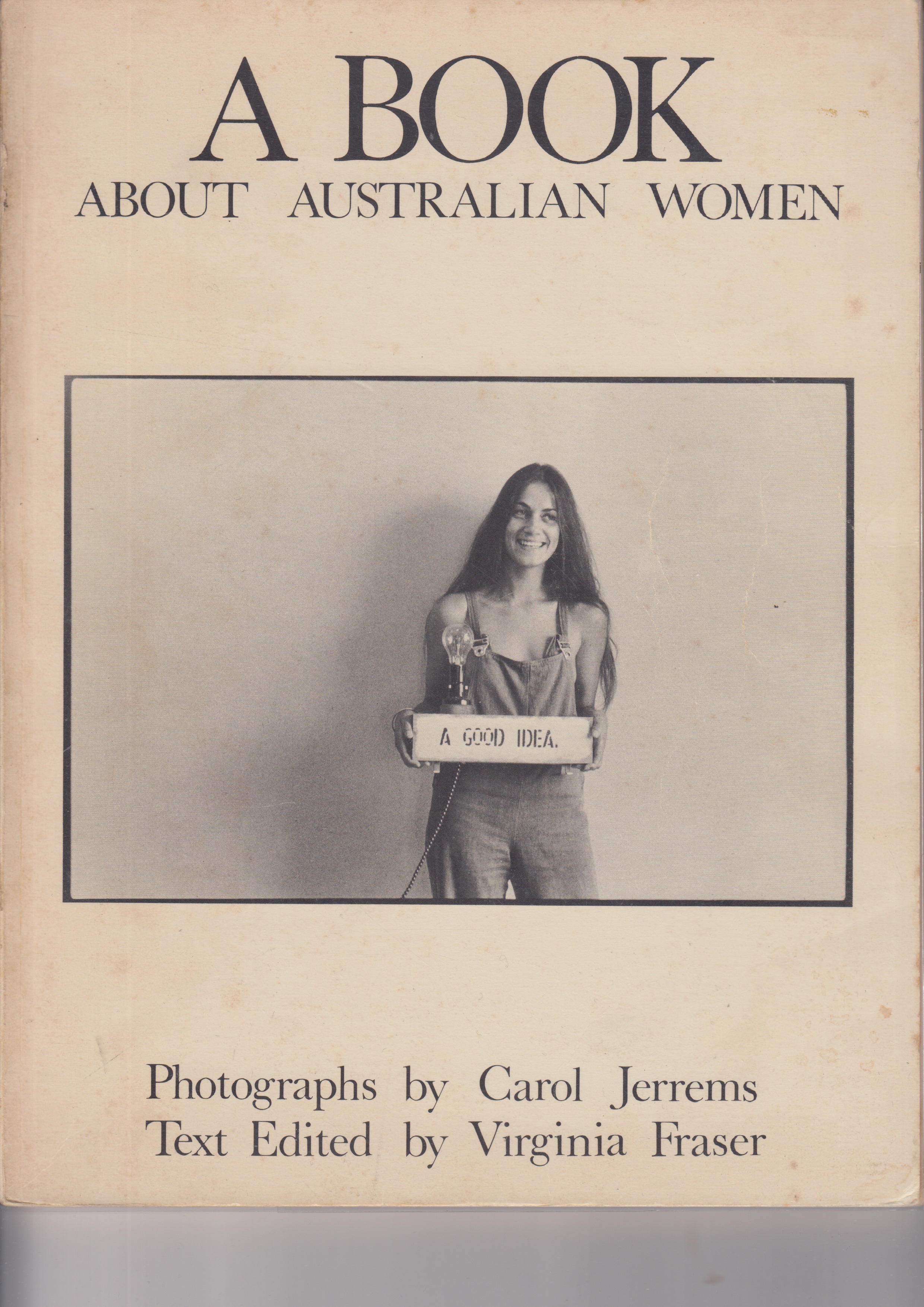
This book was published on the eve of International Women’s Year in 1974, following the establishment of the Office for Women’s Affairs by the Whitlam government in 1973. The book is a collective portrait of women from al walks of life, with photographs and interviews.

For Miles Aldridge Acid Candy' refers to the hard boiled sweets he had as a kid. But this spirit is also found in the photographic dreams he constructs using a bright, almost plastic, coloured palette in order to illustrate fashions for potential buyers. In admiration, David Lynch describes his work as 'a colour coordinated, graphically pure, hard-edged reality'. This book presents 70 full page, colour photographs created for leading fashion magazines such as Vogue, Numero and Paradis.
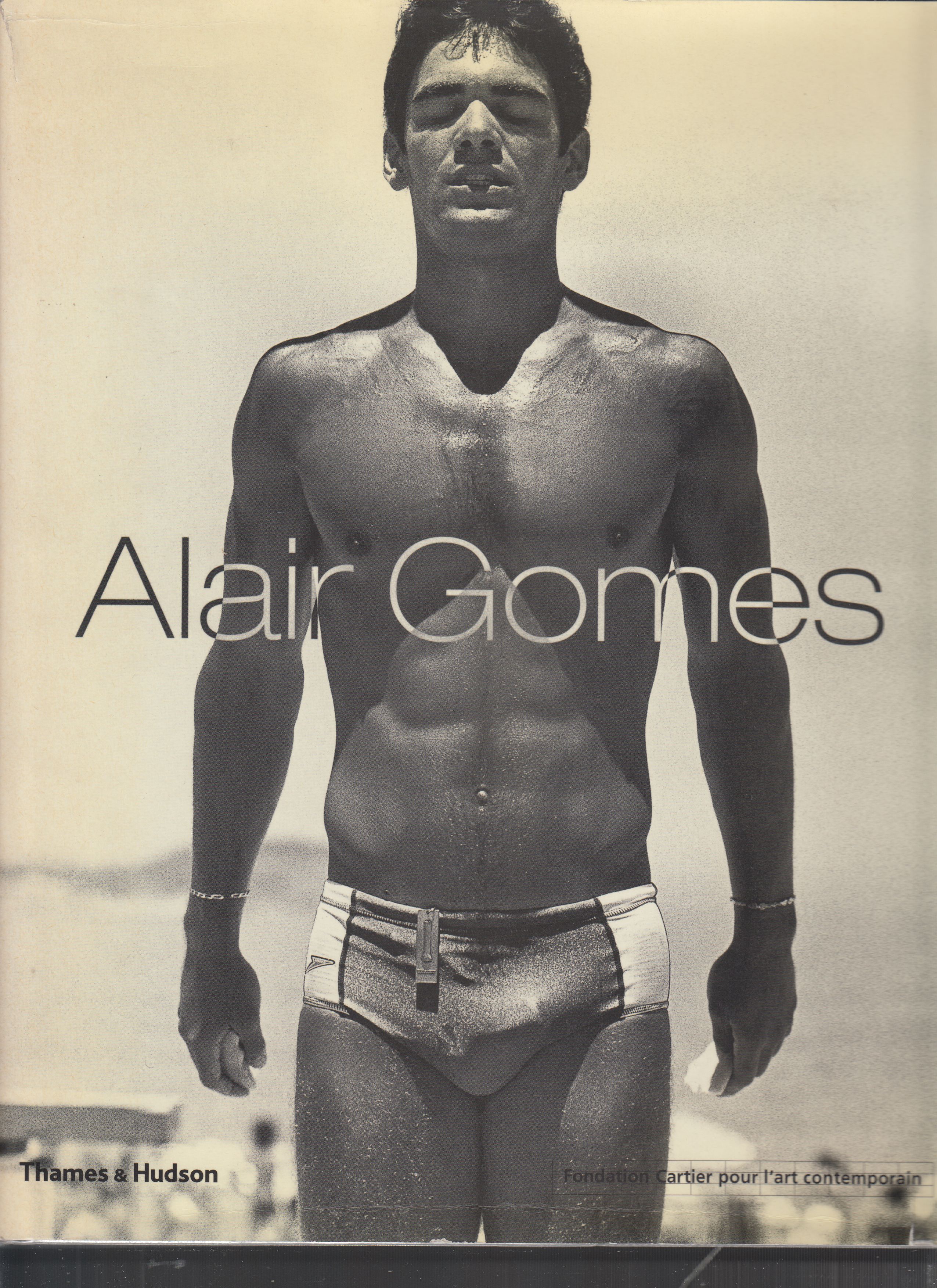
This book is the first to feature the work of the Brazilian photographer Alair de Oliveira Gomes. A philosopher, art critic and university professor, Gomes (1921-92) was in his 50s when he began to develop a body of photographic work, focusing almost exclusively on the athletic young men to be found on the beach at Rio de Janeiro. This book presents a collection of these images.
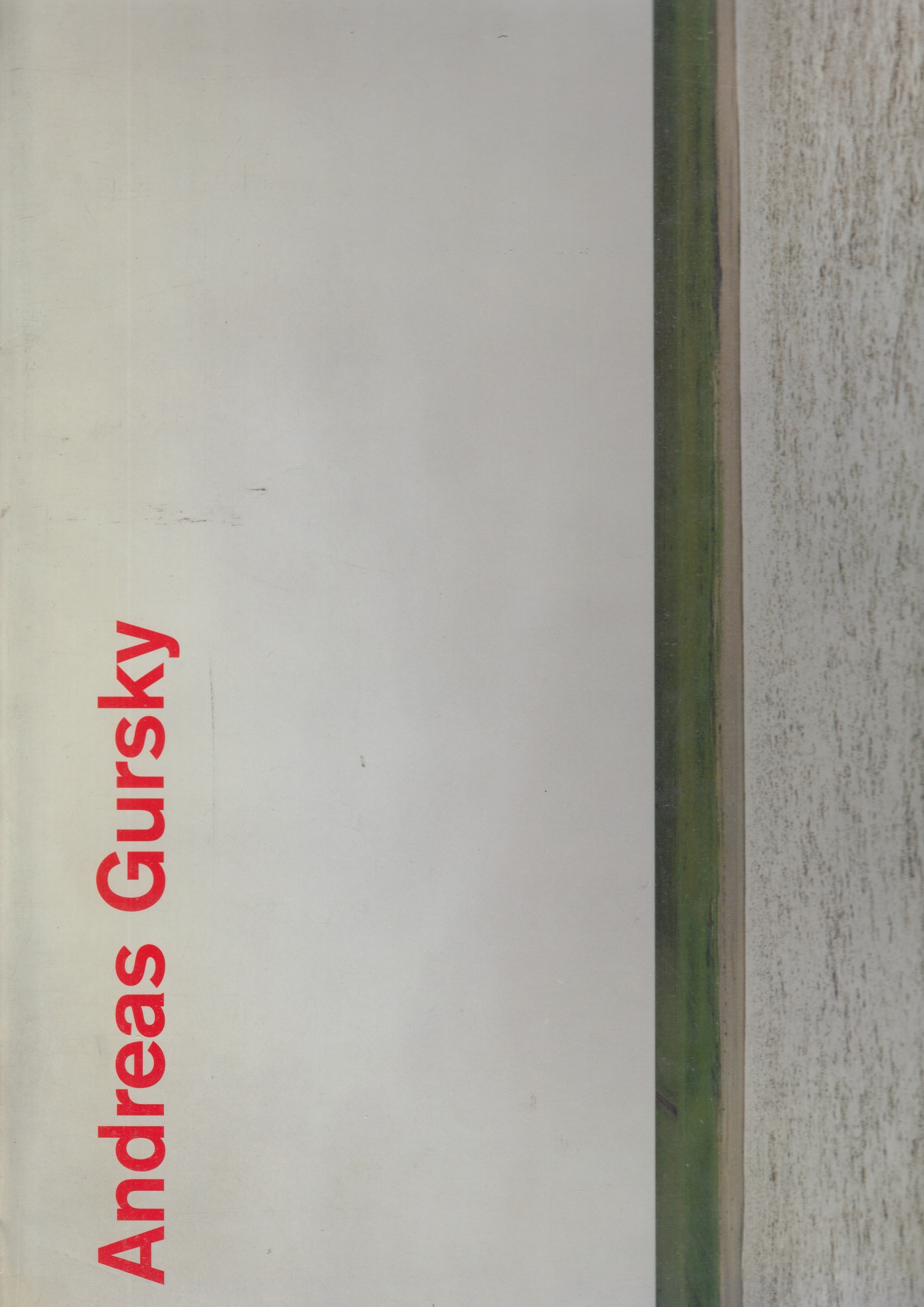
Published to accompany a retrospective at the Kunsthalle Dusseldorf as the first large scale monograph on Andreas Gursky's photographic work since 1984.

First published in 1954, Das Auge der Liebe (The Eye of Love) by the Swiss photographer René Groebli is a small book featuring images that were made during the honeymoon with his wife Rita in France.

Working closely with her subjects on setting, lighting, and pose, photographer Deana Lawson creates intimate depictions of Black bodies interacting in both public and private spaces. The resulting images are formally rigorous in terms of composition—every detail is meticulous and motivated—as well as suggestive of Lawson’s personal connection with those she photographs. Deana Lawson: An Aperture Monograph features forty beautifully reproduced photographs that portray the personal and the powerful in black life.
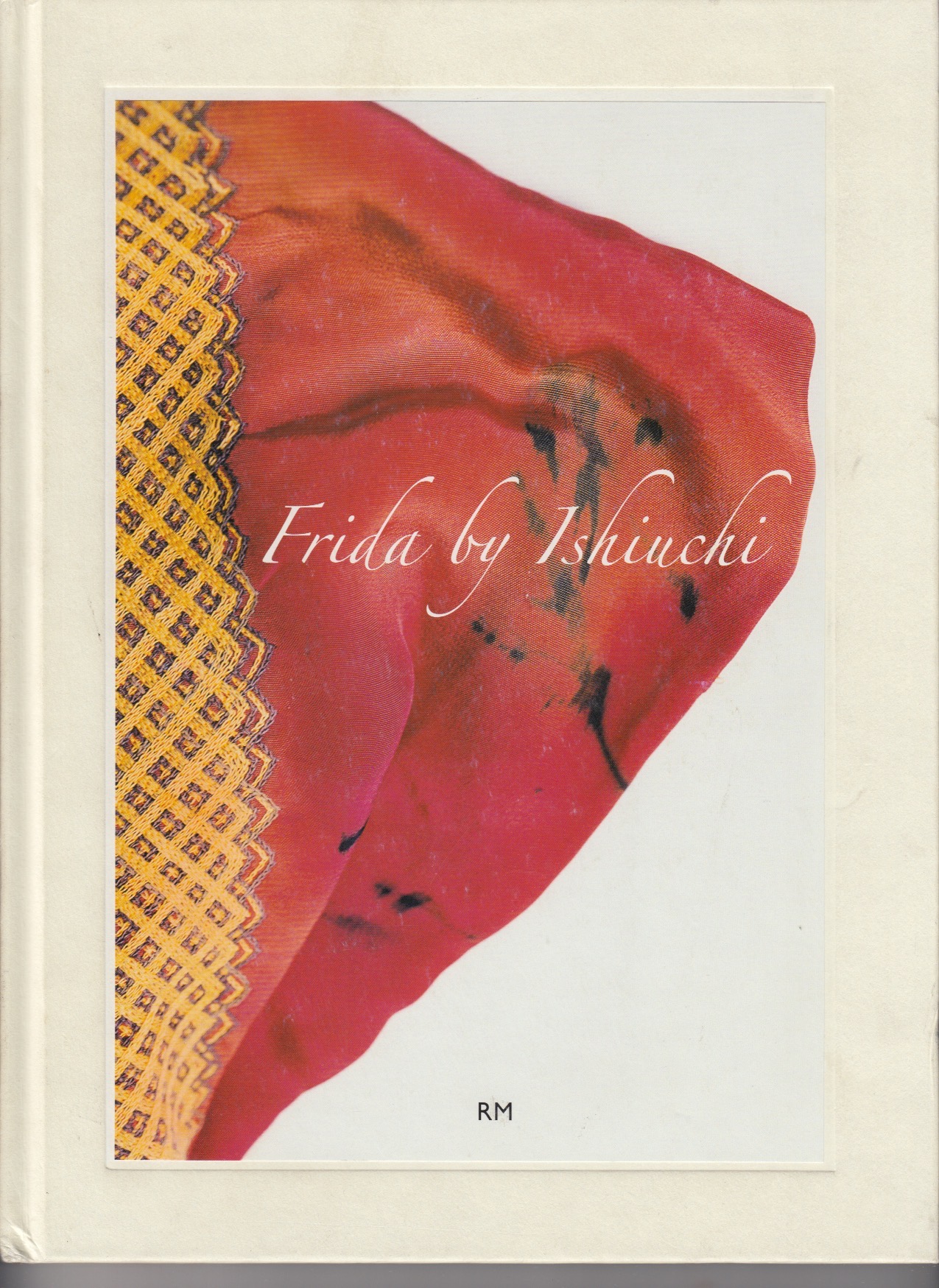
Frida by Ishiuchi is the first photographic documentation ever published of Mexican artist Frida Kahlo's personal attire and belongings, as portrayed by Japanese artist Miyako Ishiuchi. The victim of a nearly fatal bus accident as a young woman, Kahlo used fashion to channel her resulting physical difficulties into courageous statements of heritage, strength and beauty.
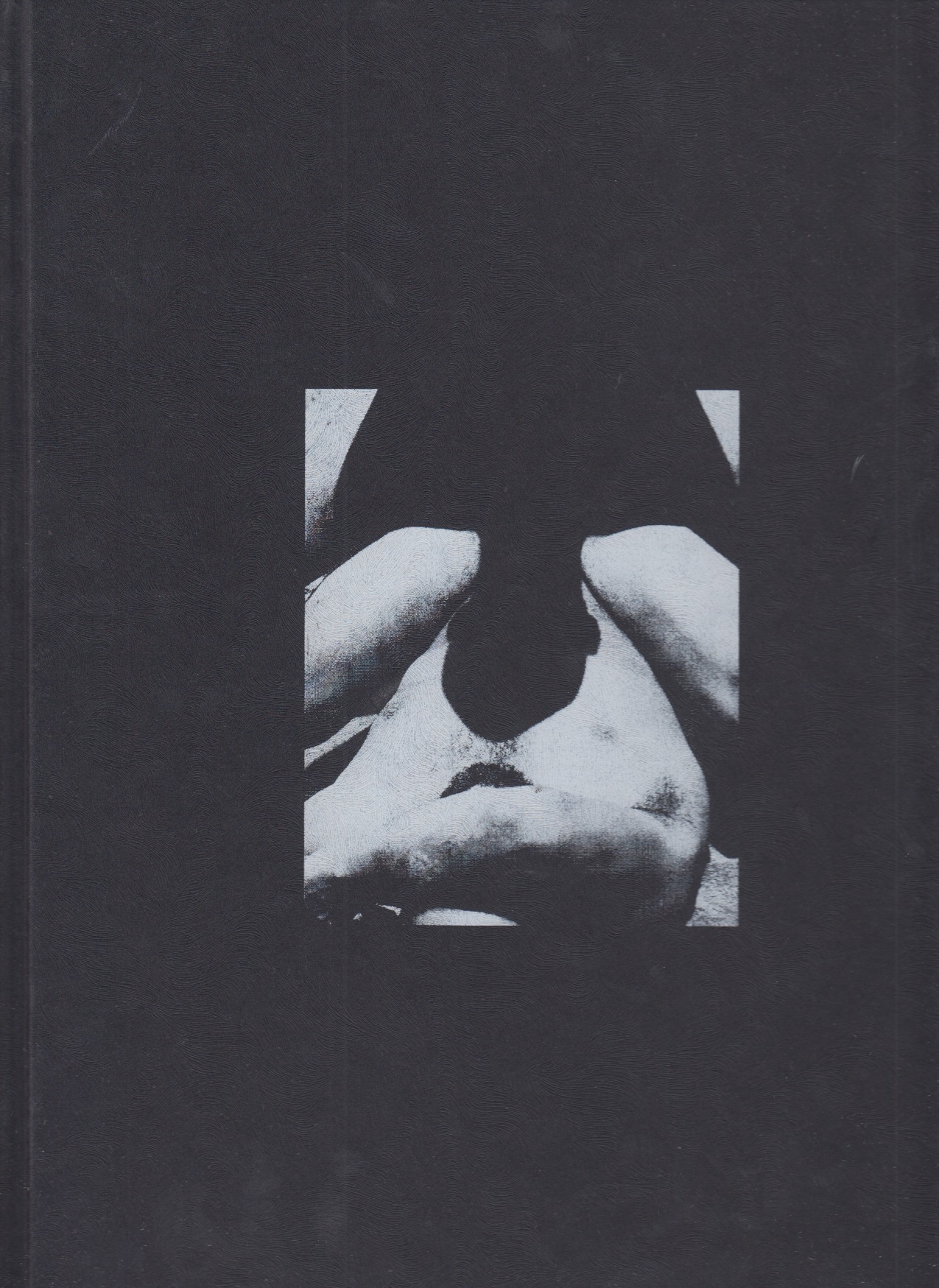
In Heaven is a Prison, McKnight describes a queer otherworld that is at once utopic and purgatorial. Divided into chapters, the poetic sequences in this book oscillate between the literal and the figurative, between distance and communion, and between violence and affection.
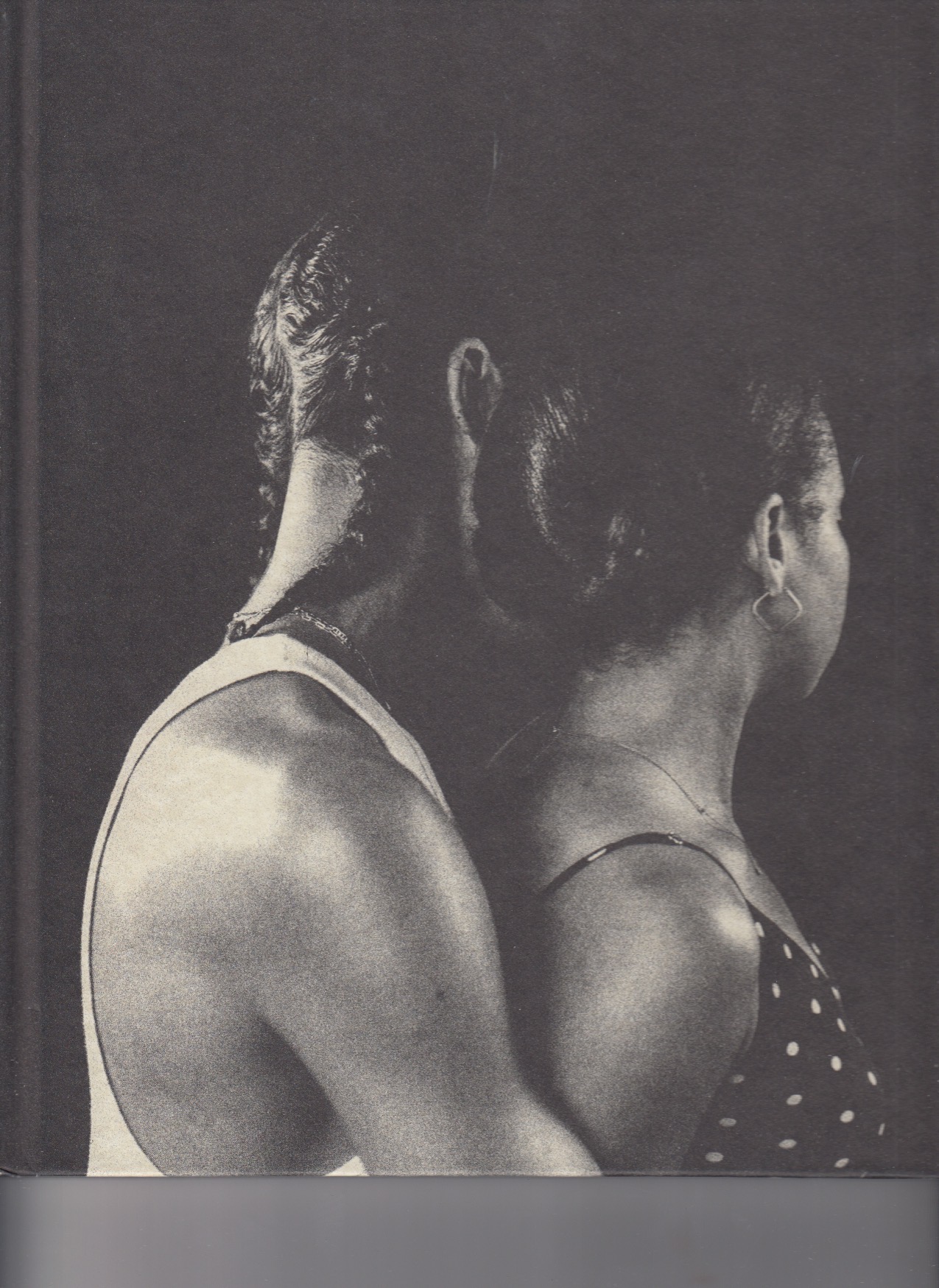
I Can't Stand to See You Cry is an exploration of Texas and the surrounding states, as well as the people who are fixed within its complex landscape. Fortune analyses relationships between family, friends and strangers, all caught in a flood of health and environmental issues while working to maintain grace.
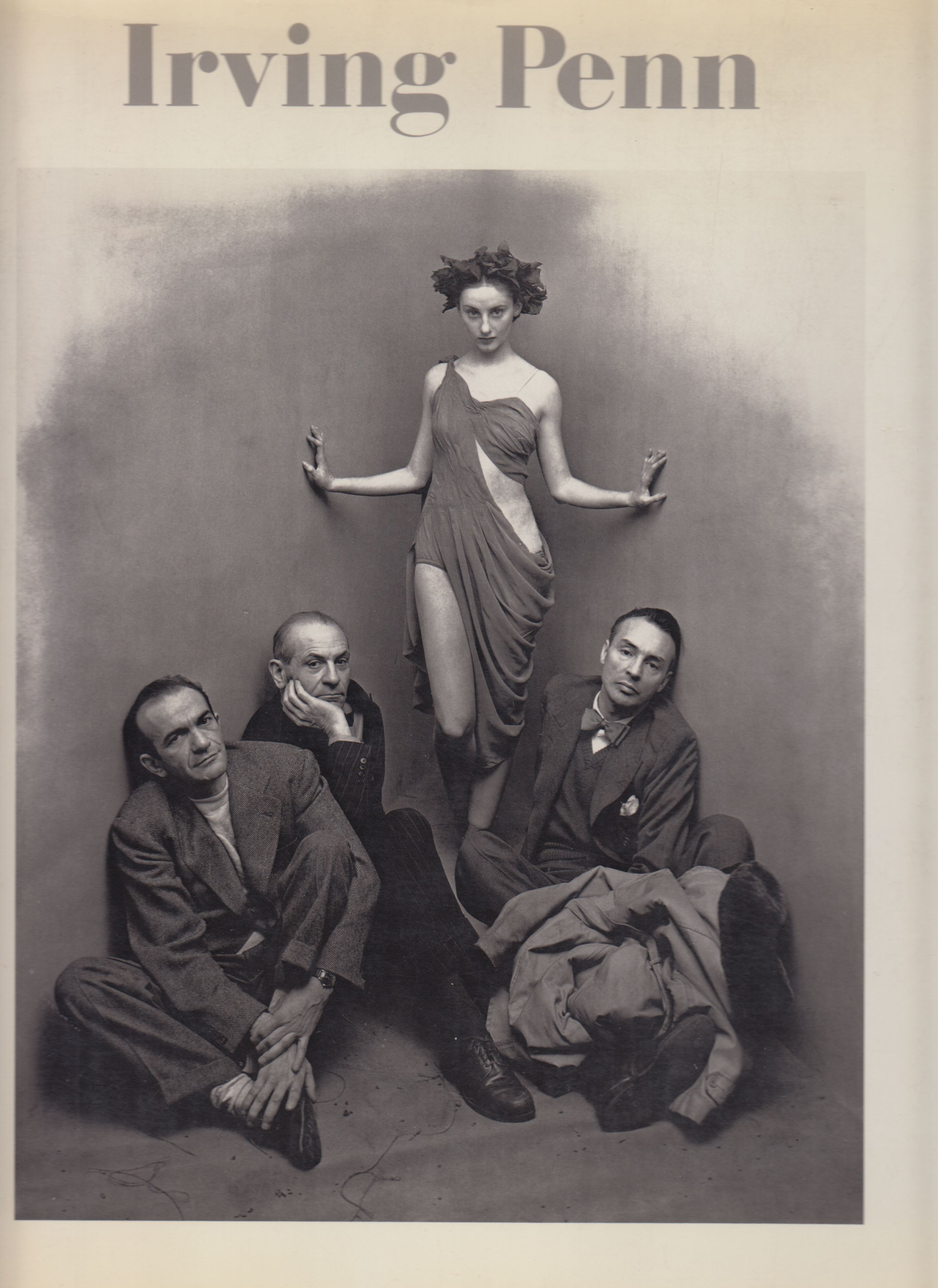
A selection of photographs of one of the most distinguished practitioners of portrait and fashion photography. Published in conjunction with an exhibition at The Museum of Modern Art, this catalogue was the first comprehensive retrospective of Irving Penn's work.
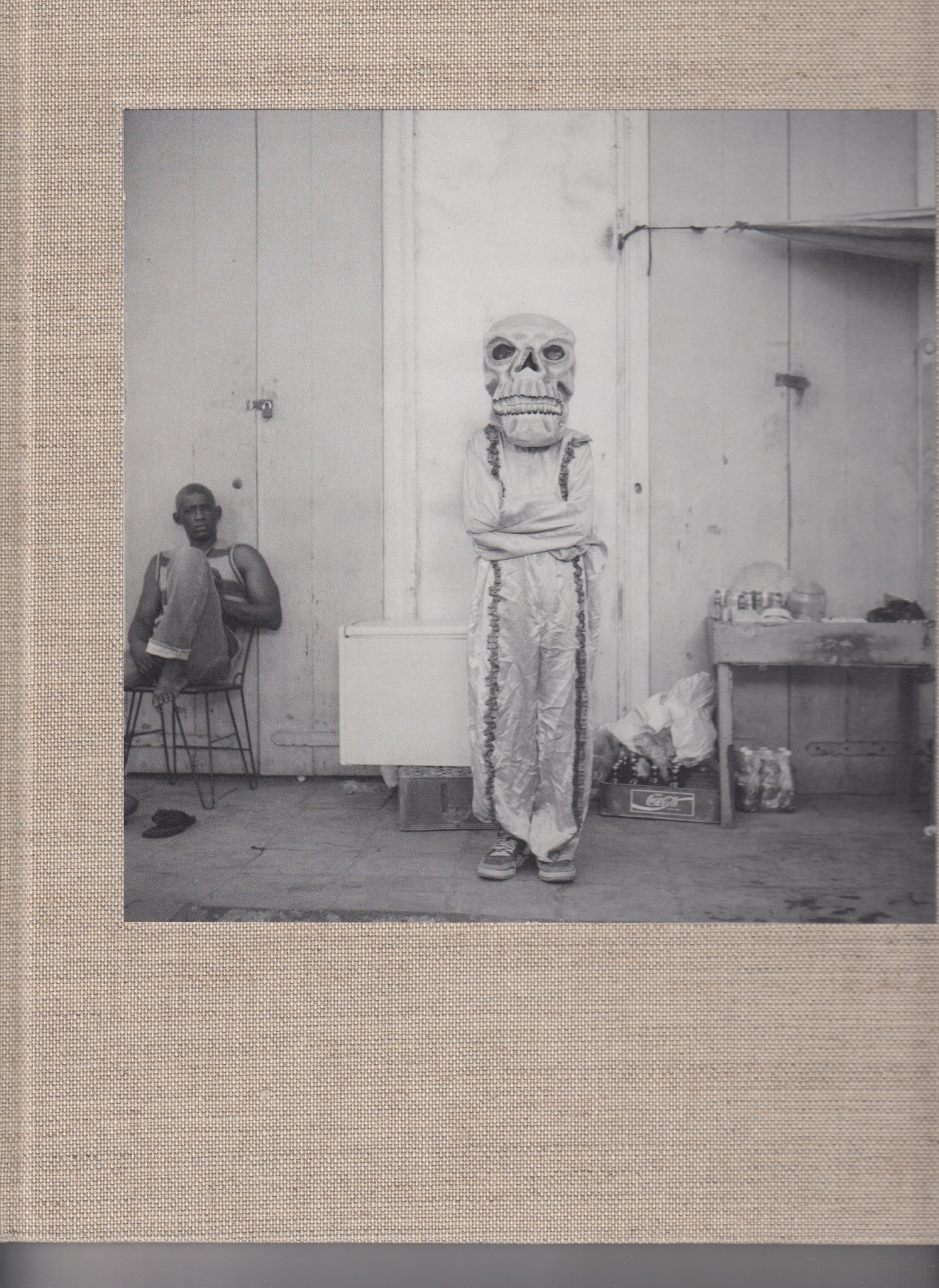
Leah Gordon has been photographing Jacmel Carnival and recording oral histories with its participants since 1995. Her photographs in ‘Kanaval’ are stripped of kinesis and exuberance. She uses a sixty-year-old Rolleicord medium-format twin-lens-reflex camera, and shoots onto black and white negative film. A consensual reciprocity between the photographer and the sitter arises which leaves behind the commotion of the street and enters the more tranquil territory of a portrait studio.
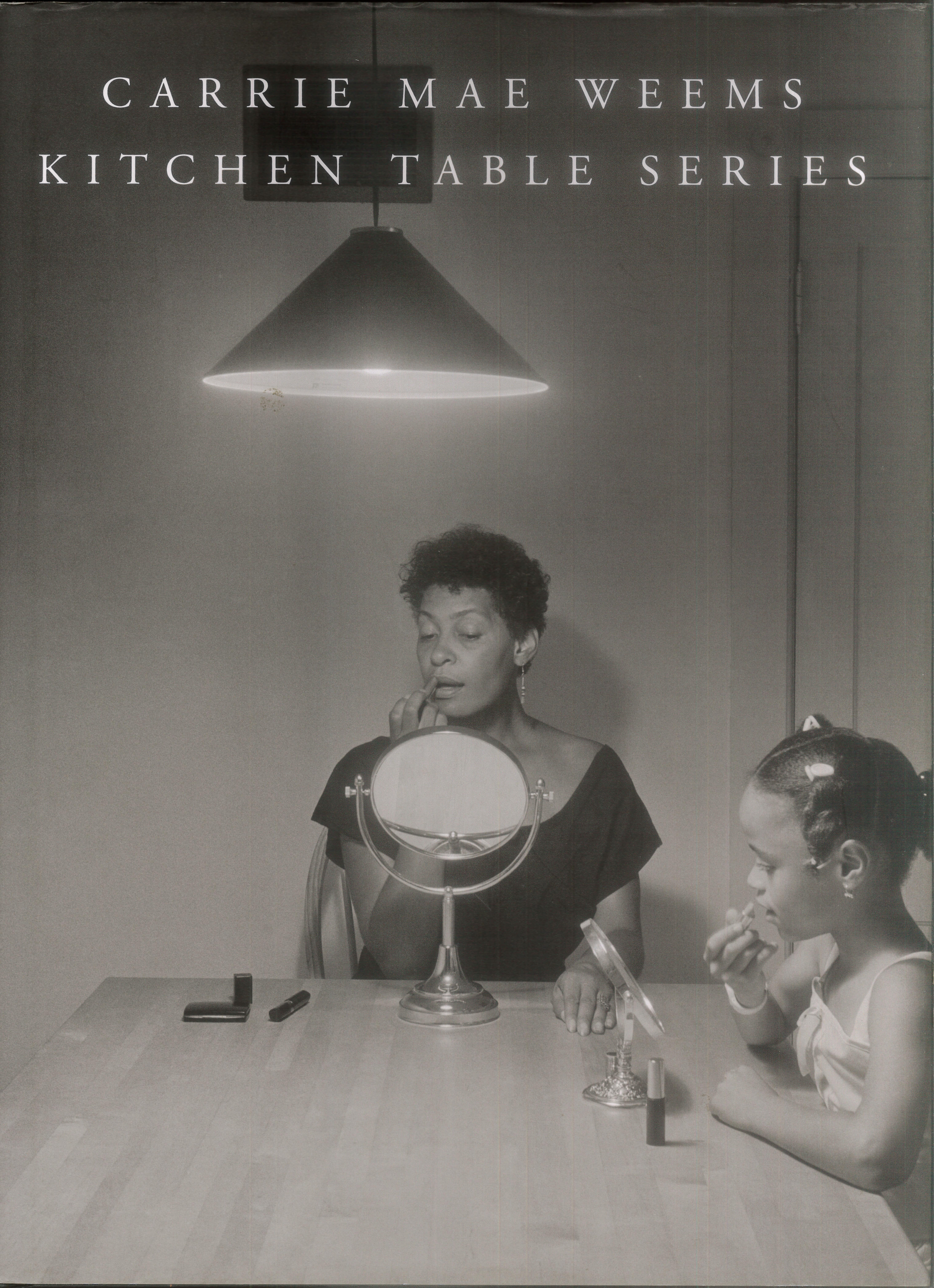
Kitchen Table Series is the first publication dedicated solely to this early and important body of work by the American artist Carrie Mae Weems. The 20 photographs and 14 text panels that make up Kitchen Table Series tell a story of one woman’s life, as conducted in the intimate setting of her kitchen.
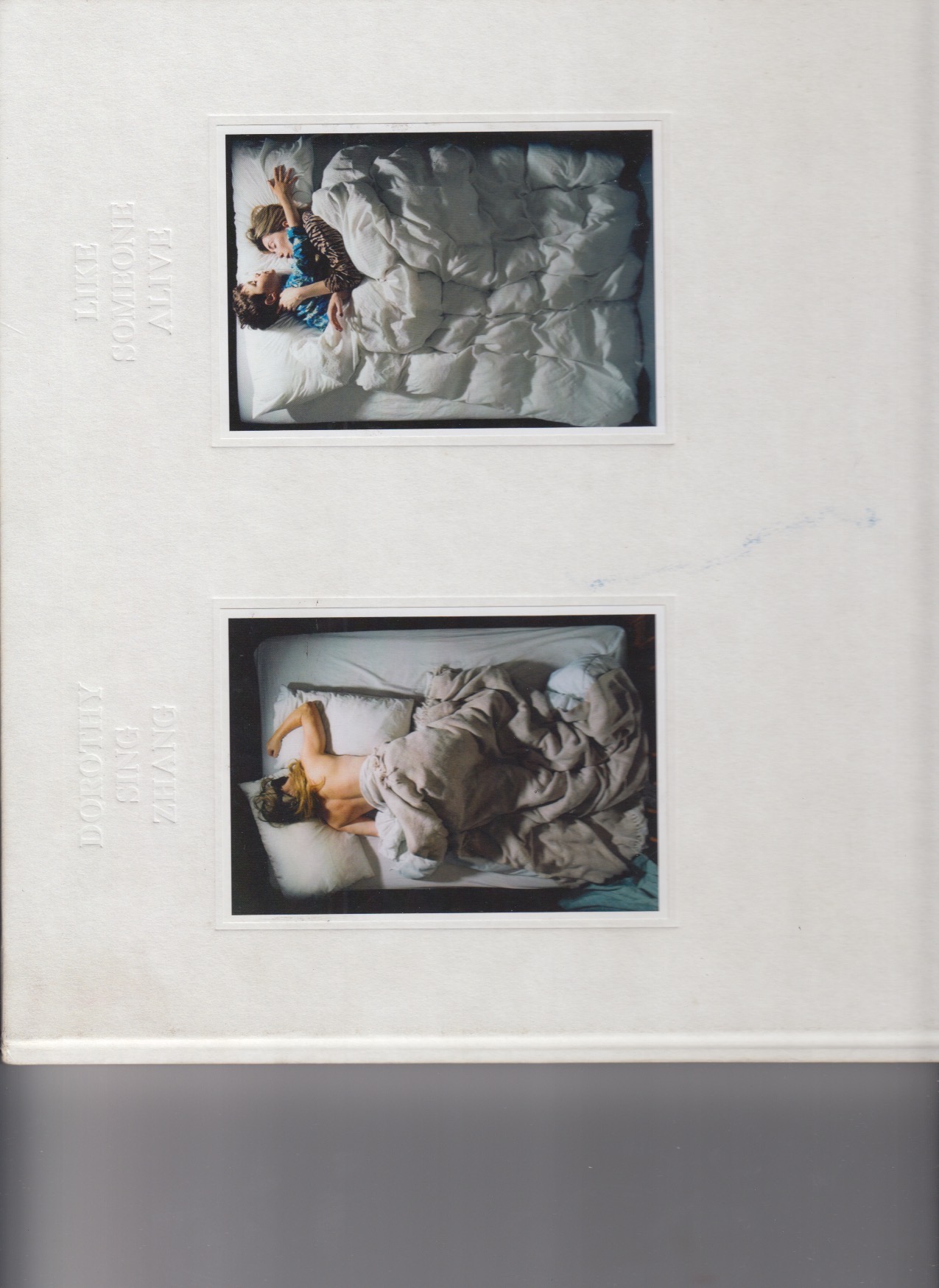
Dorothy Sing Zhang unveils a compelling portrayal of humanity’s vulnerable state during sleep. The scene is set in the bedrooms of others. One is asked to be asleep, a squeeze cable release is placed under the pillow. The chance of one’s unconscious body rolling over and triggering the camera results in an exposure. Like Someone Alive expands these boundaries by withdrawing the traditional relationships between the photographer, the object and the camera.

Living Trust is the first monograph by American artist Buck Ellison. LA-based Ellison’s work broadly investigates the language of privilege through meticulously researched images, often executed through staged settings and performative interventions into the visual language of photography.
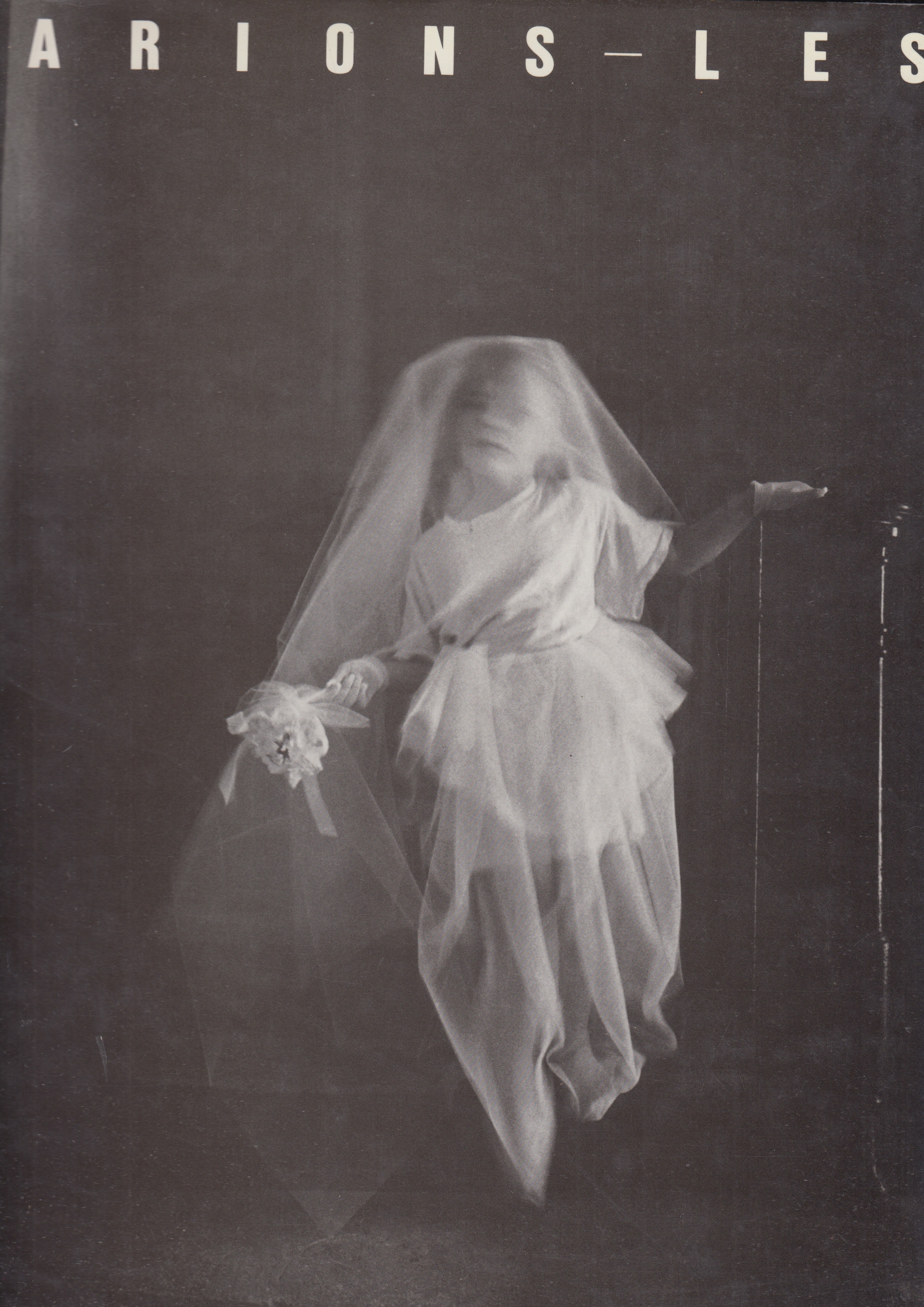
A collectio of photographs of brides, by various photographers including Eve Arnold, Jean Ber, Bruce Davidson, Nan Goldin, Henri Cartier-Bresson, Ricardo Kalver and more.
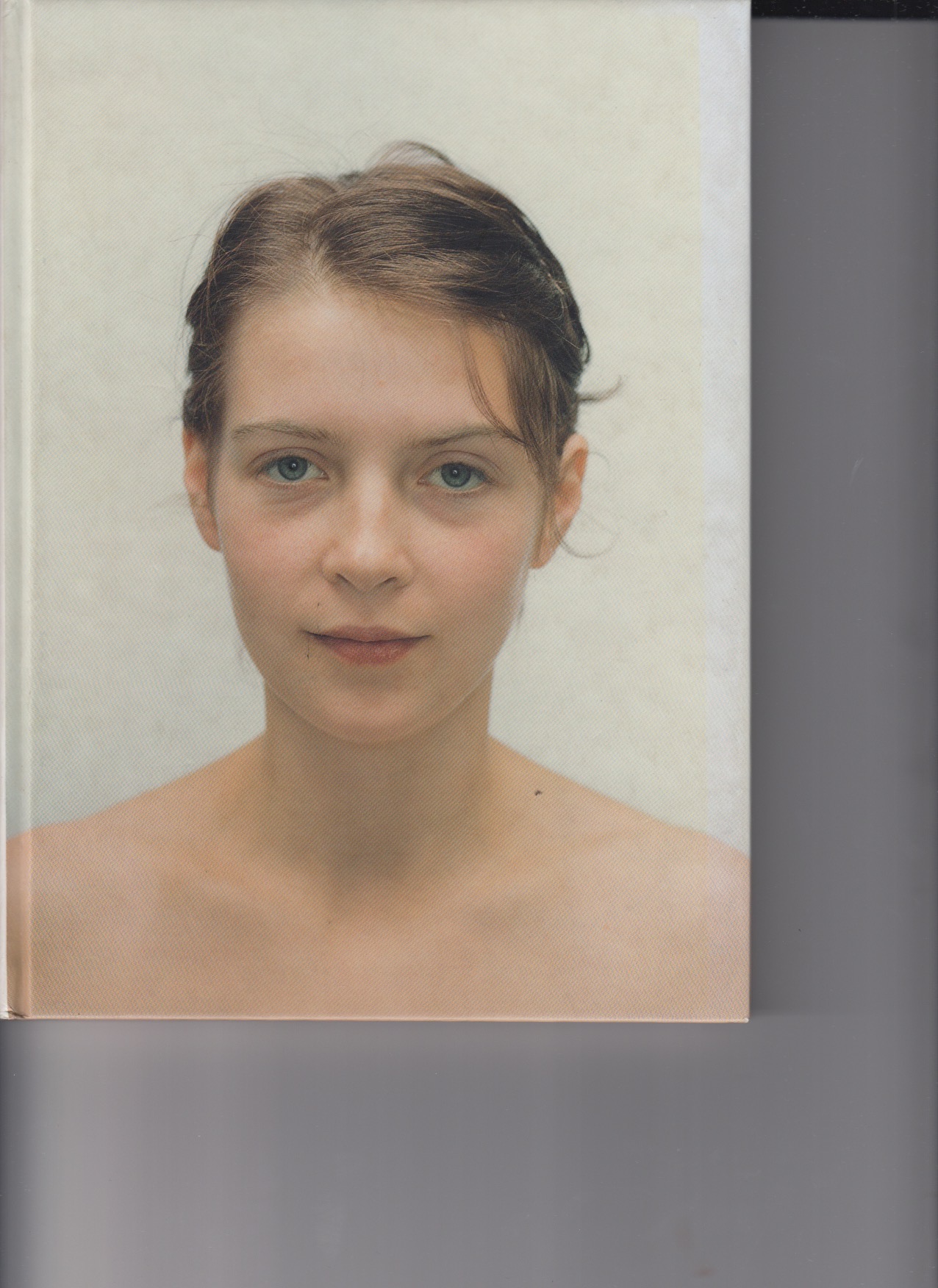
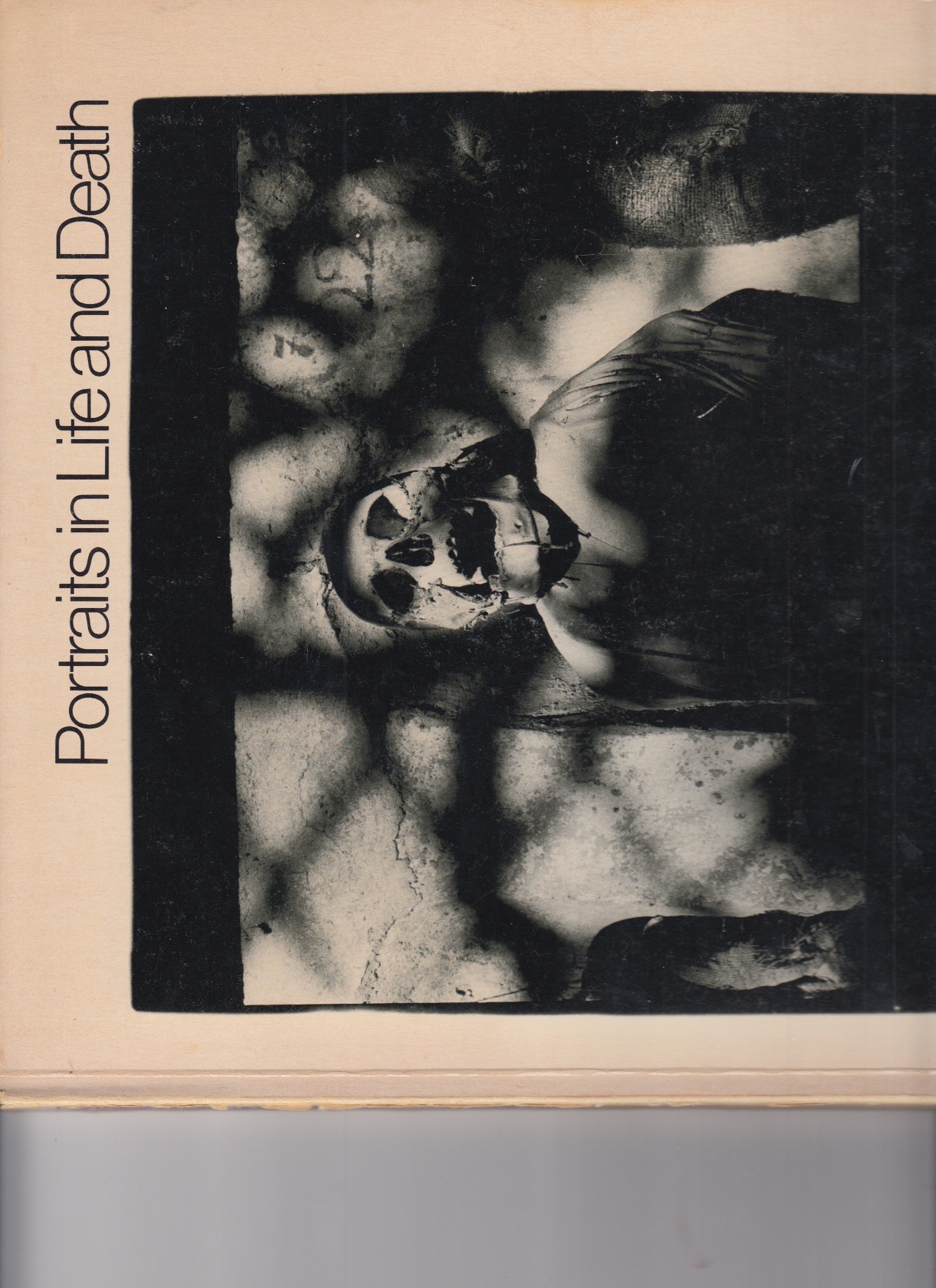
Portraits in Life and Death is the only book of photographs published by Peter Hujar during his lifetime. The twenty-nine portraits of creative people―ranging from William Burroughs, Susan Sontag, and John Waters to Larry Ree―possess a haunting beauty and degree of psychological examination that is both offbeat and riveting. Following the portraits come eleven images that can only be described as devastating: pictures of semi-preserved, clothed bodies of nineteenth-century Sicilians found in the arid catacombs beneath a church in Palermo.

A collection of painterly images of women in sexual relationships, accompanied by poetry. Portraits of intimacy, tenderness and love between women.
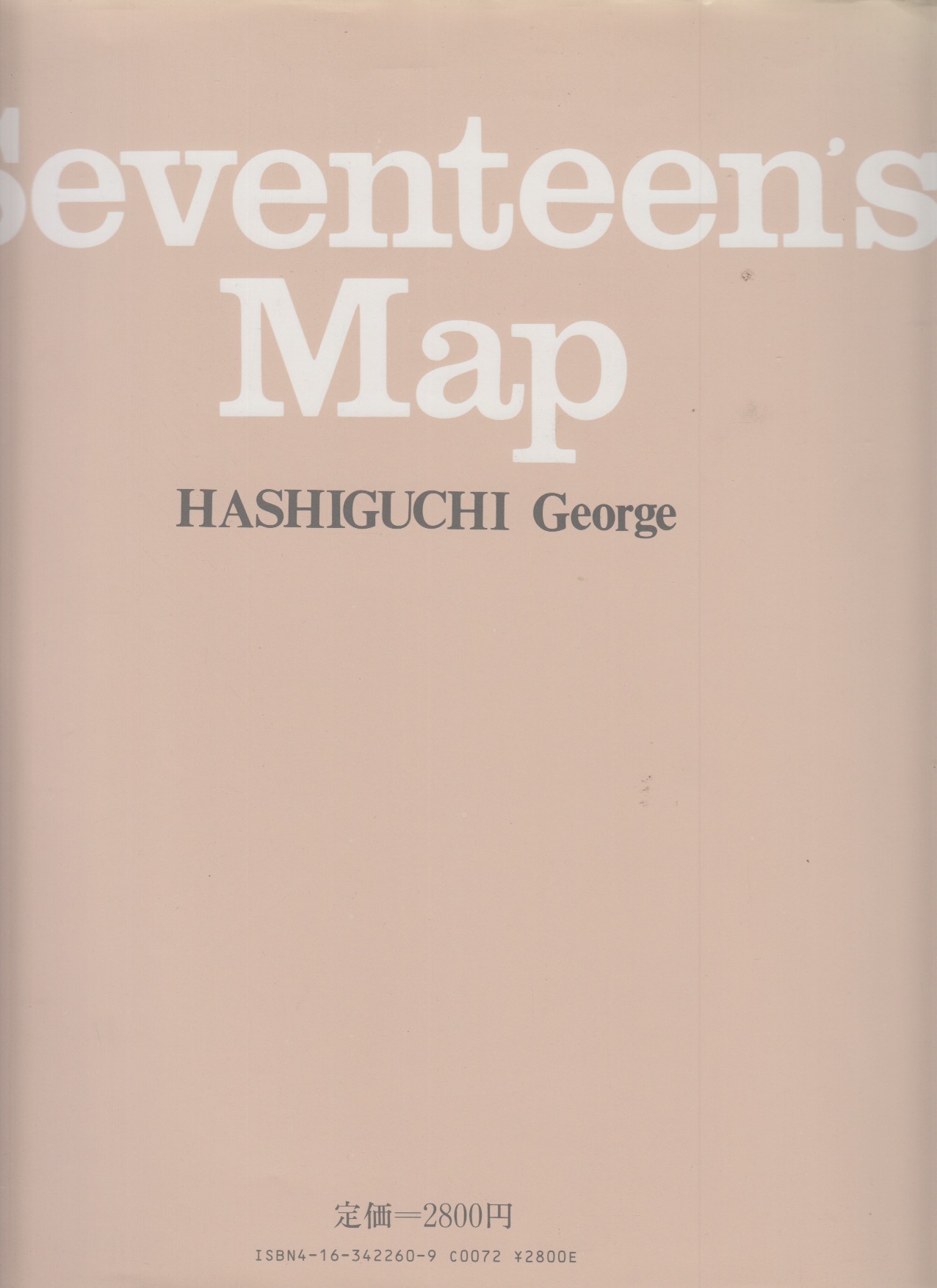
An insightful sociological typology, this work presents documentary black-and-white portraits of Japanese seventeen-year-olds taken between March 1987 and January 1988. Through a restrained, observational approach, it captures a nuanced portrait of adolescence during a specific cultural moment, rendered with clarity and quiet documentary precision.

Seven Years is a series of photographs that deconstruct the trope of family photography by meticulously mimicking it. In the series, the title of which refers to the age gap between the artist and her elder sister.

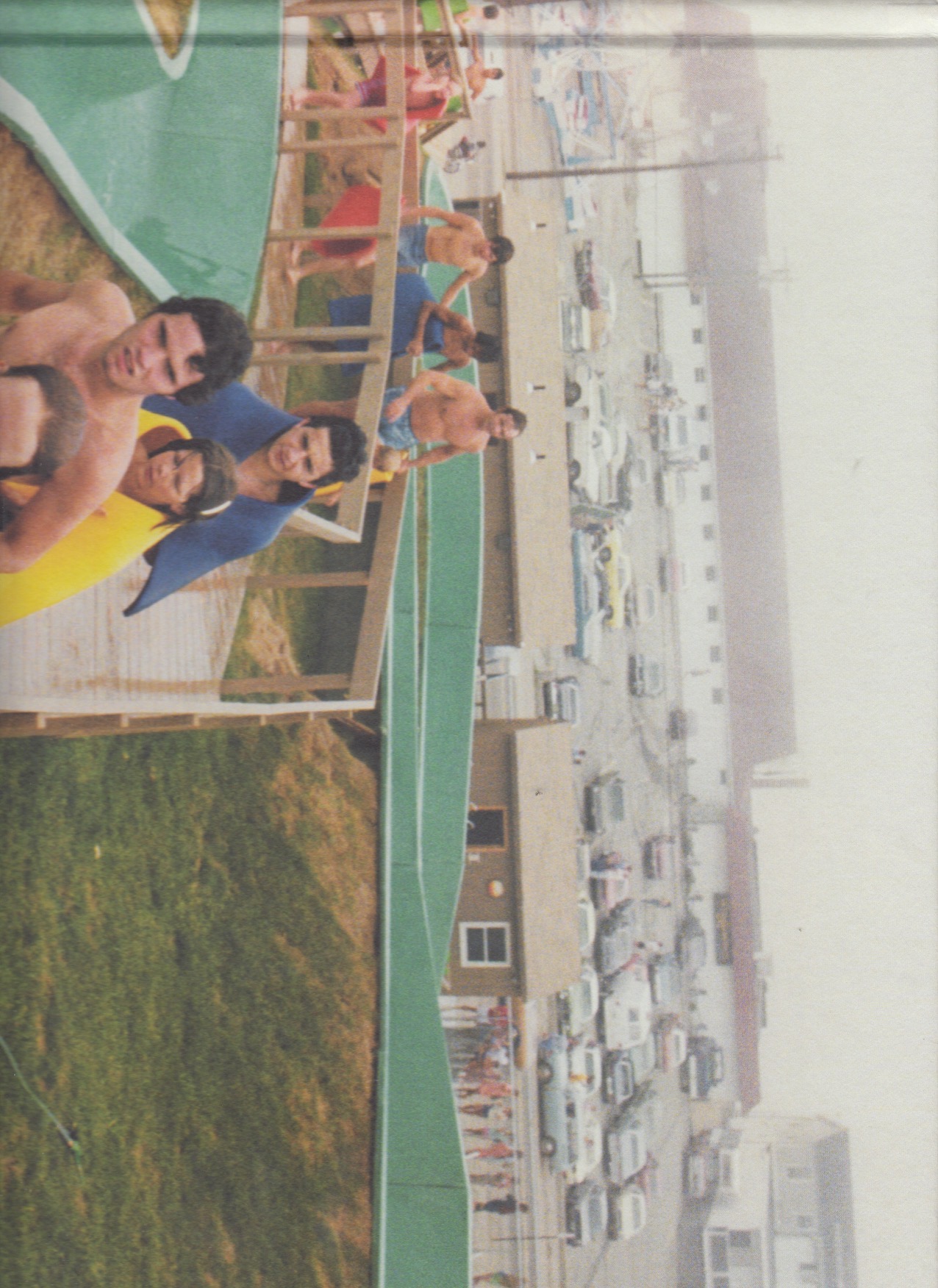
This book collects long-lost images of family and friends from the late 1970s by Tina Barney, the acclaimed portraitist and chronicler of domesticity.
.jpg)
Tina Barney oeuvre contains a constructed critique of patrician otherness – from portraits in New England beach houses to New York apartments. This book collects portraits of the upper echelons of society, aristocrats and noblemen from Austria, Italy, England, France, Spain and Germany.

Richard Kern’s classic and long out of print book of black and white photographs of young women was published by a Tokyo Gallery in 1996 as a way to get some of his erotic images from the book New York Girls past the censors in Japan. This book, published early in Kern’s career, features nude photos of girls he knew and worked with from New York’s downtown art and music scene.