
AM I is a publication created on the occasion of Tavares Strachan's desert neon installation in the desert outside Palm Springs unveiling during Desert X.
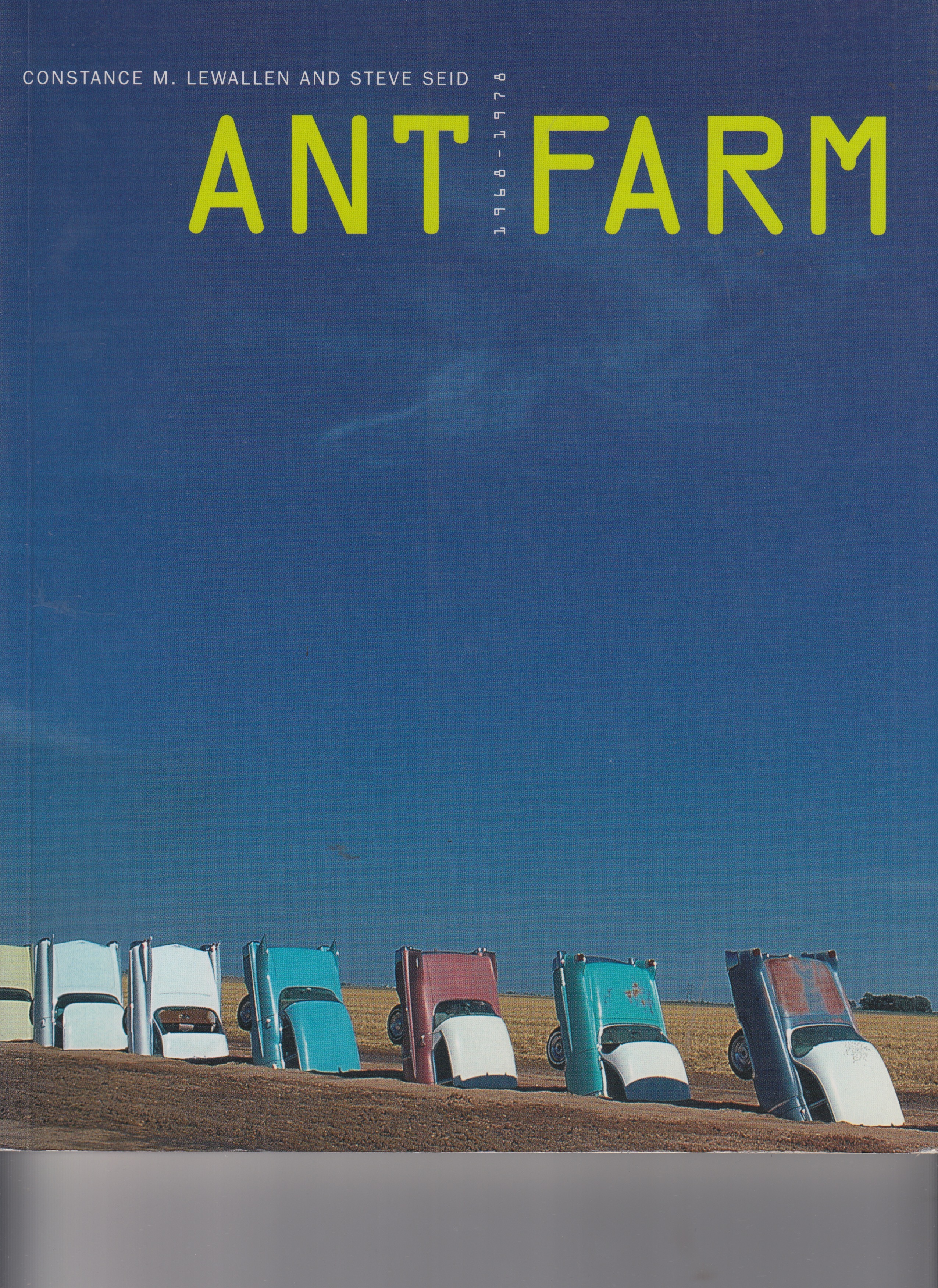
This richly illustrated book, created to accompany the traveling exhibition of the same name, provides a fascinating critical overview of Ant Farm, the radical architecture collective eager to bring to its practice a revolutionary spirit more consistent with the times.
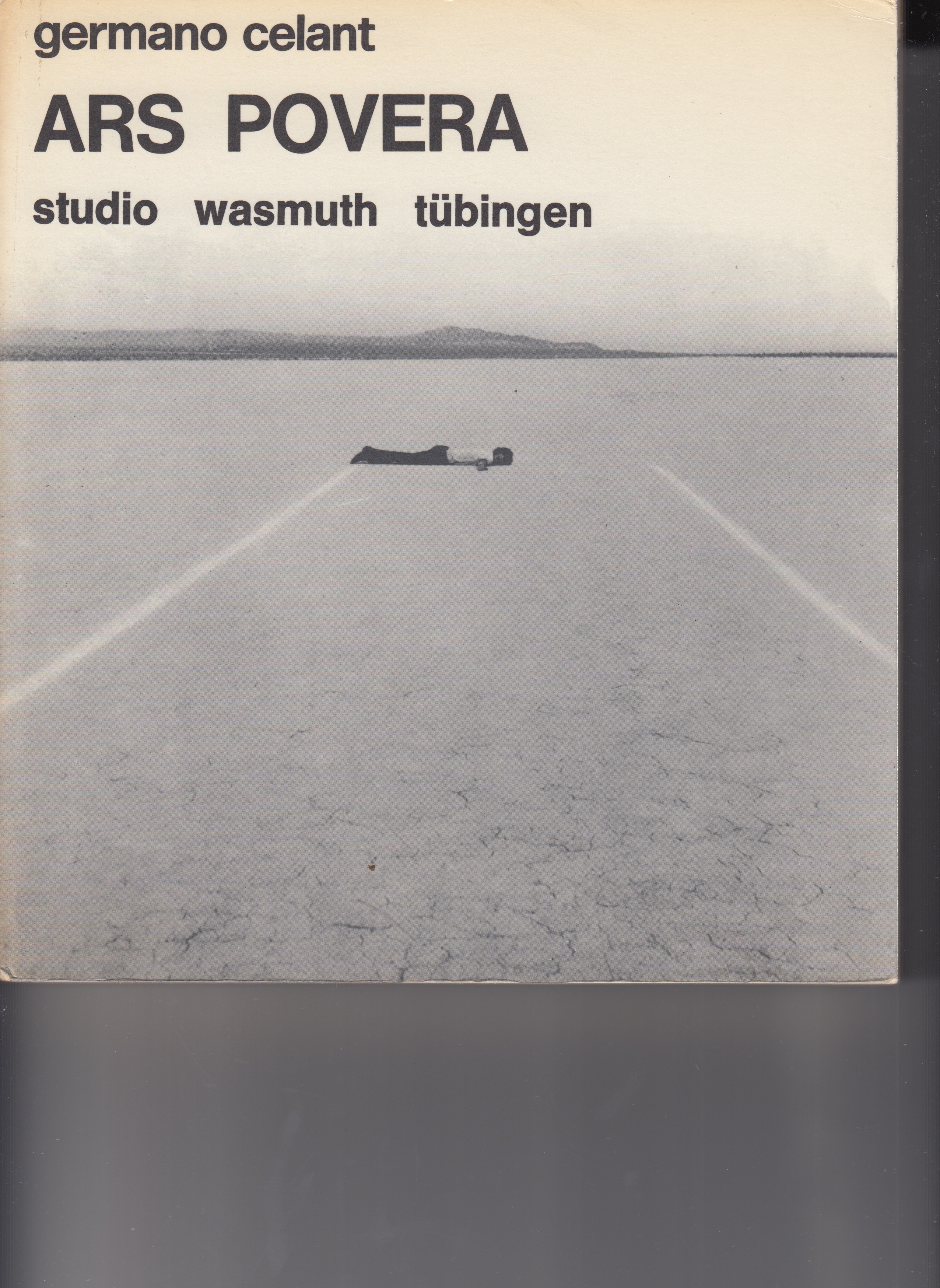
Photographs and texts by critic Germano Celant about selected works considered as Arte Povera – an Italian art movement from the late 1960s and 1970s that used "poor" or commonplace materials to challenge the commercialised art world. Includes the works of Joseph Beuys, Lawrence Weiner, Alighiero Boetti, Jannis Kounellis, Mario Merz, Marisa Merz, Hans Haacke, Eva Hesse, Jan Dibbets, Carl Andre, and more.

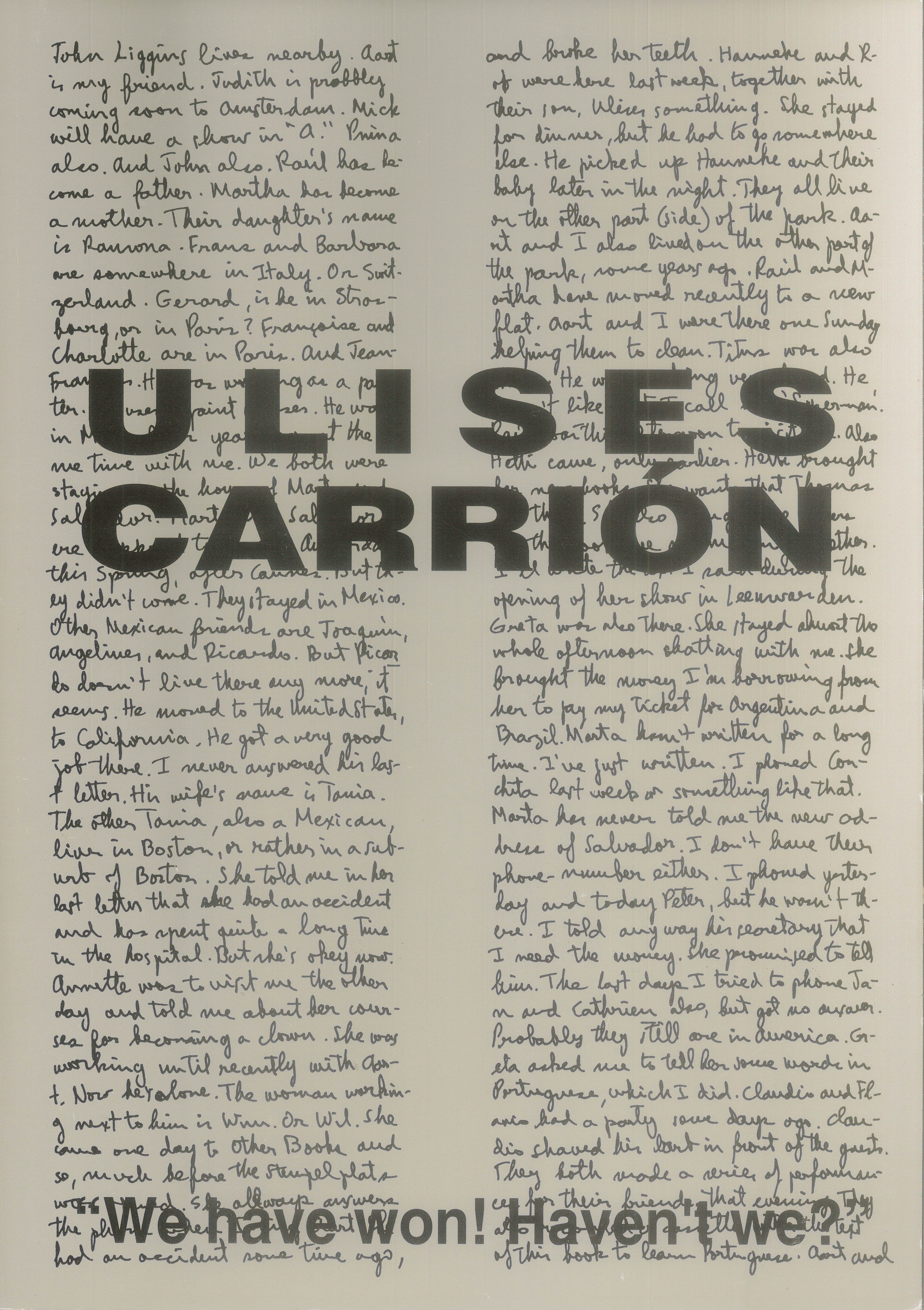
This book focuses on Ulises Carrión's personal and groundbreaking approach, managing to illustrate all aspects of his artistic and intellectual work. This includes books, magazines, videos, films, sound pieces, mail art, public projects, and performances, along with Carrión's initiatives as curator, editor, distributor, lecturer, archivist, art theorist, and write
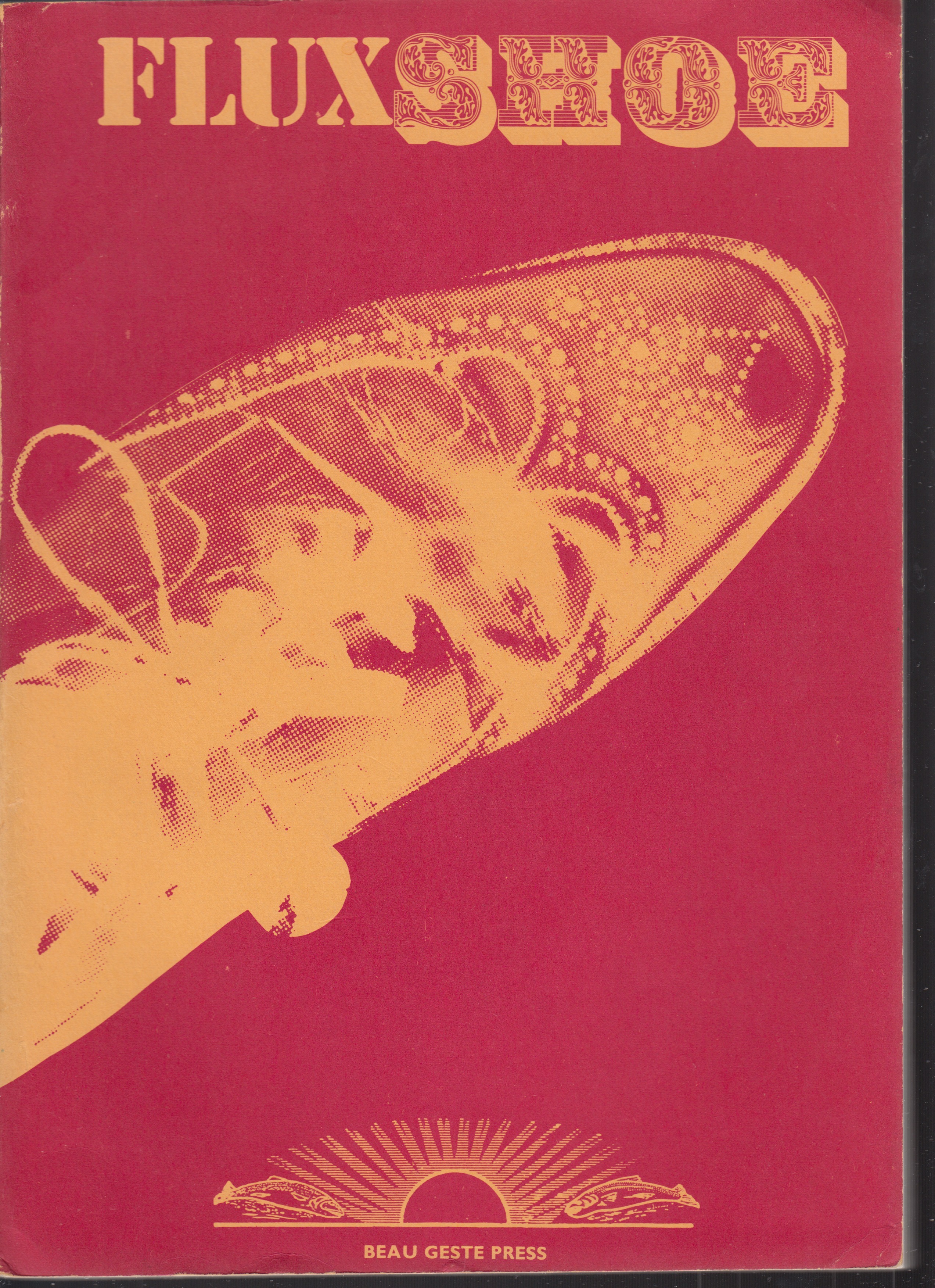
Catalogue for a Fluxus-influenced travelling exhibition showcased alongside international exponents of Fluxus: Ian Breakwell, George Brecht, John Lennon, Yoko Ono, Robin Crozier, Mick Gibbs, Joseph Beuys, Marcel Alocco, The Guerilla Art Action Group, Carolee Schneeman and more.

A collection of writings, poems, plays, games, and correspondence culled from the notebooks of George Brecht and Robert Filliou. The two artists lived in France and ran an a storefront gallery and research space, La Cédille Qui Sourit (the Smiling Cedilla). Operating on the principles of a gift economy, it presented the works and ideas of an international network of friends and collaborators and is a prime example of the collective, anti-commercial Fluxus activities of the 1960s.

Catalogue issued on the occasion of the 1973 Italian visual and concrete poetry exhibition held at the Finch College Museum in New York, U.S.A., and at the Civic Gallery in Turin, Italy.
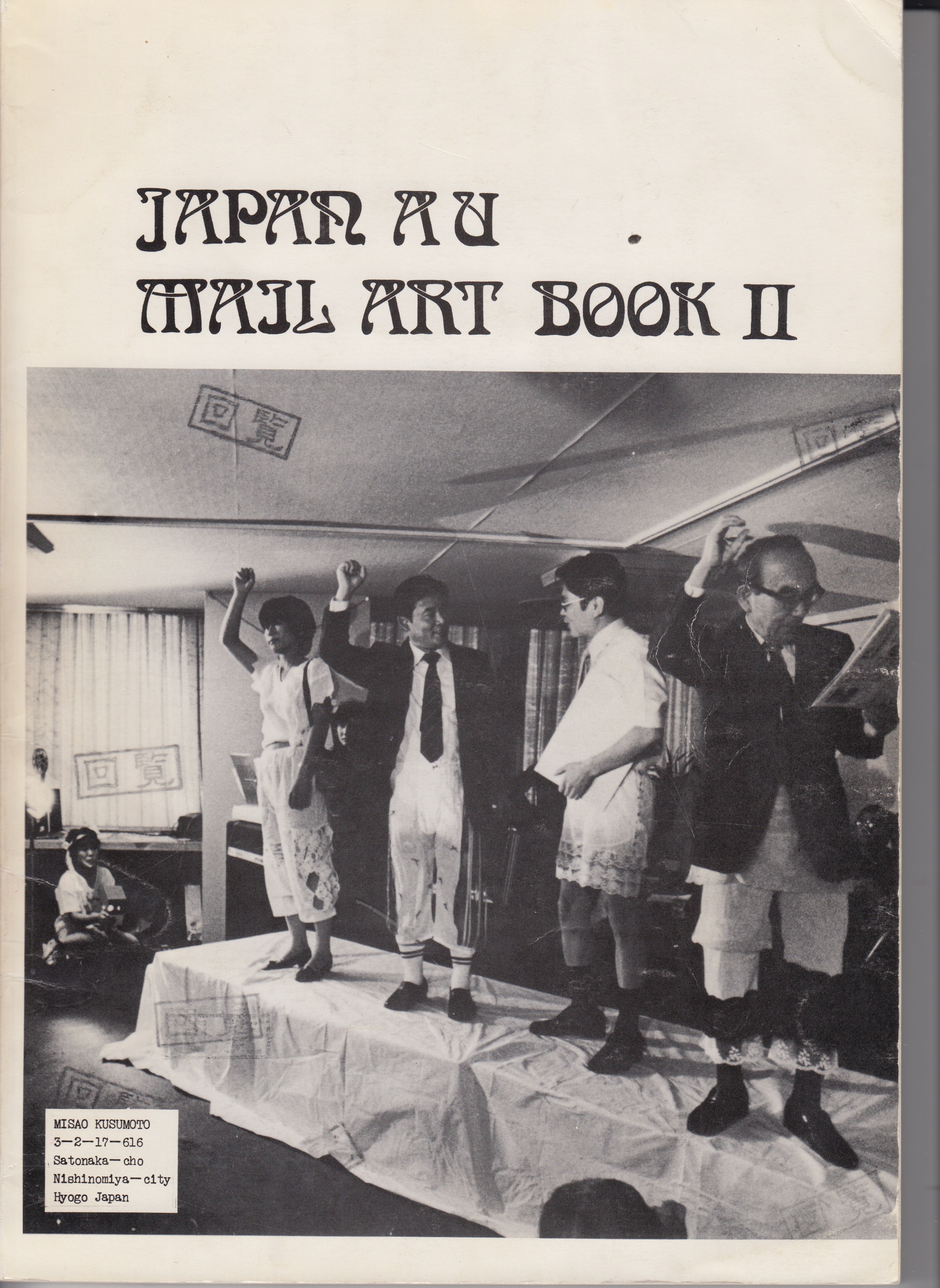
The Japan A.U. Mail Art Book II, part of a three part series, is a rare, important compilation documenting the Japanese mail art movement in the early 1980s, featuring artworks, texts, and collages from global artists serving as vital records of conceptual art exchange.
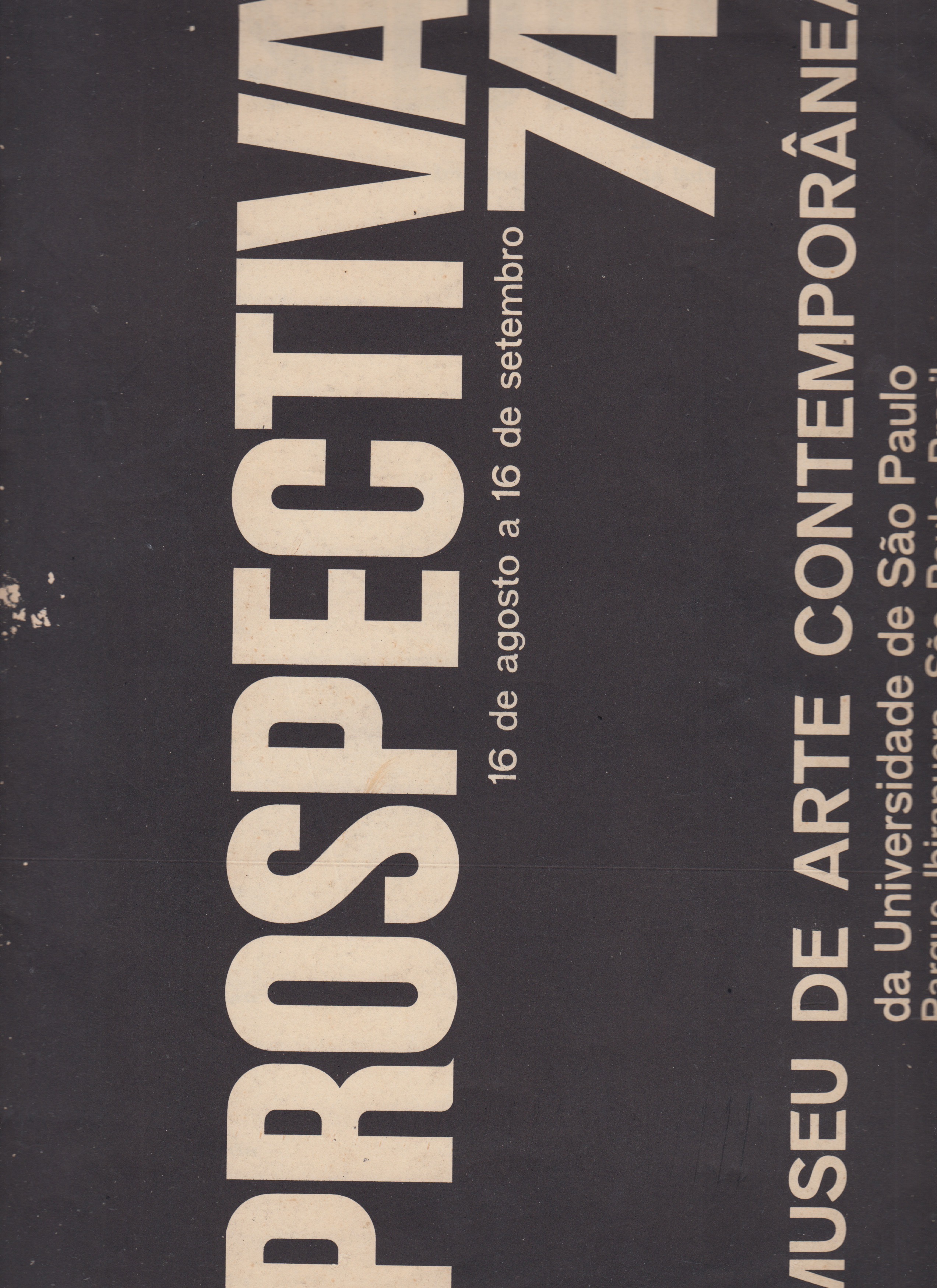
This is the catalogue from Prospectiva 74 – a groundbreaking 1974 exhibition at the Museum of Contemporary Art at the University of São Paulo in Brazil, curated by Walter Zanini, showcasing conceptual art, video art, mail art, and new media, crucial for introducing global avant-garde practices and challenging traditional art forms in Brazil during the military dictatorship

Ray Johnson was a renowned maker of meticulous collages whose works influenced movements including Pop Art, Fluxus, and Conceptual Art. Drawing on the vast collection of Johnson’s work at the Art Institute of Chicago, this volume gives new shape to our understanding of his artistic practice and features hundreds of pieces that include artist’s books, collages, drawings, mail art, and performance documentation.
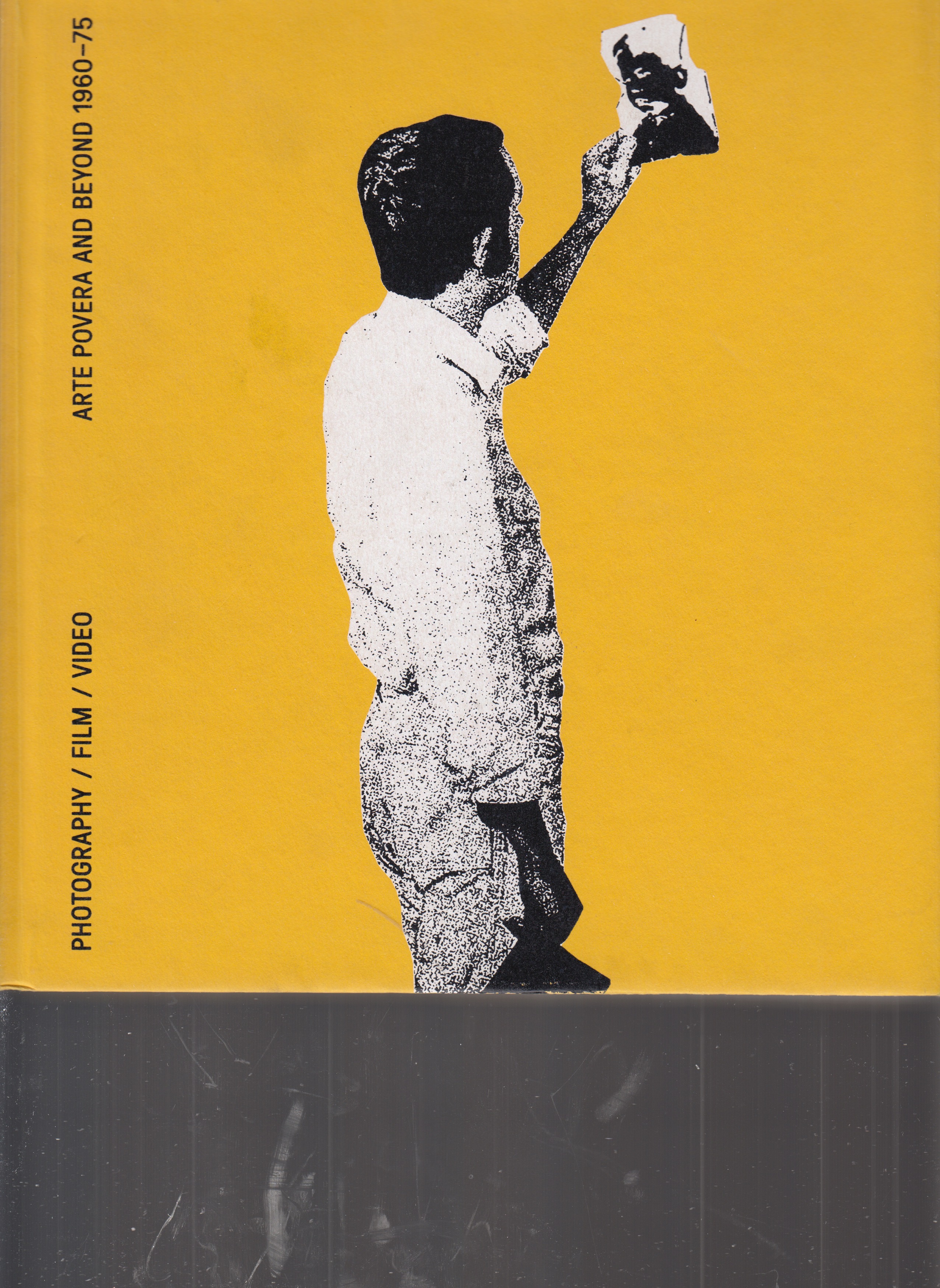
After years of research in artists’ studios as well as in private and public collections, this book depicts a rich period when the Italian artists figured among the most influential interprets of the transformation in the visual languages. This book displays more than 300 works of art by major figures of the Italian scene, including Giovanni Anselmo, Alighiero Boetti, Luigi Ghirri, Jannis Kounellis, Piero Manzoni, Mario Merz and more.
.jpg)
Seen/Unseen is a monograph documenting Strachan’s 2011 survey exhibition “Seen/Unseen,” installed in an undisclosed New York City location and deliberately made inaccessible to the general public. Navigating through the polarising dichotomies of presence and absence, visibility and invisibility, and man and nature, Tavares Strachan has engineered a multidisciplinary artistic practice that mobilises our visual, intellectual, and emotional faculties.
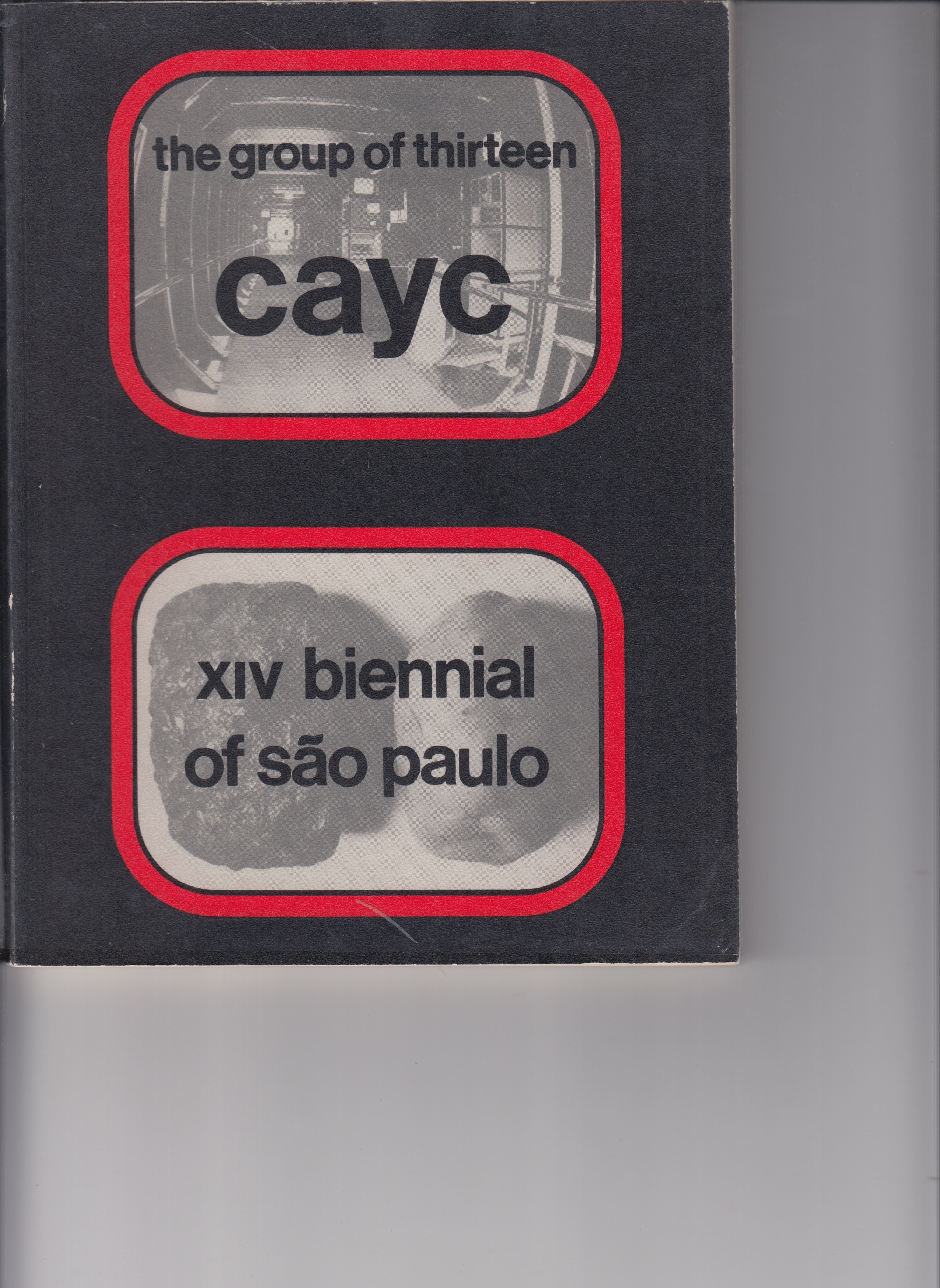
The Group of Thirteen (Grupo de los Trece) was a prominent Argentine conceptual art collective from the Centro de Arte y Comunicación (CAYC) in Buenos Aires, known for its "systems art" (conceptual, ecological, performance art) challenging art's role in society, notably winning the top prize at the 1977 São Paulo Biennial with their installation Signs in Artificial Ecosystems, featuring artists like Jorge Glusberg, Luis Benedit, Victor Grippo, Leopoldo Maler, Vicente Marotta, Luis Pazos, and Clorindo Testa.
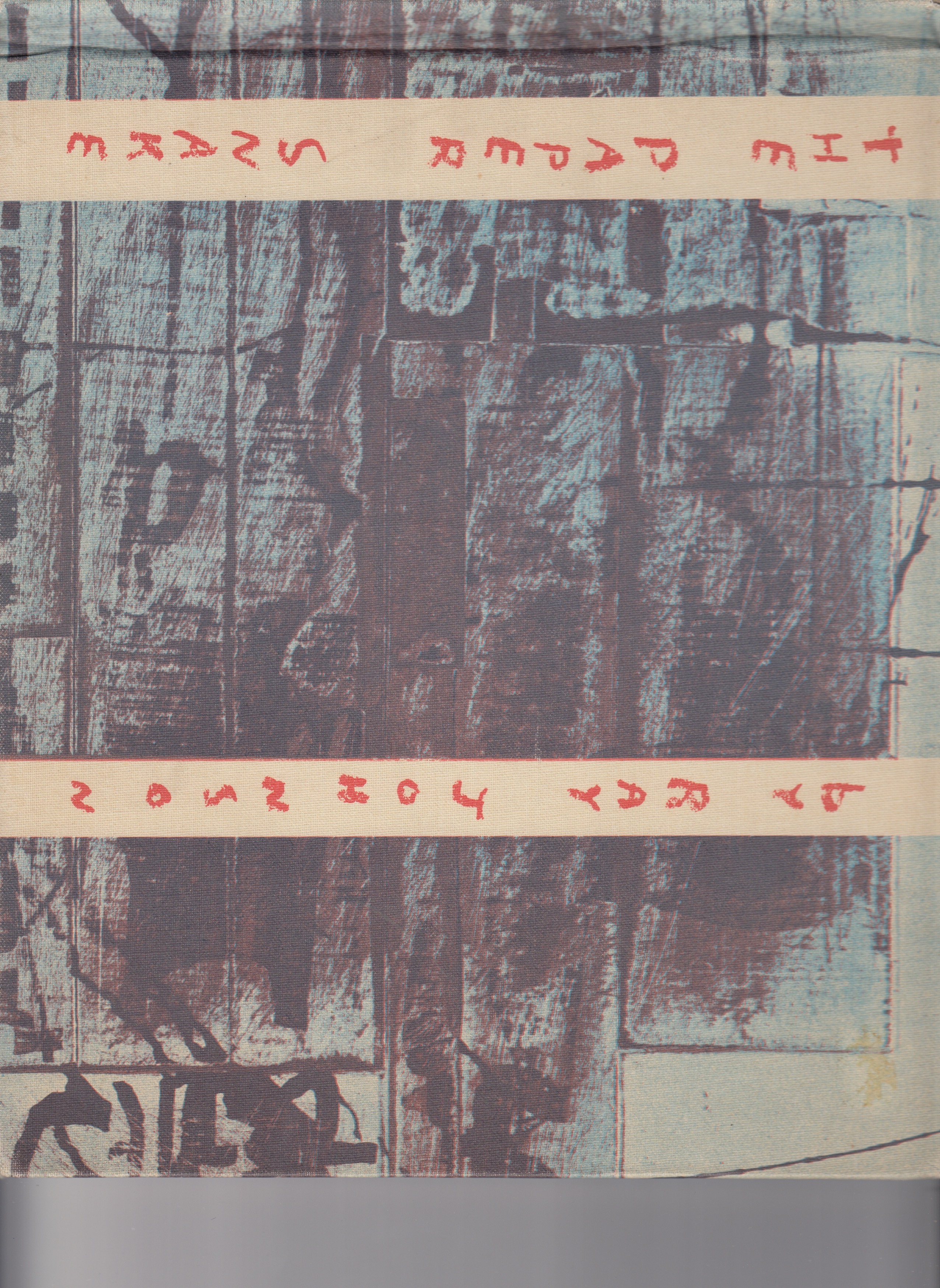
The Paper Snake is an essential work in Ray Johnson’s oeuvre and the second title published by Dick Higgins’ Something Else Press in 1965. Johnson describes the book as "all my writings, rubbings, plays, things that I had mailed to [Higgins] or brought to him in cardboard boxes or shoved under his door, or left in his sink, or whatever, over a period of years."

This book explores the time capsule projects of seminal media art and architecture group Ant Farm and their contemporary successors, LST.
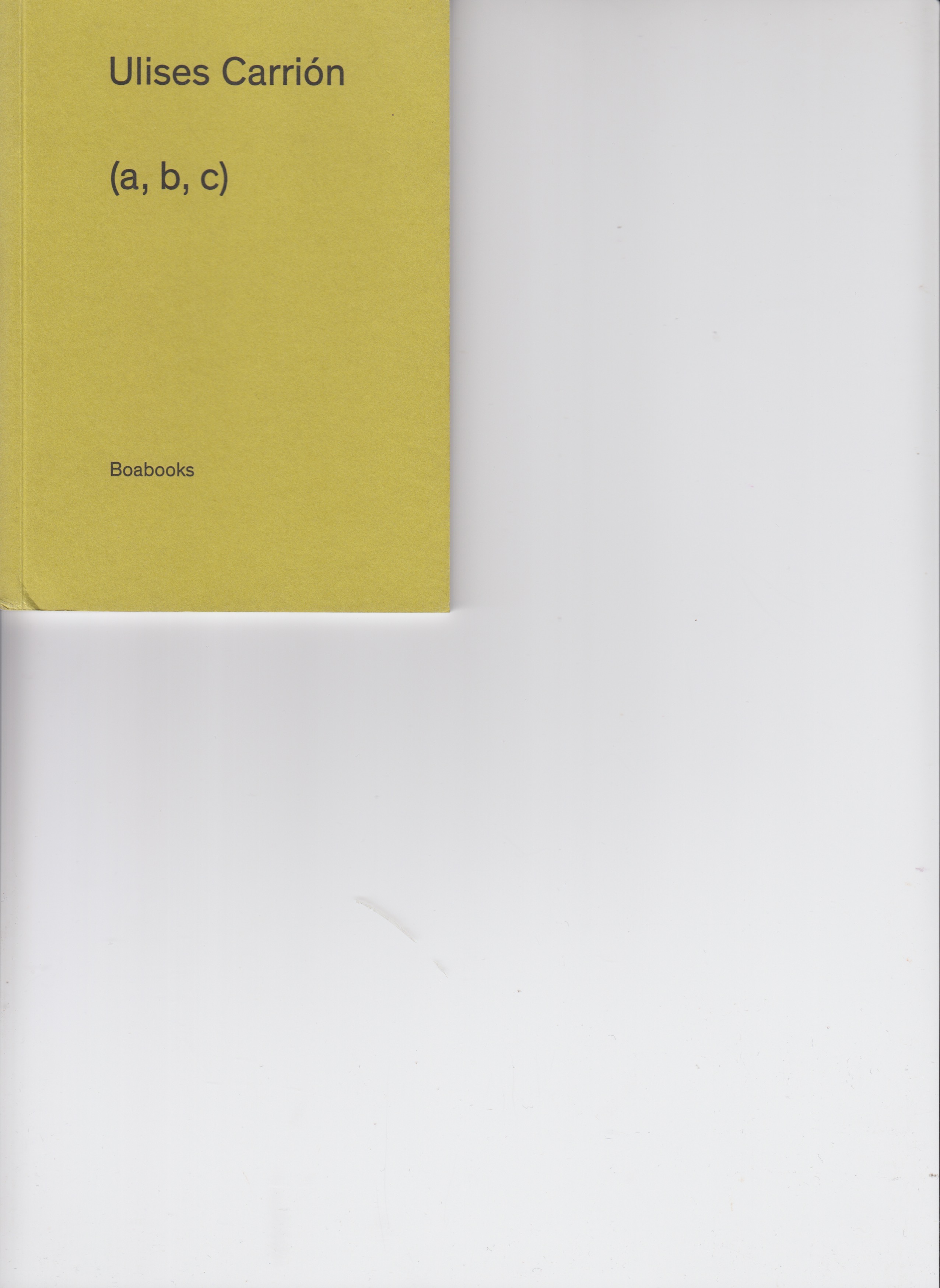
A reproduction of (a, b, c) in which Ulises Carrión presents one if his early linguistic exercises in English, originally handwritten in green ink in 1972.

This zine, published to coincide with the exhibition of the same name, brings together a selection of mail art projects that Carrión developed between 1973 and 1983, erasing the boundaries between artwork, archive and document.

VILE magazine was published between 1974 and 1983 by the mail artists Anna Banana and Bill Gaglione. The inside contents of VILE featured a wide array of texts & manifestoes, letters, performance documentation, articles on individual artists & their projects, detourned mass media advertisements as well as art works from mail artists in different countries.
.jpg)
VILE magazine was published between 1974 and 1983 by the mail artists Anna Banana and Bill Gaglione. The inside contents of VILE featured a wide array of texts & manifestoes, letters, performance documentation, articles on individual artists & their projects, detourned mass media advertisements as well as art works from mail artists in different countries.
.jpg)
Berman has been long heralded as one of the most significant and influential artists to emerge in Southern California. Spiritually inclined yet steeped in popular culture and the political events of the day, his work mined the American psyche and broadcasting his ideas through mail art, publications, photographs and multilayered art works. This volume offers the first substantial survey of the entire oeuvre of Wallace Berman (1926-76) from the late 1940s until 1976.
.jpg)
Catalogue published on the occasion for the first ever retrospective of Wallace Berman's work. An enigmatic figure, Berman’s interests in the Kabbalah, music and poetry combined to make him a huge influence on a group of artists and poets of the Beat generation in the late 1950s and 1960s.