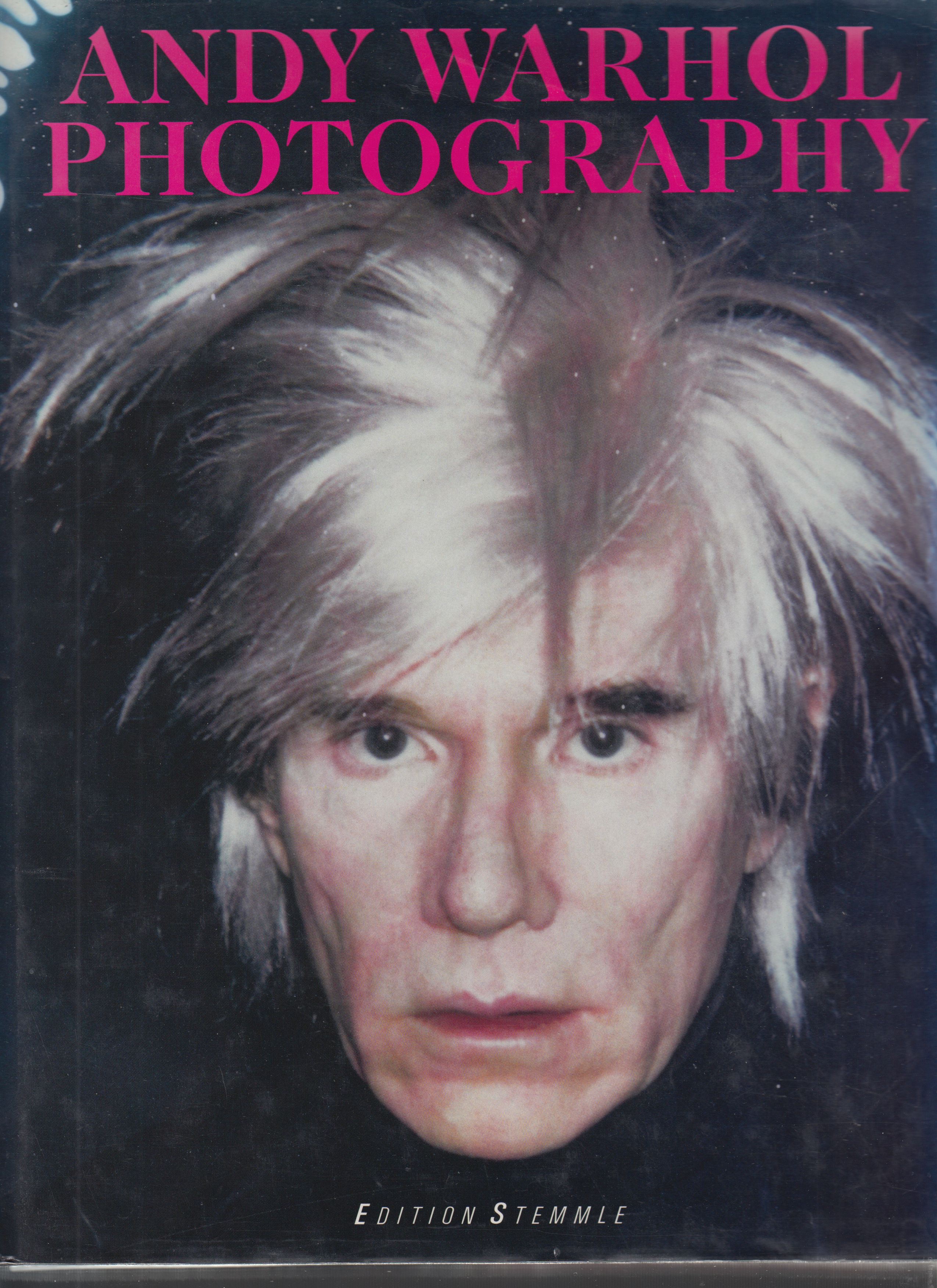
A comprehensive book published to accompany the exhibition held at the Hamburg Kunsthalle and the Andy Warhol Museum in Pittsburgh, focusing on understanding the artist who communicated with people by photographing them.

A comprehensive study of the work of photographer Bill Brandt, and a catalogue to an exhibition at the Barbican Centre in London in 1993. Brandt is perhaps best known for his sequence of ever more abstracted studies of the nude, but his telling portrayals of artists from the same period remain immediate and perceptive decades later. This book explores, on a large scale, all the different aspects of Brandt's work.
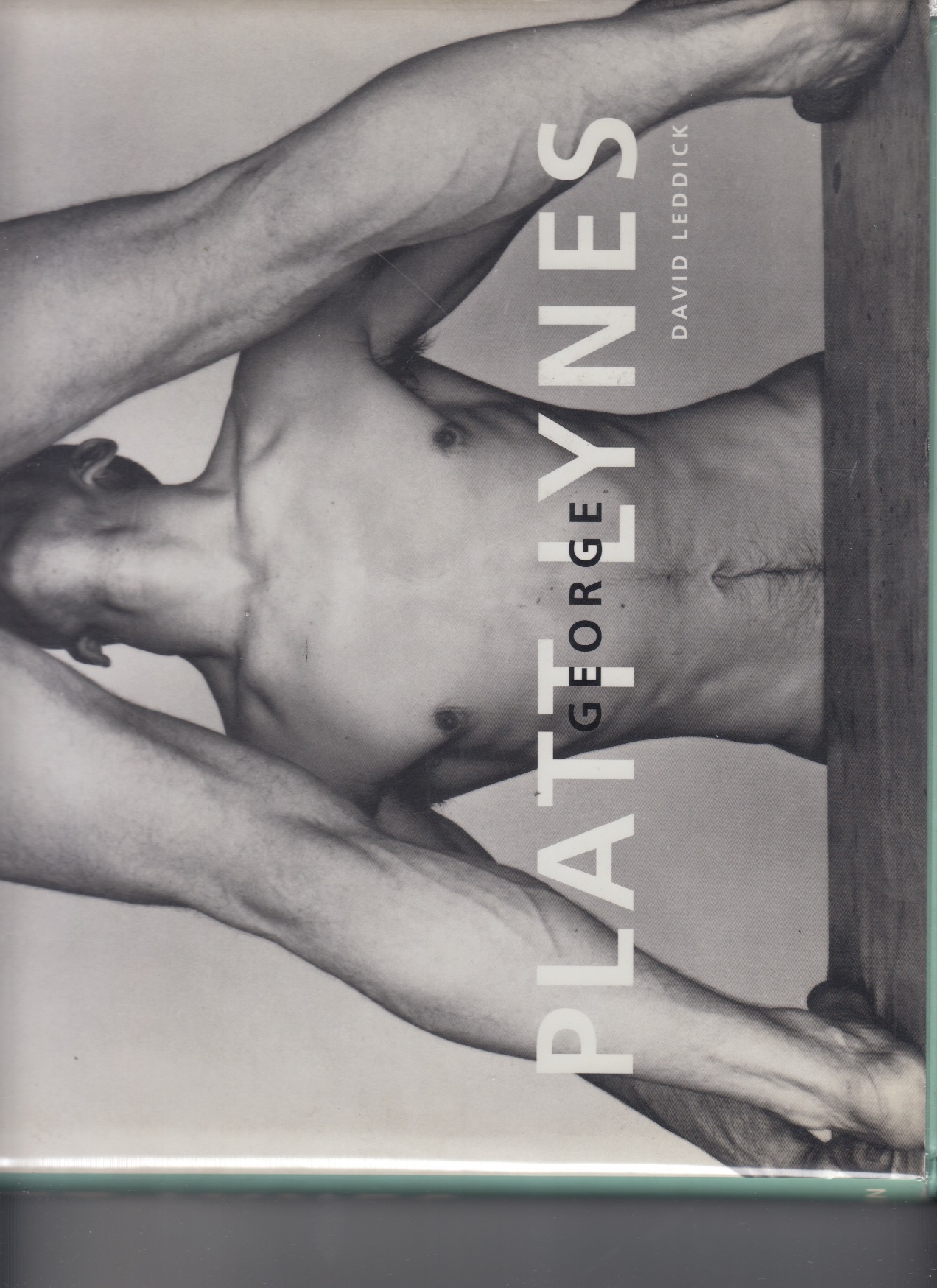
As a photographer George Platt Lynes was a brilliant craftsman and master of composition, whether it be in one of his many portraits of the famous and the legendary, or in his stunningly vivid documentations of the New York City Ballet. This book breaks down his body of work into distinct sections, featuring portraits include such luminaries of twentieth century art and society as Thomas Mann, Igor Stravinsky, Countess Bismarck and Gertrude Stein, as well as fellow lens-men Cecil Beaton and Henri Cartier-Bresson.

In the 1930s, Herbert List's photography focused on an idealised and escapist vision of life, featuring young men and Mediterranean landscapes, influenced by Surrealism and a desire to escape the rising political turmoil in Germany. As a gay man of Jewish heritage, he fled Nazi Germany in 1936 to Paris, then Greece, where he captured images of what he termed the "magical essence" of the world. His work from this period, often shot in Italy, Germany, and Greece, contrasts the turbulent political climate with personal freedom and the beauty of youth
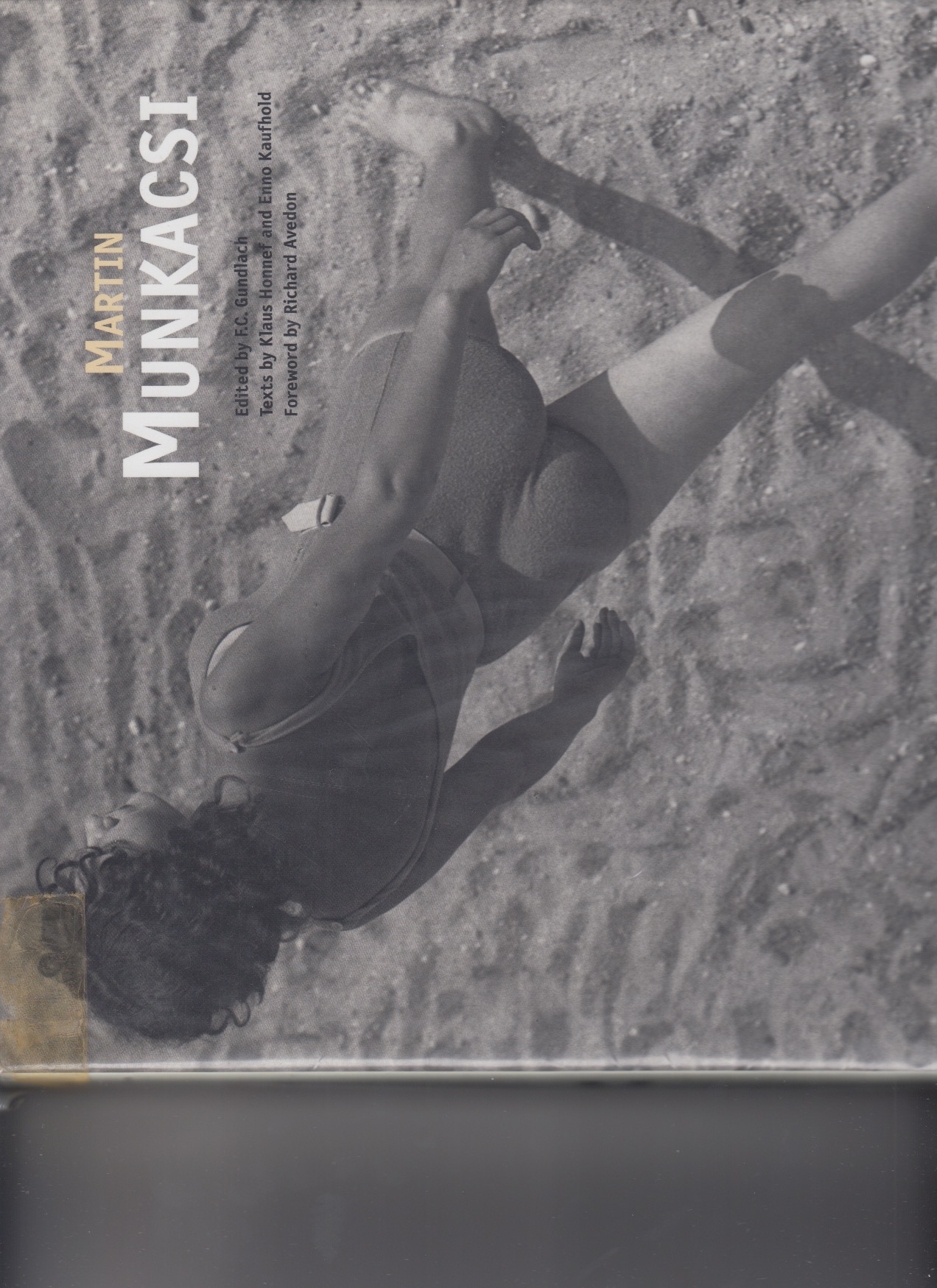
In this book, Munkacsi's images from across the entireity of his oeuvre have been brought together – from portraits of Hollywood stars such as Jean Harlow to private snapshots of the artist's life.
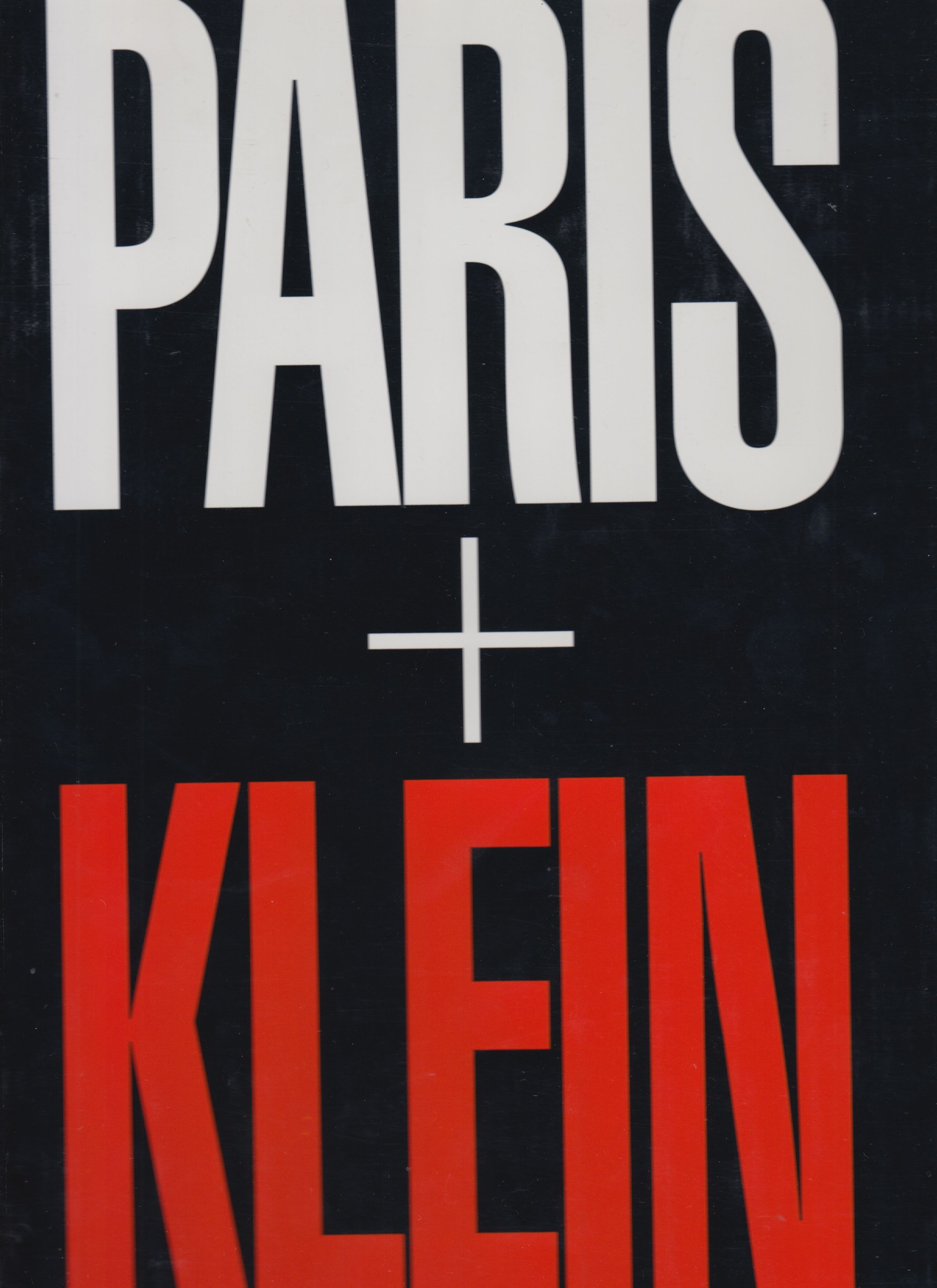
PARIS + KLEIN gathers together hundreds of photographs shot by Klein from the time he first picked up a camera in the 1960s until he put it down, momentarily, to put together this book. In his signature colour and black-and-white compositions, his photographs depict men in the street, celebrities, demonstrations, fashion, the police, politics, races, the metro, football, death. The whole life of a capital seen through the lively, melancholic and moving eyes of William Klein.

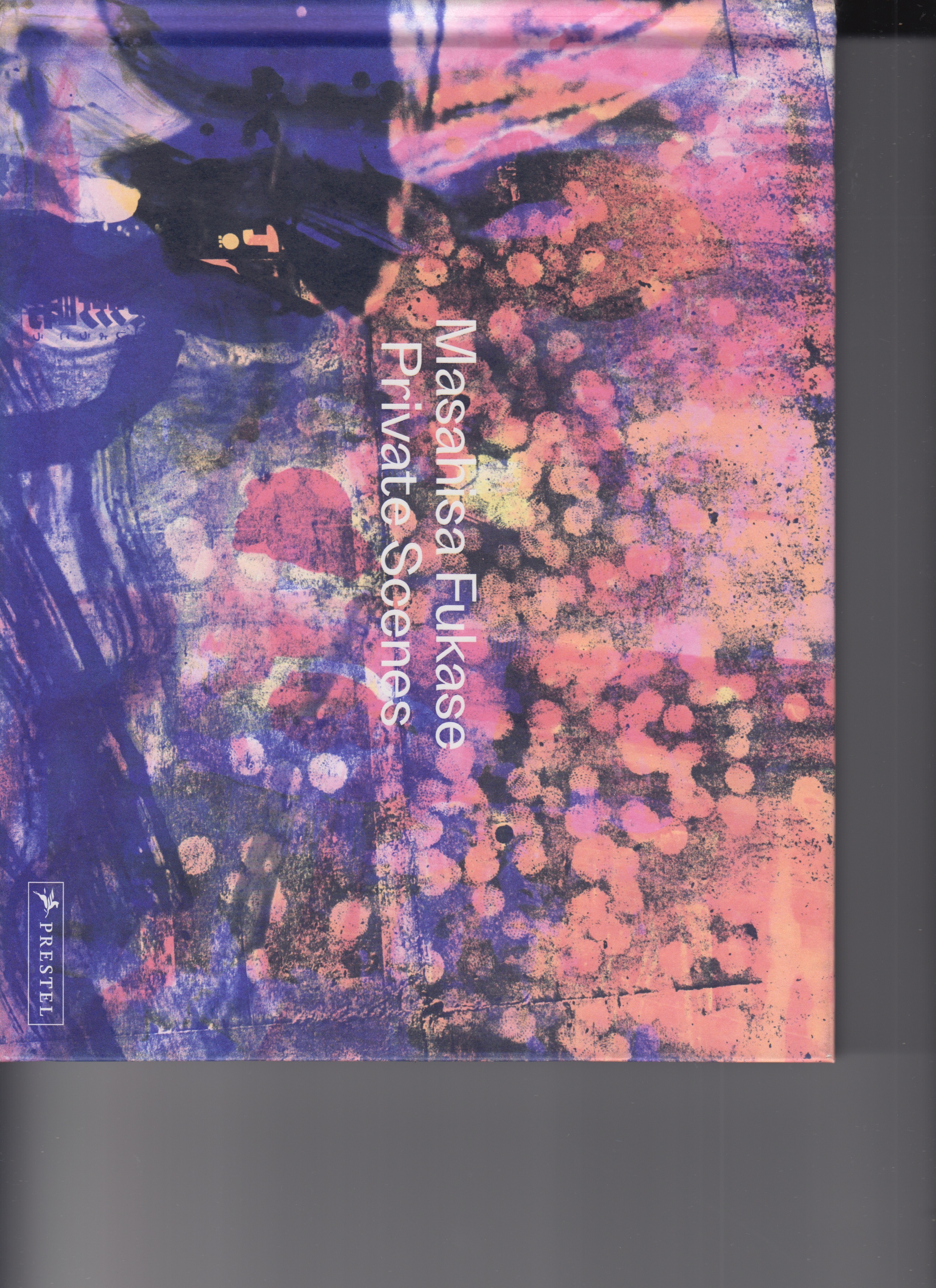
This book brings together, for the first time, the entire Private Scenes photographic series in which we discover a new dimension of the work of Masahisa Fukase, that of the artist struggling with his medium. This singular corpus is made up of images in which the artist inserts himself. The series is made up of two sets: “Letters from Journeys” which presents photographs taken in 1989 in different cities around the world (Paris, London, Brussels, Antwerp, etc.), and “Private Scenes '92” which focuses on his daily life in Tokyo, where now each print is enhanced with colour paints, thus becoming a unique work.
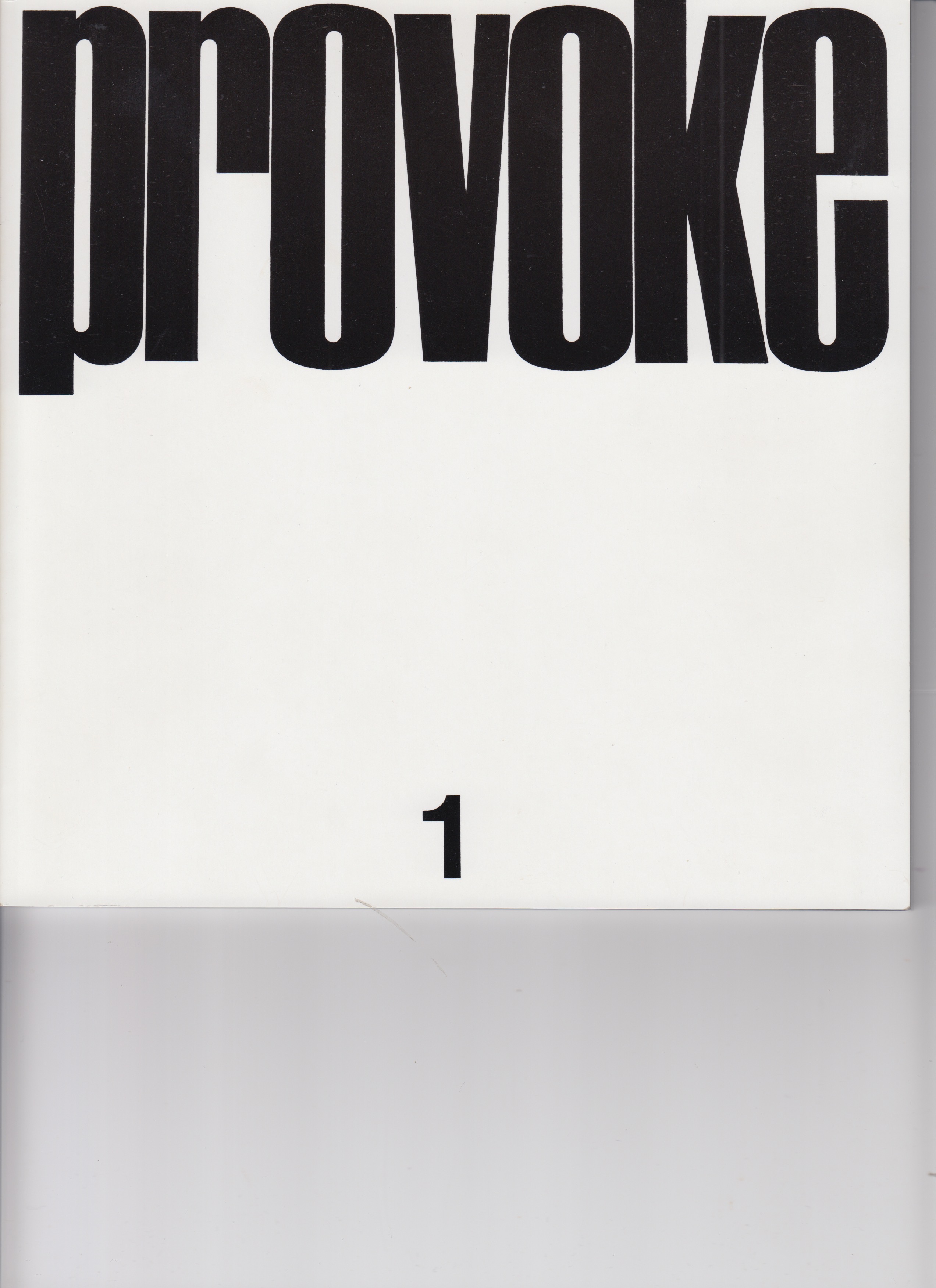
Provoke was first published in November 1968 as a dojin-shi, or self-published magazine. It was originally conceived by art critic Koji Taki (1928-2011) and photographer Takuma Nakahira (1938-2015), with poet Takahiko Okada (1939-1997) and photographer Yutaka Takanashi as dojin members. The subtitle for the magazine was “Provocative Materials for Thought”, and each issue was composed of photographs, essays and poems.
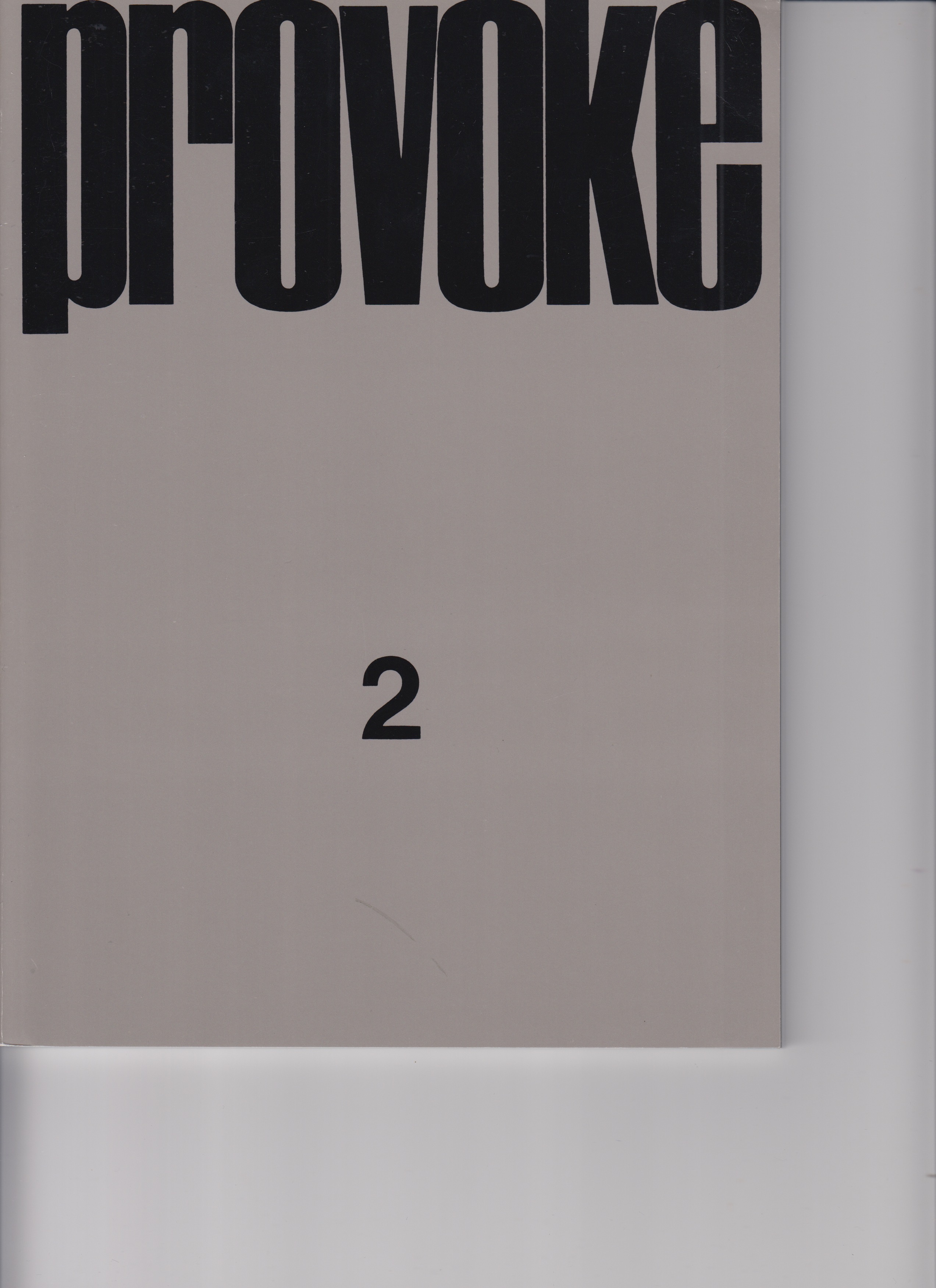
Provoke, with its subtitle of Provocative Materials for Thought, was an experimental, small-press Japanese photography magazine founded in 1968 by critic/photographers Kōji Taki and Takuma Nakahira, photographer Yutaka Takanashi, and writer Takahiko Okada. Daidō Moriyama joined from the second issue. The magazine itself was printed through techniques like the "are-bure-boke" style, which embraced grain, blur, and high contrast to convey a sense of immediacy and raw energy. The printing process was considered a crucial part of the work, often using techniques that increased grain and contrast, with photos printed edge-to-edge without margins to make them appear to bleed into one another.
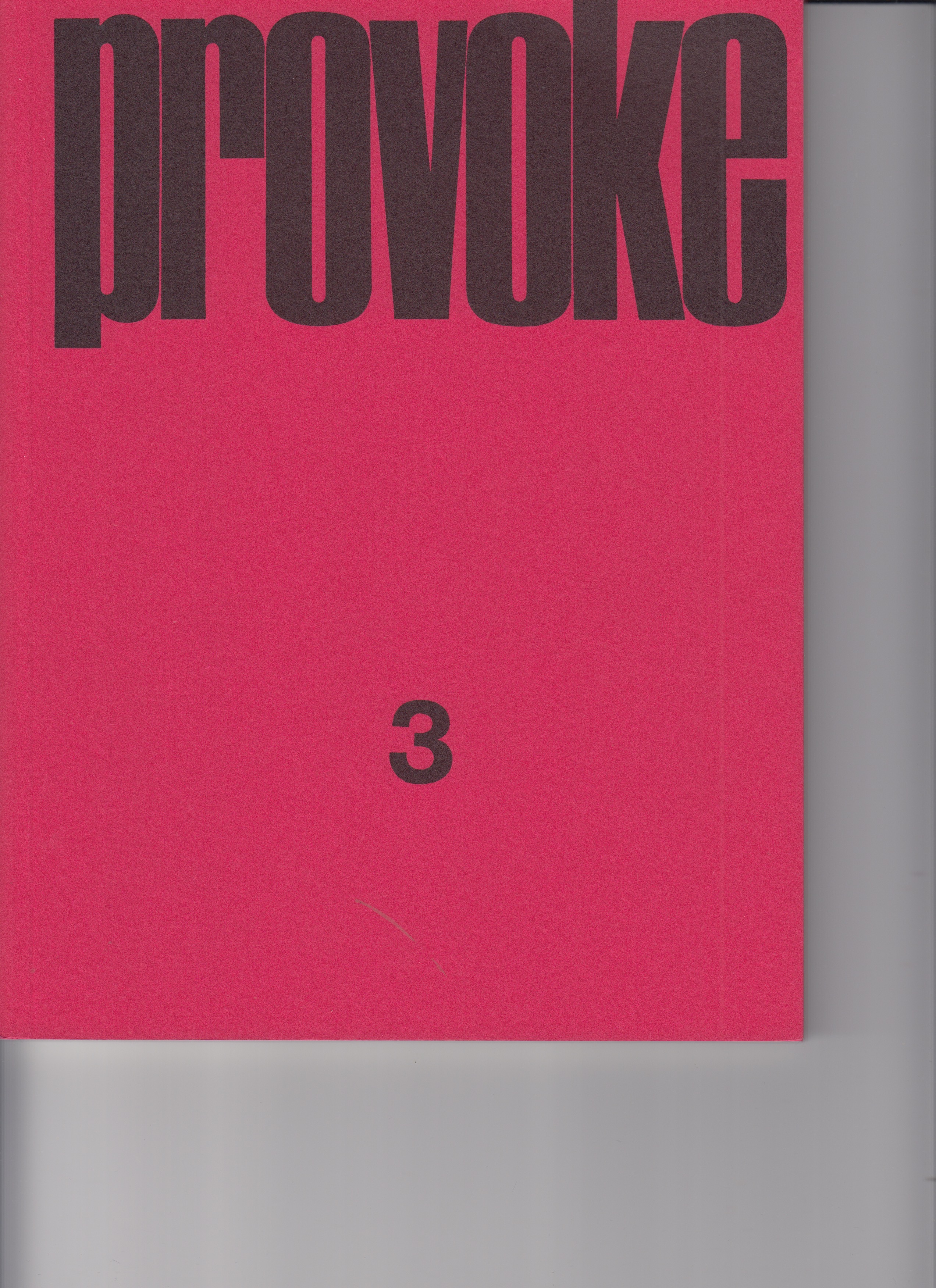
Provoke, with its subtitle of Provocative Materials for Thought, was an experimental, small-press Japanese photography magazine founded in 1968 by critic/photographers Kōji Taki and Takuma Nakahira, photographer Yutaka Takanashi, and writer Takahiko Okada. Daidō Moriyama joined from the second issue. The magazine itself was printed through techniques like the "are-bure-boke" style, which embraced grain, blur, and high contrast to convey a sense of immediacy and raw energy. The printing process was considered a crucial part of the work, often using techniques that increased grain and contrast, with photos printed edge-to-edge without margins to make them appear to bleed into one another.
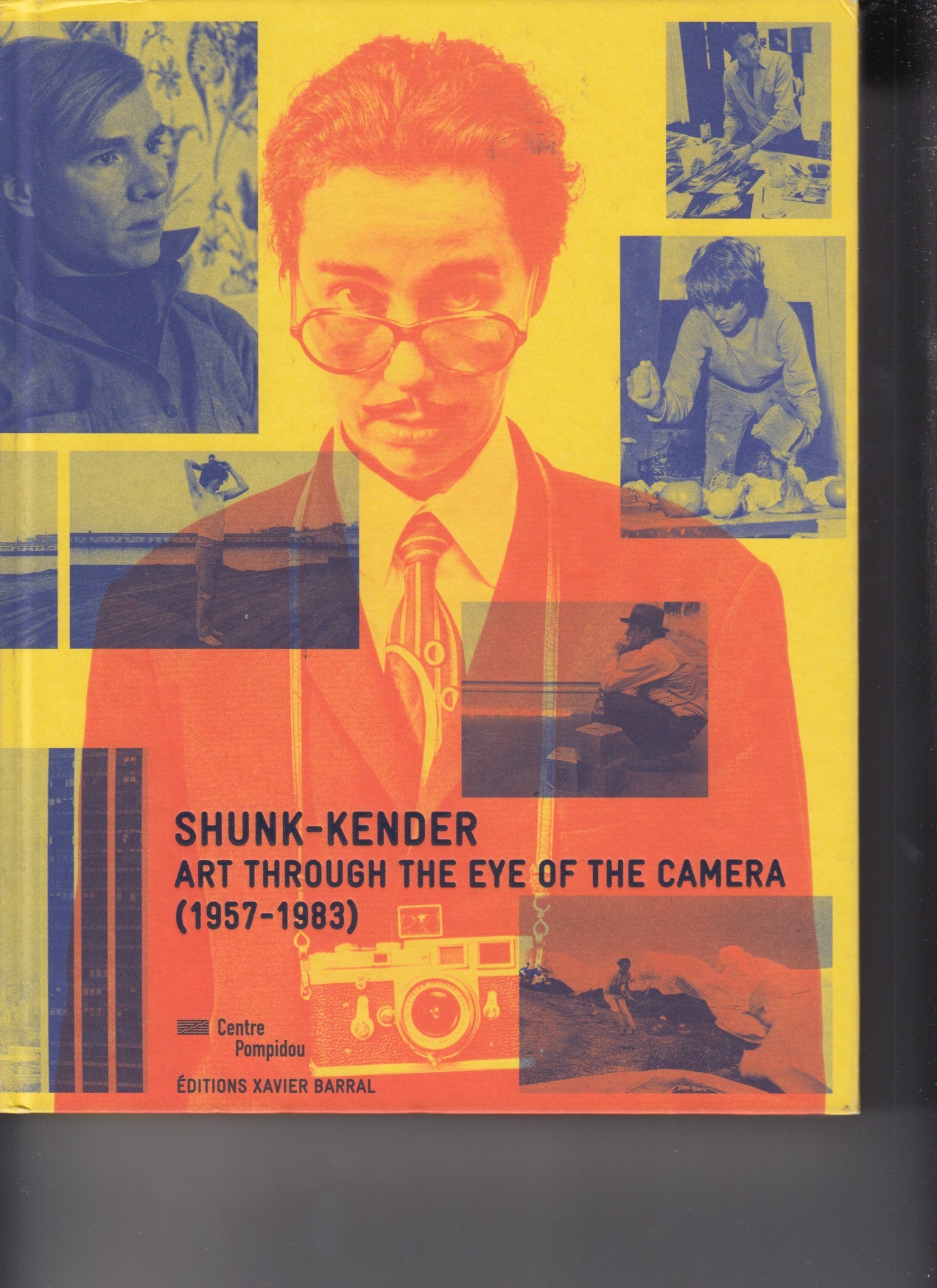
The photographers Harry Shunk (German, 1924–2006) and János Kender (Hungarian, 1937–2009) worked together under the name Shunk-Kender from the late 1950s to the early 1970s, based first in Paris and then in New York. Shunk-Kender photographed artworks, events, and landmark exhibitions of avant-garde movements of the era, from Nouveau réalisme to Earth art. They were connected with a vibrant art scene that they captured through portraits of artists and participated in through collaborative projects. This nearly 500-page volume from Xavier Barral accompanied the first Shunk-Kender retrospective, held at the Centre Pompidou, and is based on a selection of more than 10,000 vintage prints.
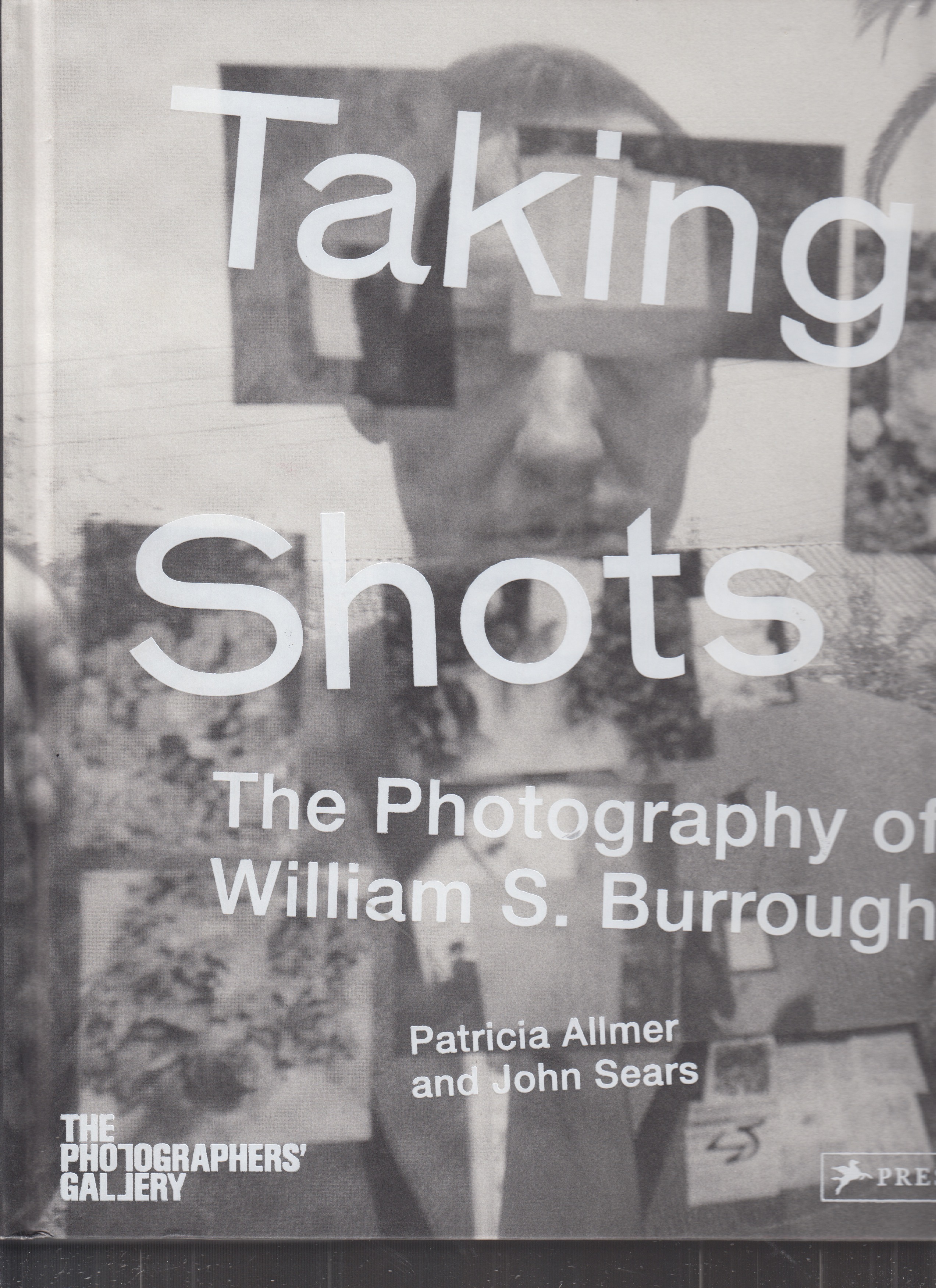
Renowned and highly regarded for his experiments with literature, painting, film, and music, William S. Burroughs was also a prolific photographer. This book reproduces some of his rarely seen works, accompanied by texts.
.jpg)
Wegman is known for his photography and video art, which evolved from his early conceptual work in the 1970s. He frequently uses a large format 20x24 inch Polaroid camera, a medium that inspired much of his color photography.

This book brings together, for the first time, the entire Private Scenes photographic series in which we discover a new dimension of the work of Masahisa Fukase, that of the artist struggling with his medium. This singular corpus is made up of images in which the artist inserts himself. The series is made up of two sets: “Letters from Journeys” which presents photographs taken in 1989 in different cities around the world (Paris, London, Brussels, Antwerp, etc.), and “Private Scenes '92” which focuses on his daily life in Tokyo, where now each print is enhanced with colour paints, thus becoming a unique work.

In this book, Munkacsi's images from across the entireity of his oeuvre have been brought together – from portraits of Hollywood stars such as Jean Harlow to private snapshots of the artist's life.

A comprehensive study of the work of photographer Bill Brandt, and a catalogue to an exhibition at the Barbican Centre in London in 1993. Brandt is perhaps best known for his sequence of ever more abstracted studies of the nude, but his telling portrayals of artists from the same period remain immediate and perceptive decades later. This book explores, on a large scale, all the different aspects of Brandt's work.

As a photographer George Platt Lynes was a brilliant craftsman and master of composition, whether it be in one of his many portraits of the famous and the legendary, or in his stunningly vivid documentations of the New York City Ballet. This book breaks down his body of work into distinct sections, featuring portraits include such luminaries of twentieth century art and society as Thomas Mann, Igor Stravinsky, Countess Bismarck and Gertrude Stein, as well as fellow lens-men Cecil Beaton and Henri Cartier-Bresson.

Provoke was first published in November 1968 as a dojin-shi, or self-published magazine. It was originally conceived by art critic Koji Taki (1928-2011) and photographer Takuma Nakahira (1938-2015), with poet Takahiko Okada (1939-1997) and photographer Yutaka Takanashi as dojin members. The subtitle for the magazine was “Provocative Materials for Thought”, and each issue was composed of photographs, essays and poems.

Provoke, with its subtitle of Provocative Materials for Thought, was an experimental, small-press Japanese photography magazine founded in 1968 by critic/photographers Kōji Taki and Takuma Nakahira, photographer Yutaka Takanashi, and writer Takahiko Okada. Daidō Moriyama joined from the second issue. The magazine itself was printed through techniques like the "are-bure-boke" style, which embraced grain, blur, and high contrast to convey a sense of immediacy and raw energy. The printing process was considered a crucial part of the work, often using techniques that increased grain and contrast, with photos printed edge-to-edge without margins to make them appear to bleed into one another.

Renowned and highly regarded for his experiments with literature, painting, film, and music, William S. Burroughs was also a prolific photographer. This book reproduces some of his rarely seen works, accompanied by texts.
.jpg)
Wegman is known for his photography and video art, which evolved from his early conceptual work in the 1970s. He frequently uses a large format 20x24 inch Polaroid camera, a medium that inspired much of his color photography.

PARIS + KLEIN gathers together hundreds of photographs shot by Klein from the time he first picked up a camera in the 1960s until he put it down, momentarily, to put together this book. In his signature colour and black-and-white compositions, his photographs depict men in the street, celebrities, demonstrations, fashion, the police, politics, races, the metro, football, death. The whole life of a capital seen through the lively, melancholic and moving eyes of William Klein.

A comprehensive book published to accompany the exhibition held at the Hamburg Kunsthalle and the Andy Warhol Museum in Pittsburgh, focusing on understanding the artist who communicated with people by photographing them.

A catalouge of photographs and drawings by Paul Outerbridge between 1921 and 1941.

The photographers Harry Shunk (German, 1924–2006) and János Kender (Hungarian, 1937–2009) worked together under the name Shunk-Kender from the late 1950s to the early 1970s, based first in Paris and then in New York. Shunk-Kender photographed artworks, events, and landmark exhibitions of avant-garde movements of the era, from Nouveau réalisme to Earth art. They were connected with a vibrant art scene that they captured through portraits of artists and participated in through collaborative projects. This nearly 500-page volume from Xavier Barral accompanied the first Shunk-Kender retrospective, held at the Centre Pompidou, and is based on a selection of more than 10,000 vintage prints.

Provoke, with its subtitle of Provocative Materials for Thought, was an experimental, small-press Japanese photography magazine founded in 1968 by critic/photographers Kōji Taki and Takuma Nakahira, photographer Yutaka Takanashi, and writer Takahiko Okada. Daidō Moriyama joined from the second issue. The magazine itself was printed through techniques like the "are-bure-boke" style, which embraced grain, blur, and high contrast to convey a sense of immediacy and raw energy. The printing process was considered a crucial part of the work, often using techniques that increased grain and contrast, with photos printed edge-to-edge without margins to make them appear to bleed into one another.

In the 1930s, Herbert List's photography focused on an idealised and escapist vision of life, featuring young men and Mediterranean landscapes, influenced by Surrealism and a desire to escape the rising political turmoil in Germany. As a gay man of Jewish heritage, he fled Nazi Germany in 1936 to Paris, then Greece, where he captured images of what he termed the "magical essence" of the world. His work from this period, often shot in Italy, Germany, and Greece, contrasts the turbulent political climate with personal freedom and the beauty of youth