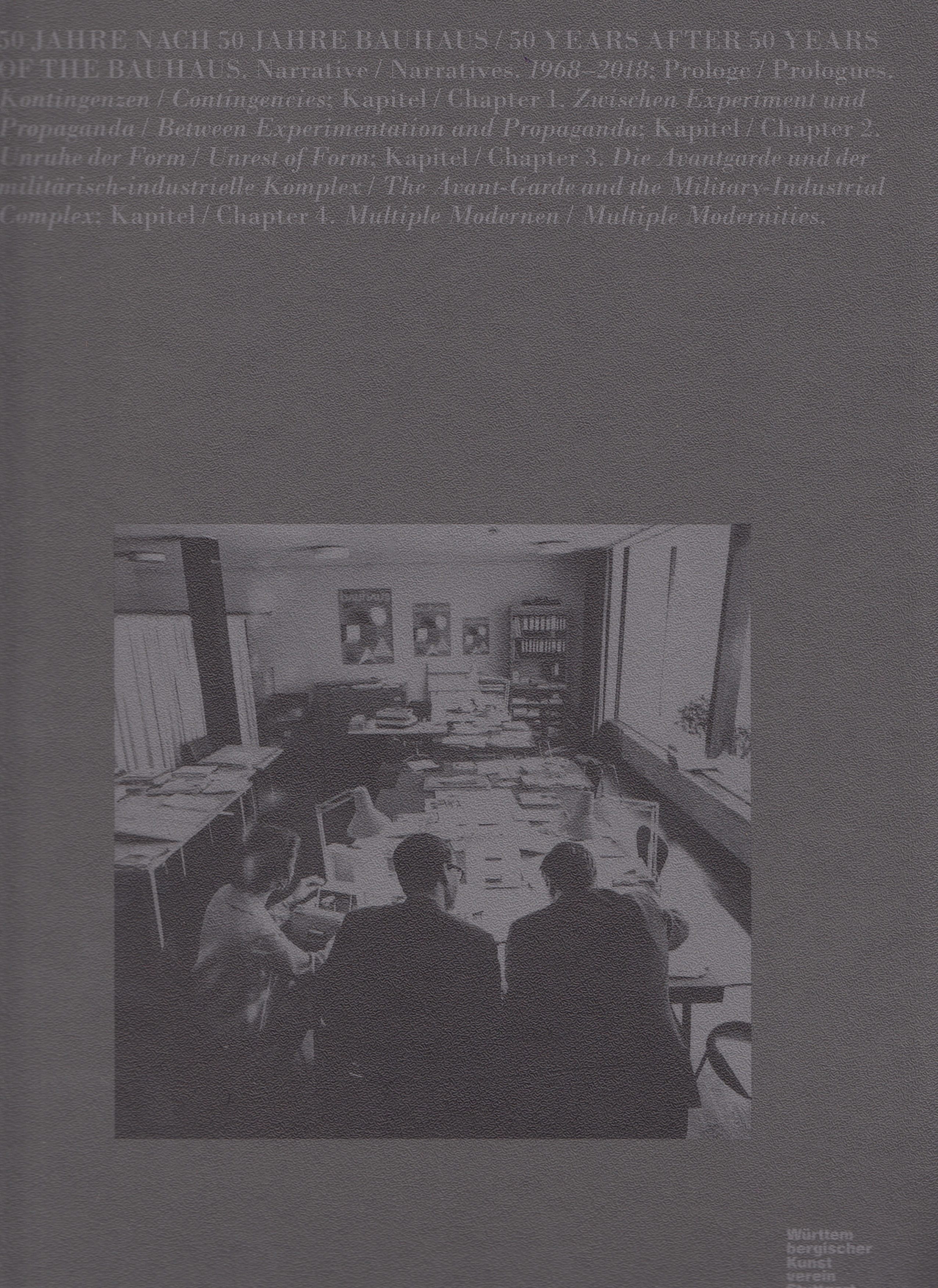
On 4 May 1968, as protests shook Paris, the exhibition 50 Years Bauhaus opened at the Württembergischer Kunstverein, becoming the most influential post-war show on the Bauhaus. Fifty years later, the Kunstverein reassessed it, examining Bauhaus figures’ ties to National Socialism and links between avant-gardes and the military-industrial complex, while broadening its context beyond West Germany and the US.

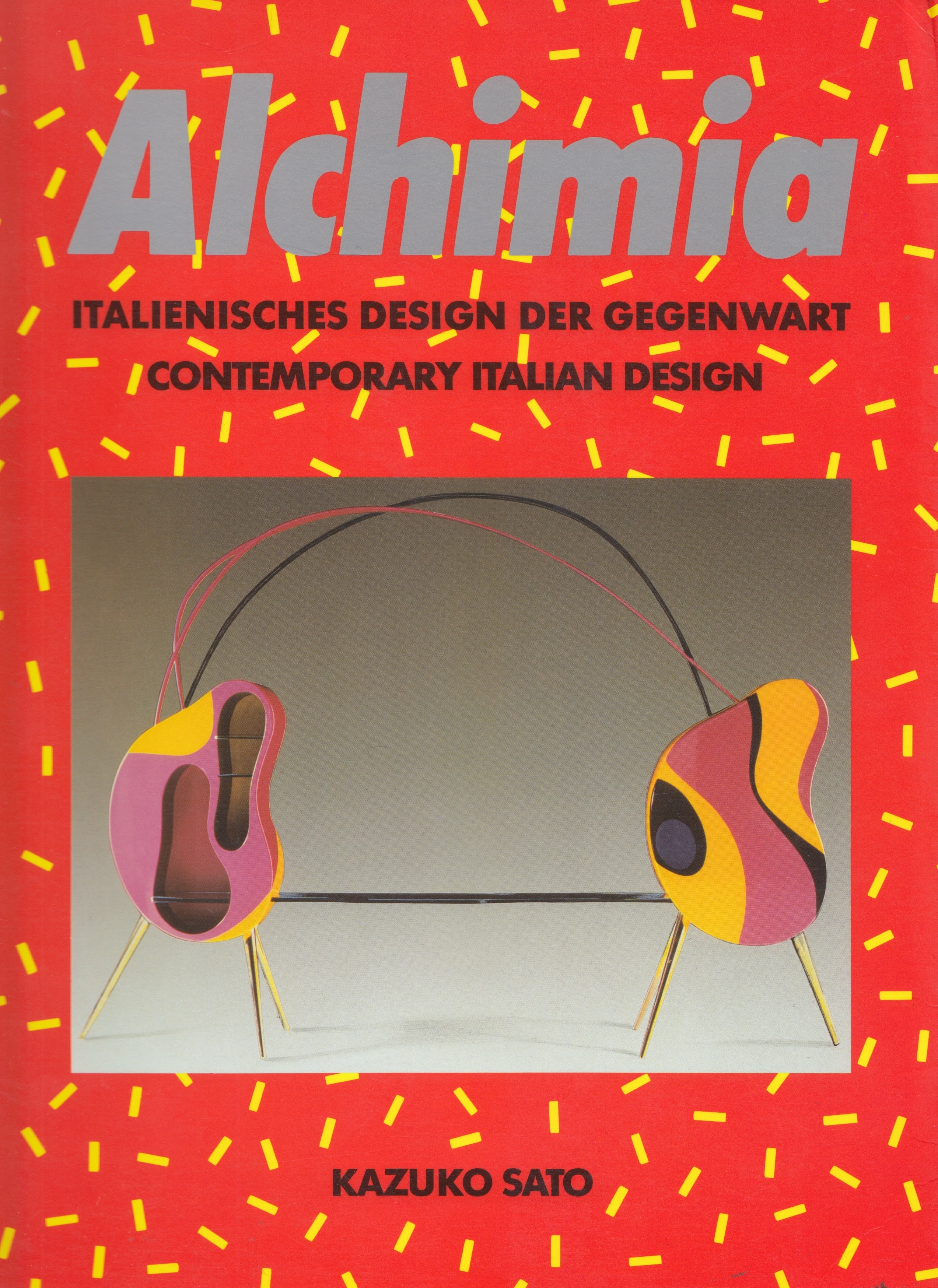
This translated volume examines the unruly, deliberately anti-functionalist design of Studio Alchimia, the radical Milan-based collective that challenged modernist principles. Initially focused on experimental furniture, the group later expanded into accessories and fashion during the 1980s. Featuring a foreword by Alessandro Mendini, the book includes an index of Alchimia members and reflects their provocative, unconventional aesthetic.
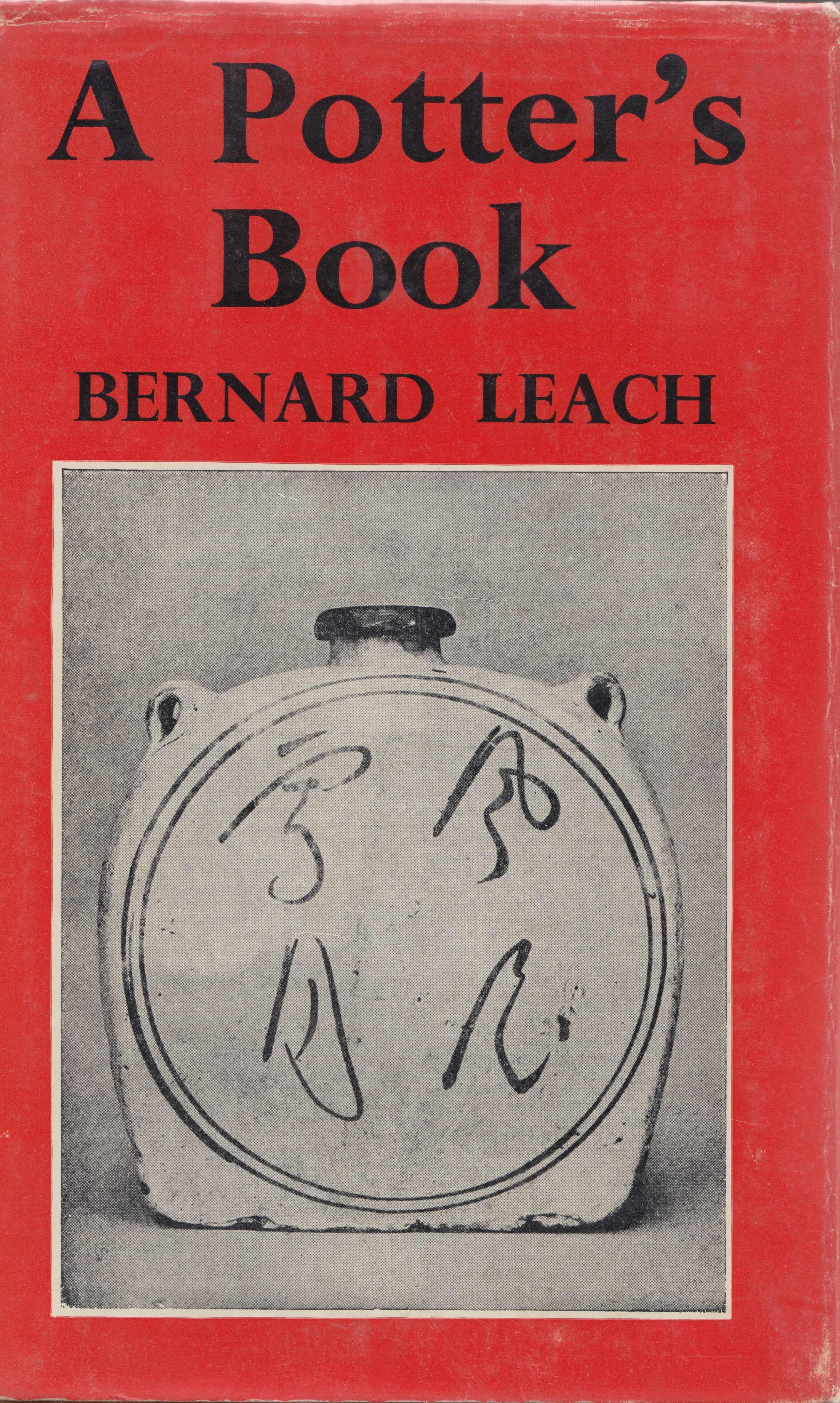
A book about workshop traditions which have been handed down by Koreans and Japanese from the greatest period of Chinese ceramics in Sung dynasty.
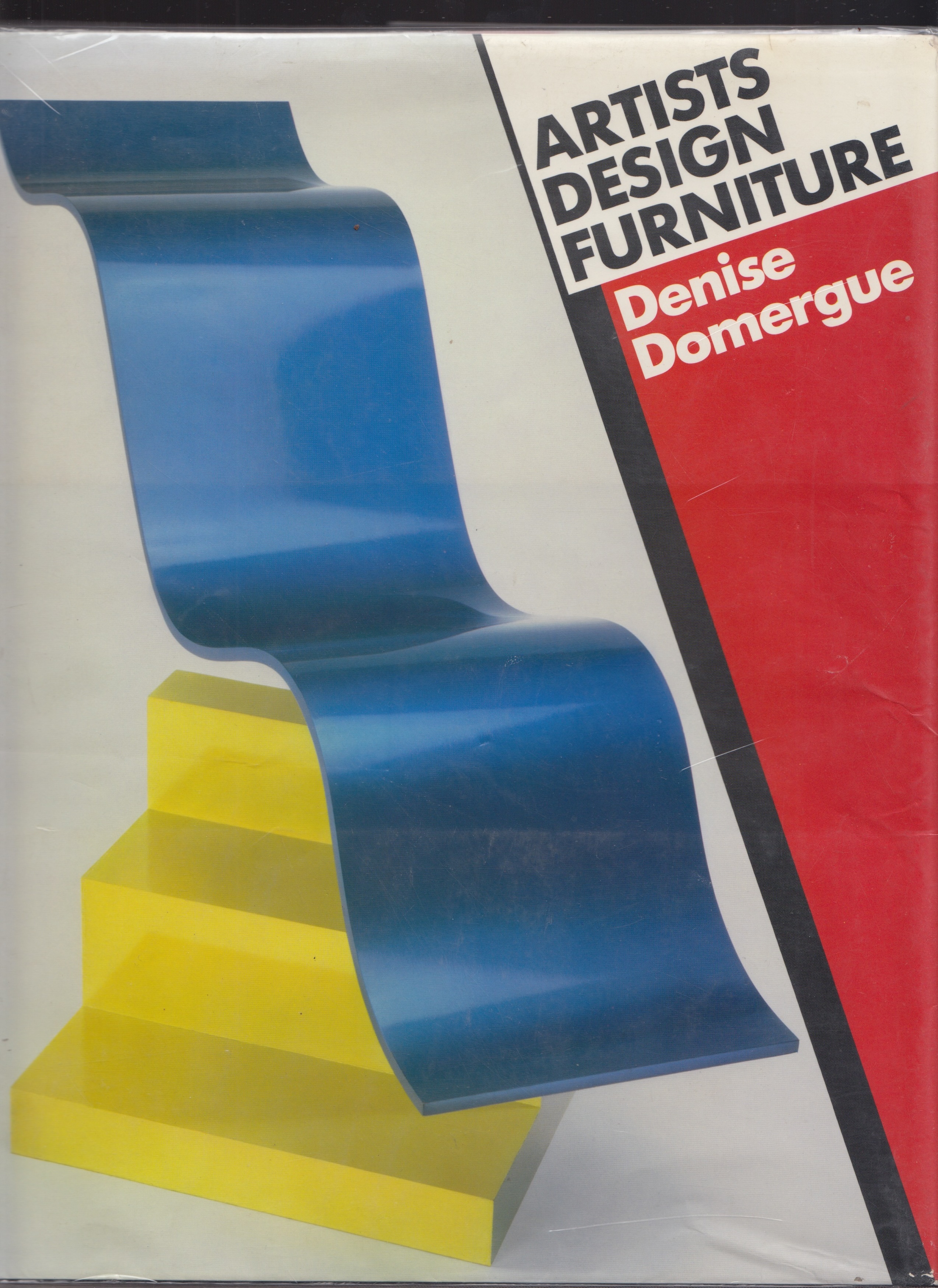
This book describes a variety of chairs, sofas, tables, beds, bookcases, dressers, and other functional furniture designed by contemporary American artists.
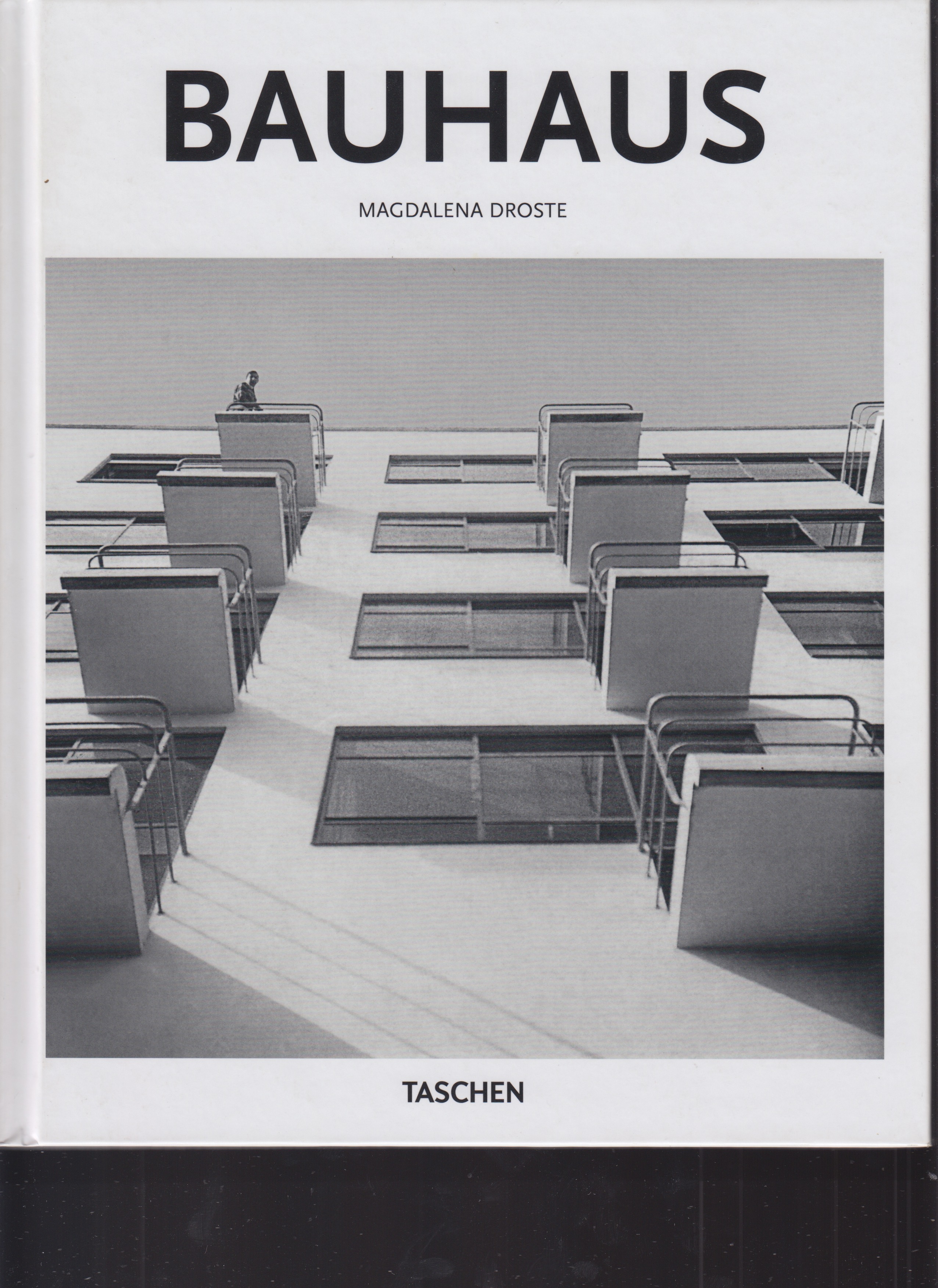
Although it was closed by the Nazis after only 14 years, the Bauhaus significantly shaped the history of modernism. This book explores the ideas and ideals of the art school , which championed absolute artistic freedom and the fusion of art and technology .
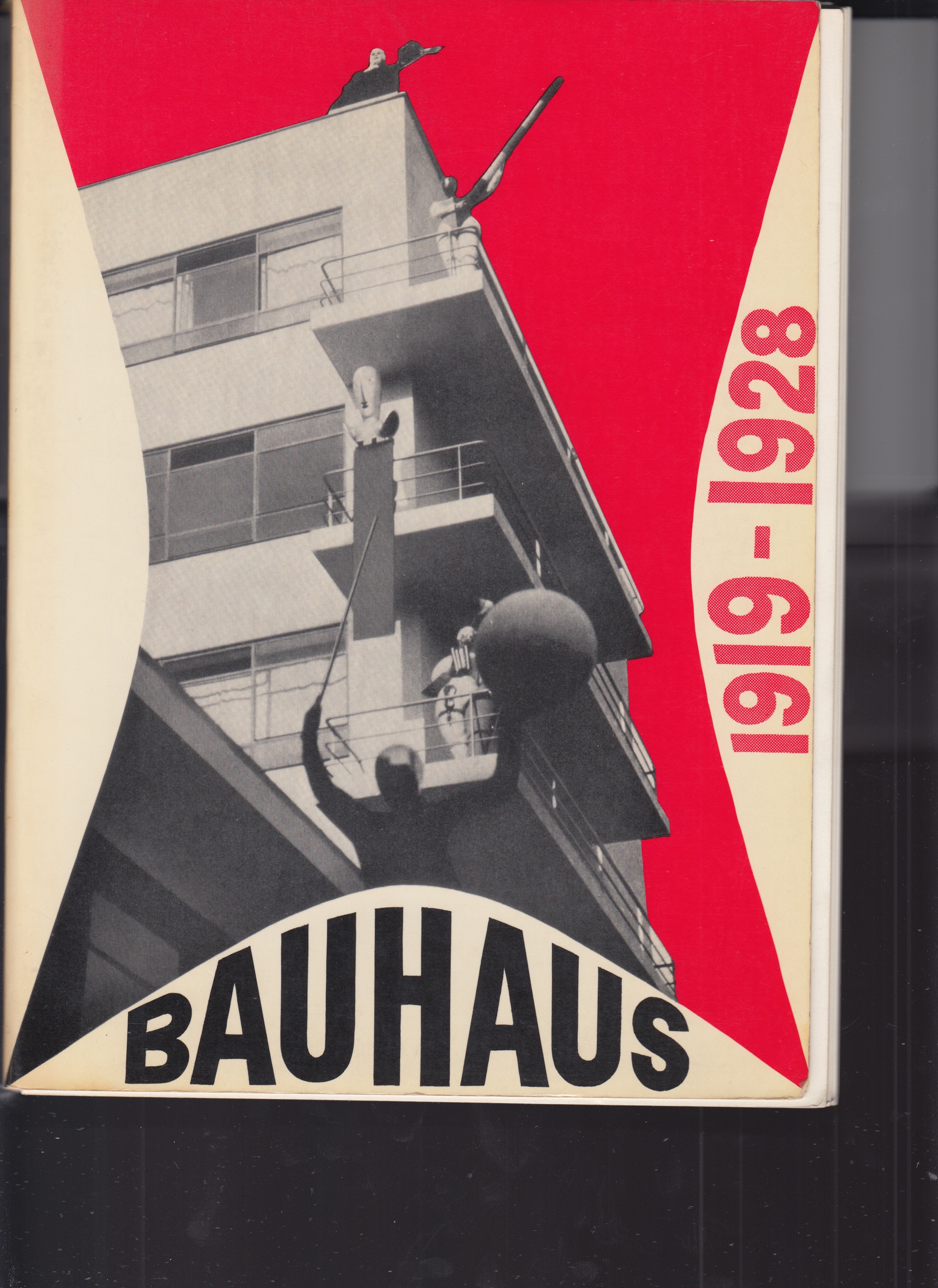

This book draws on the unparalleled collection of the Bauhaus-Archiv / Museum für Gestaltung to explore the movement’s legacy in art and architecture. Featuring works, sketches, and models, it highlights key figures such as Walter Gropius, Marcel Breuer, Wassily Kandinsky, and Paul Klee, while addressing its continuation in Chicago and Ulm.
Bauhaus Imaginista marks the centenary of the Bauhaus, founded by Walter Gropius, highlighting its global influence across art, design, and architecture. Featuring figures like Paul Klee, Wassily Kandinsky, László Moholy-Nagy, and Josef Albers, it traces the school’s international reception and enduring impact amid twentieth-century geopolitical change.
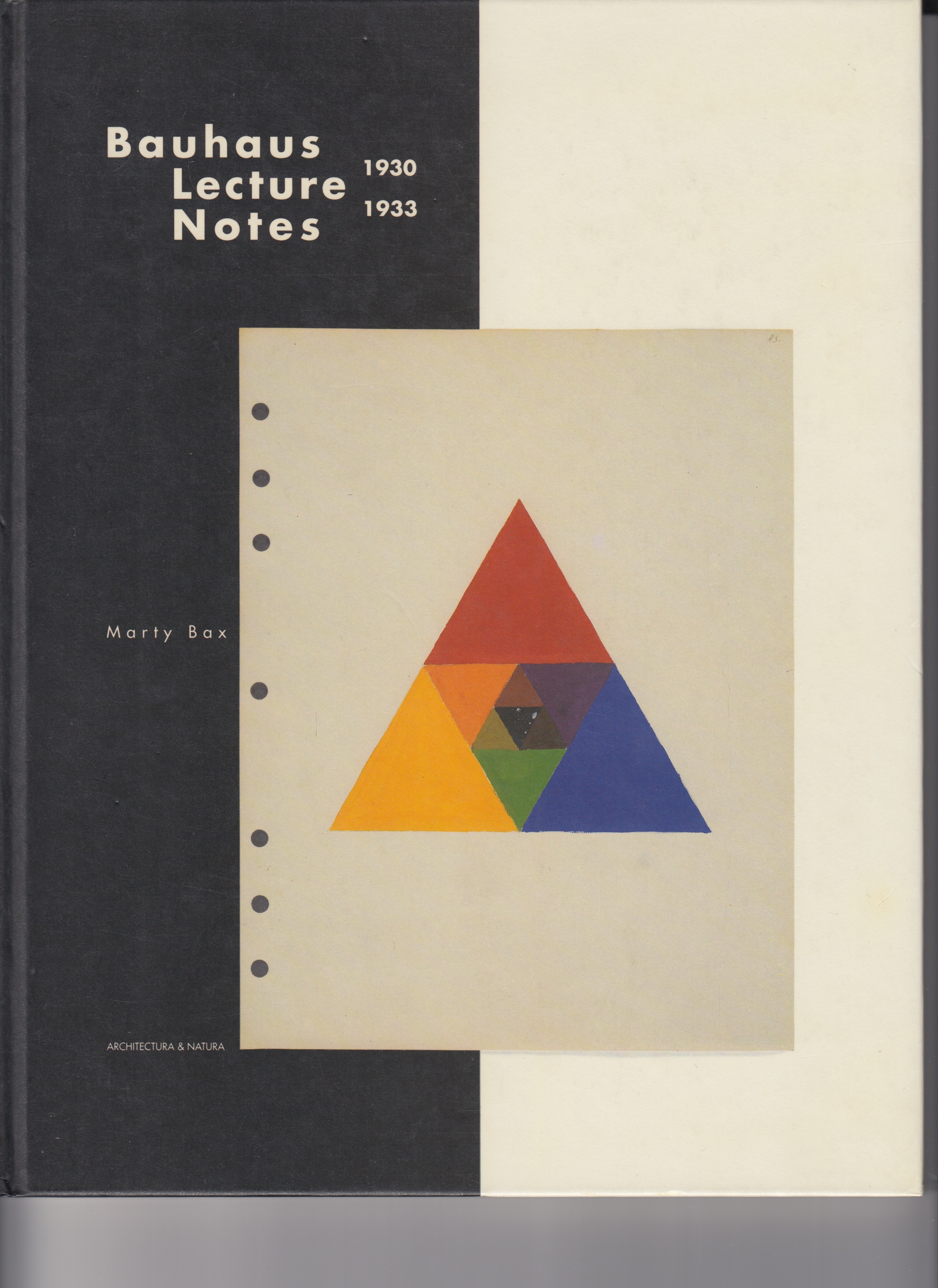
Book detailing the practice of architectural training at the Bauhau based on the lecture notes made by the Dutch ex-Bauhaus student and architect J.J. van der Linden of the Mies van der Rohe curriculum.
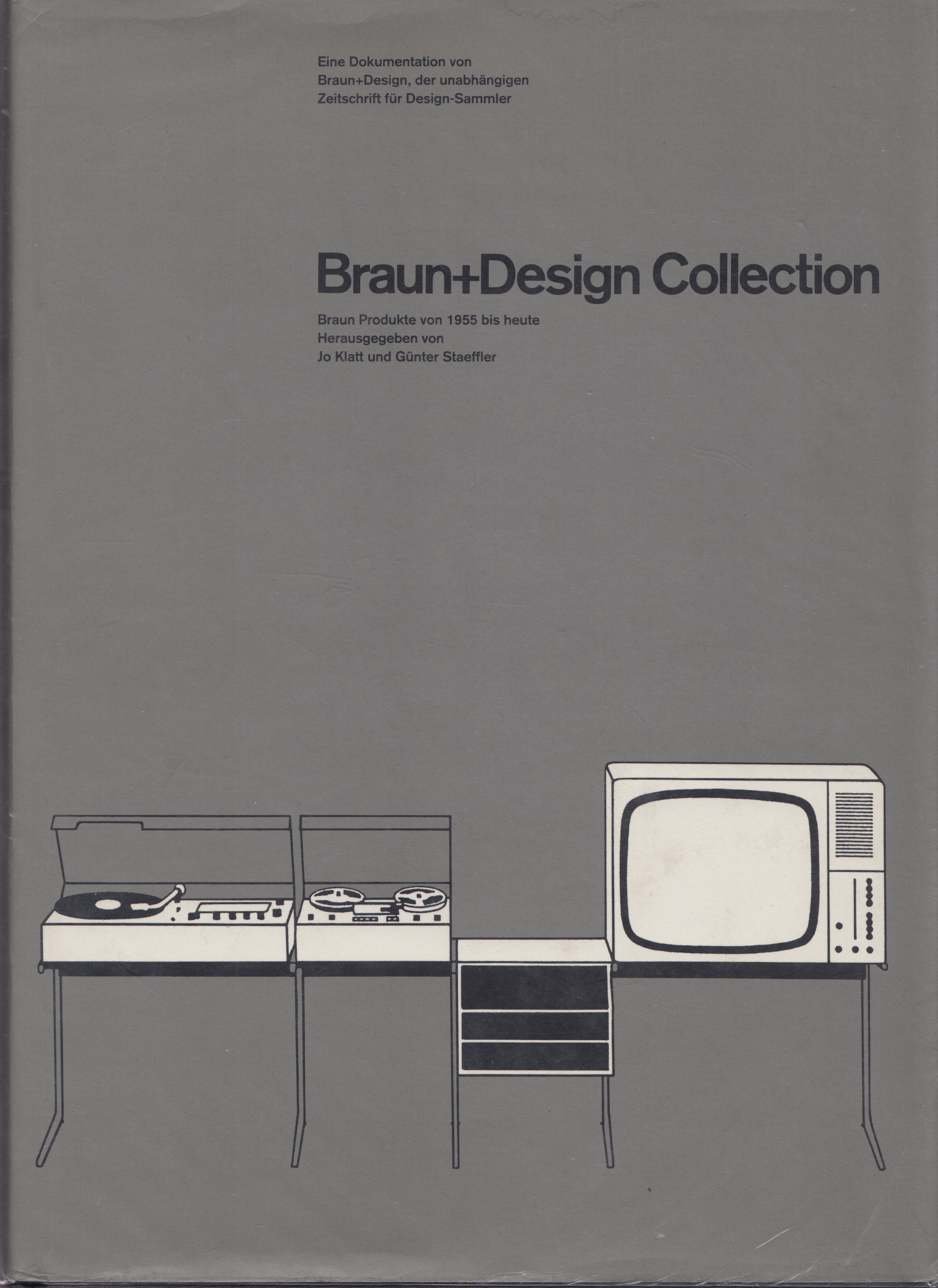
This comprehensive volume documents the design history of Braun, covering consumer electronics, photography equipment, watches, calculators, lighters, flashlights, personal care products, and household appliances. Richly illustrated with photographs, it traces Braun’s influential industrial design approach and its lasting impact on modern product aesthetics and functional innovation.
.jpg)
An exhibition catalogue of works from the Bauhaus housed at the Busch Reisinger Musuem Collection.

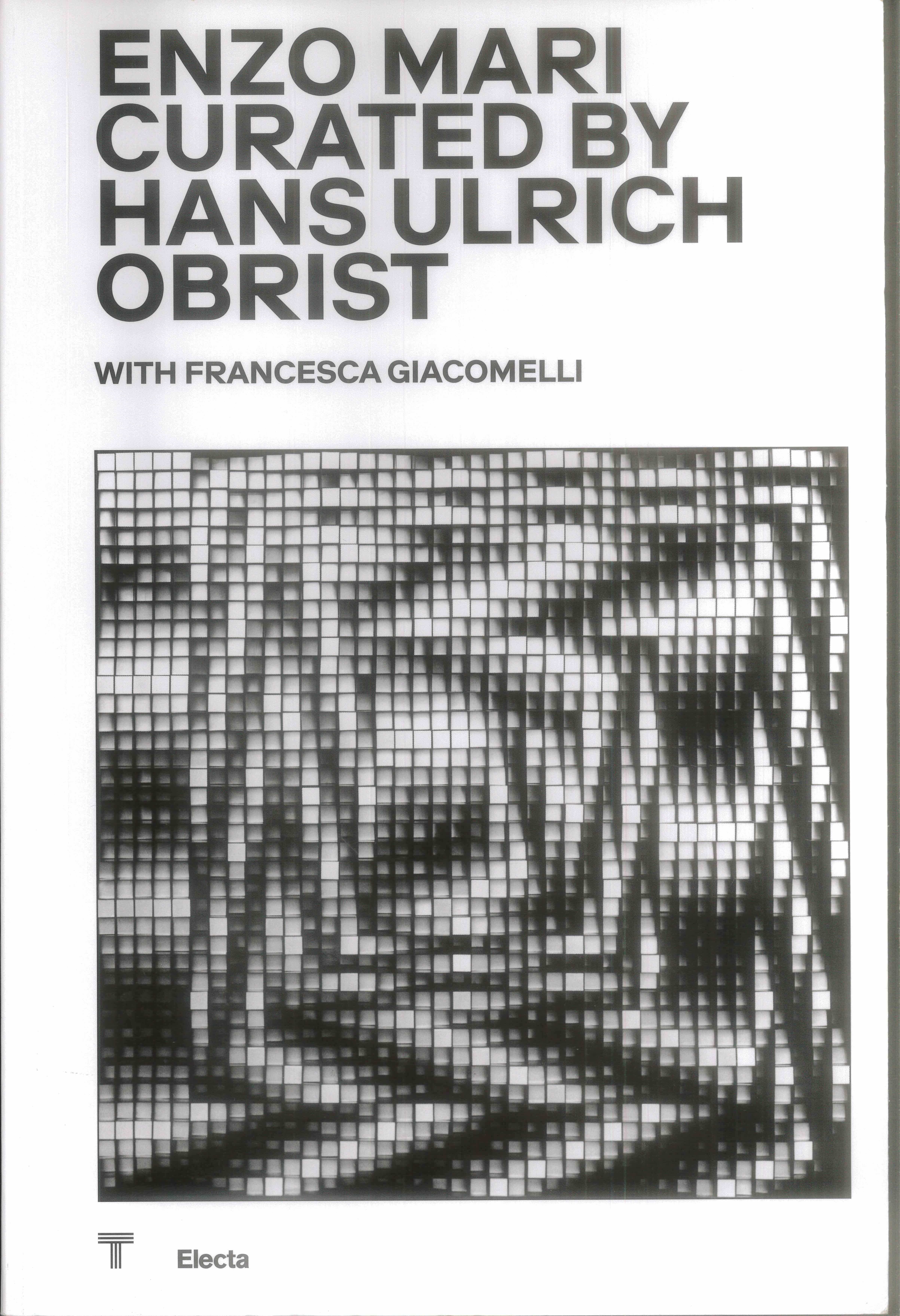
In this book, over 60 years of work by designer, artist, critic and theoretician Ezno Mari is documented through projects, drawings, unpublished materials, essays, interviews and tributes by internationally renowned artists and designers.

A comprehensive history of furniture design including works by Michael Thonet, Otto Wagner, Alvar Aalto, Victor Horta, Henry van de Velde, Peter Behrens, Marcel Breuer, Charles Eames, Eero Saarinin, Hans Wegner, Joe Colombo, Charles Rennie Mackintosh, Josef Hoffmann, George Nelson

Howard Dearstyne was an architect who studied at the Bauhaus from 1928 to 1933. This book offers an his insider look at the Bauhaus movement, and discusses the courses, workshops, and teachers.



This book documents the collaborative furniture design work of architects Lina Bo Bardi and Giancarlo Palanti in Brazil between 1948 and 1951.
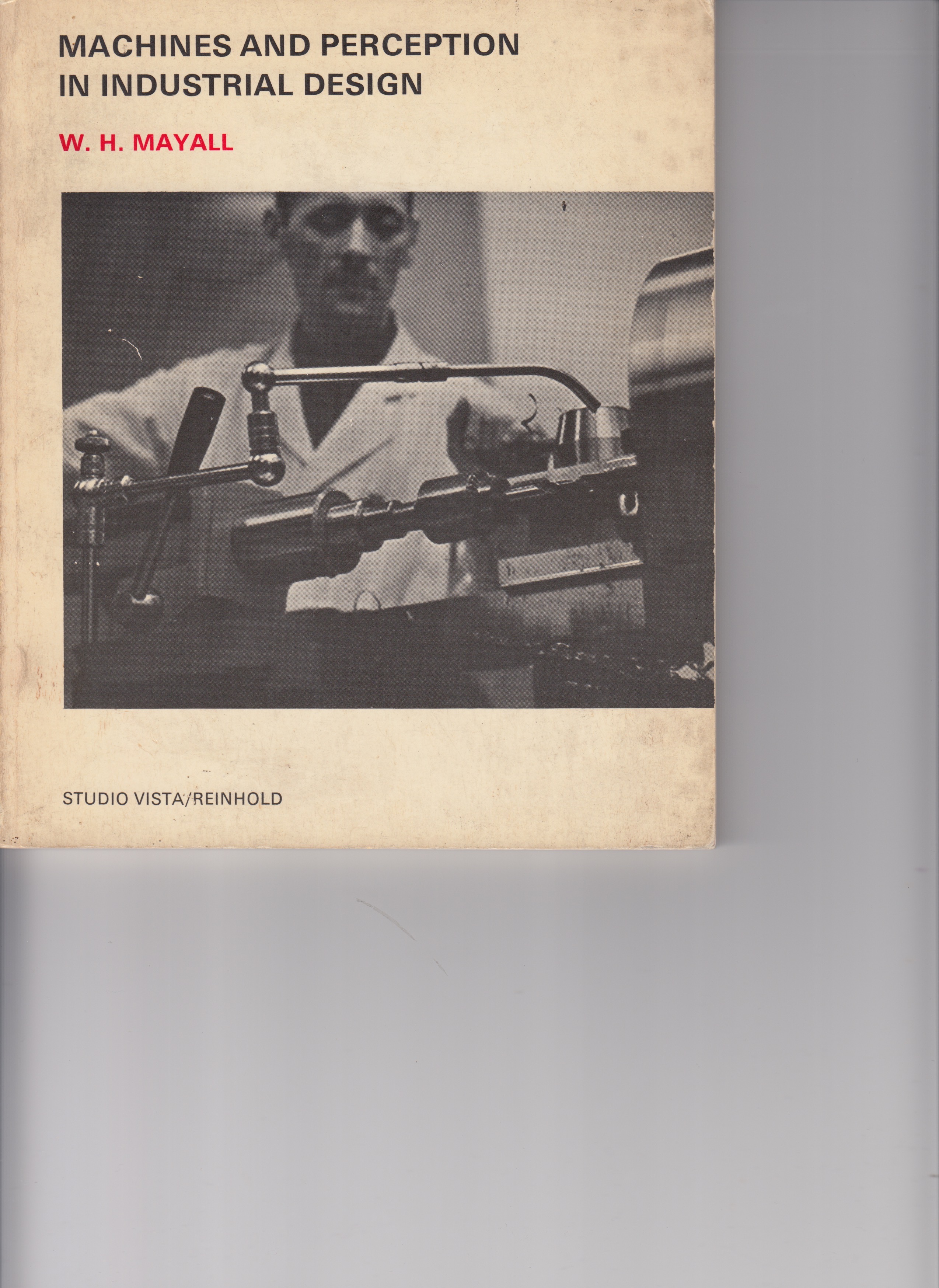
In this book, Mayall identified the dangers and difficulties created for machine operators by the increasing complexity of modern machines and examined the development of the "machine aesthetic" against social, technical and marketing factors. He also believed that organizing machines into coherent visual fields would help prevent accidents.
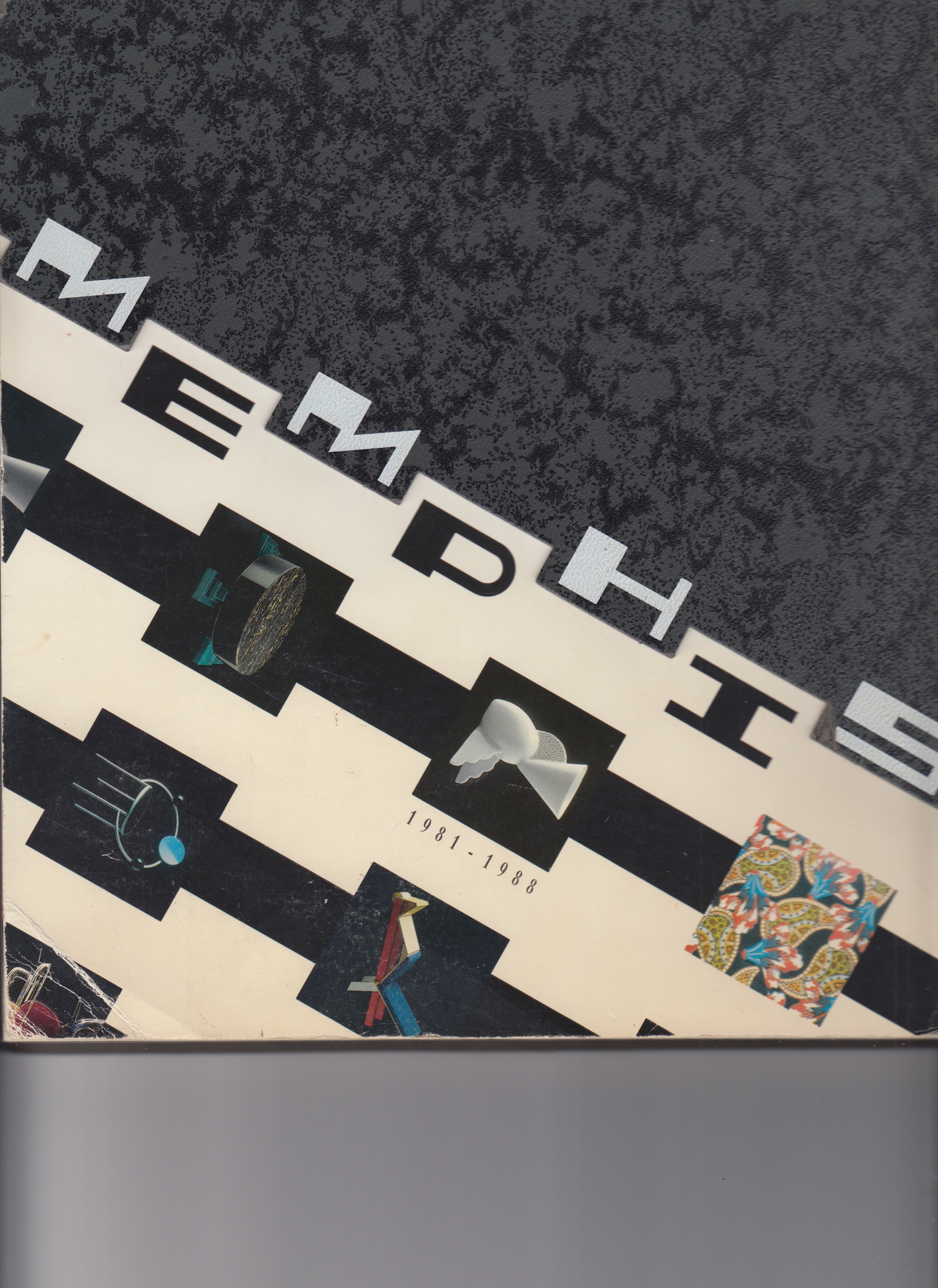
This vividly illustrated tribute celebrates the radical design of Memphis Group, founded in Milan in 1981 by Ettore Sottsass. Rejecting functionalism and modern “good taste,” the group created sculptural furniture, bold colors, and playful forms, proposing an emotional, artistic vision of everyday objects that reshaped postmodern design.
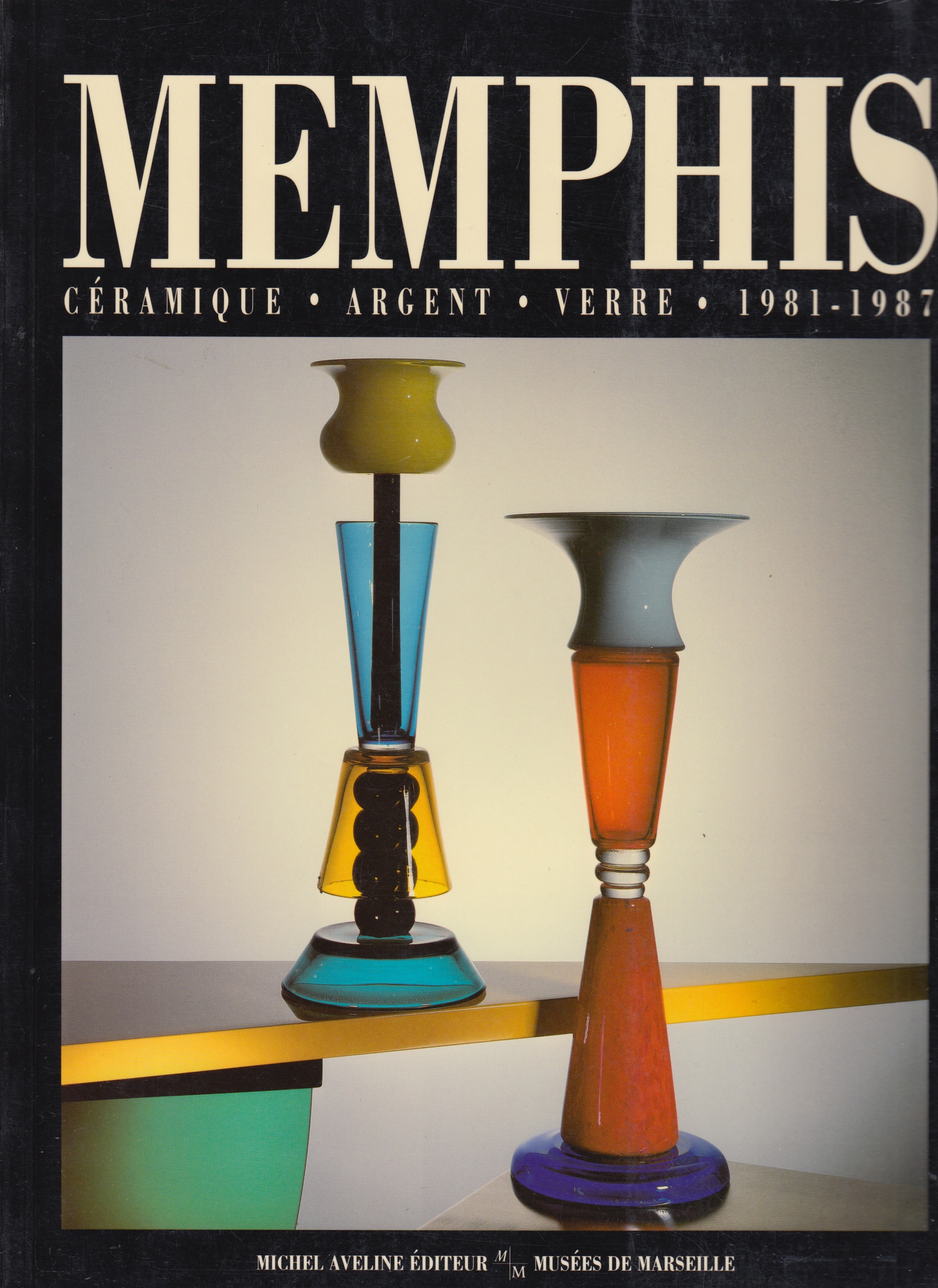
Published for an exhibition at the Centre de la Vieille Charité, this catalogue explores ceramics and glass by the Memphis Group. Featuring essays and illustrations, it highlights works by designers including Ettore Sottsass, Michele de Lucchi, Andrea Branzi, and Nathalie du Pasquier, alongside a bibliography and exhibition history.
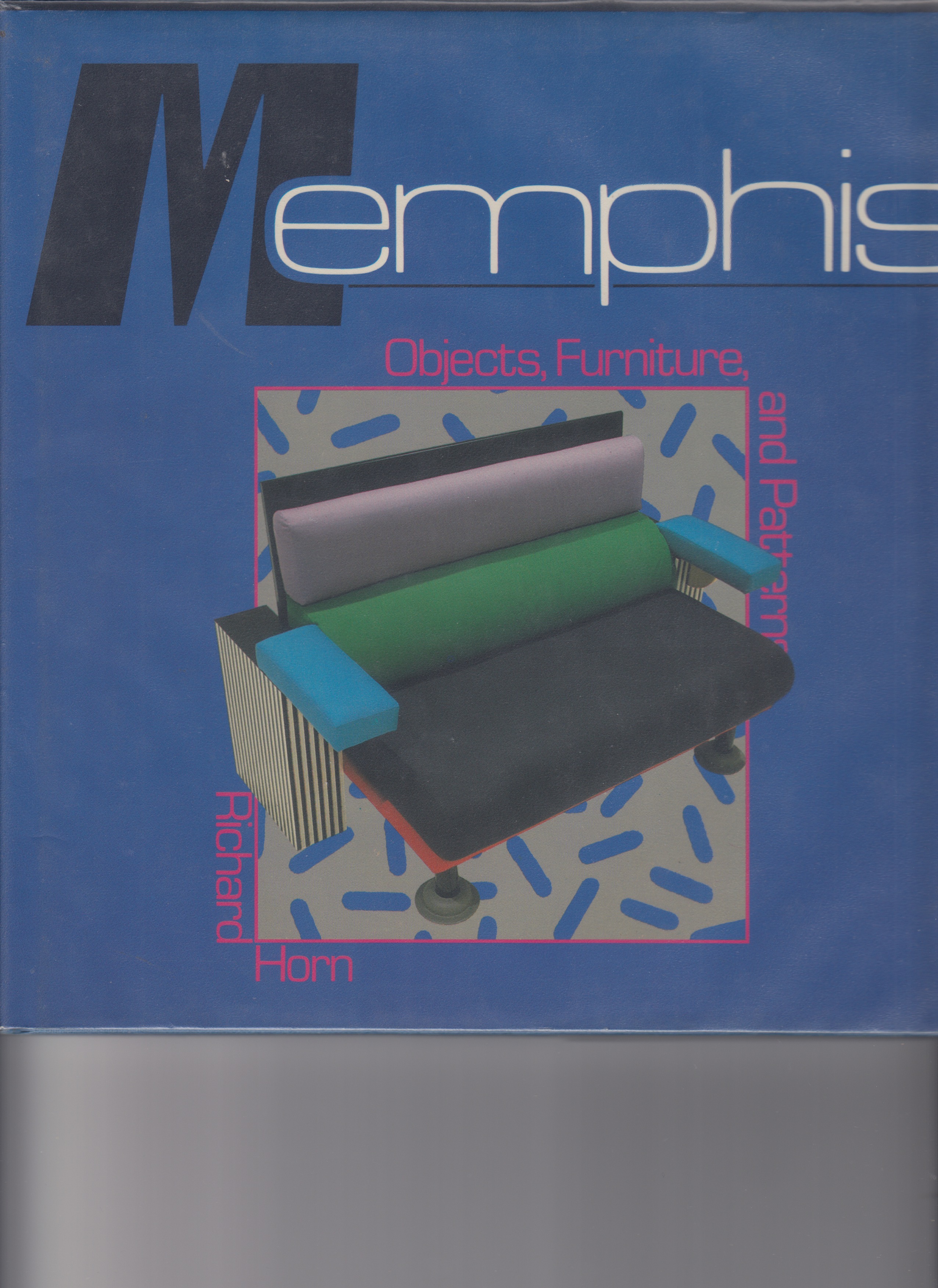
Colorful look at the short lived but vivid design movement from the 1980s, with many color examples of furniture, objects and other pieces of designs.

A book documenting the works produced by the Italian design movement Memphis, known for bold colors and geometric shapes.
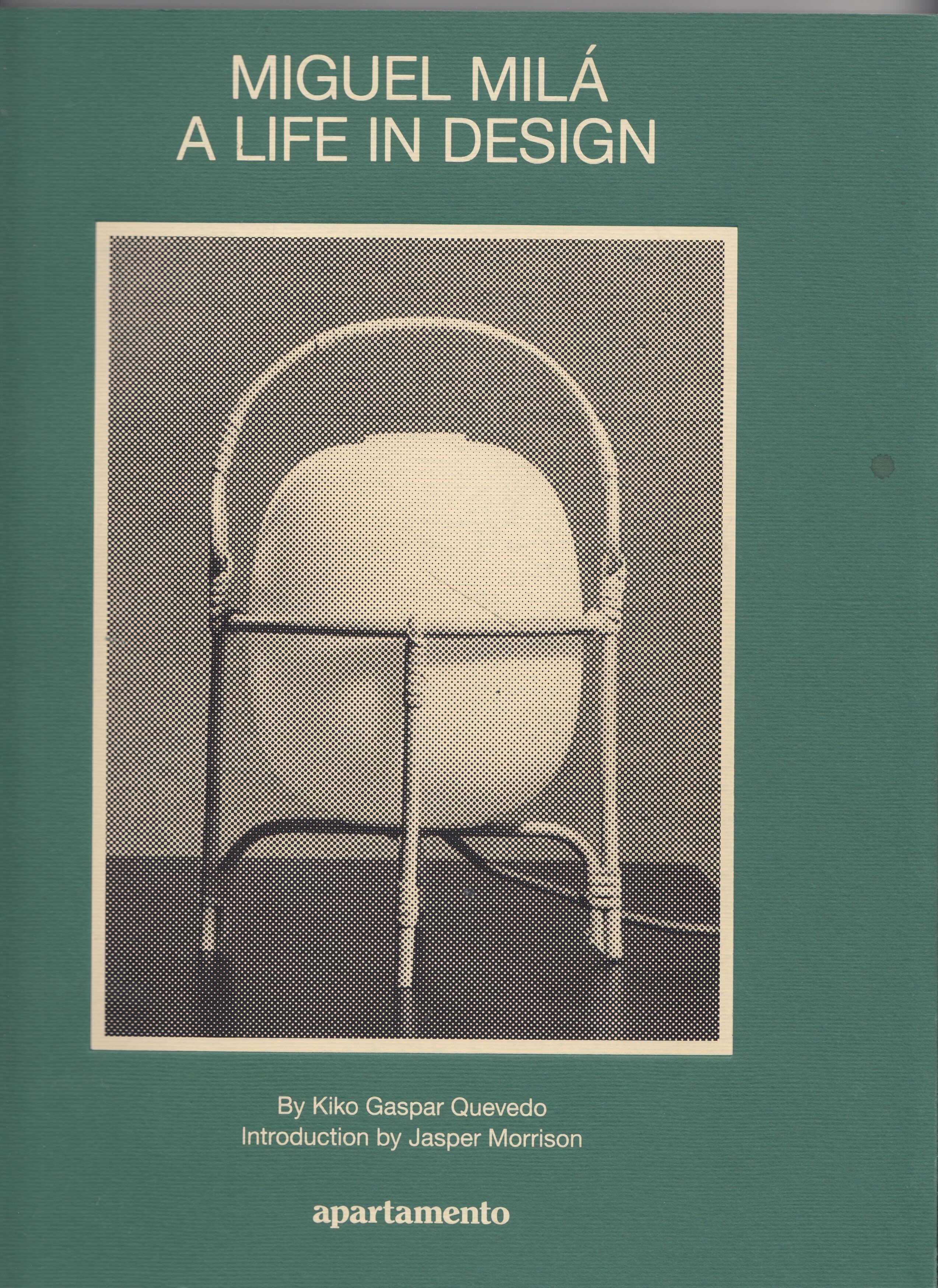
Miguel Milá: A Life in Design is a detailed look back through most emblematic works of interior designer Miguel Milá, produced between 1956 and 2021, with archival photos and drawings, as well as original photos shot at Milá’s Barcelona home by Nacho Alegre.


Written to mark the silver jubilee of the Design Research Unit, this book surveys the progress of industrial design since World War II. Using DRU as a case study rather than producing a conventional company history, it examines how major postwar trends shaped design practice—and how design, in turn, influenced industry and society.
