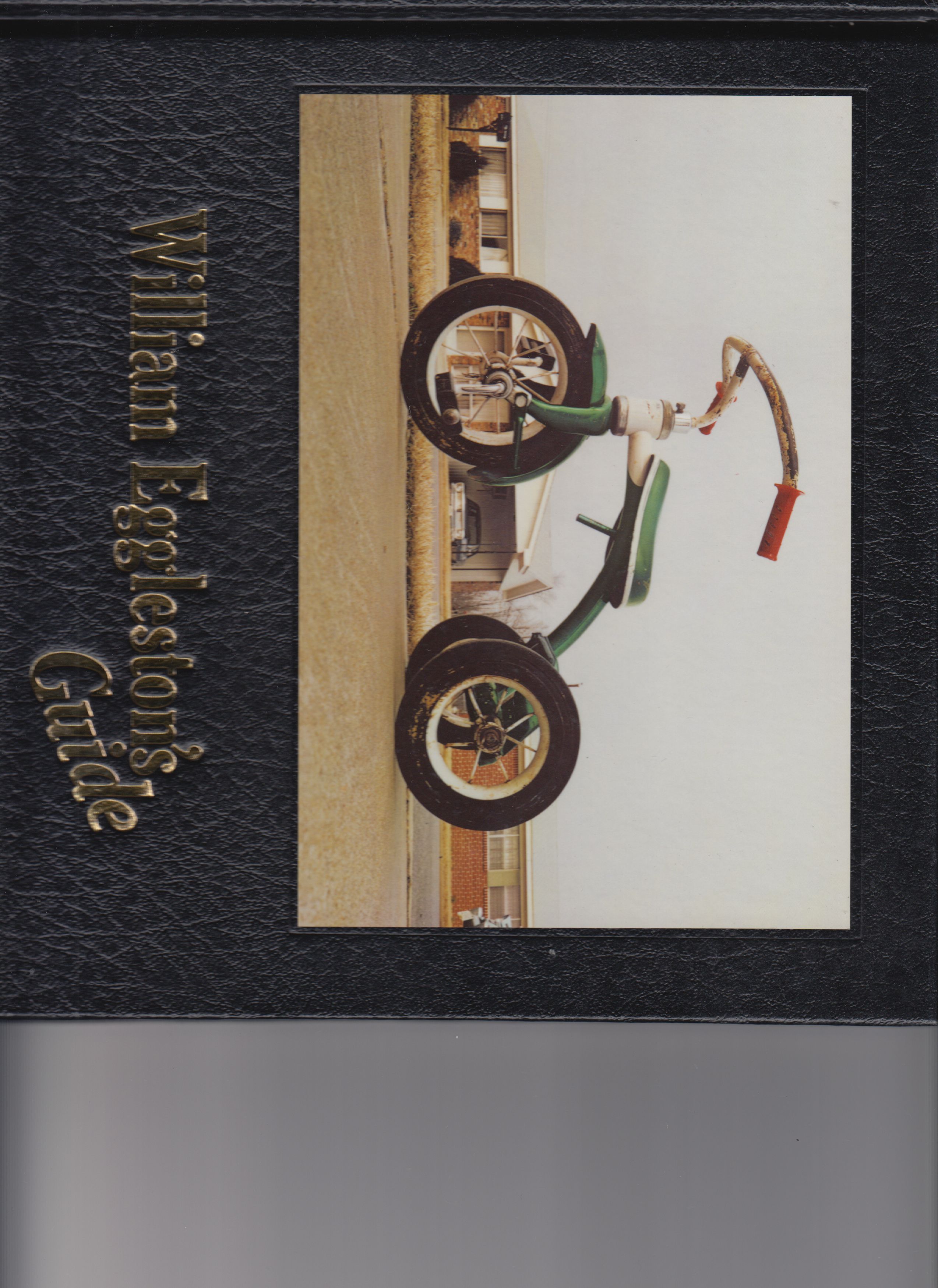
William Eggleston's Guide was the first one-man show of colour photographs ever presented at The Museum of Modern Art, New York, and the Museum's first publication of colour photography. Shot between 1969 and 1971, the photographs displayed in the exhibition and in this publication present a deceptively casual look at the surrounding world – with photographs of people, landscapes and odd little moments in and around Eggleston's home town of Memphis.
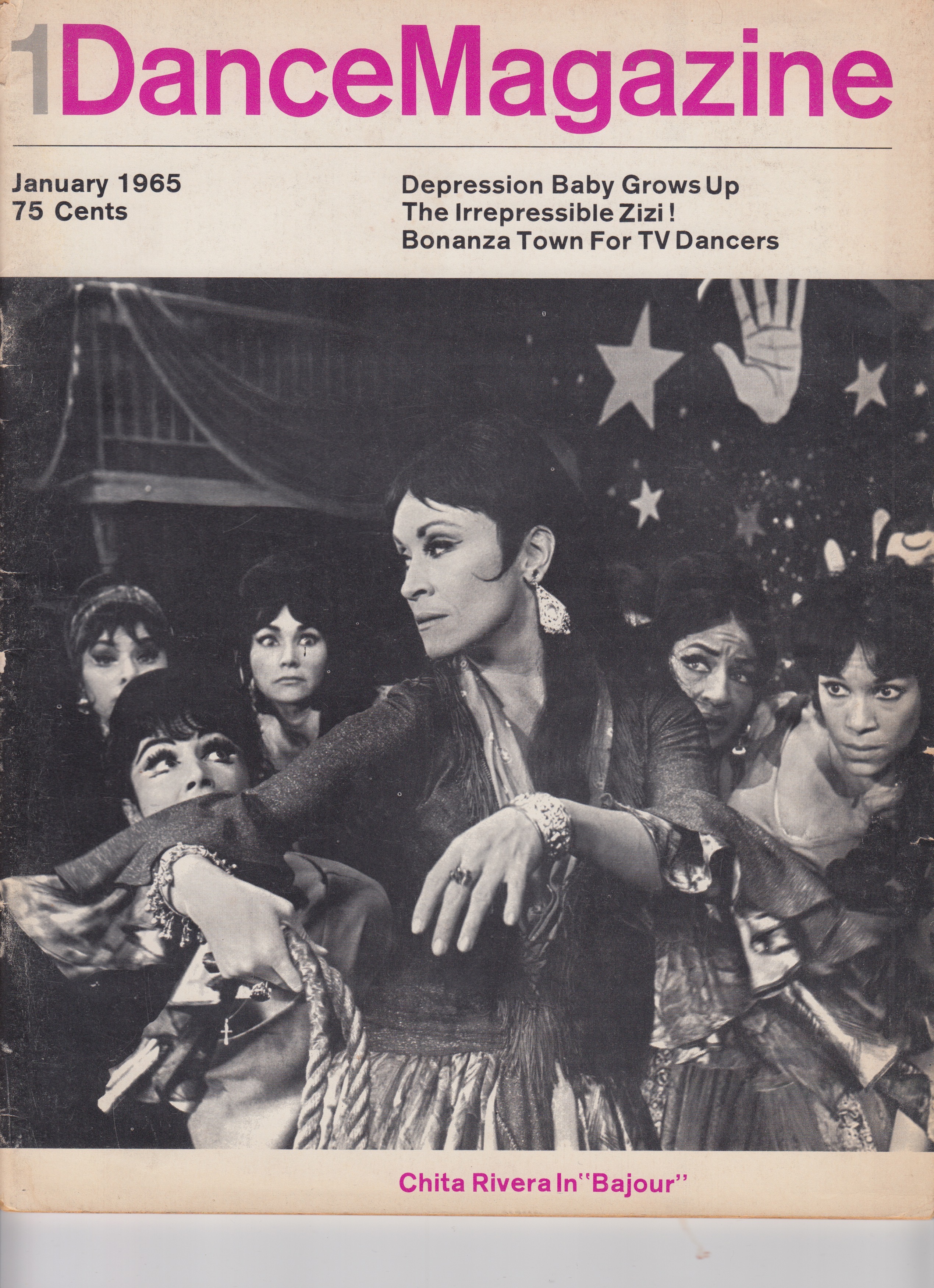
Dance Magazine was a monthly dance publication covering modern dance and ballet, as well as other forms of dance, including jazz, that ran from 1927 to 2001.

Gold & Ashes is a visual series on the Grenfell Community by bereaved family member Feruza Afewerki. It features a collection of photo stories of the local community of survivors and bereaved, documented over 3 years, in hopes of highlighting the humanity and courage of the Grenfell residents, honour the memories of their loved ones lost and bring dignity to those directly impacted by the tragedy.
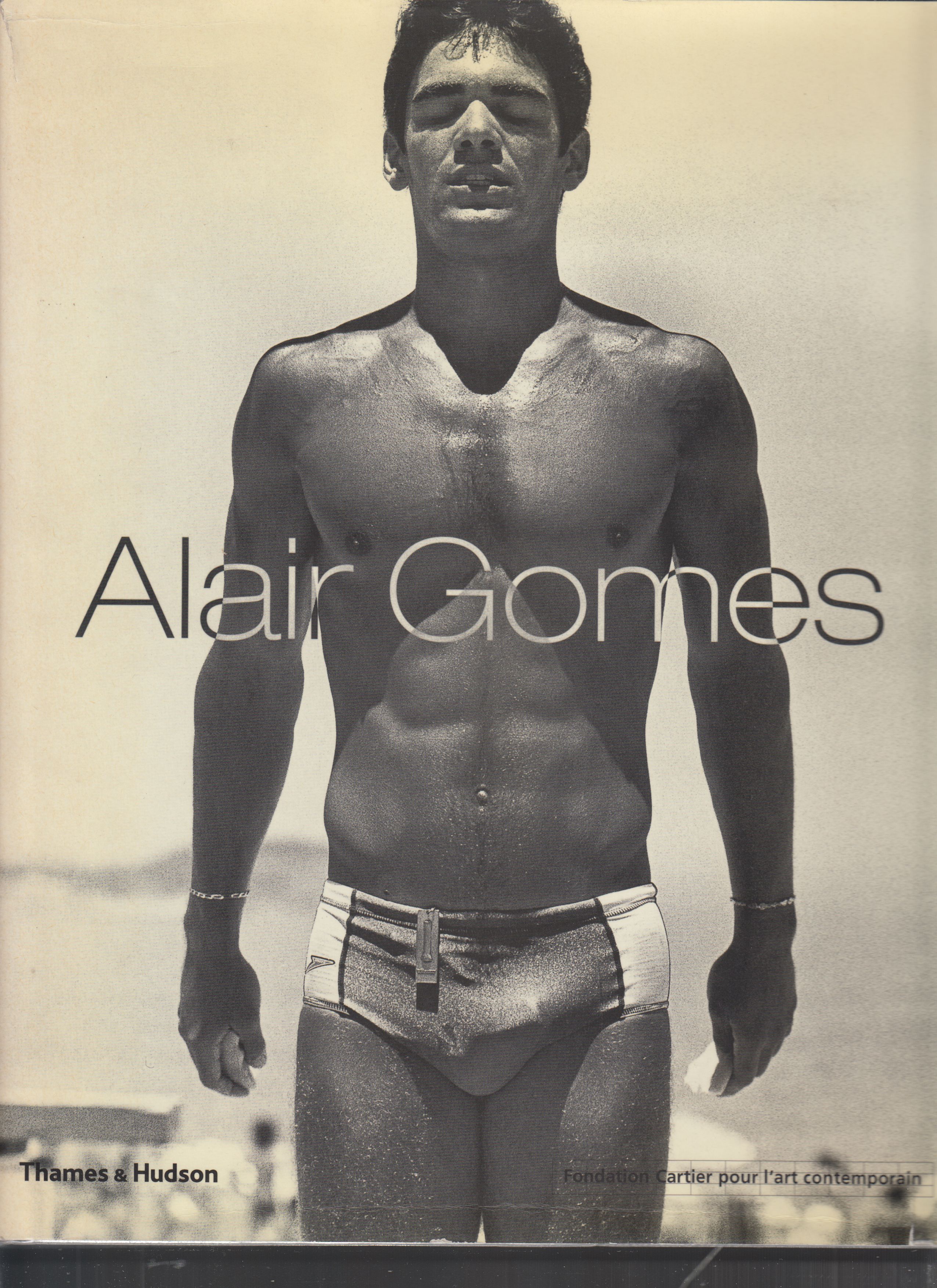
This book is the first to feature the work of the Brazilian photographer Alair de Oliveira Gomes. A philosopher, art critic and university professor, Gomes (1921-92) was in his 50s when he began to develop a body of photographic work, focusing almost exclusively on the athletic young men to be found on the beach at Rio de Janeiro. This book presents a collection of these images.
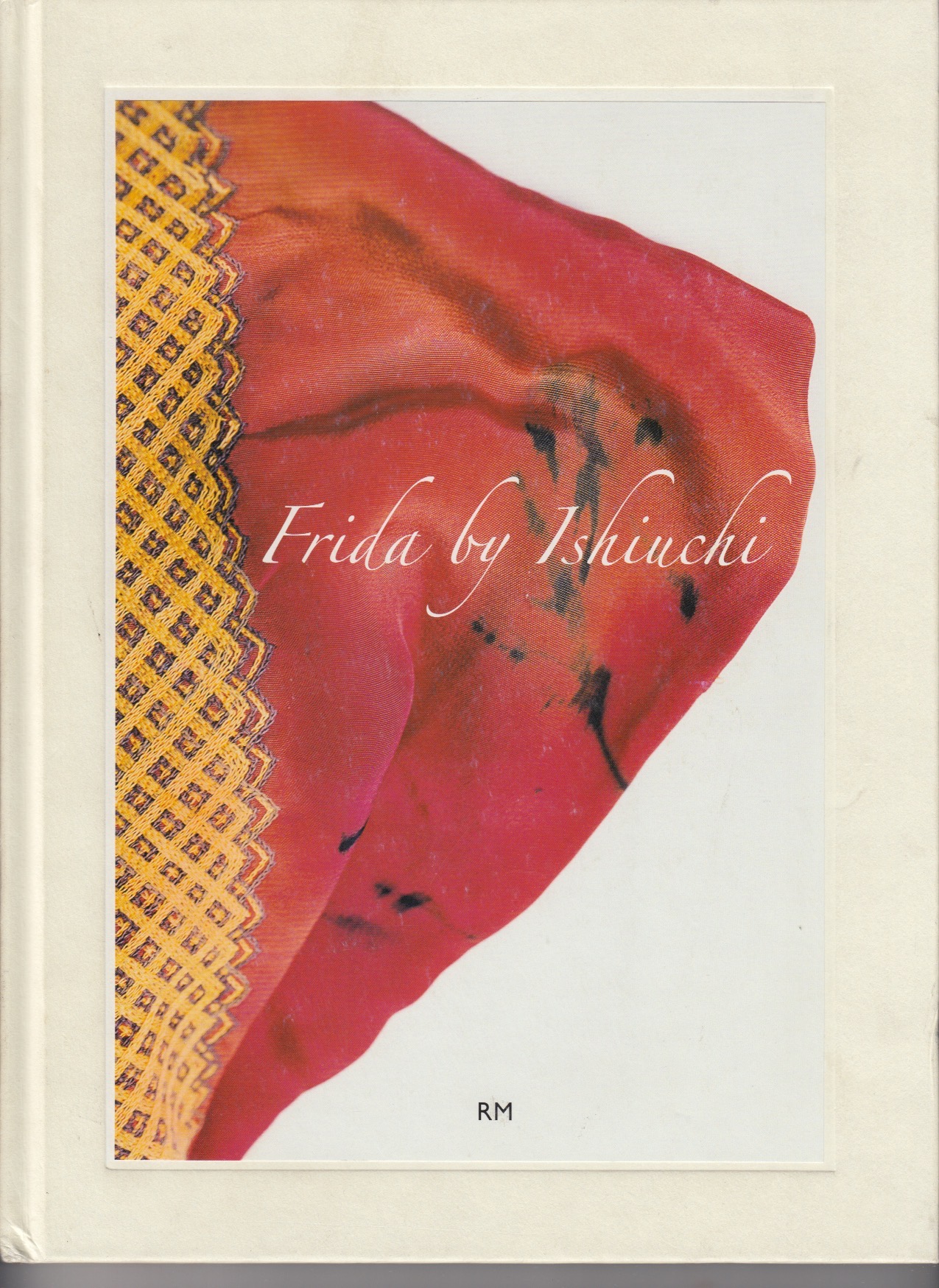
Frida by Ishiuchi is the first photographic documentation ever published of Mexican artist Frida Kahlo's personal attire and belongings, as portrayed by Japanese artist Miyako Ishiuchi. The victim of a nearly fatal bus accident as a young woman, Kahlo used fashion to channel her resulting physical difficulties into courageous statements of heritage, strength and beauty.
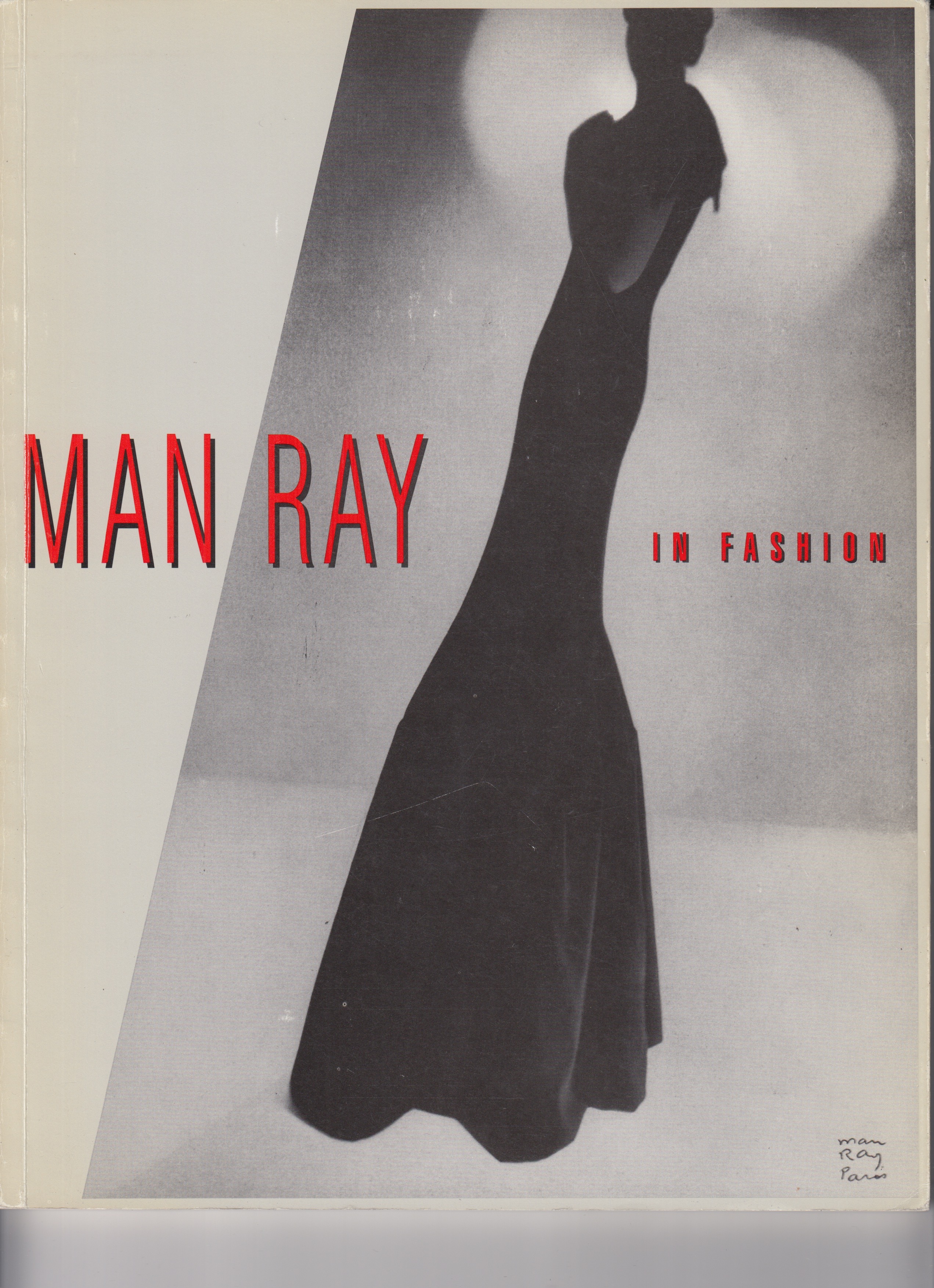
An exhibition catalogue to accompany the MAN RAY/BAZAAR YEARS: A Fashion Retrospective exhibition presenting Man Ray's fashion photographs for Harper's Bazaar.
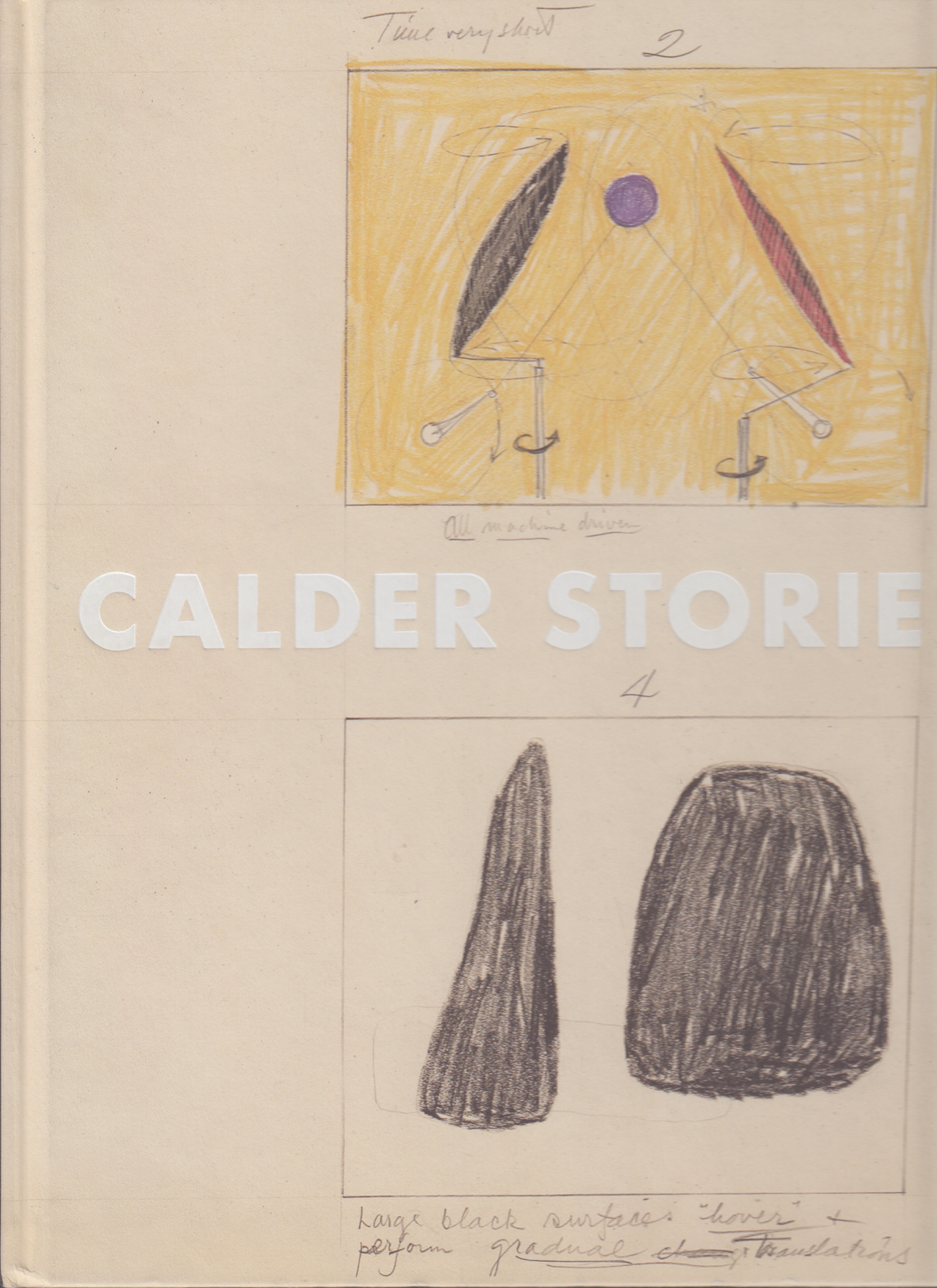
A collection of works by American sculpture Alexander Calder.
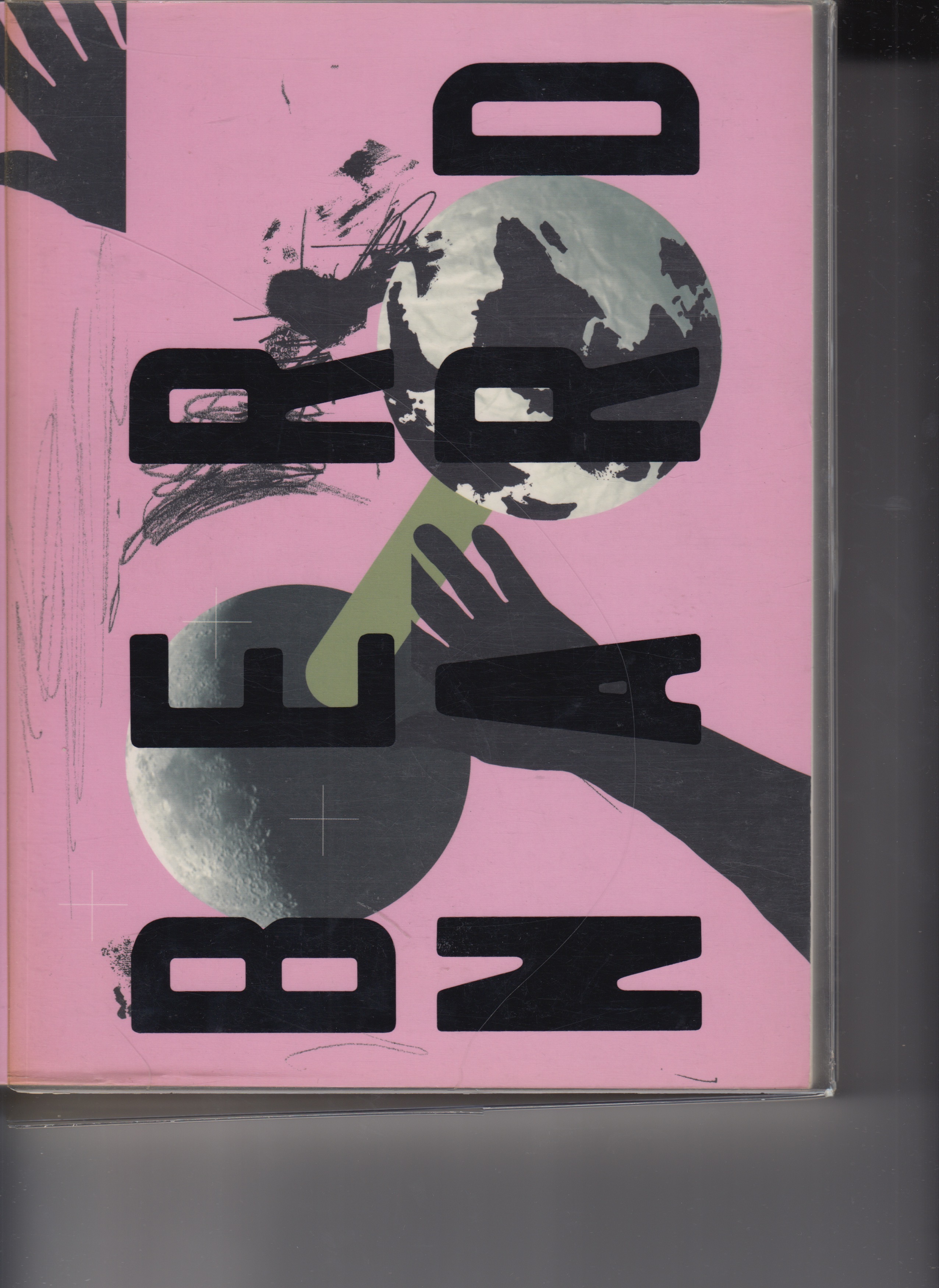
This book is part of a four part series exploring the work of four influential designers. This volume explores the work of Pierre Bernard, an influential French graphic designer known for his social, political, and cultural design work, most notably as a founder of the collective Grapus
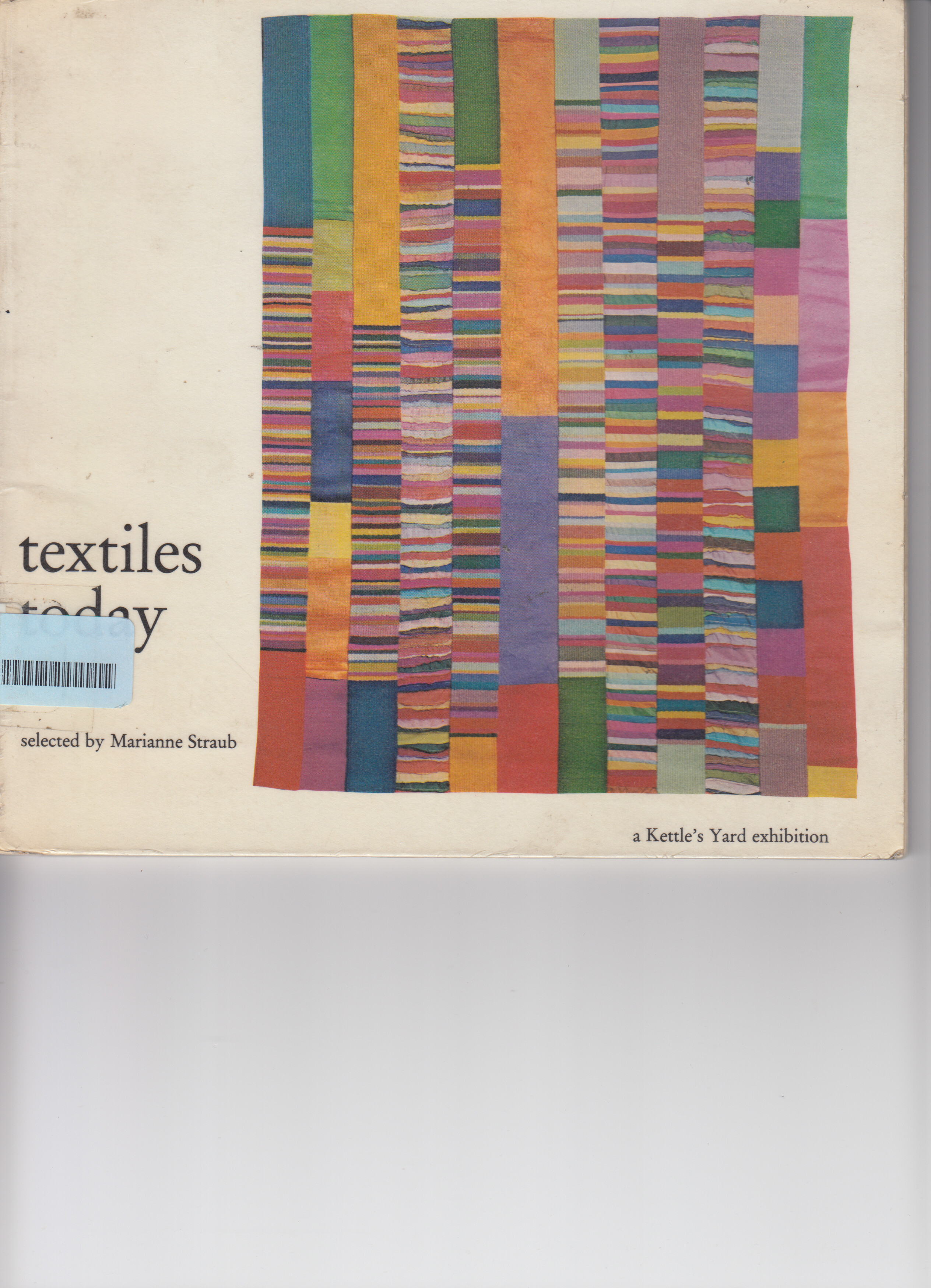
Woven and embroidered works selected by Marianne Straub for the travelling exhbition in 1981.

Dennis Morris: Music + Life is the first in-depth career retrospective of the trailblazing photographer, designer, and art director. Although Dennis Morris is celebrated for his iconic portraits of reggae superstar Bob Marley, this monograph also shines a light on Morris's documentary work, which explores questions of race and cultural identity as it draws on his experiences as a Black teenager in 1970s Britain. Supported by an international touring exhibition, Dennis Morris unveils a trove of previously unseen images, offering new insight into the image-maker's visual language.
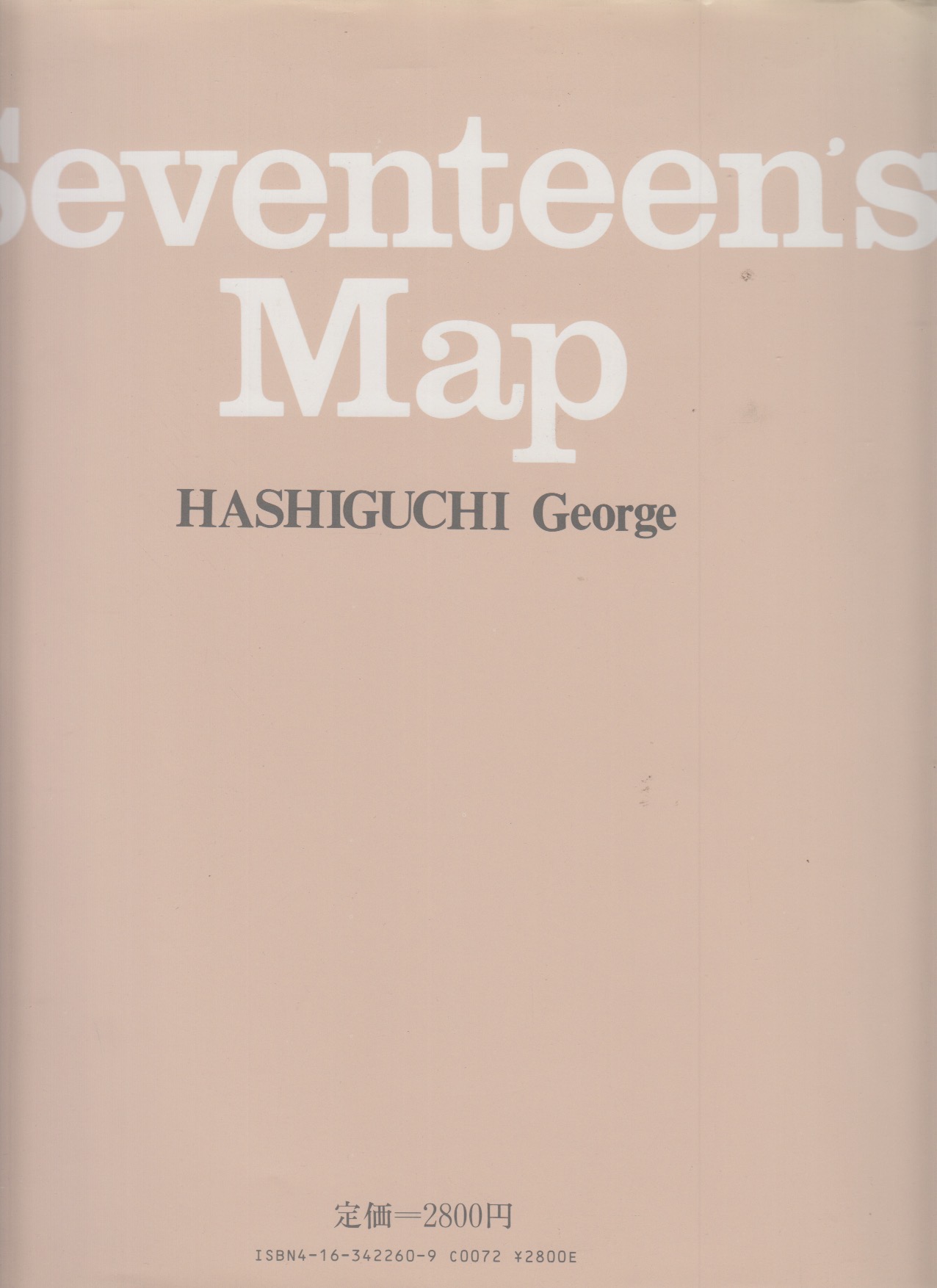
An insightful sociological typology, this work presents documentary black-and-white portraits of Japanese seventeen-year-olds taken between March 1987 and January 1988. Through a restrained, observational approach, it captures a nuanced portrait of adolescence during a specific cultural moment, rendered with clarity and quiet documentary precision.

Through his own work, David Hicks offers examples of how to decorate bathrooms.
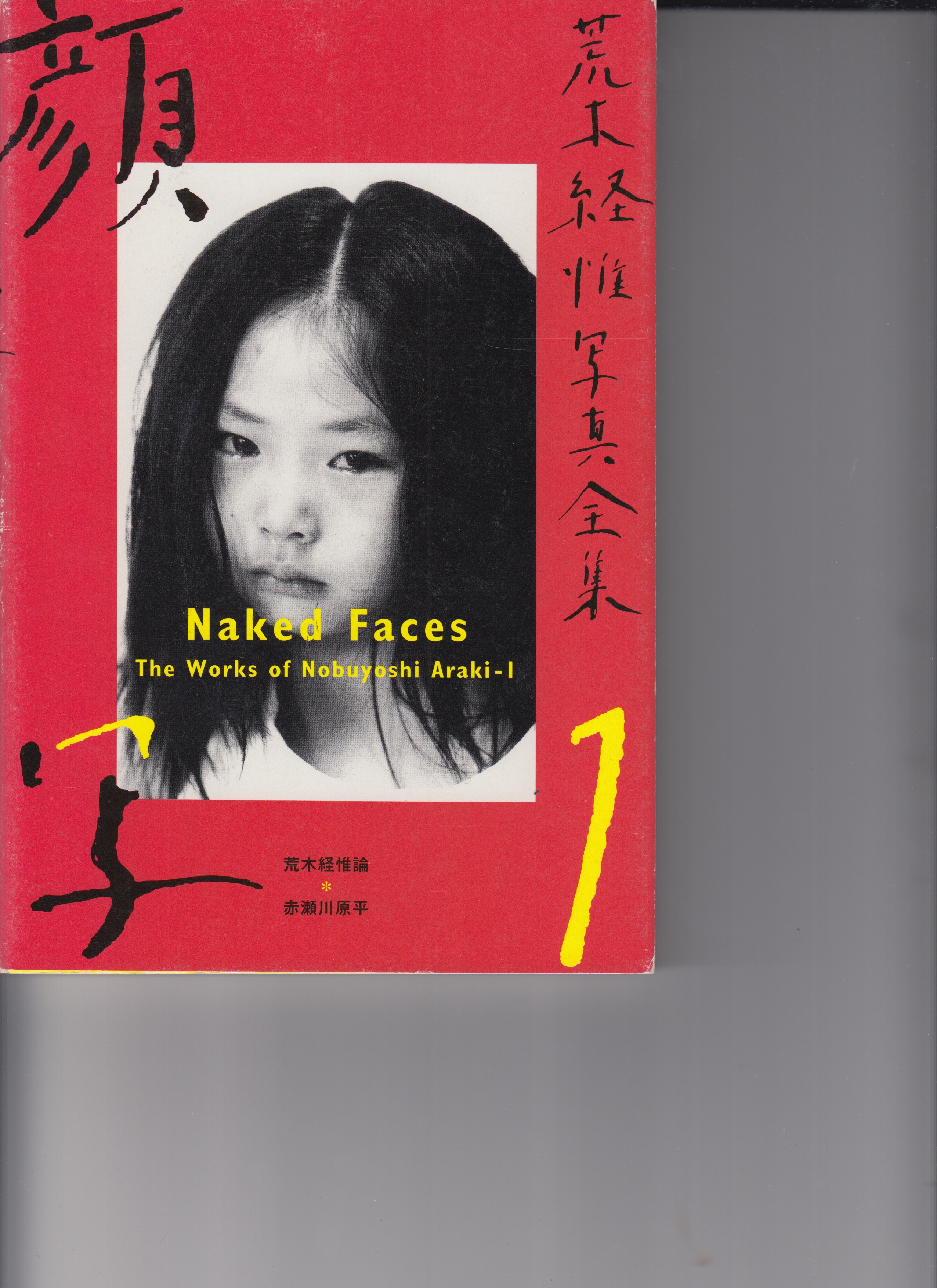
A themed collection of Araki photographs.
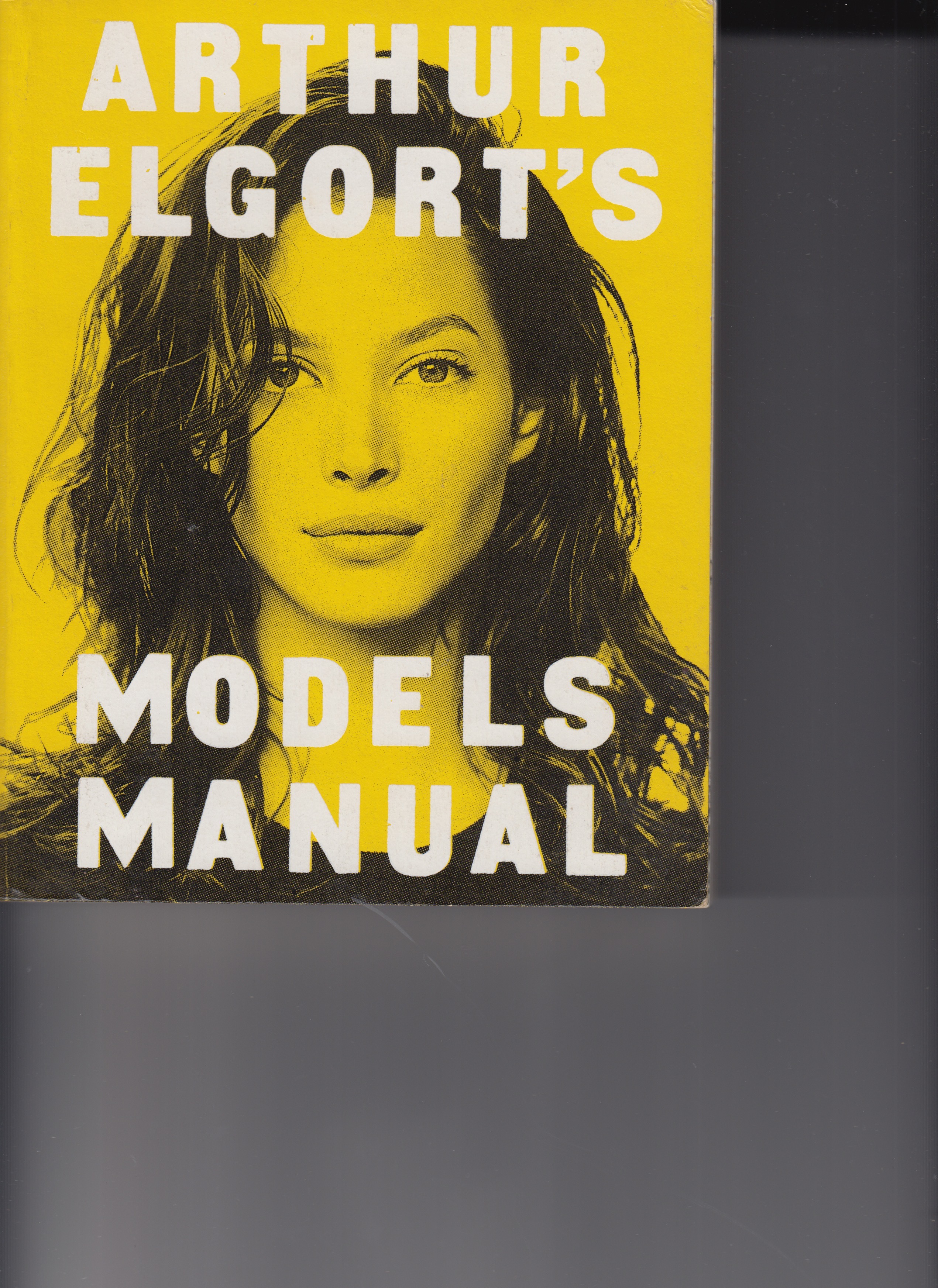
Arthur Elgort, renowned fashion photographer, and top fashion models such as Cindy Crawford, Veronica Webb and Christy Turlington collaborated to create this photo-filled Models Manual – contains interviews with heads of modelling agencies, stylists, make-up artists, fashion editors, and the models themselves.
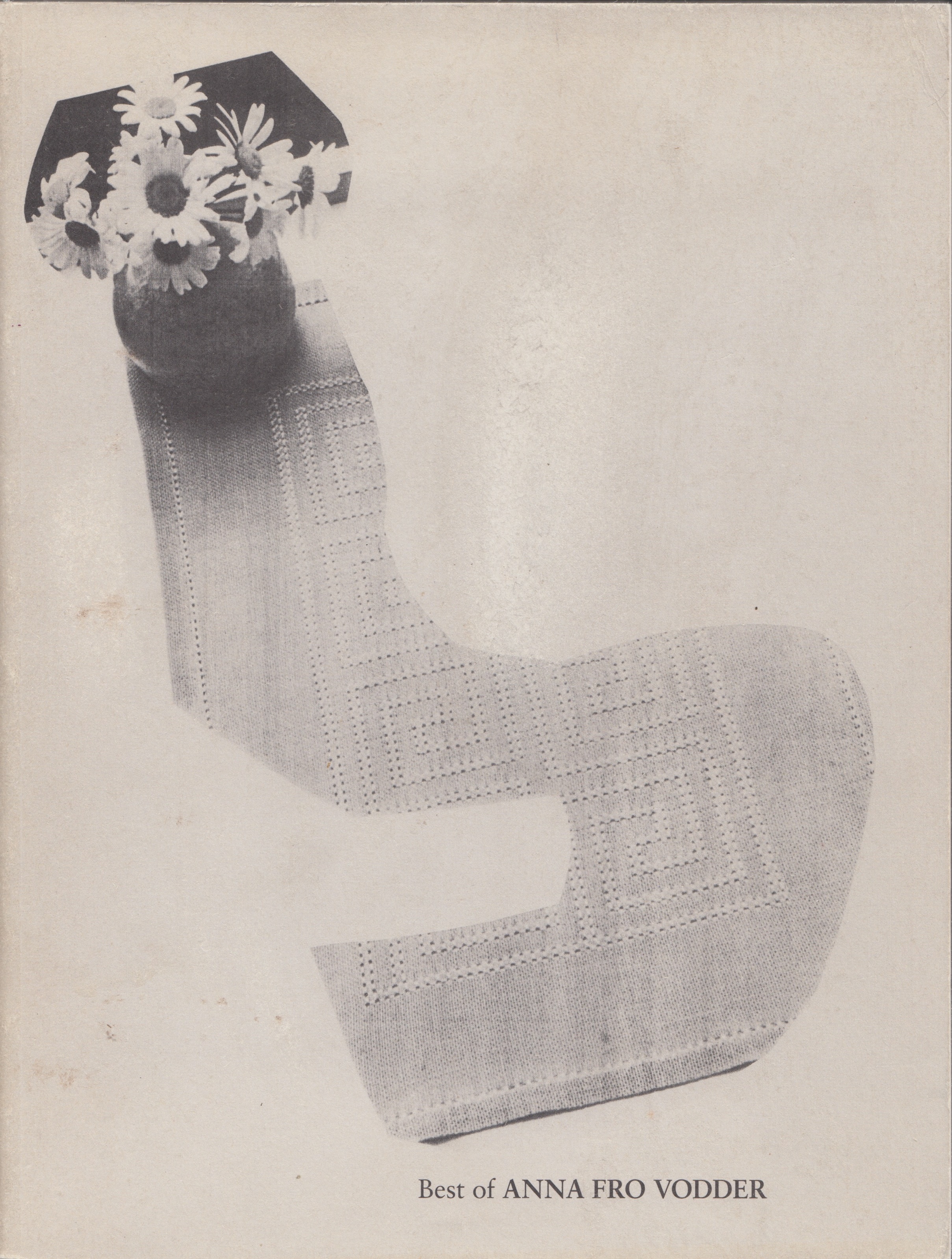
The publication presents selected works between 1998–2008 from Vodder’s oeuvre – spanning painting, drawing, collage, book-objects, and multiples. Her works explore tensions between abstract images and images that depict or carry meaning. Titles, distinct yet understated, are integral, opening a space between word and image. The result is a poetic, conceptual play between language, material, and visual perception.

A collection of writings, poems, plays, games, and correspondence culled from the notebooks of George Brecht and Robert Filliou. The two artists lived in France and ran an a storefront gallery and research space, La Cédille Qui Sourit (the Smiling Cedilla). Operating on the principles of a gift economy, it presented the works and ideas of an international network of friends and collaborators and is a prime example of the collective, anti-commercial Fluxus activities of the 1960s.

S.M.S., founded in New York by William Copley with Dmitri Petrov, was a subscription-based “art in a box” series distributing small, often playful works by mail. Inspired by Marcel Duchamp, it mixed famous and emerging artists across disciplines, all paid equally. Designed to bypass the traditional art market, it fostered accessibility and a collaborative, communal creative environment. Contributors to issue #1 include Su Braden, James Byars, Christo, Walter de Maria, Richard Hamilton, Julien Levy, Kasper König, Sol Mednick, Irving Petlin, Nancy Reitkopf, La Monte Young and Marian Zazeela.

Eyes For Blowing Up Bridges explores the radical artistic networks linking post-war countercultural movements—from Situationism to Beat and Punk. Featuring rare materials, it traces the creative exchange between figures such as William S. Burroughs, Guy Debord, Asger Jorn, Alexander Trocchi, and King Mob, and their influence on Malcolm McLaren’s disruptive cultural experiments across art, fashion, music, and film.

Portraits of composers and musicians from 1940-1979.
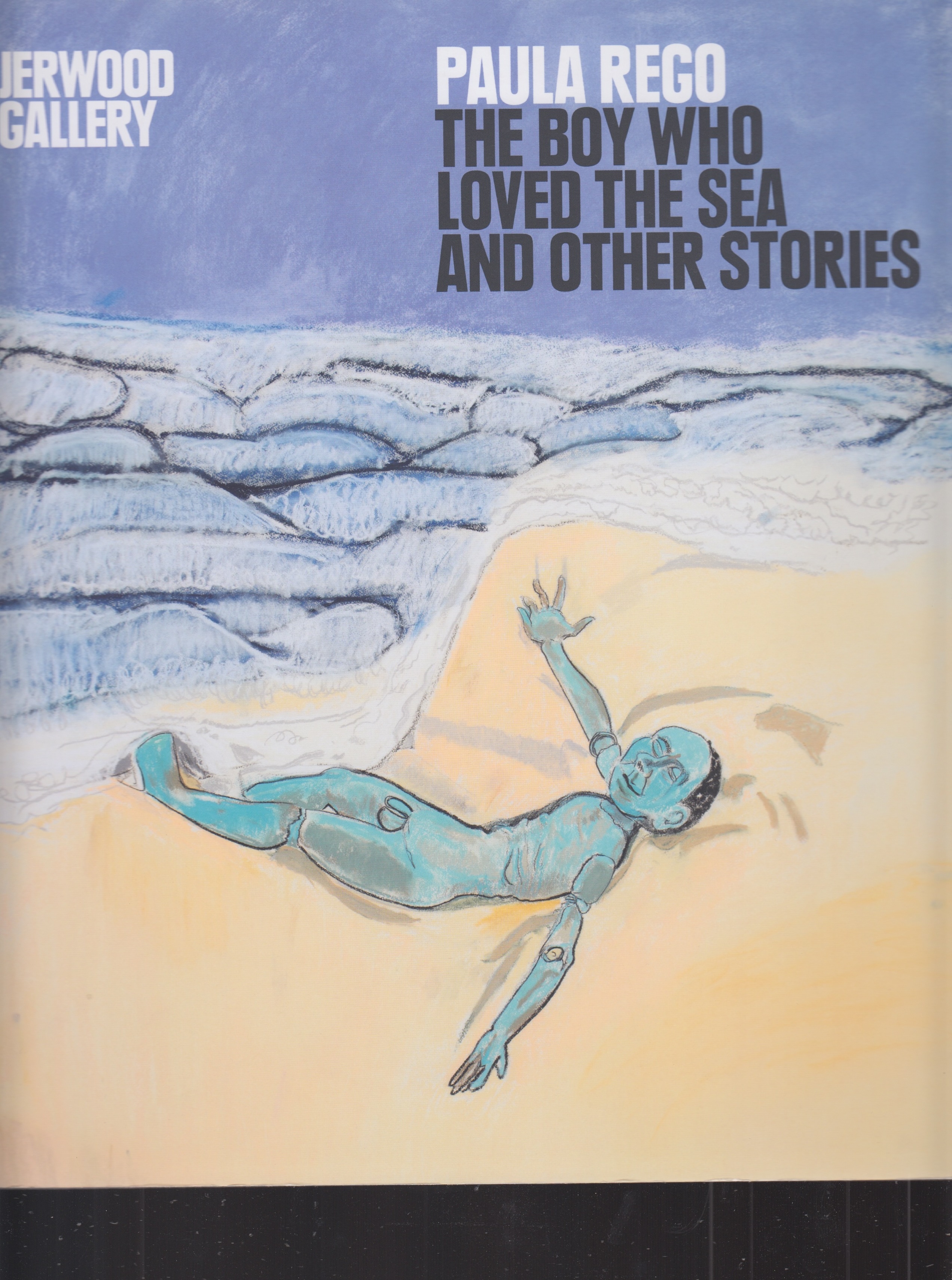
Publication accompanying an exhibition at the Jerwood Gallery, showcasing the unique, often dark and macabre, artistic style of painter Paula Rego.
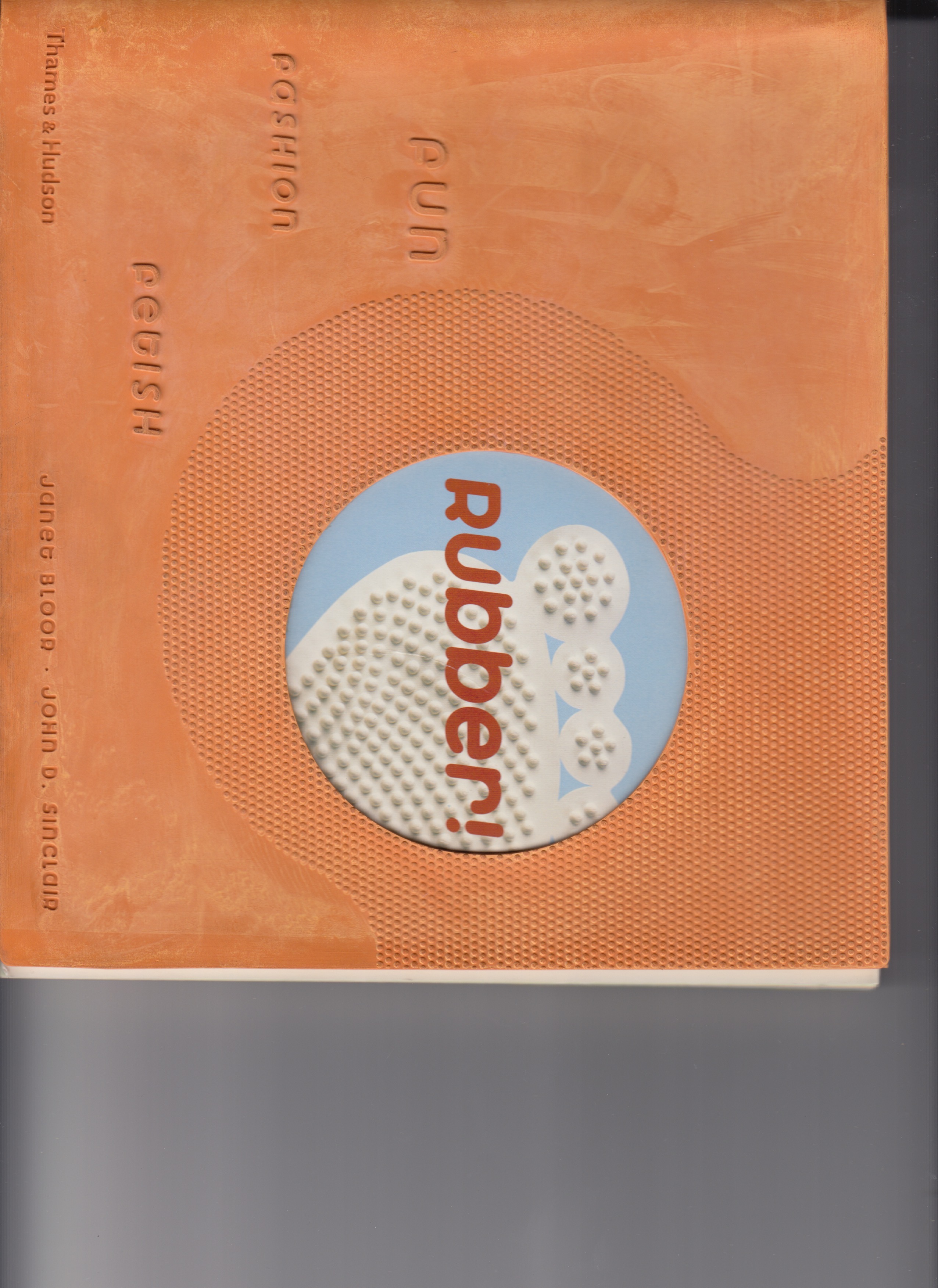
This book explores the versatility and playful nature of rubber, tracing its forms, uses, and transformations in everyday objects, art, fashion, and design—from toys and clothing to surreal works like Dali’s melting clocks. Its textured rubberized cover enhances the tactile experience, celebrating rubber’s creativity, diversity, and sensory appeal.
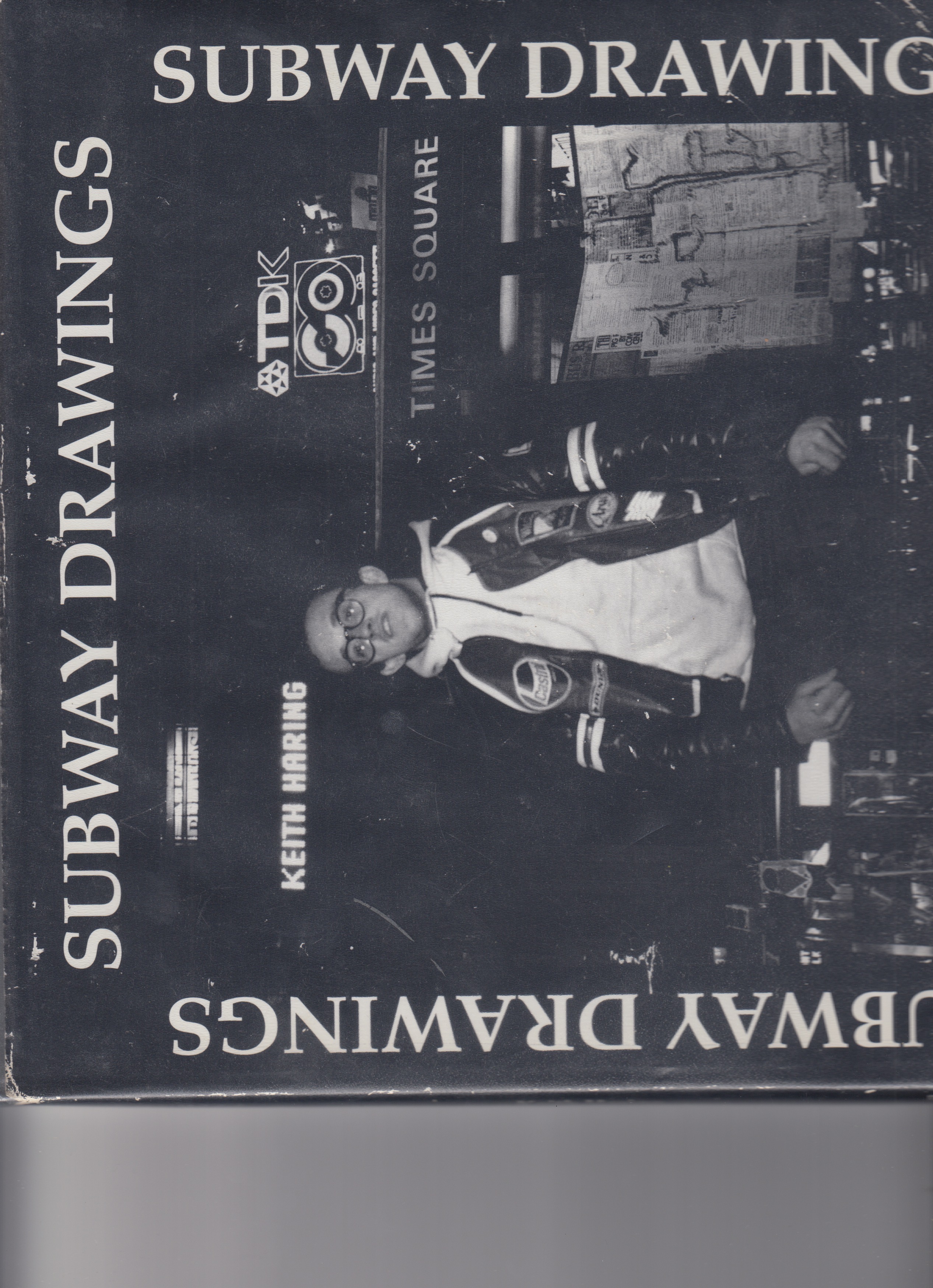
While Haring's career involved a diverse range of art making—painting, drawing, performance, video, murals, and art merchandising, he drew over 5,000 chalk drawings over a 5 year period, from 1980 to 1985, in New York City subway stations. These have become his most well known and celebrated works, and this book present them together.
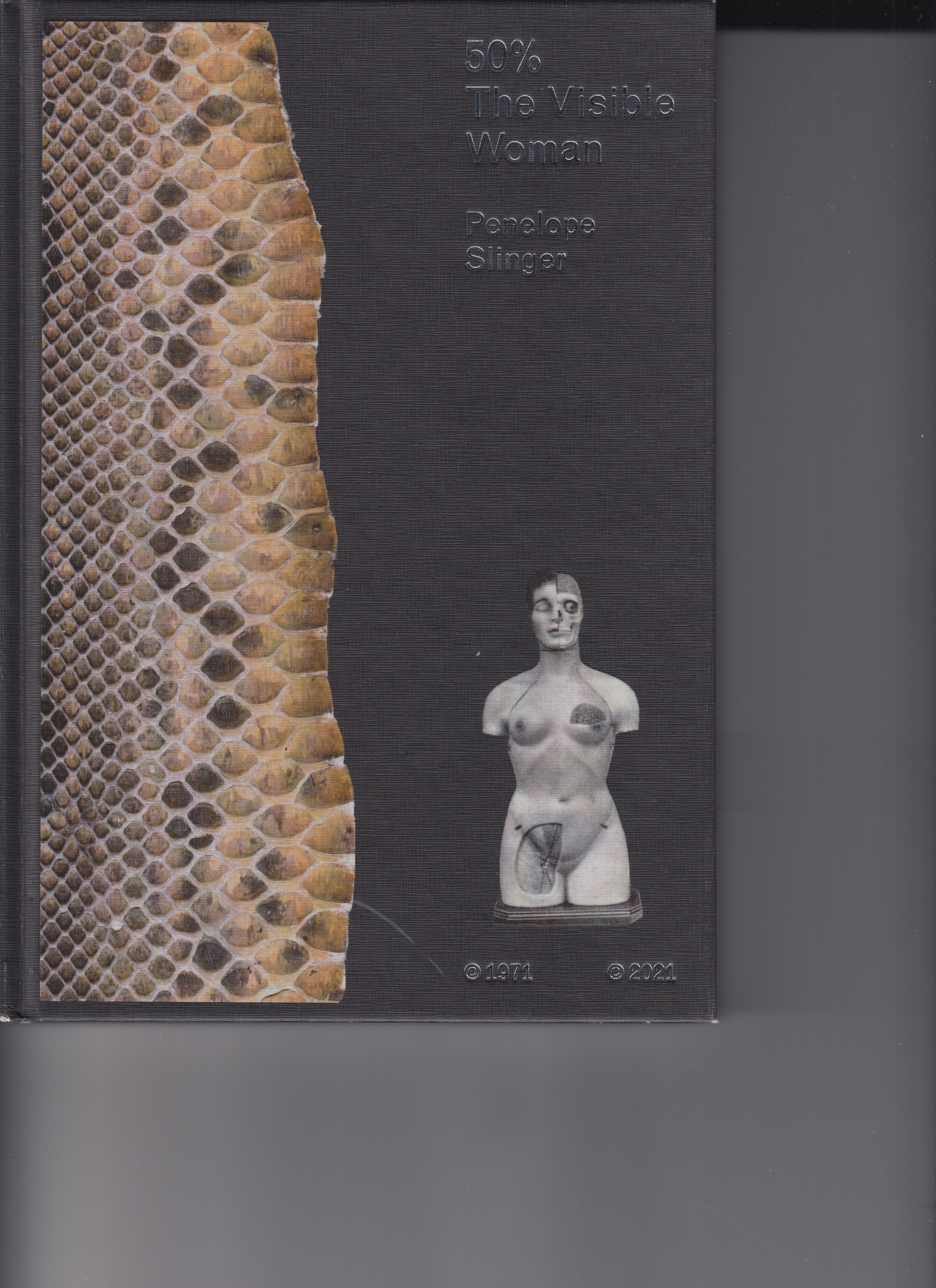
Released on the 50th anniversary of the publication of Penny Slinger's iconic artists’ book 50% The Visible Woman, this edition presents Slinger’s series of surrealist photomontage works and poetry unabridged for the first time, following the hand-constructed snakeskin-bound book from 1969, and the out-of-print abridged edition from 1971.
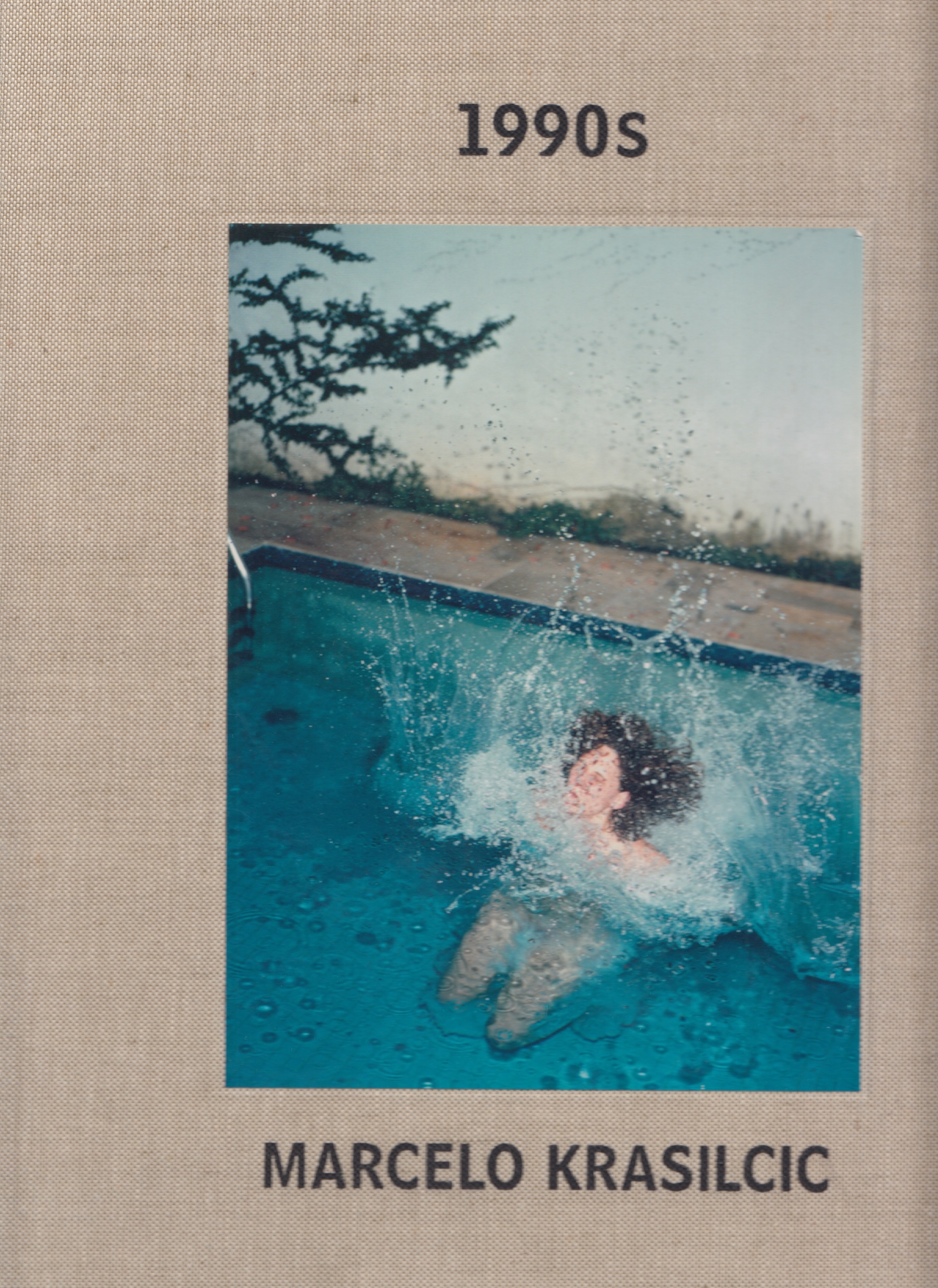
Part of the generation of photographers that included Juergen Teller and Terry Richardson, Marcelo Krasilcic captured the style of the 90s in situ, outside of the studio, and his photographs of people like Maurizio Cattelan, Chloe Sevigny were immediately absorbed by the most influential magazines of the era, including Purple, Dazed & Confused, Self-Service and Visionaire to name a few. At more than 300 pages, this oversize, slipcased, clothbound, two-volume publication features only the work for which Krasilcic first became known: his era-defining photographs from the 1990s.
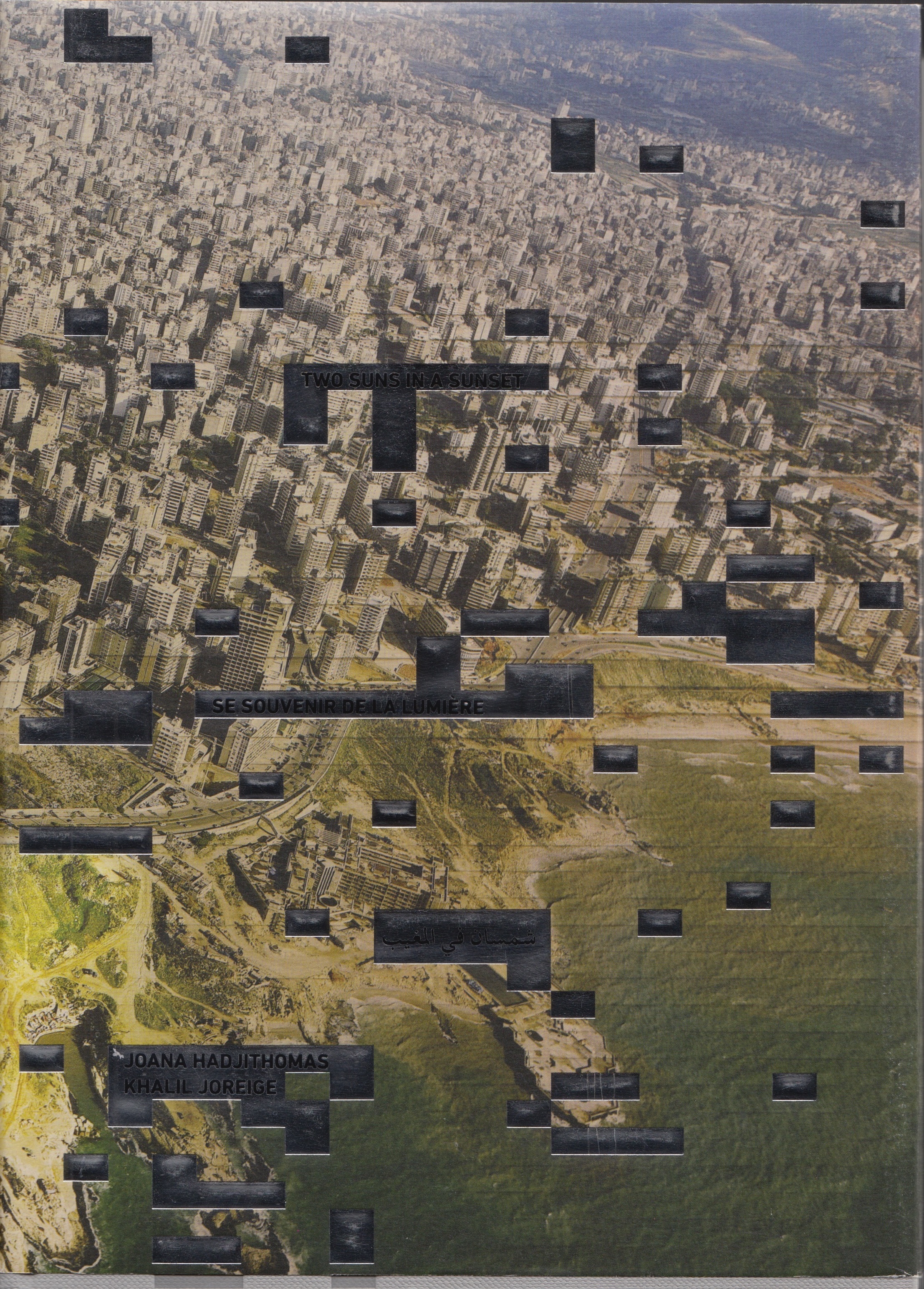
Inspired by found objects, personal archives and poetic experiences, Lebanese artists and filmmakers Joana Hadjithomas and Khalil Joreige invent a unique way of to navigate between art and film. Their documentaries, fictional films, photography, art installations, texts and performances develop narratives and images around stories kept secret, acting as a resistance to official history.

A catalouge of photographs and drawings by Paul Outerbridge between 1921 and 1941.
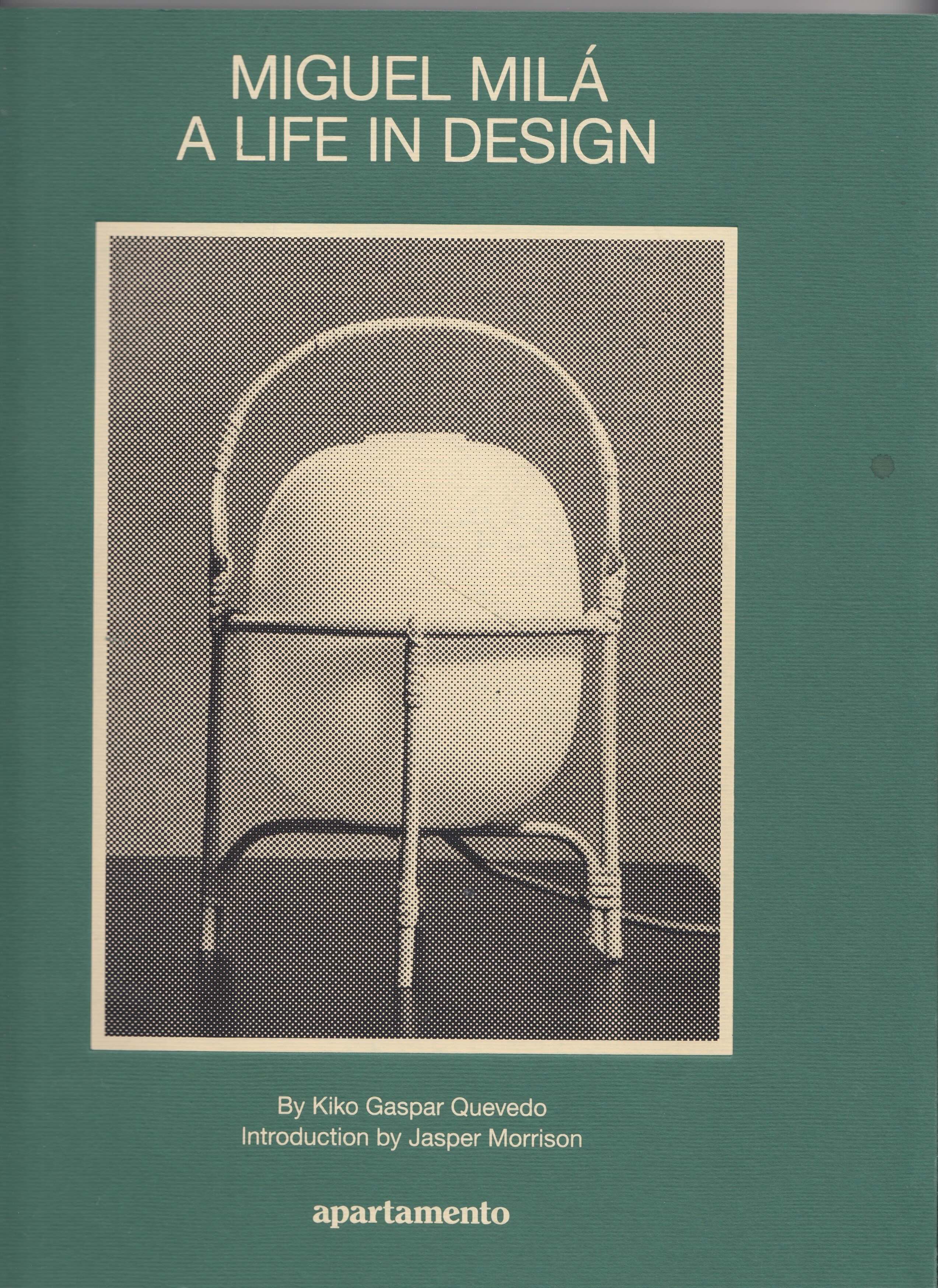
Miguel Milá: A Life in Design is a detailed look back through most emblematic works of interior designer Miguel Milá, produced between 1956 and 2021, with archival photos and drawings, as well as original photos shot at Milá’s Barcelona home by Nacho Alegre.

A Following the release of the first seven volumes of Top Symbols and Trademarks, the editors returned to the project in 1977 with a series of four yearly annuals, 1977, 1978, 1979/80 & 1981/82. This is volume 9 looking at the year 1978.
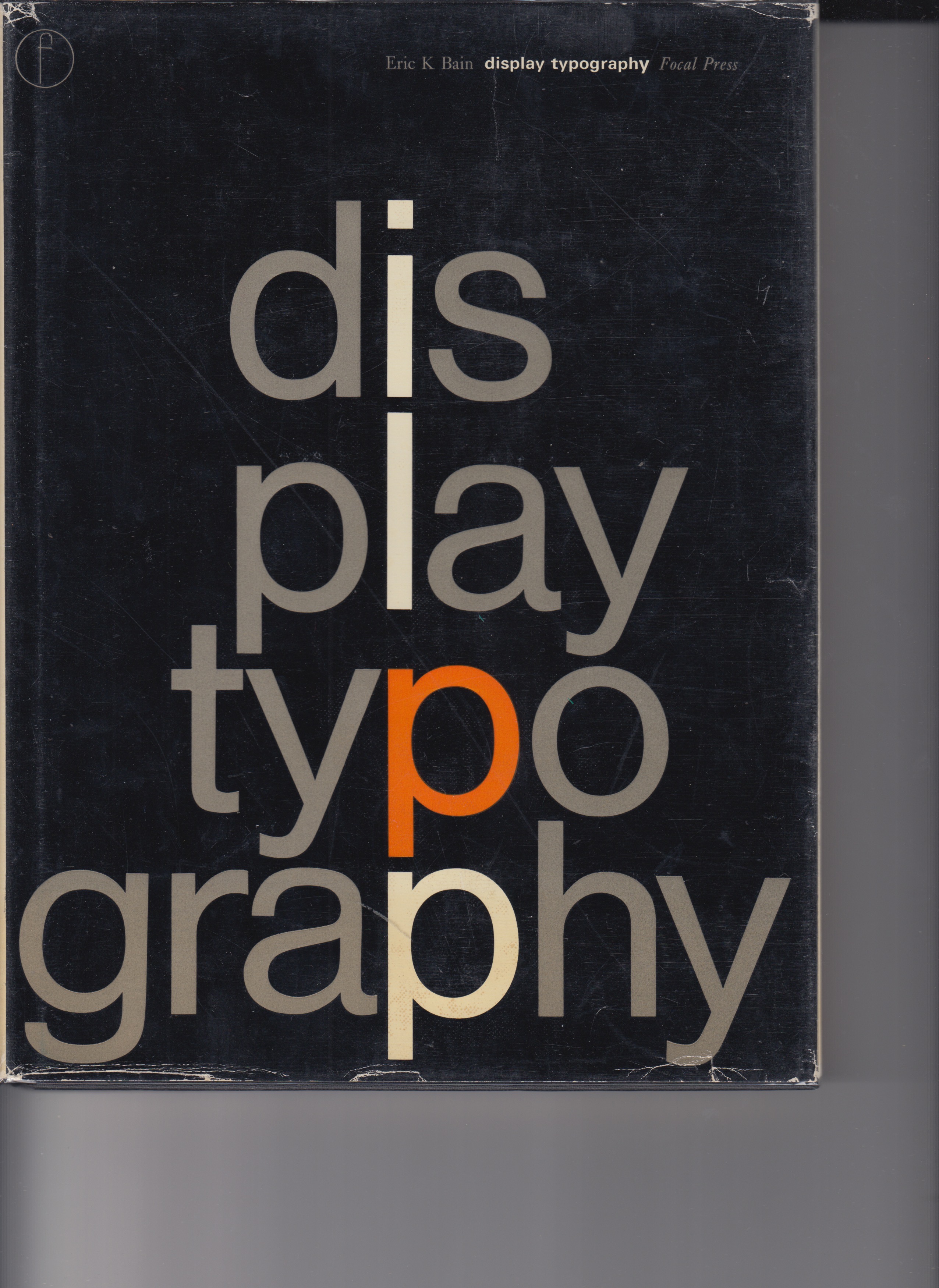
A guide to typography.
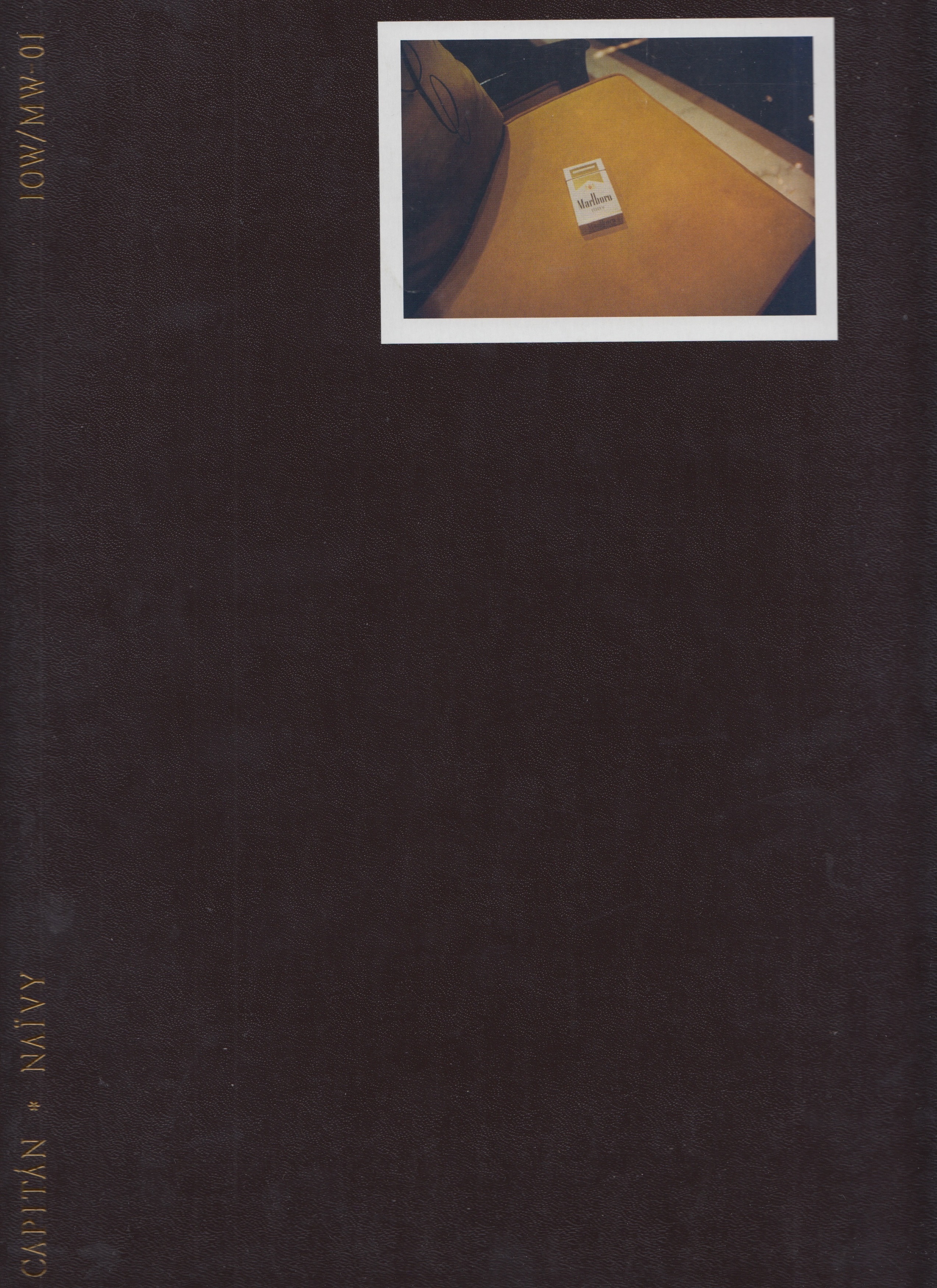
Naïvy by Coco Capitán presents the artists paintings, large-scale photographs, and artist-embellished found objects, which expands upon the visual possibilities that open up to the artist through contemplation of an iconic form of apparel: the sailor suit.
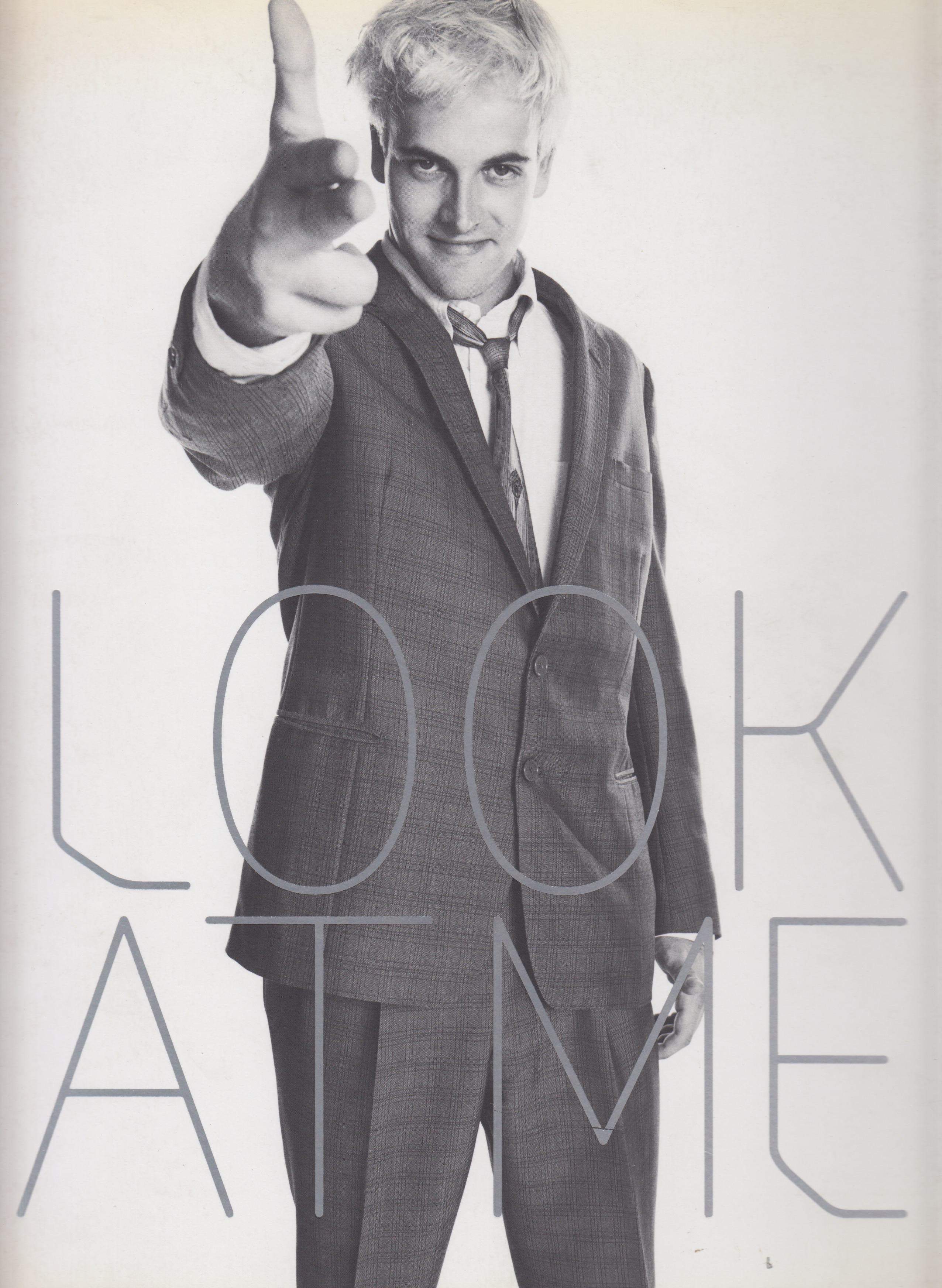
An exhibition catalogue to accompany the exhibition of the same name at Getty Gallery 2006. This collection includes images of globally renowned actors and musicians, drawn from Agius's vast and acclaimed body of work dating from the mid-1990.

“Shifting Cosey Fanni Tutti from noun to verb” & “discussing and theorising Cosey as methodology,” this book follows the one-day event conceived by Maria Fusco, in collaboration with Richard Birkett, at ICA London, on March 27, 2010.
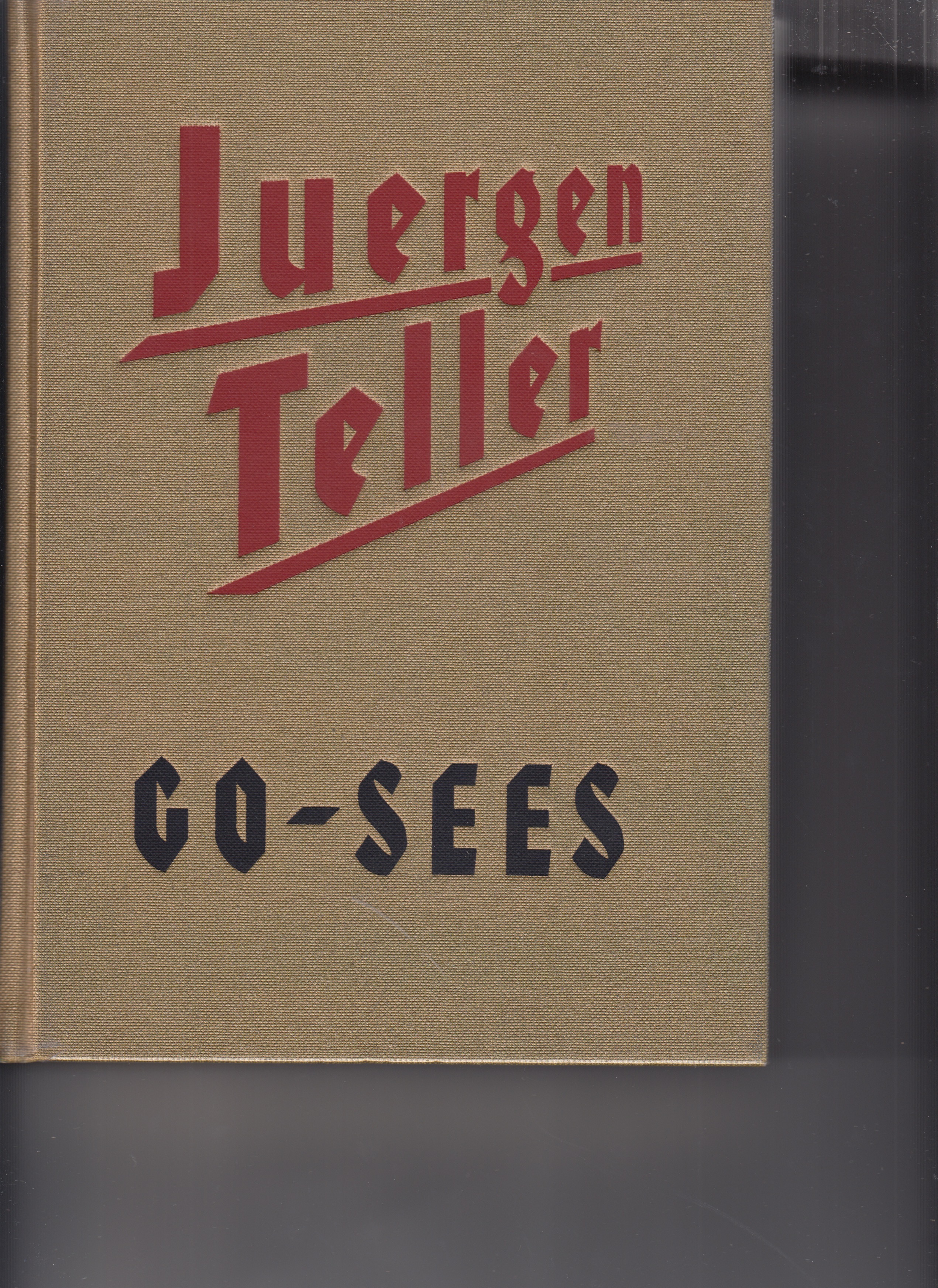
Juergen Teller’s most cult book documents a year from May 1998 to May 1999 of casting sessions outside his studio in West London. The mythical, intimate and vulnerable process of a go-see is put under a microscope, revealing raw documentary-style images of models at the start of their career. Amongst the new faces are Debra Shaw (with her dad in the car behind her), Mariacarla Boscono, Adrianna Lima and Devon Aoki.
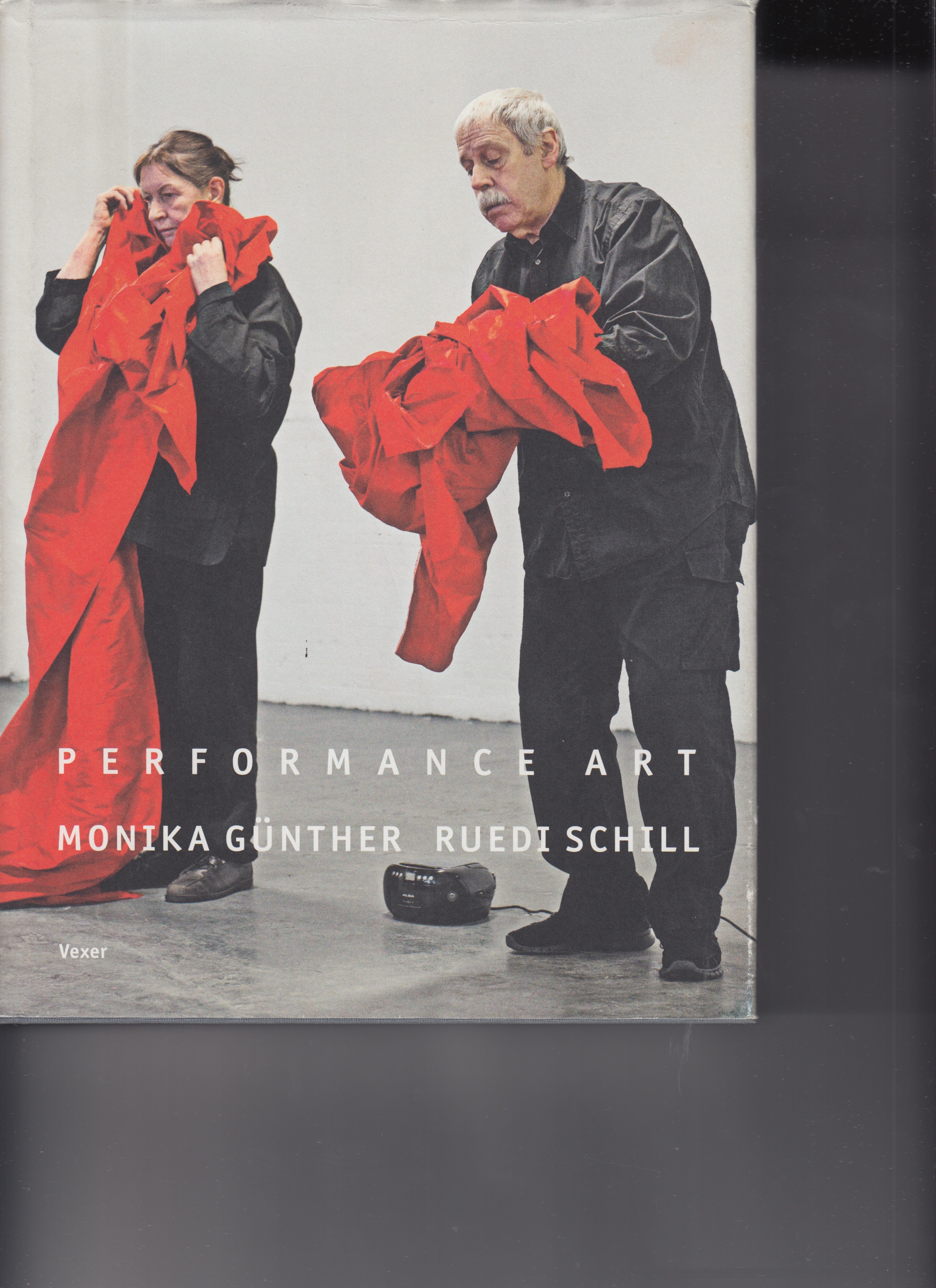
Monika Günther and Ruedi Schill began contributing to the development, promotion and dissemination of performance art in the 1980s. Their archive is compiled into this book for the first time, a large selection of photographs and essays serve recreates the physical presence of the participants and the atmosphere of their performances.

Yellows arises from Akira Gomi's nearly obsessional documentation of body-types. His Post-Modern approach to the concept of "types" combines an ironic catalogue of data. What can we tell from a naked body, its form, posture, and expression, and what do we project? Yellows is a brilliant exploration of the non-sexual nude and an interesting peek into the obscenity restrictions of the Japanese publishing industry.

A collection of different designs of Rock band T-shirts.
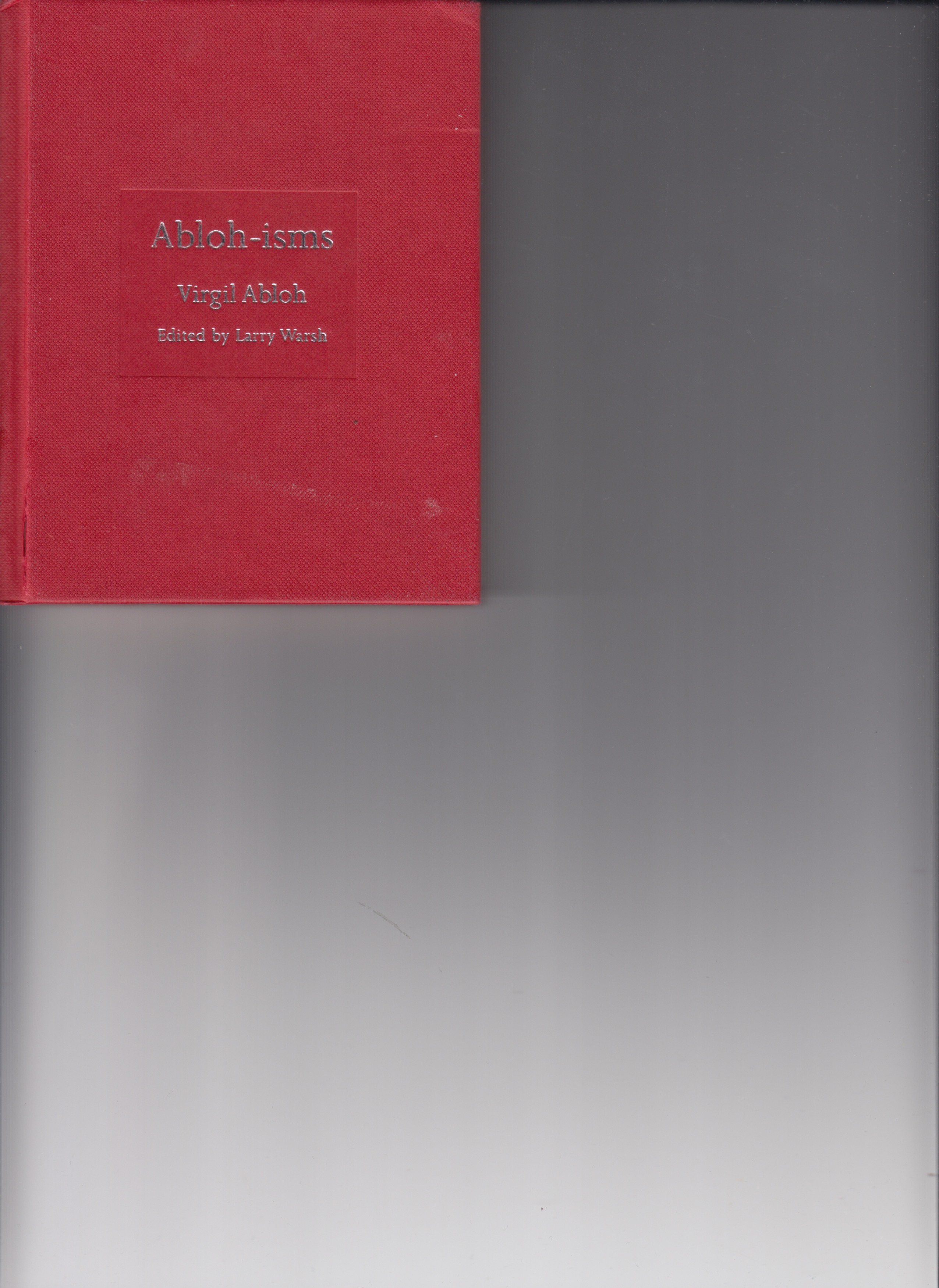
Abloh-isms is a collection of essential quotations from American fashion designer, DJ, and stylist Virgil Abloh, who was a major creative figure in the worlds of pop culture and art.
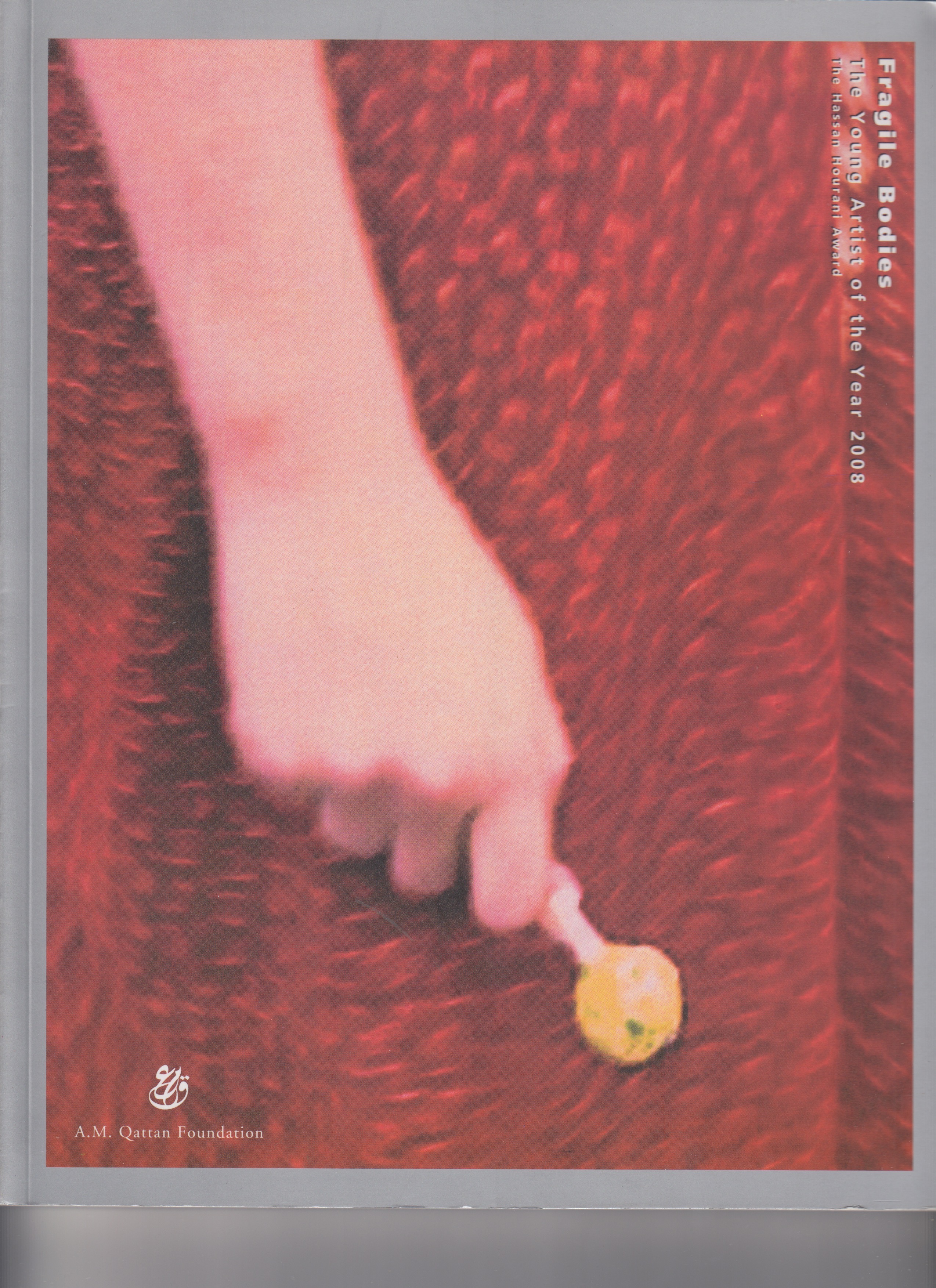
This book presents the work of finalists of The Hassan Hourani Award.

S.M.S., founded in New York by William Copley with Dmitri Petrov, was a subscription-based “art in a box” series distributing small, often playful works by mail. Inspired by Marcel Duchamp, it mixed famous and emerging artists across disciplines, all paid equally. Designed to bypass the traditional art market, it fostered accessibility and a collaborative, communal creative environment. Contributors to Issue #5 include Angus MacLise, Edward Fitzgerald, Diane Wakoski, Mel Ramos, Bruce Nauman, Yoko Ono, Wall Batterton, Lawrence Weiner, Robert Rohm, William Schwedler and William Nelson Copley.
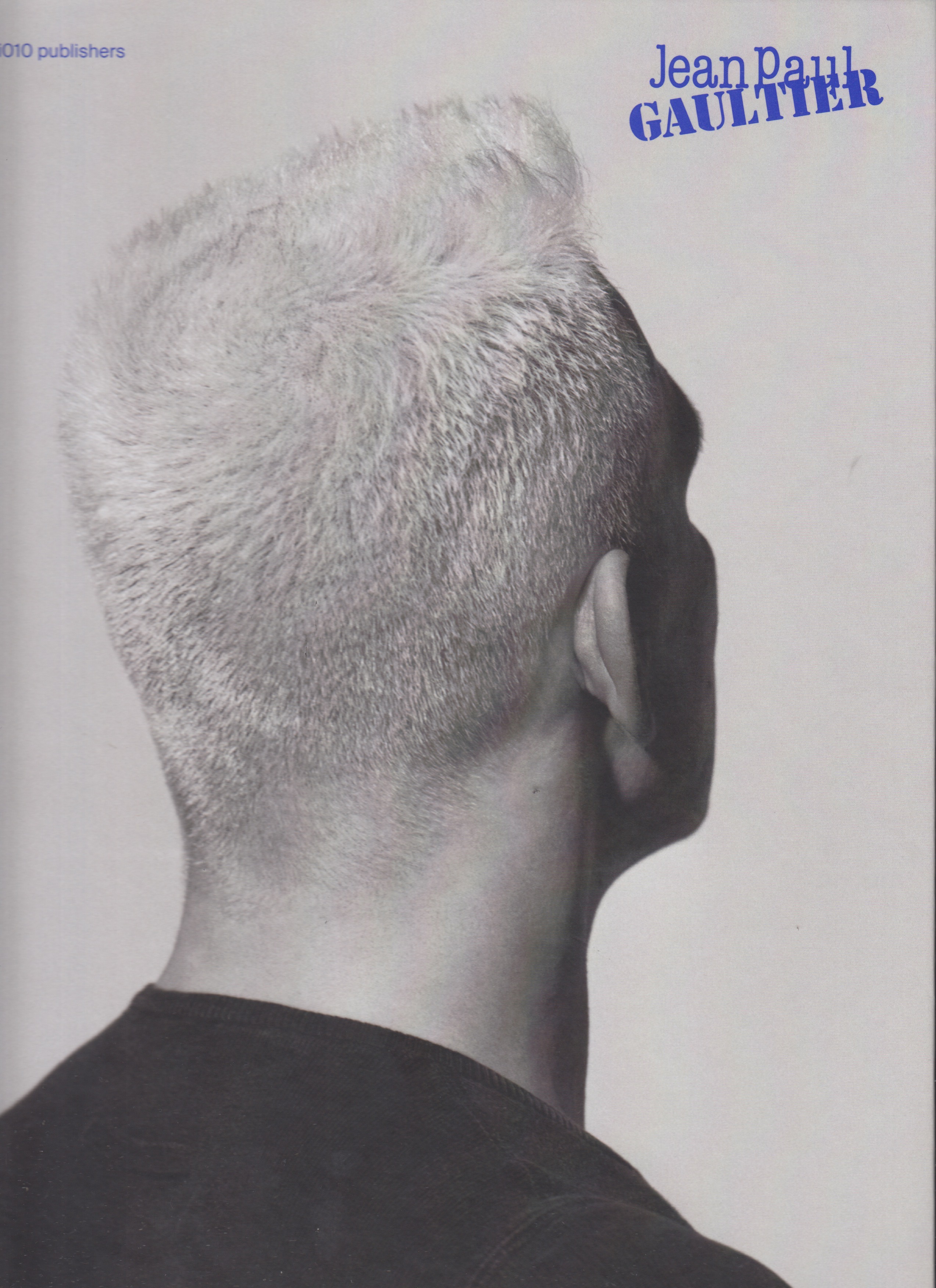
Covering more than five decades, this publication gives a dazzling review of the great enfant terrible of French fashion, Jean Paul Gaultier (born 1952). Displaying Gaultier's oeuvre alphabetically--including iconic pieces such as Madonna's corsets and Kylie Minogue's stage costumes--Jean Paul Gaultier: From A to Z examines the designer's singular aesthetic from all angles while exploring his different influences: from cinema to dance, from Frida Kahlo to sailors.
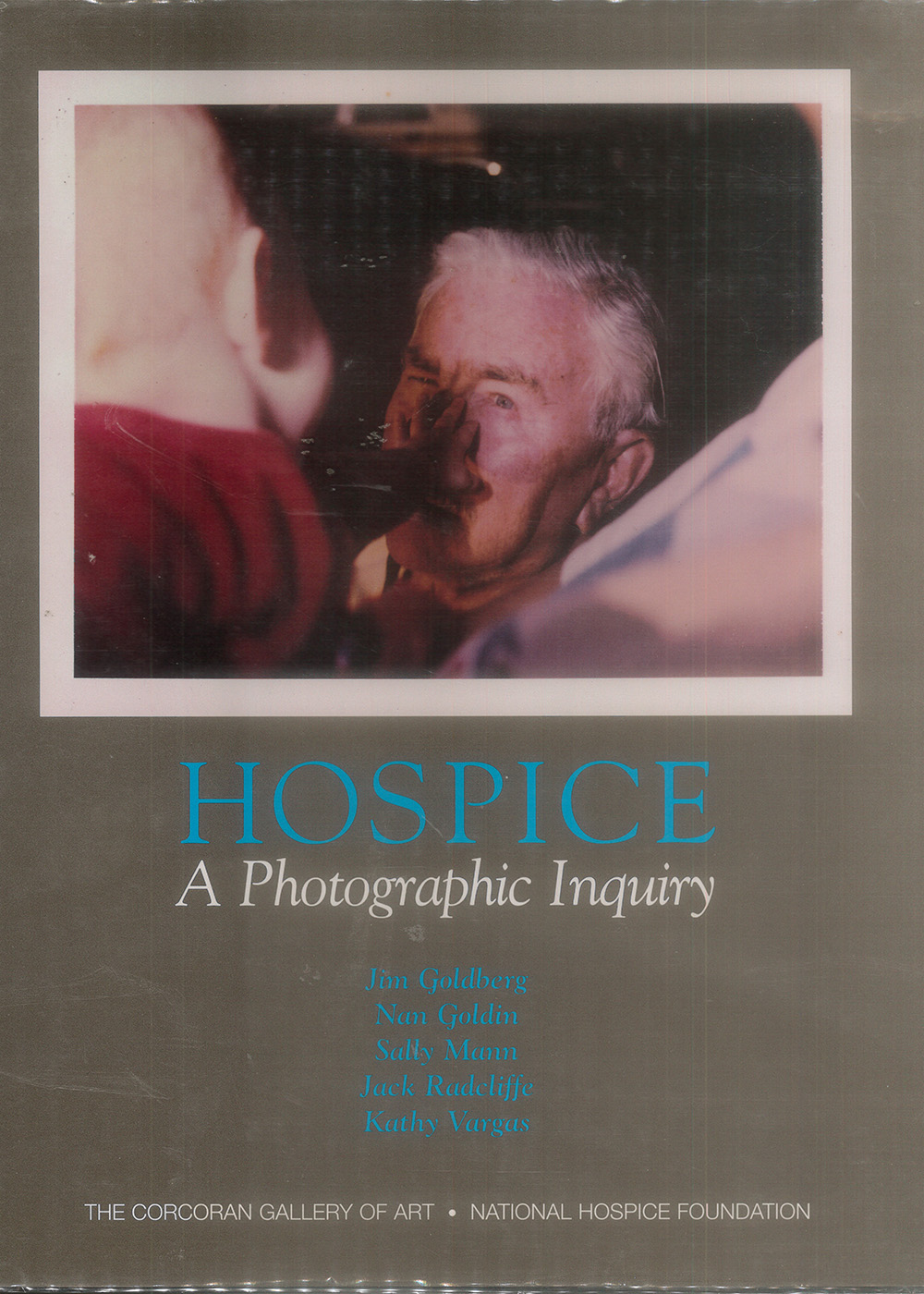
This book is an extenstion of a photography exhibition that took place at The Corcoran Gallery of Art in 1996.Featuring photographs by Jim Goldberg, Nan Goldin, Sally Mann, Jack Radcliffe, and Kathy Vargas, the images explore and communicate to the public the experience and meaning of hospice care. The approaches of the five artists vary substantially in their style and subject matter, ranging from dark and intense to images of smiles and loved ones.

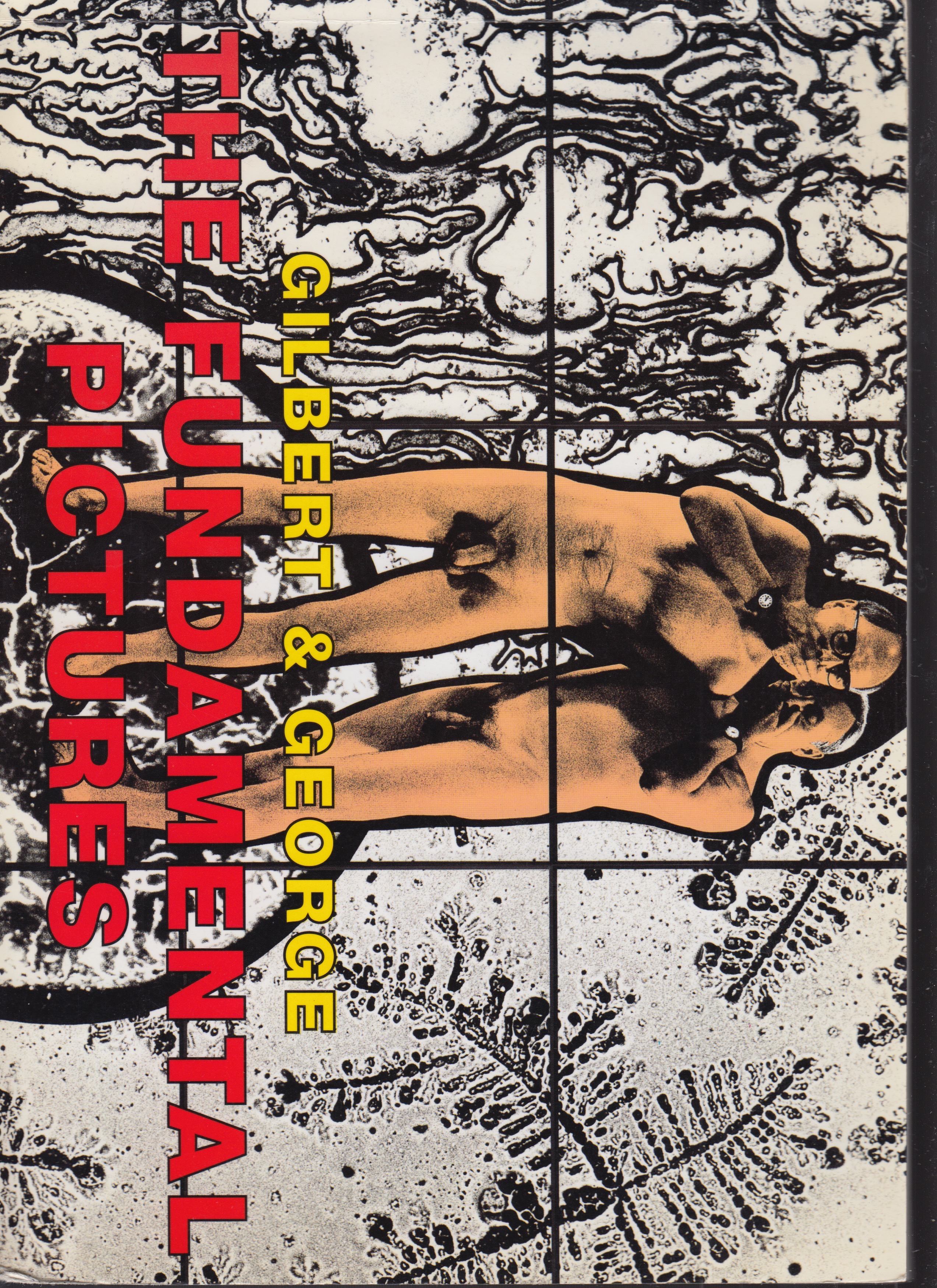
The Fundamental Picture is a series of thirty-nine works by English artists Gilbert & George that was exhibited simultaneously at the Lehmann Maupin and Sonnabend Galleries from 3 May through 28 June 1997.
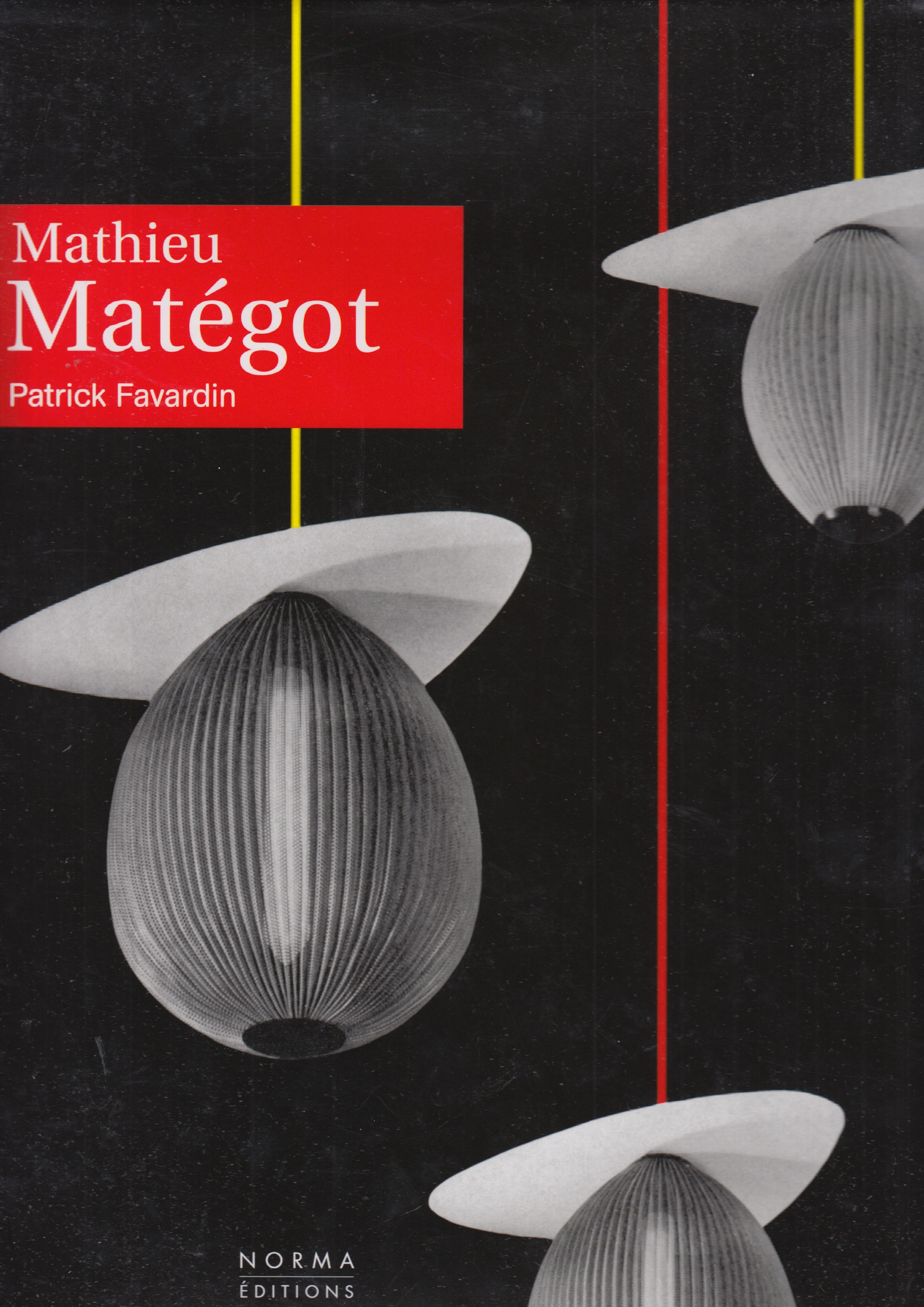
Mathieu Matégot (1910–2001) was a prominent French-Hungarian designer, decorator, and artist known for his work with perforated sheet metal (Rigitulle) and tapestries. This book reflects on Matégot's entire career, from his discovery of perforated metal during World War II to his last tapestries in the 1980s.

I colori del ferro blends industrial materials and contemporary art, combining photographers by renowned photographers with technical macro shots of steel and industrial scenes. An essay by Umberto Eco and captions by engineer Gino Papuli provide aesthetic, technical, and conceptual insights, creating a sophisticated dialogue between industry and art.
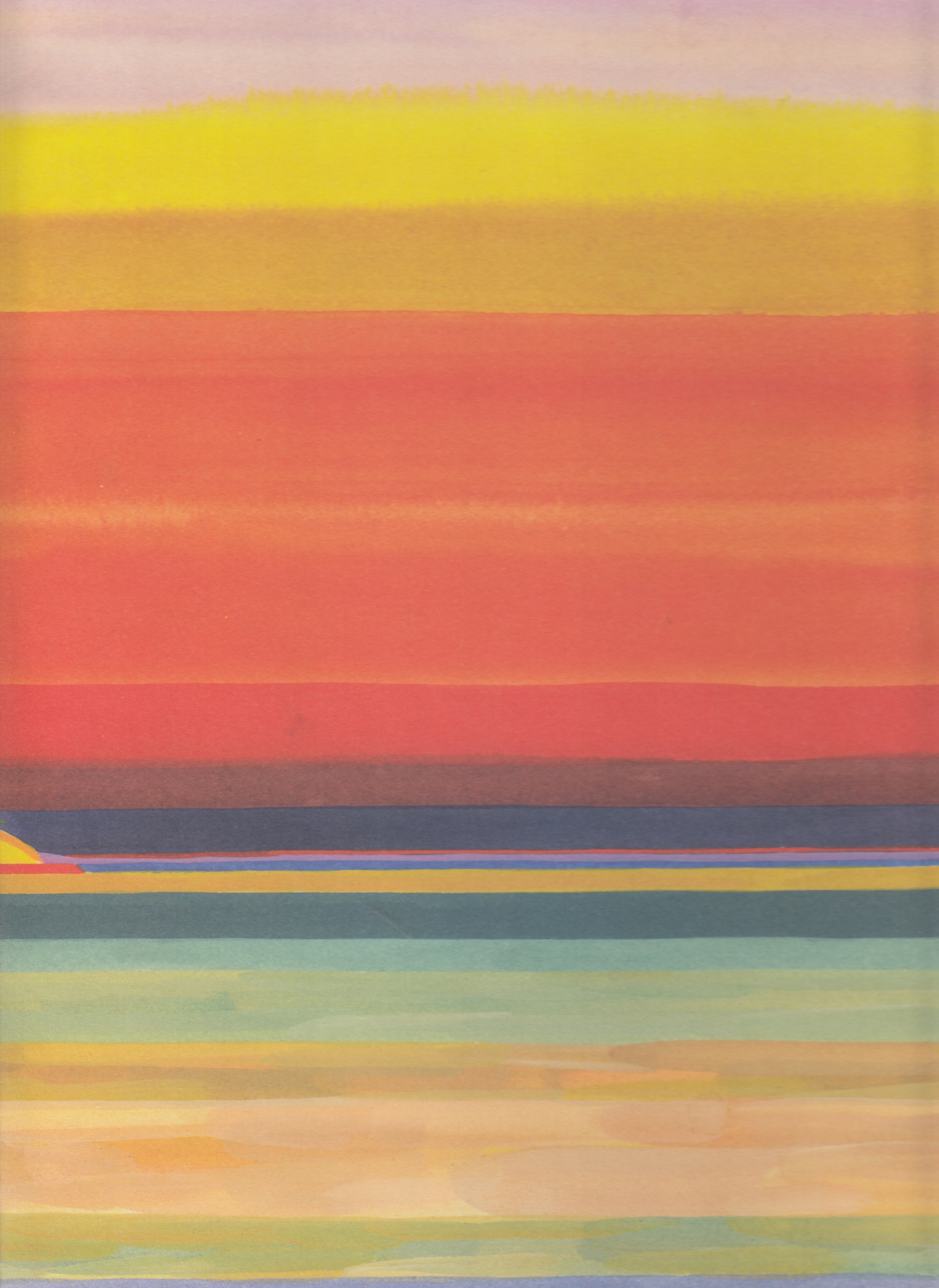
First in the Song Reader series from A24, Emile Mosseri's Minari score gets the visual treatment in this illustrated 9x12" box set.

The book was published on the occasion of the inauguration of the A.M. Qattan Foundation’s new building, Subcontracted Nations was a group exhibition that questions differing concepts of nation.

Charlotte Perriand (1903-1999) is undoubtedly one of the most significant figures in 20th-century interior design. This is the first monograph of her works.

Elegant and instructional, this book is a celebration of beauty and a remarkable showcase of the talents of an artist ho has defined the look of the '90s.
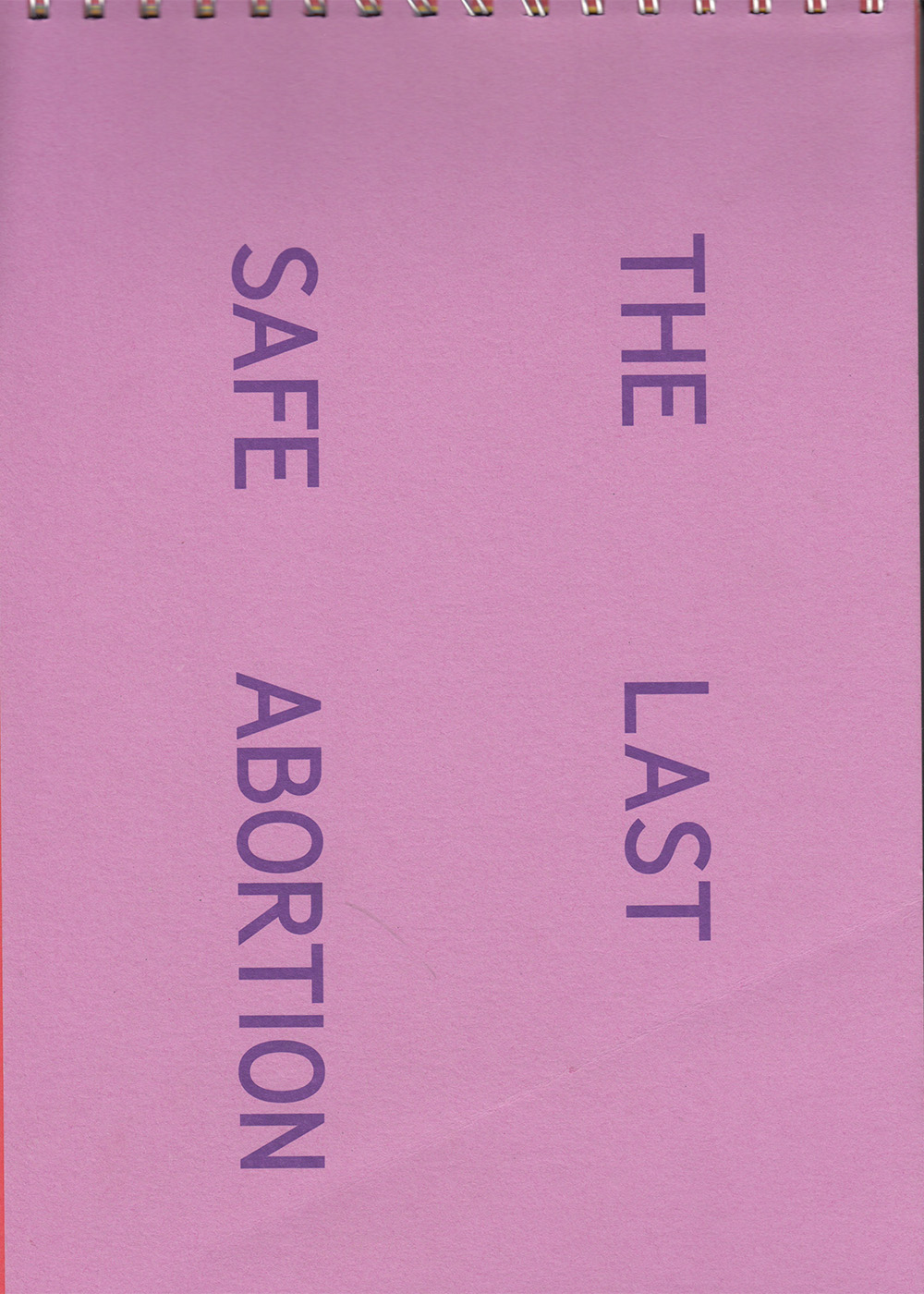
Focusing on the near-fifty-year period in which abortion was legal in the United States (1973–2022), The Last Safe Abortion recognises the care, advocacy, and community-building of abortion workers. Artist Carmen Winant draws from over a dozen personal, organisational, and institutional archives from across Midwest America. The photographs themselves are surprisingly regular. In centring the tender, quotidian, and routine acts that inform this healthcare work, Winant works to counter the ways anti-choice activists have weaponised photography by proposing a visuality that attends to abortion care. The Last Safe Abortion presents a selection of this vast collection of photographs, accompanied by a text by Winant.

A captivating look at the career of social and style revolutionary Vidal Sassoon. A visionary hairstylist who became a household name, Vidal Sassoon was an instrument of change during the cultural shifts of the 1960s.

Fashion Photography 1950-1975 is a book by German photographer F.C. Gundlach that showcases his iconic work during that period. His photos are known for blending social commentary with fashion, reflecting the spirit of the times and influencing fashion perception in Germany and beyond.
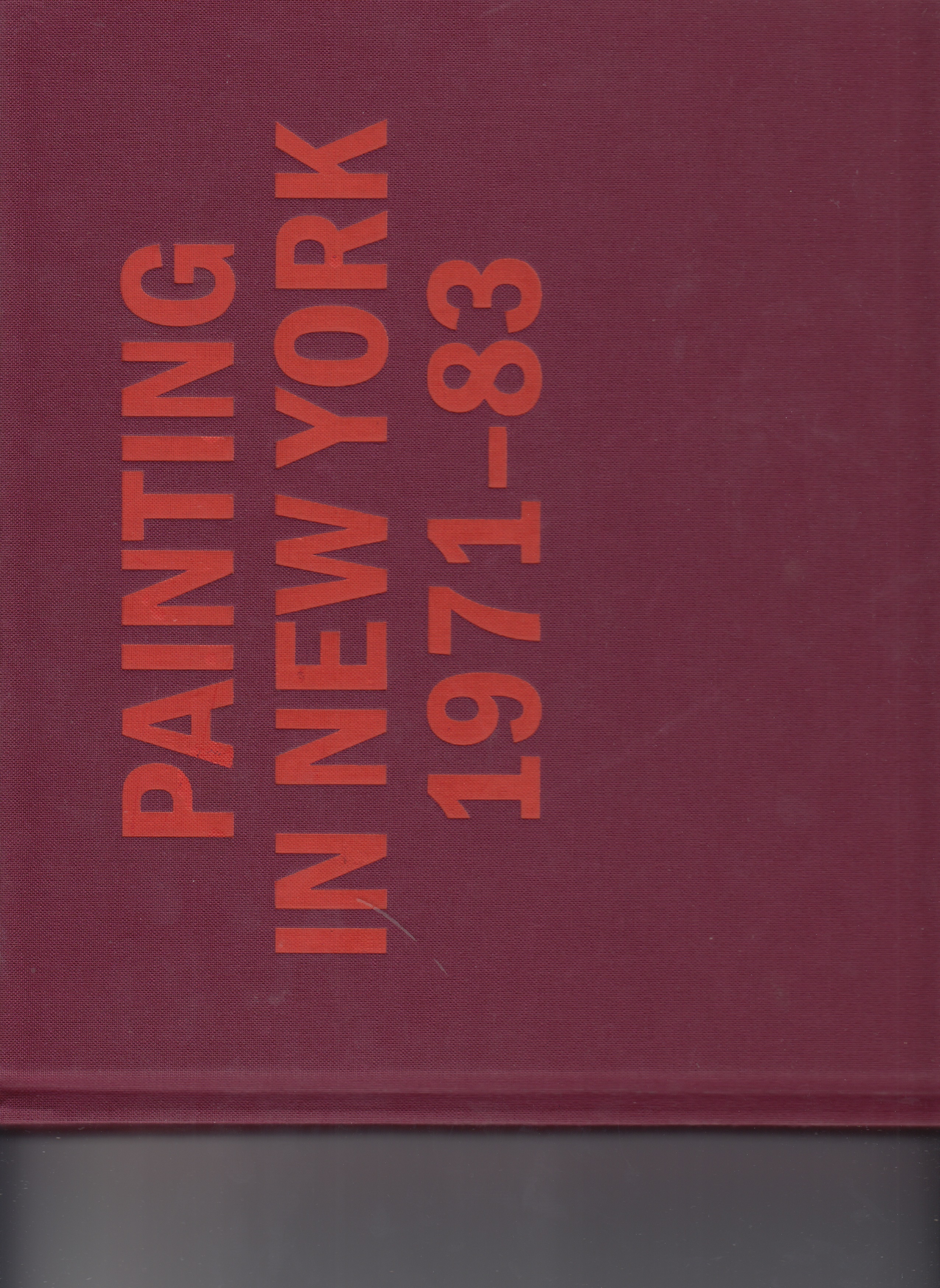
Published to follow the landmark exhibition at Karma Gallery, New York, this catalog unites the works of 30 women painters who were active in New York City during the 1970s. Artists include: Emma Amos, Ida Applebroog, Jennifer Bartlett, Betty Blayton, Vivian Browne, Cynthia Carlson, Martha Diamond, Louise Fishman, Suzan Frecon, Nancy Graves, Cynthia Hawkins, Mary Heilmann, Virginia Jaramillo, Jane Kaplowitz, Harriet Korman, Lois Lane, Helen Marden, Dindga McCannon, Ree Morton, Elizabeth Murray, Ellen Phelan, Howardena Pindell, Sylvia Plimack Mangold, Faith Ringgold, Dorothea Rockburne, Susan Rothenberg, Joan Semmel, Jenny Snider, Joan Snyder, Pat Steir.
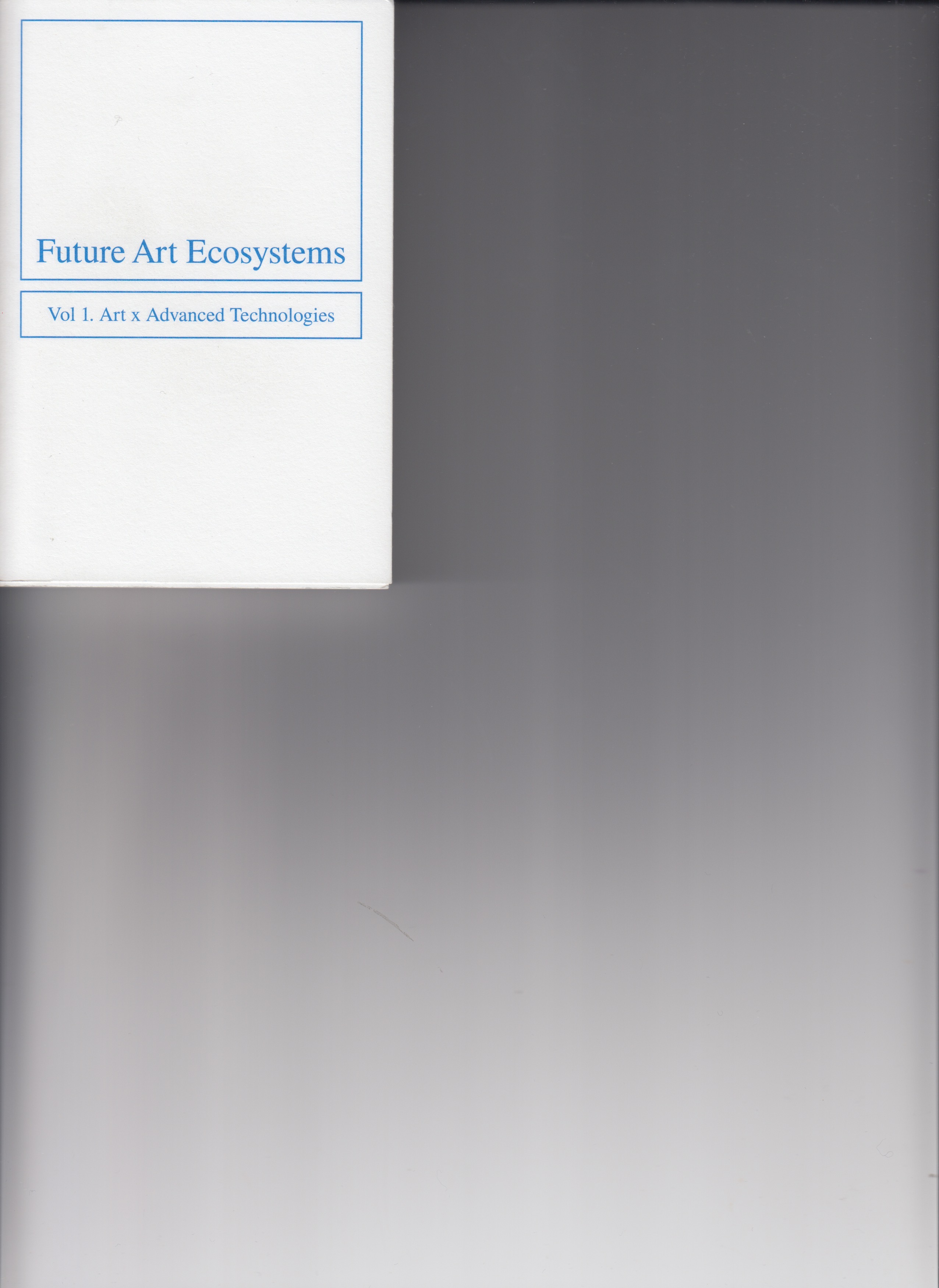
The inaugural Future Art Ecosystems report examines emerging infrastructures supporting artistic practices engaged with advanced technologies. Drawing on research by the Serpentine Galleries, it includes insights from artists such as Hito Steyerl, James Bridle, Ian Cheng, and Jakob Kudsk Steensen. Through interviews with creatives, technologists, and researchers—including Refik Anadol and teamLab—the publication explores how art, technology, and innovation are shaping future cultural ecosystems.
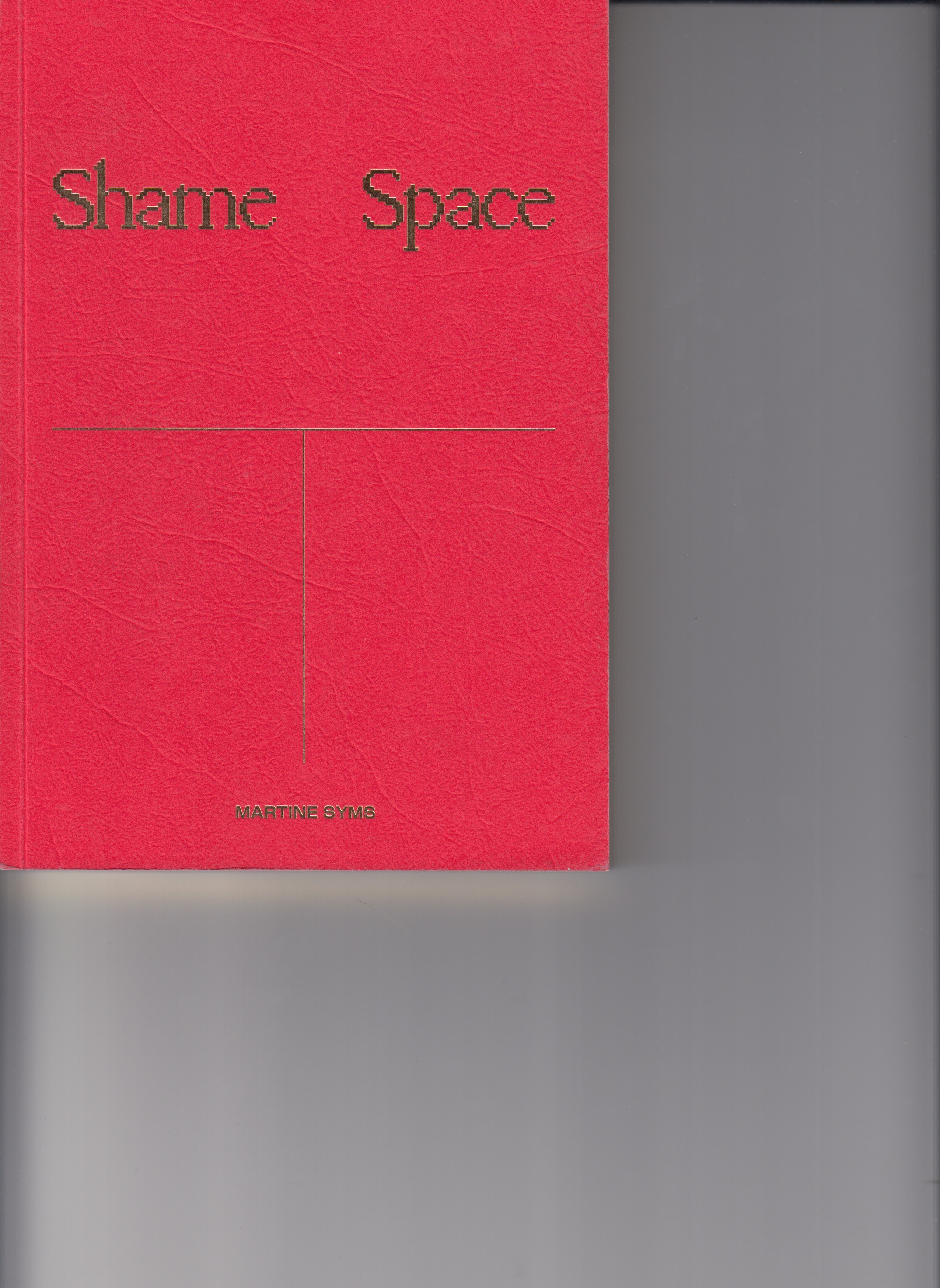
Shame Space is an artist book that explores the possibilities of narrative and identity. The book collects a selection of journal writings by Syms from 2015-2017 in which she attempts to capture her shadow self alongside a selection of image stills from the recent video project Ugly Plymouths (2020). The diaristic commentary in Shame Space is gathered into fifteen chapters that stage narrative as a process of being in the making.
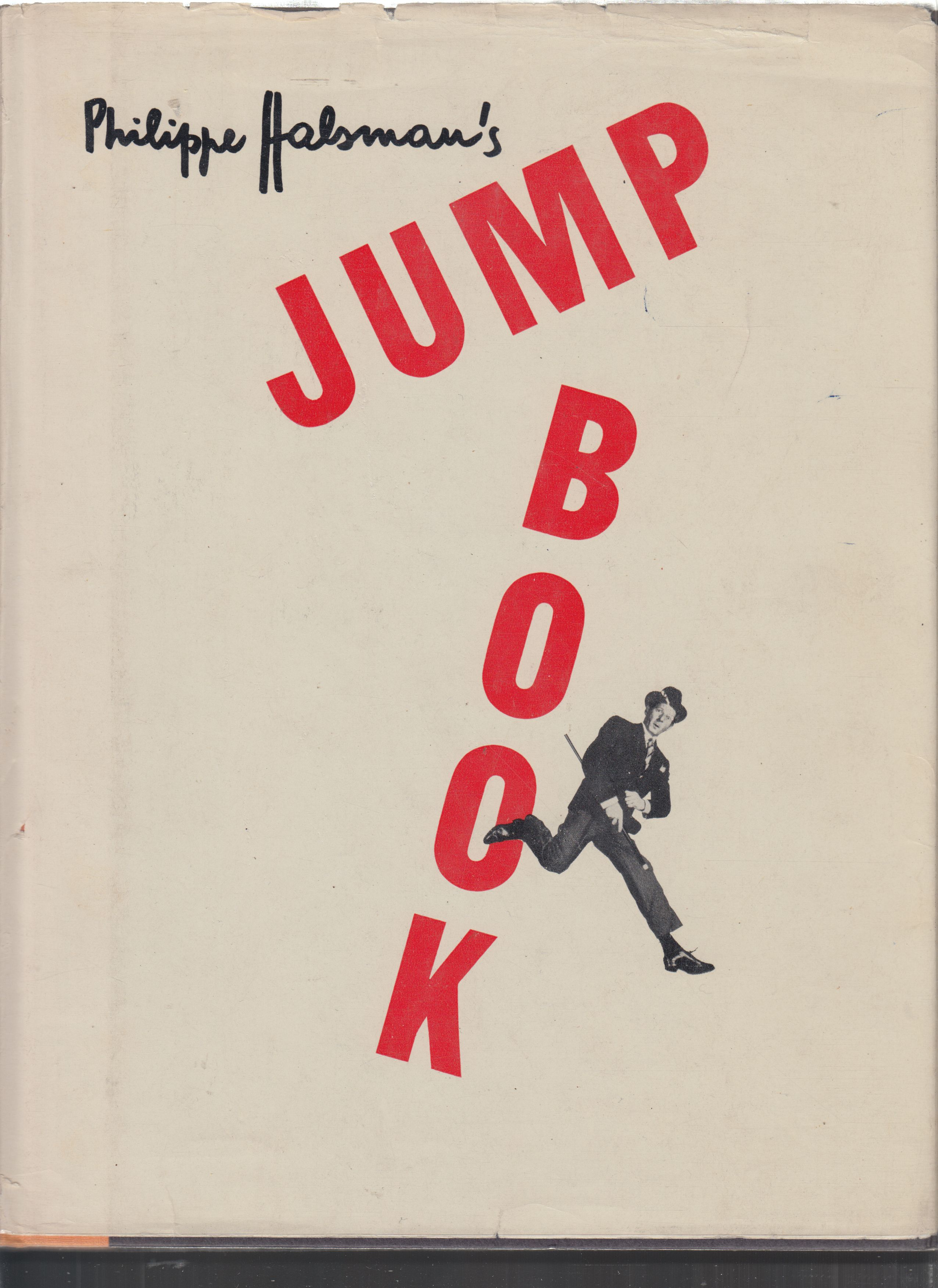
Where other portraitists were content to have their subjects sit for them, Philippe Halsman had his jump, an action which he felt caused the real self of his illustrious sitters to come out. Famous sitters included in the book are Marilyn Monroe, Grace Kelly, Brigitte Bardot and Richard Nixon.
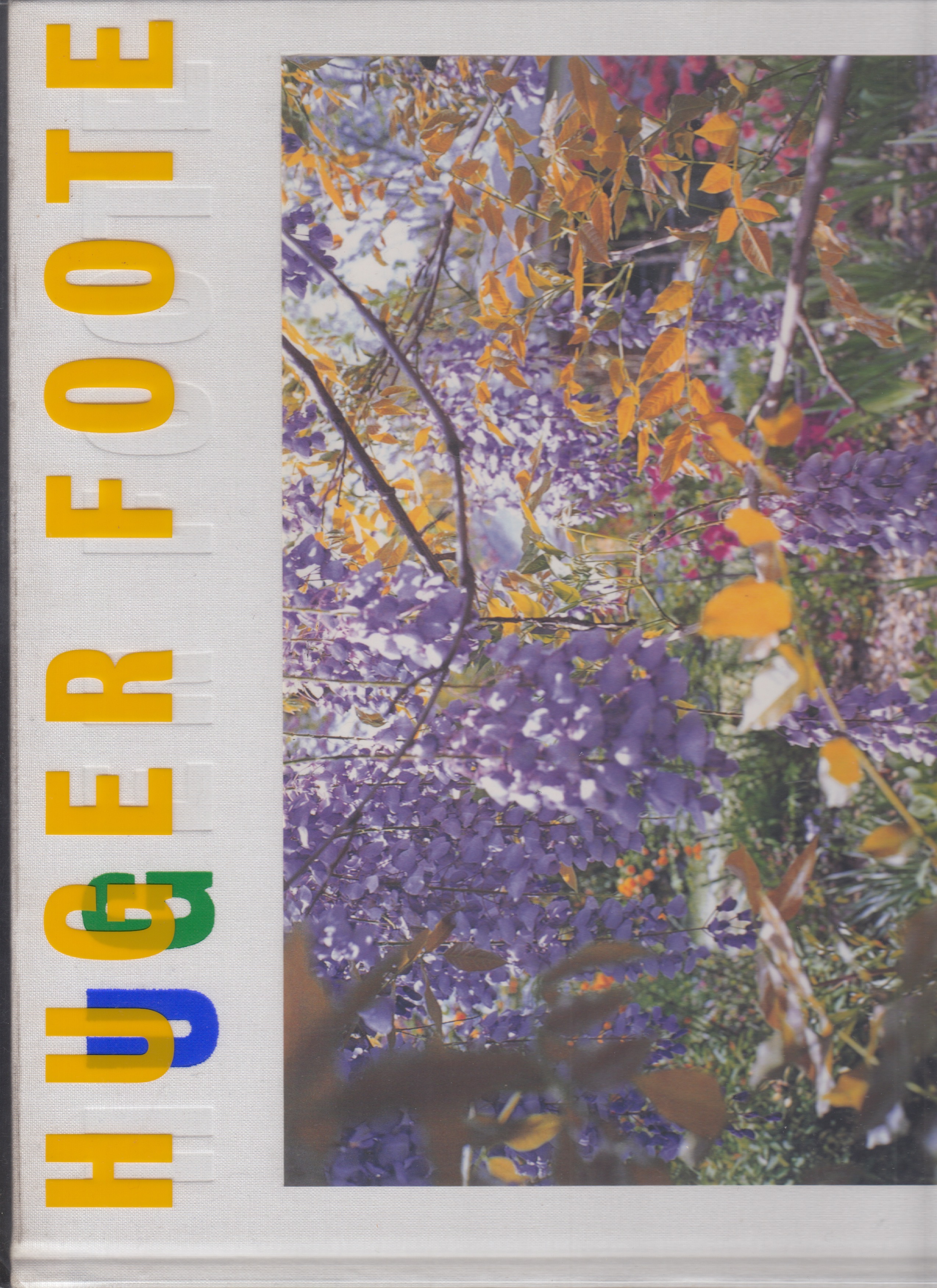
Foote abandoned a successful fashion photographer career to wander the back alleys, scrub land and bars of Memphis portrayed in this book. With textual contributions by photographer William Eggleston and film director Bernardo Bertolucc

Few artists have succeeded in creating a body of work as uncompromisingly honest and tender as Goldin’s. Couples and Loneliness presents a collection of images gathered from across her photographic ouevre – represents the thematic reoccurances of love, loss, sexuality, intoxication, pain, and her ongoing obsession with the documentation of those around her. Alongside images, this book contains a narrative commentary by Goldin adding further anecdotal insight into her world.
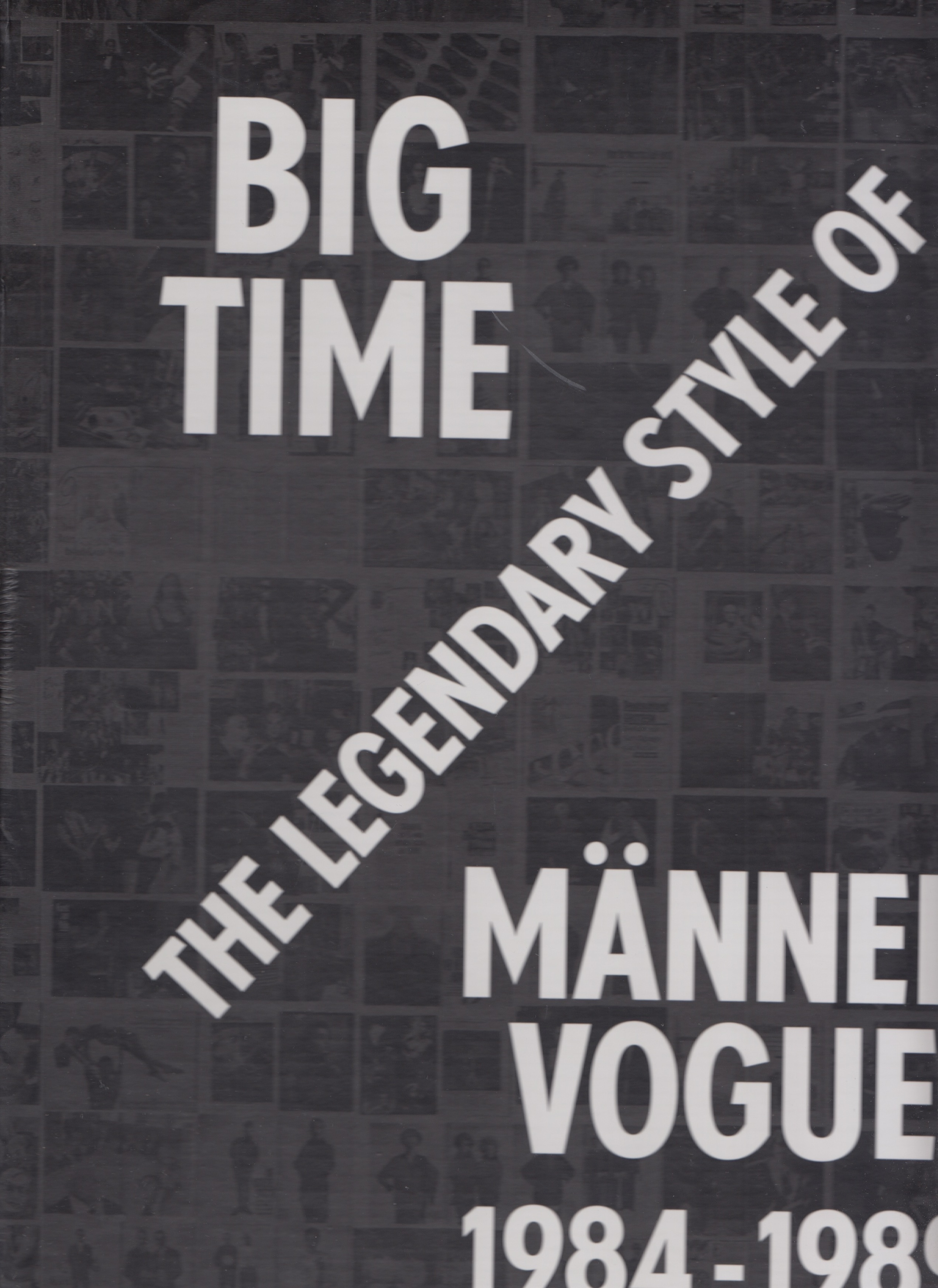
Männer Vogue was Germany's leading men's fashion magazine. During its golden age between 1984 and 1989, Swiss-born Beda Achermann was the magazine's creative director and commissioned young photographers like Mario Testino, Ellen von Unwerth and Max Vadukul, along with established talents including Herb Ritts, Peter Lindbergh and Helmut Newton, Achermann set a new benchmark in fashion editorial.
Juergen Teller spent a year carrying out a study of the Reichsparteitagsgelande, the site of the notorious N rnberg rallies, and a place he used to visit in his youth. The book combines these works with self-portraits and family photographs through the same period, adding the perspective of the personal and quotidian life cycle to a site that has world-historical importance.

Featuring sixteen of fashion's top tastemakers, Stylist focuses of fashion insiders whose precocious sense of style often results in trends of global proportions. Featuring the photography of such luminaries as Cecil Beaton, Richard Avedon, Steven Meisel, and Annie Leibovitz among others, this book documents the work and contributions of each stylist through photographs of their creative output and inspirations, and illustrates their distinctive taste, individual flair, and talent for igniting global fashion fervor.

A collection of pavillions featured at Serpentine. Featuring work by: Zaha Hadid, Daniel Libeskind, Toyoito, Oscard Niemeyer, MVRDV, Alvaro Siza & Eduardo Souto De Moura, Rem Koolhaus & Cecil Balmond, Olafur Elisasson & Kjketil Thorsen, Frank O. Gehry, Sanaa, Jean Nouvel
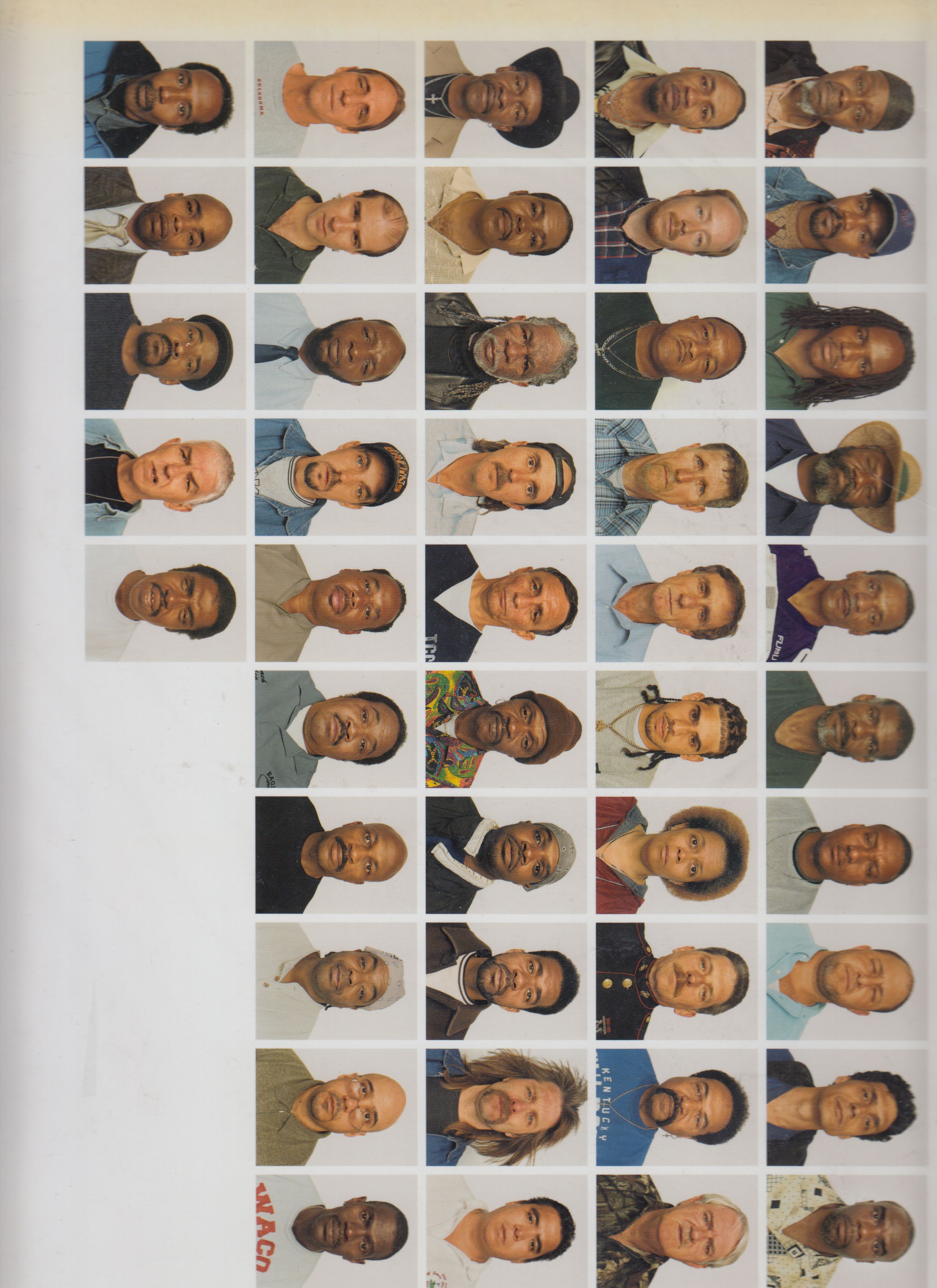
Leading civil rights attorneys Peter Neufeld and Barry Scheck of The Innocence Project commissioned photographer Taryn Simon to travel across the United States photographing and interviewing individuals who were convicted of heinous crimes of which they were innocent. Simon photographed these innocents at sites of particular significance to their illegitimate conviction: the scene of the crime, misidentification, arrest, or alibi. Simon’s portraits are accompanied by a commentary by Neufeld and Scheck.
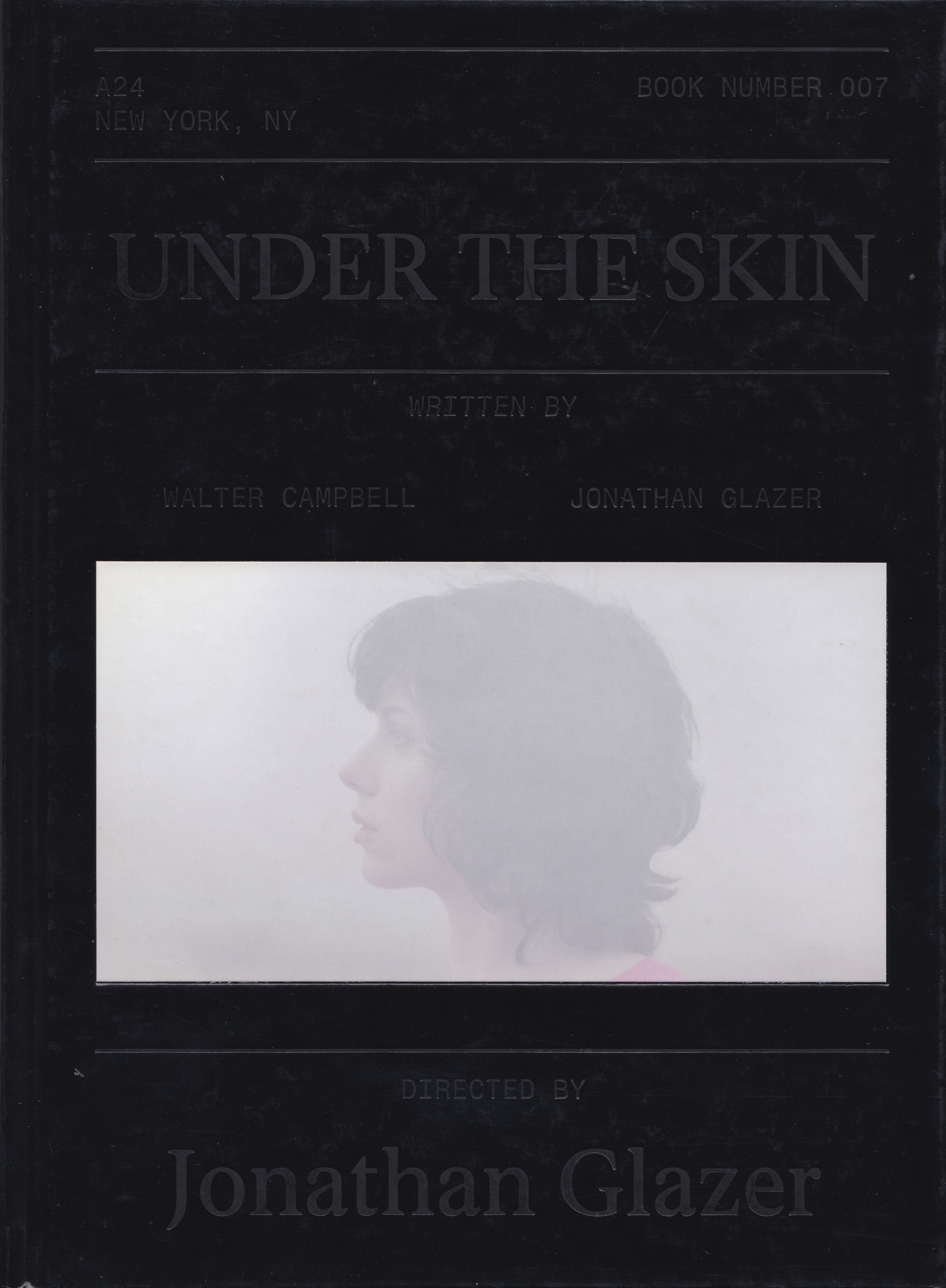
The script of Under the Skin includes Glazer’s never-before-published director’s statement, an original essay by Hari Nef, and writing and set photography by Niall O’Brien.
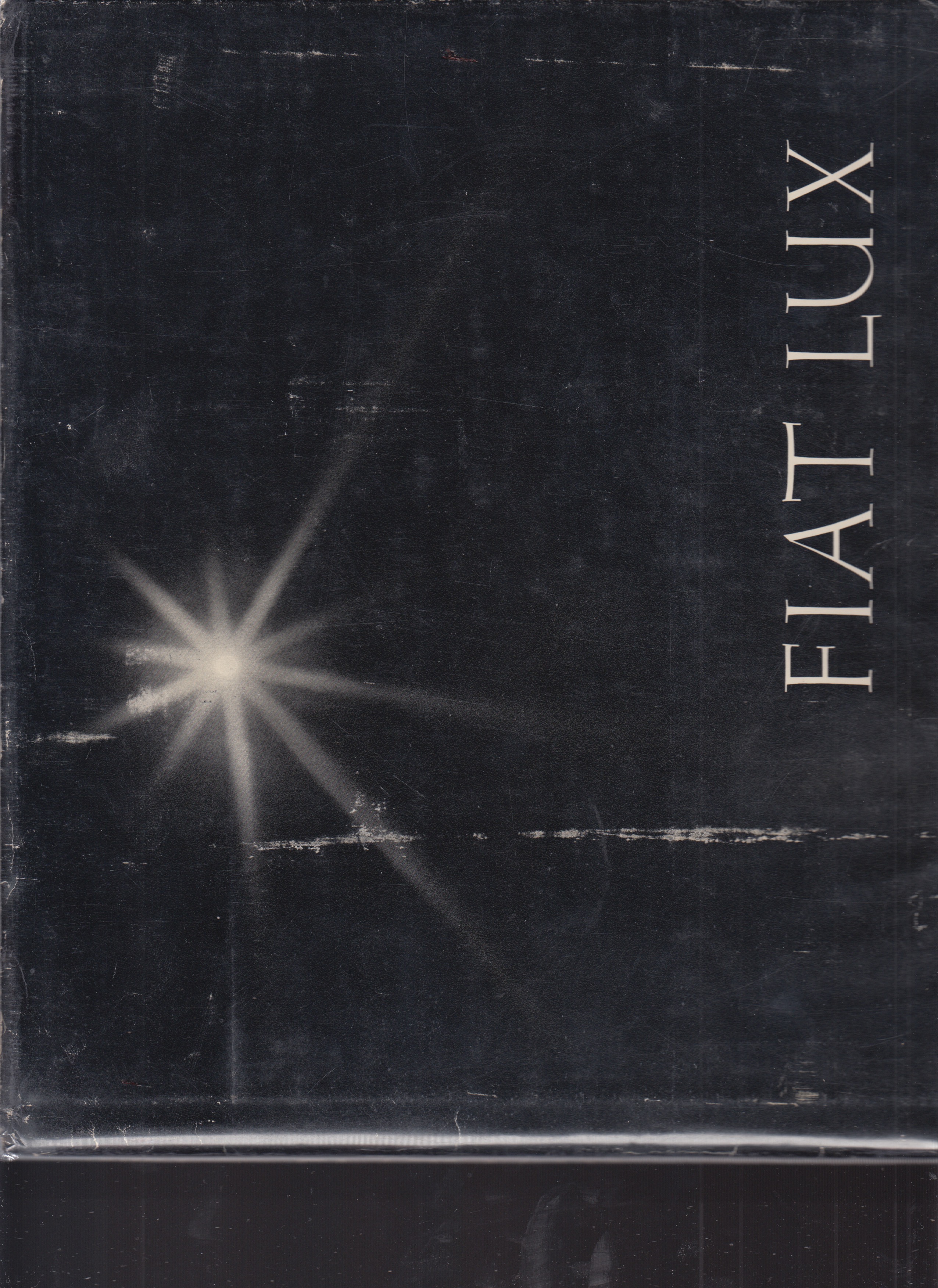
This book is document of the centennial history of the The University of California containing more than 100 rich photogravures of university life by Ansel Adams.

We Have No Place To Be sees Joji Hashiguchi turn his lens towards a generation of young people seeking refuge on the streets across 6 different cities. Liverpool, London, Nuremberg, Berlin, New York and Tokyo, Hashiguchi documents the social discord within each of these locations through the youths that had taken to their streets. Featuring more than 100 images, this book is as a valuable artefact of the complexities of youth in an era mired in the fallout from war, austerity, unemployment and challenging leadership.
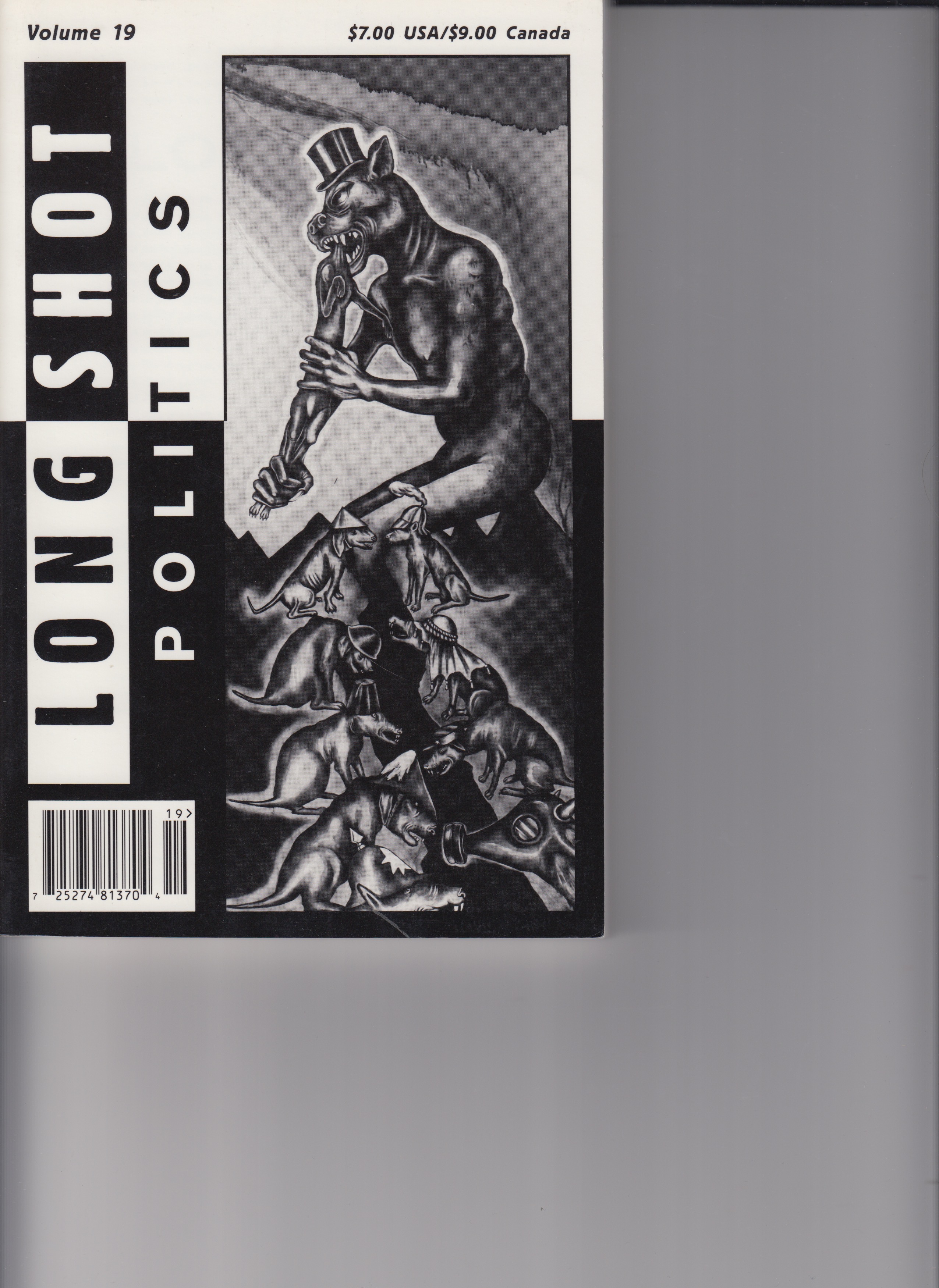
Long Shot was a notable underground literary journal founded in New Brunswick, New Jersey, that published poetry, prose, and art focused on social issues.

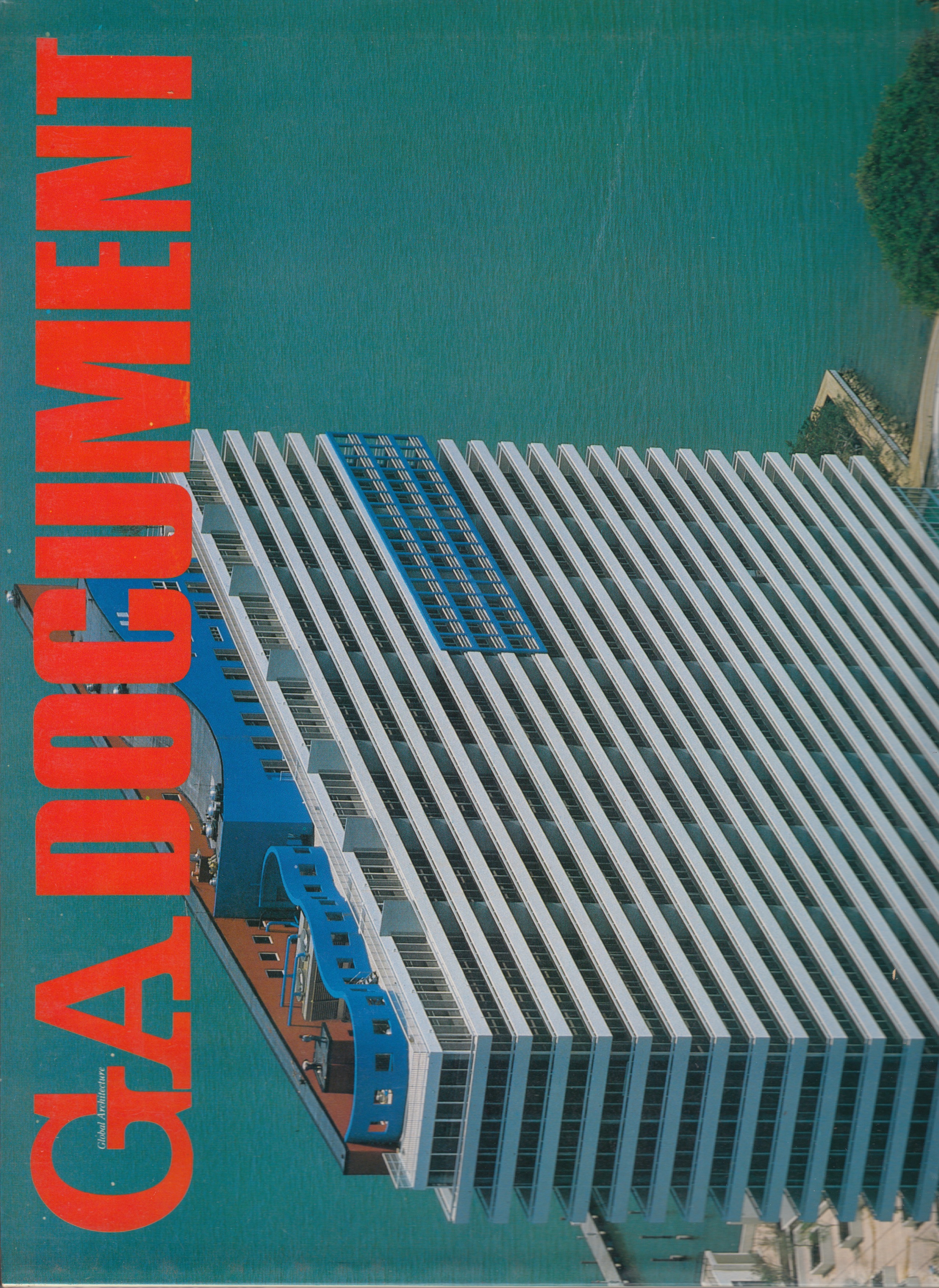
GA Document is a Global Architecture focusing on contemporary international architecture and design projects.
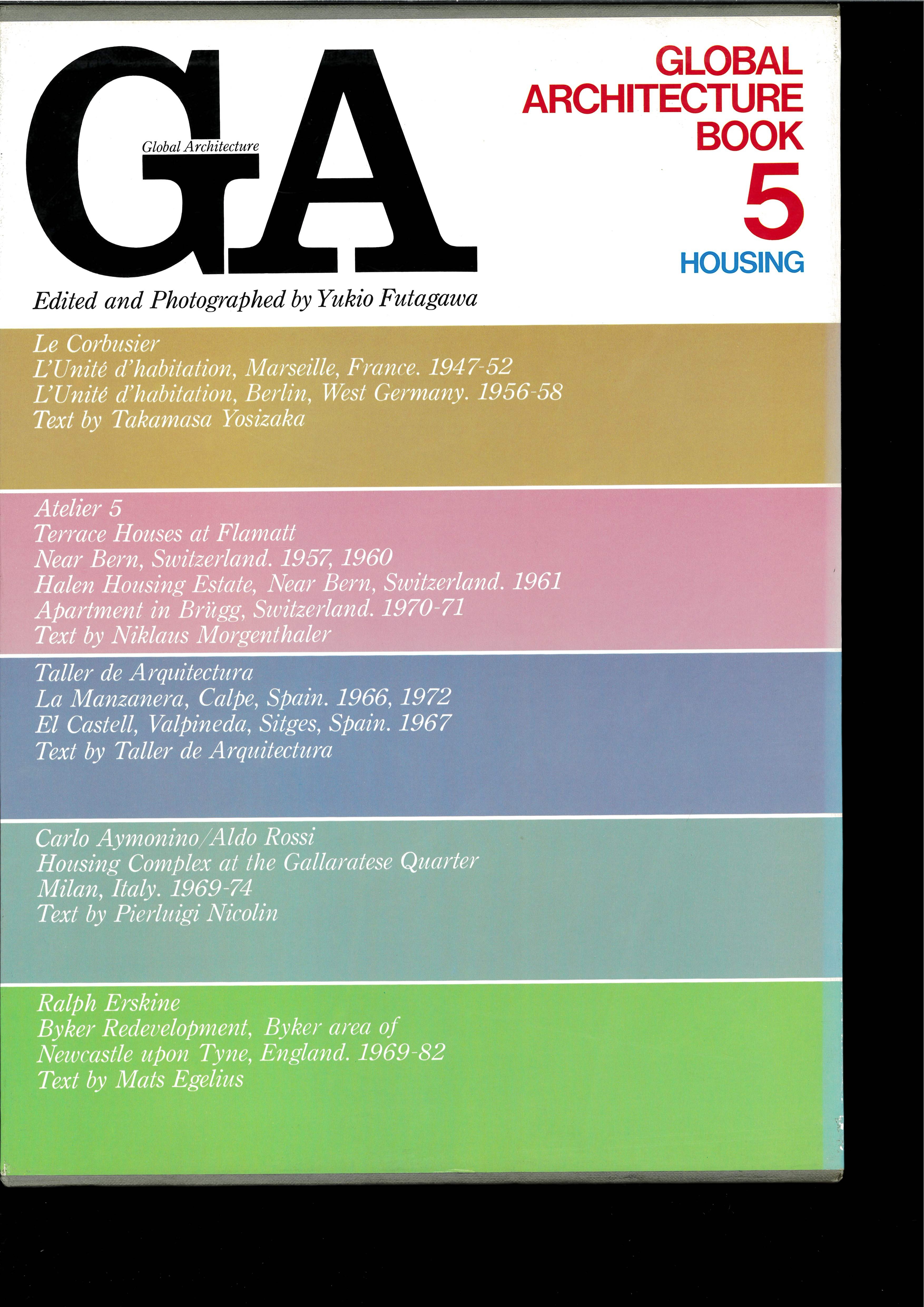
A periodical book on modern houses from around the globe. Featuring work of architects Le Corbusier, Atelier 5, Taller de Arquitectura, Carlo Aymonino/Aldo Rossi, Ralph Erskine.
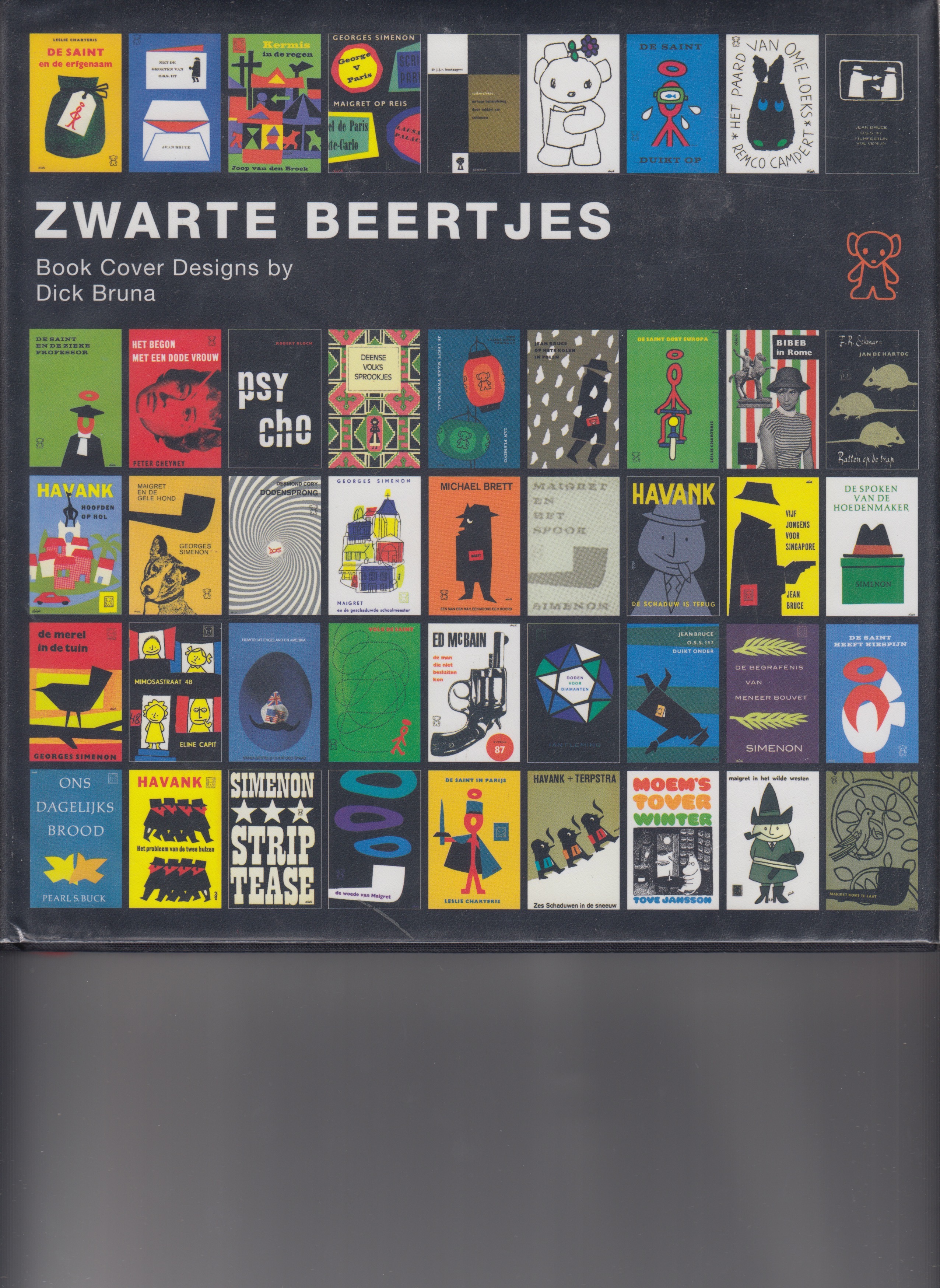
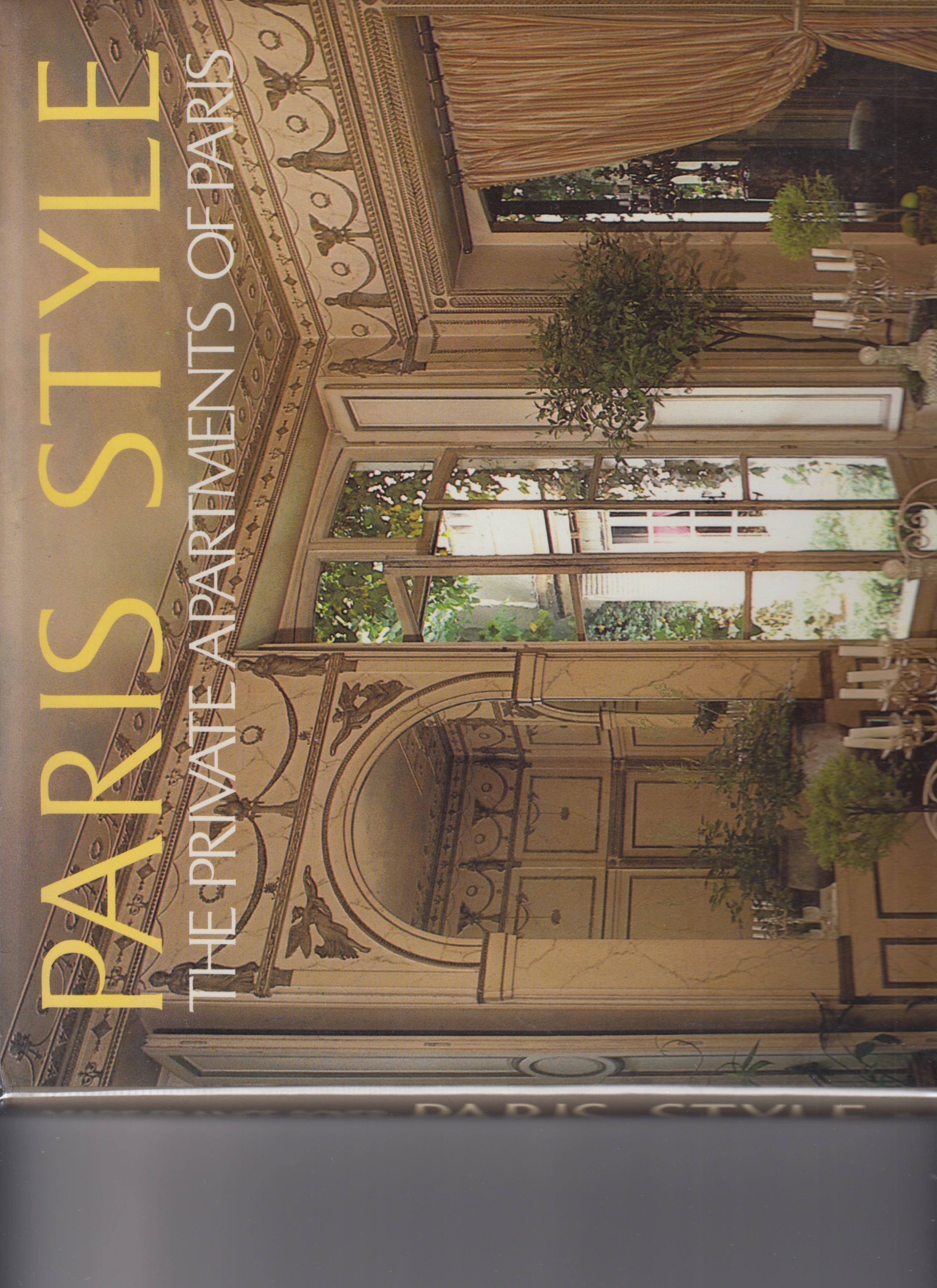
This book captures the essence of Parisian living, showcasing a range of styles from the opulent to the understated, featuring works by designers like Jacques Grange and Madeleine Castaing.

Fashioning Fiction in Photography Since 1990 presents a selection of high-profile fashion photographs influenced by two aesthetic strategies: cinema and the amateur photograph. Featuring works by by photographers such as Philip-Lorca diCorcia, Cedric Buchet, Glen Luchford, Tina Barney, Juergen Teller, Nan Goldin and Larry Sultan, among others.
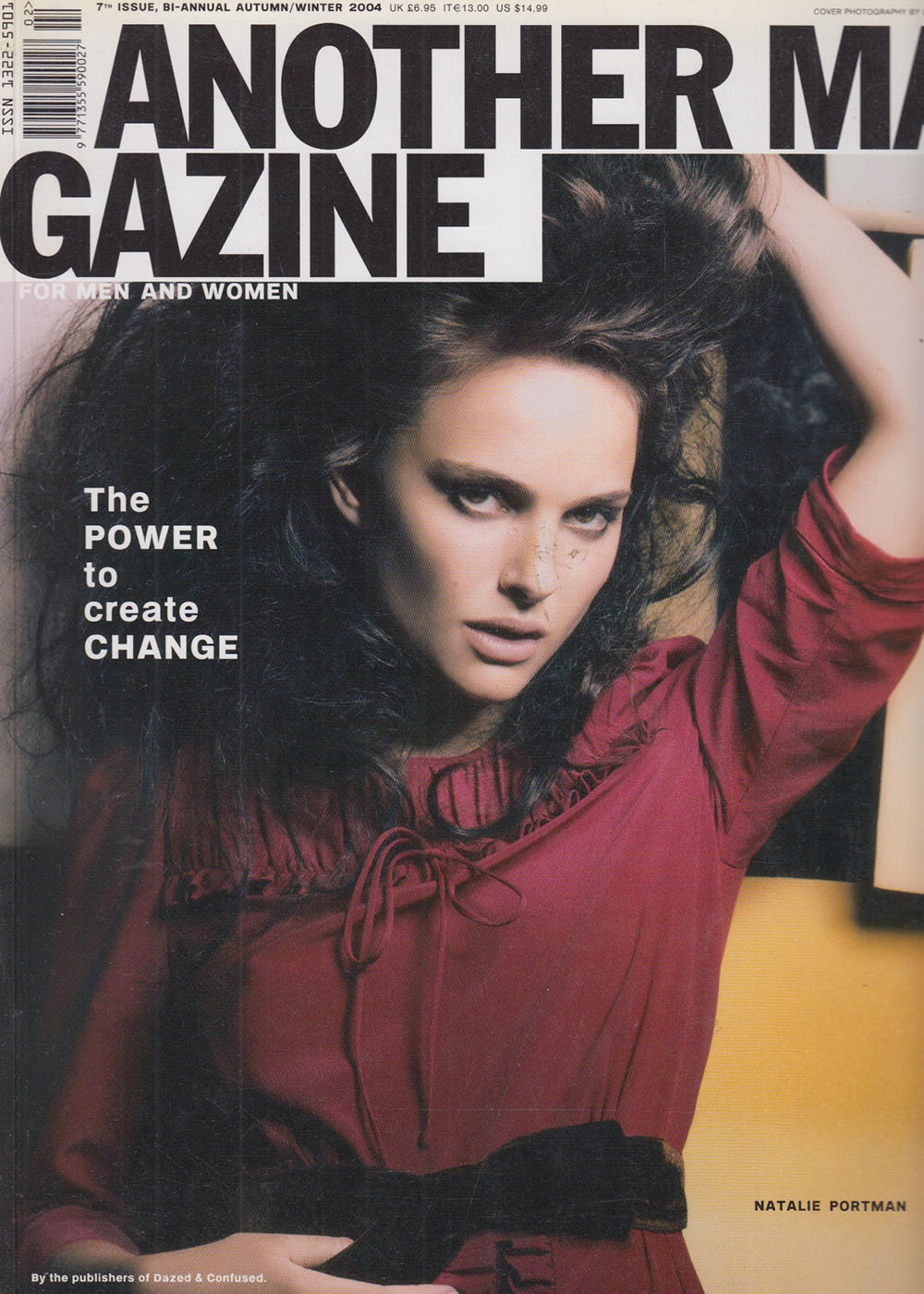
AnOther Magazine's launch in 2001 heralded a new chapter in magazine publishing. Its blend of high fashion and world-class photography with intelligent features on the arts, politics and literature.
Gucci by Gucci bringing together the archive of the loved House – in the form of bags, clothes, accessories, and a dazzling cache of documentary photographsthe history of the Florentine family-owned saddler that has imprinted its name on the fashion consciousness. Both a history of the company and a glorious visual exploration of its far-reaching influence, the book is a treat for the collector and the fan.

L'Armour Fou explores the crucial role photography did in fact play in the Surrealist movement, featuring photographic works from artists including Man Ray, Marcel Duchamp, Max Ernst, André Breton, Brassaï, Salvador Dalí, André Kertész, and Hans Bellmer.
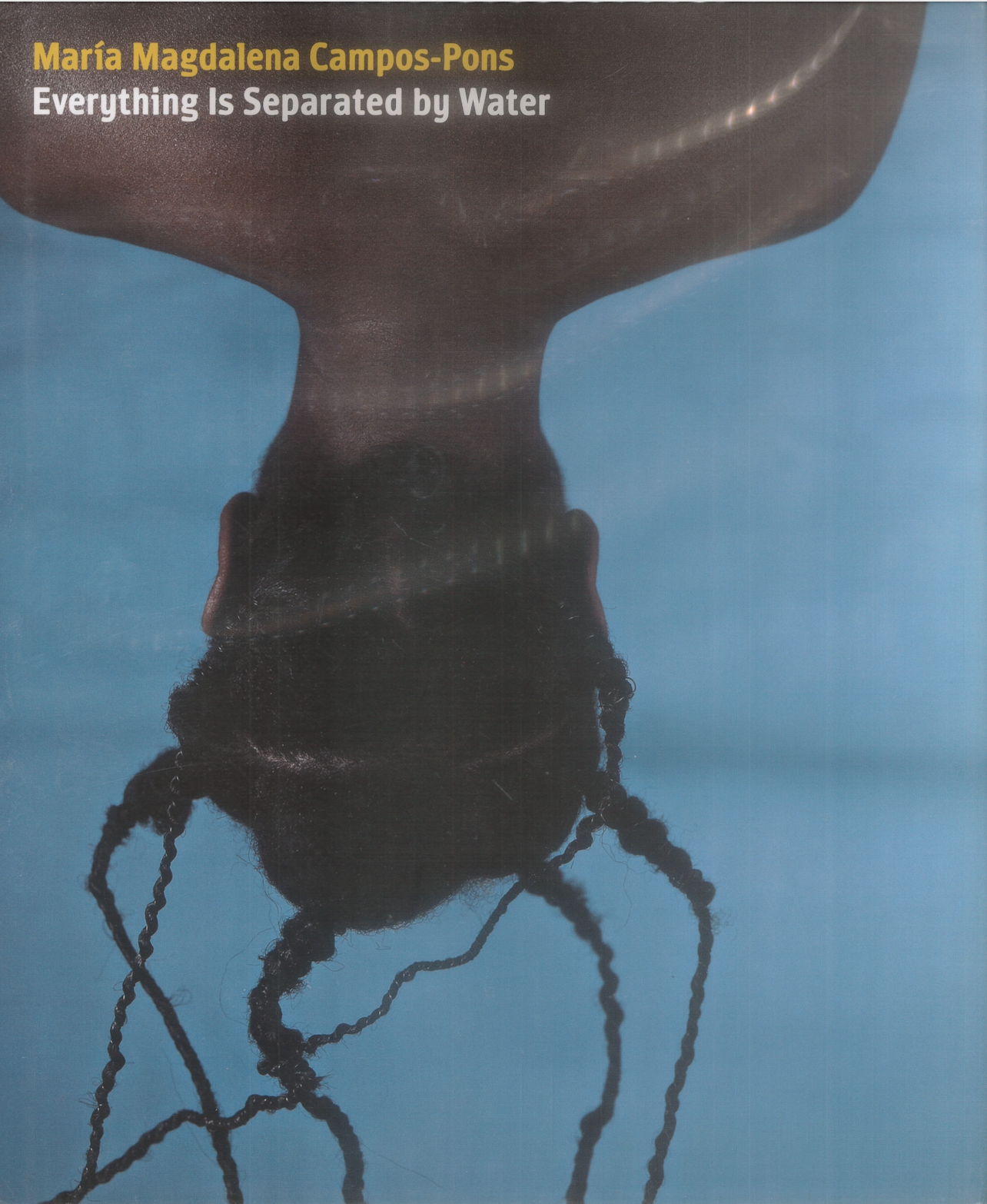
A mid-career retrospective of the work of María Magdalena Campos-Pons who has become one of the most important and influential contemporary Afro-Cuban artists. Her multimedia work explores themes of memory, the African diaspora, gender, and Afro-Cuban spirituality (Santería).
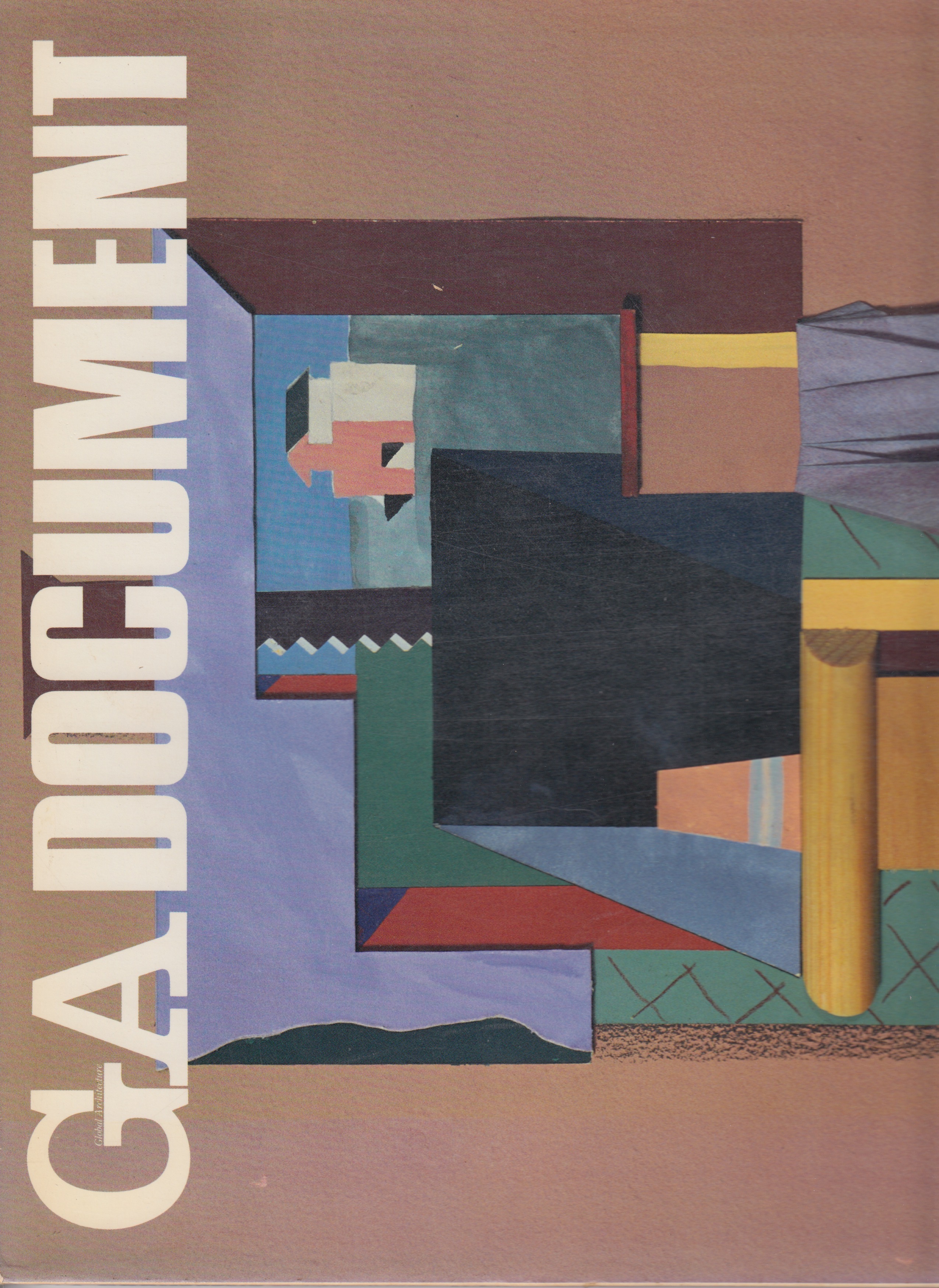
GA Document is a Global Architecture focusing on contemporary international architecture and design projects.

GA Document is a Global Architecture focusing on contemporary international architecture and design projects.
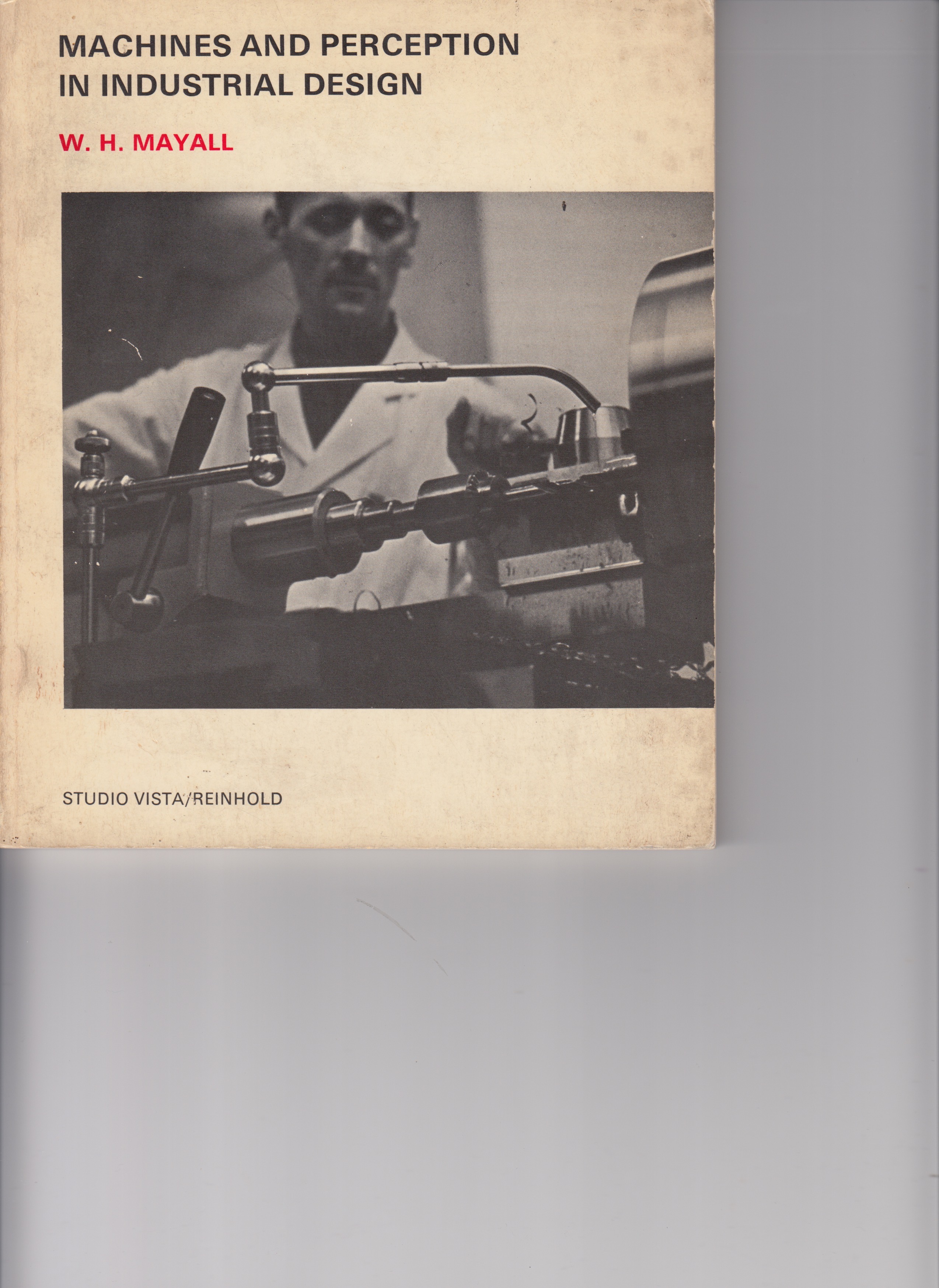
In this book, Mayall identified the dangers and difficulties created for machine operators by the increasing complexity of modern machines and examined the development of the "machine aesthetic" against social, technical and marketing factors. He also believed that organizing machines into coherent visual fields would help prevent accidents.
Provoke, with its subtitle of Provocative Materials for Thought, was an experimental, small-press Japanese photography magazine founded in 1968 by critic/photographers Kōji Taki and Takuma Nakahira, photographer Yutaka Takanashi, and writer Takahiko Okada. Daidō Moriyama joined from the second issue. The magazine itself was printed through techniques like the "are-bure-boke" style, which embraced grain, blur, and high contrast to convey a sense of immediacy and raw energy. The printing process was considered a crucial part of the work, often using techniques that increased grain and contrast, with photos printed edge-to-edge without margins to make them appear to bleed into one another.
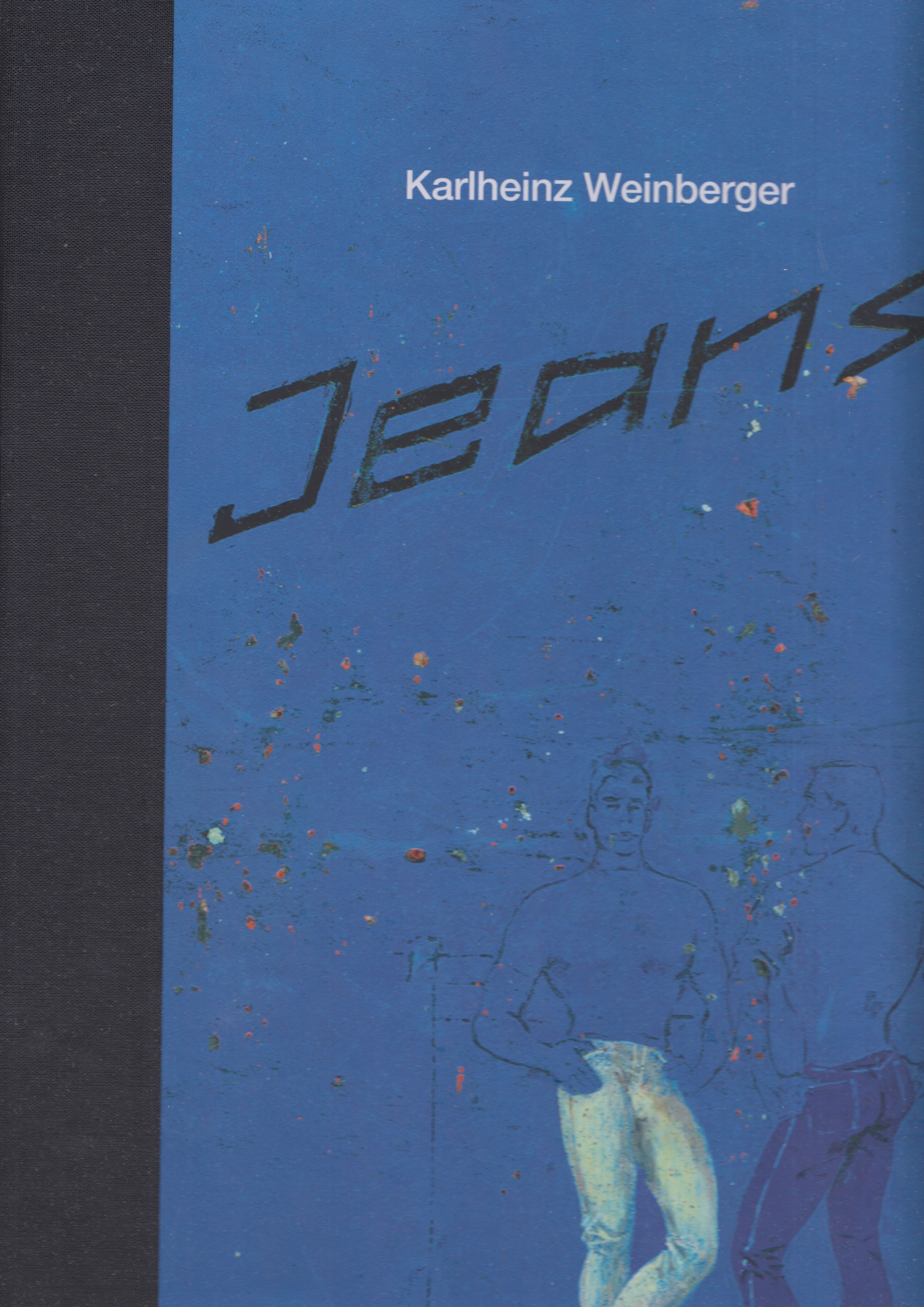
Jeans documents the personal obsession of self-taught photographer Karlheinz Weinberger. In his stark, posed photographs of these young rebels, Weinberger focuses on individual figures, exploring both a personal erotic obsession and the cultural symbolism of blue jeans, whose scarcity in post war Switzerland implied not just a fashion statement but a badge of pride
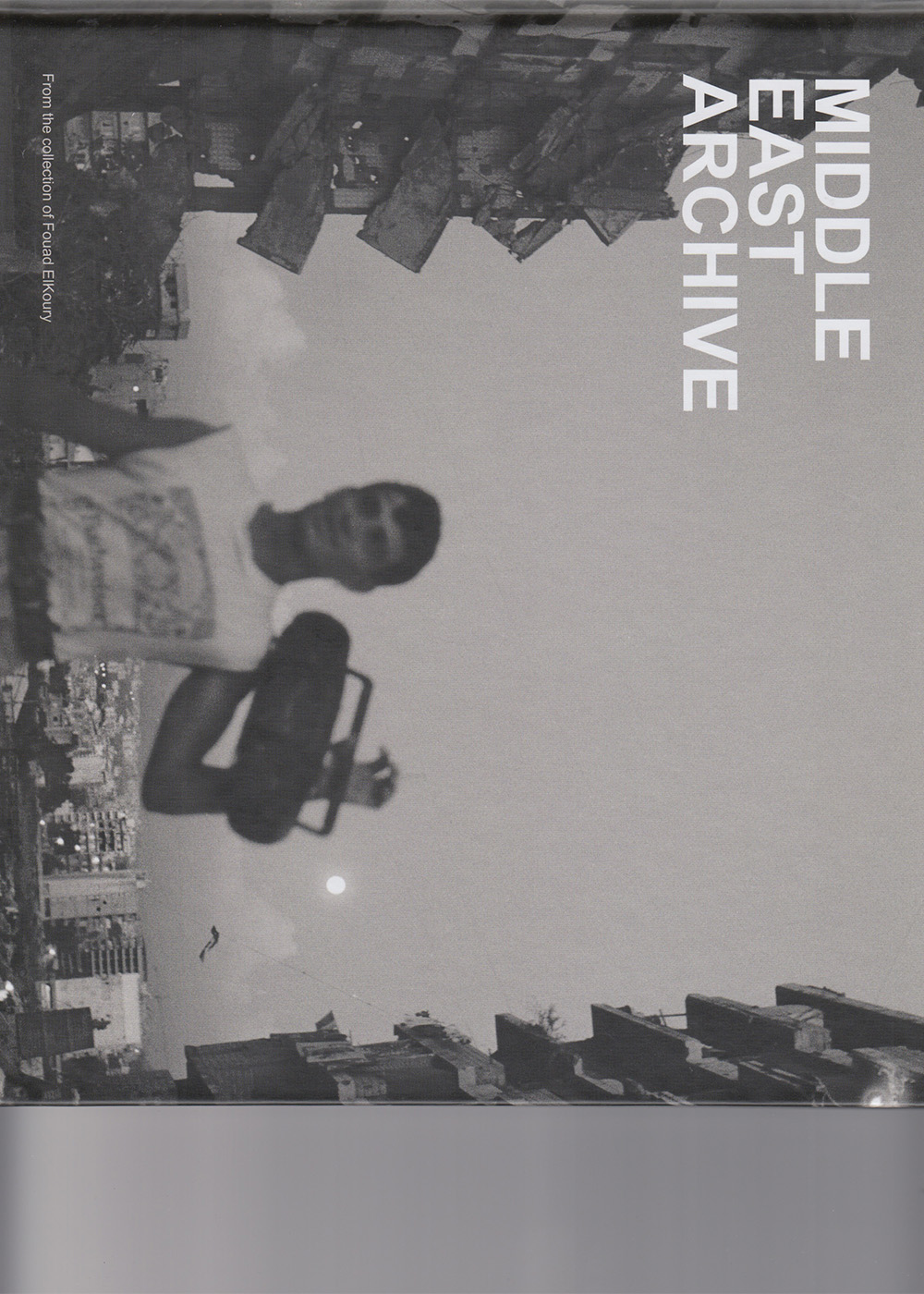
Middle East Archive: From the Collection of Fouad ElKoury is the debut book by Middle East Archive, expanding its digital curatorial project into print. The platform brings its spirit of simplicity and hope into the physical world through a collaboration with Lebanese photographer Fouad ElKoury. The book features photographs taken between 1980 and 1997 in Oman, Palestine, Egypt, and Lebanon. Accompanied by interviews with B 018 founder Naji Gebran, contemporary Omani photographer Mahmood Najali, and a historical overview of Egyptian cinema’s golden age, the images are recontextualized within a broader cultural landscape.

Collects and republishes rare primary-source documents from the era, including artist statements, manifestos, archival letters, interviews, and critical essays. Textual contributions from Gloria Anzaldúa, James Baldwin, bell hooks, Lucy R. Lippard, Audre Lorde, Toni Morrison, Lowery Stokes Sims, Alice Walker, and Michelle Wallace
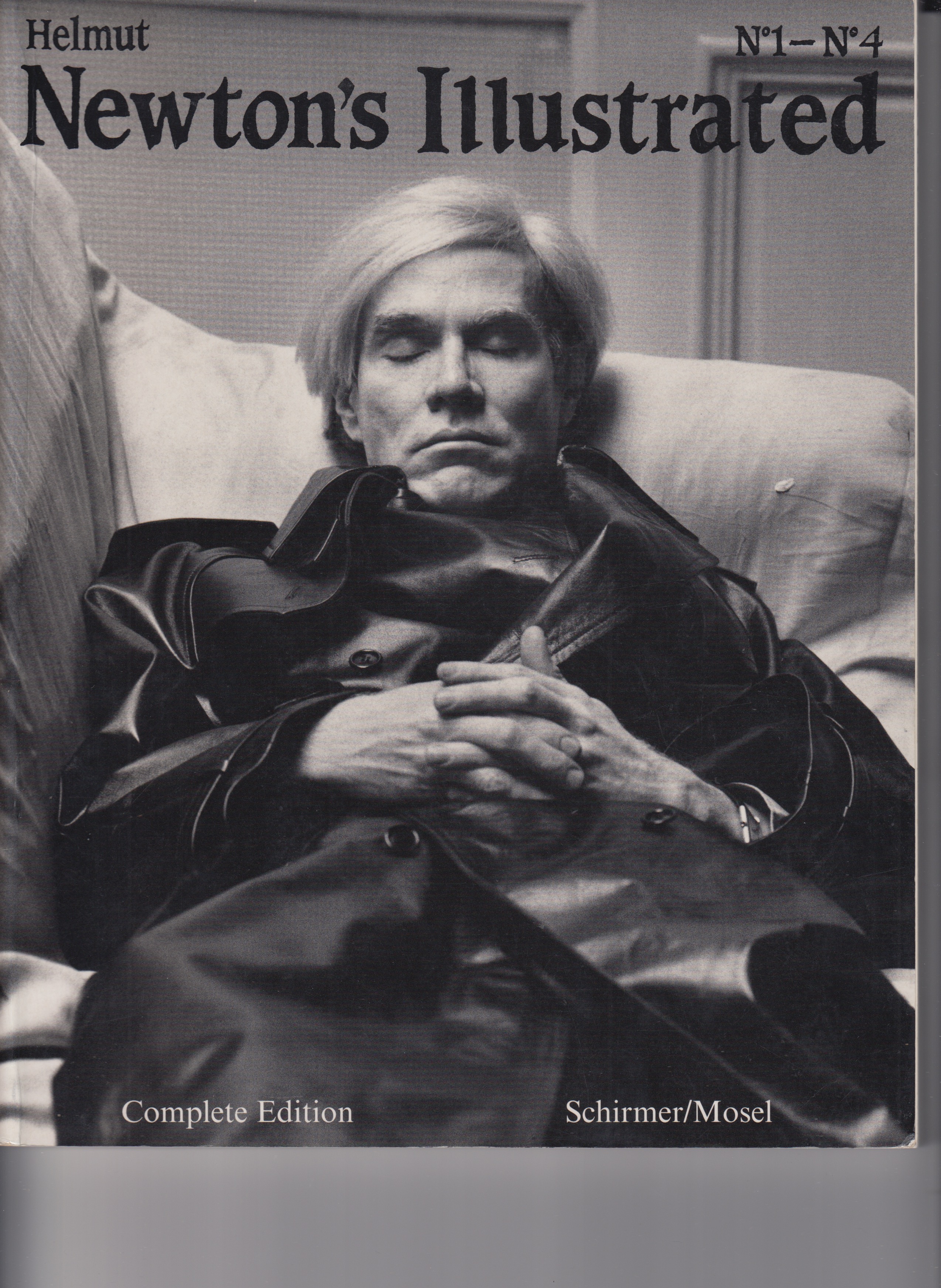
For ten years - from 1984 until 1995 - Newton published his best photographs in his own magazine, Helmut Newton's Illustrated. During this period, four editions appeared: No. 1 "Sex and Power," No. 2 "Pictured from an Exhibition," No. 3 "I was there" and No. 4 "Dr. Phantasme." This edition brings them all together.
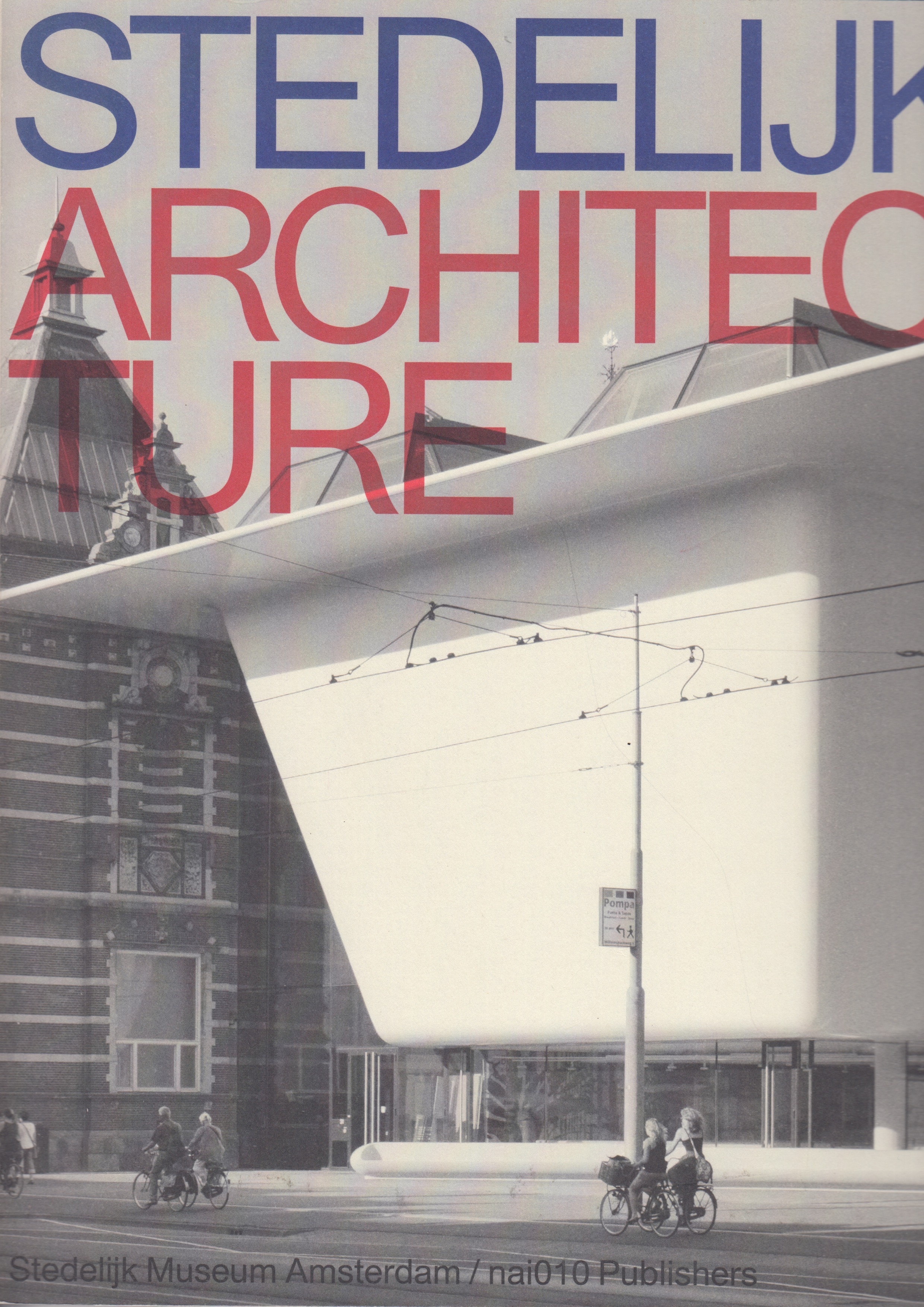
In Stedelijk Architecture, which features photos by internationally renowned photographer Iwan Baan as well as floor plans, cross sections and details of the new Stedelijk Museum, architecture critic Hans Ibelings relates the museum’s history from the 1895 inauguration of the old building, designed by architect Adriaan Weissman,
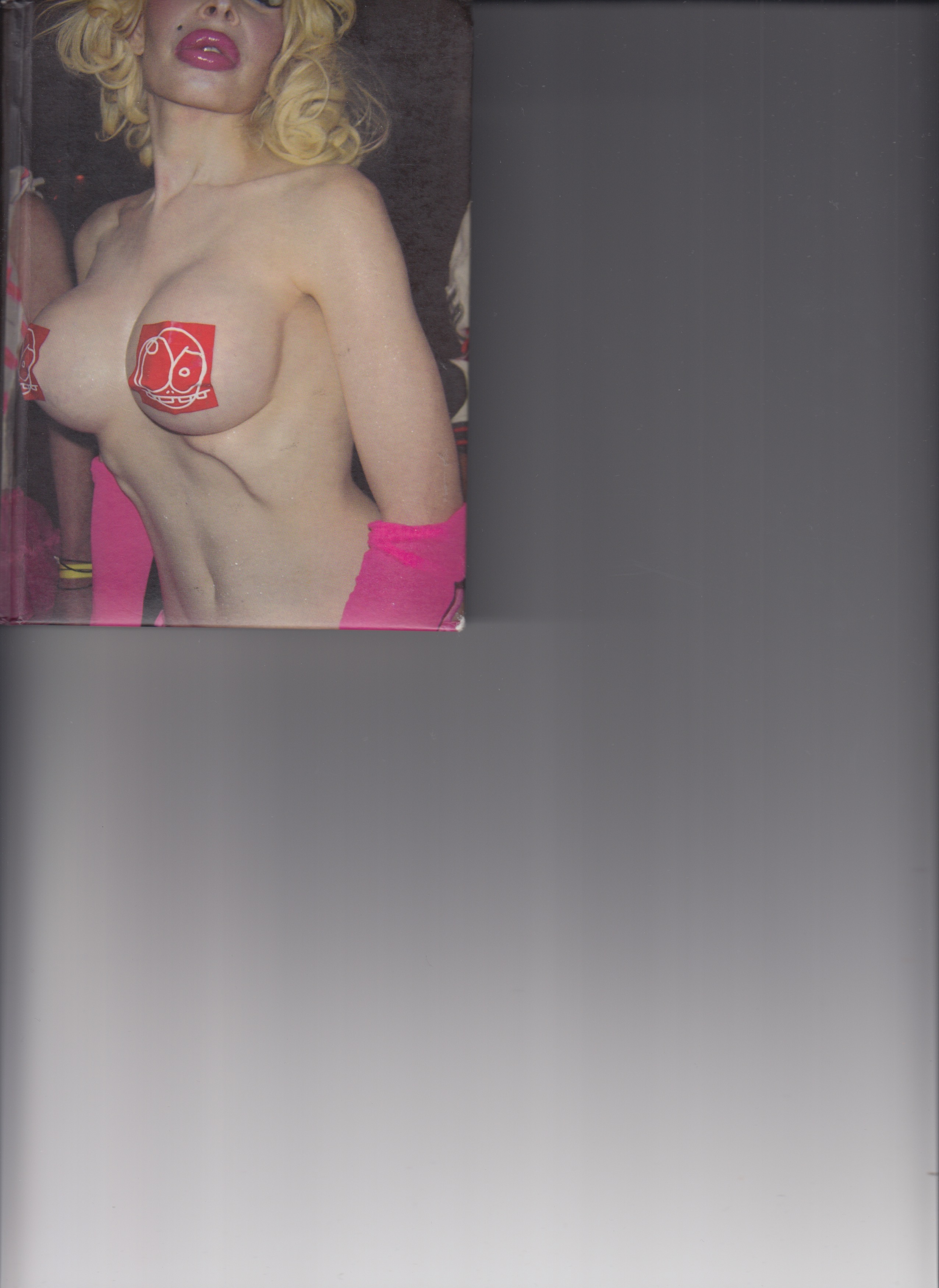
Collection of nudes, portraits and still life photographs documenting queer nightlife.
Batia Suter's work intuitively situates found images in new contexts to provoke surprising reactions and significative possibilities. This volume follows on from the first Parallel Encyclopedia, published originally in 2007. Underlying themes of Suter's practice are the "iconification" of old images, and the circumstances by which they become charged with new associative values.

Top Symbols & Trademarks of the World was the efforts of Franco Maria Ricci & Corinna Ferrari, and Italian publisher Deco Press. The series, published in 1973 was an unprecedented initiative to catalogue many of the finest examples of trademark design of the time. What marks this series out is both the format and the approach Ricci and Ferrari took. The sixth volume in the series looks at Scandinavia and Socialist Countries.
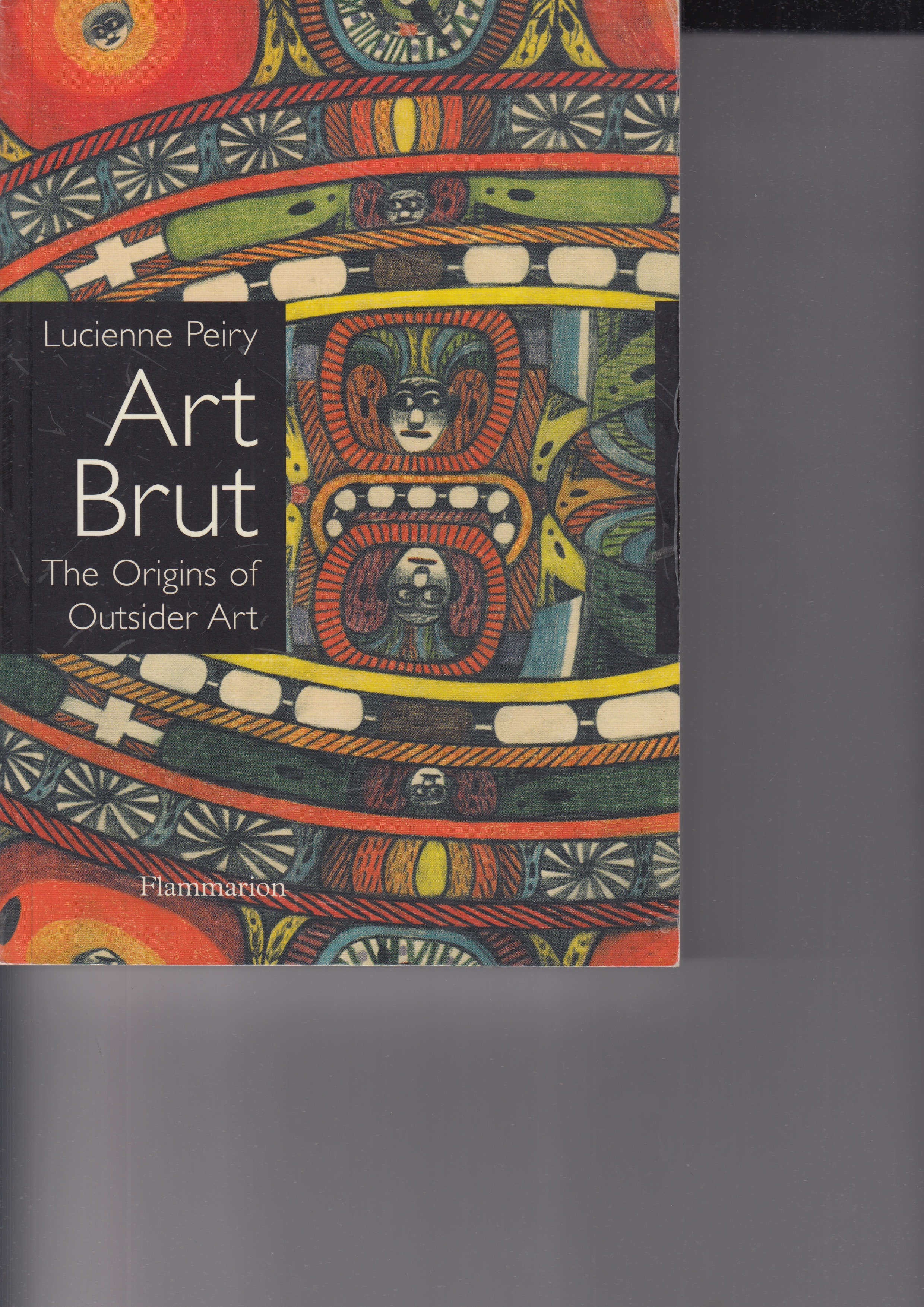
This book traces the history of the concept of Art Brut, a movement which has had a profound effect on artistic and social history.
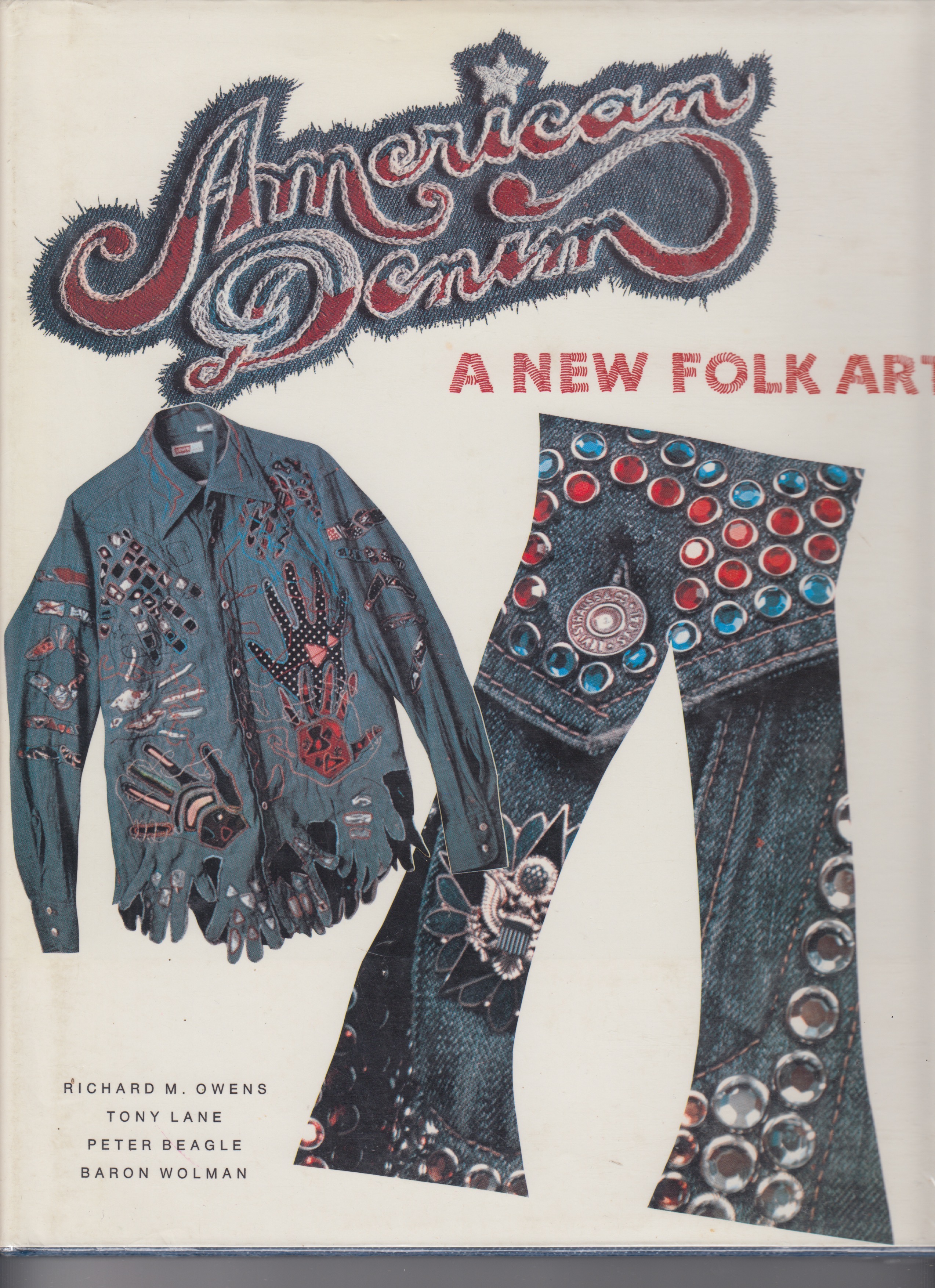
A charming, historically-important, and well-produced book from 1975 that highlights the work of about 50 denim artists.

Published for McQueen’s solo exhibition at Pirelli HangarBicocca, this comprehensive survey features several of the artist’s most iconic films from the past two decades, as well as an in-depth exploration of his new work.

This book offers design ideas for housing, inspired by the homes of various architects.
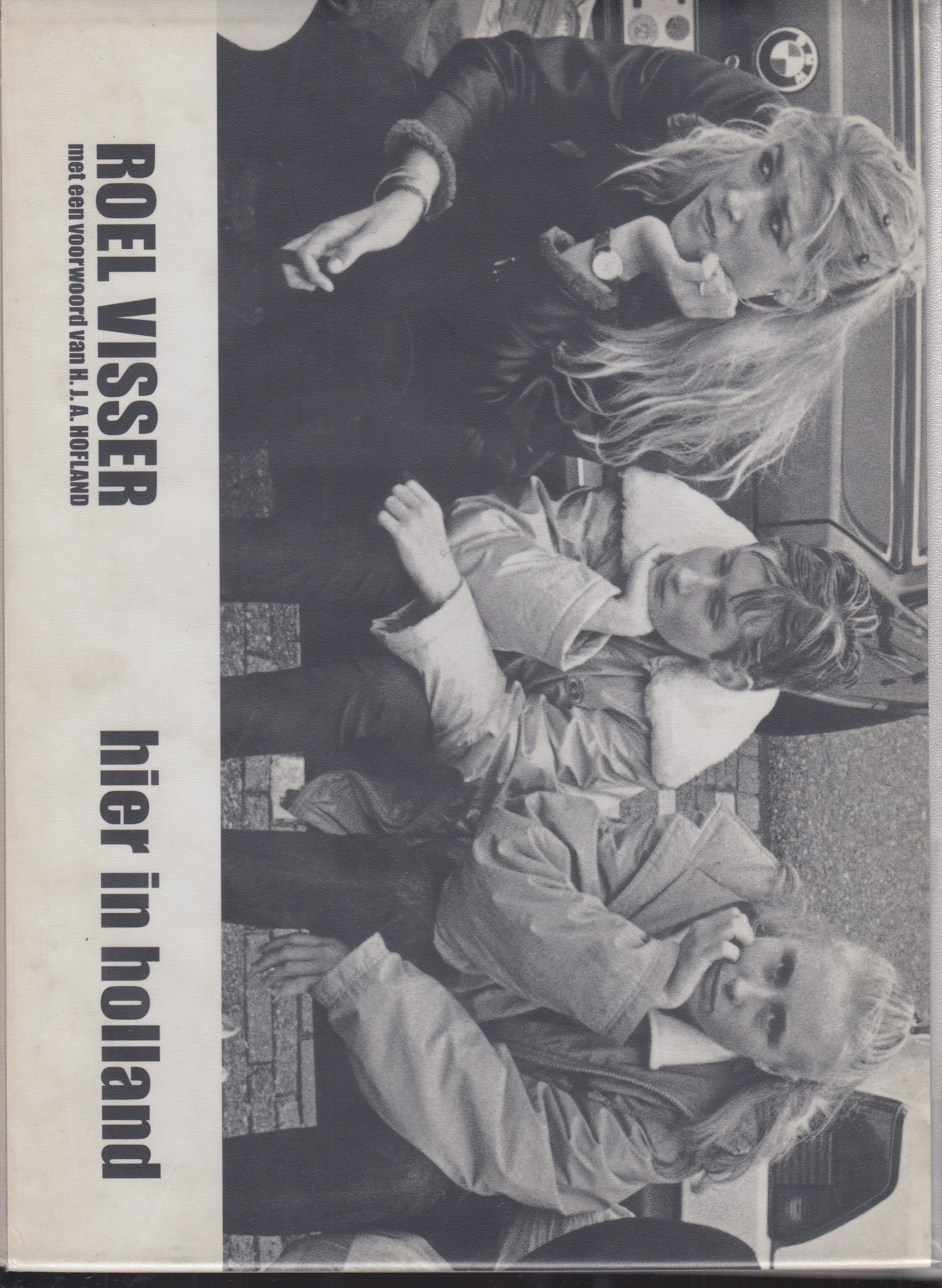
This book showcases dutch counter-culture.

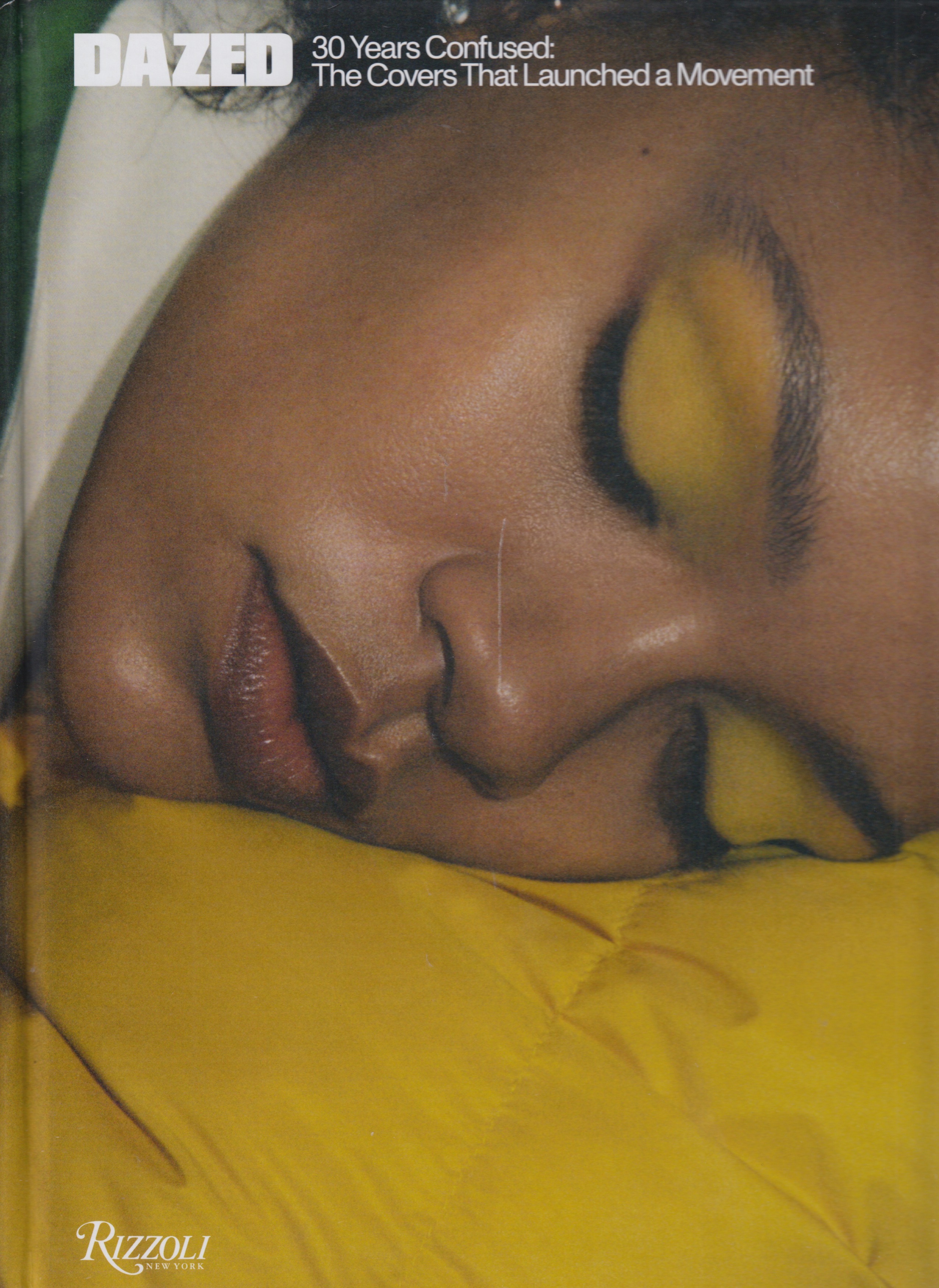
Celebrating 30 years of Dazed’s boundary-pushing storytelling at the forefront of youth culture, this book reveals the past, present, and future of Dazed through its bold cover designs and manifesto-like headlines.
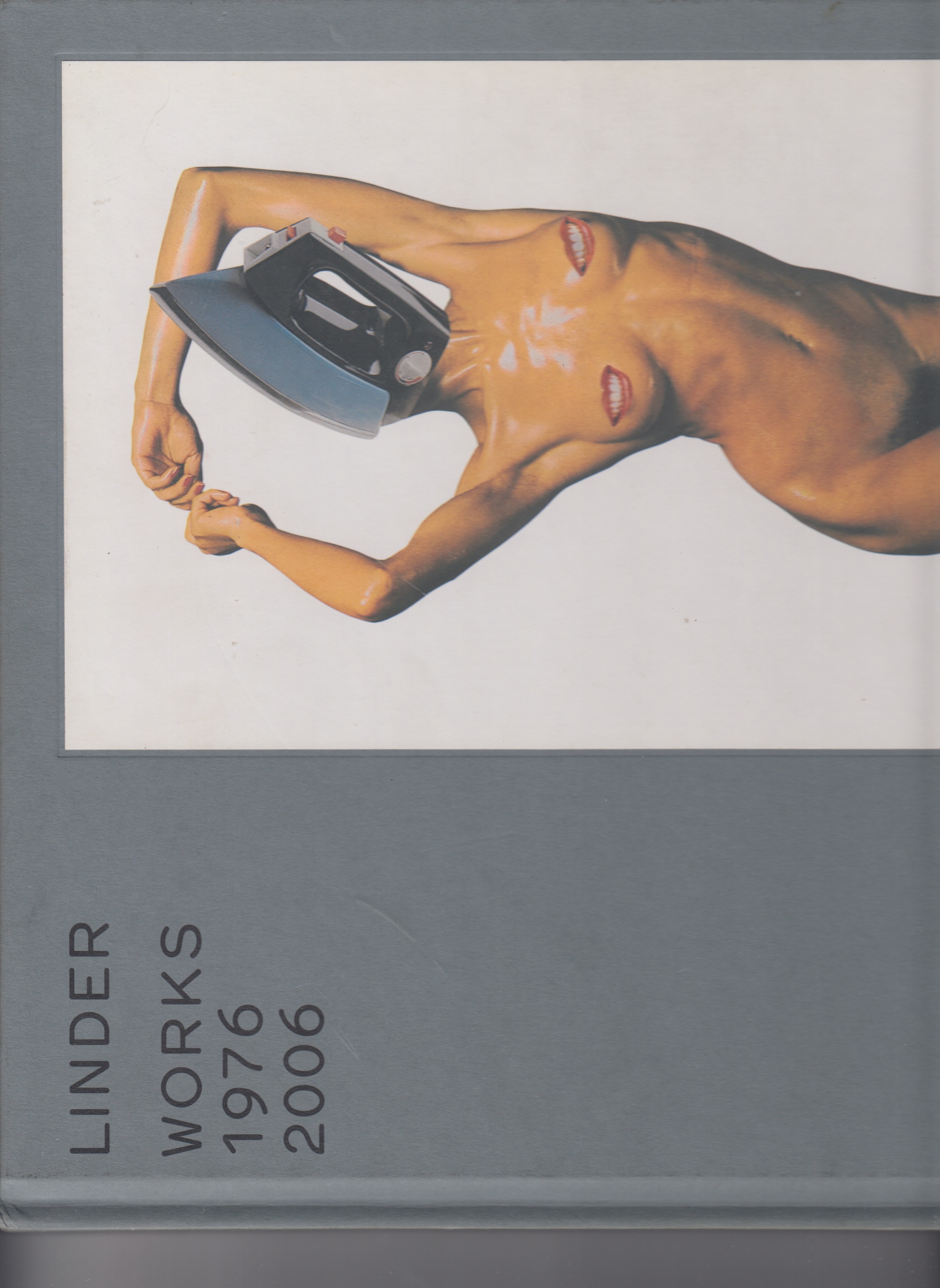
Linder Sterling's work had its first exposure in the punk fanzine The Secret Public and as art for the sleeve of the Buzzcocks' first single, "Orgasm Addict." Linder's multidisciplinary work, work that has led observers to call her the missing link between Yoko Ono and Tracey Emin. This first book, a rediscovery and a debut at once, includes contributions from writers and cultural figures including Philip Hoare, Jon Savage, Andrew Renton, Lynne Tillman, Paul Bailey and Morrissey.
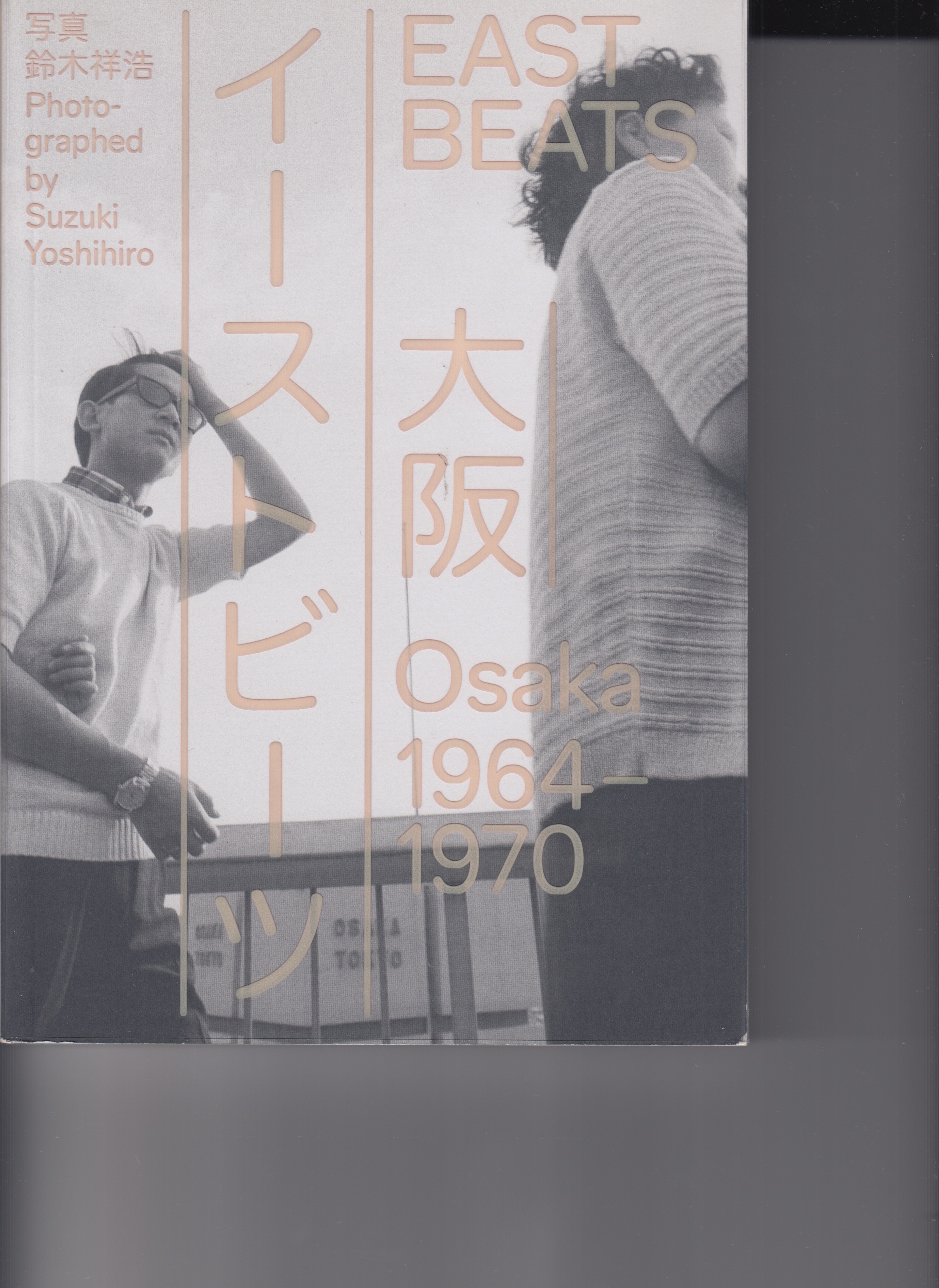
As a young man who had just moved from the countryside to the metropolis of Osaka, Suzuki Yoshihiro started a new life as a company worker by treating himself to a Minolta SRI single-lens reflex camera. Suzuki refers to himself as an ”amateur photographer,“ and his story is representative of the strong amateur photography movement in post-war Japan, which is for the most part unknown to the public, unlike the work of professional photographers who have been exhibited worldwide. Suzuki’s early photographs came to light by pure coincidence: his son’s wife discovered the negatives and developed them as contact sheets. More than fifty years after Suzuki’s photographs were taken, they are now finally being published as a photobook.

A collection of exclusive, behind-the-scenes and fittings images of Pieter Mulier’s shows at Alaïa. Captured through Seklaoui’s unfiltered photography, this limited-edition book explores the intensity of the crucial moments leading up to a collection presentation, revealing the Maison’s creative process in its purest form. Born from the intimate collaboration between Pieter Mulier and Anthony Seklaoui, Alaïa by Seklaoui was built upon their shared obsession with the idea of raw beauty.