
In An American Index of the Hidden and Unfamiliar (2007), Simon compiles an inventory of what lies hidden and out-of-view within the borders of the United States. She examines a culture through the documentation of subjects from domains including: science, government, medicine, entertainment, nature, security, and religion.

The Airport Pictures of Garry Winogrand assembles 86 of the photographer's most compelling, never-before published images of travellers, flight attendants, airport waiting rooms, airplanes on runways and all the people and places in between.
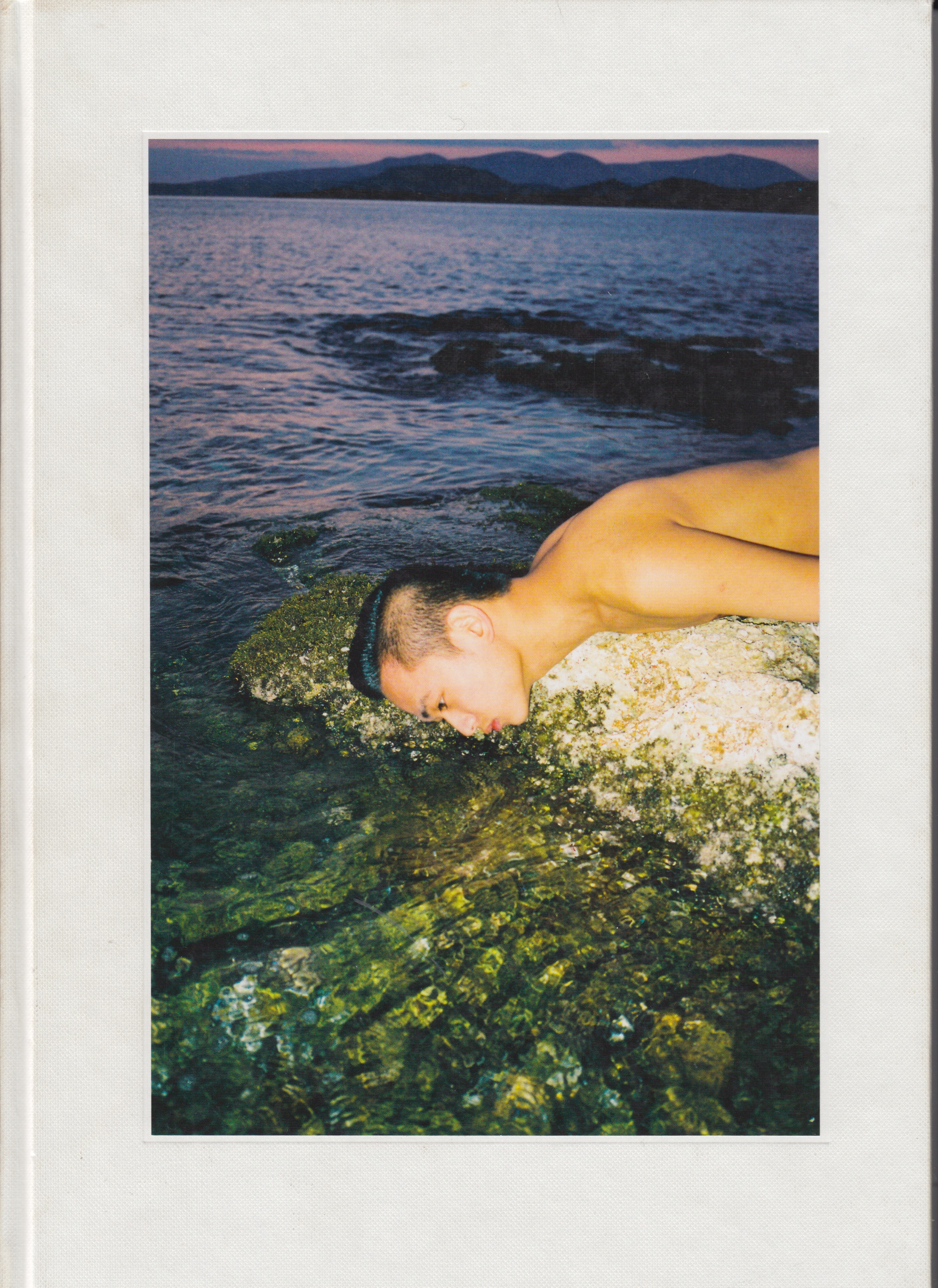
Athens Love presents poet and photographer Hang’s works taken in Athens and the Attica region of Greece in April 2015, during his participation in an artist residency and exhibition curated by Vassilis Zidianakis, titled "Occupy Atopos". The photographs in Athens Love feature Ren Hang's signature style of minimalist, vibrant, and erotically charged images of his friends, often nude and posed in unusual ways, but set against the backdrop of the Greek natural environment – beaches, woods, cliffs, and apartments.
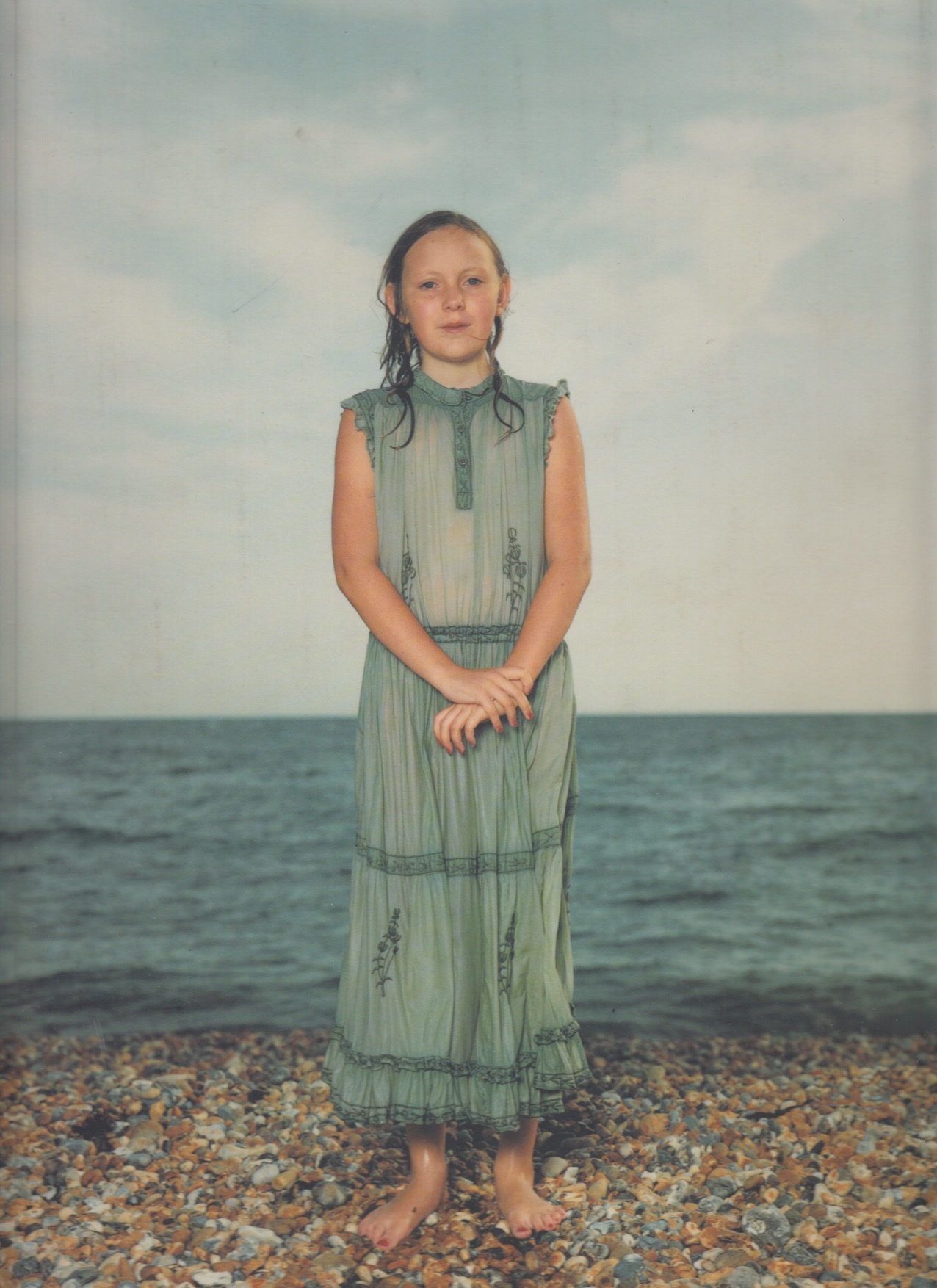
Rineke Dijkstra’s Beach Portraits presents adolescents standing alone against the sea, captured in striking, full-length frontal compositions. Marked by clarity and formal restraint, the images echo a typological approach associated with August Sander and Thomas Ruff, while also carrying a more intimate, Arbus-like sensitivity. Together, the series forms a collective portrait of adolescent vulnerability, existential uncertainty, and unexpected beauty.
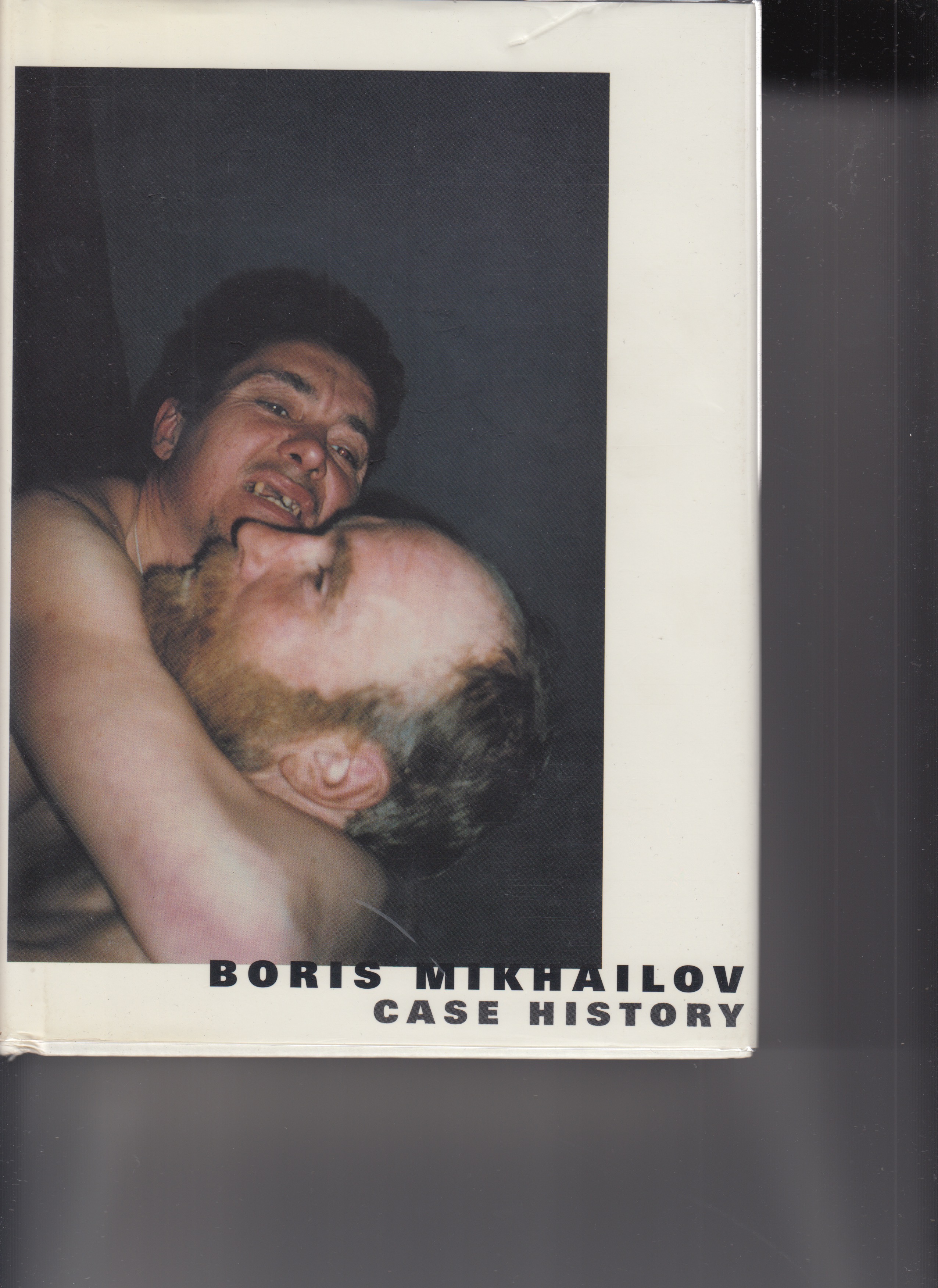
In 1996, five years after the collapse of the Soviet Union, Boris Mikhailov began making portraits of the outcasts in his hometown, Kharkov, Ukraine, where he was born in 1938.This body of work, comprised of 431 photographs, explores the oppression, devastating poverty, and the deeply troubling everyday reality of a marginalised community who had been left homeless by the rise of a new capitalist oligarchy.
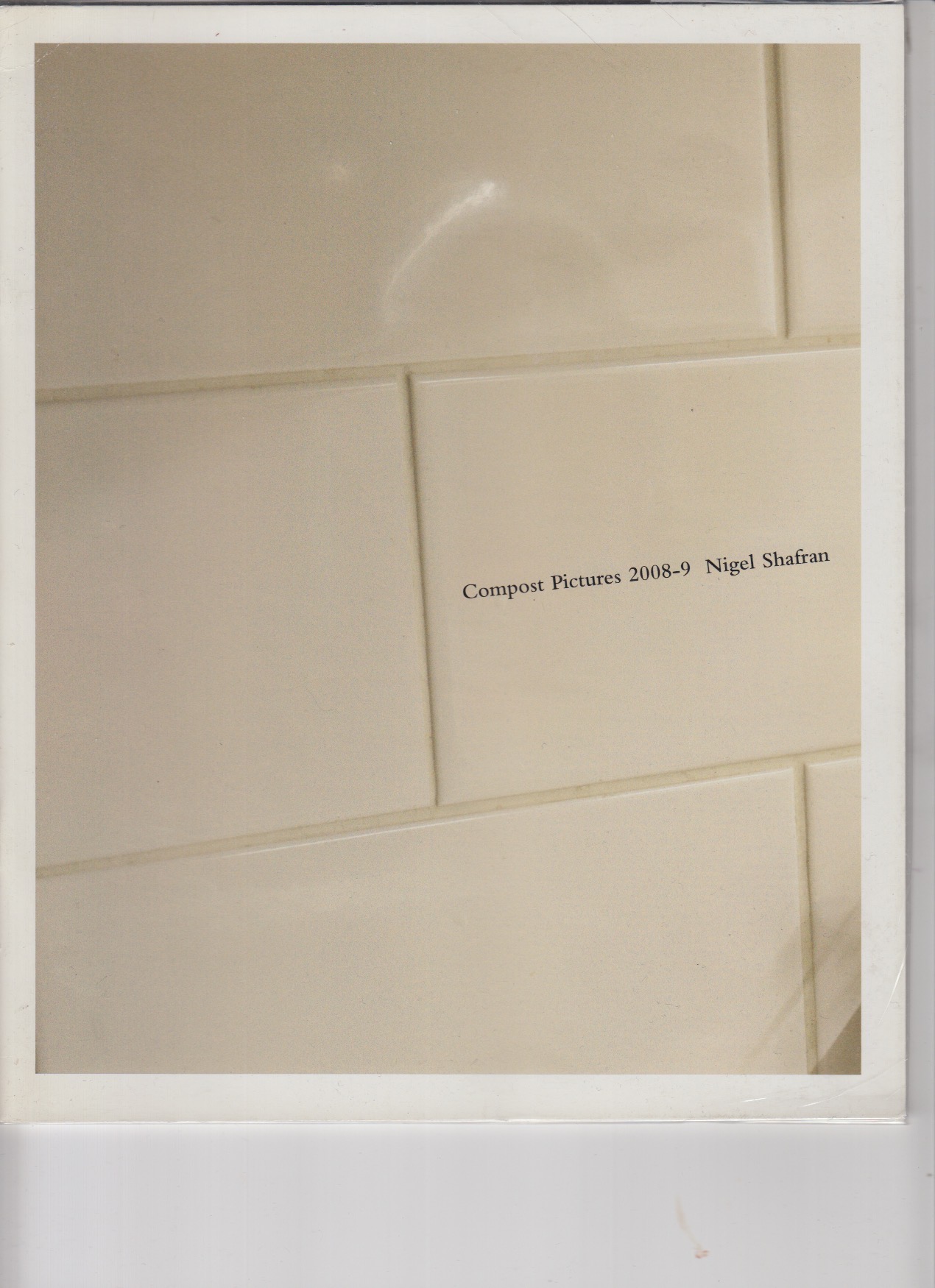
Published in conjunction with the 2010 exhibition Compost Pictures at the Charleston art centre in East Sussex, this artist’s book by Shafran continues his long-standing interest in the domestic environment as subject matter. Focusing on food waste collected in a kitchen compost bowl, the images reveal accidental arrangements of vegetables and utensils that resemble sculptural or installation-like compositions. This small, limited-edition, signed publication highlights the artist’s sharp observational eye and understated sense of humour.
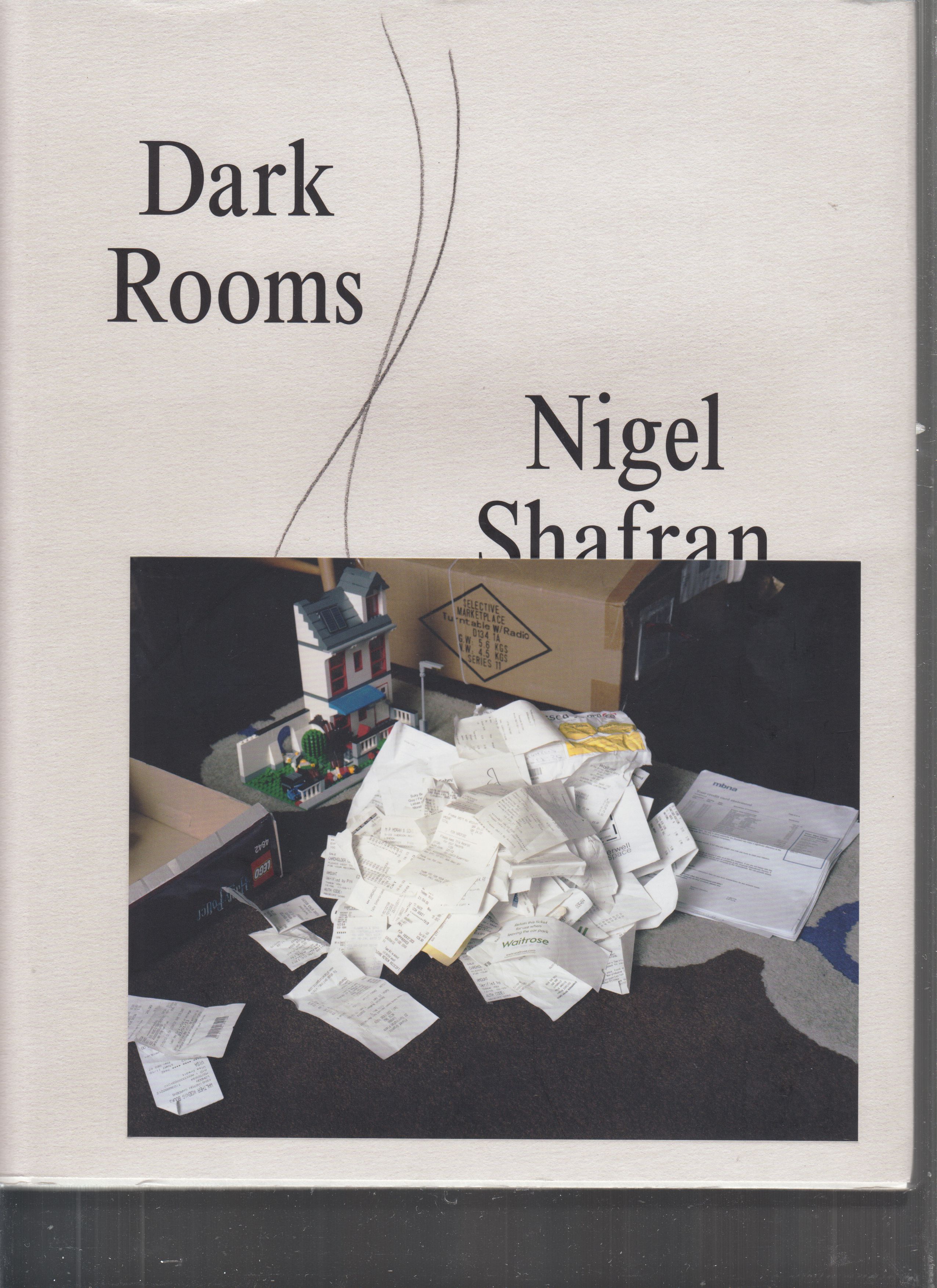
Dark Rooms takes five interconnected series of photographs by Nigel Shafran and weaves them together with the common thread of domestic scenes. There is a constant sense of forward movement that is sometimes overt, as in the photographs of supermarket checkouts or underground escalators; sometimes implicit and more emotionally charged. Each image carries the inevitability of change and the psychological undertow of time passing.
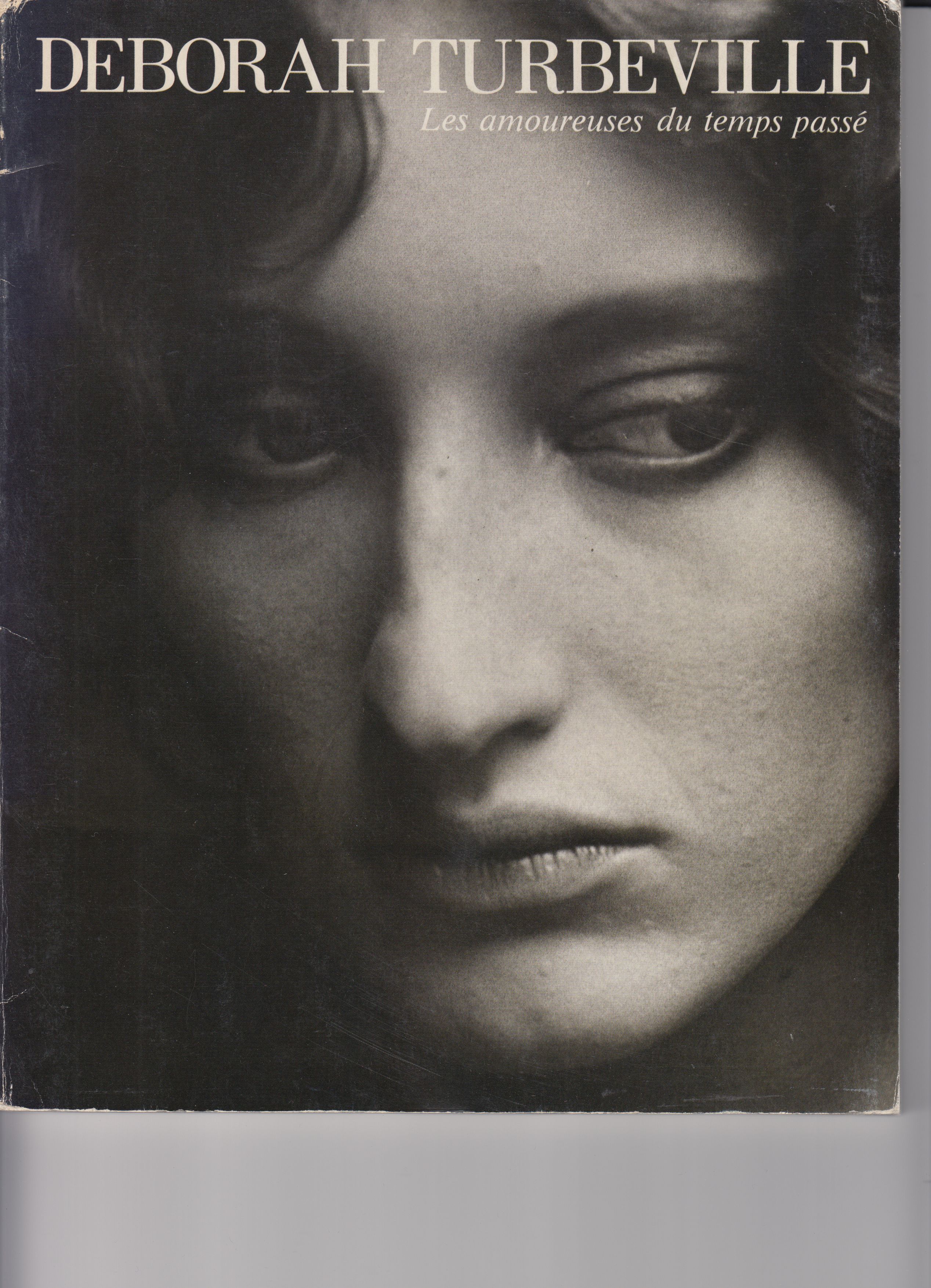
Deborah Turbeville is remembered today as a pioneering figure in fashion photography, known for her melancholic, dreamlike imagery that diverged from conventional standards. However, after working with Harper's Bazar, he soon lost interest in conventional editorial work, turning instead to photography as an outlet for artistic expression and experimentation. Les Amoureuses Du Temps Passe, translated to Lovers of Time Passing, is a collection of some of her best images in fashion and beyond.
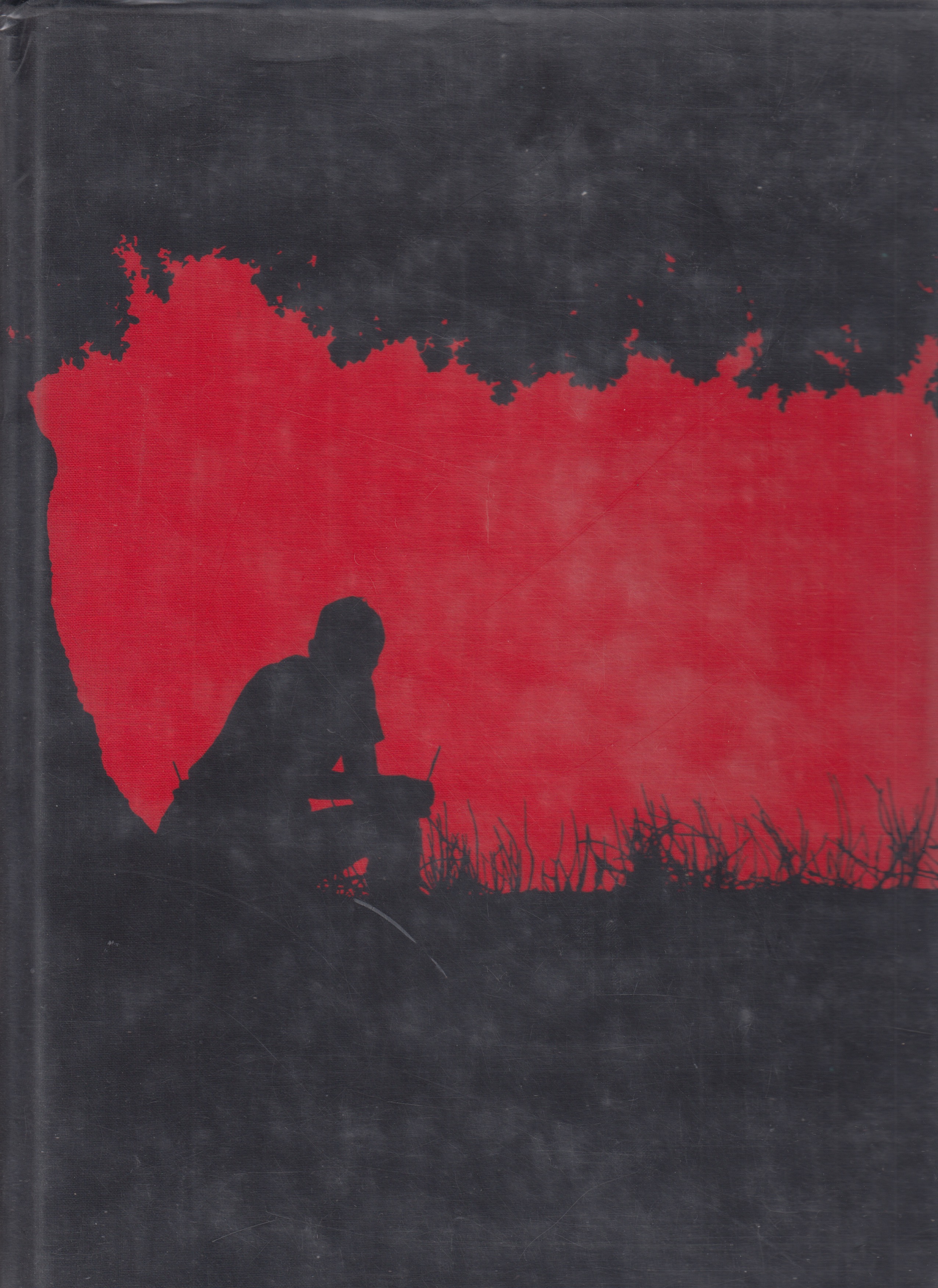
In this book, Salisbury set out to recapture the memories of childhood and the vagaries unique to place. Inscribed with the loss of his brother and the history of six generations before him, he has relived the past vicariously, photographing his cousins, Drew and Jimmy, as they grew to manhood. Delineated by the seasons and the intimacy of small town life, the results suggest nothing less than a Gothic portrait of boyhood in rural America.
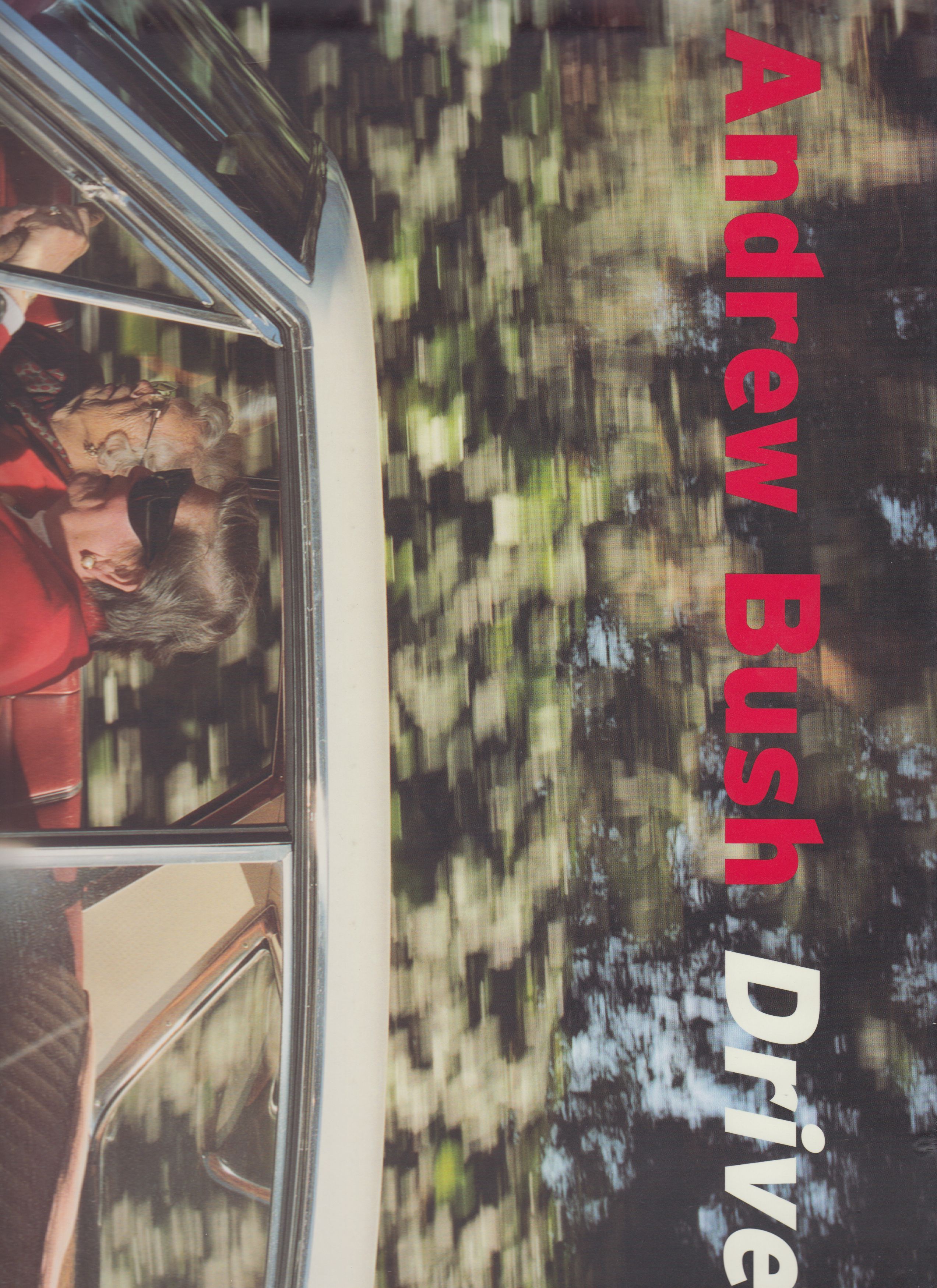
In this incredible book, photographer Andrew Bush examines the tension between private and public in his remarkable series of photographs of individuals driving cars in and around Los Angeles--a city famous for its car culture. By attaching a camera to the passenger side window, Bush made these pictures while driving alongside his subjects--often traveling at 60 mph.

A collection of remarkable full-bleed black and white photographs of photographs taken during photographer Ikko Narahara three-year stay in Europe from 1962.

During 1929, Herbert List began to photograph the young men he knew and traveled with throughout Greece, Italy, and Germany. He captured the innocence of their beauty and physical prowess before Hitler's politics commandeered those qualitie. The relationship, in List's mind, of these young men to Greek statues is emphasised by the occasional juxtaposition of nude or semi-nude figures with fragments of Greek statues.
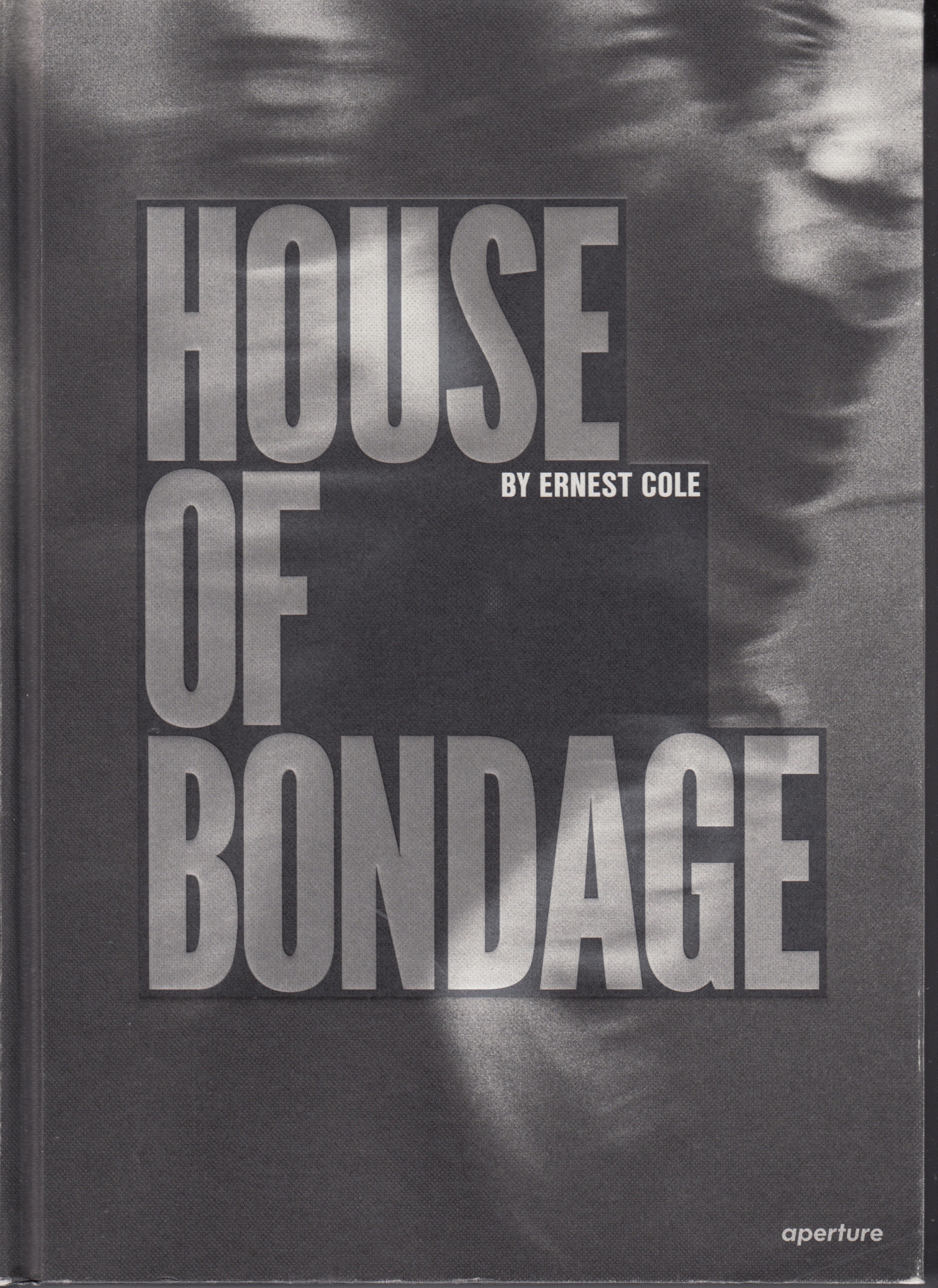
Ernest Cole, a Black South African man, photographed the underbelly of apartheid in the 1950s and ’60s, often at great personal risk. He methodically captured the myriad forms of violence embedded in everyday life for the Black majority under the apartheid system—picturing its miners, its police, its hospitals, its schools. In 1966, Cole fled South Africa and smuggled out his negatives; House of Bondage was published the following year with his writings and first-person account. This edition retains the powerful story of the original while adding new perspectives on Cole’s life and the legacy of House of Bondage, remaining a visually powerful and politically incisive document of the apartheid era.

From his illustrations for "Nadja" by André Breton, to "Le Gros Orteil" and "Les Mouches" published in Documents magazine, the photographer Jacques-André Boiffard (1902-1961) brought some of the most emblematic pictures into the Surrealist iconography – which are gathered in this book.
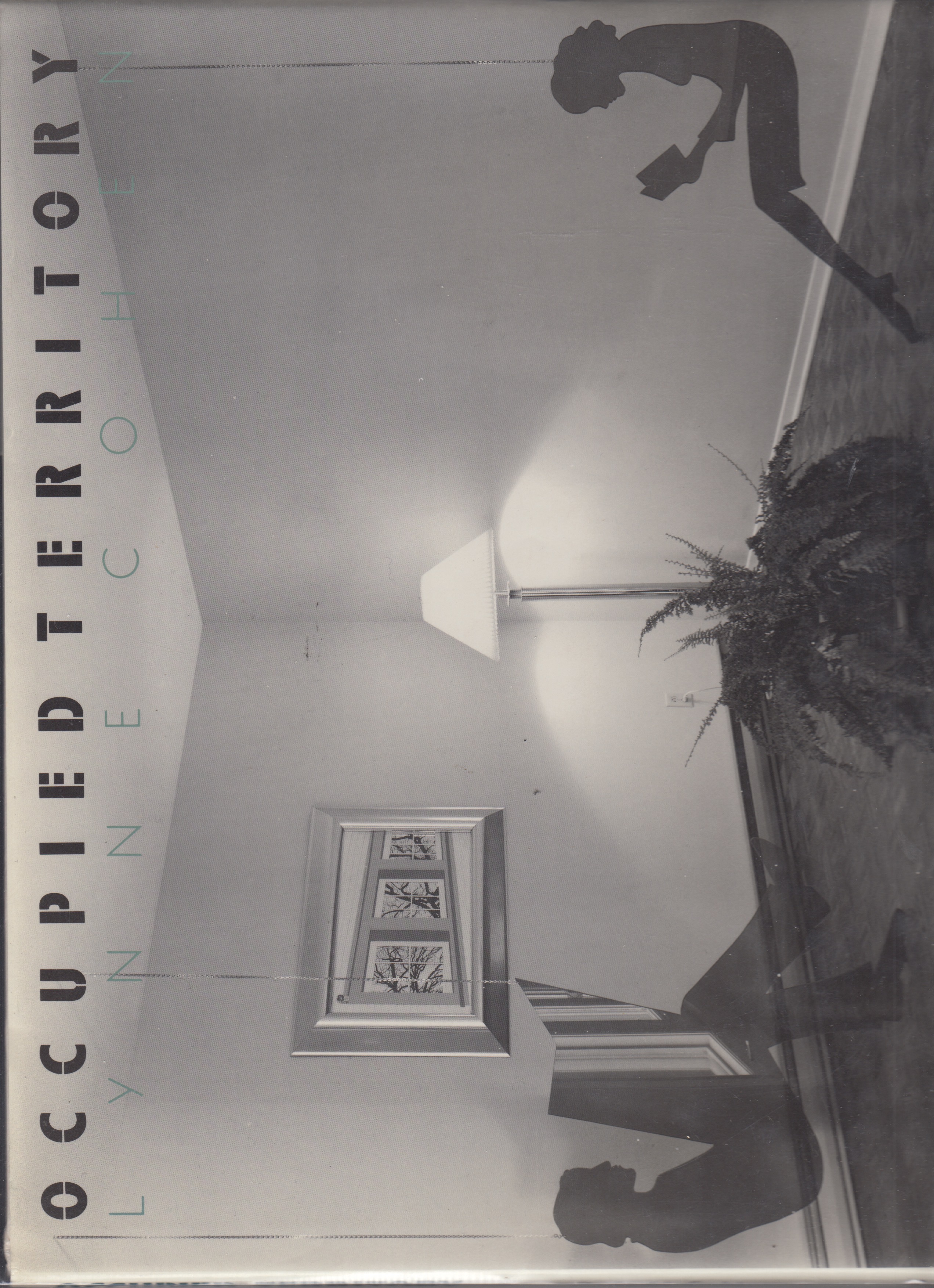
During the 1970s and 80s, Lynne Cohen turned her view-camera toward classrooms, science laboratories, testing facilities, waiting rooms, and other interior spaces where function triumphs over aesthetics. In cool, functional offices, futuristic reception areas, lifeless party rooms, and escapist motel rooms, Cohen surveys a society of surface, contradiction, and social engineering.

For Gary Winogrand, the street was a stage which revealed humanity through a spectrum of candid dramas. This comprehensive monograph spans three and a half decades, concentrating on the kinetic street pictures that form the core of Winogrand’s vision, capturing a 1970s New York.

This book, published to coincide with an exhibition at MoMA, is a comprehensive overview of the work of Garry Winogrand. Grouped under the following titles—Eisenhower Years, The Street, Women, The Zoo, On the Road, The Sixties, Etc, The Fort Worth Fat Stock Show and Rodeo, Airport, and Unfinished Work—many of the 179 plates are works that had never before been published.
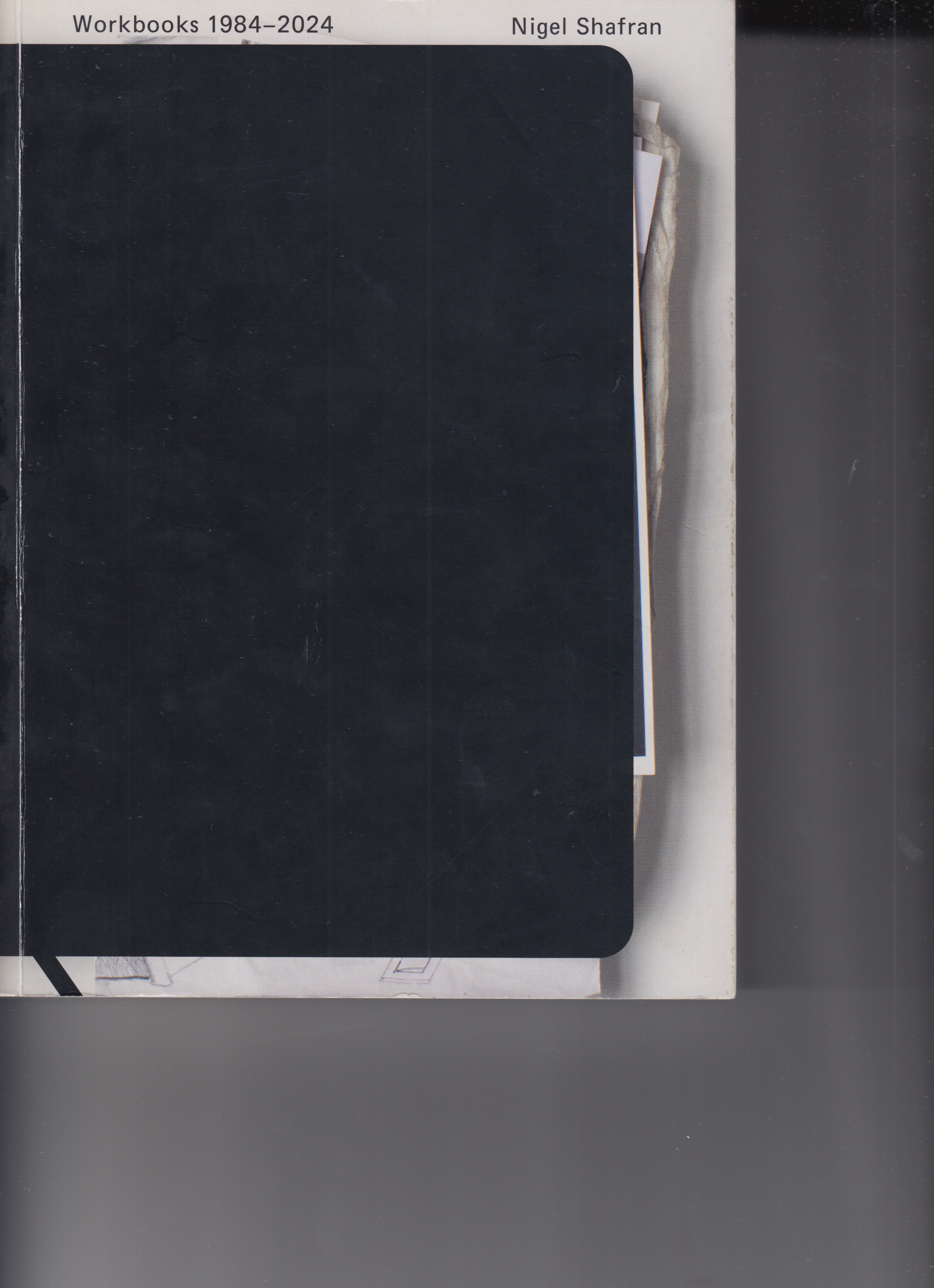
Workbooks is an extensive book that gathers together a creative lifetime of collecting, imagining, sketching and recording by British artist Nigel Shafran from 1984-2024. These working documents are informal books that predated Shafran's published work. Each is filled with drawings, notes and everyday ephemera as well as photographs, and each has a particularcharacteristic of Shafran’s intuitive organising principles and working process.