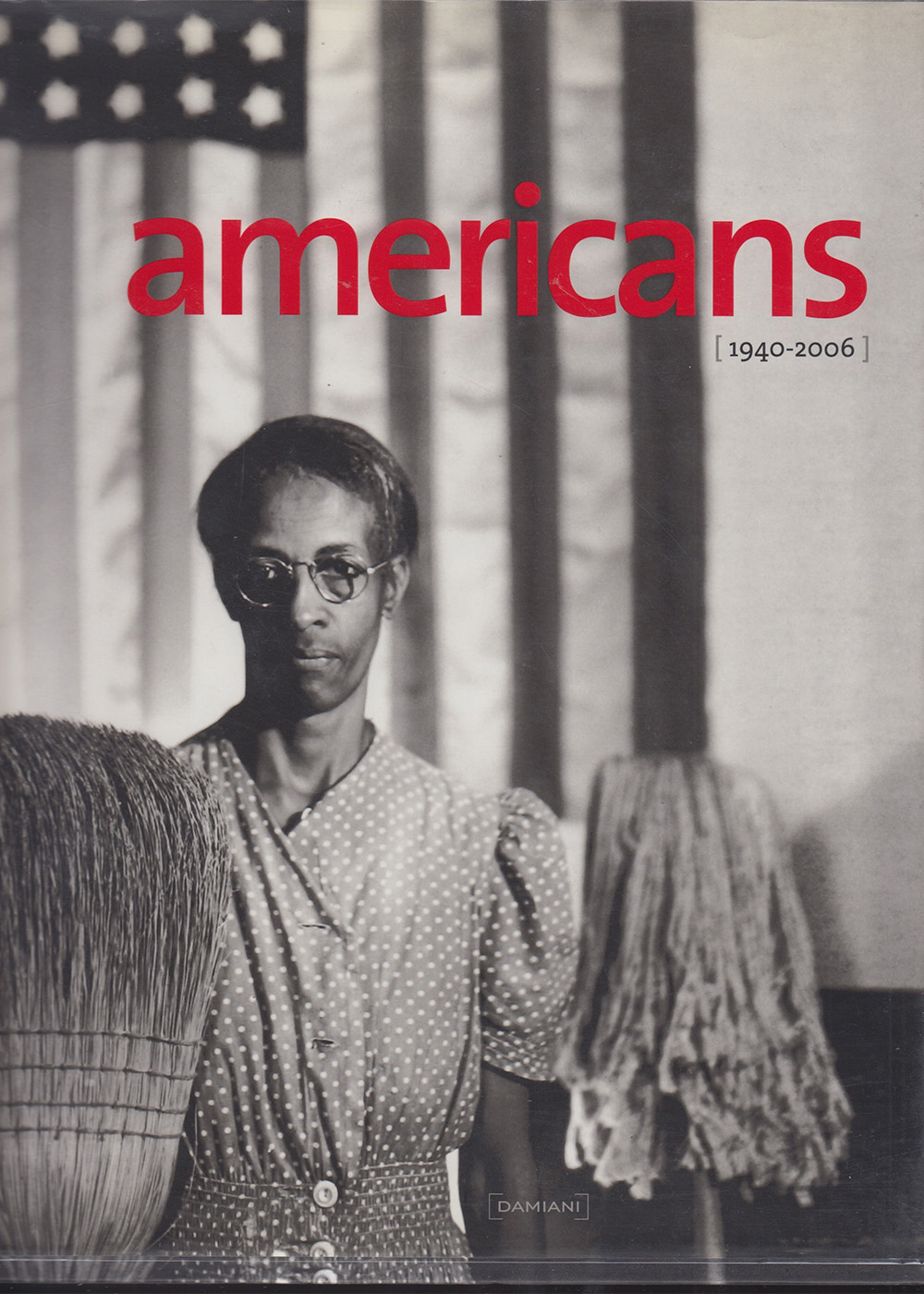
Curated by Peter Weiermair for an exhibition at Kunsthalle Vienna, this collection of photographs documents the social landscape of American from 1940-2006. Featuring works by Diane Arbus, Richard Avedon, Larry Clark, Bruce Davidson, Robert Frank, Lee Friedlander, Peter Hujar, Helen Levitt, Ryan McGinley, Gordon Parks, Rosalind Solomon, Ed Templeton and Burk Uzzle.

British Women Go to War documents the vital contributions of British women during the Second World War, covering their work in the armed forces, industry, the Women Land Army, and the Women's Voluntary Services. Featuring striking colour photographs by percy Hennel that show women in various roles during this period.
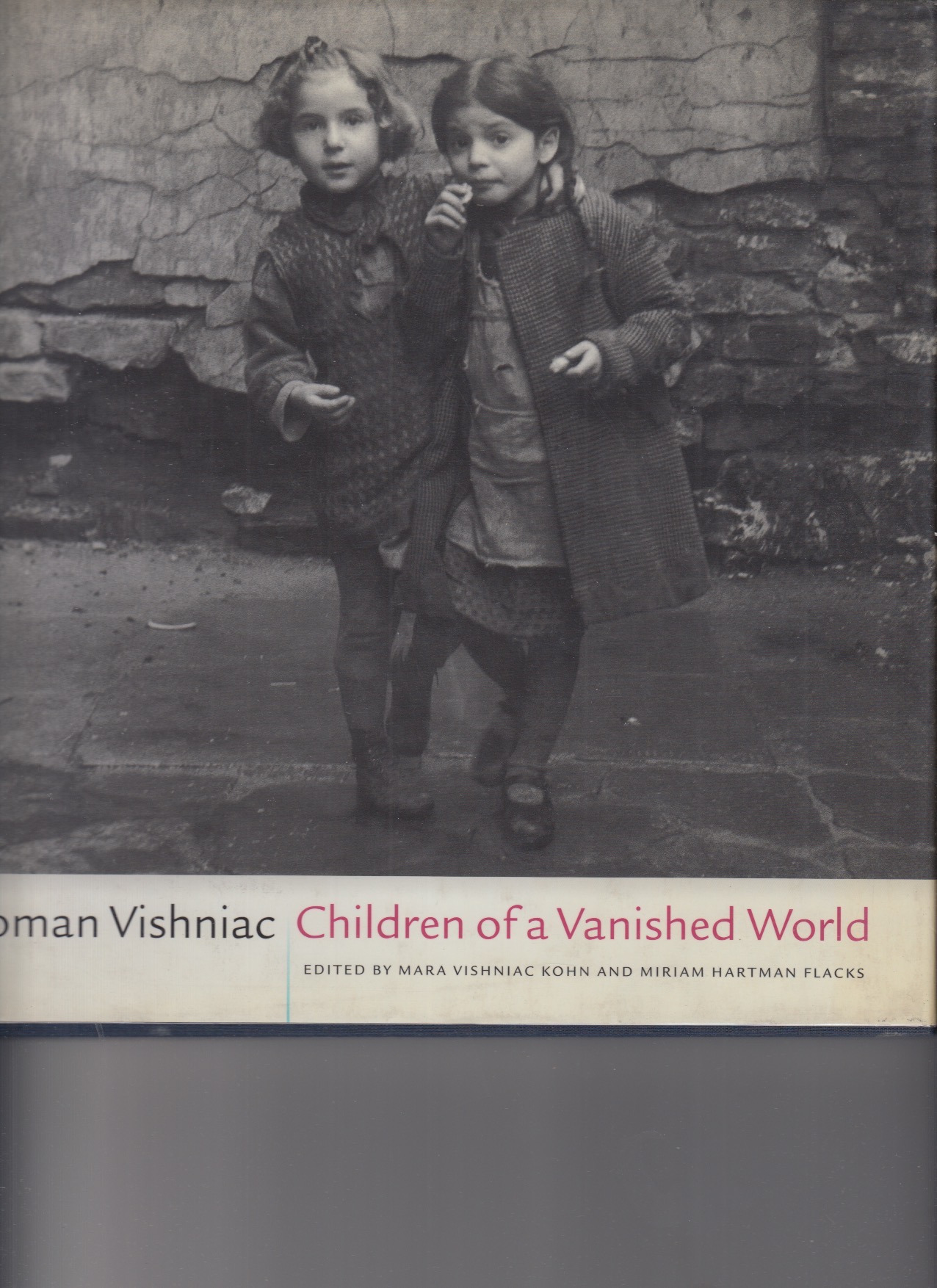
Children of a Vanished World presents 70 intimate photographs of Jewish children living in Eastern European shtetlekh between 1935 and 1938. Paired with traditional Yiddish nursery rhymes, songs, and poems in both Yiddish and English, the book offers a poignant glimpse into a vibrant world soon lost.

After years of covering wars and conflicts around the globe, British photographer Don McCullin – one of the most celebrated photojournalists of his generation – returned home in the hopes discovering who he was and where he came from. The resulting photographs are as much as portrait of England as they are of McCullin himself.
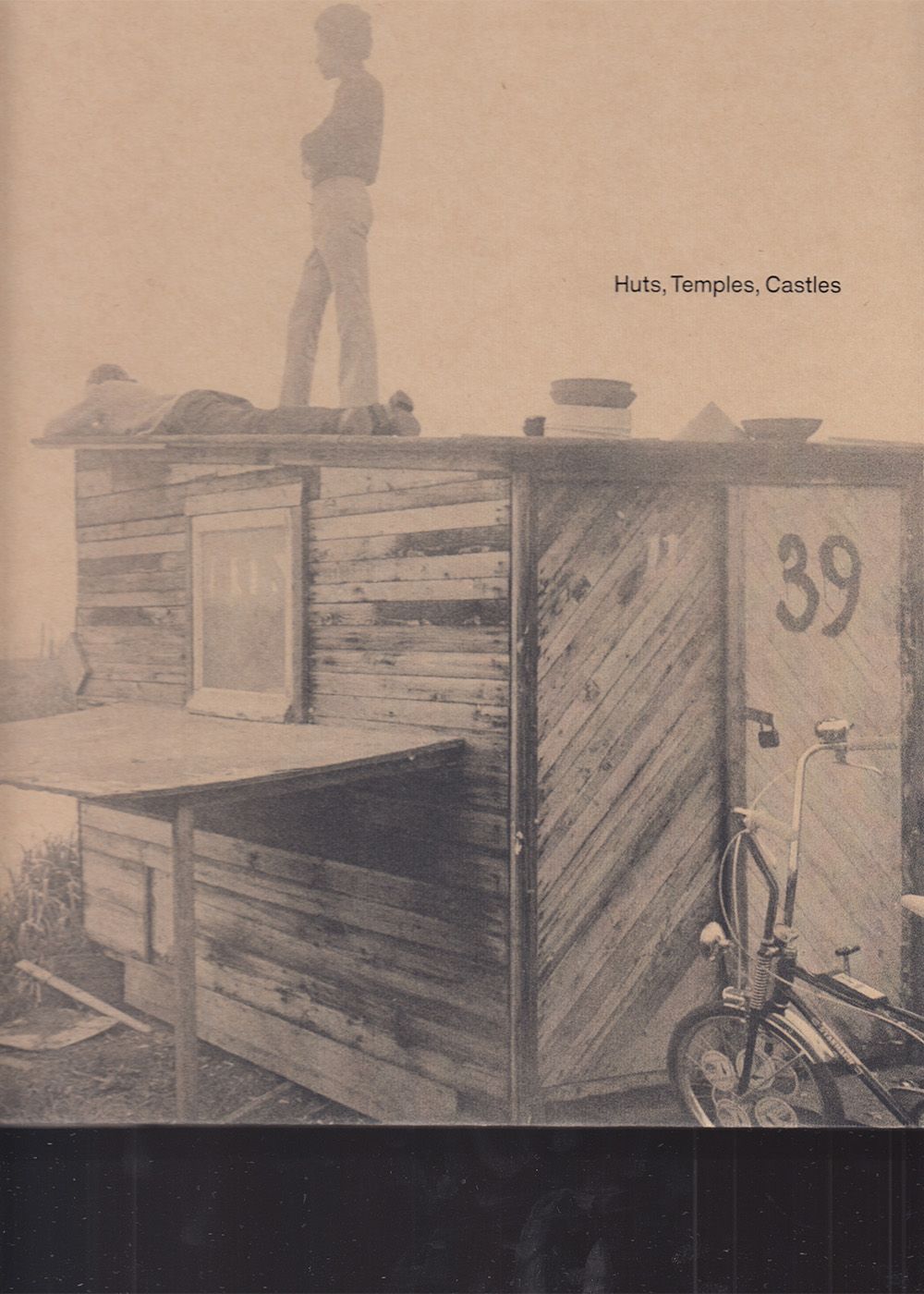
In the wake of the Second World War, aiming to occupy the children rampaging streets and parks, the City of Amsterdam founded Jongensland, a space where boys (and the occasional, officially disallowed girl) could play, build, create, and destroy, largely without supervision. Located on an island accessible only by rowboat, Jongensland grew into a sprawling settlement built experimentally from scrap materials by its young inhabitants. Here, children would cook food, raise animals, build fires, and trade with each other. Without adult intervention, they relied on shared resourcefulness and collaborative ingenuity. This book presents Schulz-Dornburg’s largely unseen series alongside an extended alongside an extended essay by architectural historian Tom Wilkinson reflecting on the architectural themes and lessons Jongensland continues to offer.

Published to coincide with an exhibition at the Imperial War Museum, Lee Miller: A Woman’s War tells the story beyond the battlefields of the Second World War by way of Miller’s extraordinary photographs of the women whose lives were affected. The photographs in this volume, many previously unpublished, are accompanied by extended captions that place the images within the context of women’s roles within the landscape of war.
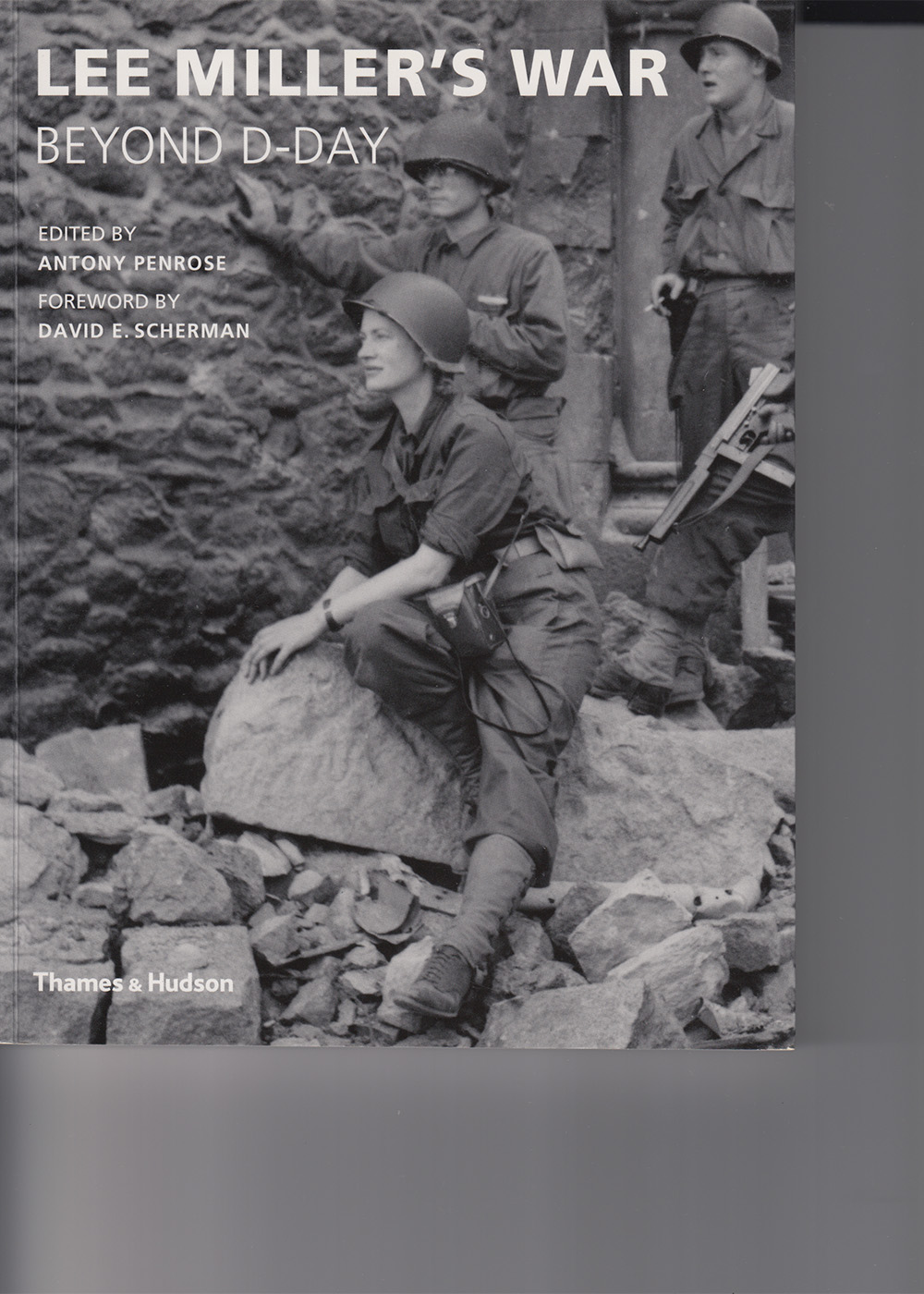
Lee Miller's work for Vogue from 1941-1945 sets her apart as a photographer. The quality of her photography from the period has long been recognized as outstanding, and its full range is shown here starting with her first report from a field hospital soon after D-Day. Nearly 160 photographs are shown, portraying war-ravaged cities, buildings and landscapes, as well as war-resilient people - soldiers, leaders, medics, evacuees, prisoners of war, the wounded, the villains and the heroes.
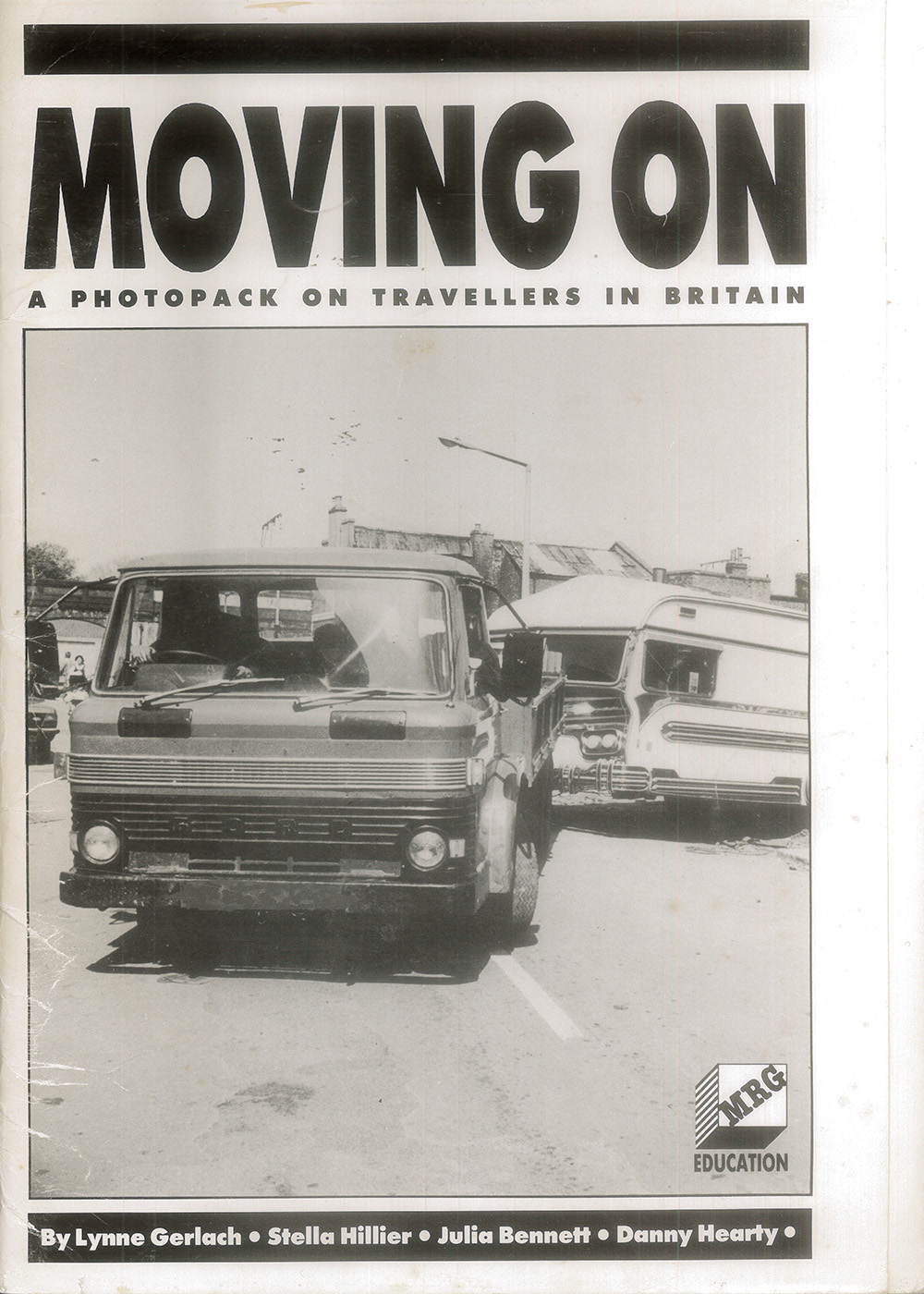
This educational photopack published by the Minority Rights Group of the 1980s describes Britain's Traveller population and the ways in which they are affected by marginalisation and a lack of laws. The book aims to educate the wider British society about these communities through photographs and text.
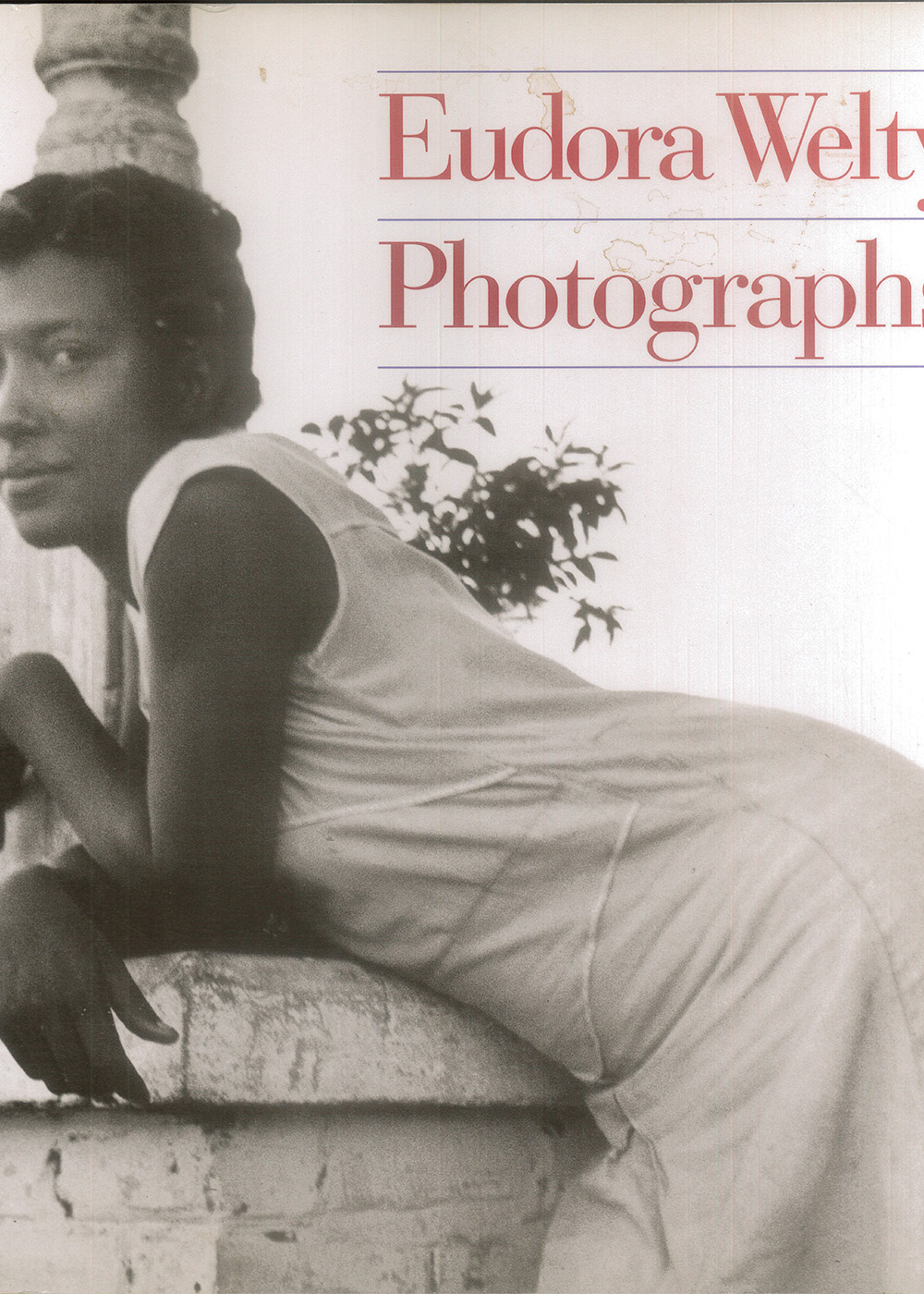
Eudora Welty’s Photographs, originally published in 1989, serves as the definitive book of the critically acclaimed writer’s photographs. Her camera’s viewfinder captured deep compassion and her artist’s sensibilities. Photographs is a deeply felt documentation of 1930s Mississippi taken by a keenly observant photographers.
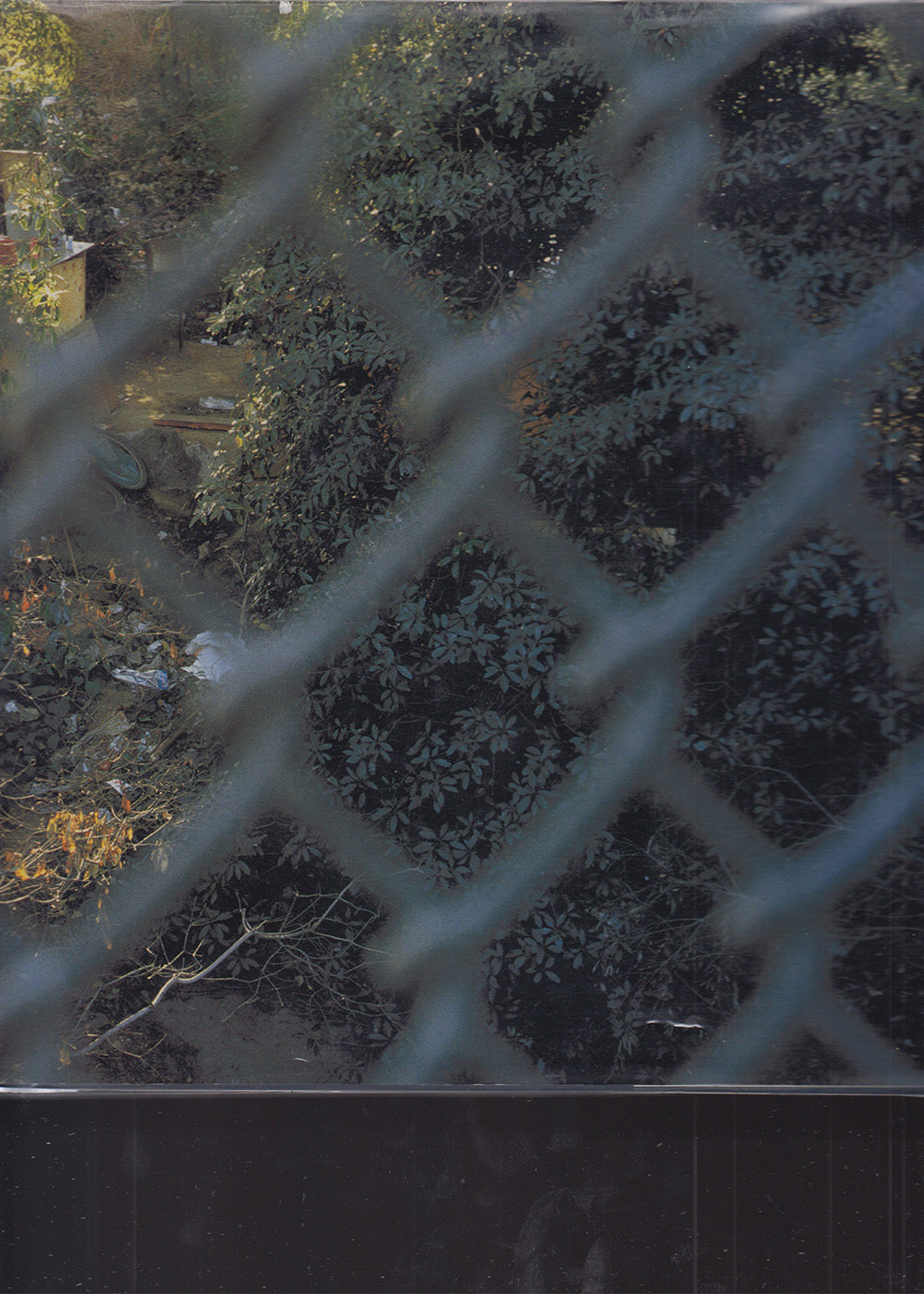
In this ongoing project, Anthony Hernandez documents the haunts of the world's homeless, proceeds to international sites and finds similar scenes.
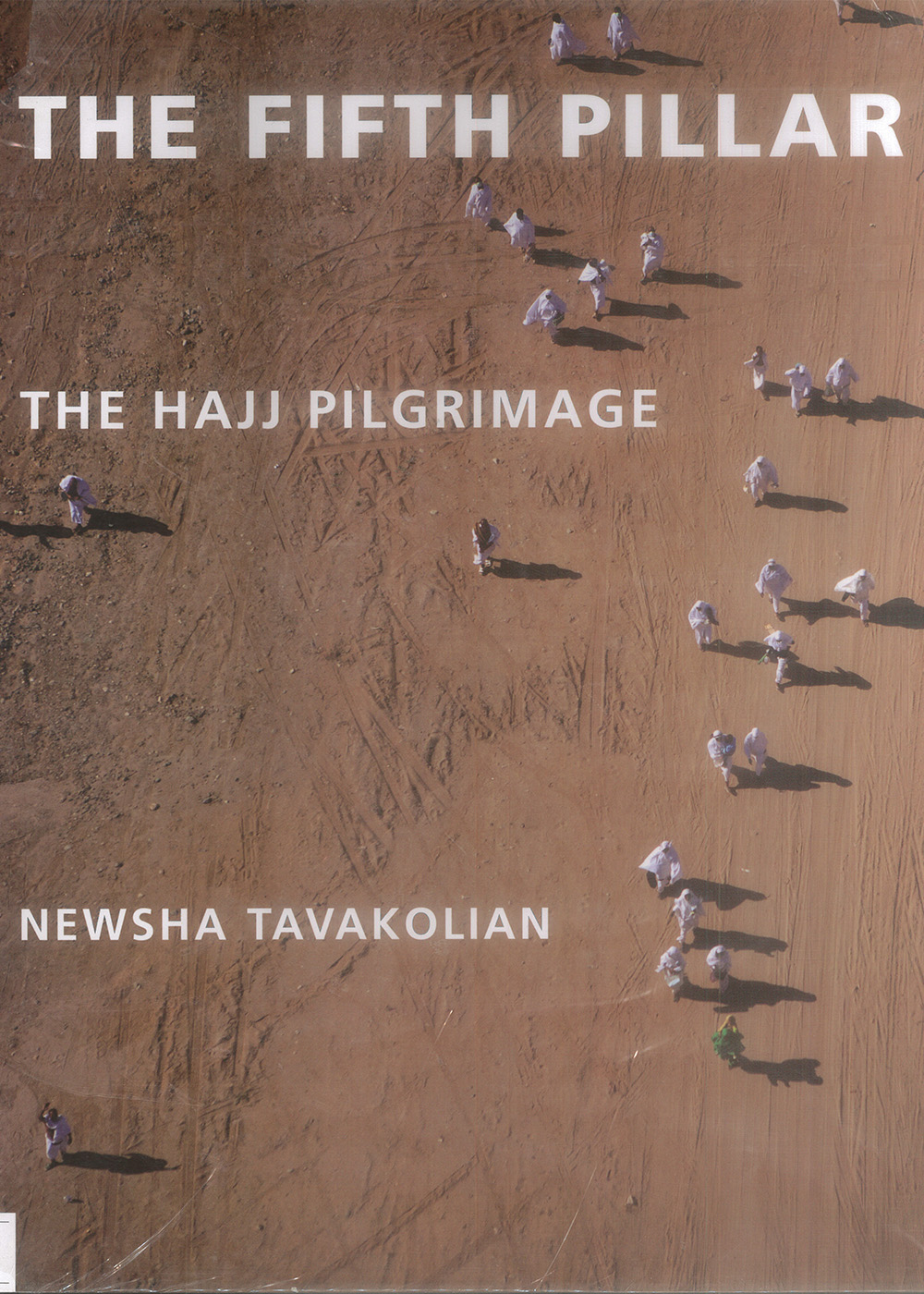
This book is a photographic celebration of the Hajj pilgrimage – an annual Islamic pilgrimage to Mecca, Saudi Arabia, the holiest city for Muslims. Newsha Tavakolian's remarkable photography is reproduced here with full captions that detail the events and rituals that form part of the pilgrimage.
-min.jpg)
Things As They Are tells the story of modern photojournalism – from the heyday of Life magazine in 1955 to the era of the camera-phone seen today. With 120 picture essays, this book reveals how the events of the world, the art of photographers.and interests of the press have converged onto the printed page to portray an ever changing world. Includes photographs from artists such as Henri Cartier-Bresson, Nan Goldin, Mary Ellen Clark and Walker Evans.
Photographic documentations of war across USA, Afghanistan and Iraq. With contributions by Christopher Anderson, Alexandra Boulat, Ron Haviv, Gary Knight, Antonin Kratocvil, Christopher Morris, James Nachtwey and John Stanmeyer.
War Without Heroes is a book of black and white photographs by David Douglas Duncan of soldiers during the Vietnam war – capturing moments of both comradeship and tragedy.