
A History of Men's Fashion is divided into four parts that follow the sartorial evolution of the male wardrobe from the era of Beau Brummell, which created the model of the gentlemen and the dandy, to the "anti-fashion" trends of the early 1990s.
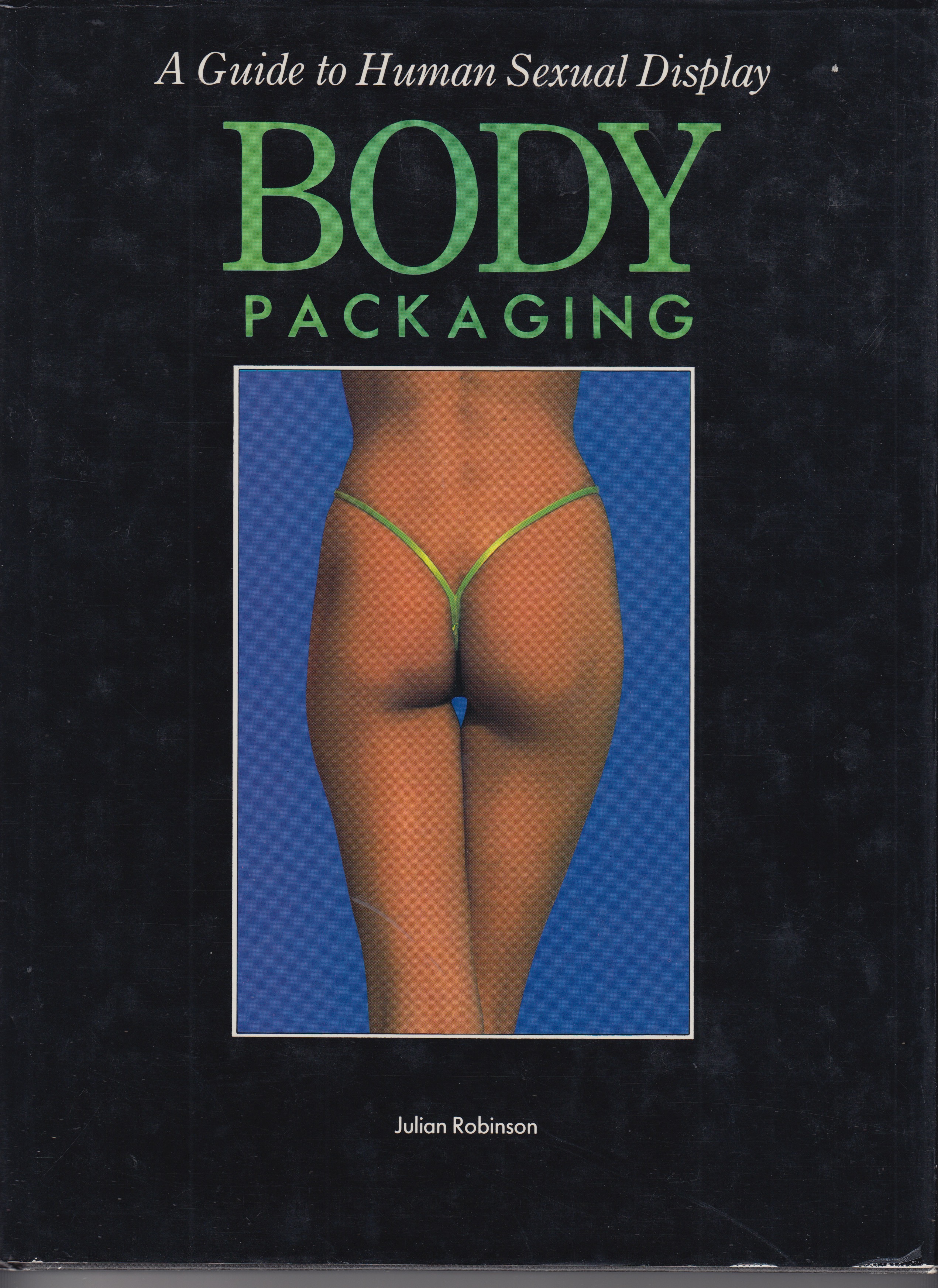
An examination of costume, sex and symbolism – from high-heeled shoes and French knickers, to uniforms and bondage gear, to wedding dresses, tail coats and jeans.
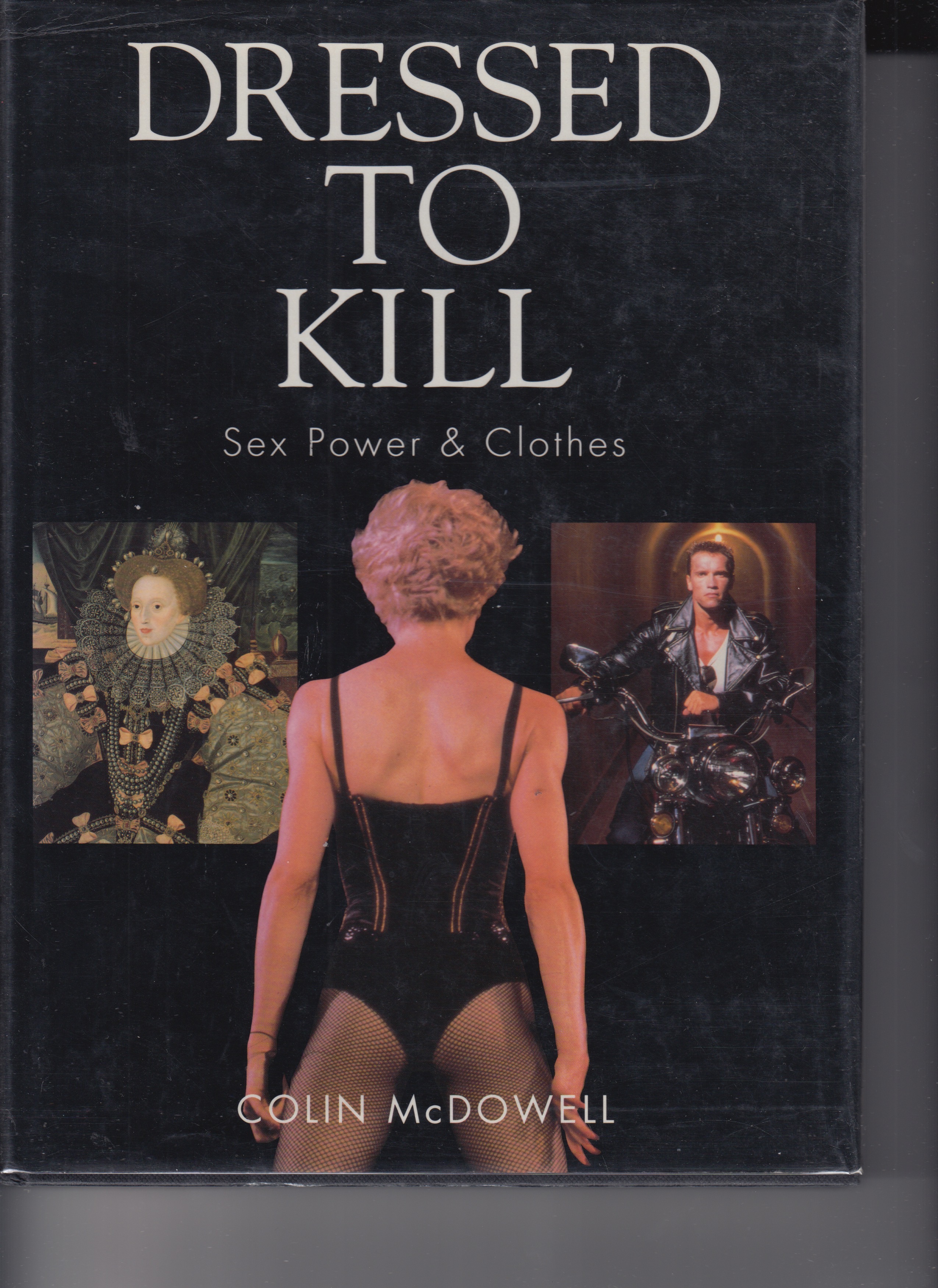
Dressed to Kill is an interesting look at the ways in which clothing, and its symbol as a from of status and power, has developed over time. Looking at the influences of sexuality and gender, this book presents how fashion is a means of looking at ourselves and the society.

This book presents some of most extravagant and ingenious images ever created in art and in haute couture – the fruits of the love affair between fashion and Surrealism. Containts an incredible collection of designers and their designs – from Elsa Schiaparelli's collaboration with Salvador Dali; to the images of Rene Magritte and Max Ernst; to the designs of Vivienne Westwood, Marc Jacobs and Olivier Guilleman who incorperated Surrealism imagery into the 1980s fashion.
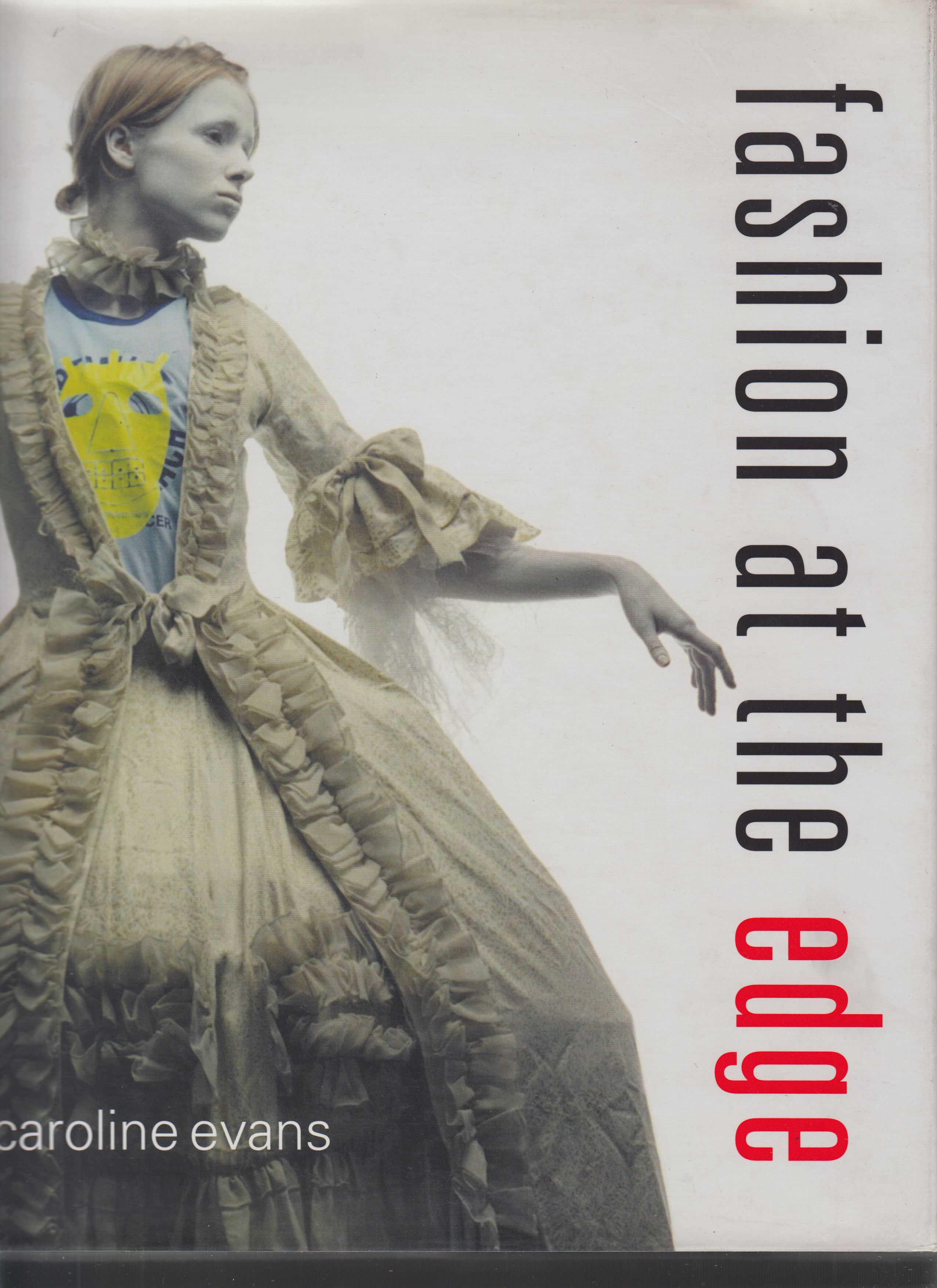
Fashion has a dark side – a preoccupation with representations of death, trauma, alienation, and decay. This intriguing book looks closely at this strand of fashion design in the 1990s, exploring what its disturbing themes tell us about consumer culture and contemporary anxieties. Fashion at the Edge considers a range of cutting-edge contemporary fashion in unprecedented depth and detail, including the work of such current designers as John Galliano, Alexander McQueen, Hussein Chalayan, and Viktor & Rolf. Contrasting images by photographers like Steven Meisel, Nick Knight, and Juergen Teller are also reviewed
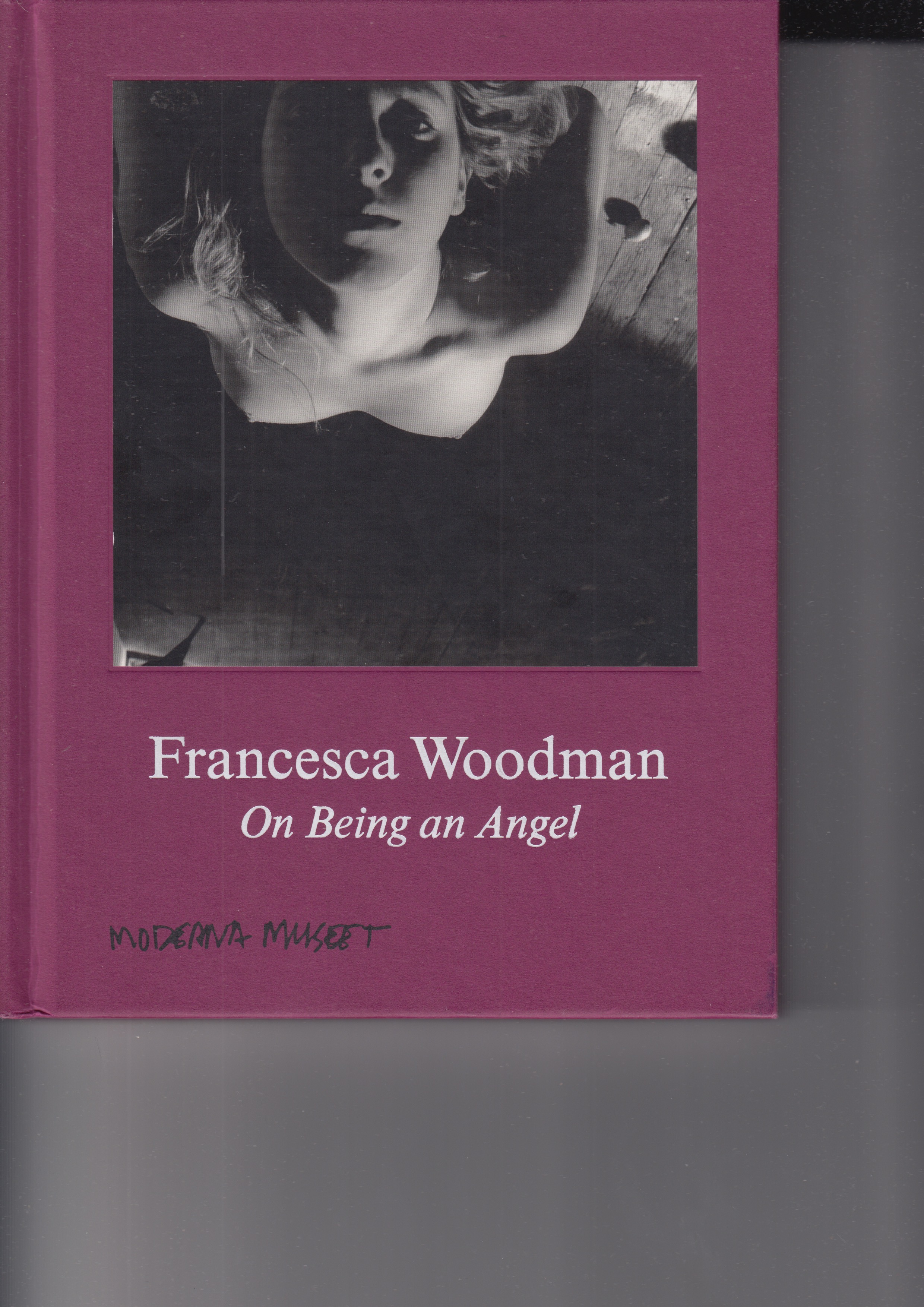
Francesca Woodman: On Being an Angel offers a comprehensive overview of Woodman’s oeuvre, organized chronologically, with texts by Anna Tellgren, Anna-Karin Palm and the artist’s father, George Woodman.
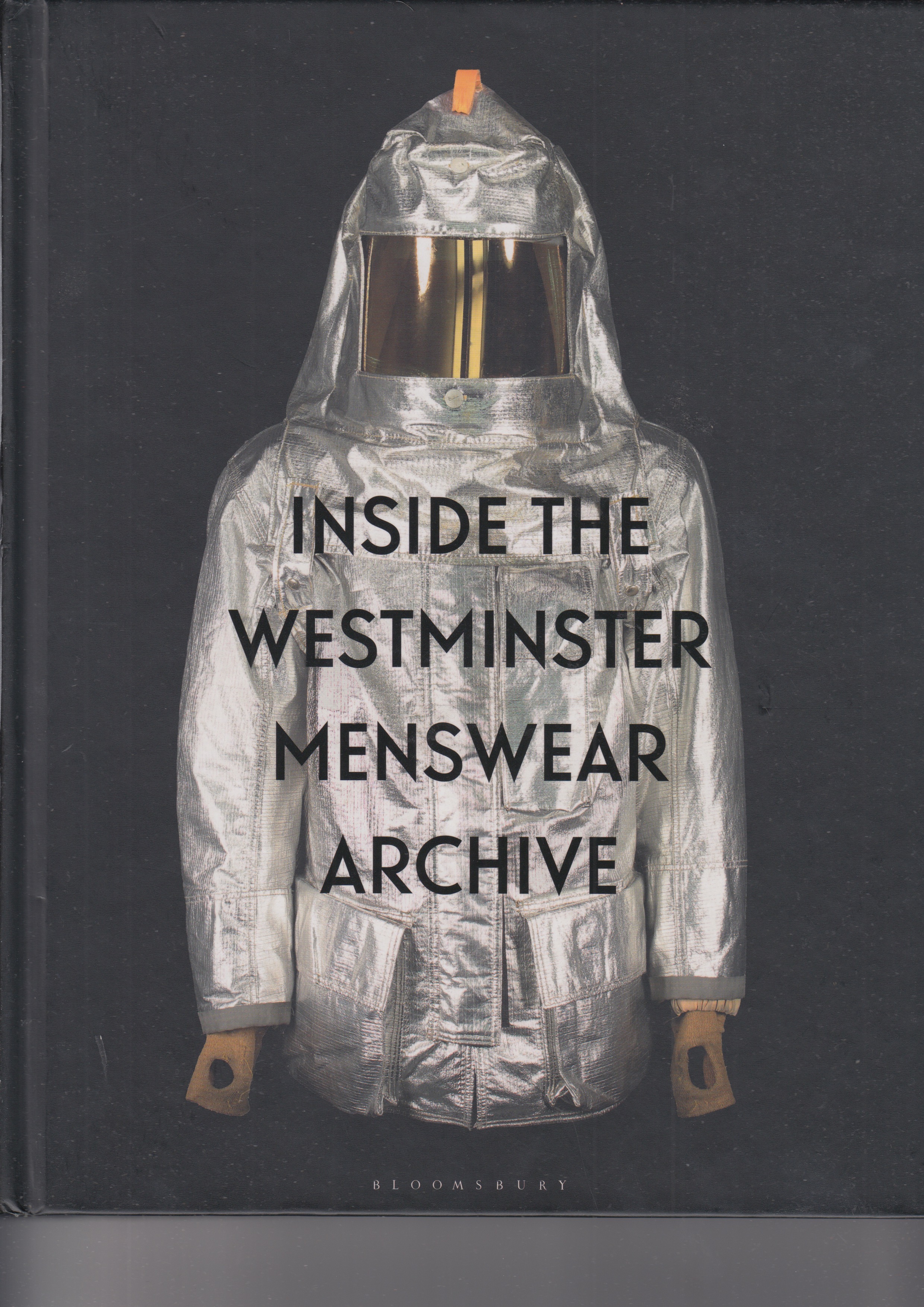
Inside the Westminster Menswear Archive is a unique guide to the role of garment archives as an industry resource for designers to research and examine both historical garments and the work of their peers. Groves and Sprecher analyse over 140 key garments from the Westminster Menswear Archive, spanning the last 275 years, each brilliantly photographed in close-up detail and annotated with curator commentary, to inspire new generations of designers.
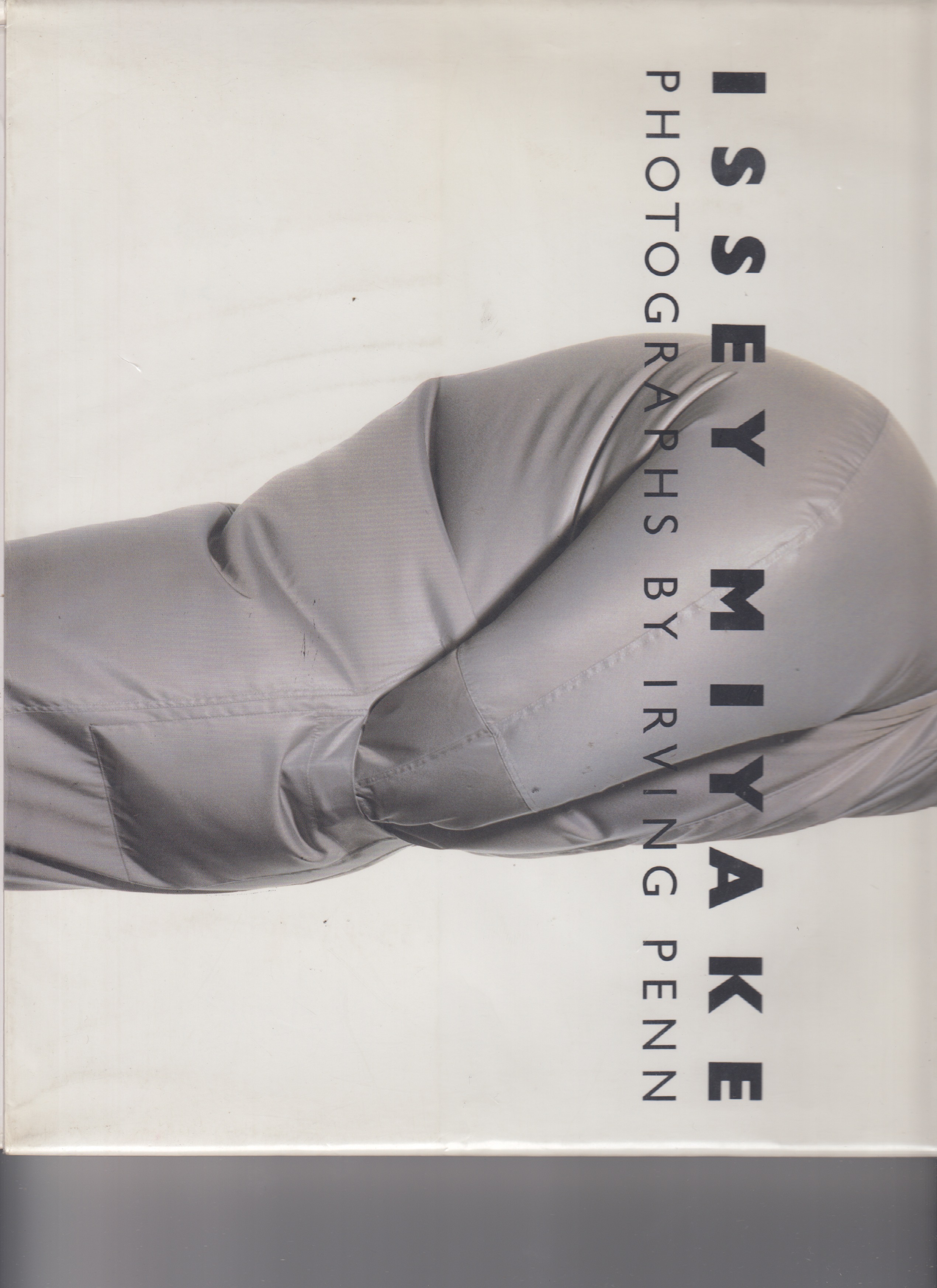
This book shows some of Miyake’s most famous pieces in beautiful detail photographed on clean white backdrops with bright light to capture the pleat pattern, shot by Irving Penn.
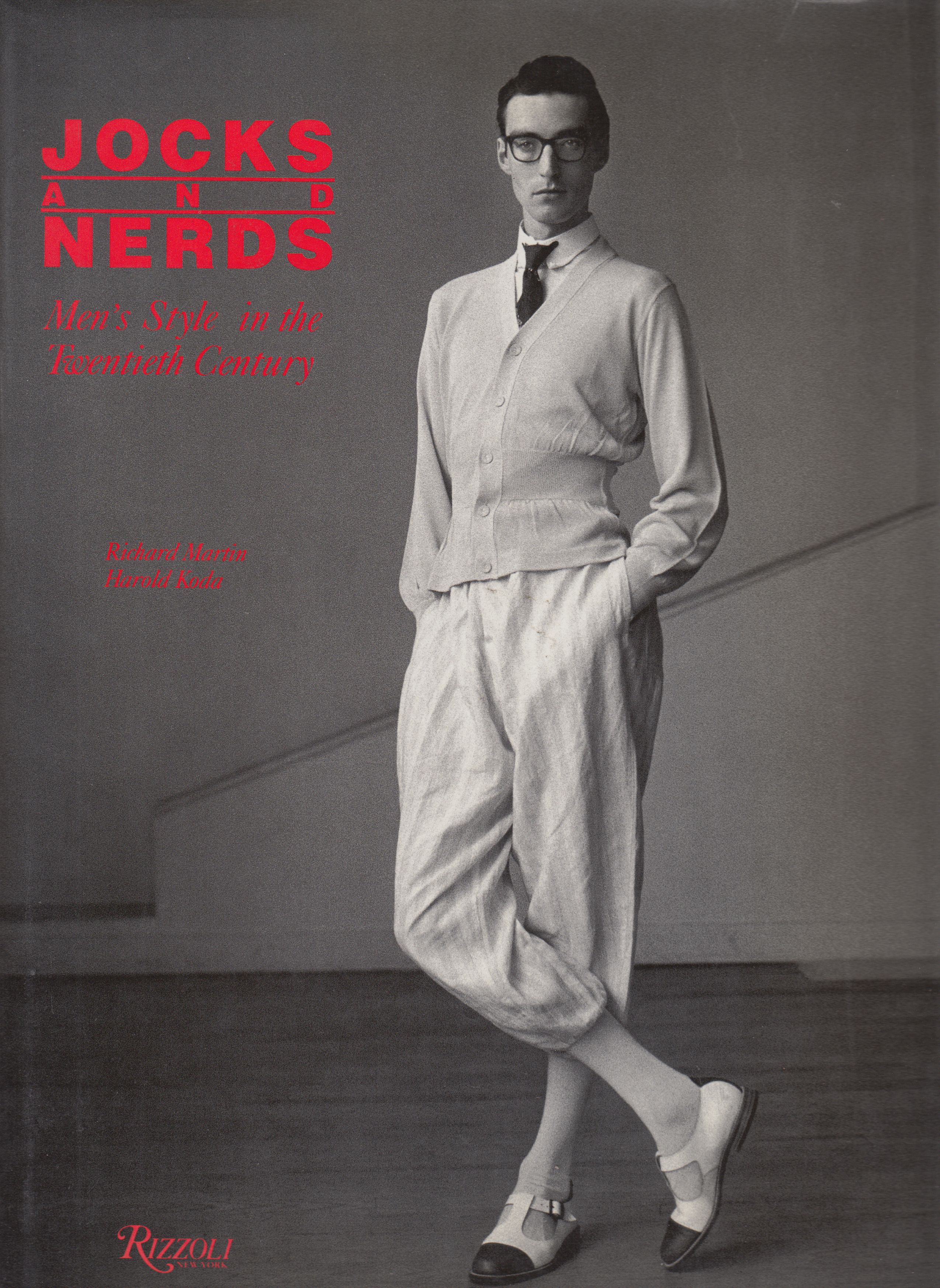
Jocks and Nerds: Men's Style in the Twentieth Century offers a visual history of the way men have dressed in the twentieth century, tracing twelve social roles that have formed fashion and fashion leaders.
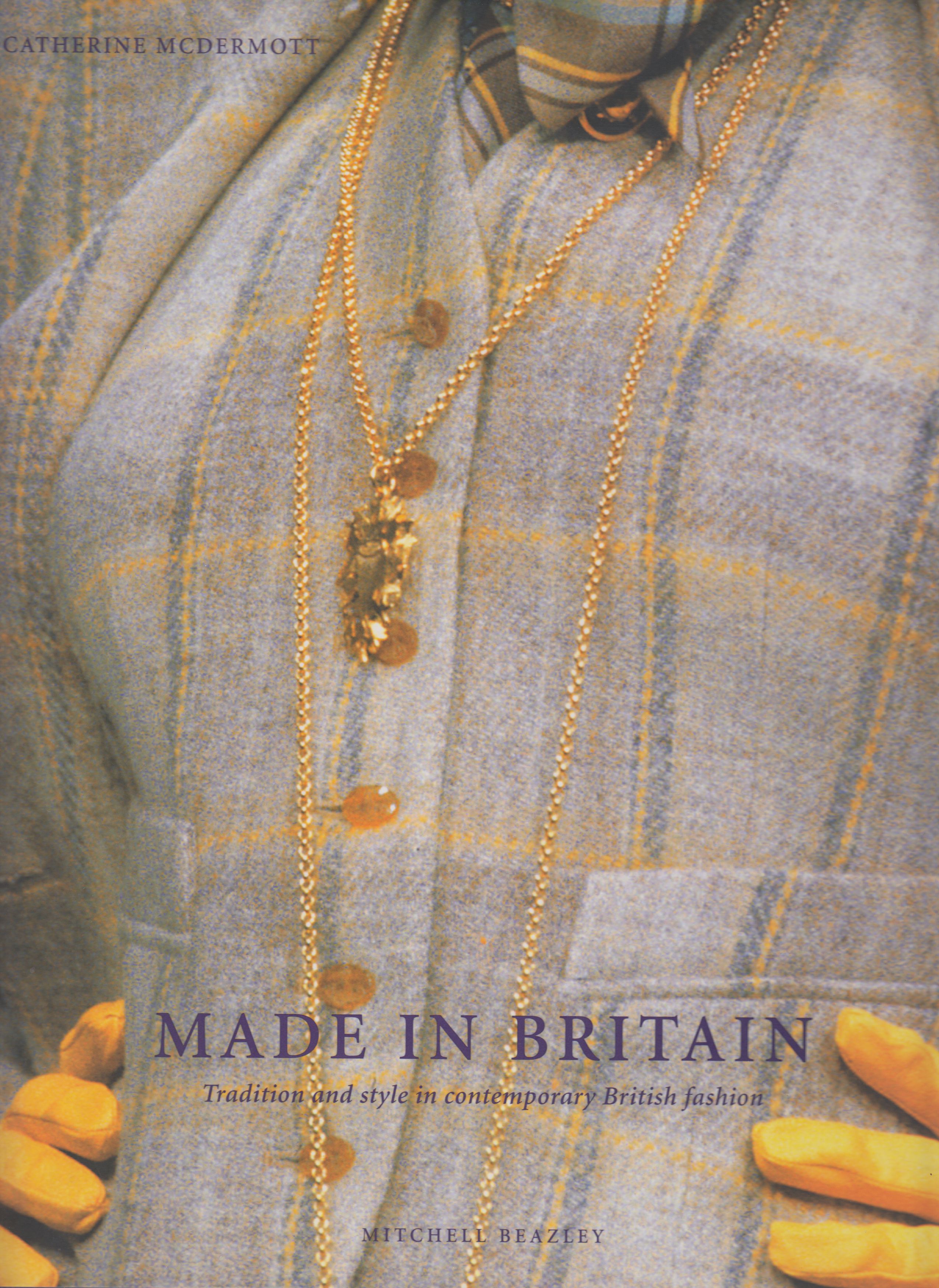
An exploration of the unique world of British fashion, including established names and the work of new British designers. All aspects are covered including tailoring, fabrics, branding and accessories while special features highlight the work of key designers and influential trends – including the work of Alexander McQueen and Vivienne Westwood.
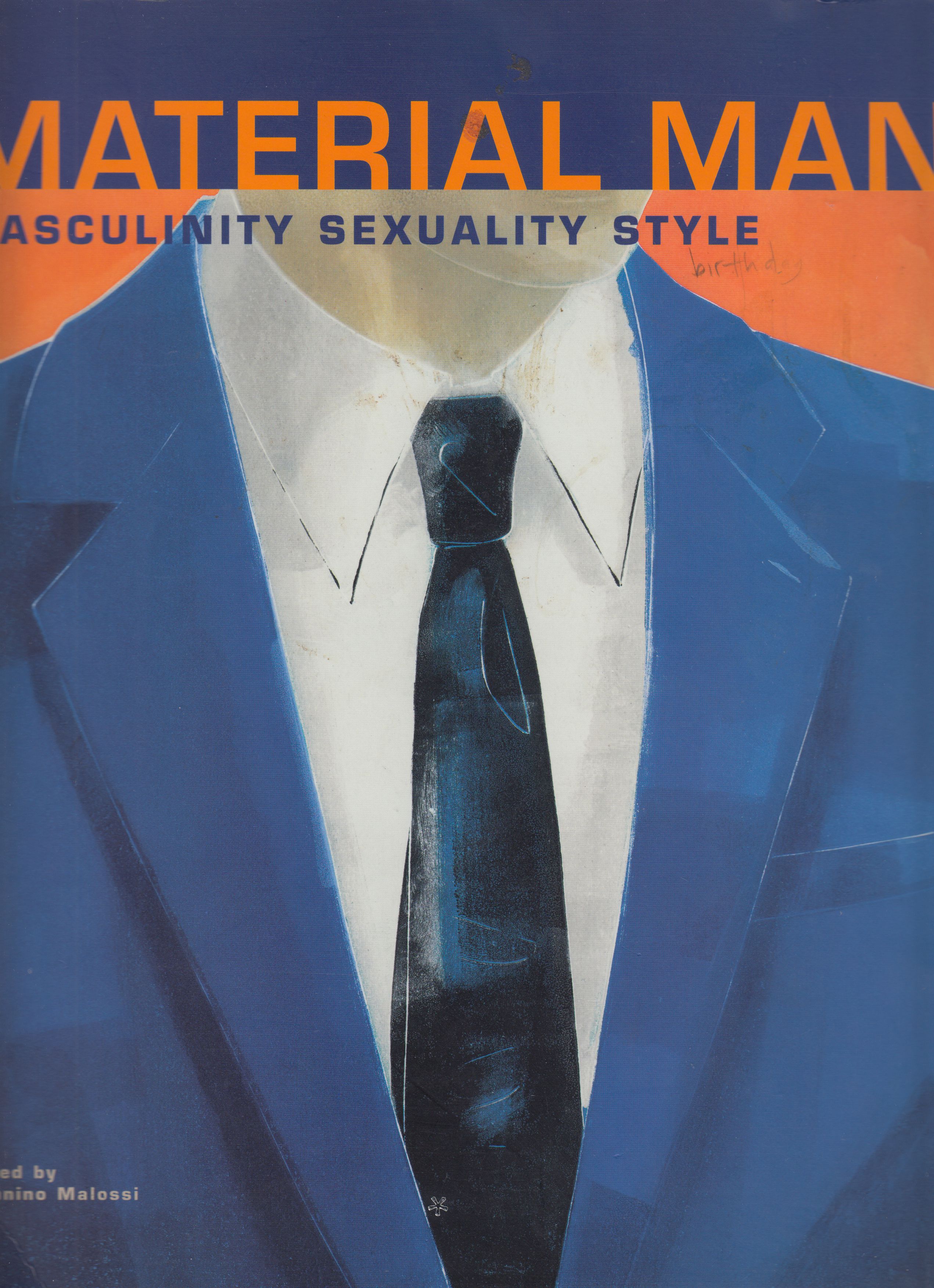
Material Man: Masculinity, Sexuality, Style examines masculine images in fashion and the media, attempting to answer the question of what it means to be a man in the contemporary world – contains images from films, television, magazines and the fine arts, along with essays.
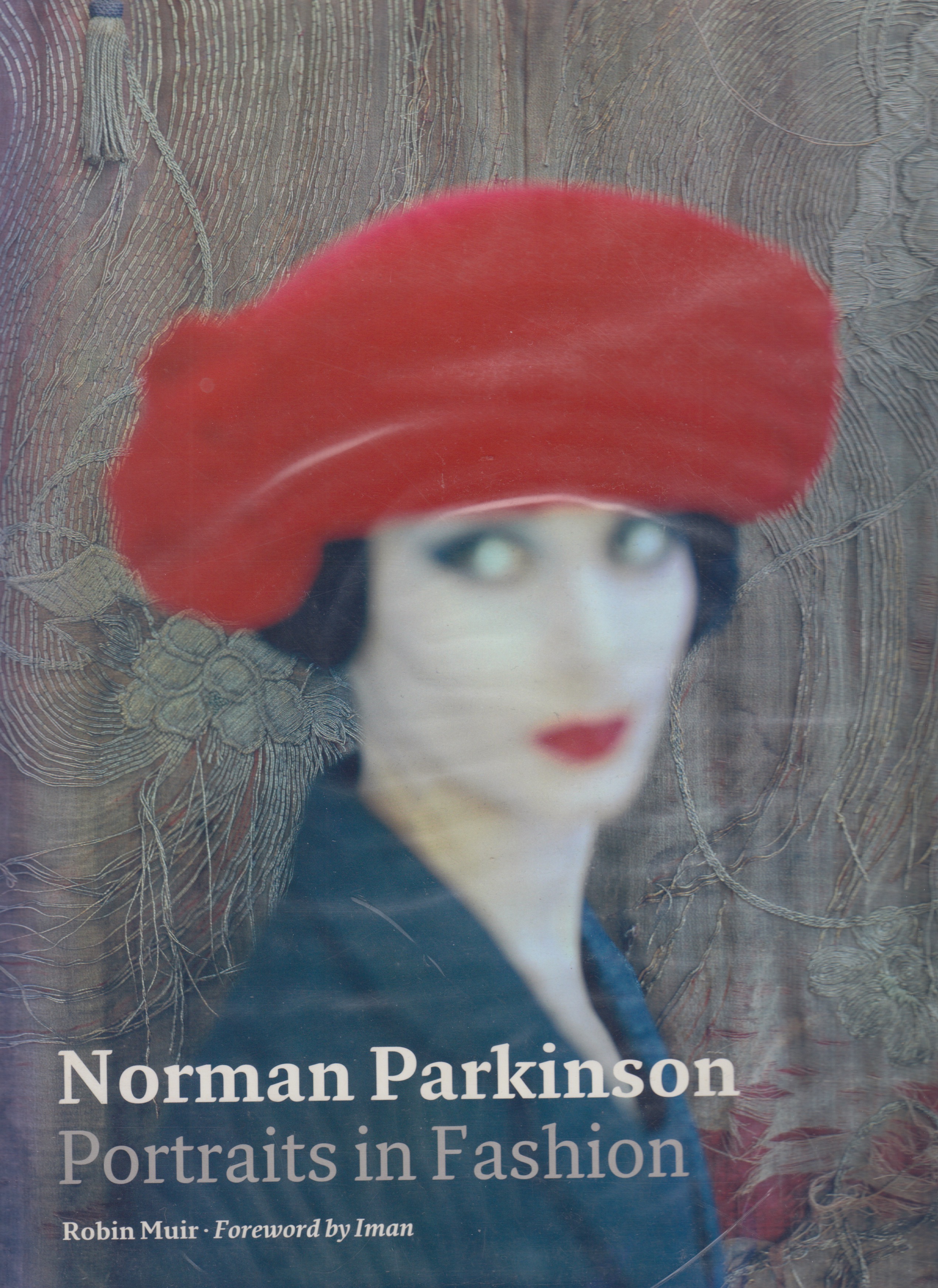
Norman Parkinson (1913-1990) has been described not only as a craftsman but also as a consummate artist who brought a dramatic glamour and bold inventiveness to the fashion portrait. Organised decade by decade and illustrated with fashion plates, portraits and contact sheets, the book features a number of previously unpublished editorial images.
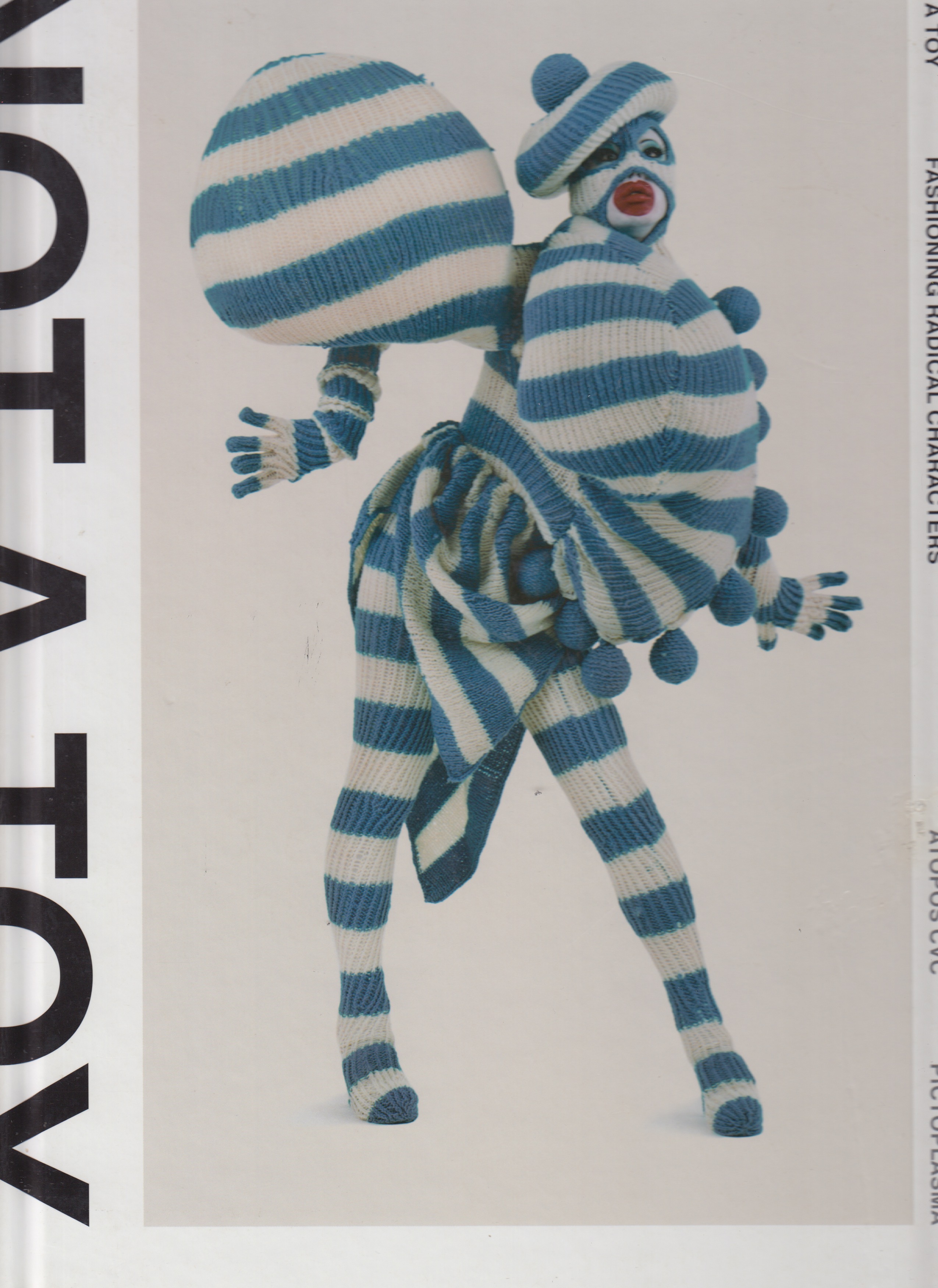
Not a Toy: Fashioning Radical Characters examines the growing influence of character design in fashion and art. Edited by ATOPOS cvc and Vassilis Zidianakis, it features avant-garde fashion, costumes, and hairstyles from a range of designers and artists, and explores how they reinvent the human form and the role of identity in fashion.
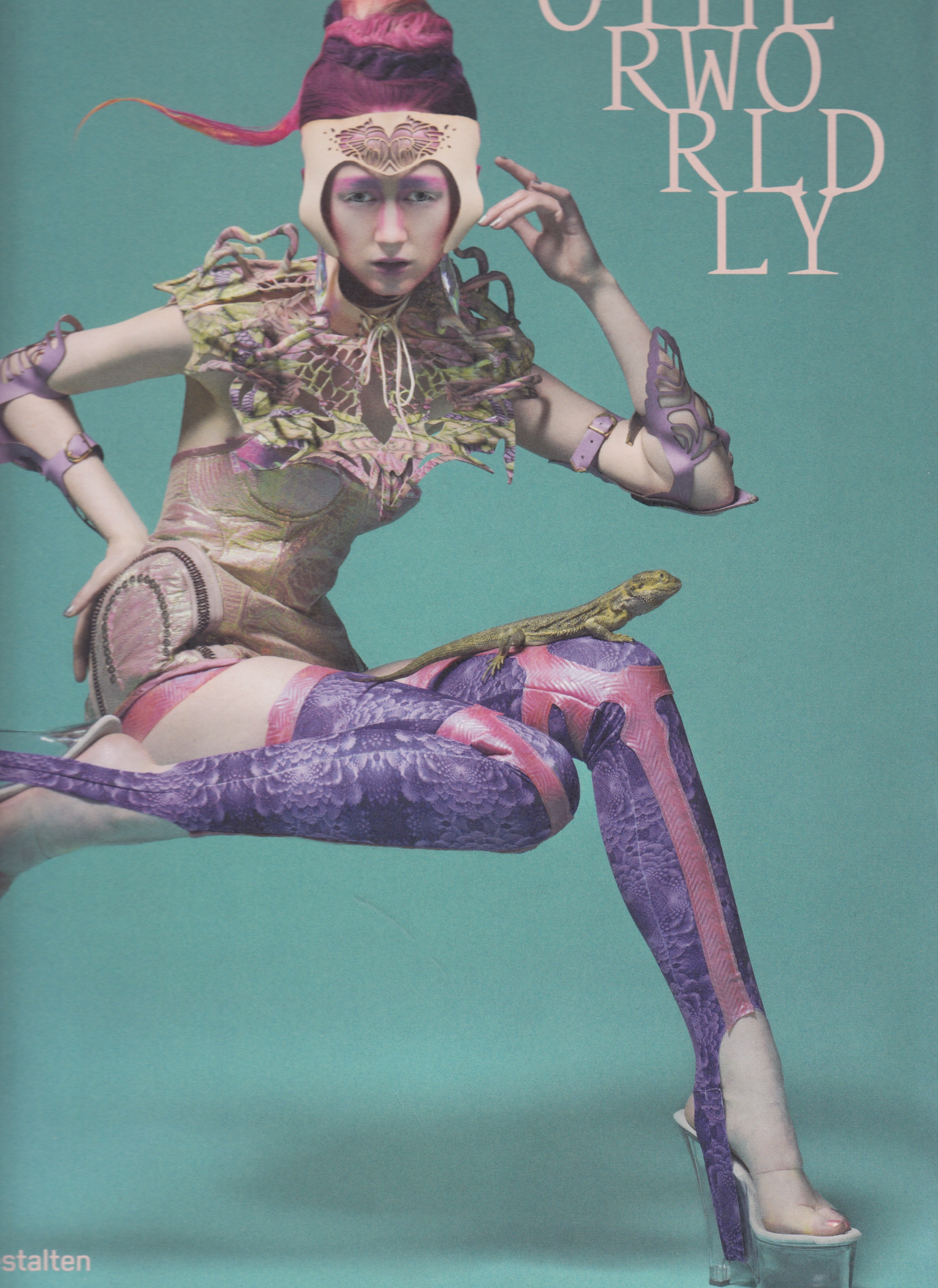
Otherworldly presents avant-garde garments, styling, fashion photography, and young designers who are reimagining fashion through new design technologies – from wearables to the utter transfiguration of the human silhouette. Otherworldly showcases a fashion avantgarde between futurism and fetish.

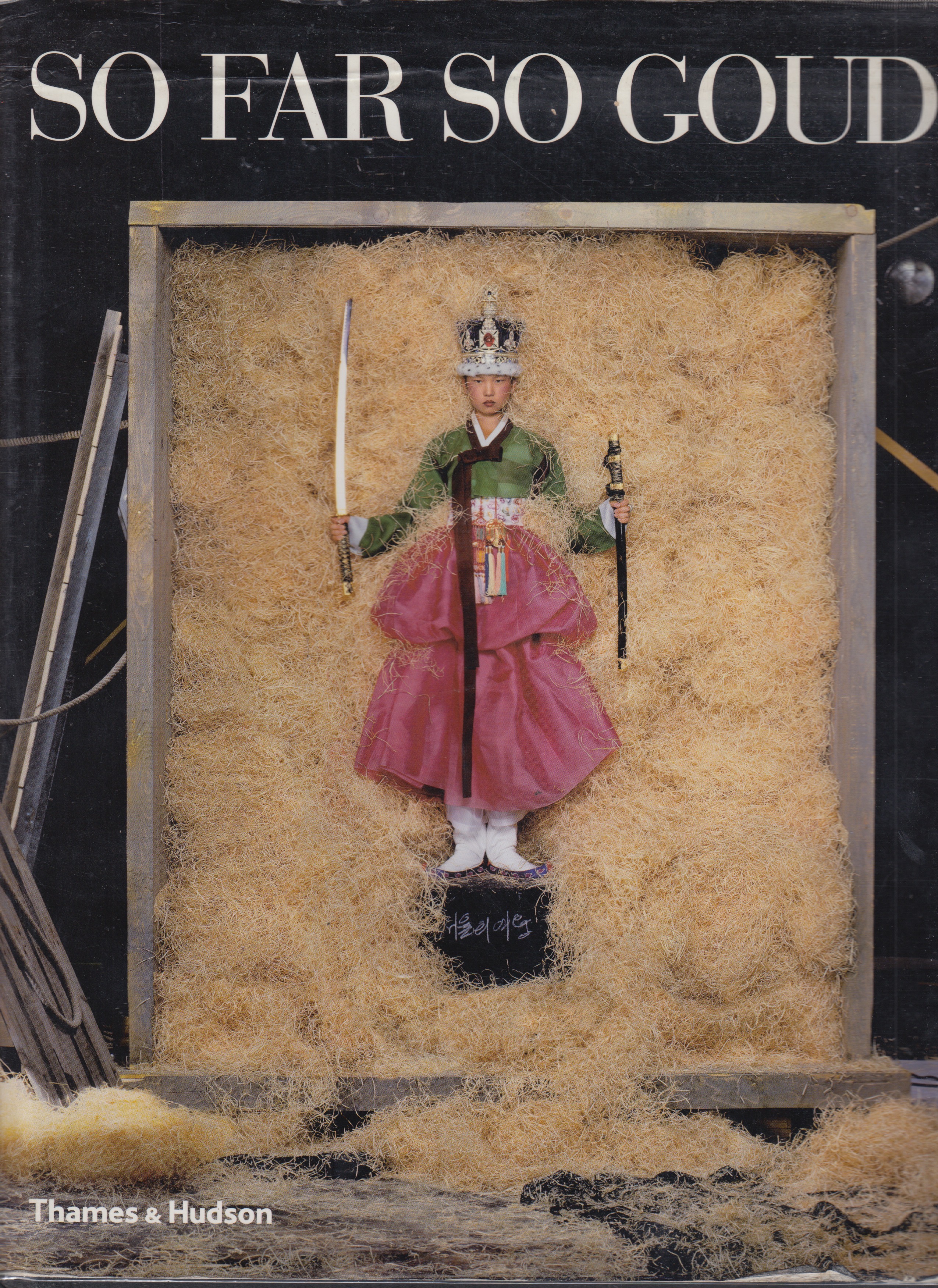
Representing Jean-Paul Goude's life and work from the late 1960s up to the present, the book spans Goude's years at Esquire; his revolutionary work with Grace Jones, his videos for MTV and for Azzedine Alaia; his advertising work for Chanel, and more.
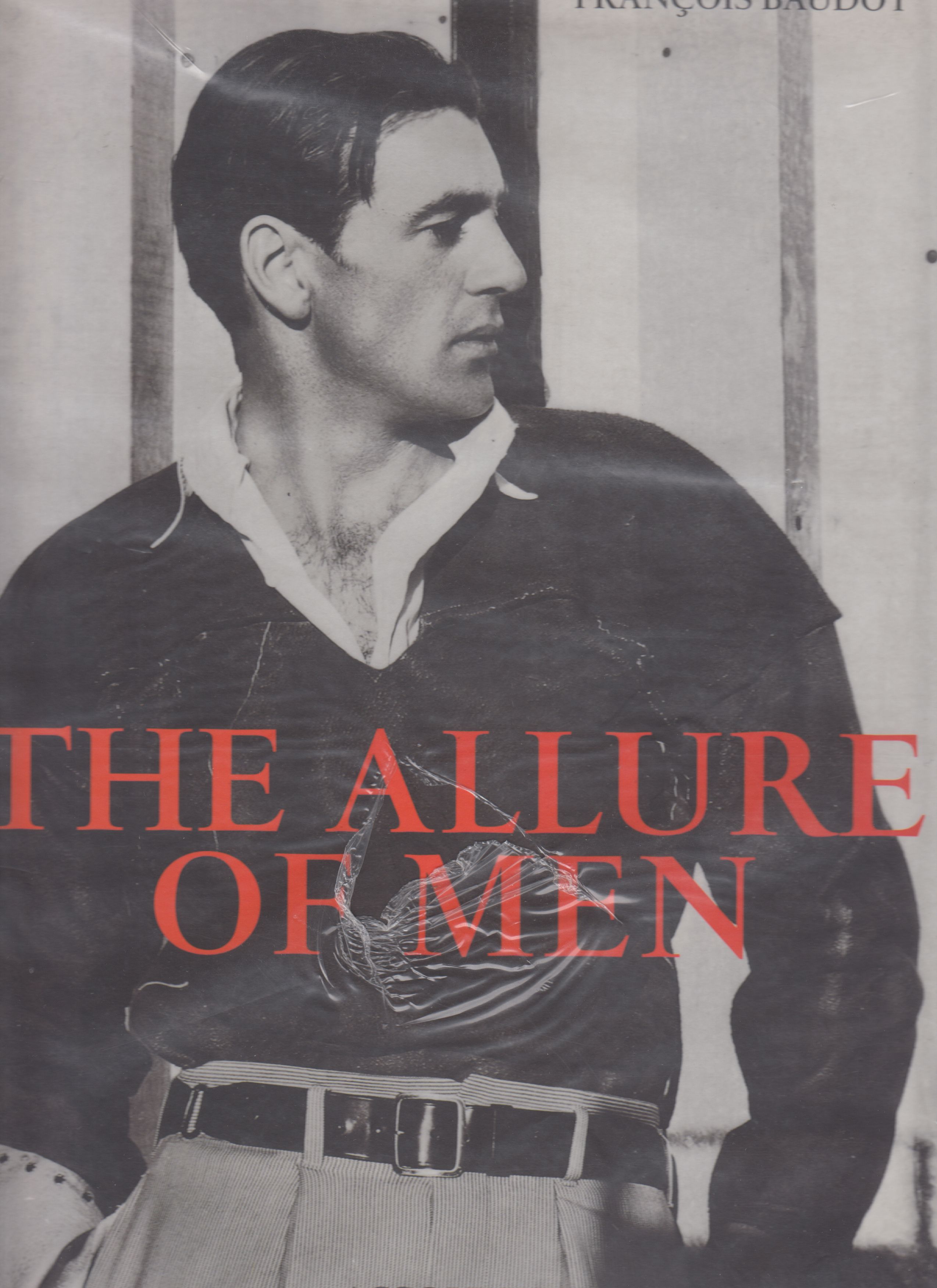
A collection of the most desired, envied, and debonair men in history. From the frock coats of Gainsborough's portraits to city workers' two-piece suits, men and their fashion have made a vital contribution to our collective notion of style.
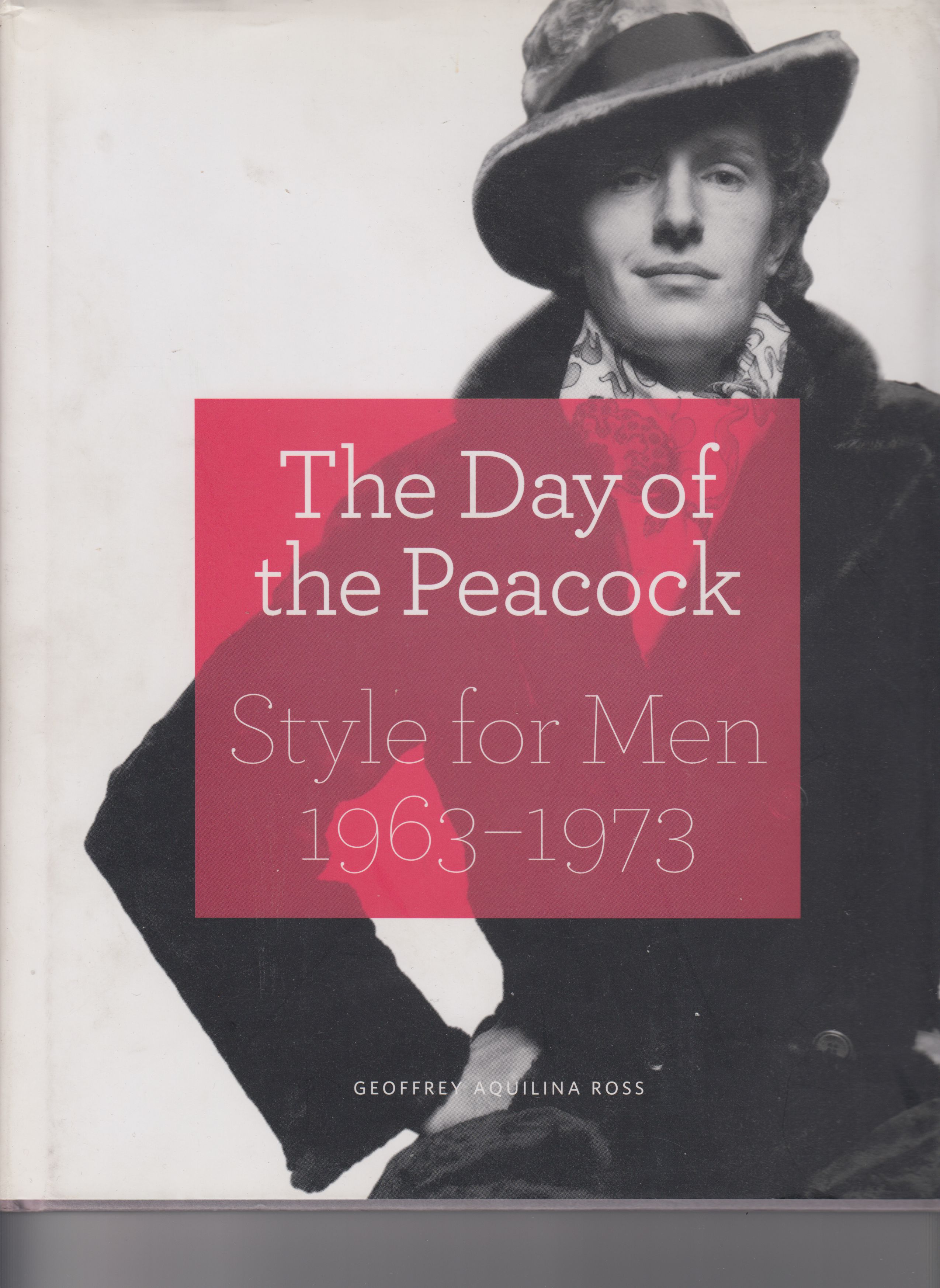
In the 1960s men's fashion witnessed an extraordinary rebirth that led to lasting social, cultural and commercial change - what media commentators came to coin the Peacock Revolution. "The Day of the Peacock" takes a fascinating look at the shops, celebrity photographers, tailors and fashionable dressers who made up the scene - all illustrated with photographs, outfits and ephemera drawn from the V&A's archive.
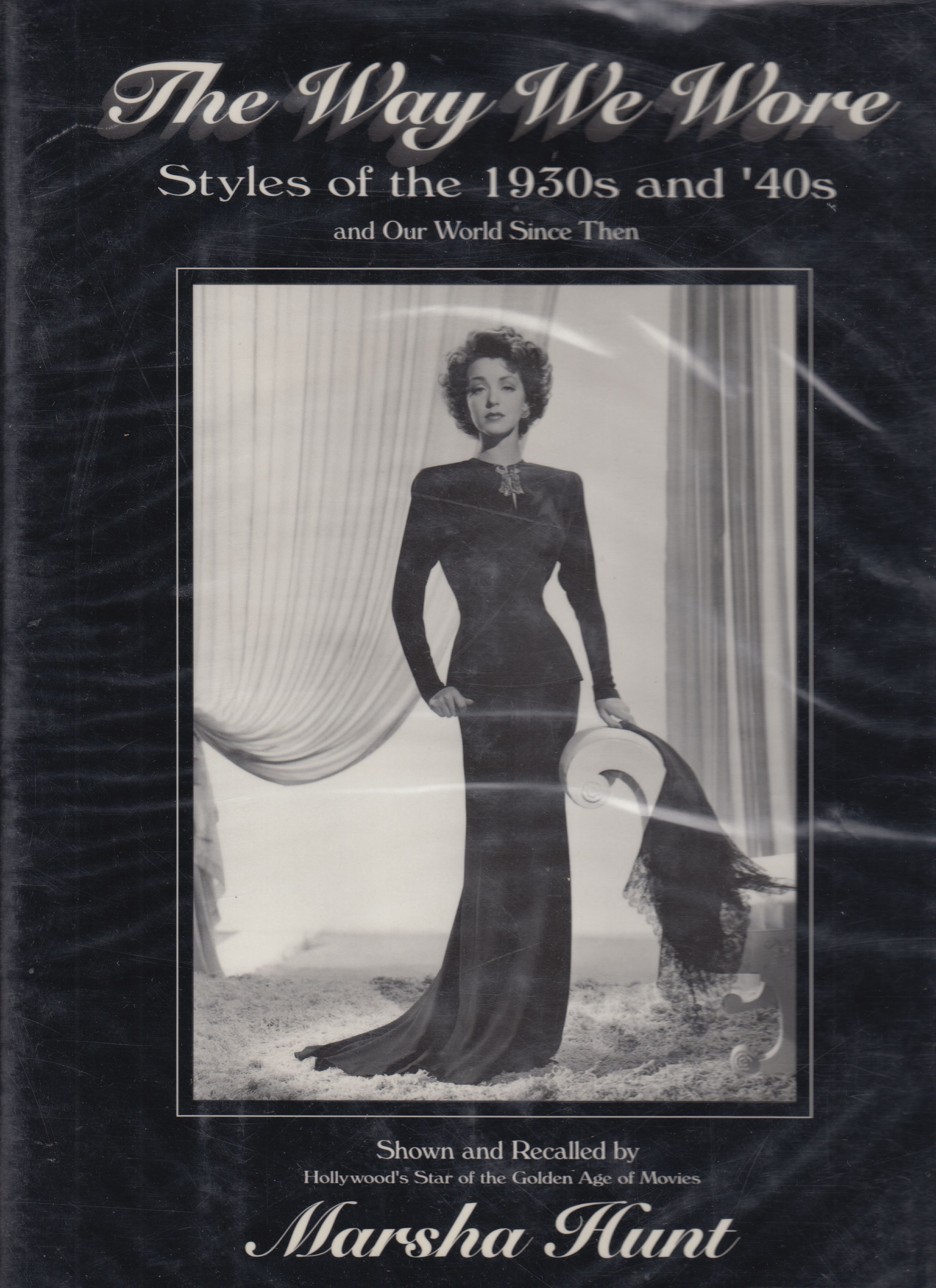
The Way We Wore: Styles of the 1930's and '40's and Our World Since Then illustrates the fashion of the 1930s and '40s – discussing fabrics, colors, and prices from each era – and outlines what changed in from the 50s onwards.