Slim Aarons: A Place in the Sun is a visual journey through the lens of legendary photographer Slim Aarons, who famously captured "attractive people doing attractive things in attractive places." This iconic collection showcases the golden age of leisure, luxury, and affluence from the 1940s through the 1980s, featuring glamorous socialites, Hollywood stars, and European aristocrats in sun-drenched settings around the world. With vibrant imagery and candid elegance, A Place in the Sun is both a nostalgic escape and a timeless celebration of style and privilege.
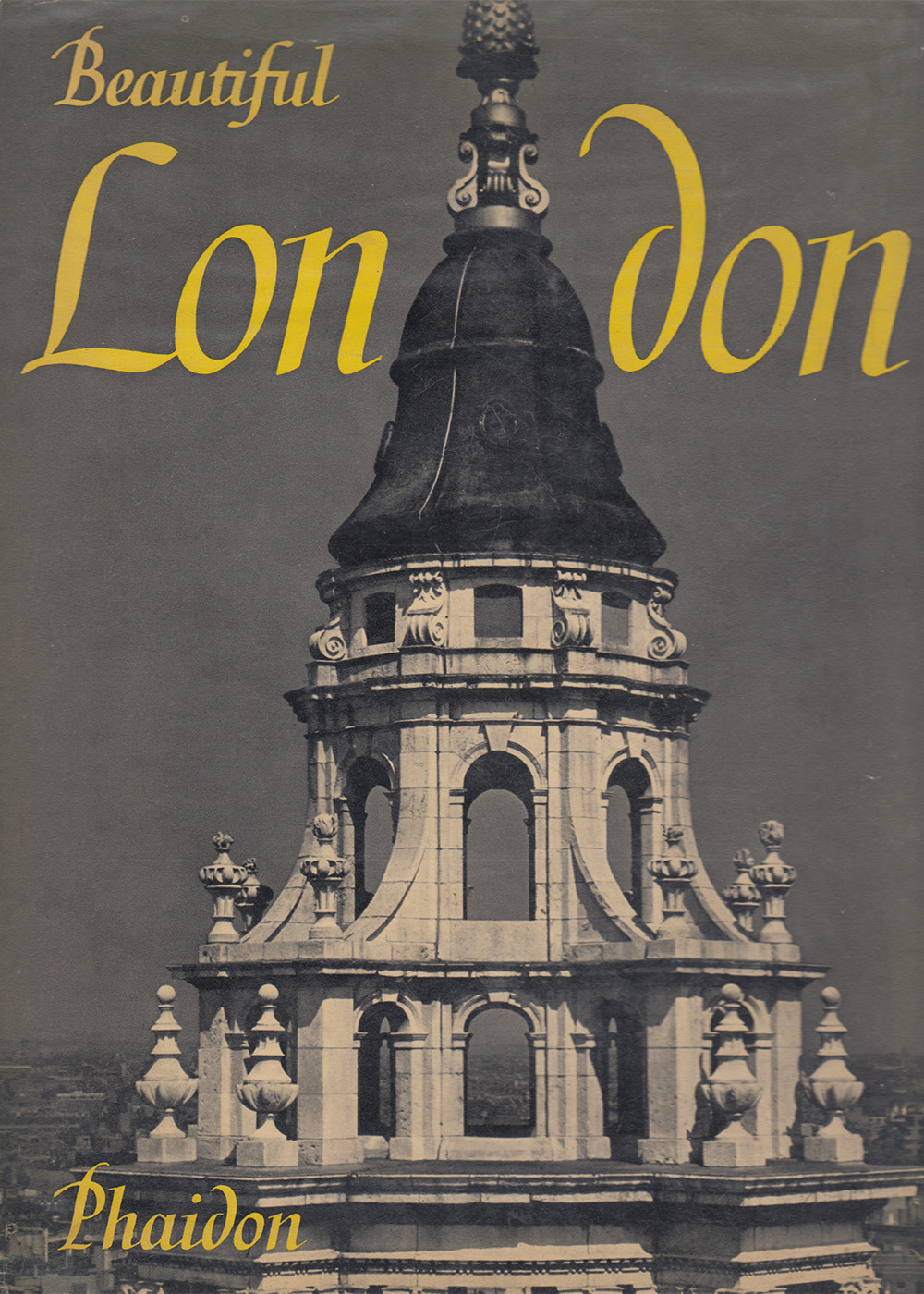
Beautiful London by Helmut Gernsheim is a captivating photographic tribute to the city in the early 20th century, capturing London’s elegance, charm, and architectural splendor before the upheavals of World War II. Published in 1939, this rare collection showcases Gernsheim’s keen eye for composition and atmosphere, blending documentary precision with artistic vision

Bordertown by Barry Gifford is a gritty, lyrical collection of photos, stories, drawings, poems, news clippings, and odd ephemera set along the blurred edges of the U.S.-Mexico border—a place where cultures collide, identities shift, and the line between law and outlaw is paper-thin. With his signature noir-infused prose, Gifford introduces a cast of drifters, dreamers, and desperados navigating lives of danger, desire, and displacement. Atmospheric and sharply observed, Bordertown captures the raw poetry of life on the margins, offering a vivid portrait of a land and its people caught between worlds.
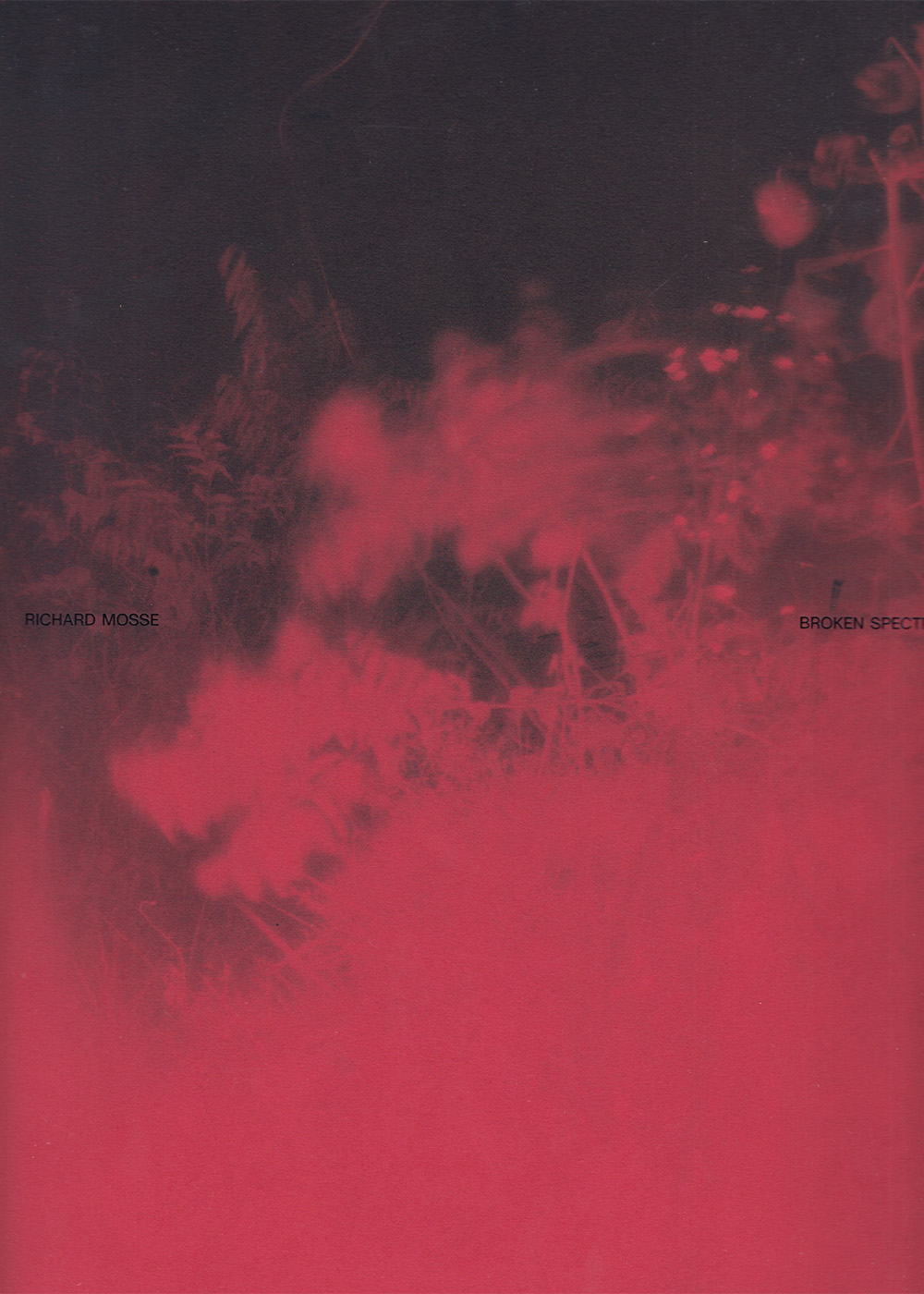
In Broken Spectre, photographer Richard Mosse pushes the boundaries of photography to raise an urgent warning over the devastation in the Amazon rainforest. In an attempt to render the scale and urgency of the Amazon’s extensive, impending collapse, Richard Mosse’s most ambitious work to date employs a dazzling array of photographic techniques – from inky, fluorescent microscopic imagery describes the interdependent complexity of the Amazonian biome in scientific detail, while cinematic monochrome infrared scenes track illegal mining, logging and burning, industrial agriculture and indigenous activism.
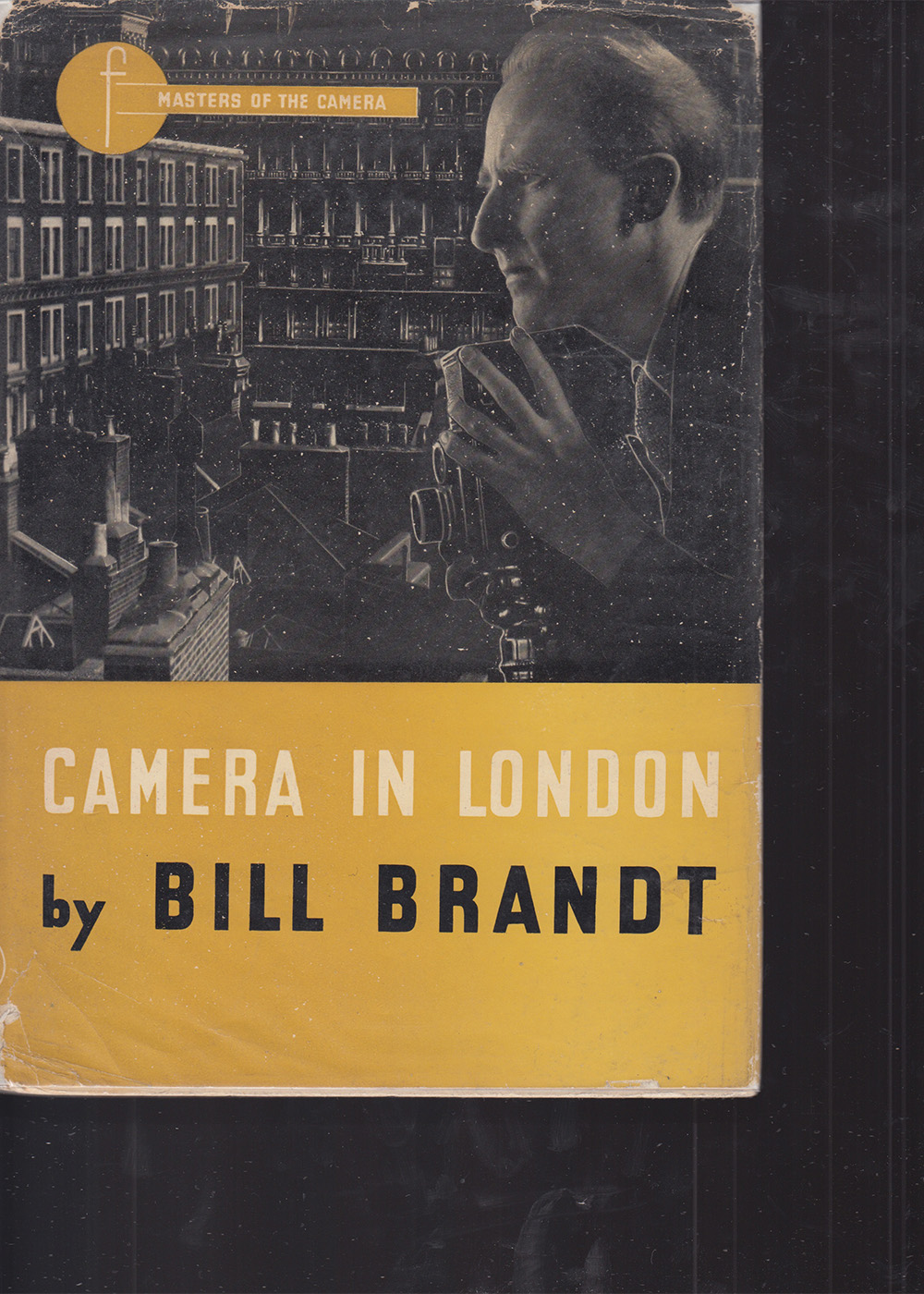
Camera in London by Bill Brandt is a landmark photographic exploration of London’s people and places in the 1930s and beyond. With a keen eye for social contrasts, Brandt captures the city’s vibrant spirit—from the gritty working-class neighbourhoods to the elegant streets of the wealthy elite.
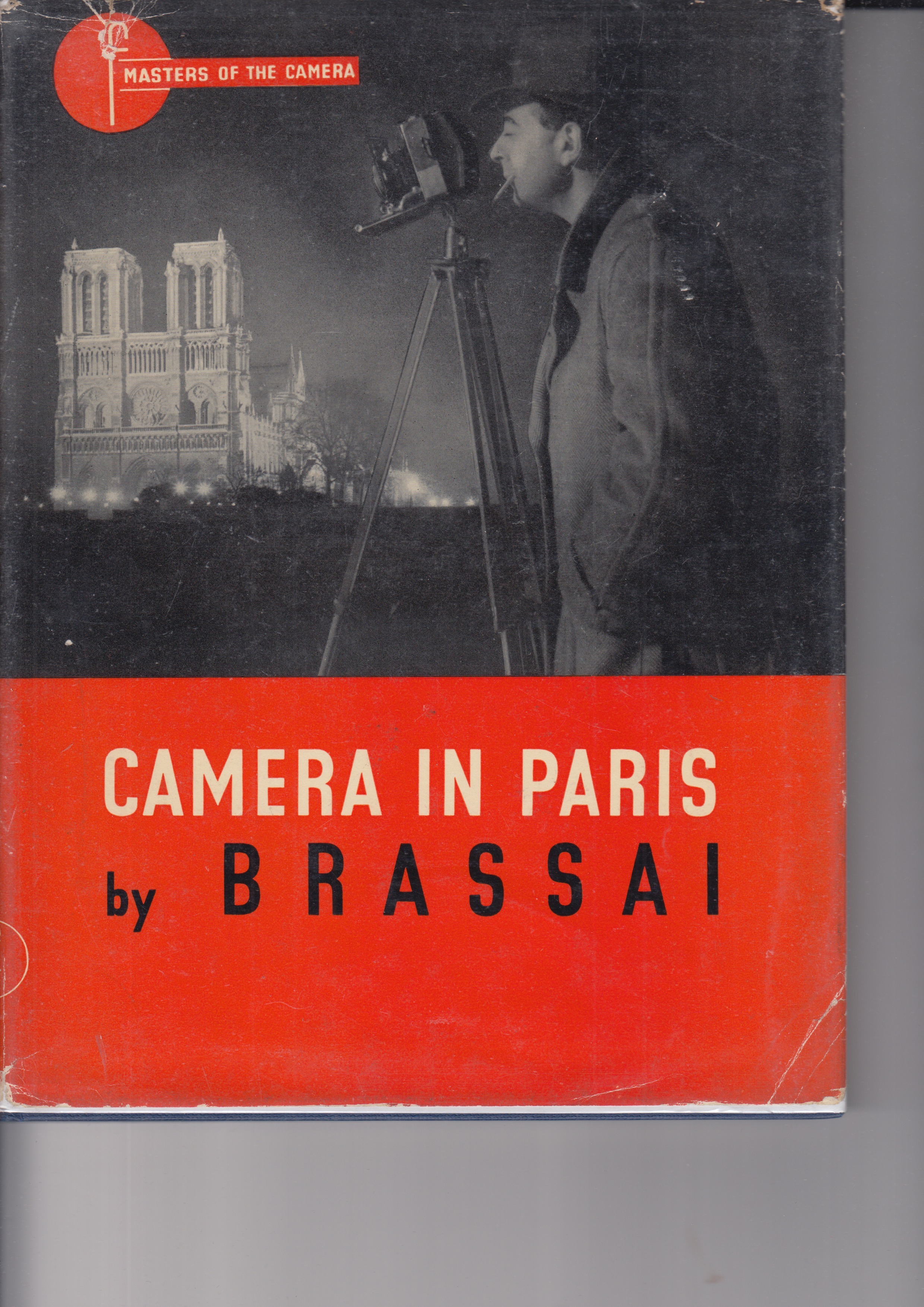
Camera in Paris by Brassaï is a captivating photographic journey through the streets of 1930s Paris, revealing the city’s hidden nocturnal life with striking intimacy and poetic depth. Known as the “Eye of Paris,” Brassaï captures the city’s shadowy corners, bustling nightlife, and everyday moments.
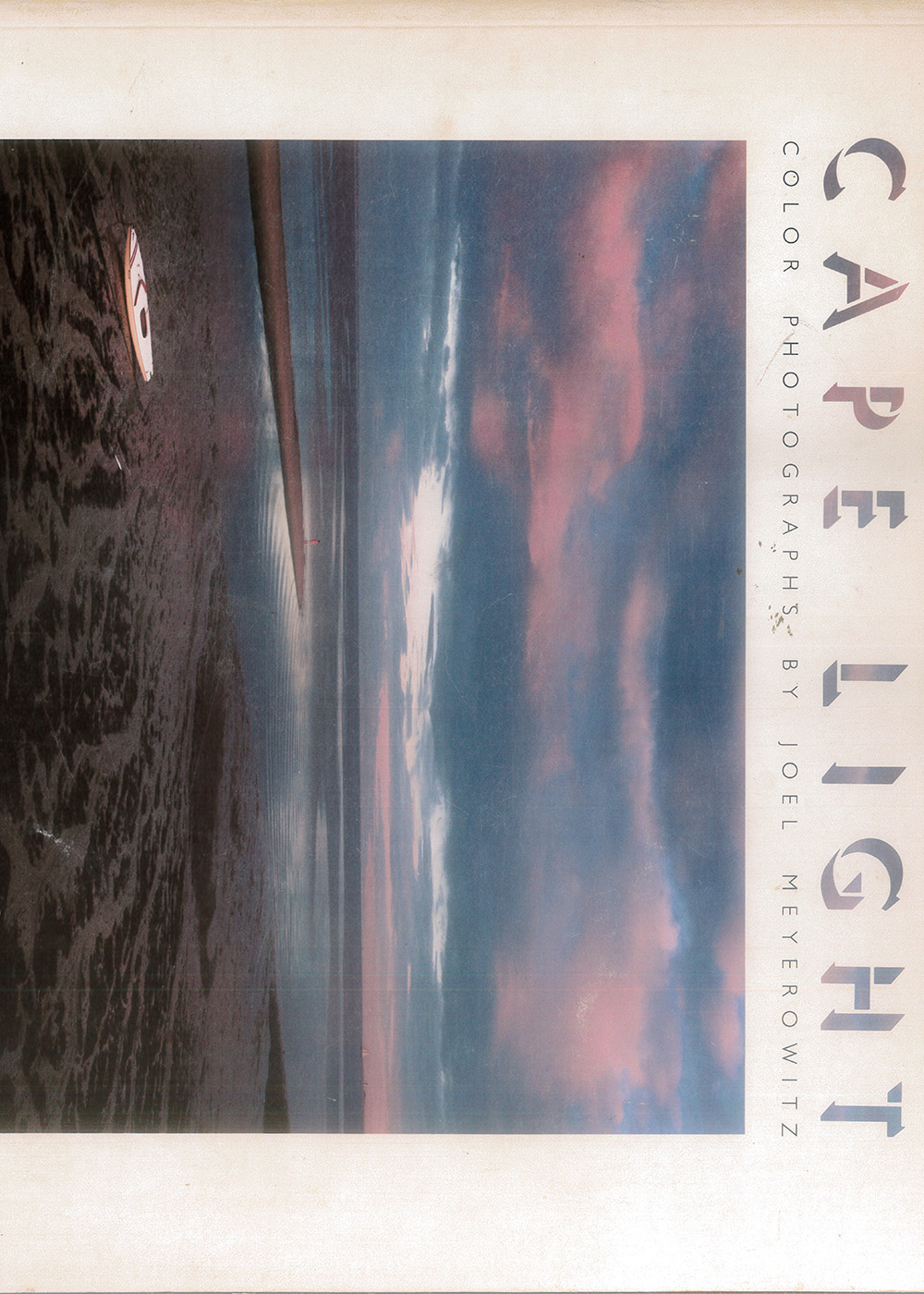
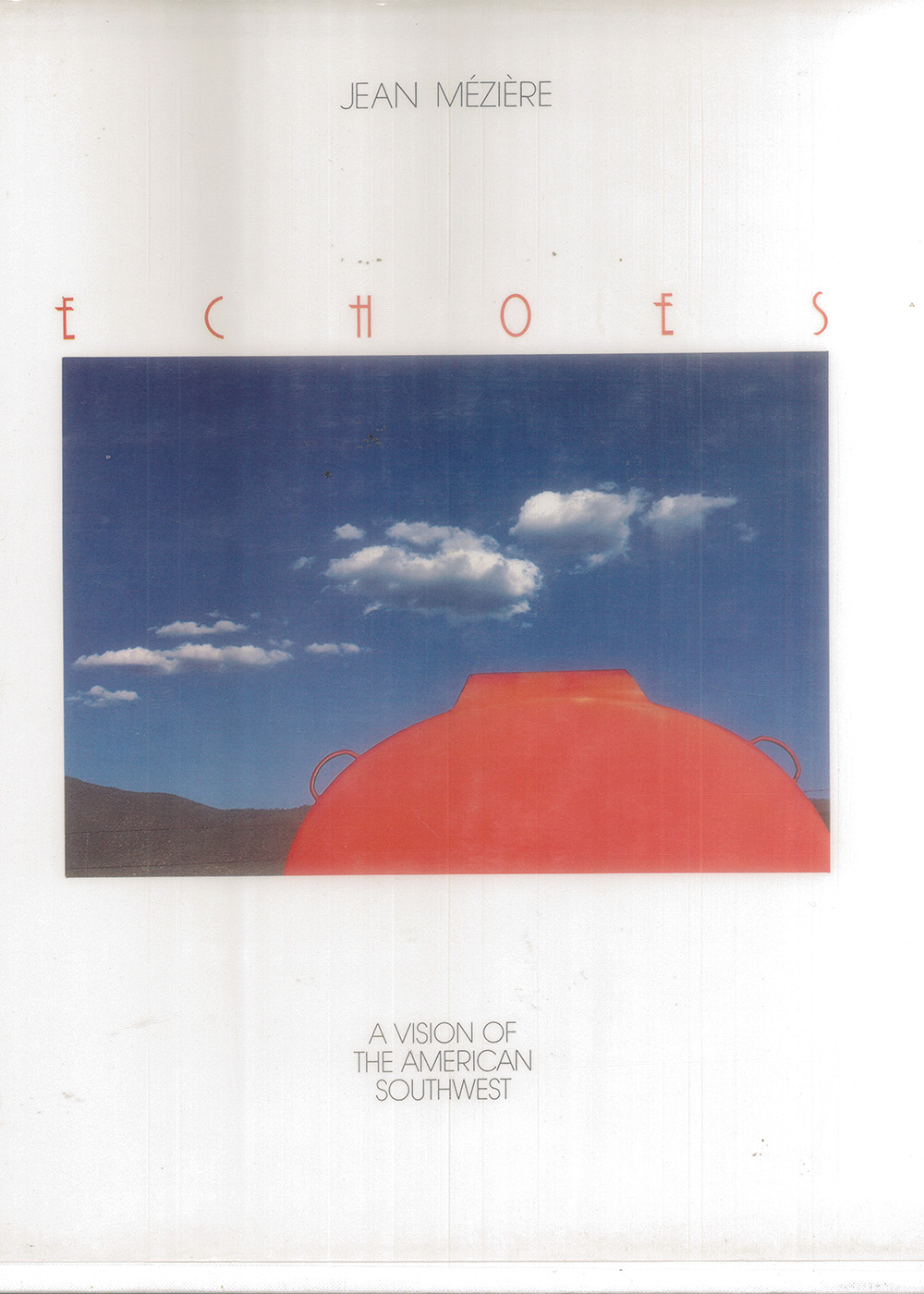
Echoes: A Vision of the American Southwest captures the vision of a French photographer Jean Meziere experiencing colour and light in the boundless expanse of the Amercian Southwest.
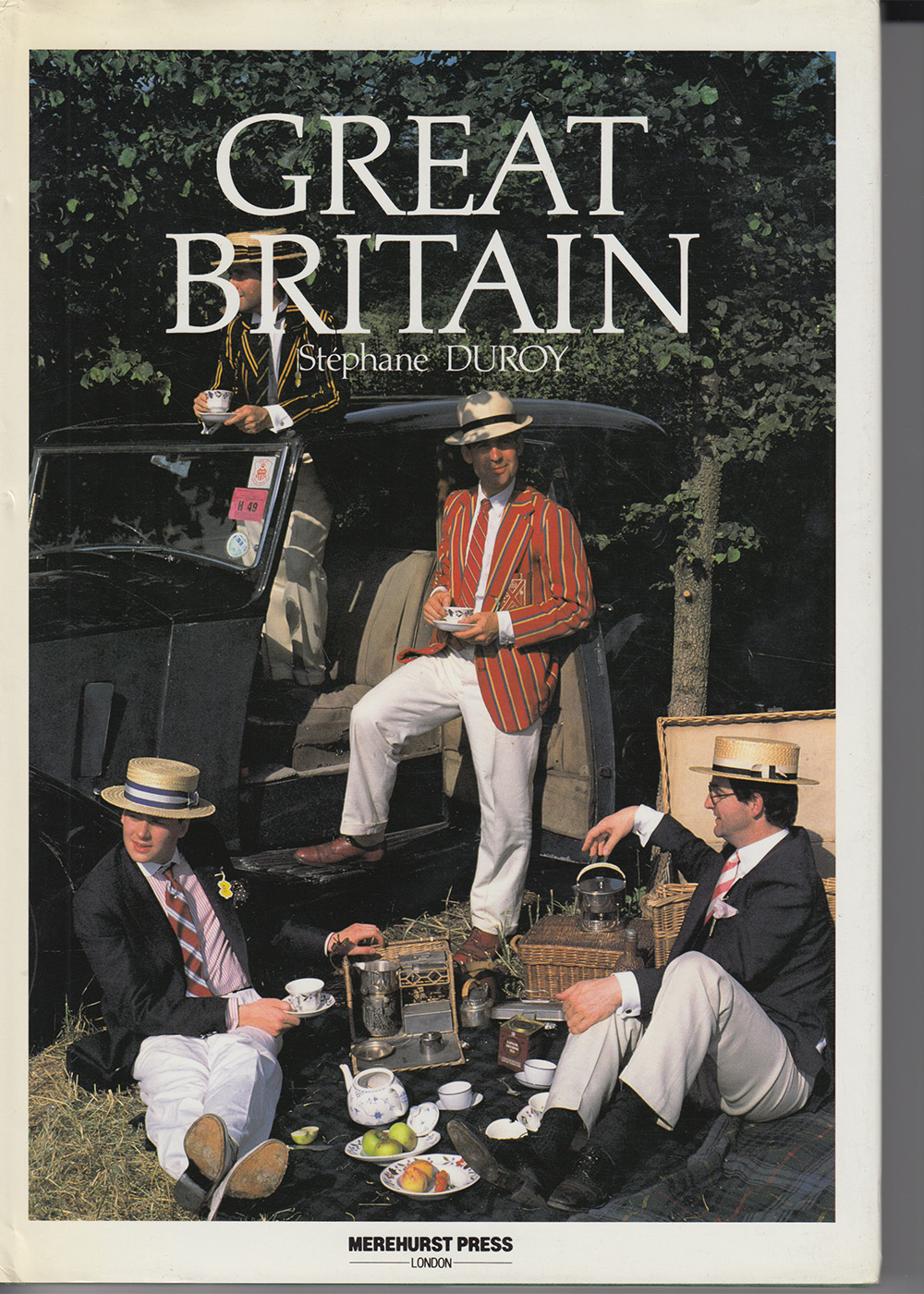

In Hackney Flowers, Stephen Gill continues to use his east London surroundings as the inspiration for his work. He collected material objects, such as flowers, seeds, berries and other found items from various locations in Hackney, pressed them in his studio, and photographed them alongside his own photographs. Some of the base photographs were also buried in Hackney Wick, and the consequent decay has left its imprint upon the images, stressing the collaboration with place.
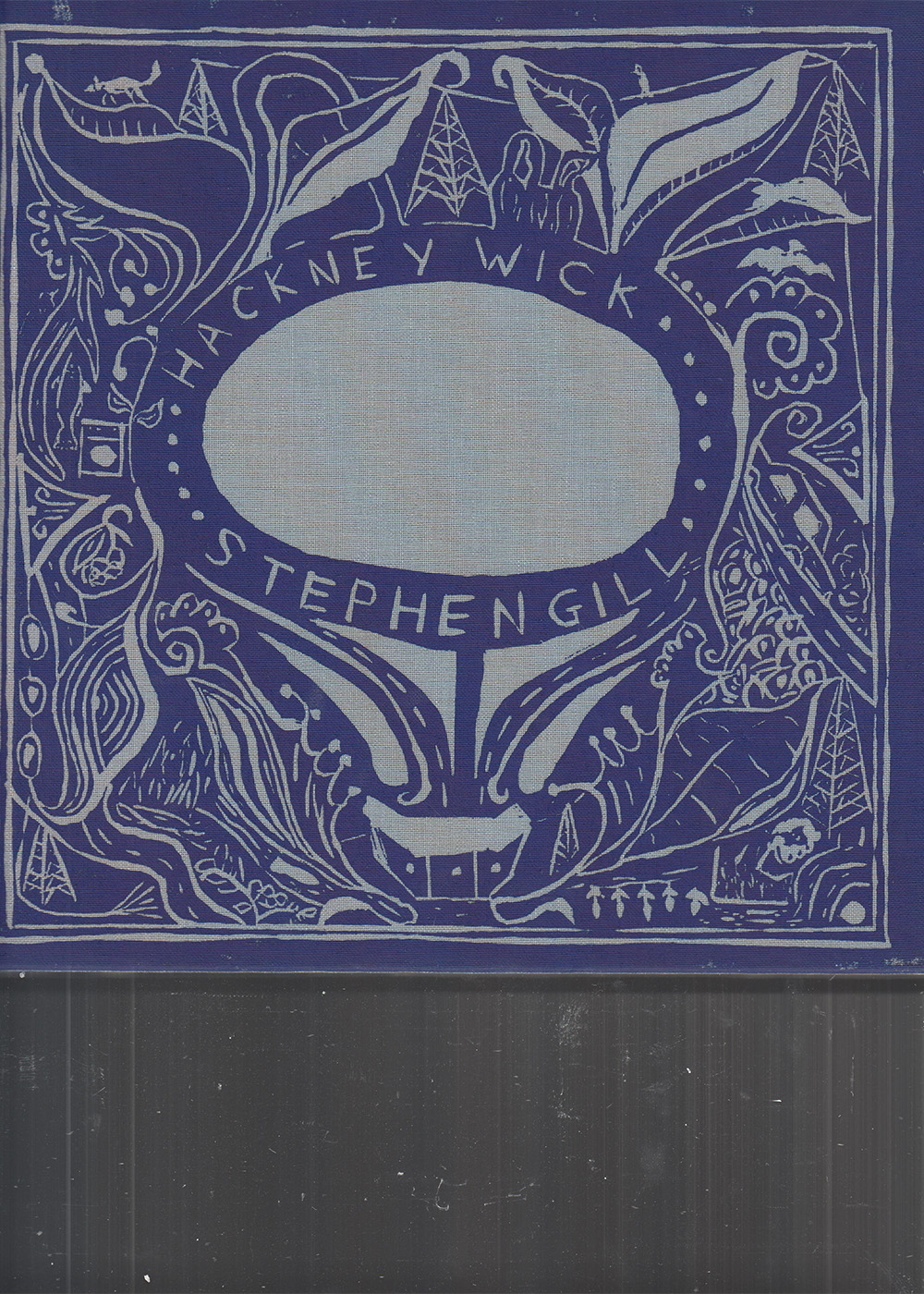
This photobook presents Stephen Gill's seminal work Hackney Wick. The photographer iscovered Hackney Wick Market in East London in 2002. The vast market took place on a Sunday in an old Greyhound/Speedway stadium where sellers sold mostly scrap and junk. Stephen bought a plastic camera with no controls there for 50P and shot the market until it was closed in 2003, to be demolished for the London Olympics. Alongside the traders he shot a hidden and now lost natural world of canals, rivers and secret allotments.
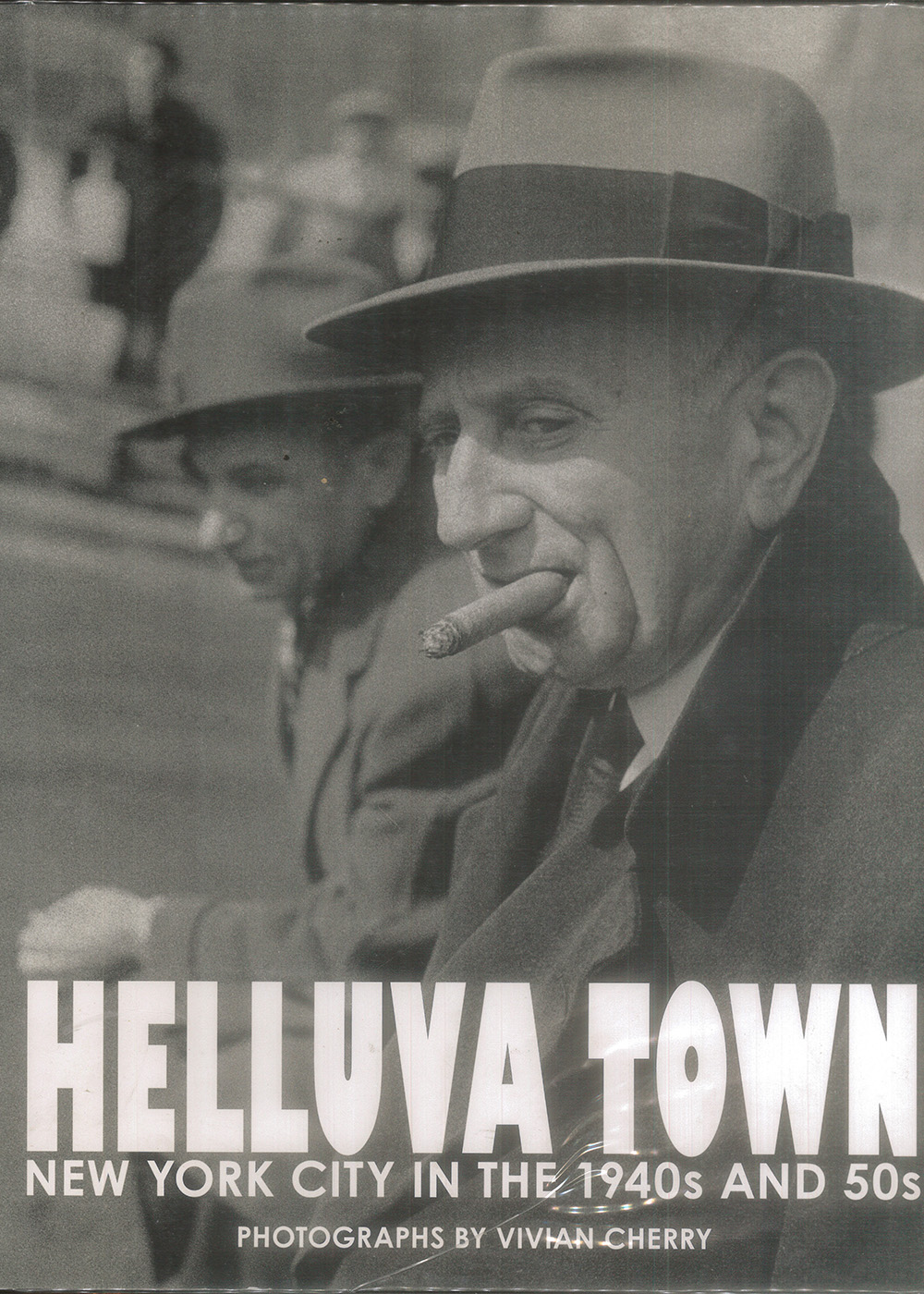
Photographer Vivian Cherry began her career in the early 1940s while working as a dancer in Broadway shows and nightclubs. At the end of World War II, New York City went through a period of transformation, as war rations gave way to prosperity, loved ones were reunited, and babies were born into a new era. Her work from this period, collected here for the first time in Helluva Town, provides lively vignettes of our collective memory, suffusing gritty street scenes with warmth and gentleness alongside social consciousness and history.
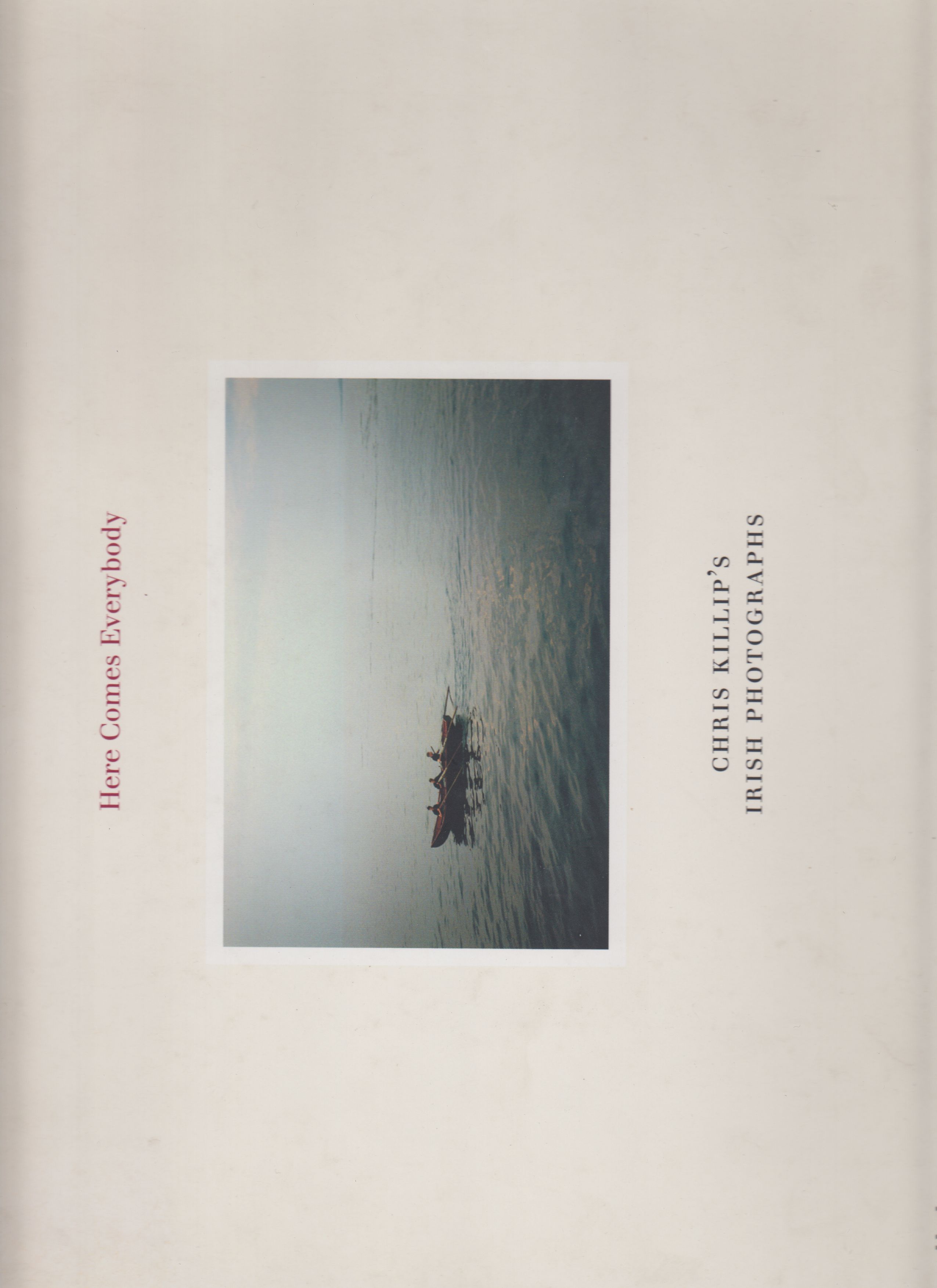
'Here Comes Everybody' is a phrase that echoes through James Joyce's Finnegans Wake. It aptly captures the intense poetry of this collection of photographs taken by Chris Killiip over repeated trips to Ireland between 1993 and 2005 where heattended the annual pilgrimages at Croagh Patrick and Máméan, places of wild beauty and ancient spirituality.
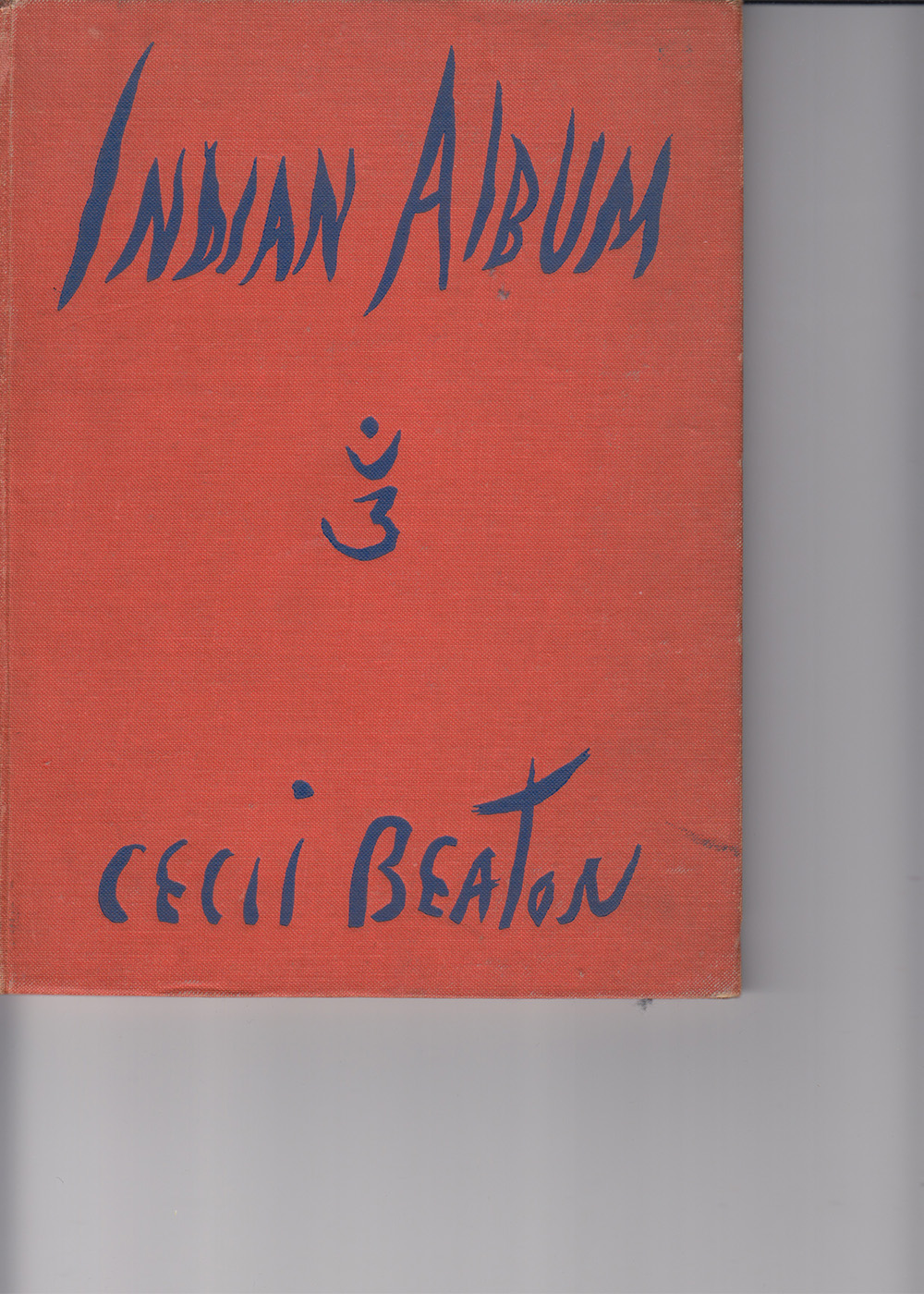
This book comprises a vivid series of photographs of wartime India, taken by Cecil Beaton when sent to the Far East during World War II for the Ministry of Information. The photographs depict a village school writing lesson, mountain coolies, the north west frontier, and a military hospital in Coiaba, Bombay, among other scenes.
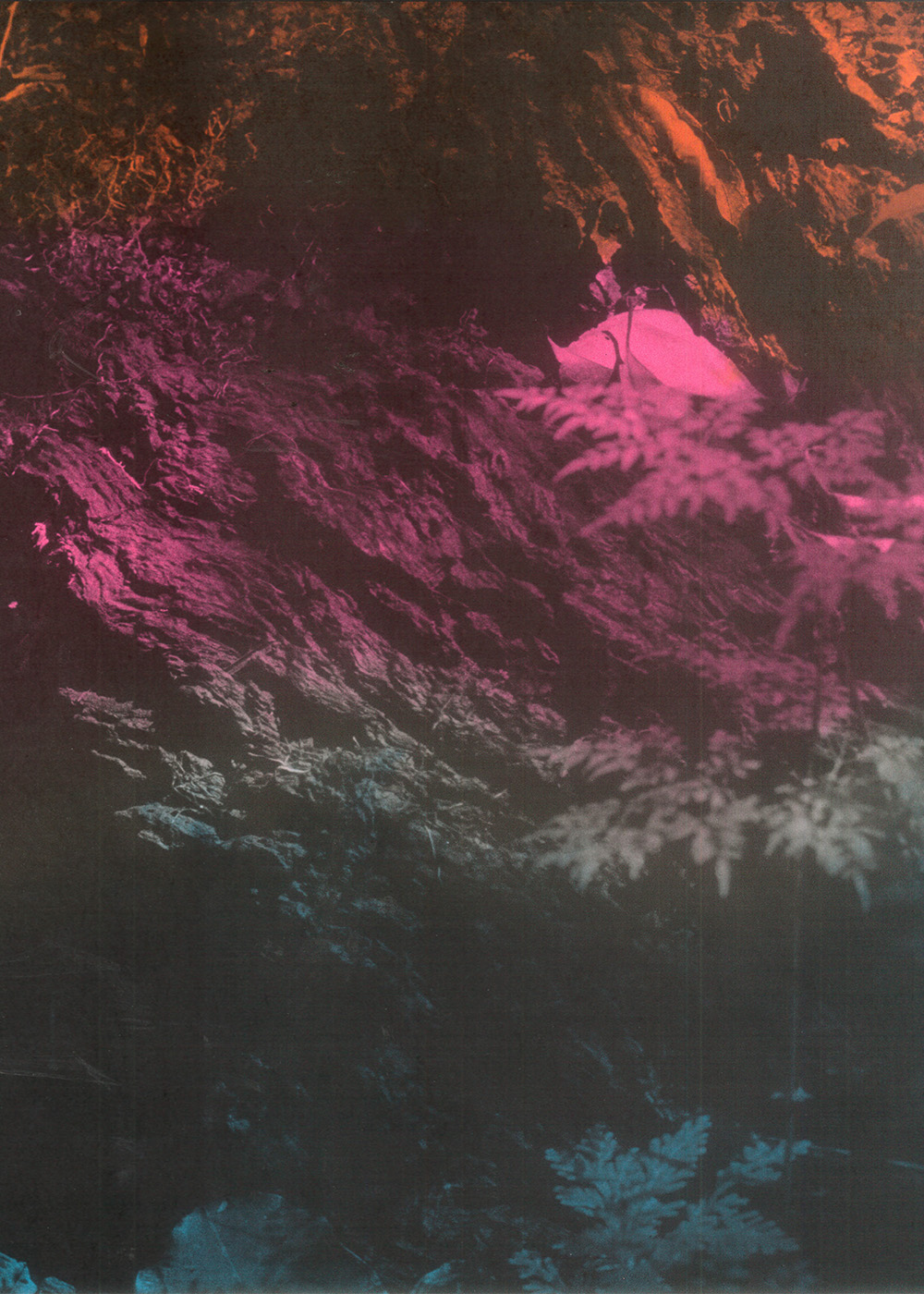
Daniel Jack Lyons’ debut monograph continues the American artist’s long-term commitments to visualising the social and political rights of under-represented communities. Like a River is anthropological exploration of identity, transformation and coming-of-age amongst marginalised communities in the heart of the Amazon.
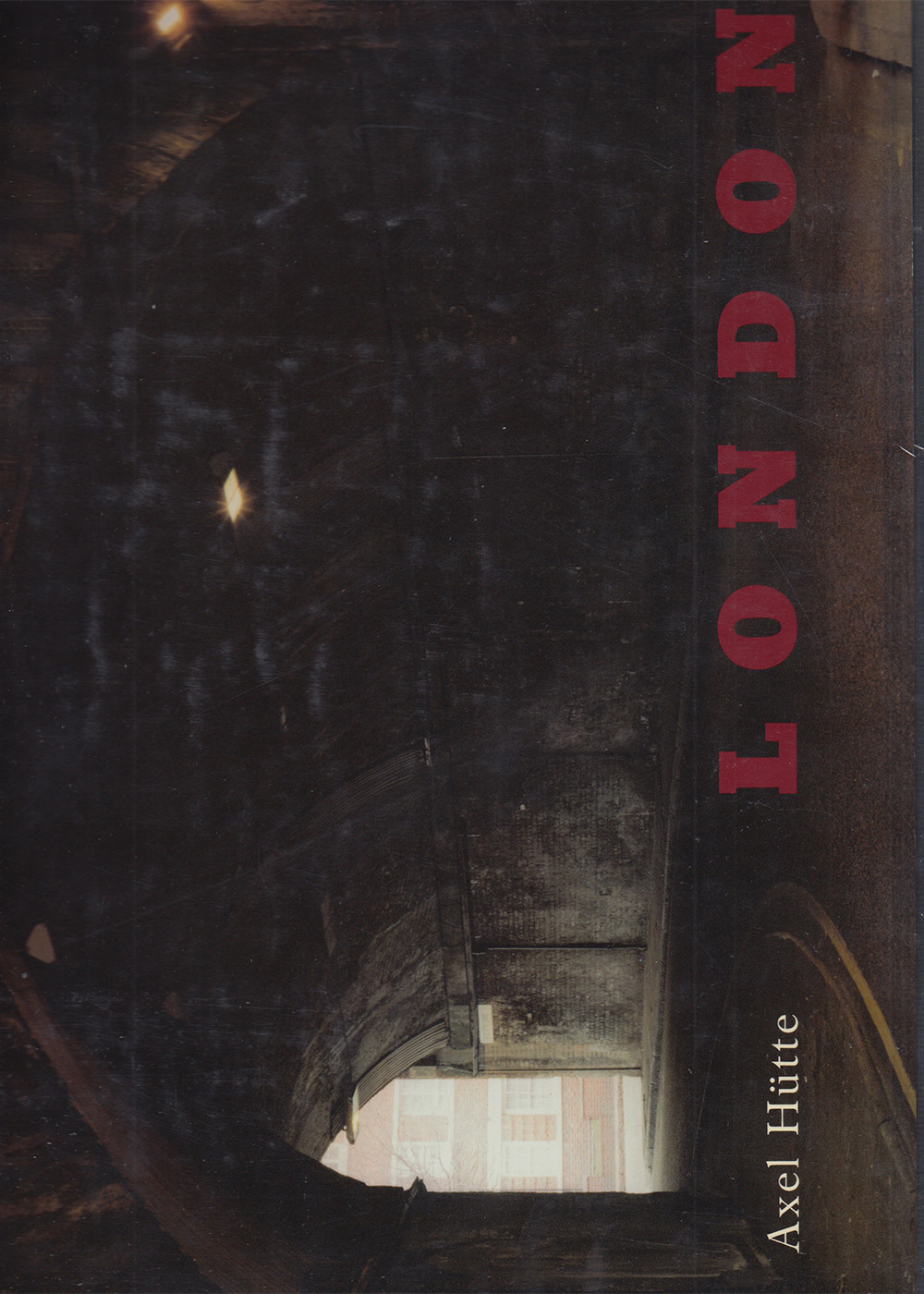
In London, photographer Alex Hütte takes a typological approach to a building form that was largely ignored by local photographers before he turned his camera upon it--the social housing blocks built at various times during the twentieth century to house London's working class citizens. Hütte concentrates on two particular periods of mass social housing: the blocks built around the beginning of the twentieth century...and the now discredited tower blocks of the 1960s and 1970s.


London's Lost Riverscape is a unique photographic record of the River Thames, commissioned in 1937 by the Port of London Authority. Showing in a continious line both the north and south banks of the River from London Bridge to Greenwich, the photographs were al taken from the river itself before the bombing of WWII dramatically altered its appearance.

London/Wales brings together two distinct bodies of work to reveal a new understanding of Franks contribution to the history of photography. Juxtaposing the world of money and the world of work in post-war England, Frank photographed London bankers, workers, and children, and Welsh coal miners and their families. Featuring 90 black and white photographs, London/Wales tells a timeless story of cities, people, and institutions in transition through emotional, evocative images while revealing Franks struggle to forge a new form of poetic narrative photography.

Through the layte 1960s and early 1970s, the John Hinde Studio based in Ireland produced a seires of postcards to be sold at Butlin's holiday camps throughout Britain. This book celebrates John Hinde's vision, the wonderful photographs that set the standard for postcards of their day and the holiday entertainment of phenomenon of Butlin's at its peak. With photography from Elmar Ludwig, Edmund Nägele, David Noble.
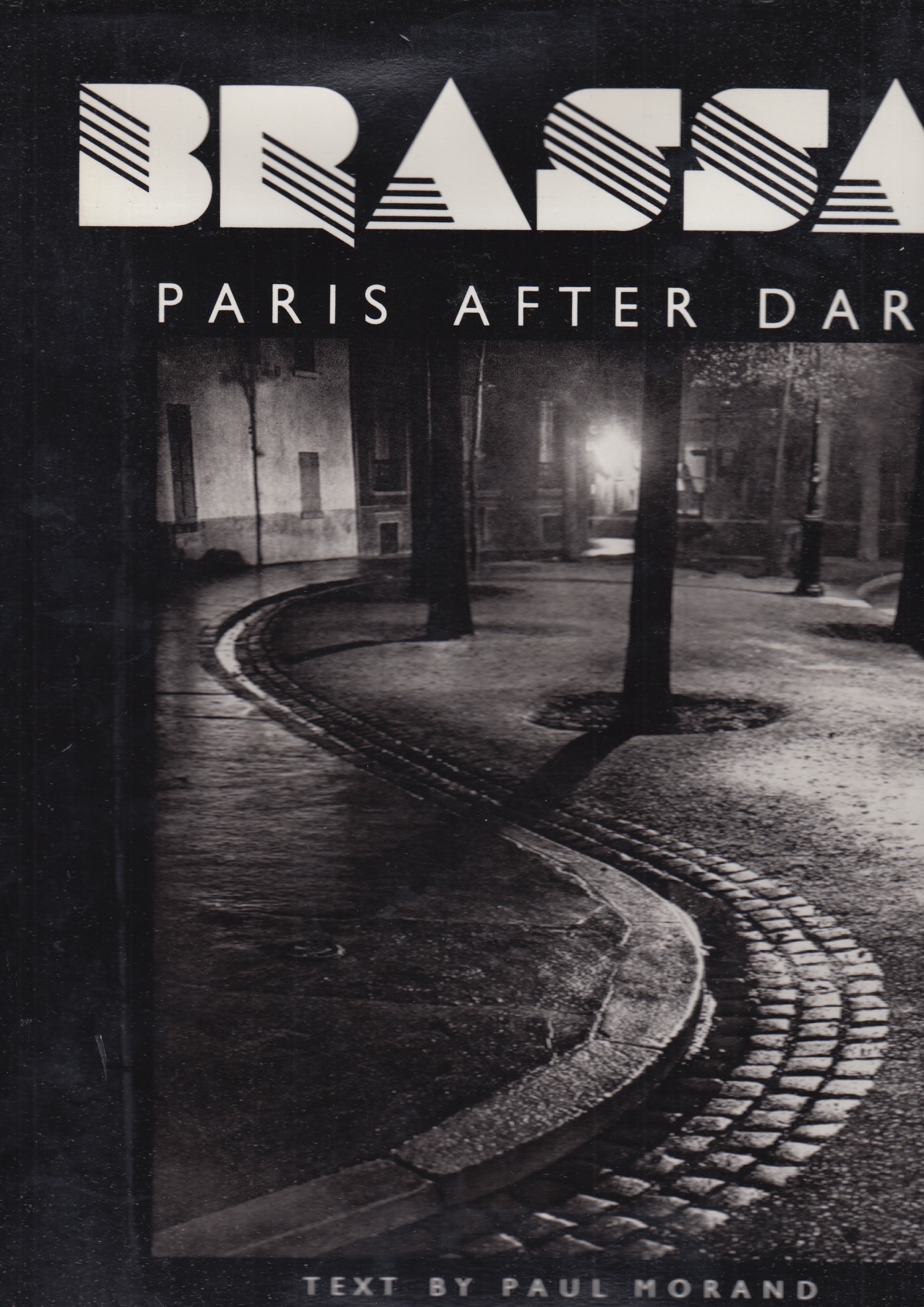
In this book, Brassai captures the nocturnal world of Paris in the 1930s, exploiting as if nobody else could the deep black tones of photogravure. Brassai's Paris is at once mysterious as it is real. It is the Pasris of seedy nightclubs and cabarets, of tramps and aristocrats, and of the nightworkers: bakers, market stall-holders, newspaper printers and patrolling policemen.
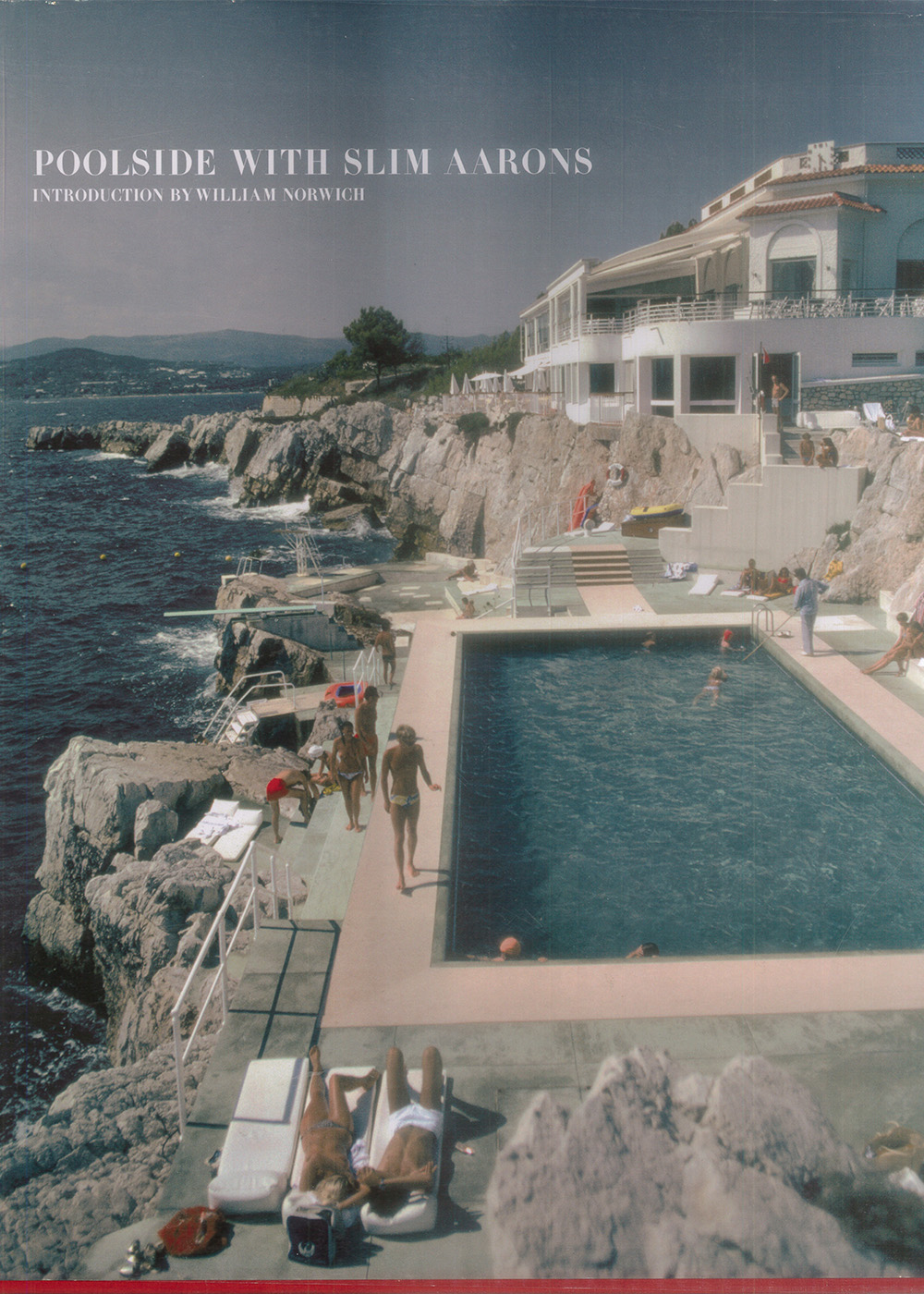
From the Caribbean to Italy and Mexico to Monaco, Poolside with Slim Aarons whisks the reader away to an exclusive club where taste, style, luxury and grandeur prevail.
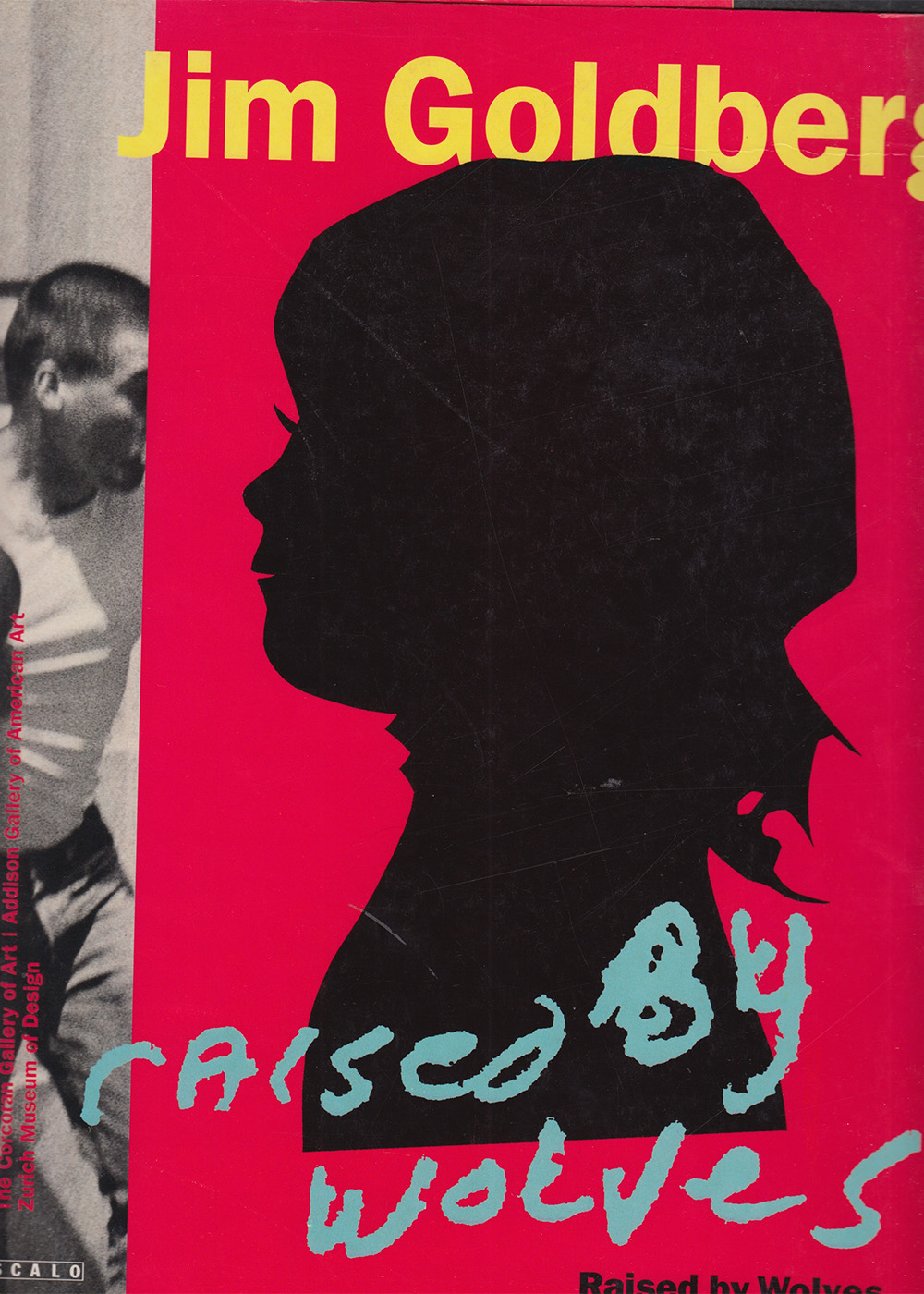
Raised By Wolves, published in 1995, followed California street kids as they fumbled through lives coloured by addiction, abuse, and violence.
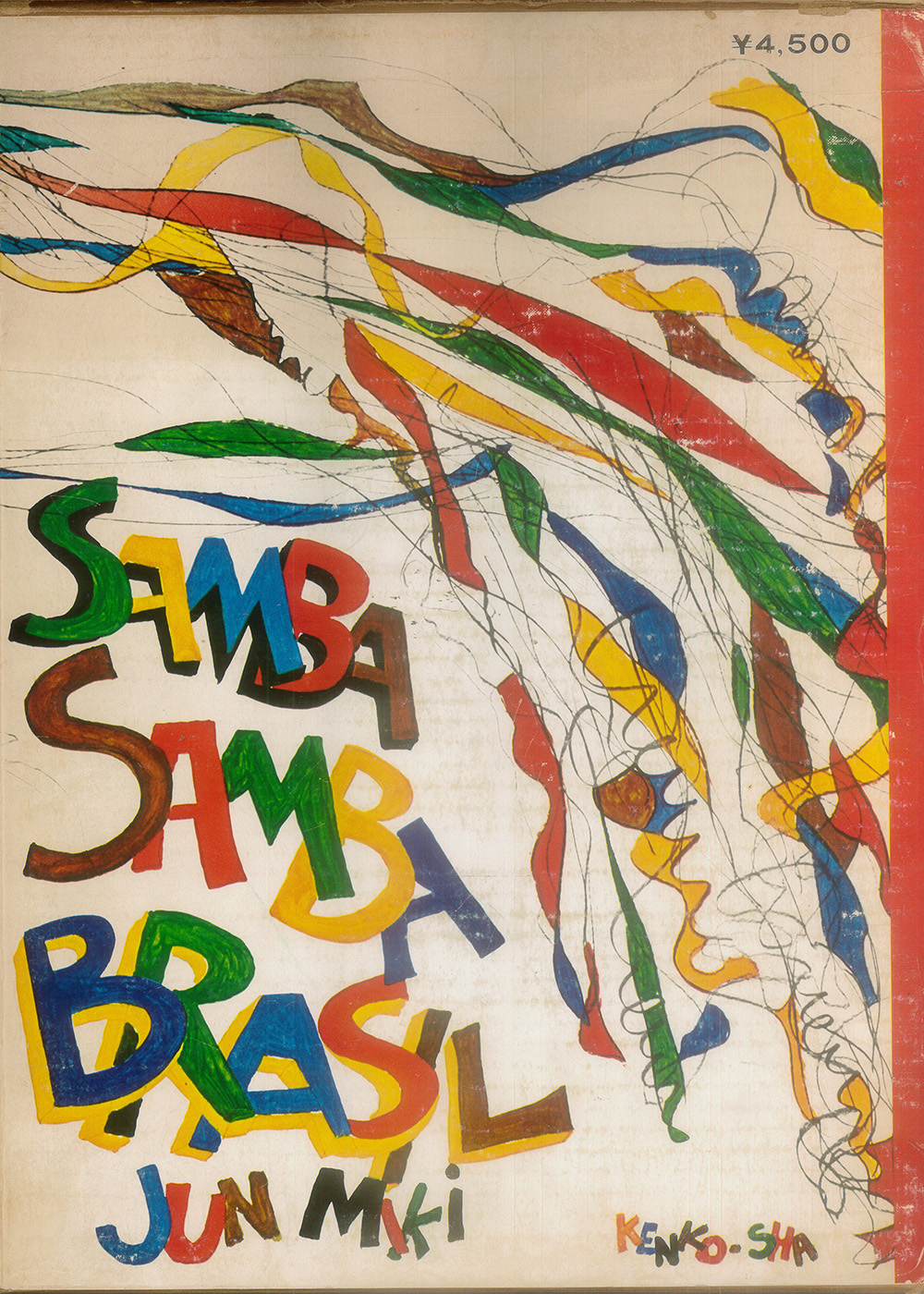
Samba Samba Brazil is the only large-format photography book Miki Jun published during his lifetime. It is a superb record of Brazil during the 60s. Dark photogravures capture the amazing energy of the people and the optimism of the country. Parts of the new capital of Brazil had just been built by Oscar Niemeyer and Lucio Costa and their grand architectural vision is documented in a series of impressive black-white images.
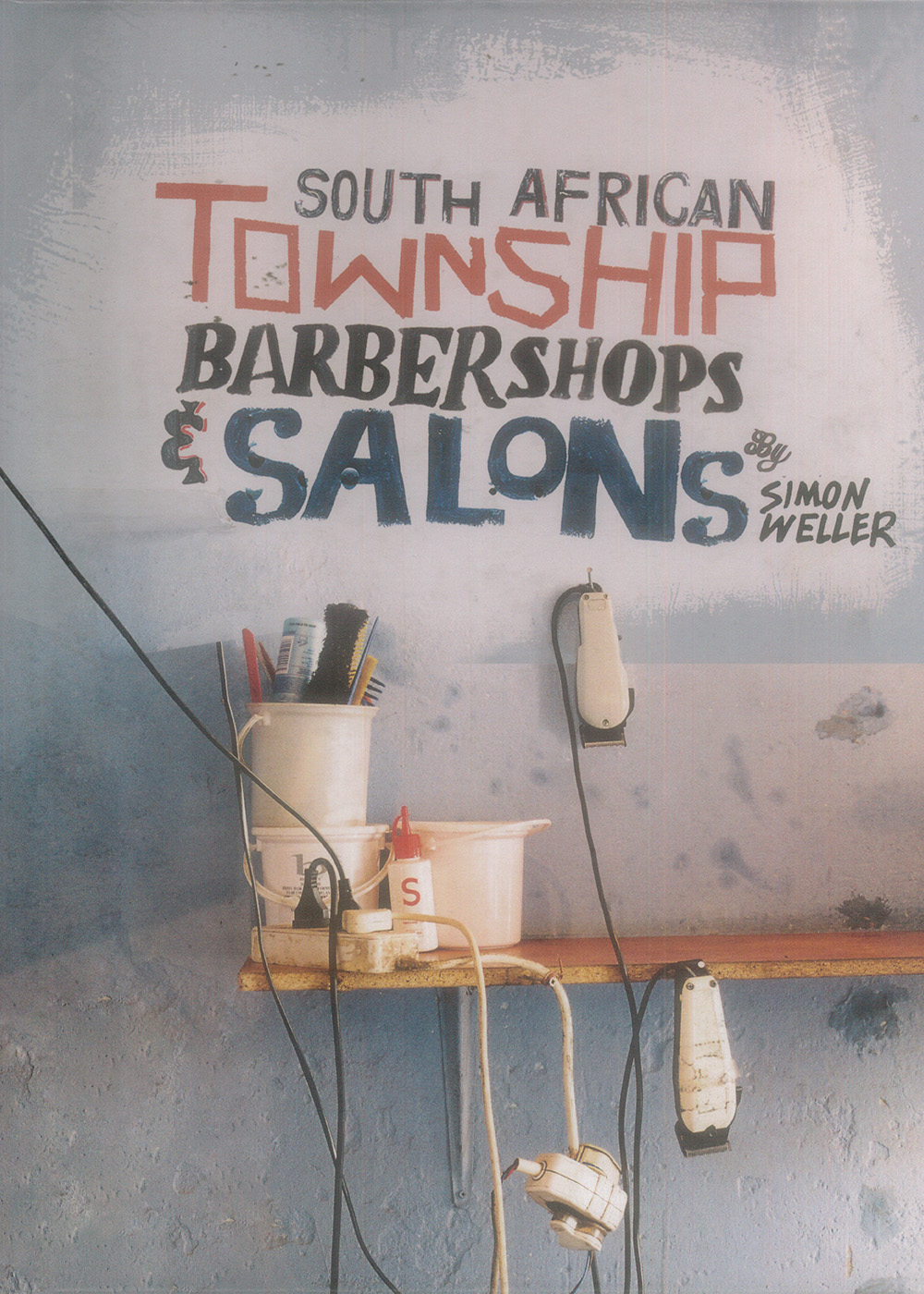
In South African Township Barbershops and Salons, Simon Weller presents his vivid photographs of these places, their signage and their patrons alongside interviews with the proprietors, customers and the sign makers.

Suburbia is a sociological dissection of the Northern California suburban sprawl of the late sixties and early seventies, one of the great American photography books of the last quarter of the 20th Century.
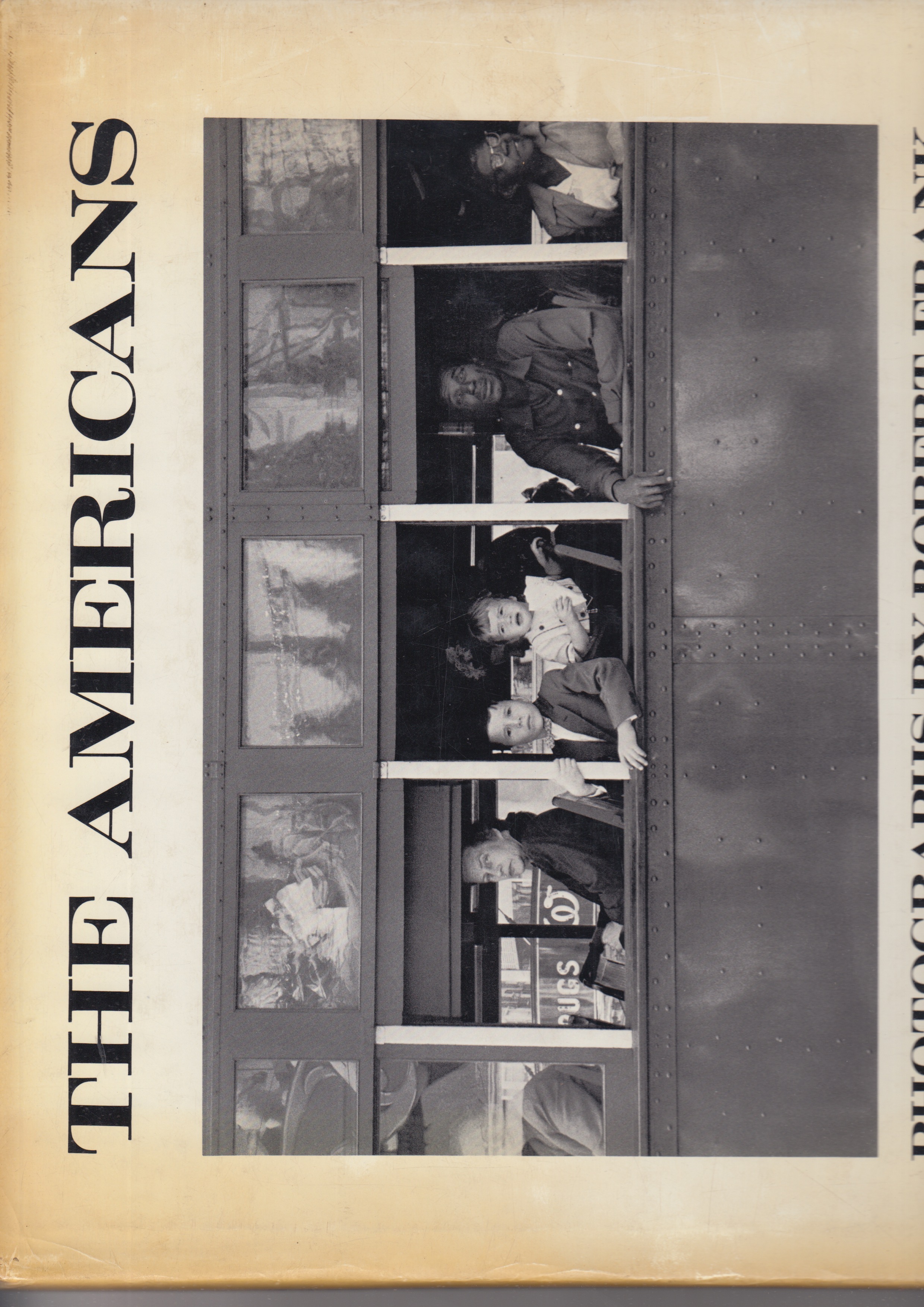
Through eighty-three photographs taken across the country, Frank unveiled an America that had gone previously unacknowledged—confronting its people with an underbelly of racial inequality, corruption, injustice, and the stark reality of the American dream. Frank’s point of view—at once startling and tenacious—is imbued with humanity and lyricism, painting a poignant and incomparable portrait of the nation at a turning point in history.

In this book, Takashi Homma uses fragments collected in camera obscura constructed in metropolitan areas of Japan and the US to build a city image by image.
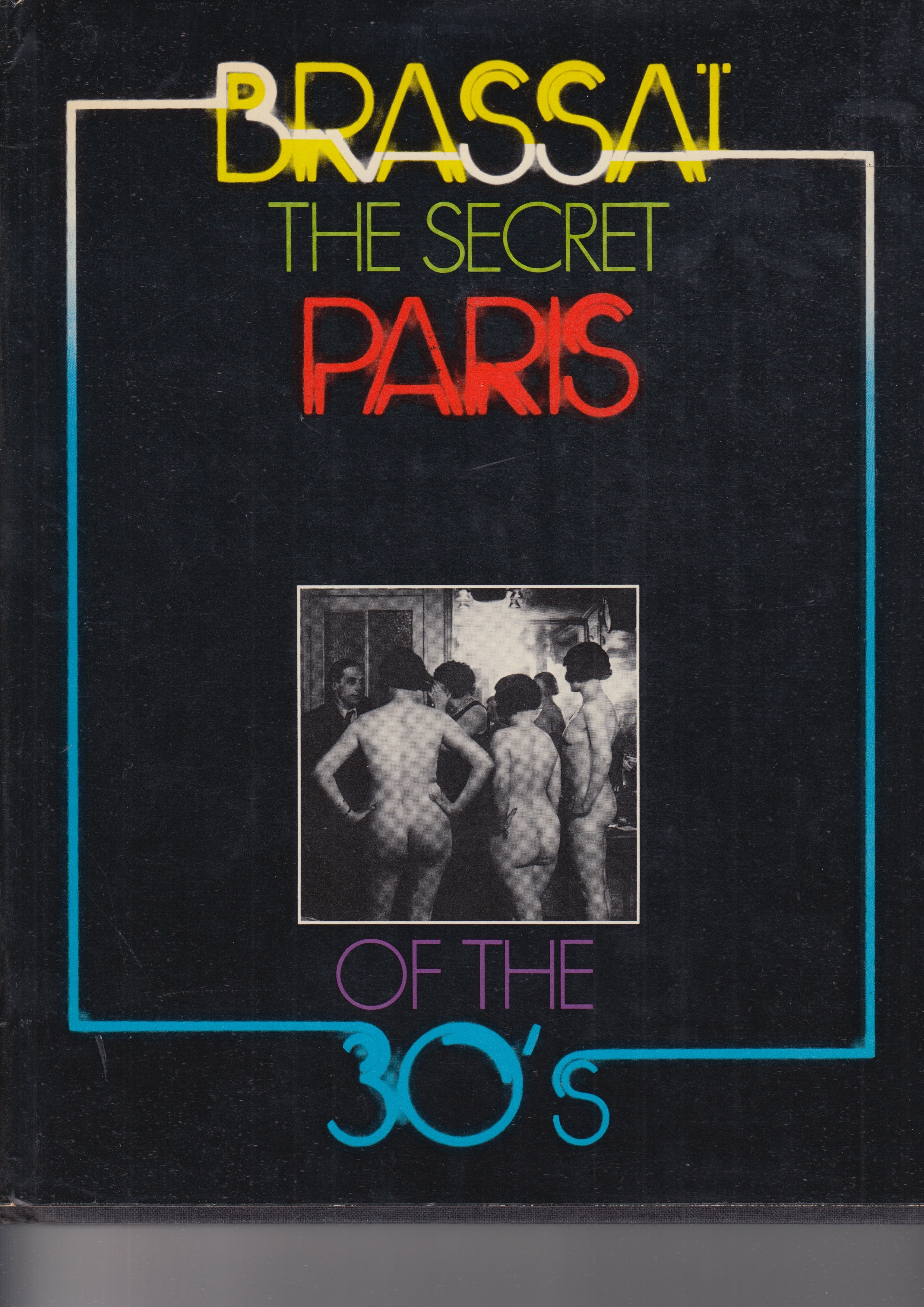
The Secret Paris of the 30s is one of the most remarkable photographic memoirs ever published. For years it was known that Brassai had taken a series of `secret photographs' that could not be published because of their daring nature. Alone, or in the company of friends, he discovered the underworld Paris of the 1930s . These fascinating images are accompanied by Brassai's own text, in which he describes the extraordinary conditions under which he took his photographs.

Tir a'Mhurain is a collection of photographs that reflects the impressions gathered by Paul Strand and his wife Hazel during their 3-month visit to the Hebrides in 1945. Juxtaposing people and landscape, Strand's beautifully sequenced photographs depict the perfect complicity he saw between nature and habitation in their wild terrain.