
An insider's history of the "Beat" movement and its personalities through the personal photographs of one of its principle figures – Allen Ginsberg. Pointing his camera randomly at the counterculture around him, the poet created a unique visual record of his friends and companions covering a period of almost forty years. His subjects include Jack Kerouac, William Burroughs, Neal Cassady, Robert Frank, Paul Bowles, Timothy Leary, dozens of other writers, painters, and friends, and several revealing self-portraits. Beneath each photograph are Ginsberg's handwritten reminiscences of the circumstances, people, and places relating to the photograph.
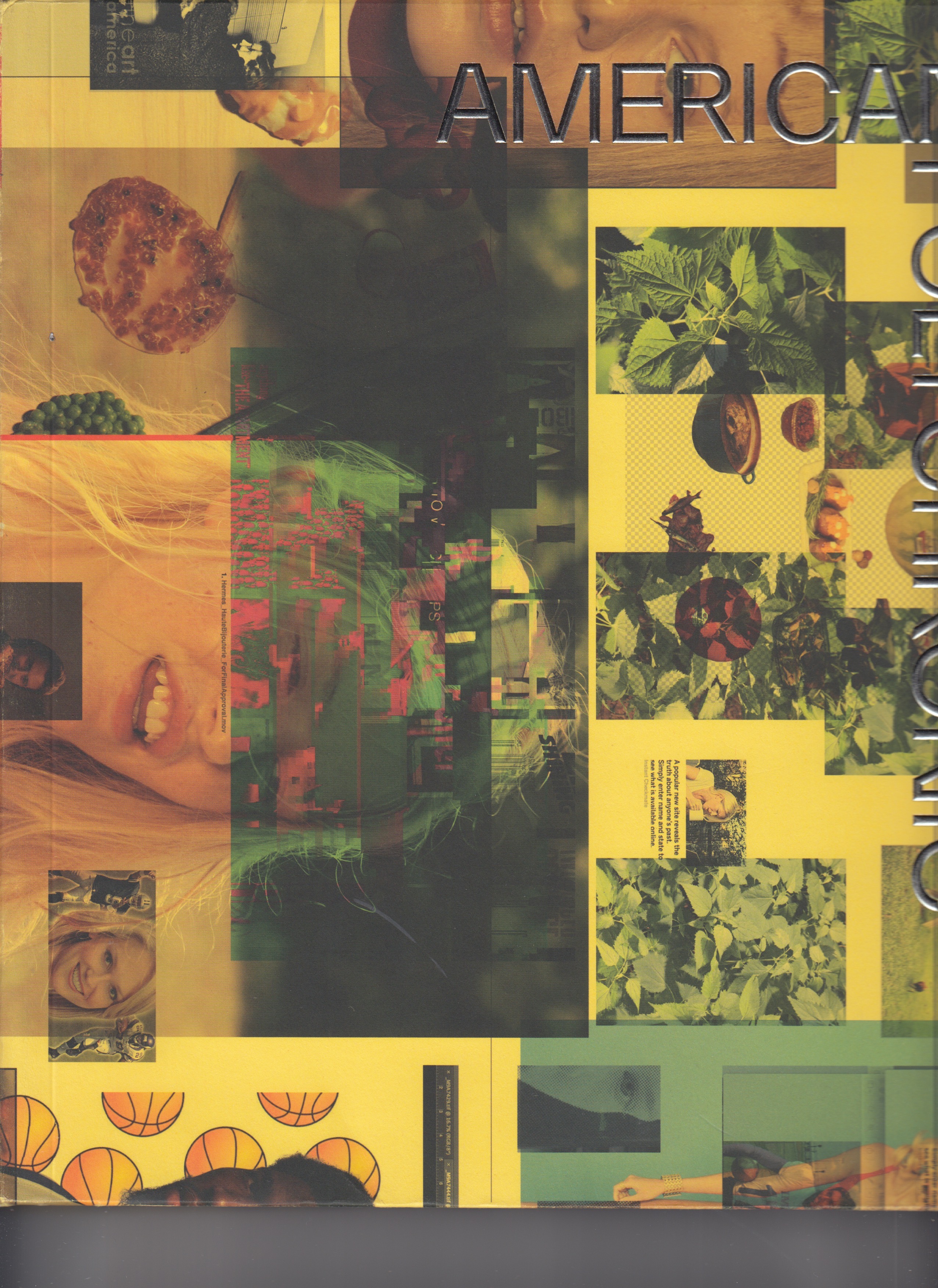
American Polychronic presents the first comprehensive catalogue of Roe Ethridge’s work from 1999 to 2022, comprised of two interlocking threads of his celebrated photographic practice – a postmodernist approach exploring the plastic nature photography exploring how pictures can be easily replicated to create new visual experiences.
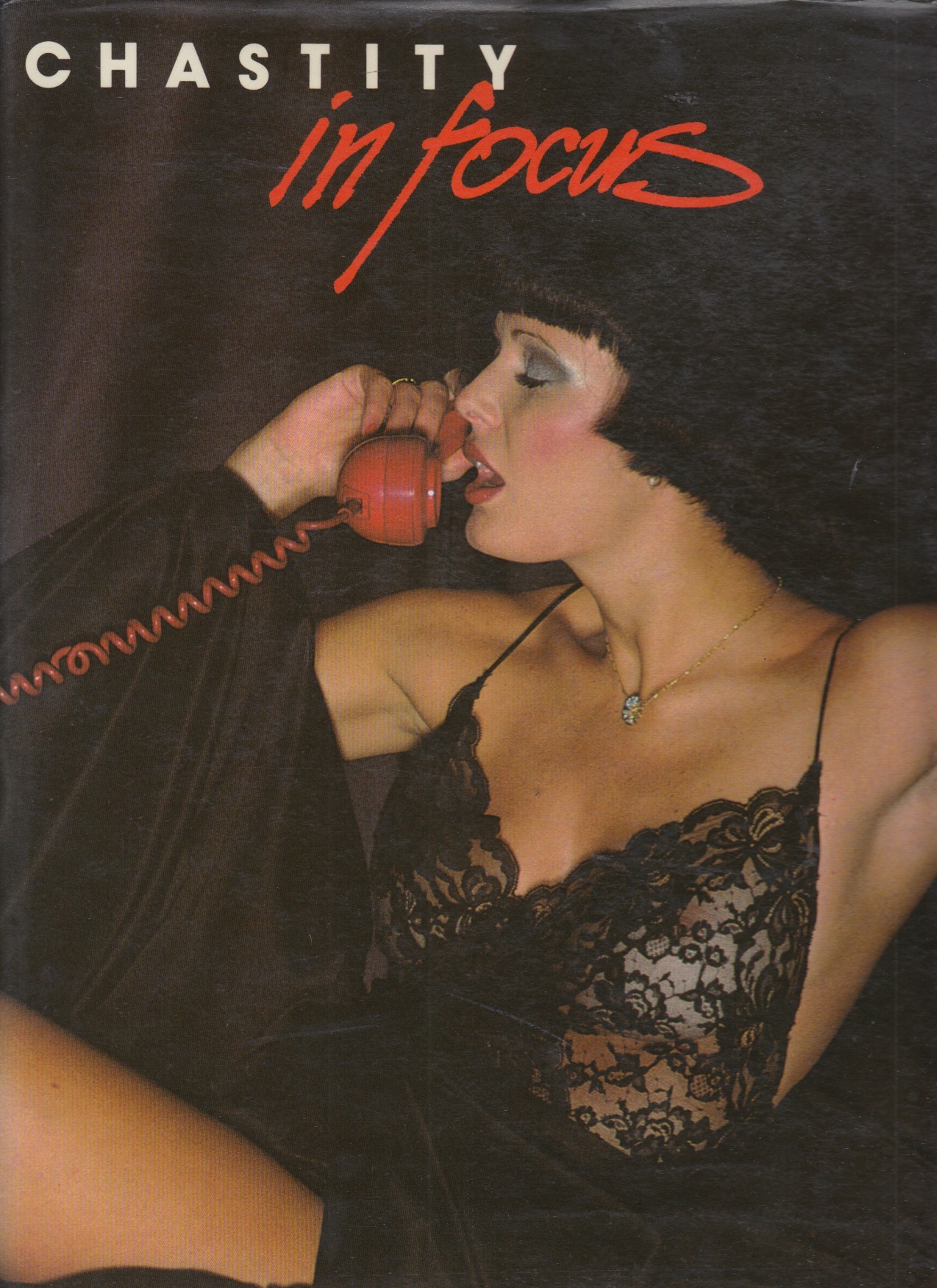
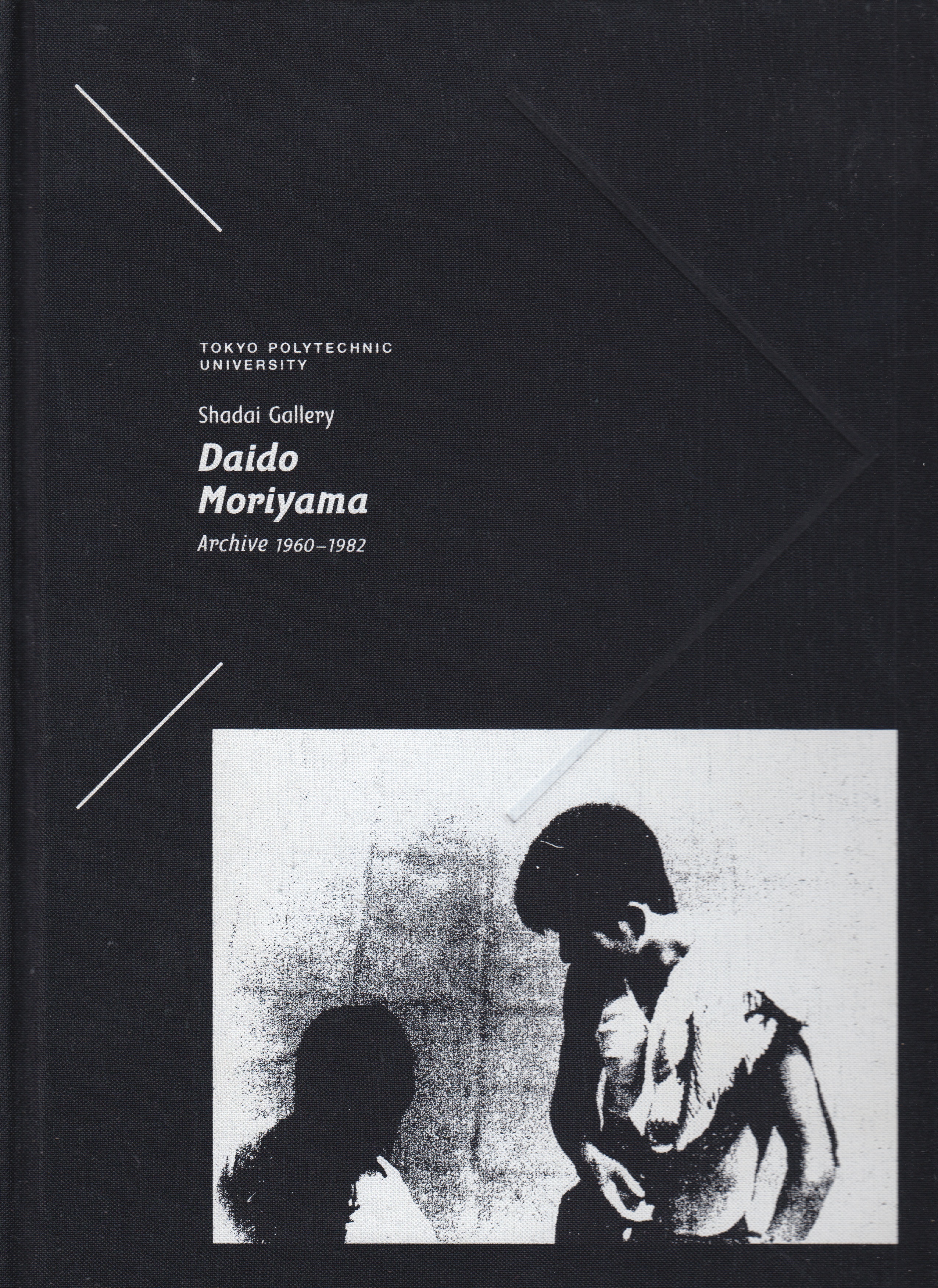
This publication consists of 930 photographs taken by Daido Moriyama in the first twenty years of his career. Starting with the oldest existing print from 1960 and ending around the publication of Moriyama’s photobook “Light and Shadow” in 1982, the book allows an unprecedented insight into the work – including many previously unpublished images – of one of Japan’s greatest photographers.
Ed Ruscha is widely regarded as one of the world’s most important artists with a career spanning six decades from the early 1960s until the present day. His use of imagery and techniques seen in commerical art, such as advertising and his interest in popular culture and the everyday, connects him directly with pop art. This book thoroughly traces Ruscha's engagement with photography and reveals how his photographic works shed new light on his career as a whole.
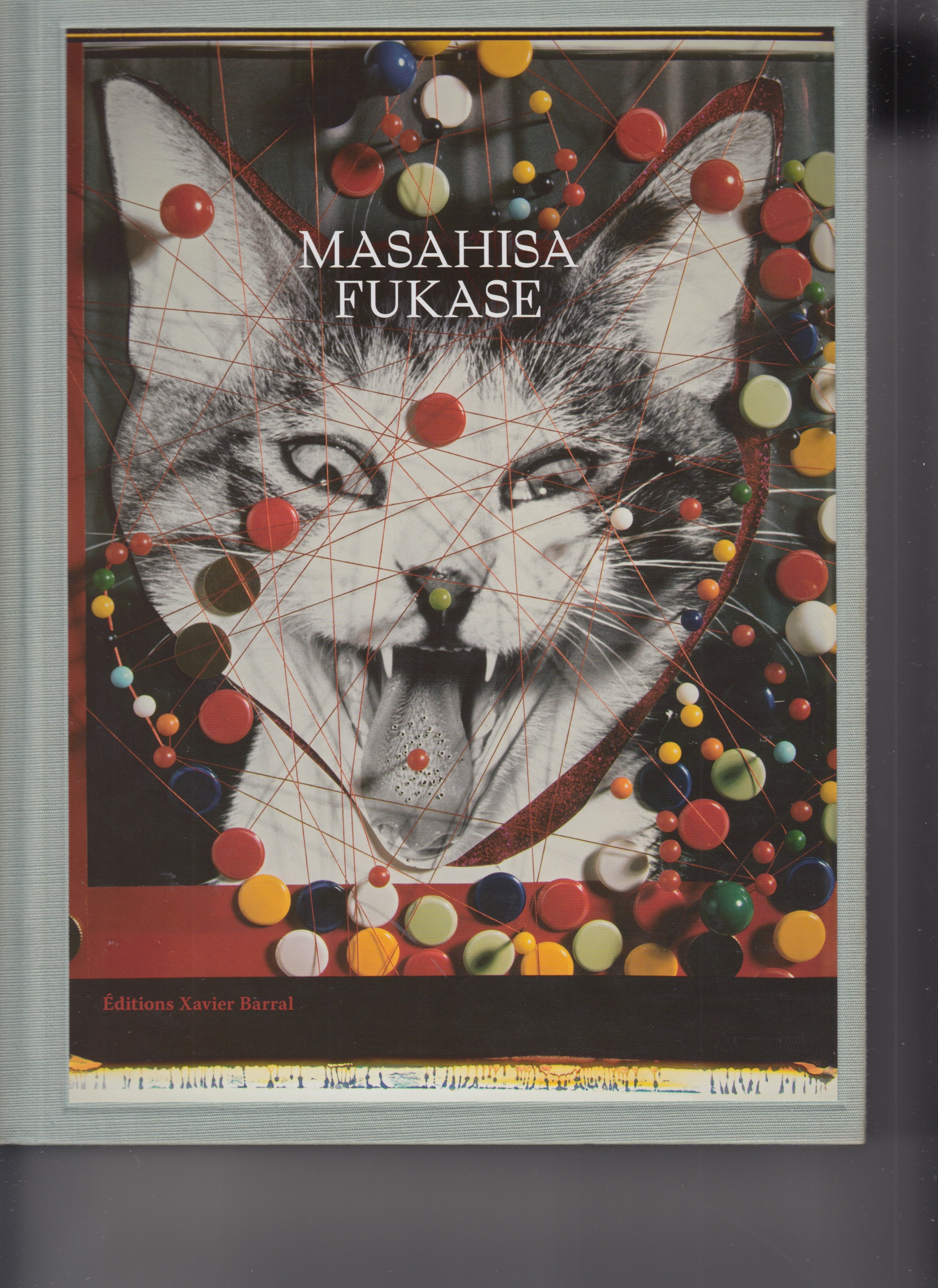
This retrospective of Japanese photographer Masahisa Fukase whose deeply introspective and cinematc photography illustrated his intense and occasionally violent life. This book provides an overview of one of the most radical and important photographers of his generation. Edited by Simon Baker, the Tate’s first photography curator, and Tomo Kosuga, director of the Masahisa Fukase Archives, the comprehensive book showcases 26 of the artist’s series, including many previously unpublished works, on more than 400 pages.
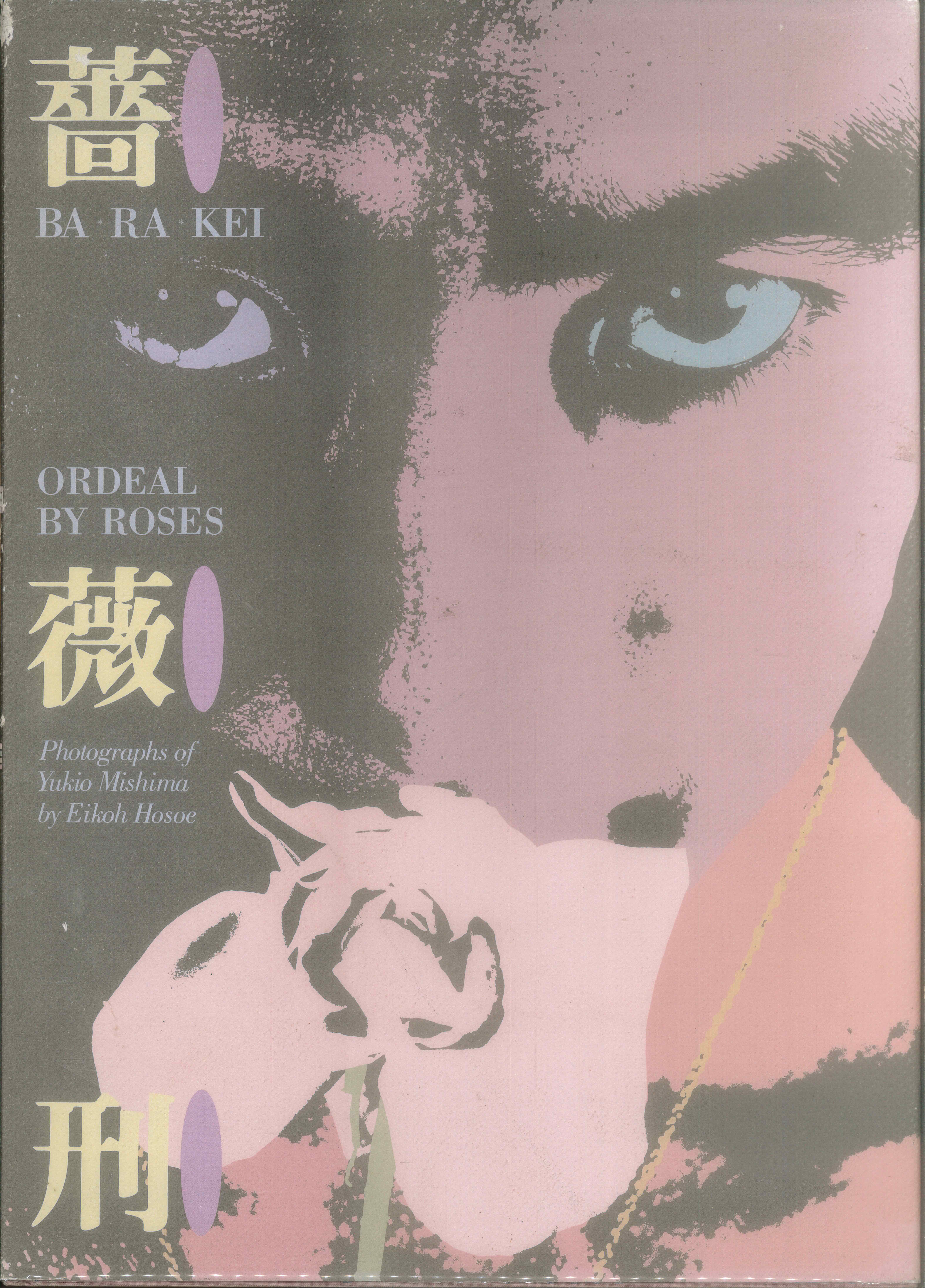
Eikoh Hosoe is one of Japan's most iconic post-war photographers, recognized for his legendary collaborations and impeccable aesthetics. Ordeal by Roses is an extended photographic portrait of his work in collaboration with celebrated author Yukio Mishima. The series features Mishima in a variety of poses, proudly showing off his muscular physique, the result of many years of dedicated bodybuilding. The photographs—taken from autumn 1961 to spring 1962, mostly at the writer’s home in the Magome district of Tokyo—encapsulated Mishima’s self-image and brought it to vivid life in photographs that used a variety of sophisticated techniques to create an astonishing world of provocative sensuality.

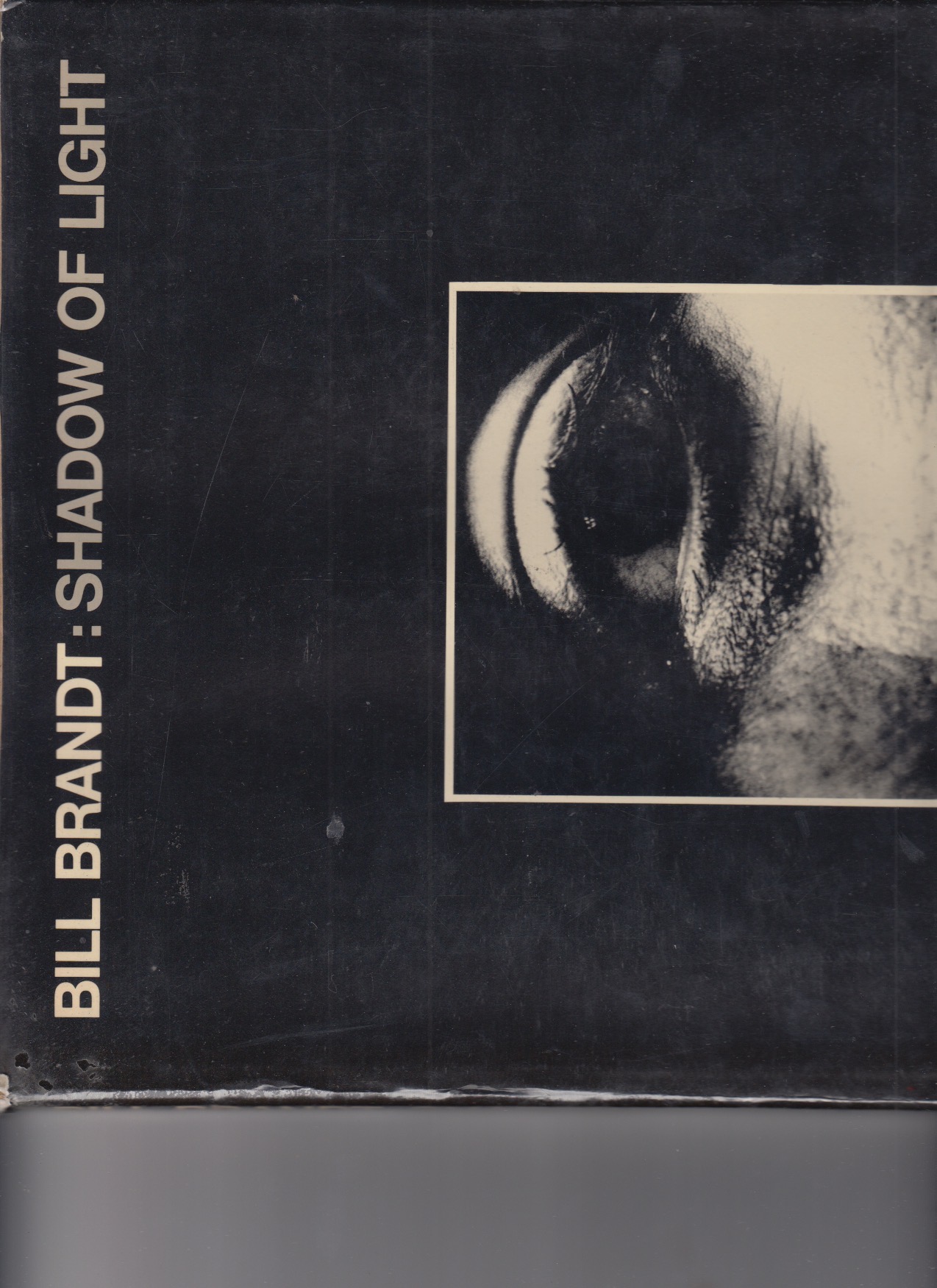
This publication presents the Bill Brandt's entire oeuvre, with special emphasis on his investigation of life in 1930s during war-time London, and his innovative late nudes.
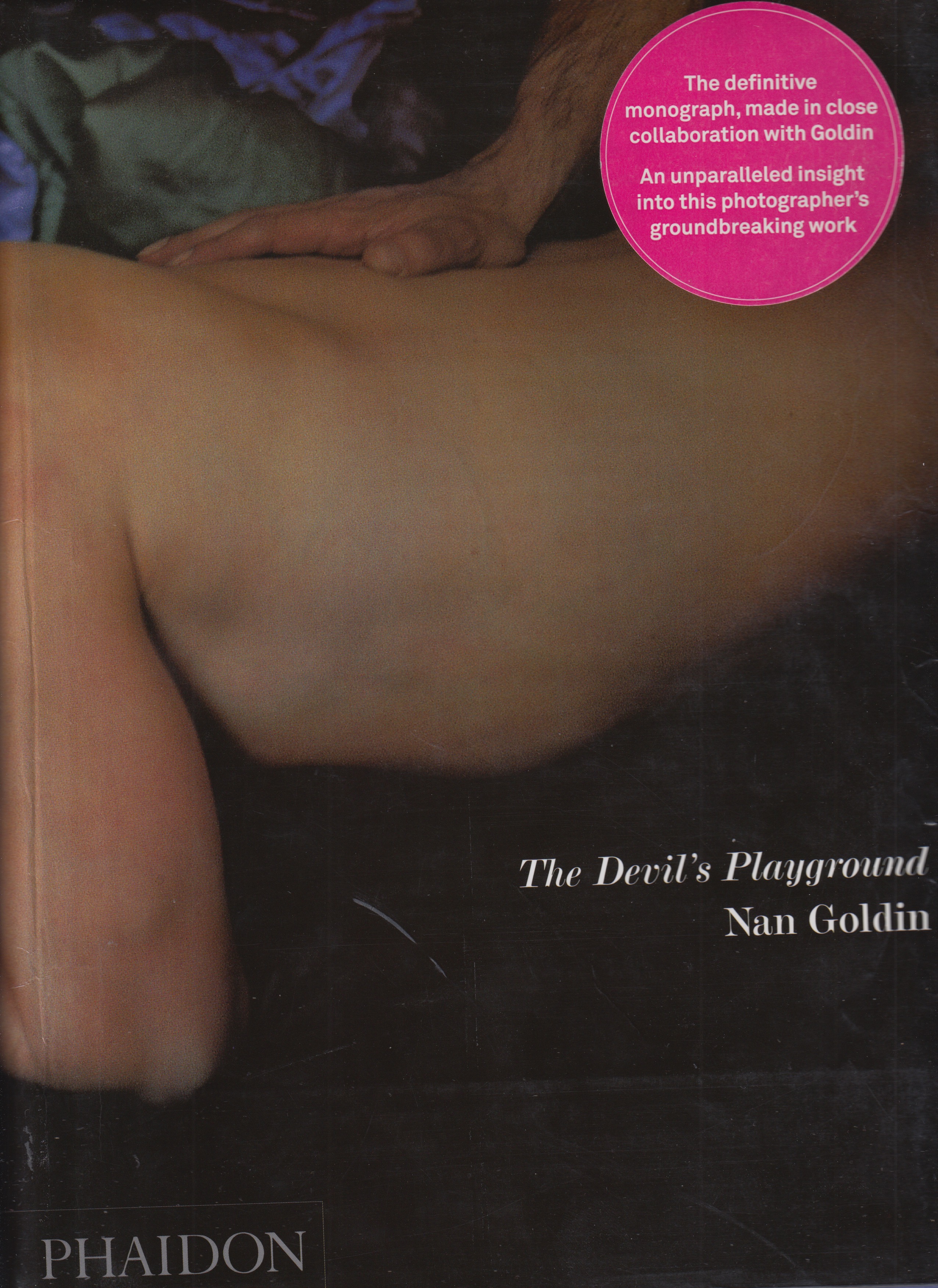
The Devil’s Playground presents a major collection of photographs by Nan Goldin (b.1953). Since the 1980s, Goldin has consistently created photographs that are intimate and compelling: they tell personal stories of relationships, friendships and identity, while chronicling different eras and exposing the passage of time.
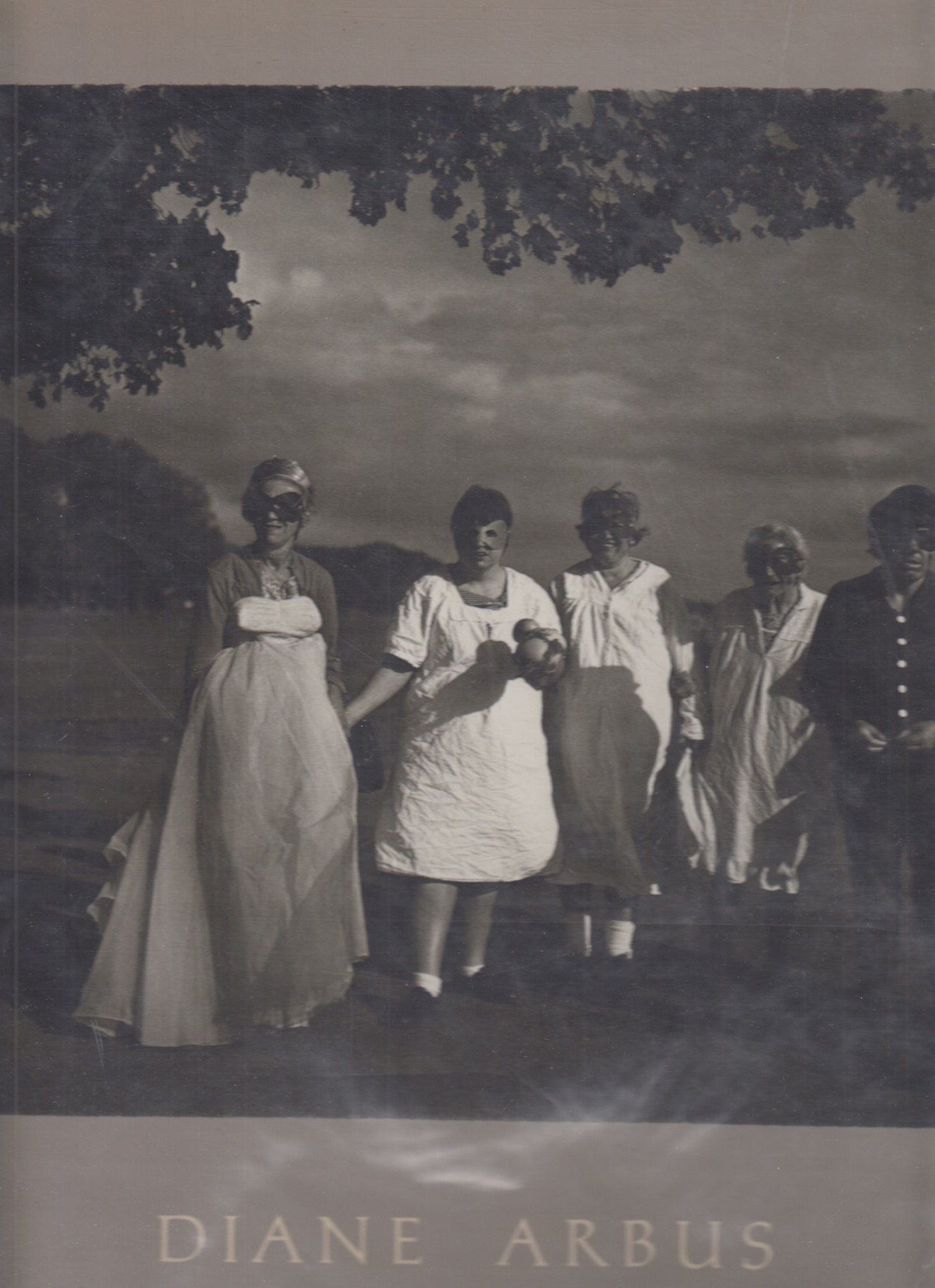
Untitled is the only volume devoted to a single project by Diane Arbus, drawn from photographs taken in residences for people with developmental disabilities between 1969 and 1971, during the final years of her life. Largely unpublished until this edition, the images reveal a lyrical, emotionally direct vision that Arbus herself described as “finally what I’ve been searching for.” More mythic than documentary, the work reflects her unflinching engagement with reality and affirms the individuality and shared humanity of her subjects.
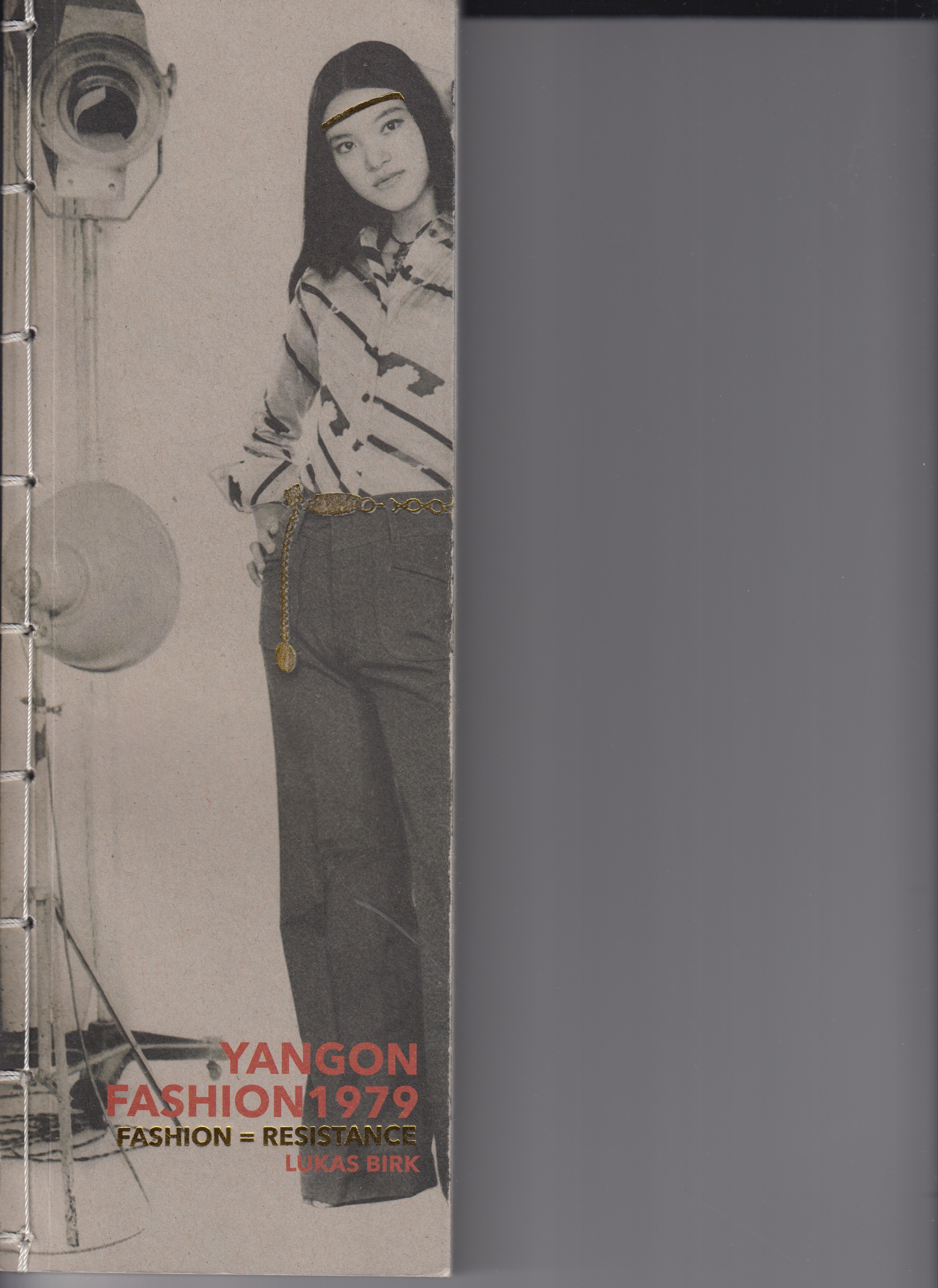
Yangon Fashion 1979 offers a unique insight into the photographs that brought a spark of free expression to Yangon’s fashionable youth in the late 1970s. Photography studios around Yangon University and downtown attracted large numbers of young clients posing in elegant outfits, some of which were even customised for the occasion. The resulting images resembled an old-school Facebook – an exchange of physical images, as photos were usually shared with friends.