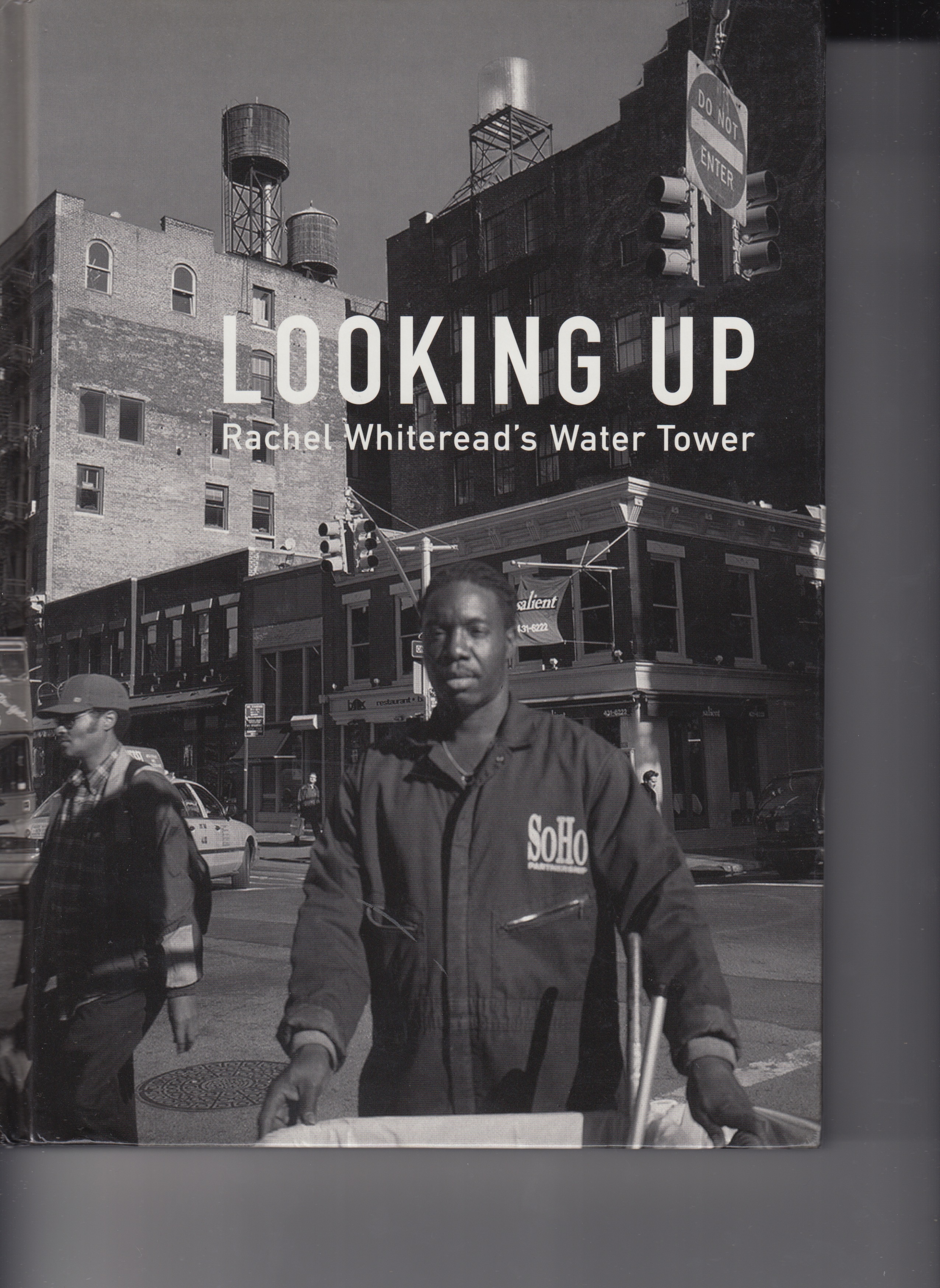
Whiteread is known for her castings in resin and plaster of familiar objects and the spaces they surround, and for her ability to make people see these objects and spaces anew. Water Tower is a resin cast of the interior of a once-functioning cedar water tower, chosen specifically for the texture this type of wood would impart to the surface.
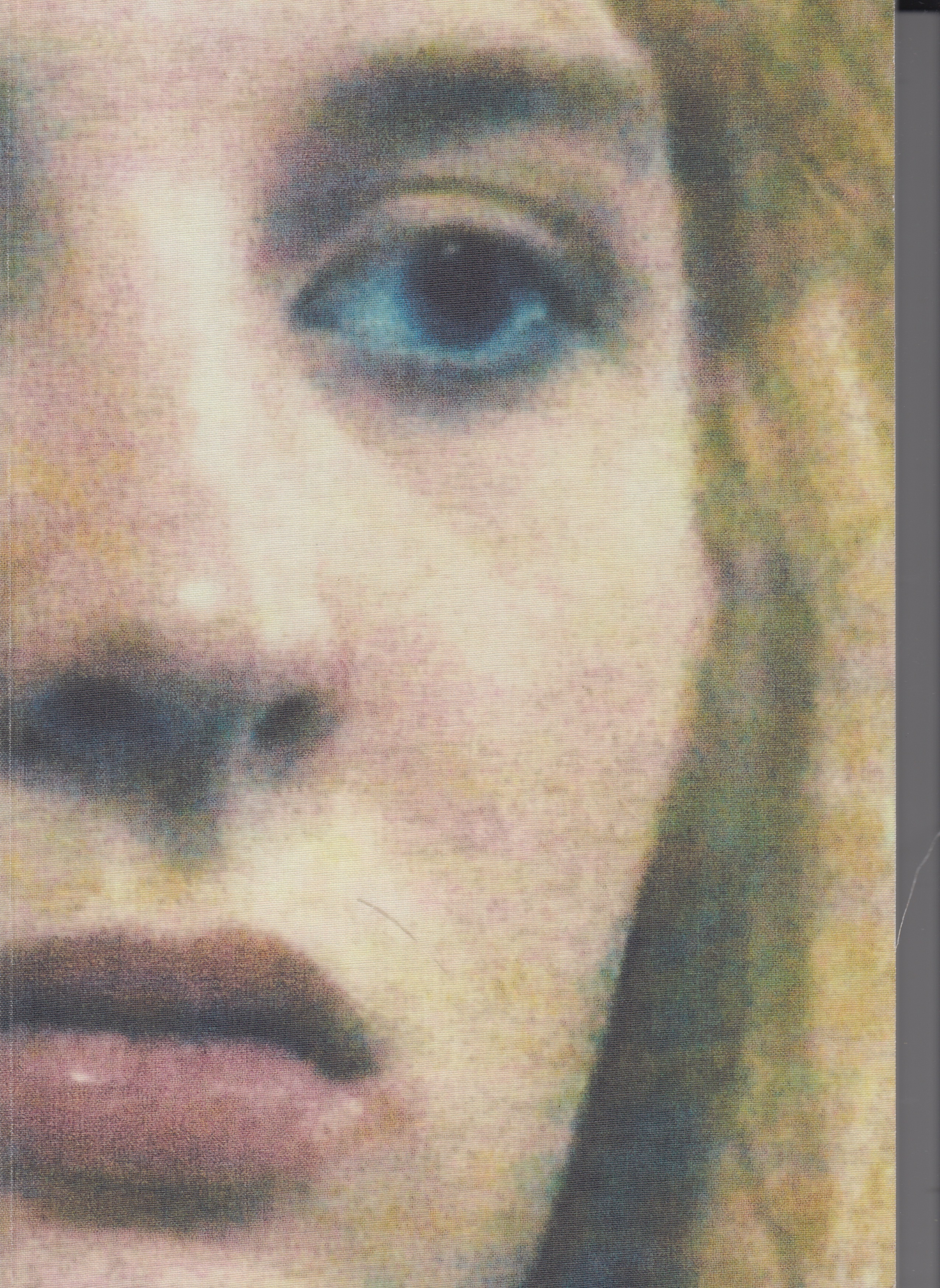
In the late 1980s, Matthias Groebel scavenged electronic waste in Münster to build a computer-controlled painting machine and capture distant signals. Over the next decade, he painted TV stills, anticipating technocultural shifts. This book offers the first comprehensive survey of his machine paintings (1989–2001), with two critical essays included.
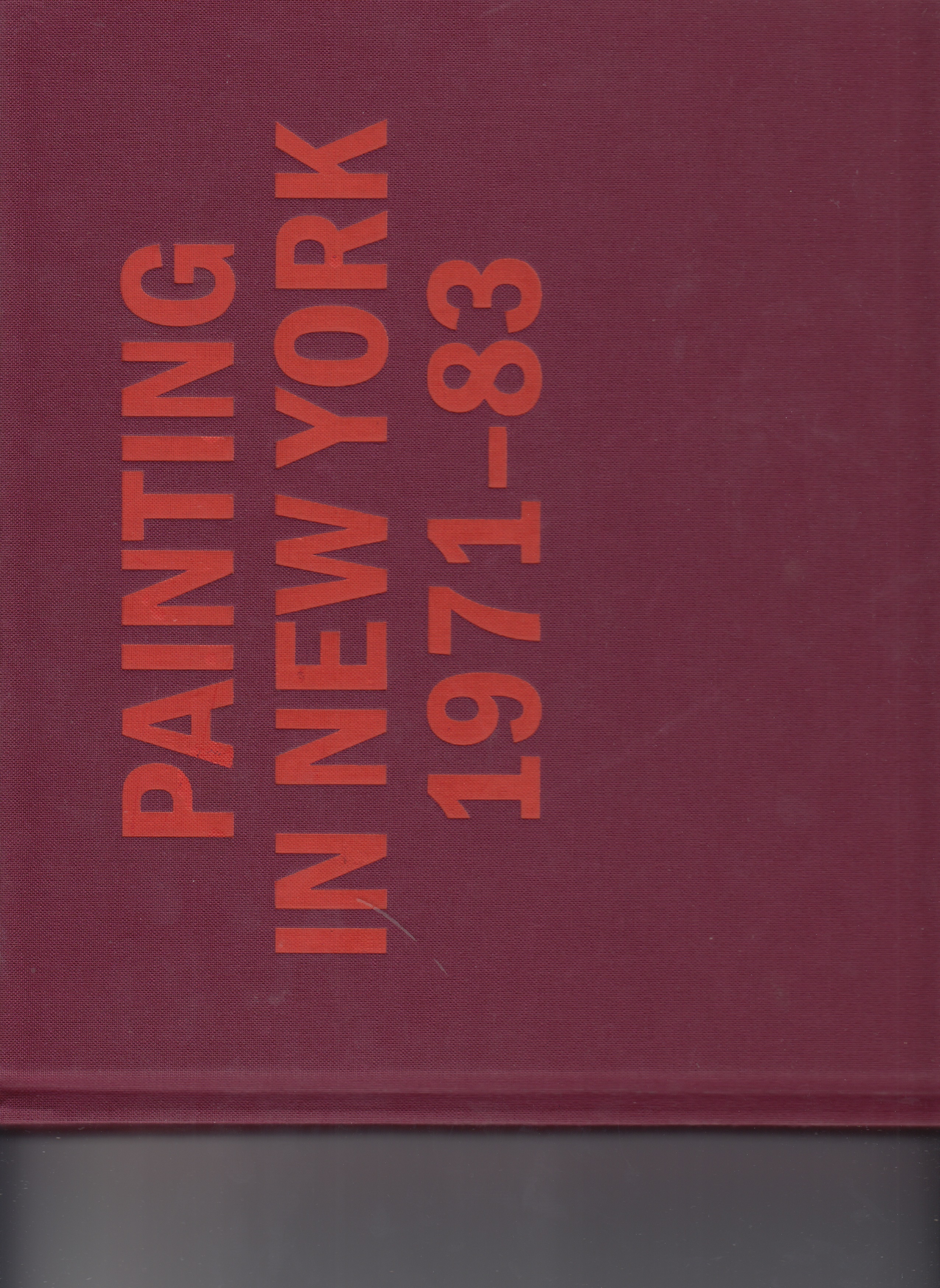
Published to follow the landmark exhibition at Karma Gallery, New York, this catalog unites the works of 30 women painters who were active in New York City during the 1970s. Artists include: Emma Amos, Ida Applebroog, Jennifer Bartlett, Betty Blayton, Vivian Browne, Cynthia Carlson, Martha Diamond, Louise Fishman, Suzan Frecon, Nancy Graves, Cynthia Hawkins, Mary Heilmann, Virginia Jaramillo, Jane Kaplowitz, Harriet Korman, Lois Lane, Helen Marden, Dindga McCannon, Ree Morton, Elizabeth Murray, Ellen Phelan, Howardena Pindell, Sylvia Plimack Mangold, Faith Ringgold, Dorothea Rockburne, Susan Rothenberg, Joan Semmel, Jenny Snider, Joan Snyder, Pat Steir.
.jpg)
Rashid Johnson (born 1977) is renowned for challenging the assumptions often present in collective notions of Blackness. Based in New York, Johnson is among an influential group of American artists whose work employs a wide range of materials and images to explore themes of art history, literature, philosophy, and personal and cultural identity. This book is a compendium on the multimedia art of Rashid Johnson, tackling themes of Black history, literature, philosophy and material culture.
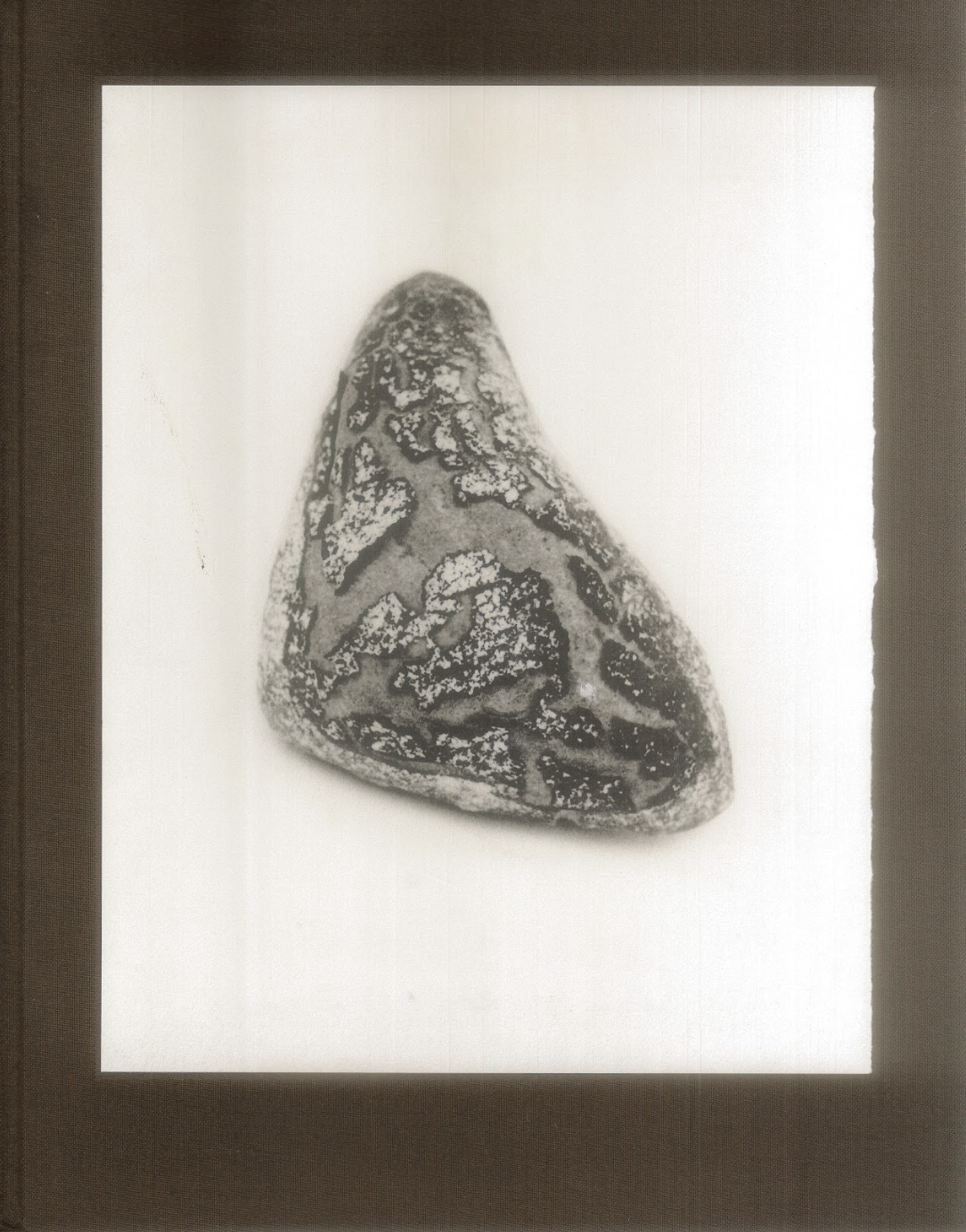
In this book, France-based Japanese photographer Sachiko Morita regards everyday objects such as leaves of a tree, edible roots, plants, flowers, fish, shoes, grapes, onions or loaves of bread with meticulous care and attention.

Published to follow the landmark exhibition at Karma Gallery, New York, this catalog unites the works of 30 women painters who were active in New York City during the 1970s. Artists include: Emma Amos, Ida Applebroog, Jennifer Bartlett, Betty Blayton, Vivian Browne, Cynthia Carlson, Martha Diamond, Louise Fishman, Suzan Frecon, Nancy Graves, Cynthia Hawkins, Mary Heilmann, Virginia Jaramillo, Jane Kaplowitz, Harriet Korman, Lois Lane, Helen Marden, Dindga McCannon, Ree Morton, Elizabeth Murray, Ellen Phelan, Howardena Pindell, Sylvia Plimack Mangold, Faith Ringgold, Dorothea Rockburne, Susan Rothenberg, Joan Semmel, Jenny Snider, Joan Snyder, Pat Steir.

Whiteread is known for her castings in resin and plaster of familiar objects and the spaces they surround, and for her ability to make people see these objects and spaces anew. Water Tower is a resin cast of the interior of a once-functioning cedar water tower, chosen specifically for the texture this type of wood would impart to the surface.
.jpg)
Rashid Johnson (born 1977) is renowned for challenging the assumptions often present in collective notions of Blackness. Based in New York, Johnson is among an influential group of American artists whose work employs a wide range of materials and images to explore themes of art history, literature, philosophy, and personal and cultural identity. This book is a compendium on the multimedia art of Rashid Johnson, tackling themes of Black history, literature, philosophy and material culture.

A catalogue to accompany an exhibition of Dali's work at the Tate in 1980.

In this book, France-based Japanese photographer Sachiko Morita regards everyday objects such as leaves of a tree, edible roots, plants, flowers, fish, shoes, grapes, onions or loaves of bread with meticulous care and attention.

In the late 1980s, Matthias Groebel scavenged electronic waste in Münster to build a computer-controlled painting machine and capture distant signals. Over the next decade, he painted TV stills, anticipating technocultural shifts. This book offers the first comprehensive survey of his machine paintings (1989–2001), with two critical essays included.