
Contributors to Aspen 5 & 6 include Marcel Duchamp, Samuel Beckett, John Cage, Robert Rauschenberg, Hans Richter, Sol Lewitt, Mel Bochner, Naum Gabo, Laszlo Moholy-Nagy, Dan Graham, George Kubler, Robert Morris, William Burroughs, Roland Barthes, Susan Sontag, Alain Robbe-Grillet, Morton Feldman, Michel Butor, Tony Smith and Merce Cunningham.
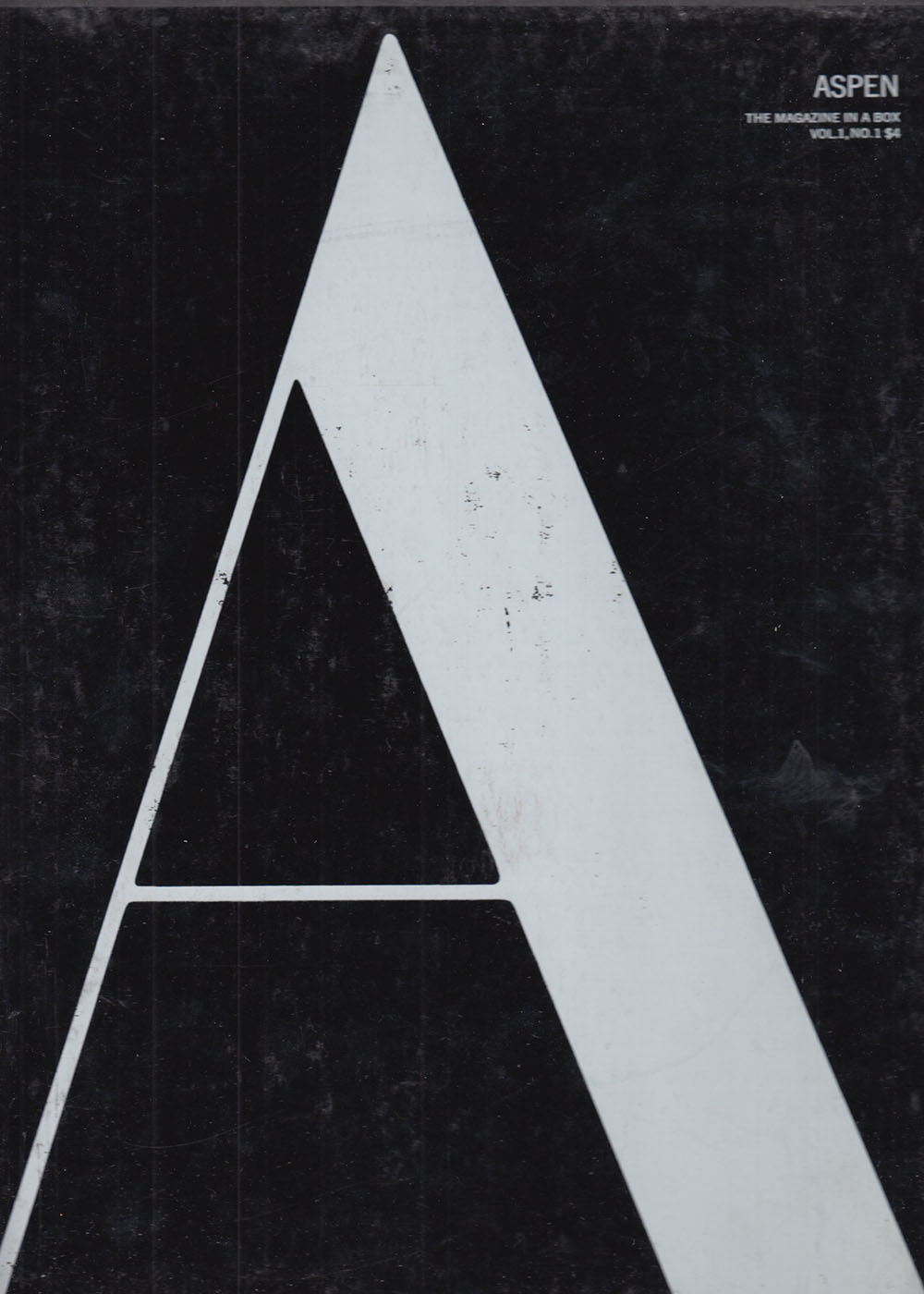
Aspen, published between 1965 and 1971, was a multimedia “magazine in a box” created by Phyllis Johnson. Each issue broke from traditional print by being curated by different artists and designers, including diverse materials such as booklets, vinyl records, film reels, and posters, showcasing avant-garde movements like pop art, Fluxus, and conceptual art. It became a landmark of experimental publishing. This issue was designed by the award-winning Esquire art director George Lois, along with Tom Courtos and Ralph Tuzzo.

Aspen, published between 1965 and 1971, was a multimedia “magazine in a box” created by Phyllis Johnson. Each issue broke from traditional print by being curated by different artists and designers, including diverse materials such as booklets, vinyl records, film reels, and posters, showcasing avant-garde movements like pop art, Fluxus, and conceptual art. The third issue of volume one is the renowned "Pop Art Issue" designed by Andy Warhol and David Dalton. This multimedia "magazine in a box" acts as a 1960s time capsule – featuring a dayglo detergent box cover, a Velvet Underground flexi-disc, and Warhol’s Kiss film flip-book.
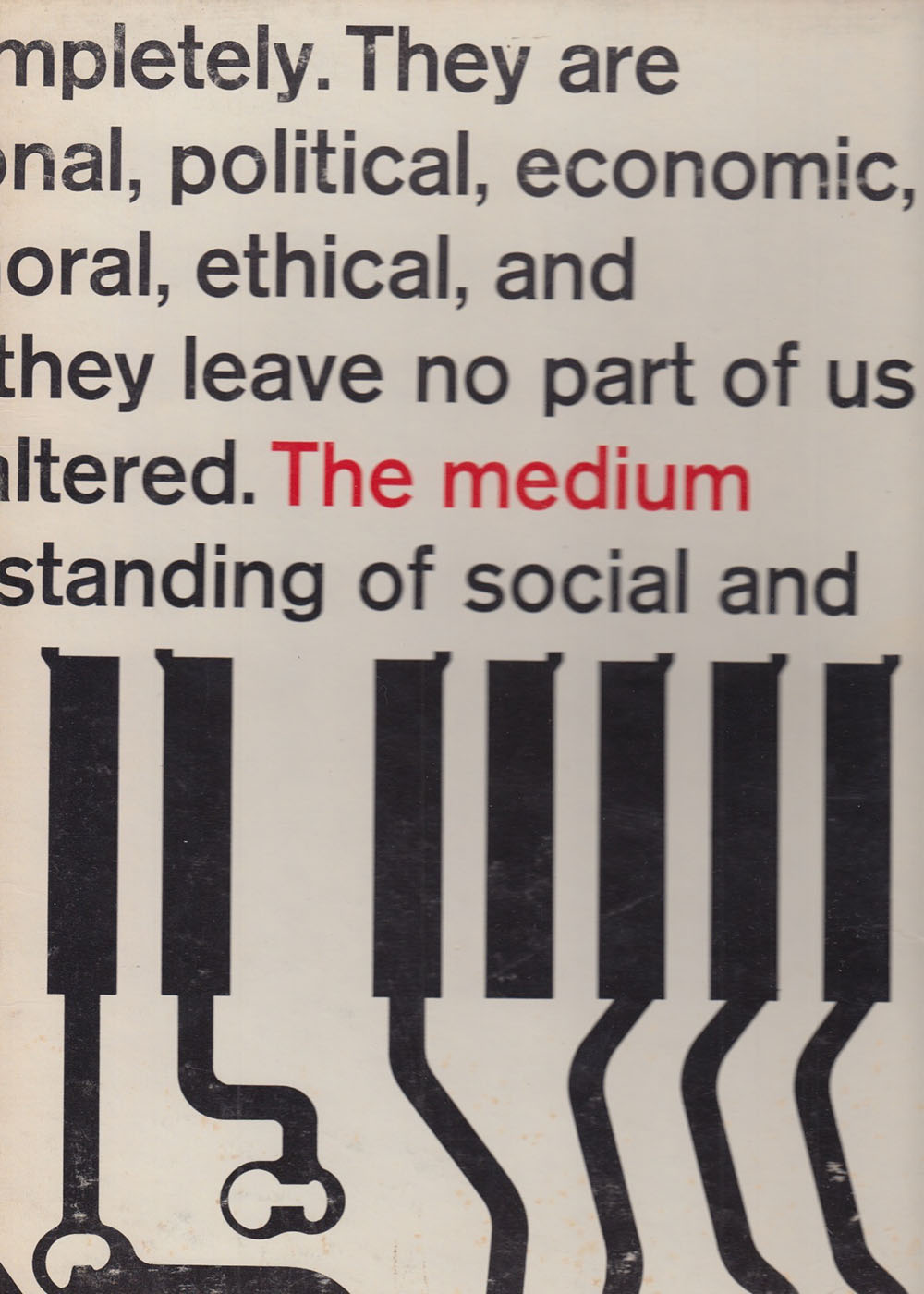
Aspen, published between 1965 and 1971, was a multimedia “magazine in a box” created by Phyllis Johnson. Each issue broke from traditional print by being curated by different artists and designers, including diverse materials such as booklets, vinyl records, film reels, and posters, showcasing avant-garde movements like pop art, Fluxus, and conceptual art. The fourth issue of volume one is "Marshall McLuhan Issue," designed by Quentin Fiore. Known as a 3D multimedia magazine, this issue explores media theory, famously packaged in a white box with black/red geometric designs, featuring recordings, texts, and advertisements

Aspen, published between 1965 and 1971, was a multimedia “magazine in a box” created by Phyllis Johnson. Each issue broke from traditional print by being curated by different artists and designers, including diverse materials such as booklets, vinyl records, film reels, and posters, showcasing avant-garde movements like pop art, Fluxus, and conceptual art. The third issue of volume one is the renowned "Pop Art Issue" designed by Andy Warhol and David Dalton. This multimedia "magazine in a box" acts as a 1960s time capsule – featuring a dayglo detergent box cover, a Velvet Underground flexi-disc, and Warhol’s Kiss film flip-book.

Aspen, published between 1965 and 1971, was a multimedia “magazine in a box” created by Phyllis Johnson. Each issue broke from traditional print by being curated by different artists and designers, including diverse materials such as booklets, vinyl records, film reels, and posters, showcasing avant-garde movements like pop art, Fluxus, and conceptual art. It became a landmark of experimental publishing. This issue was designed by the award-winning Esquire art director George Lois, along with Tom Courtos and Ralph Tuzzo.

Contributors to Aspen 5 & 6 include Marcel Duchamp, Samuel Beckett, John Cage, Robert Rauschenberg, Hans Richter, Sol Lewitt, Mel Bochner, Naum Gabo, Laszlo Moholy-Nagy, Dan Graham, George Kubler, Robert Morris, William Burroughs, Roland Barthes, Susan Sontag, Alain Robbe-Grillet, Morton Feldman, Michel Butor, Tony Smith and Merce Cunningham.

Aspen, published between 1965 and 1971, was a multimedia “magazine in a box” created by Phyllis Johnson. Each issue broke from traditional print by being curated by different artists and designers, including diverse materials such as booklets, vinyl records, film reels, and posters, showcasing avant-garde movements like pop art, Fluxus, and conceptual art. The fourth issue of volume one is "Marshall McLuhan Issue," designed by Quentin Fiore. Known as a 3D multimedia magazine, this issue explores media theory, famously packaged in a white box with black/red geometric designs, featuring recordings, texts, and advertisements