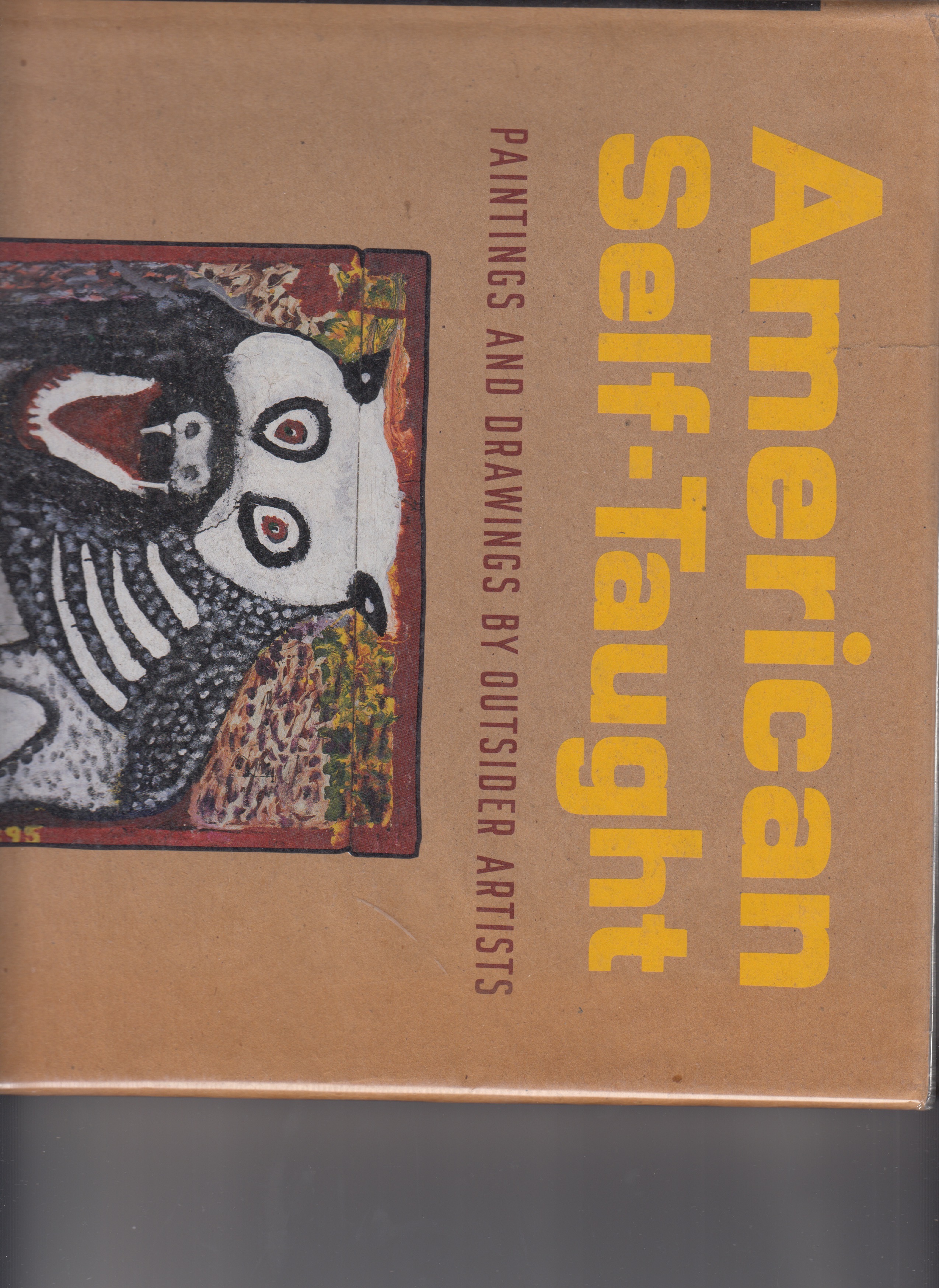
This book present and discusses some of the twentieth century's most significant examples of Outsider Art in America.
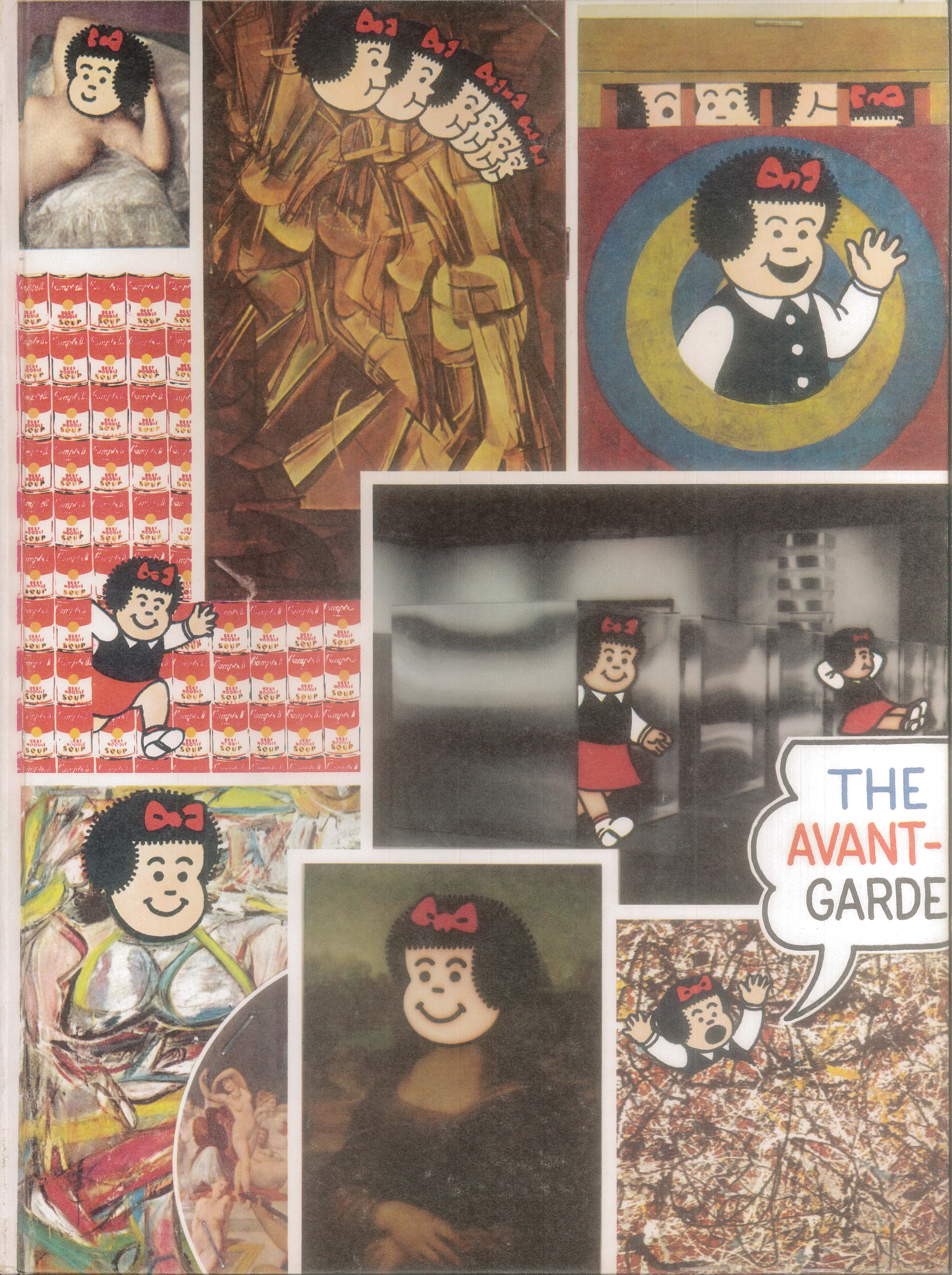
Art News Annual XXXIV is a collection of thirteen illustrated essays tracing the history of the avant-garde from France in the 19th century to Pop Art; contributors include: Linda Nochlin, Michel Butor, Meyer Schapiro, Harold Rosenberg, John Ashbery and Ron Padgett.
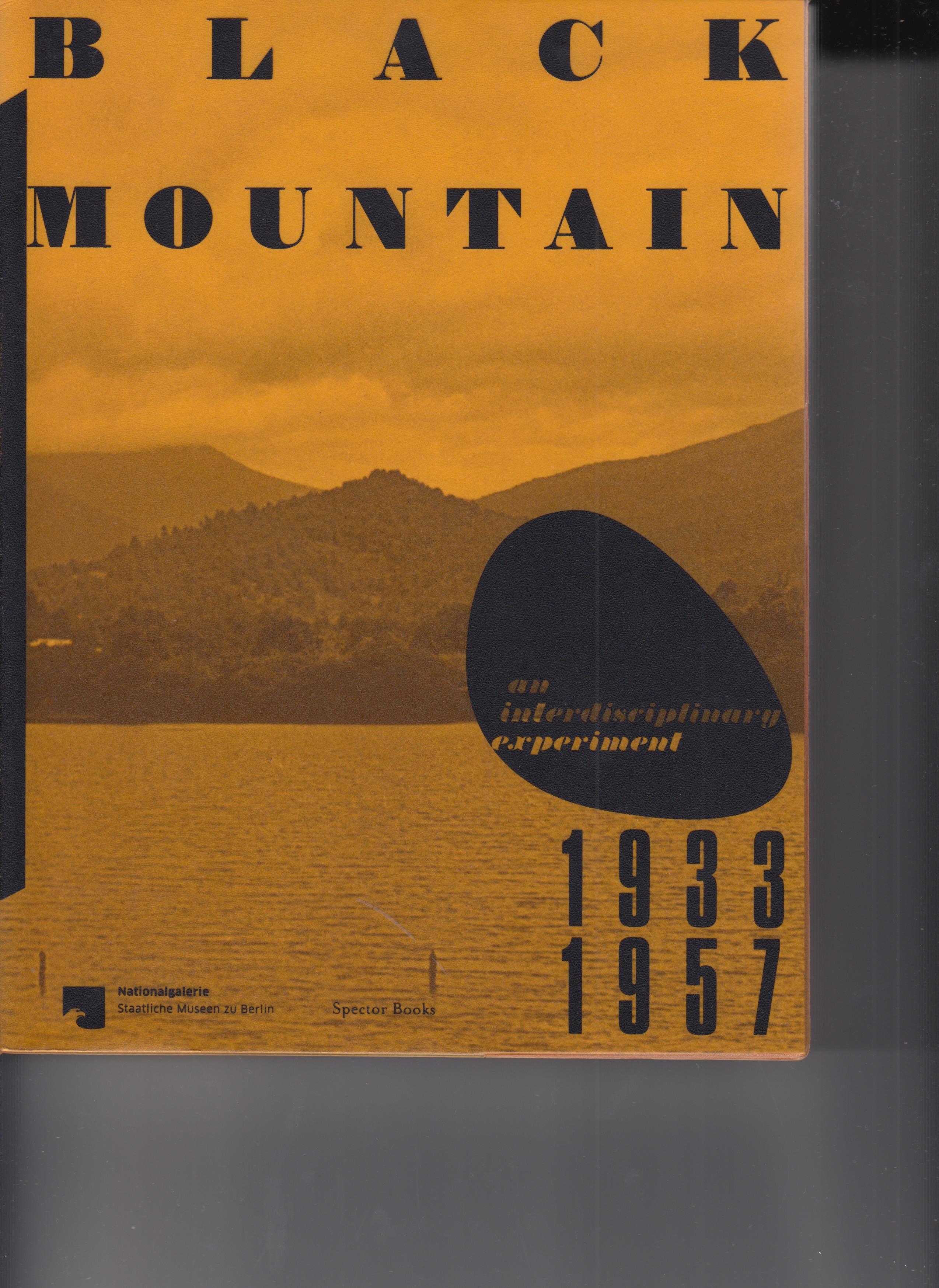
The interdisciplinary and experimental educational ideas espoused by Black Mountain College founded in North Carolina in 1933, made it one of the most innovative schools in the first half of the twentieth century. Visual arts, economics, physics, dance, architecture, and music were all taught here on an equal footing, and teachers and students lived together in a democratically organized community. This book traces the key moments in the history of this legendary school.
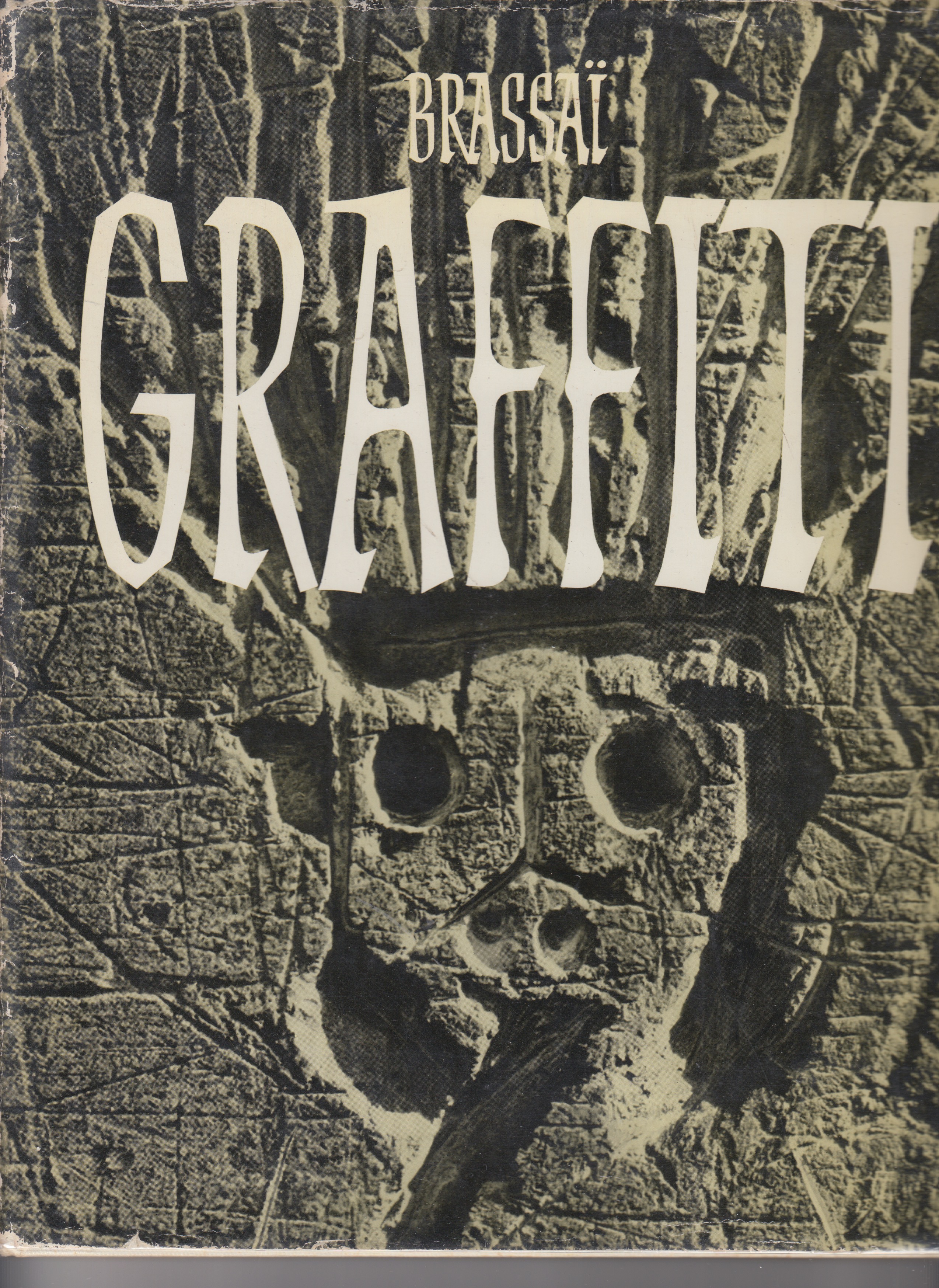
Brassai became interested in the marginal art form of graffiti in the 1930s, seeing it as a form of outsider art that could open the door to new forms of artistic expression. His atmospheric photographs capture the essence of this unfettered creation. Stark contrasts of black and white alternate with softer shades of grey that meld into one another, smoothing the harsh gouges typical of graffiti.

Born in the 70’s, Dumbo grew up in the southern suburbs of Milan and came into contact with the world of graffiti in the early 90’s. In a short time he became one of the foremost writers on the European scene. This book is an unprecedented photographic voyage, the actual backstage dynamics of the irrepressible obsession to tattoo the city’s skin.
.jpg)
In 1933, John Rice founded Black Mountain College in North Carolina as an experiment in making artistic experience central to learning. Though it operated for only 24 years, this pioneering school played a significant role in fostering avant-garde art, music, dance, and poetry, and an astonishing number of important artists taught or studied there. This book is a singular exploration of this legendary school and of the work of the artists who spent time there.
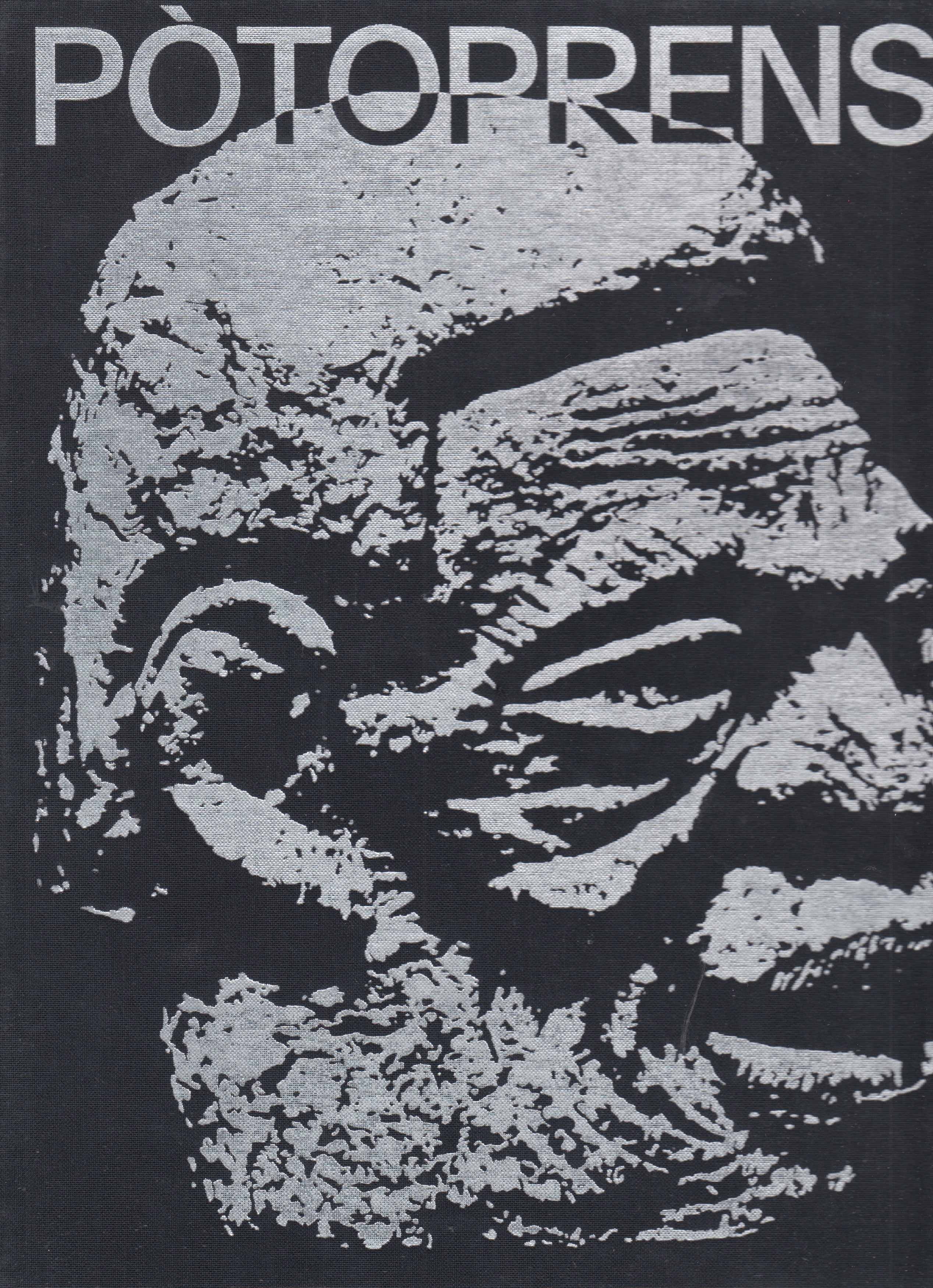
PÒTOPRENS: The Urban Artists of Port-au-Prince is at once a portrait of Haiti's capital, a celebration of its arts, and a visionary re-mapping of culture in the world's first Black republic. The exhibition, and this accompanying book, showcases thevibrant, complex urban art using found objects, Voodoo traditions, and street life, moving beyond rural folklore to map Haiti's dynamic culture
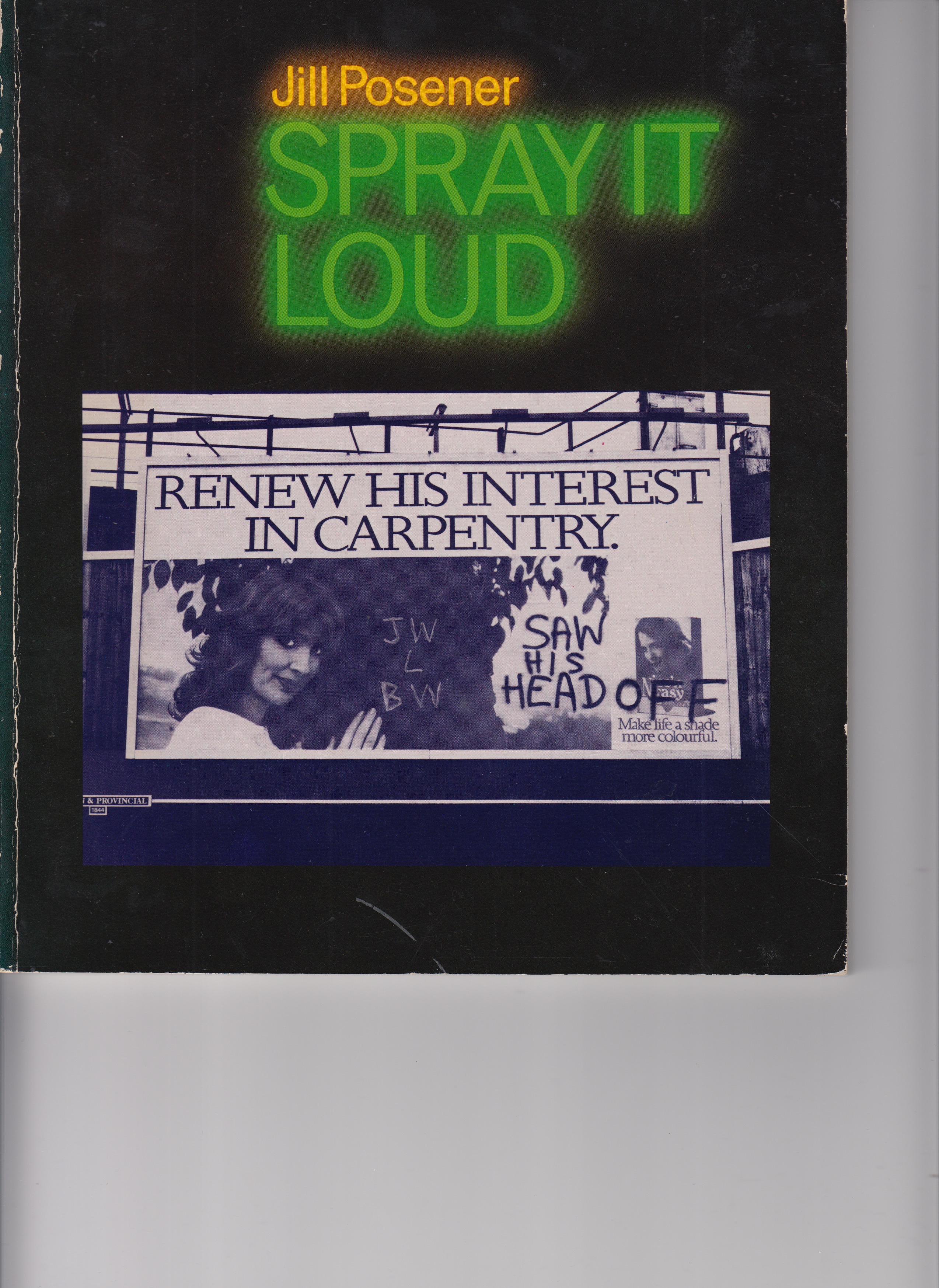
A collection of photographs of activist graffiti by feminist guerrilla groups often sprayed over advertising boards in the 1980s and 1990s.

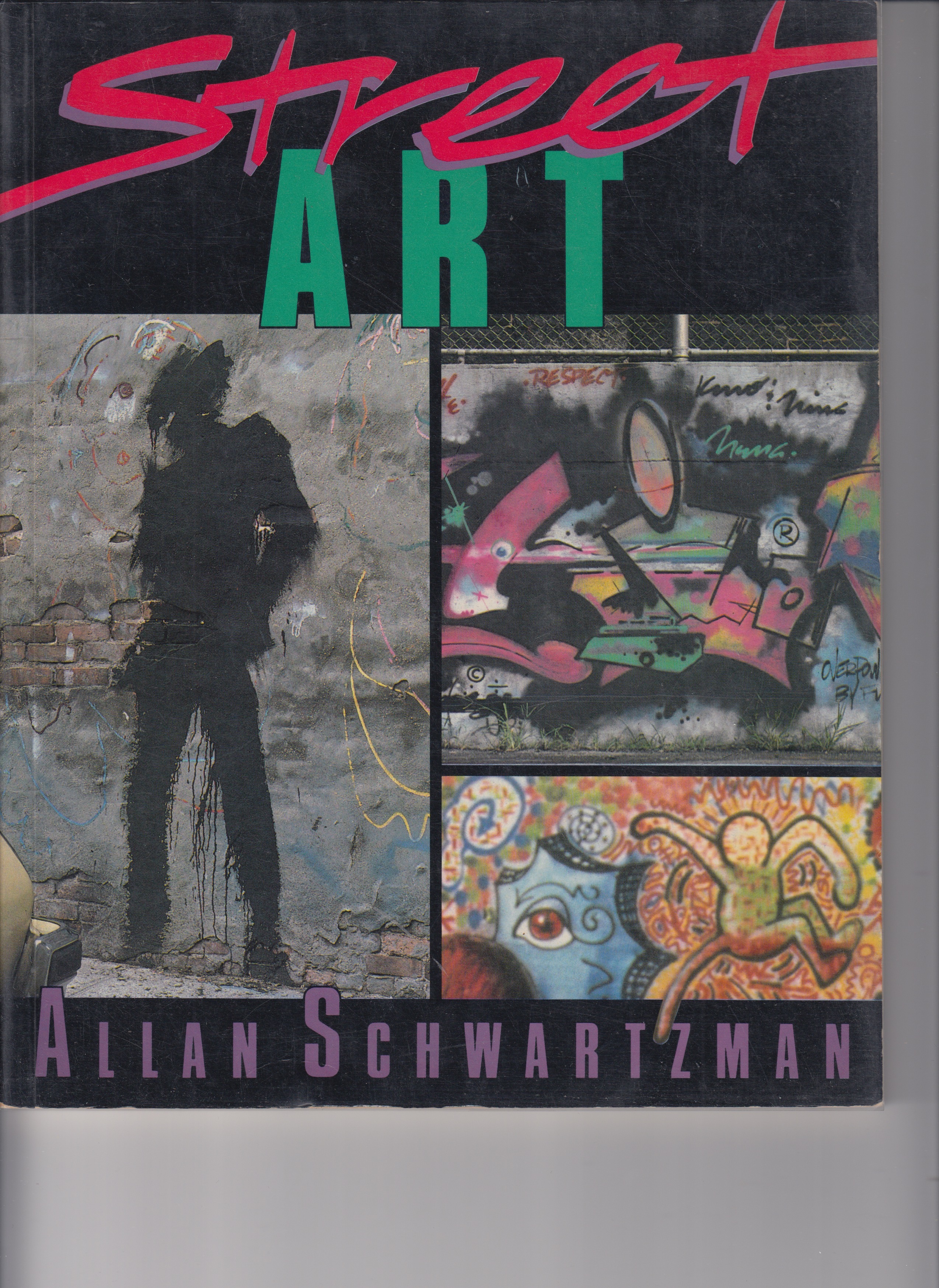
Street Art captures and explores the works and philosophies of the most prominent street artists of today, often in their own voices, revealing what is behind these familiar images —from the influence of Christo's early public projects to Keith Haring's chalk drawings.
.jpg)
Outsider Art refers to the mesmerizing creations of those who live and work at a distance from prevailing notions about mainstream artistic trends, individuals who are frequently unaware of themselves as artists or their works as art. This book presents and discusses some of the 20th century's most significant examples of Outsider Art artists from around the world, including Gedewon, a cleric from Ethiopia who made unique and psychedelic talismans; William Hawkins, an African-American self-taught artist with a unique pop sensibility; and more.

In this anthology, curator and director Catherine de Zegher compiles 25 influential essays on women artists from the numerous books she has written and edited throughout her career. Like many of de Zegher’s previous projects and books, Women’s Work Is Never Done promotes the feminine principle, showcasing the work of female artists from across the world. Featured artists include Martha Rossler, Anna Maria Maiolino, Anna Atkins, Hilma af Klint, Agnes Martin, Eva Hesse, Judith Wright, Simryn Gill and more.
.jpg)
In 1933, John Rice founded Black Mountain College in North Carolina as an experiment in making artistic experience central to learning. Though it operated for only 24 years, this pioneering school played a significant role in fostering avant-garde art, music, dance, and poetry, and an astonishing number of important artists taught or studied there. This book is a singular exploration of this legendary school and of the work of the artists who spent time there.

Brassai became interested in the marginal art form of graffiti in the 1930s, seeing it as a form of outsider art that could open the door to new forms of artistic expression. His atmospheric photographs capture the essence of this unfettered creation. Stark contrasts of black and white alternate with softer shades of grey that meld into one another, smoothing the harsh gouges typical of graffiti.

A large format publication documenting graffiti through the lenses of Mervyn Kurlansky and Jon Narr.
.jpg)
Outsider Art refers to the mesmerizing creations of those who live and work at a distance from prevailing notions about mainstream artistic trends, individuals who are frequently unaware of themselves as artists or their works as art. This book presents and discusses some of the 20th century's most significant examples of Outsider Art artists from around the world, including Gedewon, a cleric from Ethiopia who made unique and psychedelic talismans; William Hawkins, an African-American self-taught artist with a unique pop sensibility; and more.

PÒTOPRENS: The Urban Artists of Port-au-Prince is at once a portrait of Haiti's capital, a celebration of its arts, and a visionary re-mapping of culture in the world's first Black republic. The exhibition, and this accompanying book, showcases thevibrant, complex urban art using found objects, Voodoo traditions, and street life, moving beyond rural folklore to map Haiti's dynamic culture

A book on street art and graffiti.

Art News Annual XXXIV is a collection of thirteen illustrated essays tracing the history of the avant-garde from France in the 19th century to Pop Art; contributors include: Linda Nochlin, Michel Butor, Meyer Schapiro, Harold Rosenberg, John Ashbery and Ron Padgett.

In this anthology, curator and director Catherine de Zegher compiles 25 influential essays on women artists from the numerous books she has written and edited throughout her career. Like many of de Zegher’s previous projects and books, Women’s Work Is Never Done promotes the feminine principle, showcasing the work of female artists from across the world. Featured artists include Martha Rossler, Anna Maria Maiolino, Anna Atkins, Hilma af Klint, Agnes Martin, Eva Hesse, Judith Wright, Simryn Gill and more.

The interdisciplinary and experimental educational ideas espoused by Black Mountain College founded in North Carolina in 1933, made it one of the most innovative schools in the first half of the twentieth century. Visual arts, economics, physics, dance, architecture, and music were all taught here on an equal footing, and teachers and students lived together in a democratically organized community. This book traces the key moments in the history of this legendary school.

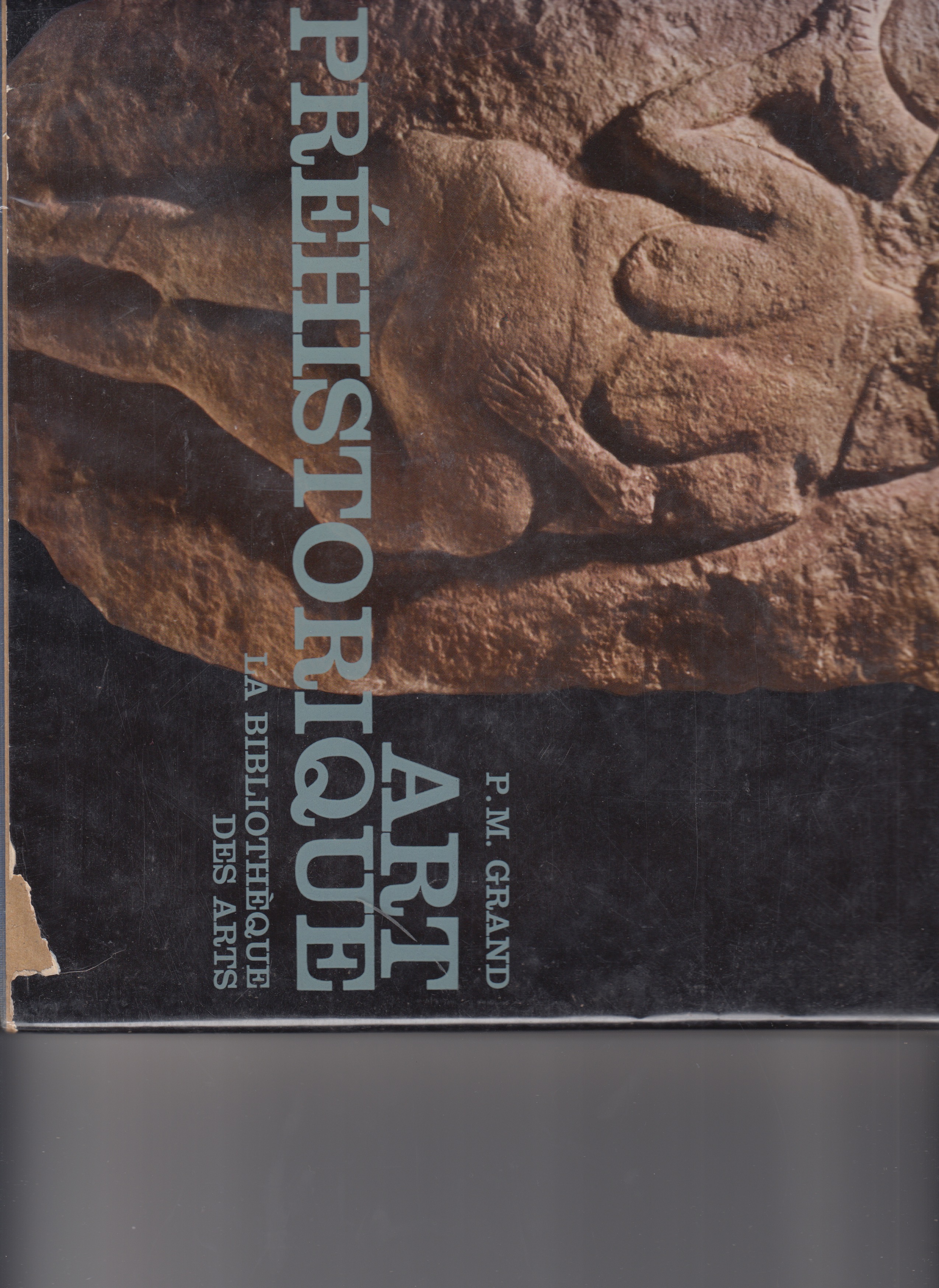
A study of prehistoric art.

This book present and discusses some of the twentieth century's most significant examples of Outsider Art in America.

Street Art captures and explores the works and philosophies of the most prominent street artists of today, often in their own voices, revealing what is behind these familiar images —from the influence of Christo's early public projects to Keith Haring's chalk drawings.

A collection of photographs of activist graffiti by feminist guerrilla groups often sprayed over advertising boards in the 1980s and 1990s.

Born in the 70’s, Dumbo grew up in the southern suburbs of Milan and came into contact with the world of graffiti in the early 90’s. In a short time he became one of the foremost writers on the European scene. This book is an unprecedented photographic voyage, the actual backstage dynamics of the irrepressible obsession to tattoo the city’s skin.