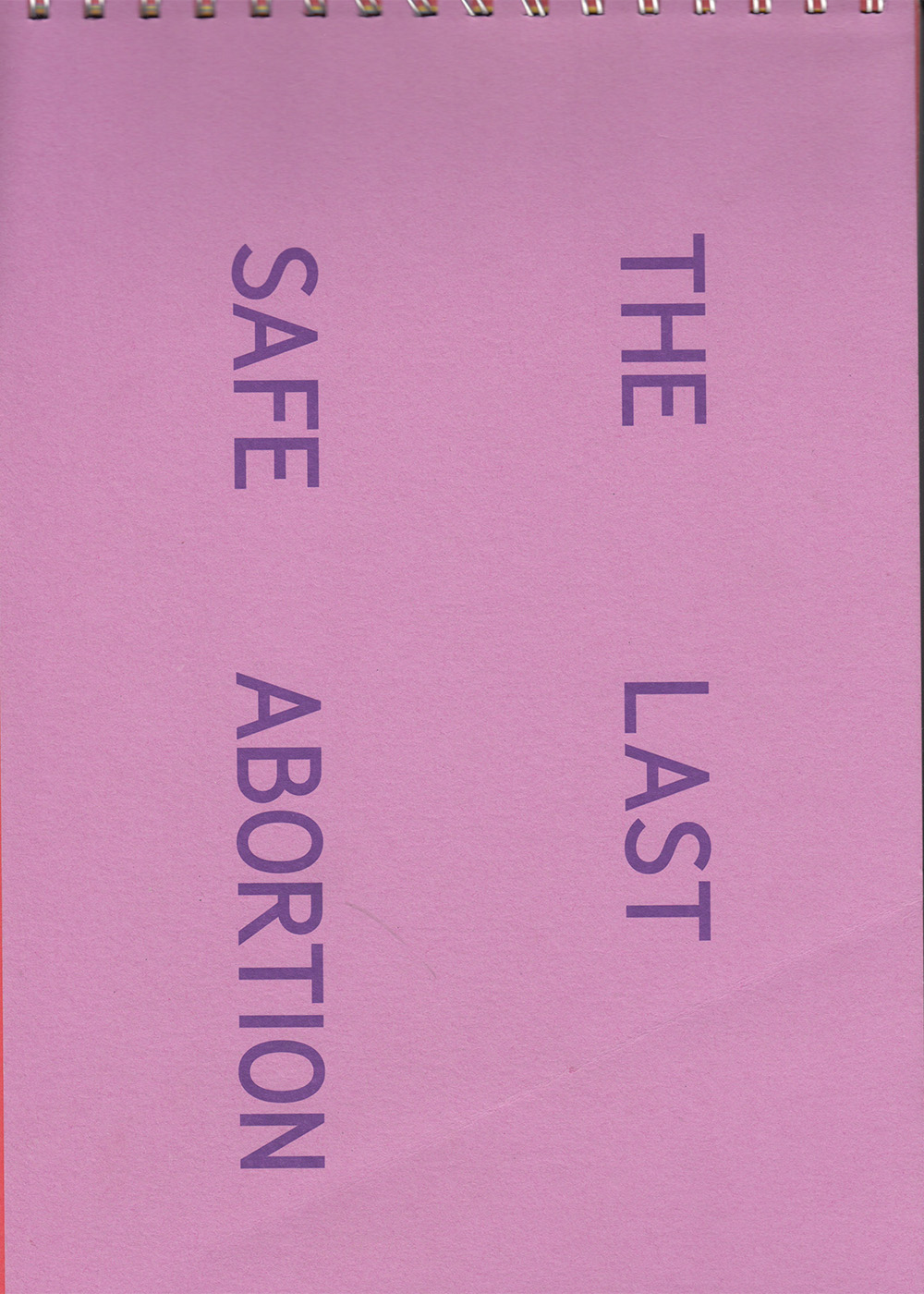
Focusing on the near-fifty-year period in which abortion was legal in the United States (1973–2022), The Last Safe Abortion recognises the care, advocacy, and community-building of abortion workers. Artist Carmen Winant draws from over a dozen personal, organisational, and institutional archives from across Midwest America. The photographs themselves are surprisingly regular. In centring the tender, quotidian, and routine acts that inform this healthcare work, Winant works to counter the ways anti-choice activists have weaponised photography by proposing a visuality that attends to abortion care. The Last Safe Abortion presents a selection of this vast collection of photographs, accompanied by a text by Winant.

An incredible, and huge, collection of some of Newton's most celebrated and loved photographs.
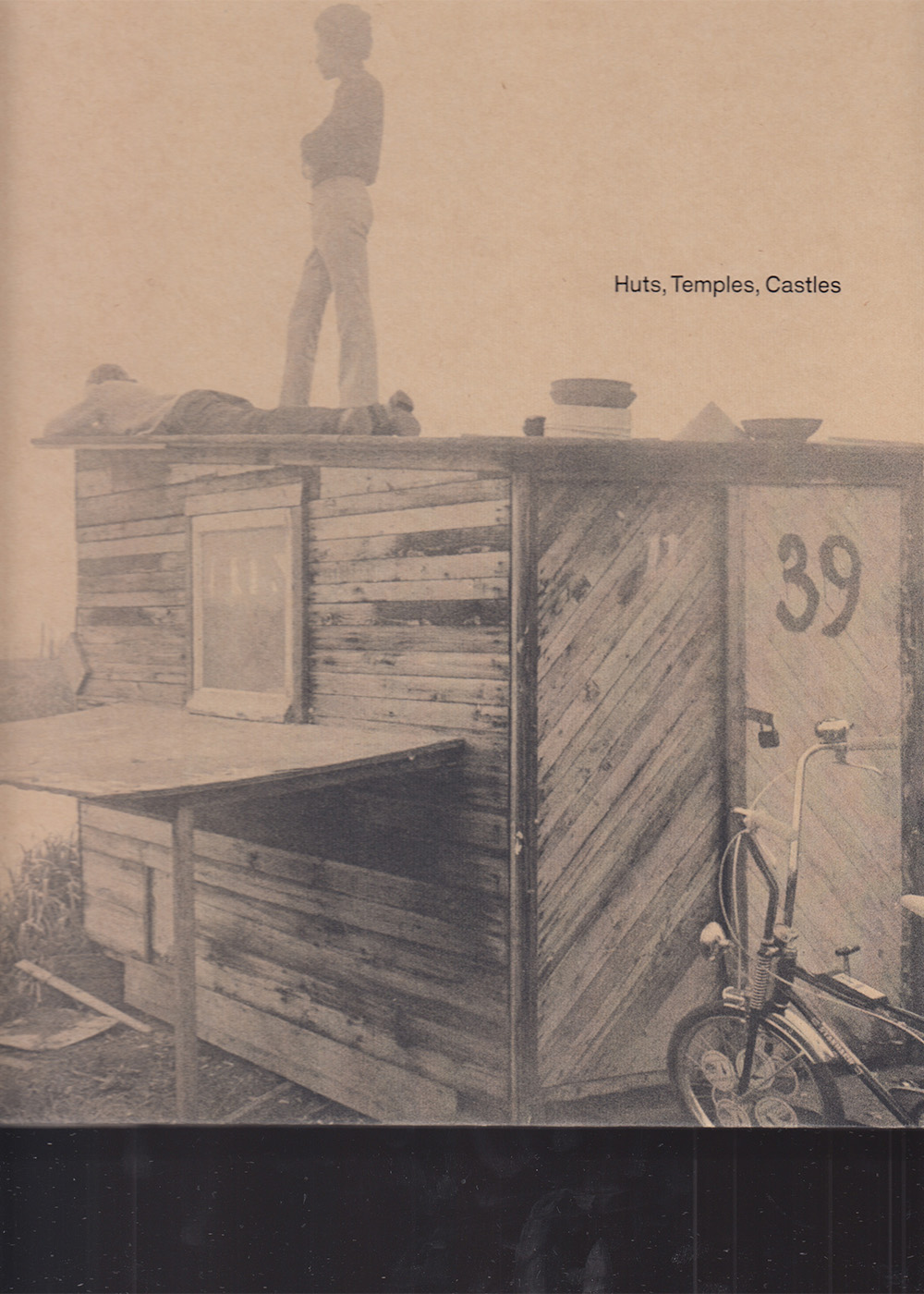
In the wake of the Second World War, aiming to occupy the children rampaging streets and parks, the City of Amsterdam founded Jongensland, a space where boys (and the occasional, officially disallowed girl) could play, build, create, and destroy, largely without supervision. Located on an island accessible only by rowboat, Jongensland grew into a sprawling settlement built experimentally from scrap materials by its young inhabitants. Here, children would cook food, raise animals, build fires, and trade with each other. Without adult intervention, they relied on shared resourcefulness and collaborative ingenuity. This book presents Schulz-Dornburg’s largely unseen series alongside an extended alongside an extended essay by architectural historian Tom Wilkinson reflecting on the architectural themes and lessons Jongensland continues to offer.
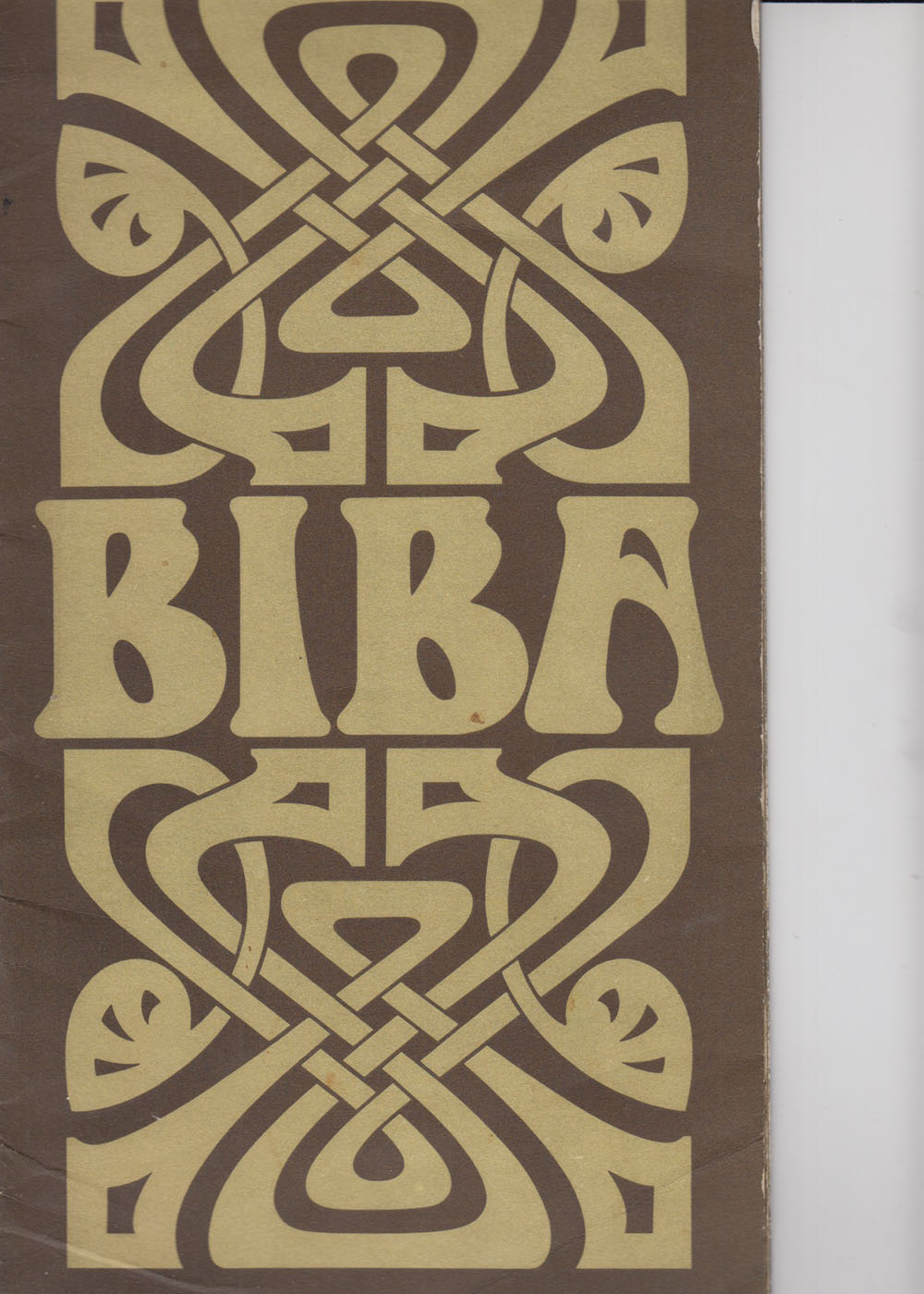
Biba was a famous fashion brand during the 1960s and 1970s started by Polish-born designer Barbara Hulanicki. Initially, it started out as a mail order business advertising in the national newspapers. This is an original copy of a mail order catalogue from the mid 1960s – beautifully crafted and featuring full length lookbook shots.

A book documenting the works produced by the Italian design movement Memphis, known for bold colors and geometric shapes.

While Joseph Beuys, Marcel Broodthaers, Robert Rauschenberg, and Andy Warhol are not a “group” in the formal sense, they are tightly connected through postwar avant-garde art, especially the shift from modernism to conceptual, media-aware, and socially engaged art in the 1950s–70s. This is a catalogue of their works from a show presented at Galerie Isy Brachot in Paris.

Works by design studio Hipgnosis for rock bands.

This book illustrates David Hicks' vast range of interior designs.

Created by artist Antoni Miralda and chef Montse Guillén, El Internacional (1984–1986) was a legendary Tribeca restaurant that introduced Spanish tapas to New York City. Merging food with installation art, it became an 1980s cultural icon. It combined the social ritual of eating with installation and performance art, blurring the boundaries between food, art, design, architecture and mass media. This richly illustrated volume documents its vibrant history through recipes and personal memories.

Norman Parkinson (1913-1990), along with Avedon and Penn, largely invented fashion photography was a pioneer of fashion photography, influencing the ways in which we know it today. This book illustrates fifty years of his work – including his work for Vogue and portraits of the British Royal Family.

Wilfred Thesiger’s portraits of tribes have earned him worldwide recognition as a photographer. Using a simple box camera which had belonged to his father, Thesiger began his photographic career during a short hunting trip in Ethiopia in 1930 and used the same camera to photograph Danakil tribesmen when he returned three years later to explore the Awash river. This book presents portraits taken over decades of travel in some of the remotest areas on the planet, documenting the slowly vanishing tribal communities across the globe.

An Island Is A Circle spans the various bodies of work Gabriel Orozco created whilst living in Bali, Indonesia. The book's design was closely overseen by the artist himself and is profusely illustrated with images of drawings, paintings and the limestone Dés sculptures made in collaboration with professional artisans in Bali.

Art Kane was a fashion photographer known for his innovative use of colour and sense of composition. He worked across fashion and music photographing the likes of Bob Dylan, Jefferson Airplane, Aretha Franklin, Frank Zappa, Jim Morrison and Janis Joplin. This book presents his images of women, many of which are nudes, to create a captivating and thrilling portfolio.

Annotated in his wry, inimitable voice, Juergen Teller presents over three decades of fashion and editorial work in a groundbreaking volume that combines photography, collage, and candid (and often humorous) autobiography.

A photographic document of a Mexican bull fight in 1961.

A themed collection of Araki photographs.

he late sixties and early seventies were times of extraordinary creative output in fashion, music and design. The place where it was 'happening' was undoubtedly Britain - and London in particular. It was there that a magazine was born that both captured and fired the imagination of the fashionable set. This magazine above all others came to epitomise the mood and style of the times. It was called Nova. Like many original creations, Nova's success was not planned, but rather the result of coincidences of timing, place and the coming together of a particular band of talented people. Nova's conception was to provide an alternative to traditional women's magazines. But it soon developed into something more, and something that had never been seen before, a mixture of daring and artistic imagery with unconstrained writing that were always at the edge of current taste and acceptability. Nova 1965-1975 is primarily a celebration of the magazine's visual impact and influence. The book has been compiled by David Hillman, Nova's art director from 1969 until it closed in 1975, and Harri Peccinotti. the magazine's first art directon

This book is a collection of photographs and texts of the friendship between photographer Kei Orihara and Jana, a woman he met in New York.

The portraits presented here reflect a universe unknown to most Brazilians and bring a vocabulary of gestures and expressions that demonstrate everyday knowledge of Brazillian people.


Black and white photographs of babies and infants taken by Sue Packer taken in 1980s.

The actual, original programme to the 1969 Woodstock music festival, featuring artist profiles, essays, and photos from everyone who was scheduled to play. In shockingly good condition, this is a proper slice of cultural history, beautifully designed.

The Heartbeat of Fashion presents photographs from the FC Gundlach collection from 1860 to 2006 and features photography that documents the image of people through their external appearance: fashions, poses, facial expression and gestures - featuring works from Diane Arbus, Irving Penn, Richard Avedon, Guy Bourdin, Robert Mapplethorpe, Peter Lindbergh, Wolfgang Tillmans, and more.

45 RPM celebrates the design and cultural impact of 7-inch single record sleeves. These small cardboard covers, popular with DJs and collectors since 1949, became iconic elements of Top 40 music culture. The book presents over 200 sleeves arranged chronologically, highlighting inventive graphic design across genres and featuring legendary artists such as the Beatles, Elvis Presley, the Rolling Stones, and many others.

A book about architecture

A history of rings and jewels.
A catalogue to accompany an exhibition of Dali's work at the Tate in 1980.

AFROSURF is the first book to capture and celebrate the surfing culture of Africa. This unprecedented collection is compiled by Mami Wata, a Cape Town surf company that fiercely believes in the power of African surf.

A themed collection of Araki photographs. Issue 13: Xeroxed Photo Albums
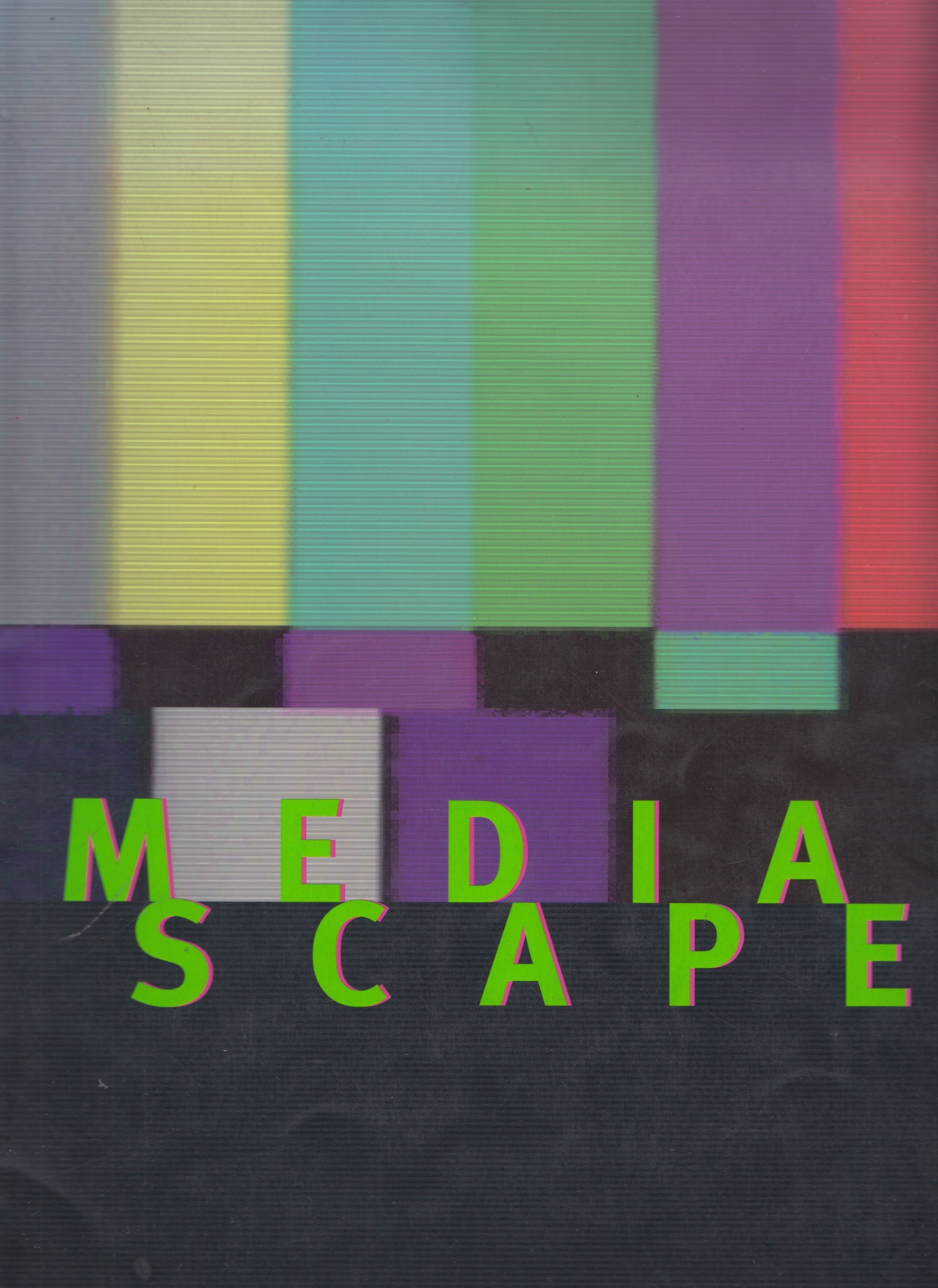
Mediascape brings together the mulit-media visual works of renowned multimedia artists such as Marie-Jo Lafontaine, Bruce Nauman, Nam June Paik, and Bill Viol.

This illustrated volume by one of Japan's tea masters displays the complexities and inspirations of the tea art form. Beginning with the 12th century origins of cha-no-yu, the tea ceremony, Tanaka traces the practice to the early Seventies. With photographs by Takeshi Nishikawa.

A collection of black and white photographic portraits by Laon Maybanke presenting the many expressions, gestures and faces of humanity.

An Atlas of Es Devlin is the first comprehensive study of Es Devlin, exploring her work across art, theatre, music, dance, opera, and sculpture. The book traces her creative process from sketches and miniature models to large-scale installations and stage designs, highlighting her innovative, collaborative approach in public art, performance, and high-profile cultural events worldwid

This publication brings together approximately 6,000 trademarks, focused on the period 1940–1980, to examine how modernist attitudes and imperatives gave birth to corporate identity.

This major monograph looks at the work of seminal Palestinian artist Abdul Hay Mosallam Zarara, who used his work to decry the violent suppression of his homeland and promote international solidarity worldwide.

In Cities for a Small Planet, Sir Richard Rogers, one of the world's leading architects and the designer of the Pompidou centre in Paris, demonstrates how future cities could provide the springboard for restoring humanity's harmony with its environment.
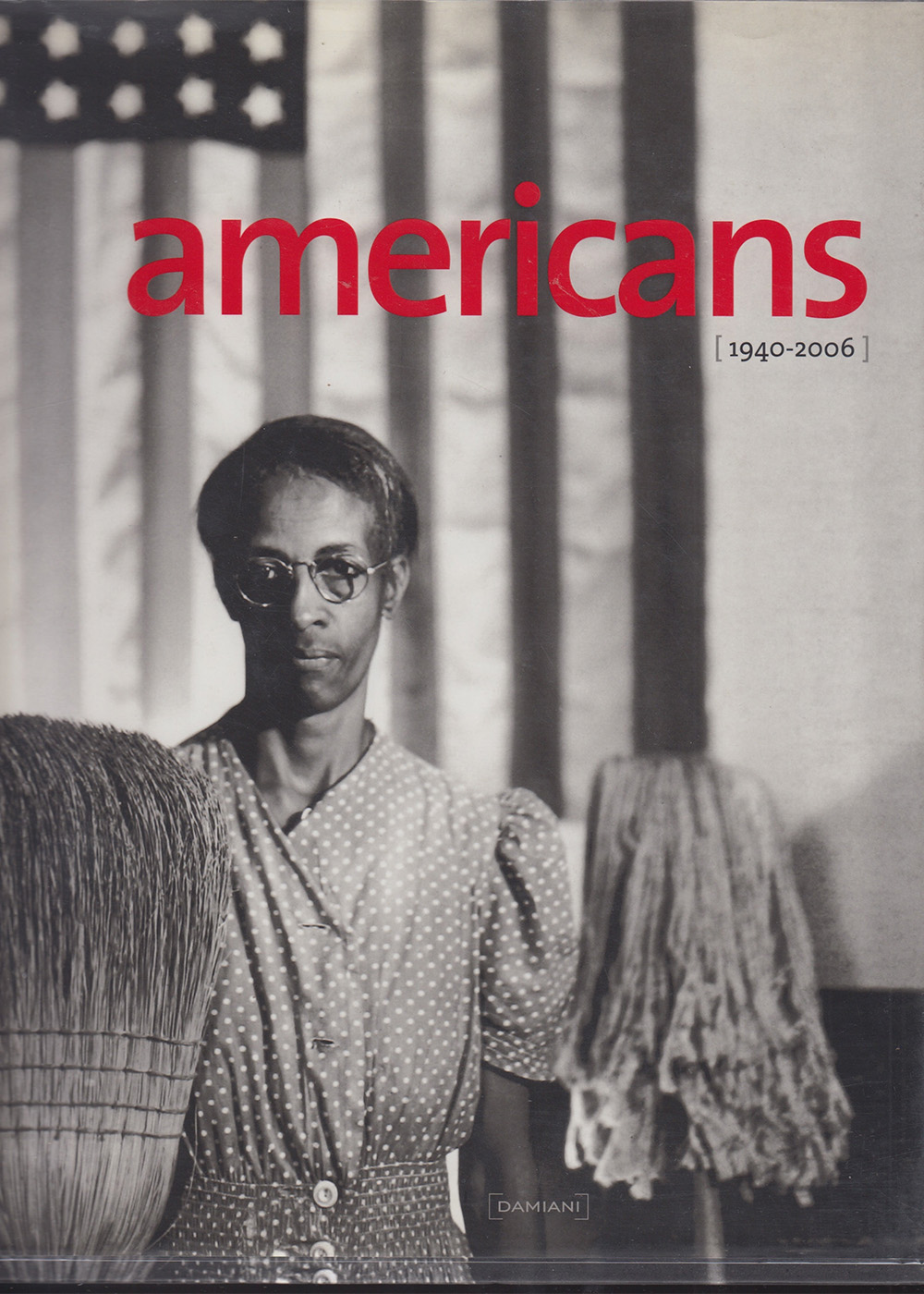
Curated by Peter Weiermair for an exhibition at Kunsthalle Vienna, this collection of photographs documents the social landscape of American from 1940-2006. Featuring works by Diane Arbus, Richard Avedon, Larry Clark, Bruce Davidson, Robert Frank, Lee Friedlander, Peter Hujar, Helen Levitt, Ryan McGinley, Gordon Parks, Rosalind Solomon, Ed Templeton and Burk Uzzle.
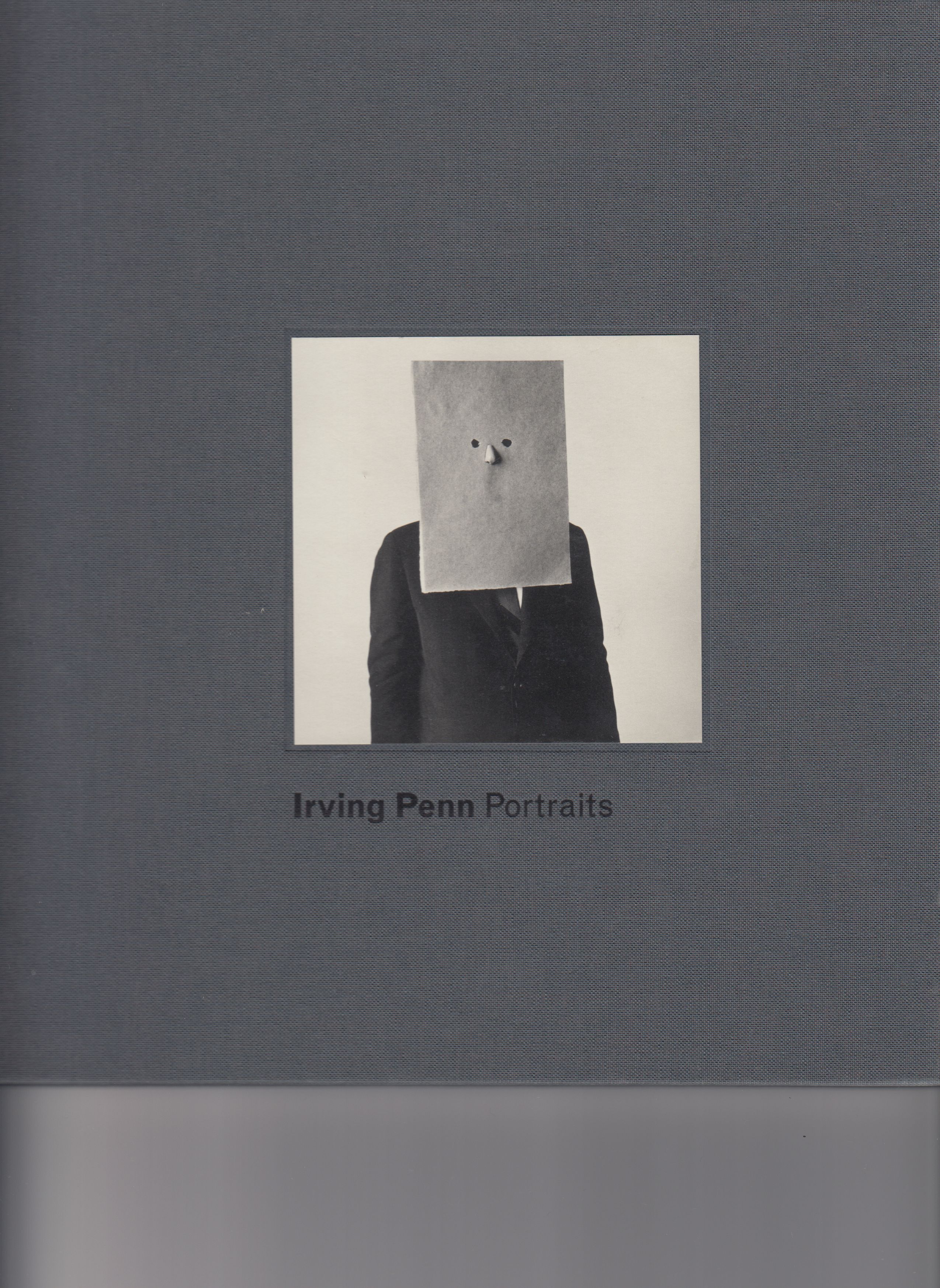
Drawn from a career spanning seven decades, Irving Penn Portraits presents thirty photographs of renowned personalities by one of the most distinguished photographers of the 20th century
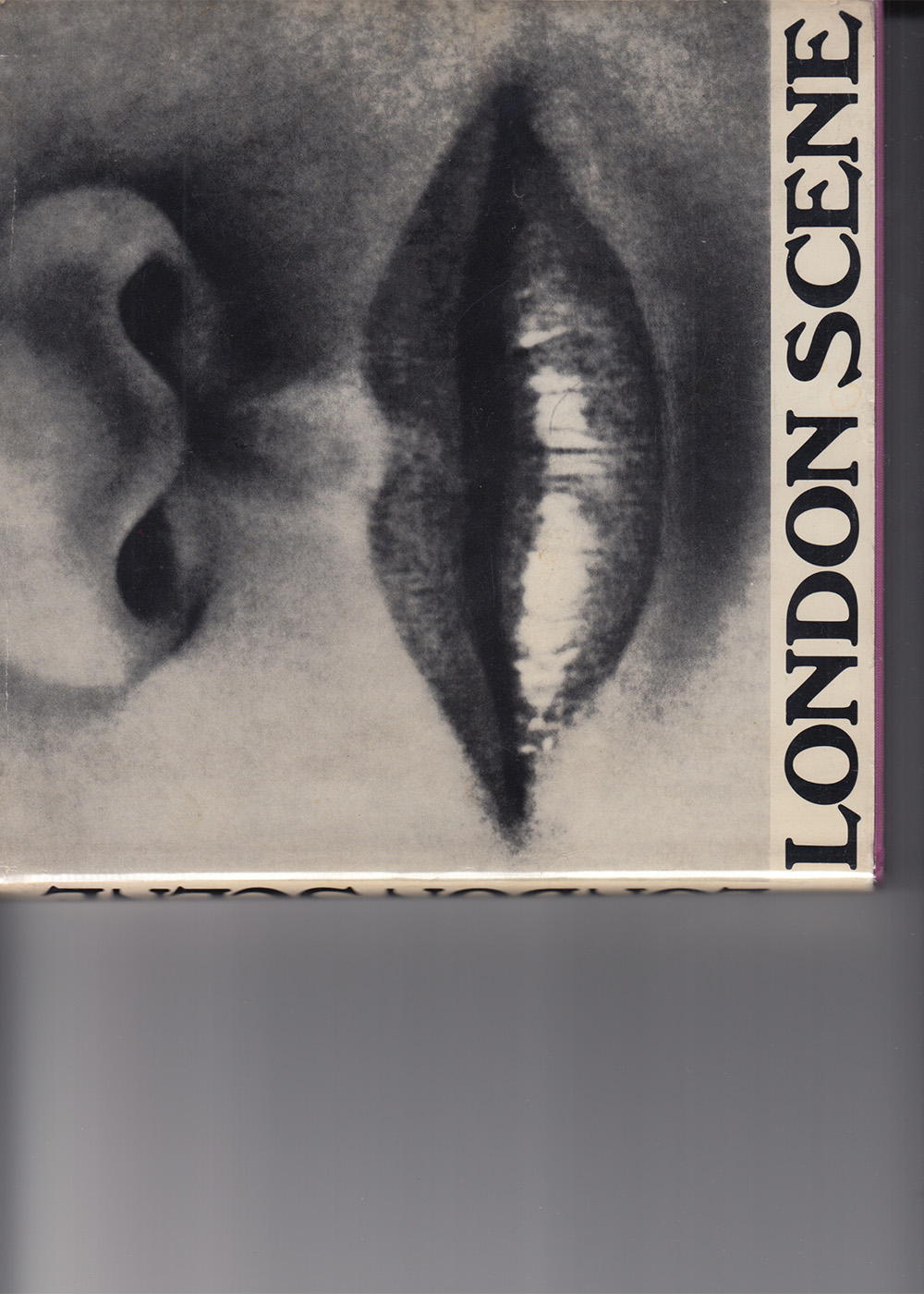
This book contains over 150 pages of 200 photographs of London in the late sixties taken by German photographer Juergen Seuss.

Following the evolution of fashion from the beginning of the twentieth century to its culmination, this volume takes in all the diversions, influxes and crossroads along the way. A decade by decade account of all the prevailing fashion for the period and its most influential designers.

Fashion: Photography of the Nineties is a compilation of over two hundred images culled from the worlds of art and fashion. A chronicle of the fashion iconography of the Nineties, it places images familiar from magazines and style journals alongside their wilder, darker counterparts. In these photographs the body and its gestures report on the defining characteristics of a decade. Featuring work from Juergen Teller, Steven Meisel, Mario Sorrenti, Wolfgang Tillmans, Corinne Day, Nick Knight, Araki, Nan Goldin and more.

A themed collection of Araki photographs. Issue 6: Tokyo Novel
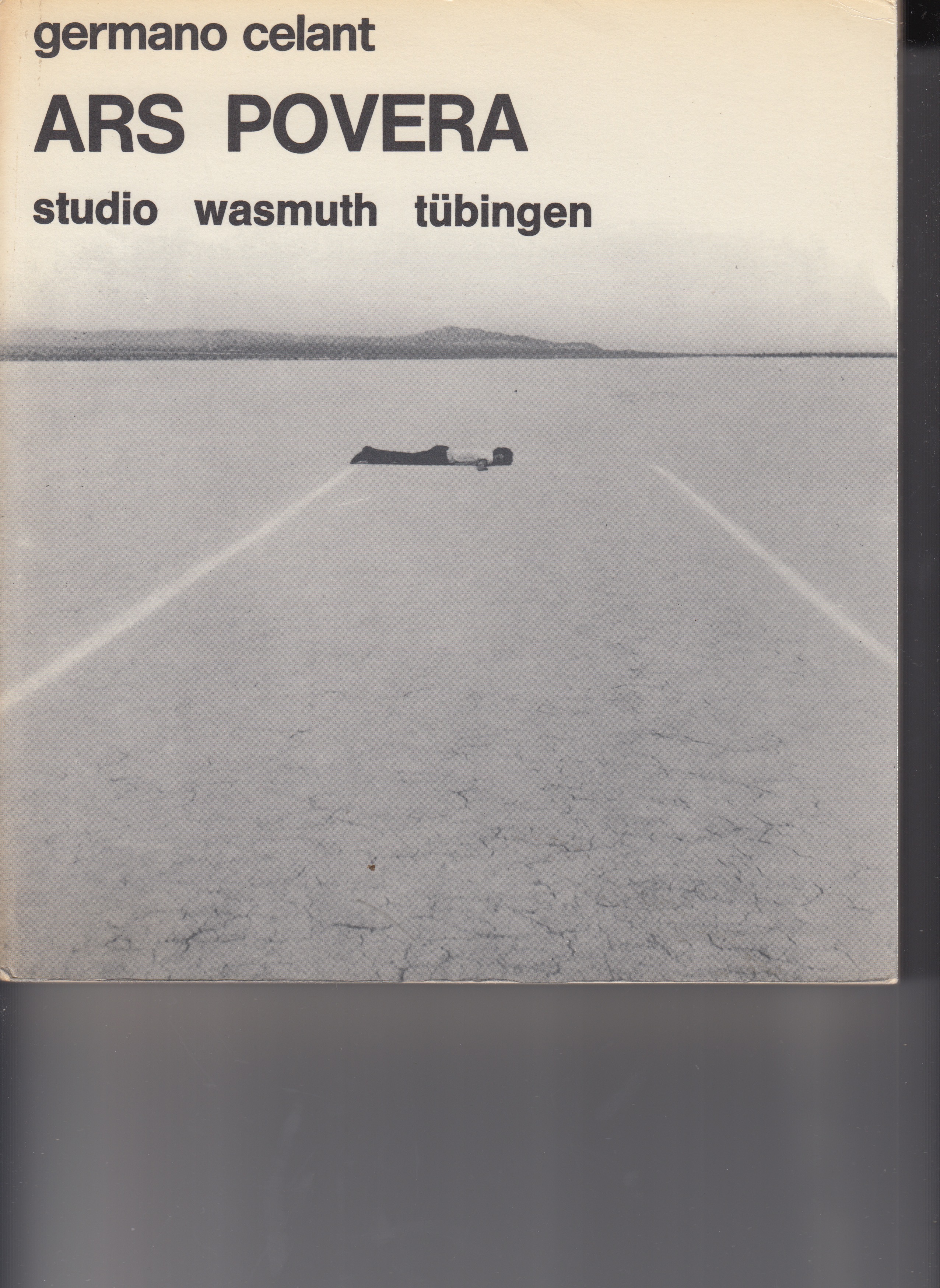
Photographs and texts by critic Germano Celant about selected works considered as Arte Povera – an Italian art movement from the late 1960s and 1970s that used "poor" or commonplace materials to challenge the commercialised art world. Includes the works of Joseph Beuys, Lawrence Weiner, Alighiero Boetti, Jannis Kounellis, Mario Merz, Marisa Merz, Hans Haacke, Eva Hesse, Jan Dibbets, Carl Andre, and more.


In 1966, Yves Saint Laurent designed his first tuxedo and continued to create different versions of it up until 2002. In that time, the tuxedo has come to symbolize female liberation. This book was published to accompany an exhibition that presented the long history of this garment. Illustrations include numerous couture sketches and photo plates throughout, some in color and some in B&W, many full-page.
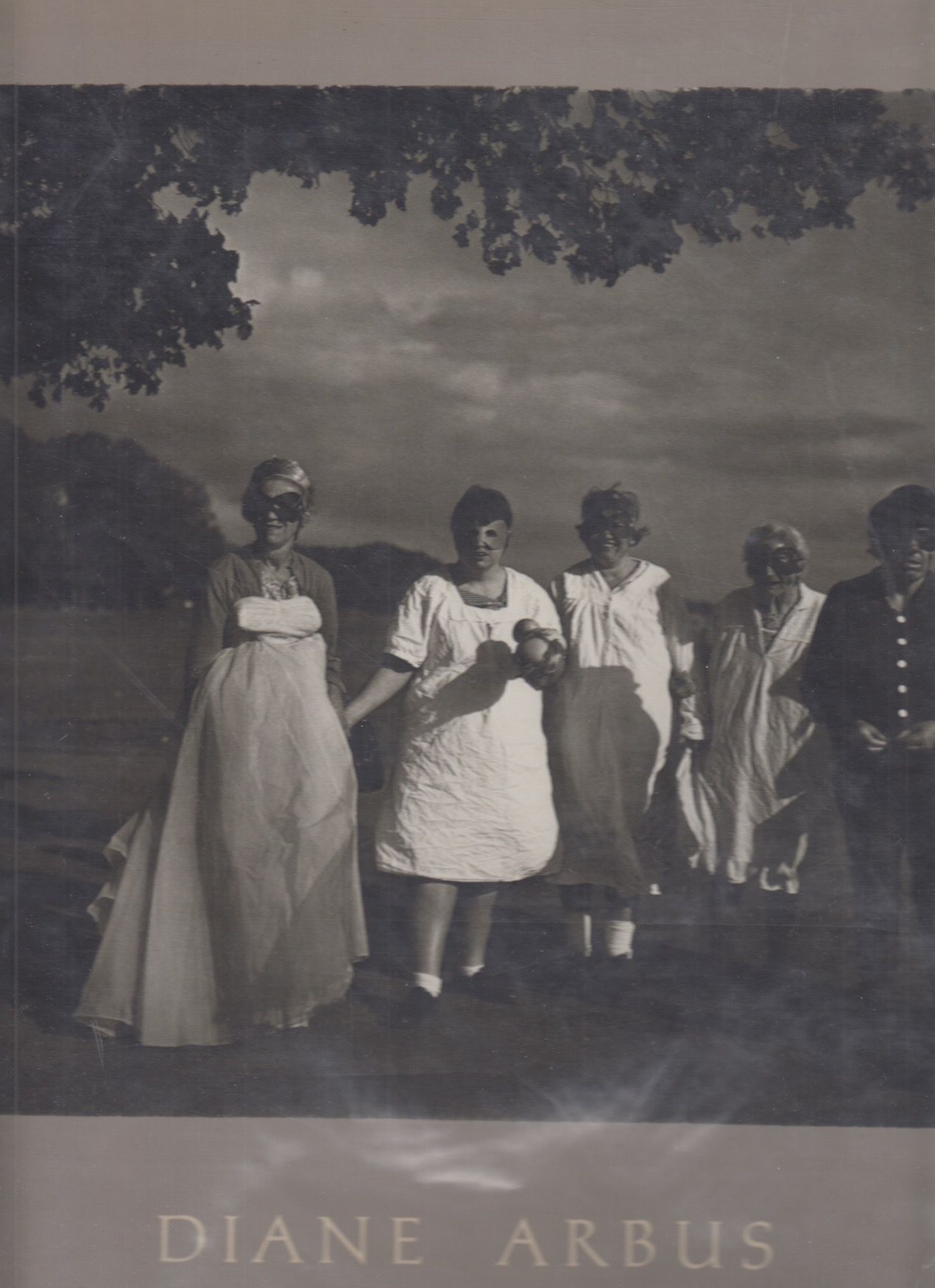
Untitled is the only volume devoted to a single project by Diane Arbus, drawn from photographs taken in residences for people with developmental disabilities between 1969 and 1971, during the final years of her life. Largely unpublished until this edition, the images reveal a lyrical, emotionally direct vision that Arbus herself described as “finally what I’ve been searching for.” More mythic than documentary, the work reflects her unflinching engagement with reality and affirms the individuality and shared humanity of her subjects.

A book on the design and wear of ties.
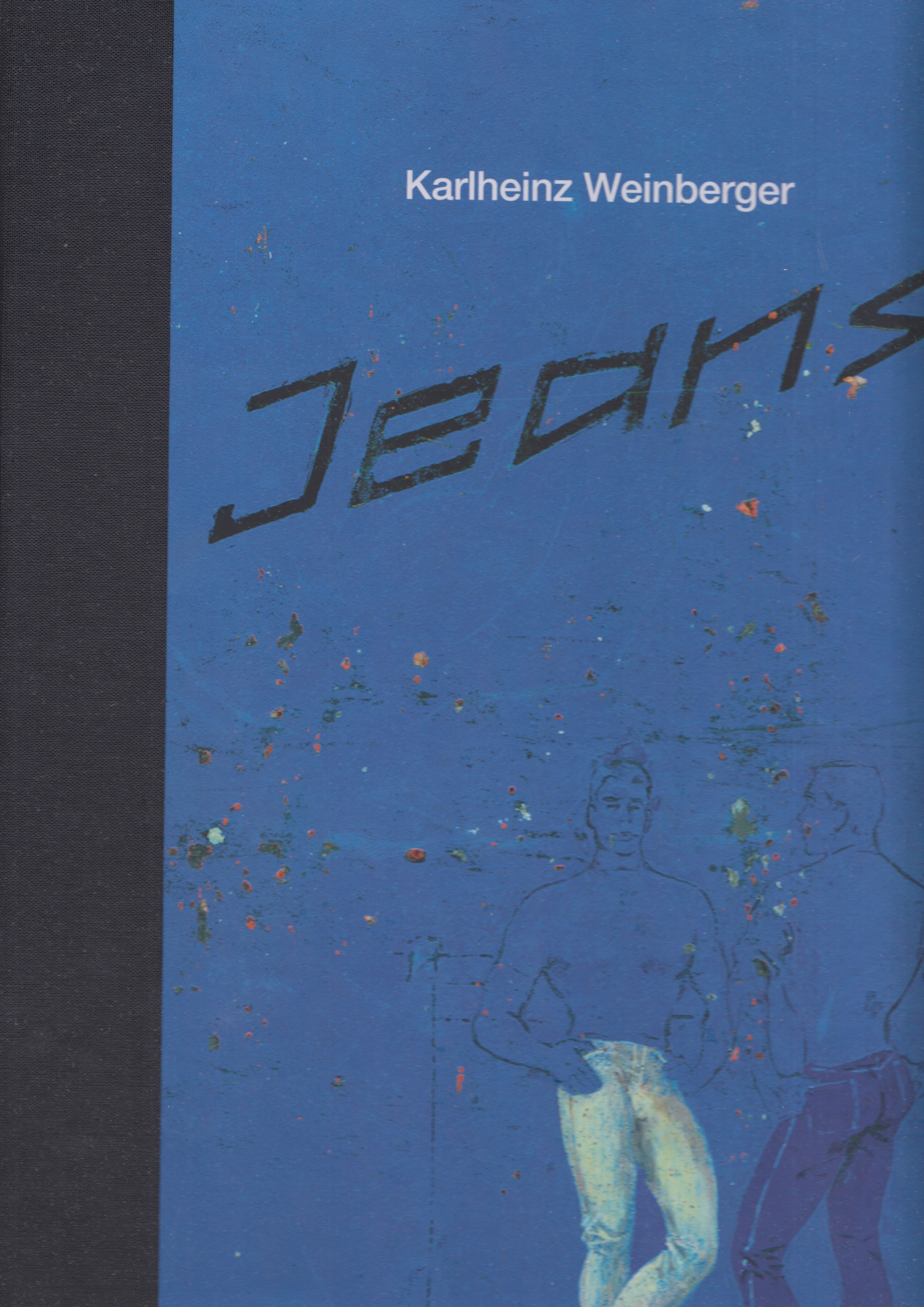
Jeans documents the personal obsession of self-taught photographer Karlheinz Weinberger. In his stark, posed photographs of these young rebels, Weinberger focuses on individual figures, exploring both a personal erotic obsession and the cultural symbolism of blue jeans, whose scarcity in post war Switzerland implied not just a fashion statement but a badge of pride

Following the release of the first seven volumes in 1973 the editors returned to the project in 1977 with a series of four yearly annuals.
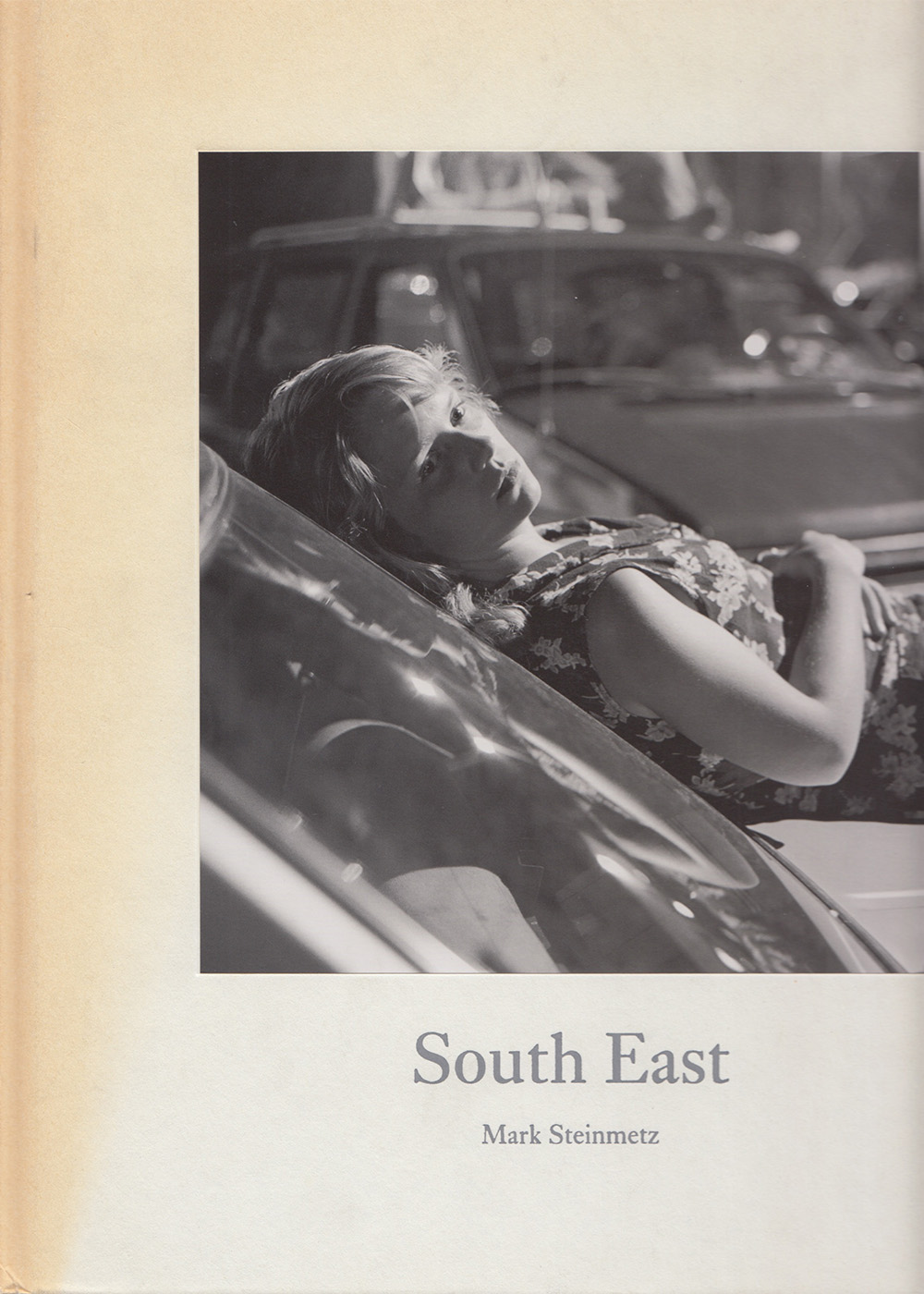
Designed as a companion book to his critically-acclaimed monograph South Central, Mark Steinmetz here turns his focus to Athens and Atlanta, New Orleans, Memphis and East Tennessee, and the roads between.

This publication accompanies Sharjah Art Foundation's exhibition of Lebanese photographer and film maker Akram Zaatari’s work, on view from 27 September 2019 to 10 January 2020 at SAF venues Galleries 3 and 4 in Al Mureijah Square, Sharjah.

This book brings together a distinguished group of authors to reflect on Adjaye's practice as an architect.

This book presents a parade of millinery marvels – from the sweeping feather and lace confections of the Edwardians to the minimal pillboxes of the late seventies. These captivating high fashion photographs demonstrate the Vogue adage that nothing in nature or art is so magically transforming as a hat.

In the small mountain town of Heber Springs, the Arkansas artist known as Disfarmer captured the lives and emotions of the people of rural America between 1939-1945.

Punk in Print 1976–80 presents over 500 artifacts from Britain’s punk scene, curated from The Mott Collection. Featuring zines, gig posters, flyers, and badges, it captures punk’s raw, strident aesthetic and rebellious attitude. Beyond music, the book documents shifts in British society, class, and visual culture, offering a vivid portrait of a transformative subcultural movement.


Drawing into Film: Directors Drawings is a 1993 book published alongside an exhibition showcasing the personal sketches, storyboards, and other drawings of various film directors, such as Alfred Hitchcock, Sergei Eisenstein, and David Lynch. Curated by Marc Glimcher and Mark Pollard for the Pace Gallery, it demonstrates how drawing is an integral part of a director's creative process for visualising ideas, from scripts and storyboards to character and set design

A collection of portraits of students in a Sixties high school.
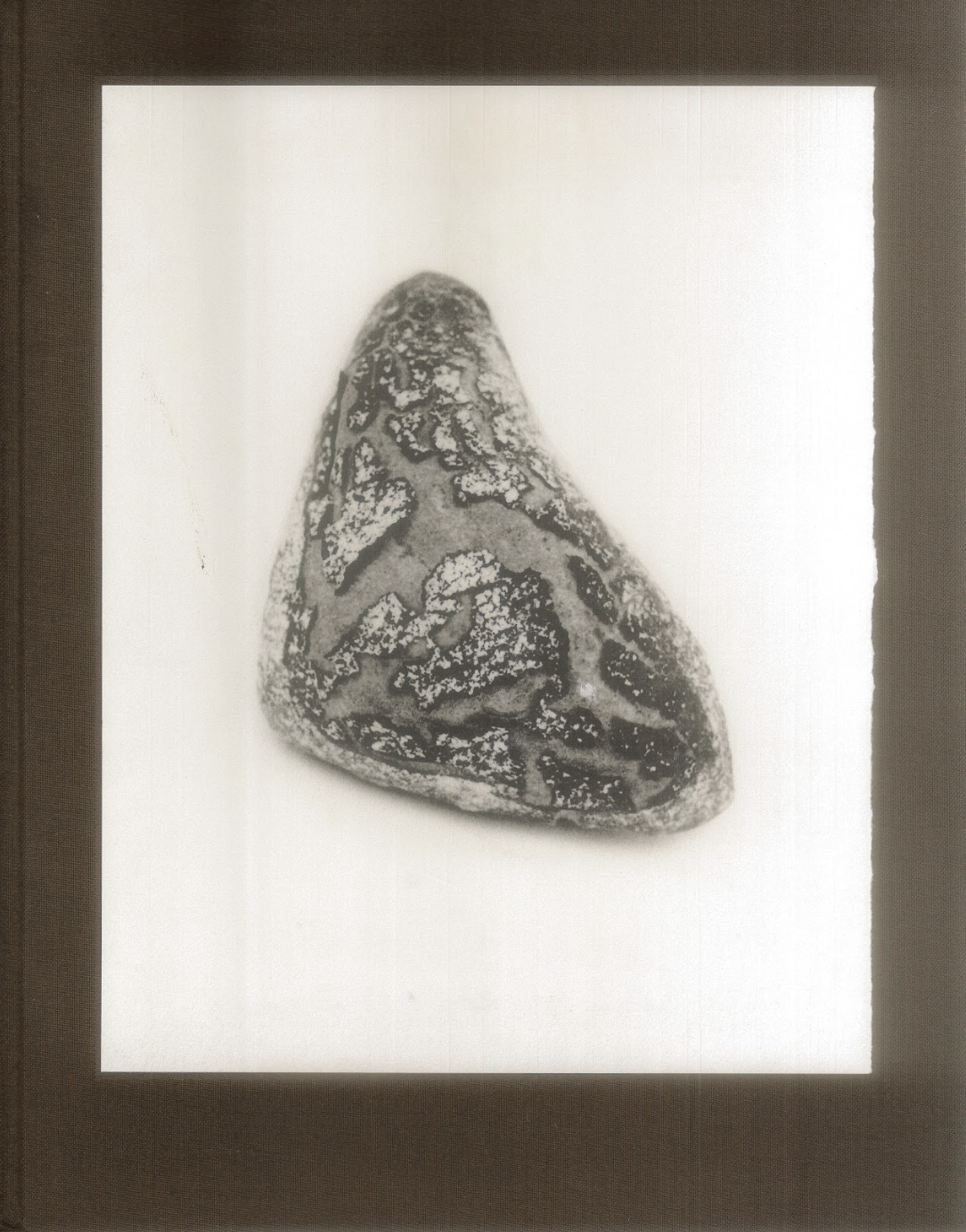
In this book, France-based Japanese photographer Sachiko Morita regards everyday objects such as leaves of a tree, edible roots, plants, flowers, fish, shoes, grapes, onions or loaves of bread with meticulous care and attention.


Photographs and text documenting life at the Bauhaus.

A large format publication documenting graffiti through the lenses of Mervyn Kurlansky and Jon Narr.

This book follows the traces of Britian's ancient landscape – exploring folklore, the seasons and nature toward an optimisim for the future.

The Dazed & Confused collected interviews provide a definitive insight into the style culture of the 1990s, forming a unique and singular portrait of a generation of young artists alongside their more established antecedents. With up to 40 interviews with artists & celebrities including – Damien Hirst, Jean Baudrillard, Kate Moss, Terry Southern, Isaac Hayes, Noam Chomsky, Bjork and Stockhausen, Lou Reed and Paul Auster, Harmony Korine.

Ultimate Angels is a striking exploration of transgender identity in all its isolation, expression, and glory.

As We Rise brings together over 100 powerful photographs celebrating African diasporic culture. Featuring Black artists from Africa, the Caribbean, North and South America, and Great Britain, the collection offers a vibrant and timely exploration of Black identity, creativity, and lived experience across both sides of the Atlantic.

A themed collection of Araki photographs. Issue 7: Sentimental Travelogue

Sory documented the fast evolution of Bobo-Dioulasso, then Burkina Faso's cultural and economic capital, portraying the city's inhabitants with wit, energy and passion. His work conveys a youthful exuberance in the wake of the first decades of African independence.
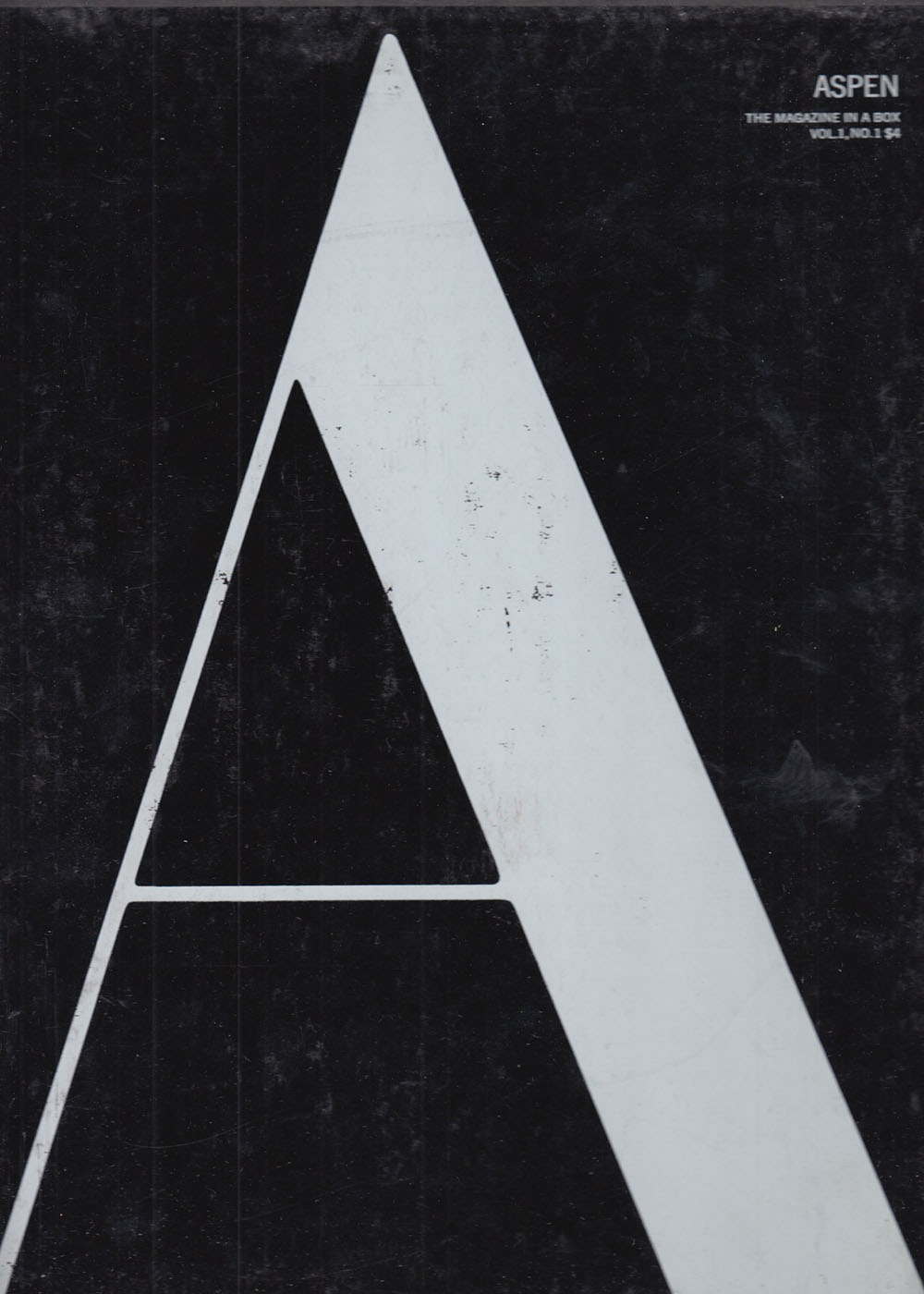
Aspen, published between 1965 and 1971, was a multimedia “magazine in a box” created by Phyllis Johnson. Each issue broke from traditional print by being curated by different artists and designers, including diverse materials such as booklets, vinyl records, film reels, and posters, showcasing avant-garde movements like pop art, Fluxus, and conceptual art. It became a landmark of experimental publishing. This issue was designed by the award-winning Esquire art director George Lois, along with Tom Courtos and Ralph Tuzzo.

Maximilian Stejskal (1906-1991), an ethnologist and gymnastics teacher from Helsinki, carried out a study for his PhD thesis on “folk athletic” contests amongst Finland’s Swedish-speaking male rural population in the early 20th century. This book comprises his research – handwritten pages of travelogs, descriptions of exercises, tables, sketches, musical and phonetic recordings and photographs.

This book presents necklaces, rings, bracelets, pendants, earrings, and cuff links designed by sixteen modern architect, with brief interviews with each about their work. Includes postmodern jewelry by Mario Bellini, Ettore Sottsass, Peter Shire, Marco Zanini, Michele de Luccchi et al.

Notorious for his continually subversive takes on classical dance, Michael Clark is without doubt one of the most important dancers and choreographers of our time. Through essays and imagery, this book covers Clark's career from the late 1970s to 2011, detailing his subversive approach to classical dance.
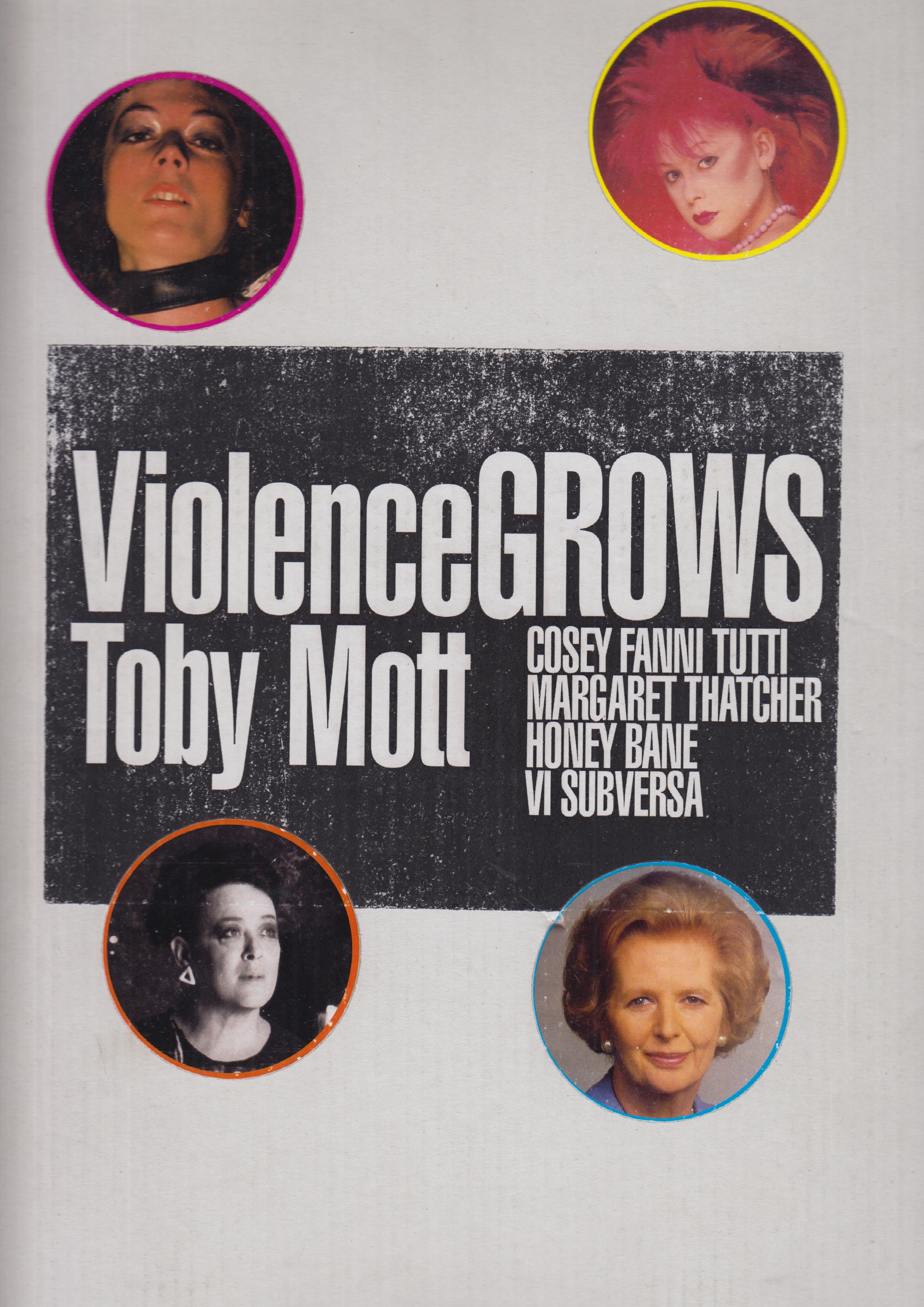
Violence Grows is a forceful, wide-ranging look at four iconoclastic female icons of the 1980s. A four-phase journey, focusing on three punk artists and one divisive politician. All four re-shaped antiquated ideas on identity, sexuality, and the role of women in a dysfunctional society. These four determined women set out to overturn the world they lived in.

A book exploring the photographic worlds of surrealist artists Picasso, Miró, Dalí, and Tàpies.
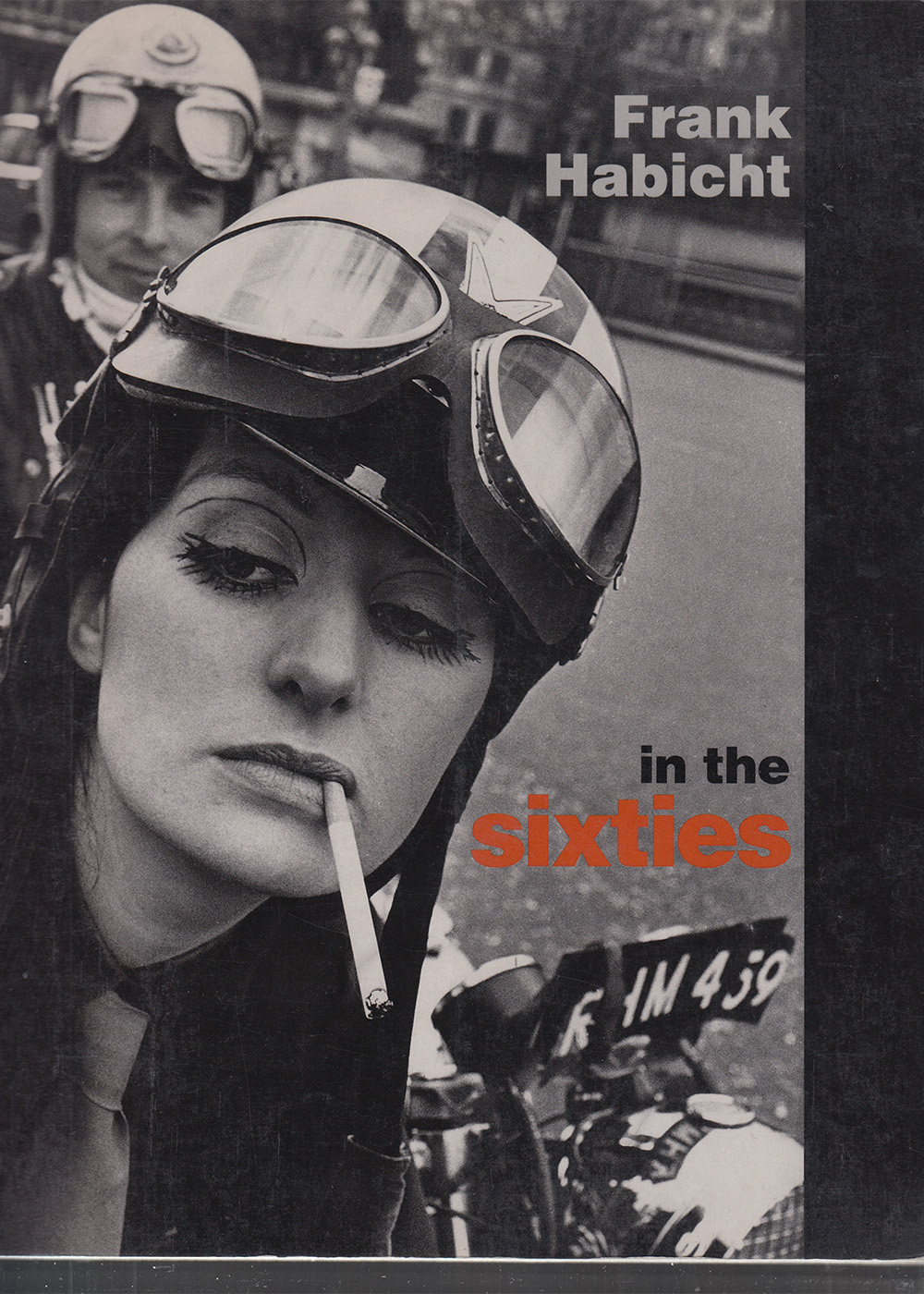
The iconic black-and-white photographs of Hamburg-born photographer Frank Habicht displayed in this book reflect the spirit of the Swinging Sixties in London. In the 1960s, the conservative postwar years in England gave way to a period of upheaval, with a younger generation dreaming of an unconstrained life, peace and harmony. On the streets of the British capital, Habicht began photographing the profound social and political changes that were underway.

Edited by Dick Higgins and Wolf Vostell, Fantastic Architecture is an artist’s book/anthology explores the boundaries between pop art and architecture through writings and projects by key artists and thinkers of the 1960s and earlier—from John Cage and Buckminster Fuller to Kurt Schwitters and Joseph Beuys

A collection of photographs of famous celebrities from the 1970s and 1980s, many caught in off-the-guard moments by the camera of Richard Young.

We Have No Place To Be sees Joji Hashiguchi turn his lens towards a generation of young people seeking refuge on the streets across 6 different cities. Liverpool, London, Nuremberg, Berlin, New York and Tokyo, Hashiguchi documents the social discord within each of these locations through the youths that had taken to their streets. Featuring more than 100 images, this book is as a valuable artefact of the complexities of youth in an era mired in the fallout from war, austerity, unemployment and challenging leadership.


Twenty years of Versace by Avedon, this collection of beautifully produced photographs from the advertising campaigns of Gianni Versace features images of some of the most beautiful women in the world, including Kate Moss, Naomi Campbell, and Linda Evangelista,

Vogue: The Covers chronicles the extraordinary images that have reflected--and transformed--the world of style for more than 120 years. More than 300 of the most beautiful, provocative, and fashion-forward covers ever produced are highlighted alongside the history and stories behind the covers themselves.
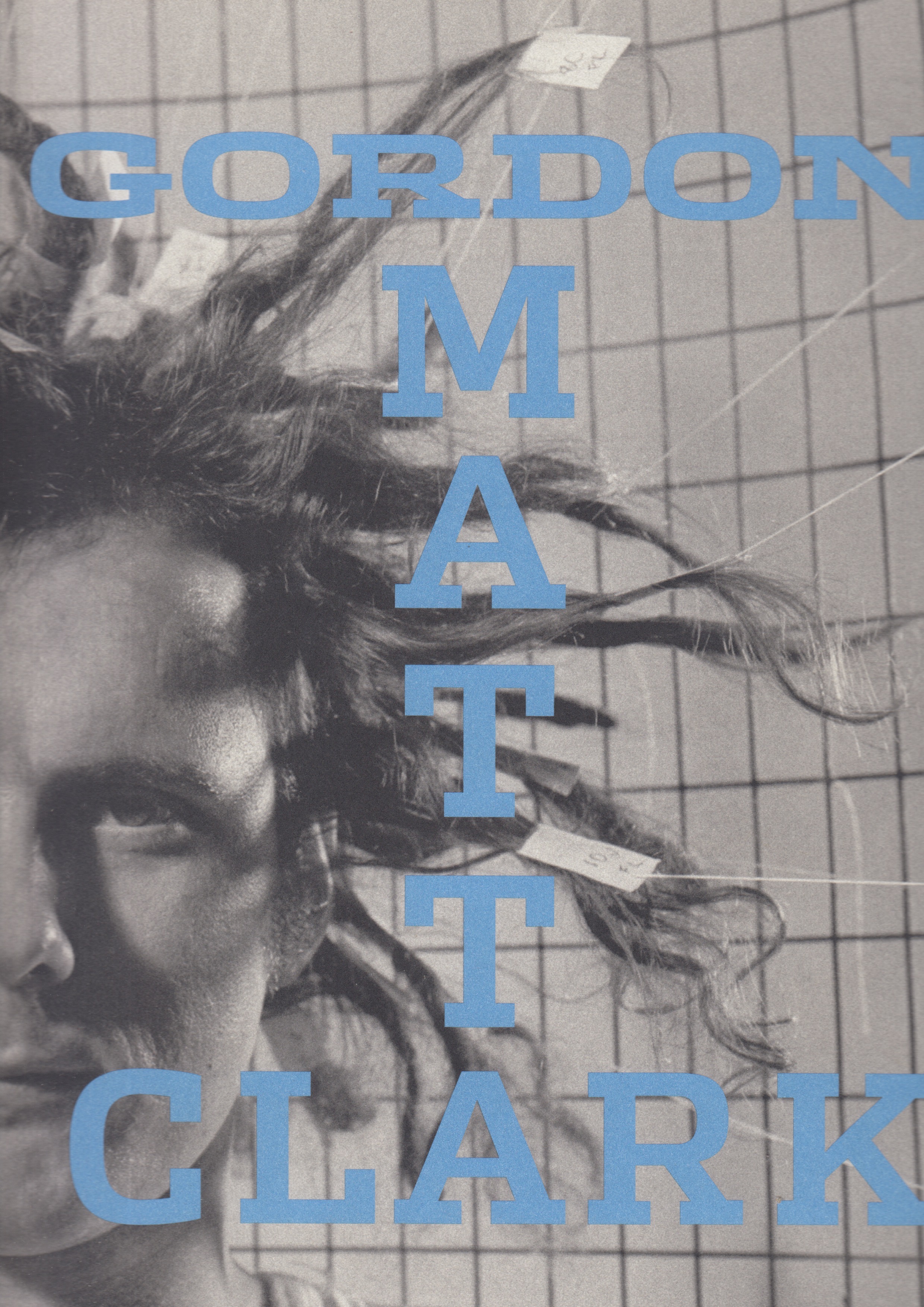
Monograph published on the occasion of the exhibition 'Gordon Matta Clark: "You are the Measure" at the Whitney Museum
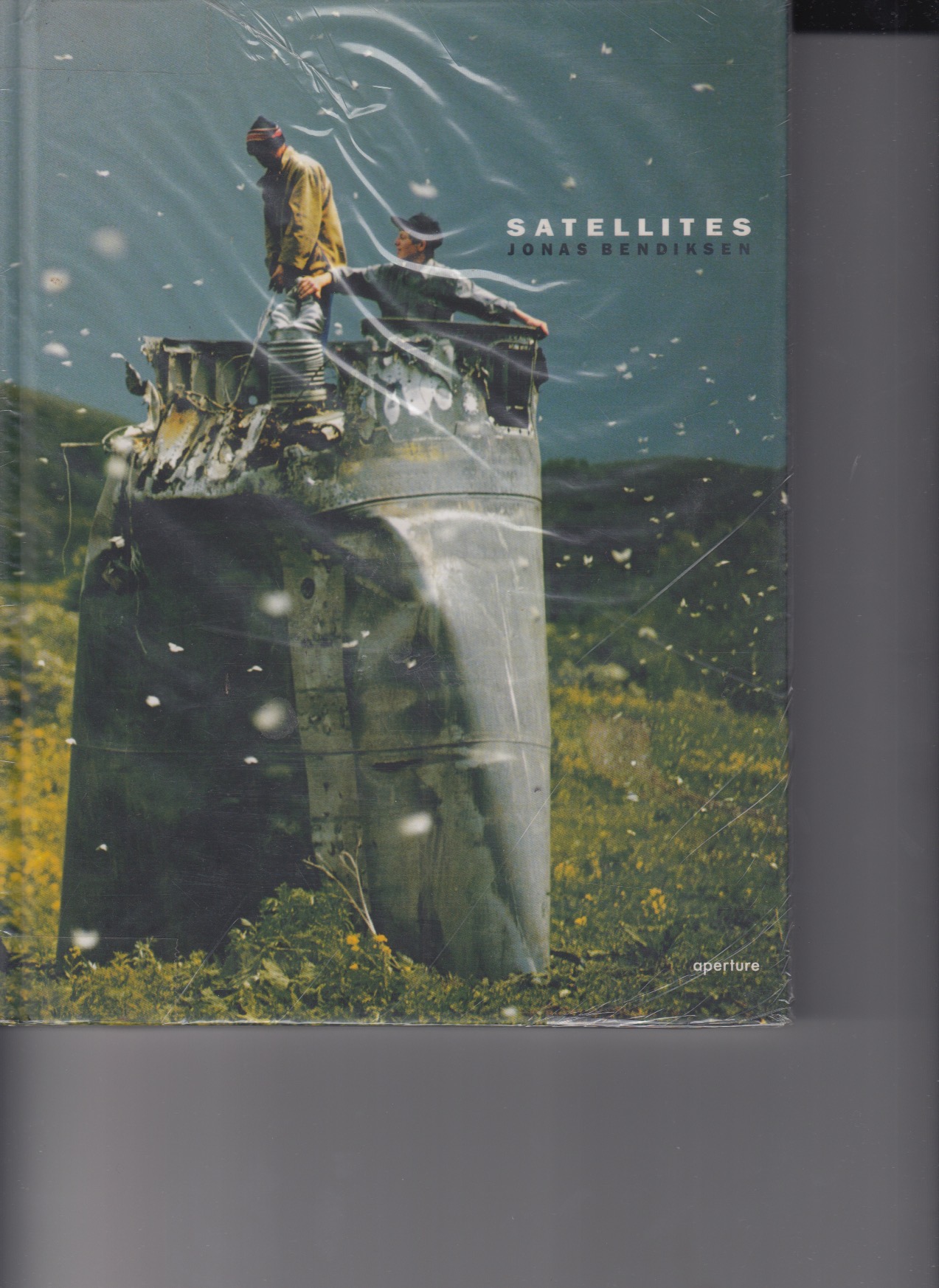
Satellites is the culmination of a seven-year photographic journey that takes viewers through the countries and enclaves once held in orbit by the immense gravity of Moscow, the nucleus of the Soviet empire. The photographs reveal the often grim circumstances in these half-forgotten regions, uniformly poor and often politically unstable.

Self Publish, Be Happy explores the recent revolution in self-published photobooks. Blending manifesto, practical manual, and survey, Bruno Ceschel highlights key success stories, case studies, and artist testimonies. With insight from Museum of Modern Art librarian David Senior, it situates today’s DIY photobook movement within a broader artistic legacy.

Tulsa is a collection of black-and-white photographs by Larry Clark of the life of young people in Tulsa, Oklahom. Taken between 1963 and 1968, the images document a youth culture progressively overwhelmed by self-destruction.

The people of New Guina have little art in the form of objects – instead, their art takes form through self decoration. Birds of paradise plumes, animal furs, ochre plants, leaves and grasses are their props of choice. This book documents and describes the styles of decoration in the Mountain Hagen area, and the variations expressive of individuality.


Fragments Segments Vestiges is a book to accompany a film installation of the same name. The film and book are divided into 10 chapters, each responding to a prose poem. They are an allegorical take on everyday moments, some that would otherwise be forgotten. Each part of the film is an observation of the mundane, led by a silent narrative. On the cover is a fragment of the negative on which the project was shot.

Jonas Mekas in conversation film makers – including Andy Warhol, Nico Papatakis, Albert and David Maysles, Peter Kubelka, Agnes Varda, Harry Smith, John Cassavetes, Stan Brakhage.

GA Document is a Global Architecture focusing on contemporary international architecture and design projects.

A mid-career retrospective of the work of María Magdalena Campos-Pons who has become one of the most important and influential contemporary Afro-Cuban artists. Her multimedia work explores themes of memory, the African diaspora, gender, and Afro-Cuban spirituality (Santería).

The book explores the daily lives and experiences of Black people in Paris during the early 1980 through the photographs of Nicolas Silatsa.

his is the brilliant 30 Anni Di Vogue - a visual history of Italian Vogue edited by Franca Sozzani, including fashion photographs of high fashion models from the likes of Claudia Schiffer by Herb Ritts to Veruschka by Steven Meisel.

A photo album chronicling the world of John Cassavetes, Gena Rowlands, and their collaborators for the film Love Streams. Shot by Sam and Larry Shaw, this first edition offers a candid, intimate portrait of Cassavetes’ creative circle.
Eikoh Hosoe is one of Japan's most iconic post-war photographers, recognized for his legendary collaborations and impeccable aesthetics. Ordeal by Roses is an extended photographic portrait of his work in collaboration with celebrated author Yukio Mishima. The series features Mishima in a variety of poses, proudly showing off his muscular physique, the result of many years of dedicated bodybuilding. The photographs—taken from autumn 1961 to spring 1962, mostly at the writer’s home in the Magome district of Tokyo—encapsulated Mishima’s self-image and brought it to vivid life in photographs that used a variety of sophisticated techniques to create an astonishing world of provocative sensuality.

Eden is a Magic World is a story of obsession. The central figure of Calderón’s book is Flor Eduarda, a former child actress in her native Mexico. After Carrusel (the hugely successful telenovela she appeared in as an infant) began screening around the world, Eduarda started to receive letters from a besotted admirer, Choi Chun Moon, an 18 year old student based in Seoul, Korea.

This book co-published by the documents the 14th Sharjah Biennial, featuring contributions from over 30 artists to explore contemporary art's response to environmental, political, and technological shifts.
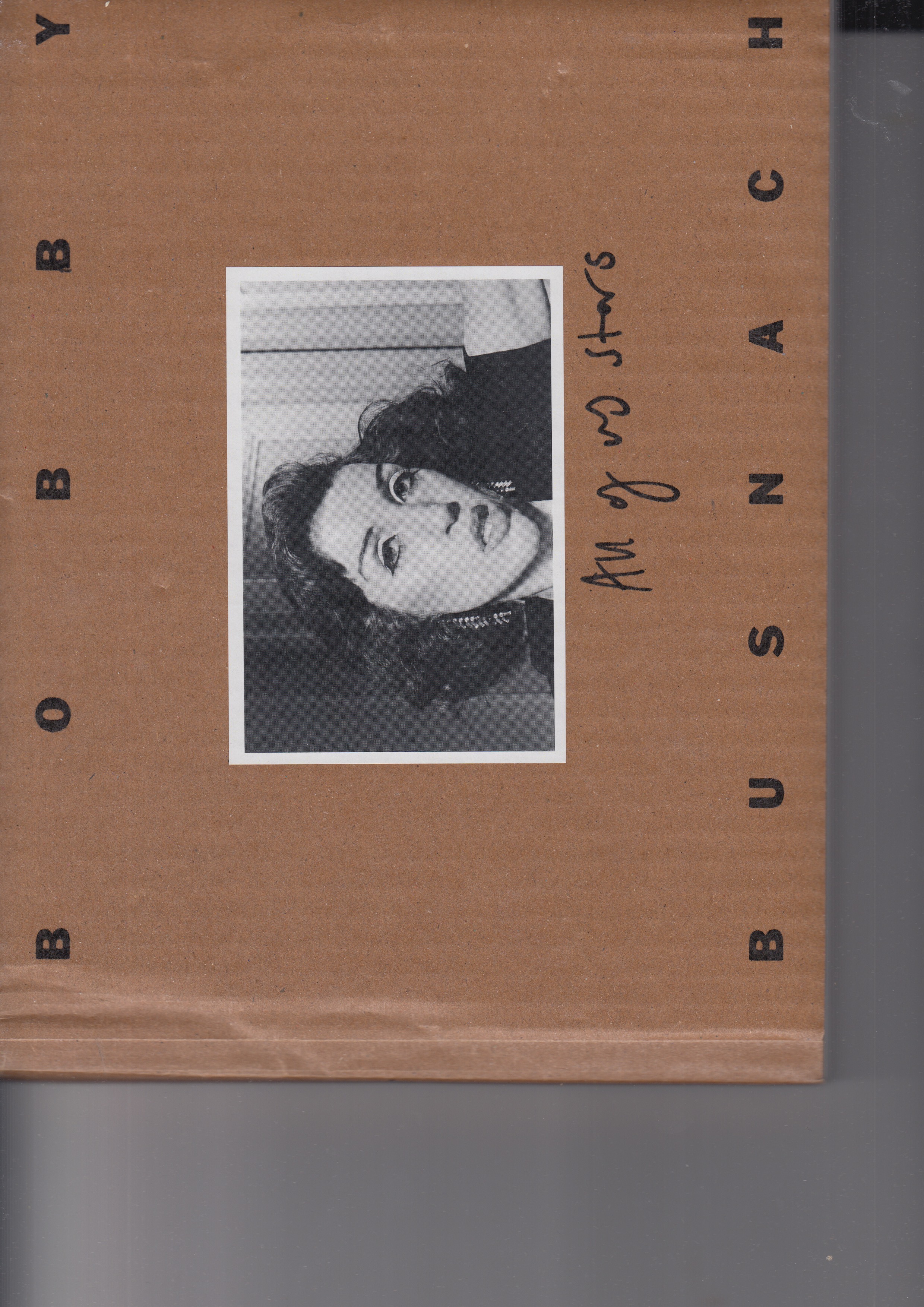
From 1974 to 1980, American photographer Bobby Busnach transformed a crumbling Upper West Side apartment into a theatrical stage, capturing hundreds of photographs of his family of friends. With dramatic lighting, cinematic angles, and a mix of vintage and contemporary fashions, he meticulously styled, made-up, and posed his subjects, creating portraits that explored shifting personalities and identities. The images present the home as a queer, transgressive and transformative space of communion. The archive resurfaces today as both a tribute to, and testament of, an intense creative bond—loving, complex and volatile—between the artist and his closest collaborator and best friend, Geraldine Visco
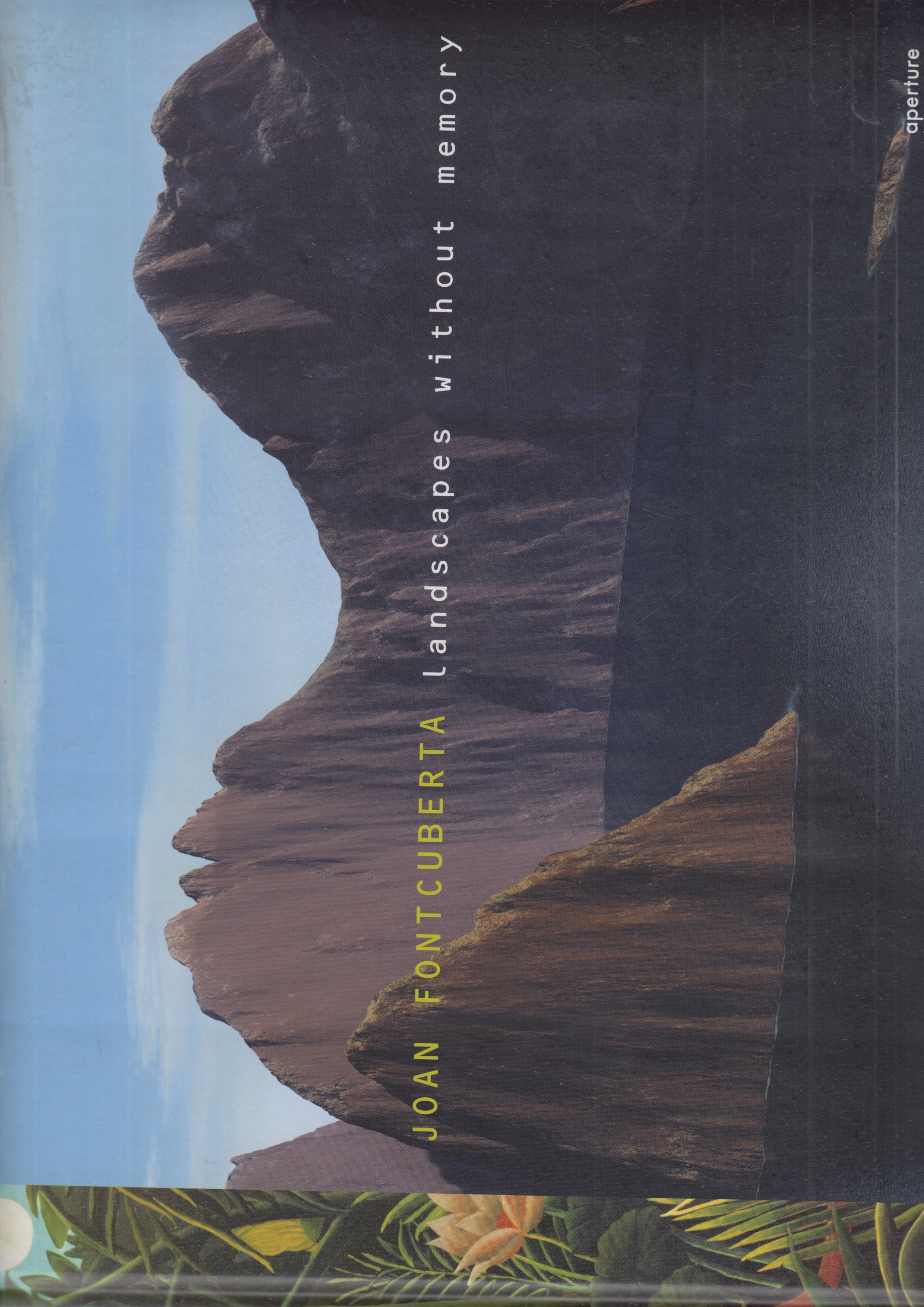
Between 2002 and 2005, Fontcuberta harnessed a piece of landscape-rendering computer software designed for the military, which creates photo-realistic three-dimensional models based on two-dimensional sources. For his Landscapes of Landscapes series, Fontcuberta fed the software images of famous paintings and photographs by Turner, Cézanne, Rothko, and Carleton E. Watkins, among others, forcing the program to interpret the landscape masterworks as “real.”

A collection of exclusive, behind-the-scenes and fittings images of Pieter Mulier’s shows at Alaïa. Captured through Seklaoui’s unfiltered photography, this limited-edition book explores the intensity of the crucial moments leading up to a collection presentation, revealing the Maison’s creative process in its purest form. Born from the intimate collaboration between Pieter Mulier and Anthony Seklaoui, Alaïa by Seklaoui was built upon their shared obsession with the idea of raw beauty.