
Feldmann has become increasingly noted for his commentary on the way we archive photos, sending up the everyday from a very personal perspective. Accordingly, apart from the title page, this photo album contains no text. Even the frontispiece is a photograph of boxes from Feldmann's picture archive--amassed over many years and comprising images from magazines, advertising supplements, photography books, postcards and collectibles.

Nan Goldin's The Ballad of Sexual Dependency is a visual diary chronicling the struggles for intimacy and understanding among the friends and lovers whom Goldin describes as her "tribe". These photographs described a lifestyle that was visceral, charged and seething with a raw appetite for living, and the book soon became the swan song for an era that reached its peak in the early 1980s.

A sweet life full of pleasure and indulgence, 'La Dolce Vita' was a phrase that entered popular usage following the success of the 1960 film La Dolce Vita written and directed by Federico Fellini and starring Marcello Mastroianni, Anita Ekberg and Anouk Aimee. As a phrase it has come to sum up the Golden Age of stylish sophistication in Italy that spanned the years 1958 to 1964. This beautifully illustrated book features over 300 surprisingly candid and revealing photographs from this remarkable era, and captures an era of effortless cool and glamorous style.

This book – part manual, part inventory, part research file – includes the complete list of Michael Landy's possessions, drawings, photographs, a collage of research materials as well as a section of photographs from the installation of the work in Oxford Street in London, February 2001.
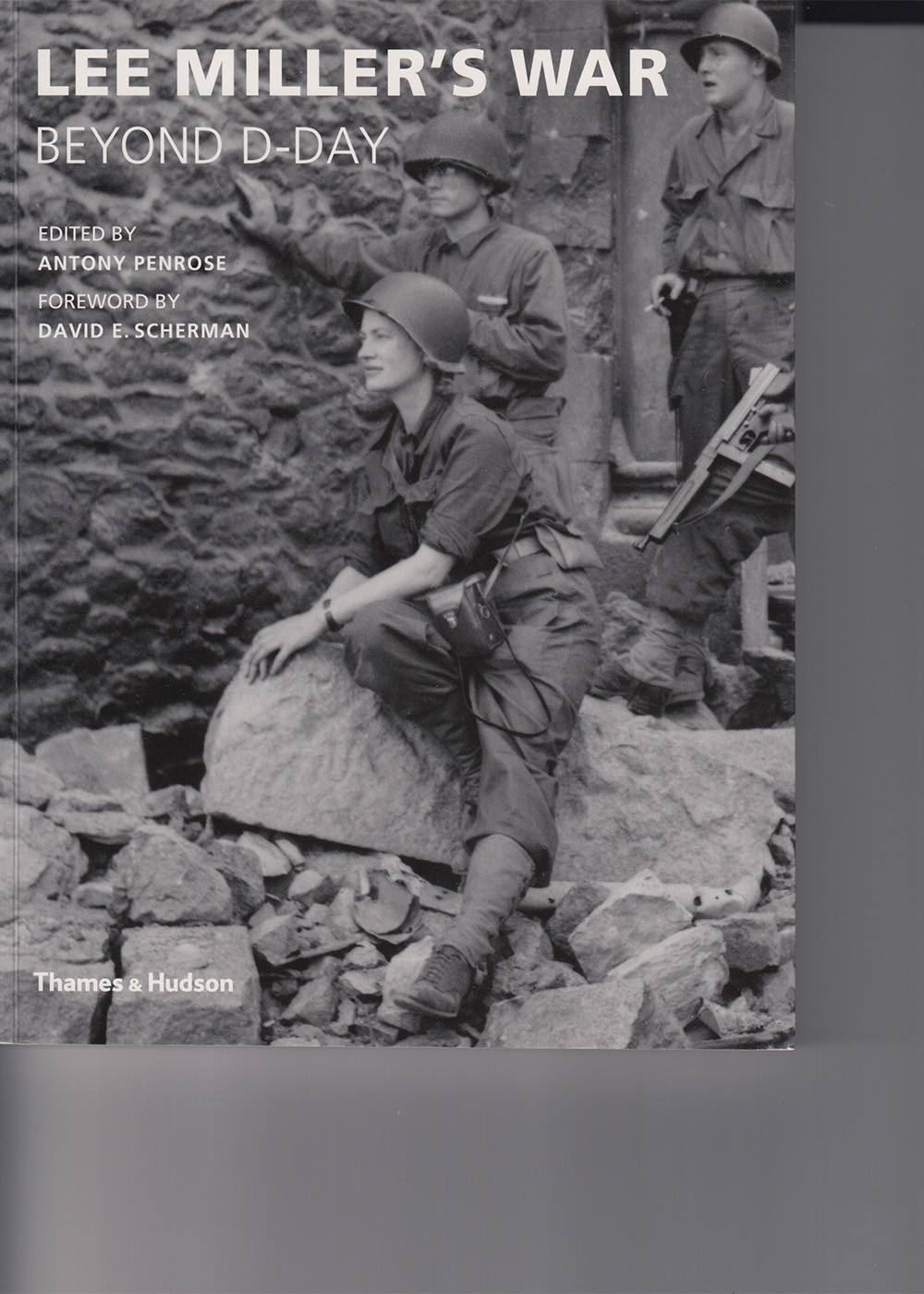
Lee Miller's work for Vogue from 1941-1945 sets her apart as a photographer. The quality of her photography from the period has long been recognized as outstanding, and its full range is shown here starting with her first report from a field hospital soon after D-Day. Nearly 160 photographs are shown, portraying war-ravaged cities, buildings and landscapes, as well as war-resilient people - soldiers, leaders, medics, evacuees, prisoners of war, the wounded, the villains and the heroes.

Over the past eleven years, the photographer and filmmaker Bruce Weber and his partner Nan Bush have published the book series All-American featuring works by artists, photographers, essayists, poets, and personalities whose lives and accomplishments they wish to celebrate. This edition features a portfolio of elephant photographs by Bruce Weber, Kennedy family portraits by Betty Kuhner, and Marlon Brando, as seen by Sam Shaw. Also included are Gilles Larrain, Phil Ochs, Mary Lloyd Estrin, Mary Randlett, Joel Sternfeld, Ranee Flynn, paintings by Forrest Bess, and Joe Coleman collages.

Inspired by found objects, personal archives and poetic experiences, Lebanese artists and filmmakers Joana Hadjithomas and Khalil Joreige invent a unique way of to navigate between art and film. Their documentaries, fictional films, photography, art installations, texts and performances develop narratives and images around stories kept secret, acting as a resistance to official history.

Marin is a unique album of the great Navy family – the strength, the solitude and solidarity, the open faces of reunions, the serious looks of great departures.

A socialist journal of the social services. In this issue: Washington Heights Health Action Project; business ideology; the myth of workfare; people's health in Chile.
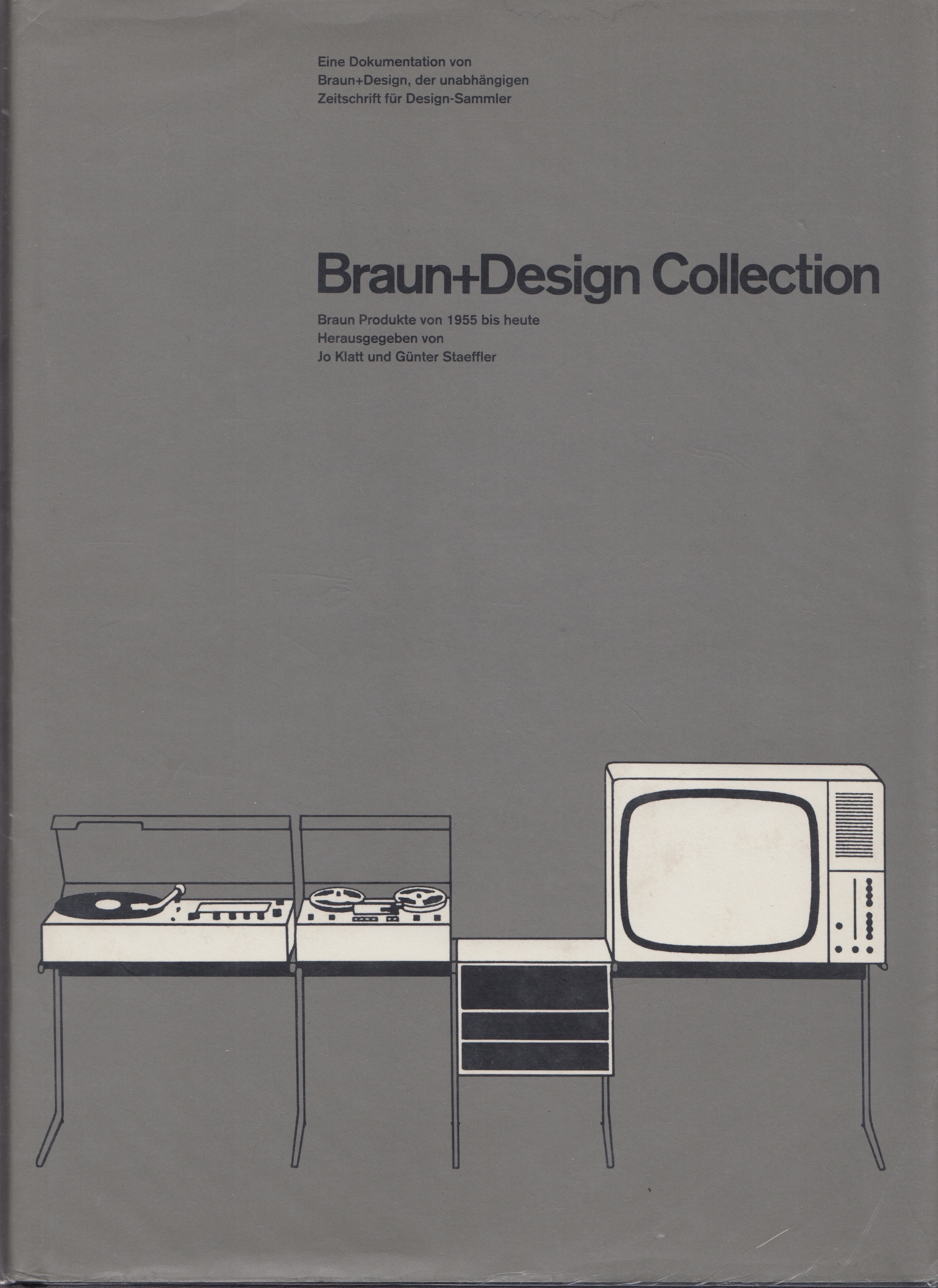
This comprehensive volume documents the design history of Braun, covering consumer electronics, photography equipment, watches, calculators, lighters, flashlights, personal care products, and household appliances. Richly illustrated with photographs, it traces Braun’s influential industrial design approach and its lasting impact on modern product aesthetics and functional innovation.

The Other Story: Afro-Asian Artists in Post-War Britain is a seminal 1989 exhibition catalogue published by the Hayward Gallery/Southbank Centre, London, edited and curated by artist Rasheed Araeen. This scarce book documents the first major survey of African, Caribbean, and Asian artists' contributions to British post-war modernism.

Chéri Samba (born 1956) is a renowned Congolese painter known for his "popular painting" style, which merges vivid, humorous, and critical imagery with textual commentary to address social, political, and daily life in Kinshasa.

This publication accompanies Sharjah Art Foundation's 2018 exhibition of artist Zineb Sedira – a London-based Franco-Algerian feminist photographer and video artist, best known for work exploring the human relationship to geography.

This book accompanies the Parrworld exhibition at ","Haus der Kunst","Munich, Germany"], showcasing examples from Martin Parr’s extensive collection of 20,000 postcards. Featuring 750 cards across 21 themed chapters, it includes an essay on the history of postcards and their influential role in shaping Parr’s photographic practice.

An extensive history of ties.

Yamou’s work explores organic processes, continuity and change, the tensions and instabilities of boundaries and the spaces in between. Beneath the surface of these beautiful paintings, both large and small scale, there is an underlying sense of disquiet. Stunningly illustrated with Yamou’s elegant, abstract, and stylised paintings, Working from Life will bring this unusual artist’s works to a larger audience.

A themed collection of Araki photographs. Issue 2: Bodyscapes.

Paintings by Harley Weir presents images made as a form of digression from her traditional photographic practice. Presented as short, rhythmical sequences, Paintings moves across the page like a melody, linking rhythm, colour and form through surface studies made consistently throughout the last three years.

Ghosts Don’t Walk in Straight Lines, a book and film collaboration between Saskia de Brauw and Vincent van de Wijngaard, follows a journey through the streets of New York by foot, walking from North to South in one full day. This slow walk along Manhattan’s old Broadway was documented along with stories and encounters from the Broadway Bridge to Battery Park. The walk took de Brauw on a journey through Manhattan, crossing different neighbourhoods, sparking meetings, observations, thoughts and memories.

Hans-Peter Feldmann was a German conceptual artist known for his obsessive collecting, archiving, and rearranging of everyday images and objects to explore themes of memory and time. This monograph contains a number of his works from the late 1960s.

An iconic zine by Ed Templeton documenting teenagers smoking.
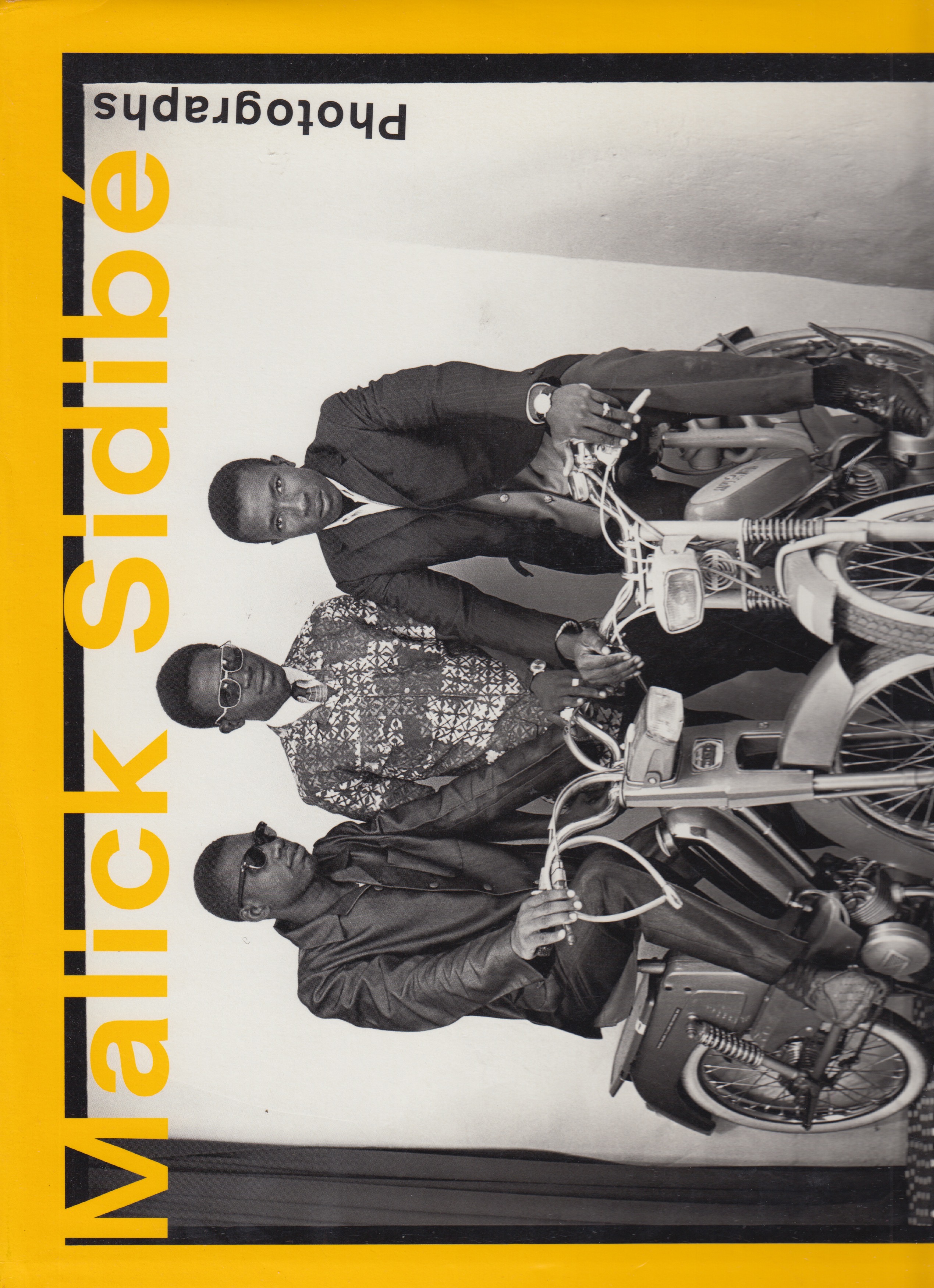
This book was published on the occasion of the Hasselblad Foundation International Award in 2003, which was awarded to West African photographer Malick Sidibé. Sidibé was Bamako's first photojournalist, capturing the energy of that city's youth at parties and social gatherings. Studio Malick became a central meeting place for this new generation, and Sidibé's striking portraits reveal an exuberance for photography that matched the spirit emblematic of post-colonial West Africa in the late 1950s through the mid-1970s.

Fashion Photography 1950-1975 is a book by German photographer F.C. Gundlach that showcases his iconic work during that period. His photos are known for blending social commentary with fashion, reflecting the spirit of the times and influencing fashion perception in Germany and beyond.

Written to mark the silver jubilee of the Design Research Unit, this book surveys the progress of industrial design since World War II. Using DRU as a case study rather than producing a conventional company history, it examines how major postwar trends shaped design practice—and how design, in turn, influenced industry and society.

A book on the work of architect, designer and artist Ugo La Pietra.

Mondialité features visual artworks and environments, documentary film and songs, dramaturgical structures and archival material by Edouard Glissant for an exhibition at Fondation Boghossian.

Dubbed an “It Girl” by Yves Saint Laurent in the early 1970s, Marisa Berenson is the original modern muse-inspiring fashion designers, photographers, stylists, and fashion editors for over thirty years. This captivating collection of fashion editorials, magazine covers, film stills, and candid photos were captured by the leading photographers and filmmakers of the day, including Richard Avedon, Irving Penn, David Bailey, Hiro, Helmut Newton, Henry Clarke, Norman Parkinson, Robert Mapplethorpe, and Steven Meisel, among many others.

Peter Saville is perhaps the most influential graphic designer of his generation. Best known for his seminal record covers for Joy Division and New Order, Saville has also art directed catalogues and advertisements for fashion brands such as Yohji Yamamoto and Dior. This book includes a comprehensive interview by Christopher Wilson as well as essays by style guru Peter York, music critics Paul Morley and Miranda Sawyer, and design critics Rick Poynor, Emily King and Peter Hall.
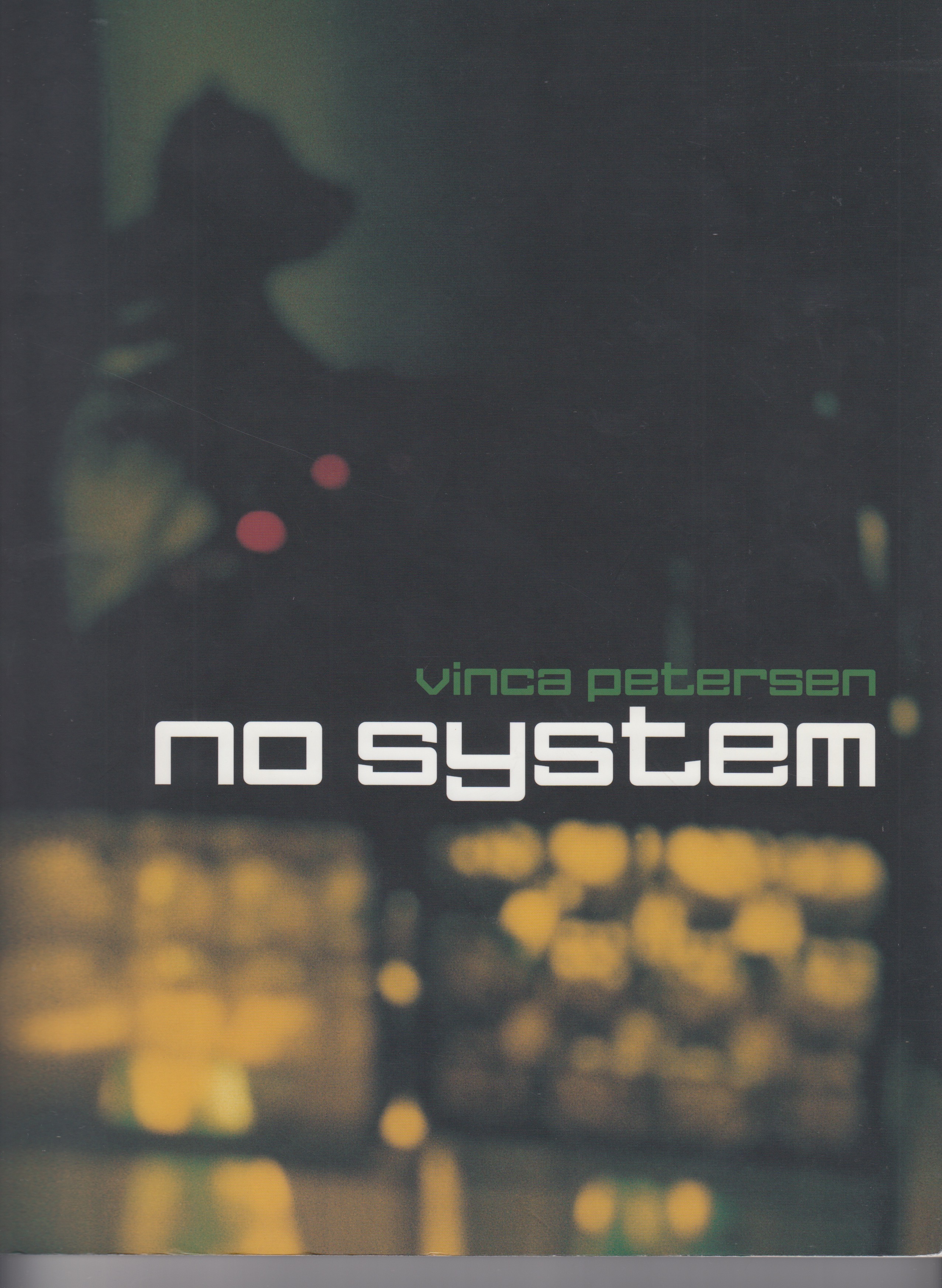
Including over 200 of Vinca Petersen’s photographs, diary entries and ephemera, No System is a party book that one can also read like an alternative family album. This publication tells the story of a 10-year journey around Europe in the 1990’s that Petersen did in a van, following illegal free parties and techno festivals. Images of rave parties, the road and intimate portraits of friends and strangers compose the series. If nostalgia for this free-spirited bygone era and this alternative lifestyle certainly arise in the book, one can also read it as a necessary manifesto for our current times under surveillance.

A book of the work of George Ohr – an American ceramic artist and the self-proclaimed "Mad Potter of Biloxi" in Mississippi. In recognition of his innovative experimentation with modern clay forms from 1880 to 1910, some consider him a precursor to the American Abstract-Expressionism movement.
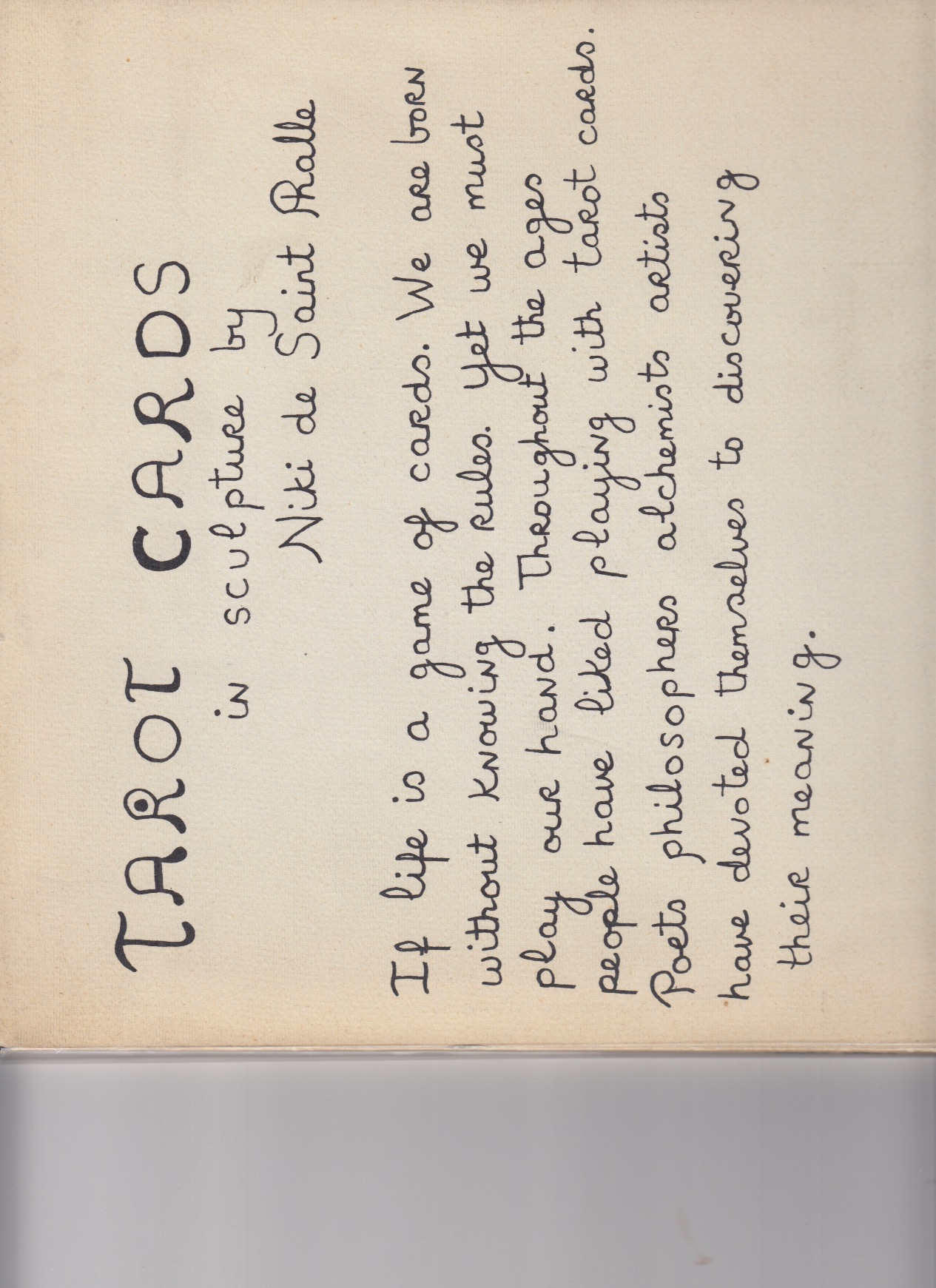
Made during the building of her Tarot Garden, this beautiful little book is de Saint Phalle’s explanation of her audacious and brilliant project, illustrated with her knowingly naive hand. Everything she touches is desperately romantic, endlessly alluring, perpetually profound.

Intervening Space is a companion publication for an exhibition of six contemporary Algerian artists, held at the Mosaic Rooms. The exhibition, curated by Ali MacGilp and Yasmina Reggad featured newly commissioned and reimagined works from Fayçal Baghriche, Amina Menia, Atef Berredjem, Hanan Benammar, Massinissa Selmani, and Sadek Rahim.
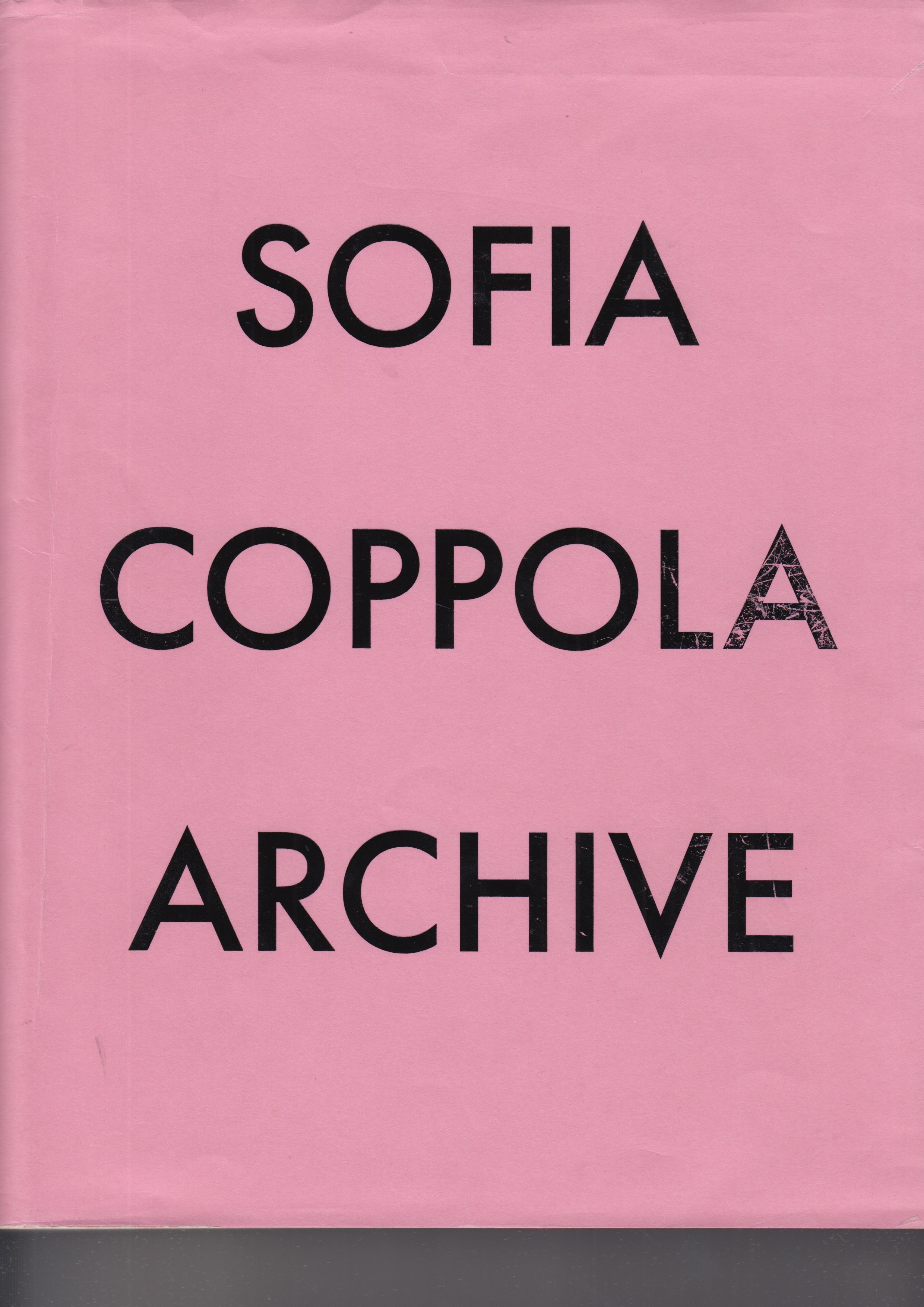
Archive is the first book by Sofia Coppola, covering the entirety of her singular and influential career in film. Constructed from Coppola’s personal collection of photographs and ephemera, including early development work, reference collages, influences, annotated scripts, and unseen behind-the-scenes documentation, it offers a detailed account of all eight of her films to date.

A charming, historically-important, and well-produced book from 1975 that highlights the work of about 50 denim artists.

The Situationist Times No. 4 is famously known as the "Labyrinth Issue". Spanning 184 pages, it was edited by Jacqueline de Jong and conceived as a dérive (a drift), where readers navigate a maze-like layout of imagery and multi-language texts. Features archival imagery and essays all about labyrinths, neolithic and ancient sites.

A socialist journal of the social services. In this issue: Bertha Reynolds as Educator, Sport and Community Organising, Independent Unionism, The Democratic Party.

Dance Perspectives was published quarterly from 1959-1976, and was a collection of writings on dance, art, costume and theatre. This issue focuses on Dance in Ghana.
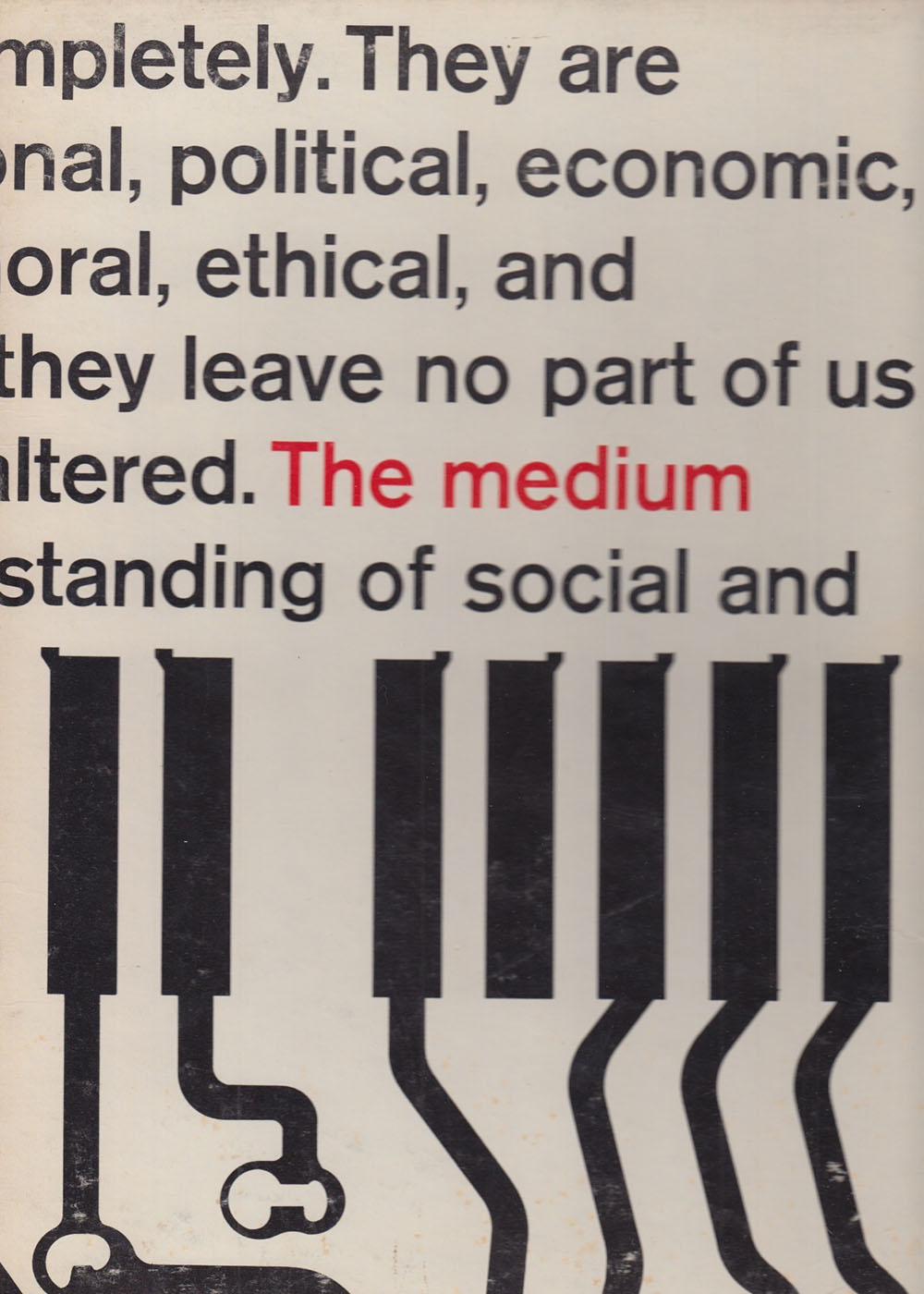
Aspen, published between 1965 and 1971, was a multimedia “magazine in a box” created by Phyllis Johnson. Each issue broke from traditional print by being curated by different artists and designers, including diverse materials such as booklets, vinyl records, film reels, and posters, showcasing avant-garde movements like pop art, Fluxus, and conceptual art. The fourth issue of volume one is "Marshall McLuhan Issue," designed by Quentin Fiore. Known as a 3D multimedia magazine, this issue explores media theory, famously packaged in a white box with black/red geometric designs, featuring recordings, texts, and advertisements

Published in 2001, "Alive" was Mario Testino’s third book in which the photographer shares moments from all his travels to exotic locales from magnificent cities by night. filled with models, celebrities and friends.

Portraits of students at Cheletenham Ladies college by British Photographer Sue Packer.

Brilliantly useful for all things disco, filled with illustrated instructions for basic disco moves.

Bobby Baker is one of the most widely acclaimed and popular performance artists working today. This book brings together for the first time an account of Baker’s career as an artist with critical commentary by reviewers; transcripts of Baker's performances; and other originial materials.
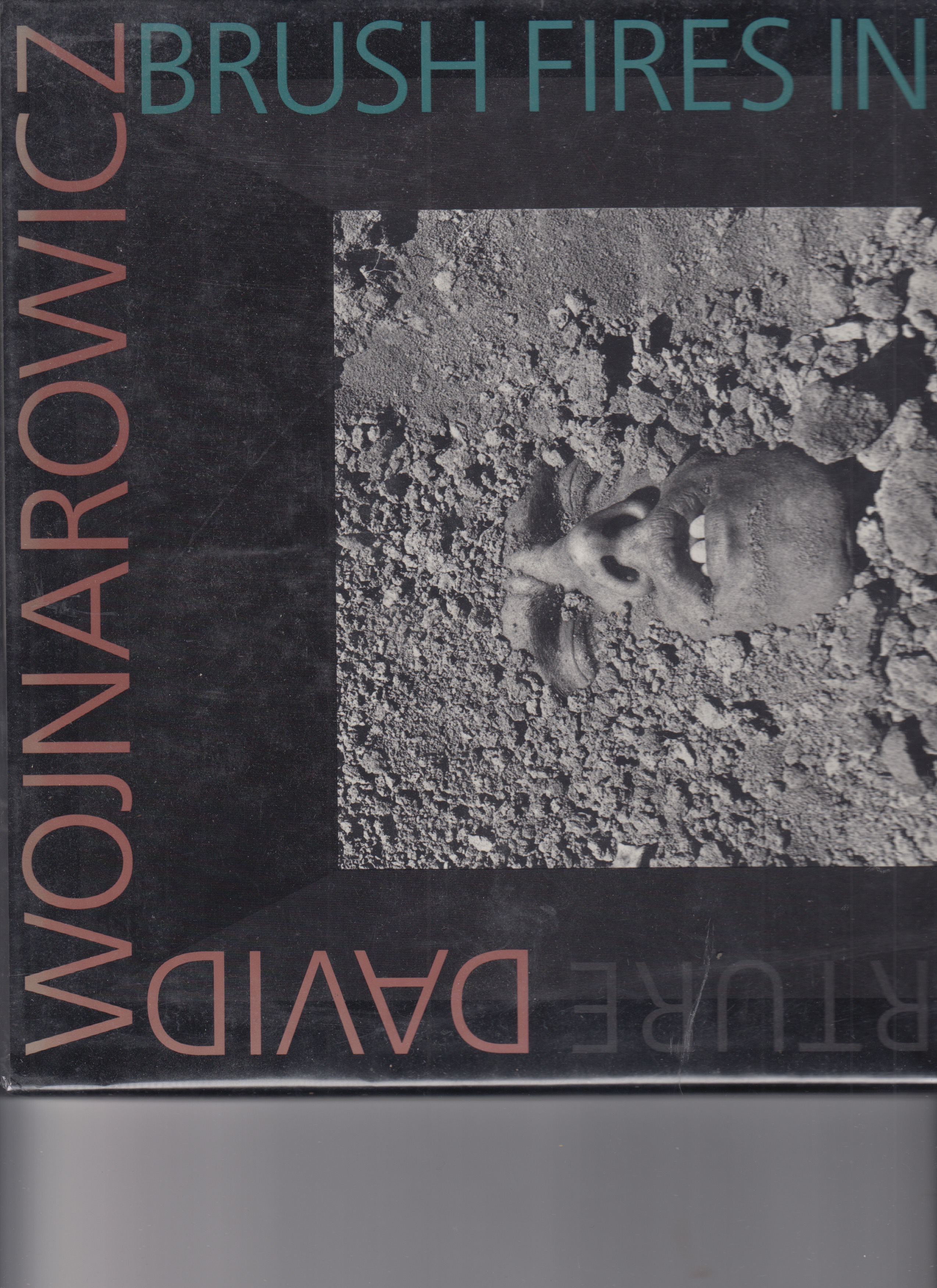
Brush Fires in the Social Landscape is a powerful and evocative retrospective collection of Wojnarowicz life. It includes a collection of his paintings, photographs, and writings also includes essays by Nan Goldin, Kiki Smith, Fran Lebowitz, and Karen Finley, among others.


A collection of photographs depicting the female nude.

This reference work presents Gus Van Sant's filmmaker's artistry (photography, painting and music) through the optic of his films. It is an original work combining all facets of his creation for the first time, bringing a fresh vision of his cinematographic work.
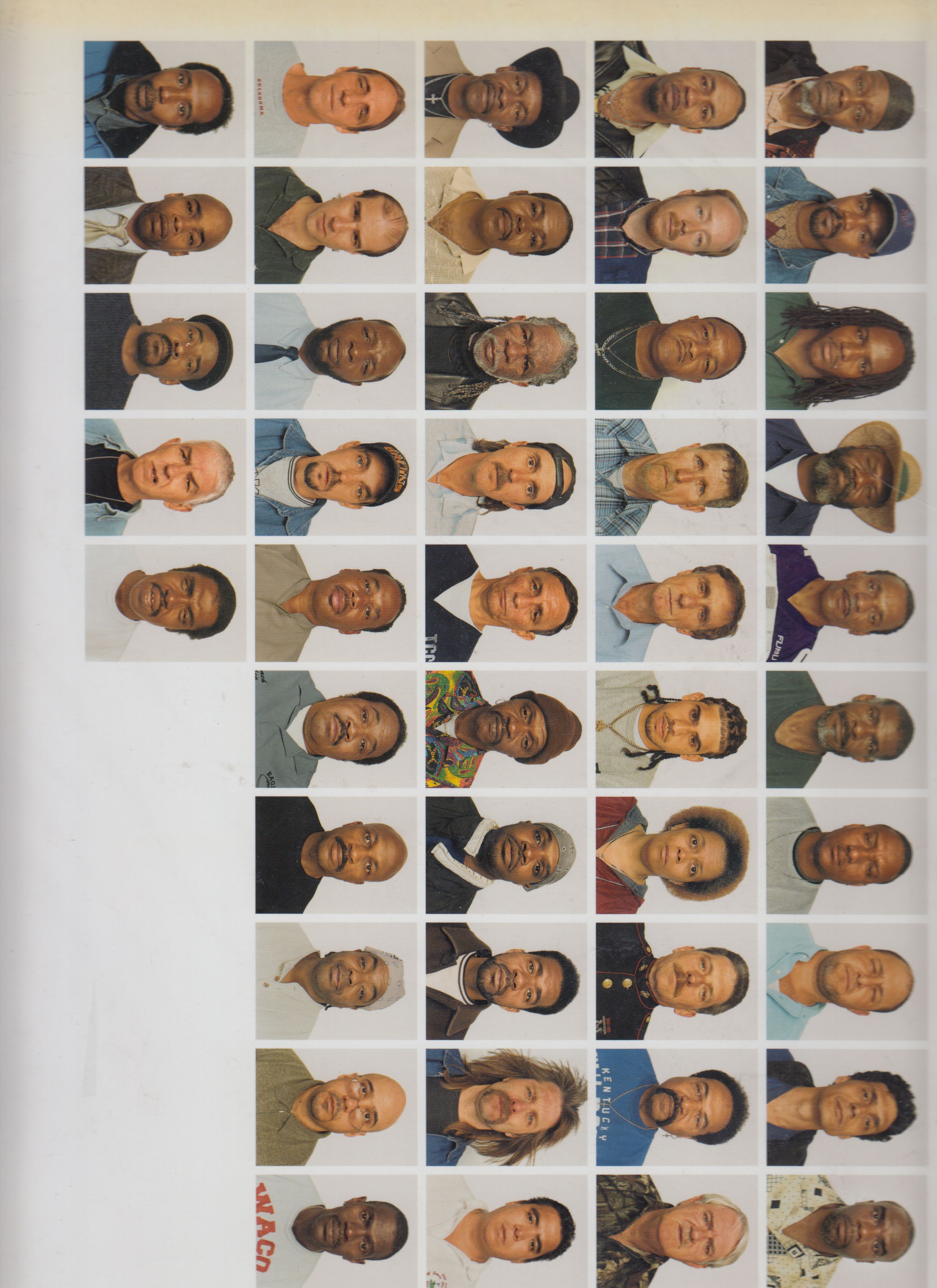
Leading civil rights attorneys Peter Neufeld and Barry Scheck of The Innocence Project commissioned photographer Taryn Simon to travel across the United States photographing and interviewing individuals who were convicted of heinous crimes of which they were innocent. Simon photographed these innocents at sites of particular significance to their illegitimate conviction: the scene of the crime, misidentification, arrest, or alibi. Simon’s portraits are accompanied by a commentary by Neufeld and Scheck.

Charlotte Perriand (1903-1999) is undoubtedly one of the most significant figures in 20th-century interior design. This is the first monograph of her works.

This book collects Brassai's iconic scenes of nocturnal Paris with its prostitutes and thugs, its night workers, cafes, dance halls, and theatres; fog-shrouded streets, monuments, and bridges; the literary and artistic elite of the Parisian avant-garde, whom Brassai counted among his friends.

Aspen, published between 1965 and 1971, was a multimedia “magazine in a box” created by Phyllis Johnson. Each issue broke from traditional print by being curated by different artists and designers, including diverse materials such as booklets, vinyl records, film reels, and posters, showcasing avant-garde movements like pop art, Fluxus, and conceptual art. This issue features Carrol Baker, David T. Bazelan, James Blue, Robert Blumofe, Faubion Bowers, John Burchard, Peggy Clifford, Norman Corwin and more.

VILE magazine was published between 1974 and 1983 by the mail artists Anna Banana and Bill Gaglione. The inside contents of VILE featured a wide array of texts & manifestoes, letters, performance documentation, articles on individual artists & their projects, detourned mass media advertisements as well as art works from mail artists in different countries.

A book of accidental streetstyle photos of women getting on buses or loitering around bus stops, spanning the sixties to the eighties – an unintended streetstyle book of gold.

Looks is the definitive guide to the looks designed and, in these photographs, worn by Leigh Bowery. One of Britain's most heroically ambitious designers and performance artists, Bowery remains an inspiration to many fashion designers today.

This book is a photographic chronicle of the Ausserland tradition of building a woodpile.

W is an award-winning publication, one of the world’s greatest and best-known fashion magazines. It was founded in 1971 as a sister publication to Women's Wear Daily and was owned by Fairchild Publications until it was purchased by Condé Nast in 1999. This book celebrates its 40th anniversary and is divided into three sections; Who, Where, and Wow.

In 1968, Magnum photographer Dennis Stock took a 5-week road trip along the California highways, documenting the height of the counterculture hippie scene. These black and white photos were compiled to create California Trip and have become an emblem of the free love movement that continued to inspire throughout the decades.

Elegant and instructional, this book is a celebration of beauty and a remarkable showcase of the talents of an artist ho has defined the look of the '90s.

In the South Bronx of America is a work which, through documentary photographs, counterpointed with statements by residents and by newspaper reports and statistical information, offers both an intimate view of life in this neighbourhood and a context for understanding accelerated social decay.

Known and recognized for the elegance as much as for the insolence of her creations, Chantel Thomass imposed a style that has become, over time, synonymous with refinement and freedom for countless women. This book reveals all the richness and breadth of a partly ignored artistic universe.

With over 200 images of t-shirt 'messages', A Typology of T-shirts looks at those individuals who stand out in a crowd through their choice of the message on their back.

Part of the "Vision + Value Series" and was published by Studio Vista in 1966.

An exhibition catalogue of works from the Bauhaus housed at the Busch Reisinger Musuem Collection.

Issue 4 of IL continued the report on the colloquium, Biology and Building, held at May 7 and 8, 1971 at IL which was begun in IL3.

Arthur Tress is known for his staged surrealism and exposition of the human body. Theater of the Mind explores adult fantasies and marked the introduction in Tress's work of overtly erotic imagery. As Tress explained, he sought to make "photographs [that] attempt to make explicit . . . sexual passions and ironies," albeit with spiritual dimensions.

Original exhibition catalogue for architect and writer Theo Crosby’s exhibition involving architects, artists, designers and theorists which took place at the Whitechapel in 1956 in collaboration with members of the Independent Group. The theme was the ‘modern’ way of living and the exhibition was based on a model of collaborative art practice. The 38 participants formed 12 groups, which worked towards producing one artwork. The outcome transformed the Whitechapel Gallery into a vibrant interactive space of installations.
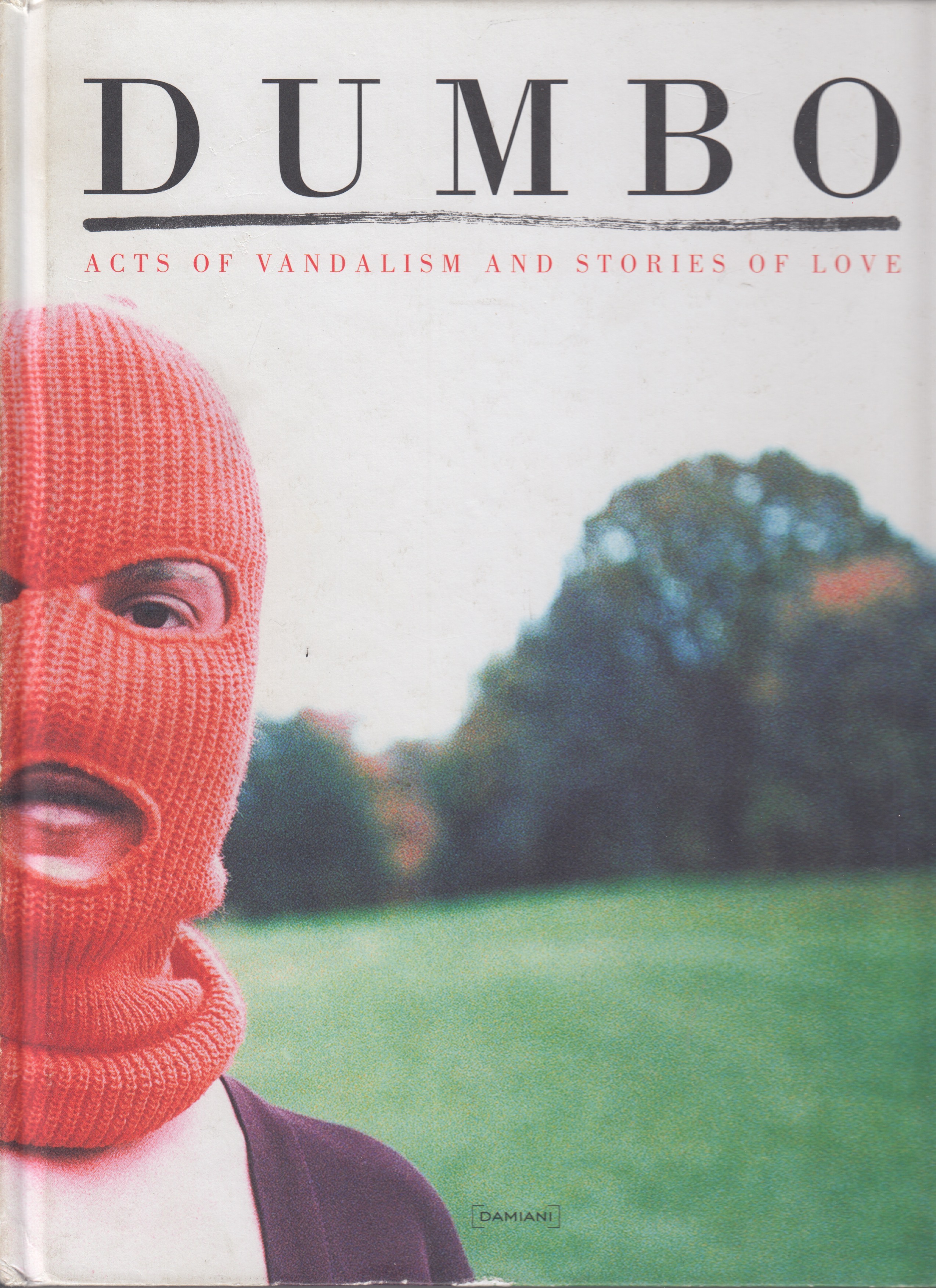
Born in the 70’s, Dumbo grew up in the southern suburbs of Milan and came into contact with the world of graffiti in the early 90’s. In a short time he became one of the foremost writers on the European scene. This book is an unprecedented photographic voyage, the actual backstage dynamics of the irrepressible obsession to tattoo the city’s skin.

Through essays, illustrations and an extensive abecedarium, On the Necessity of Gardening reflects on the garden as an abiding metaphor for society and culture.
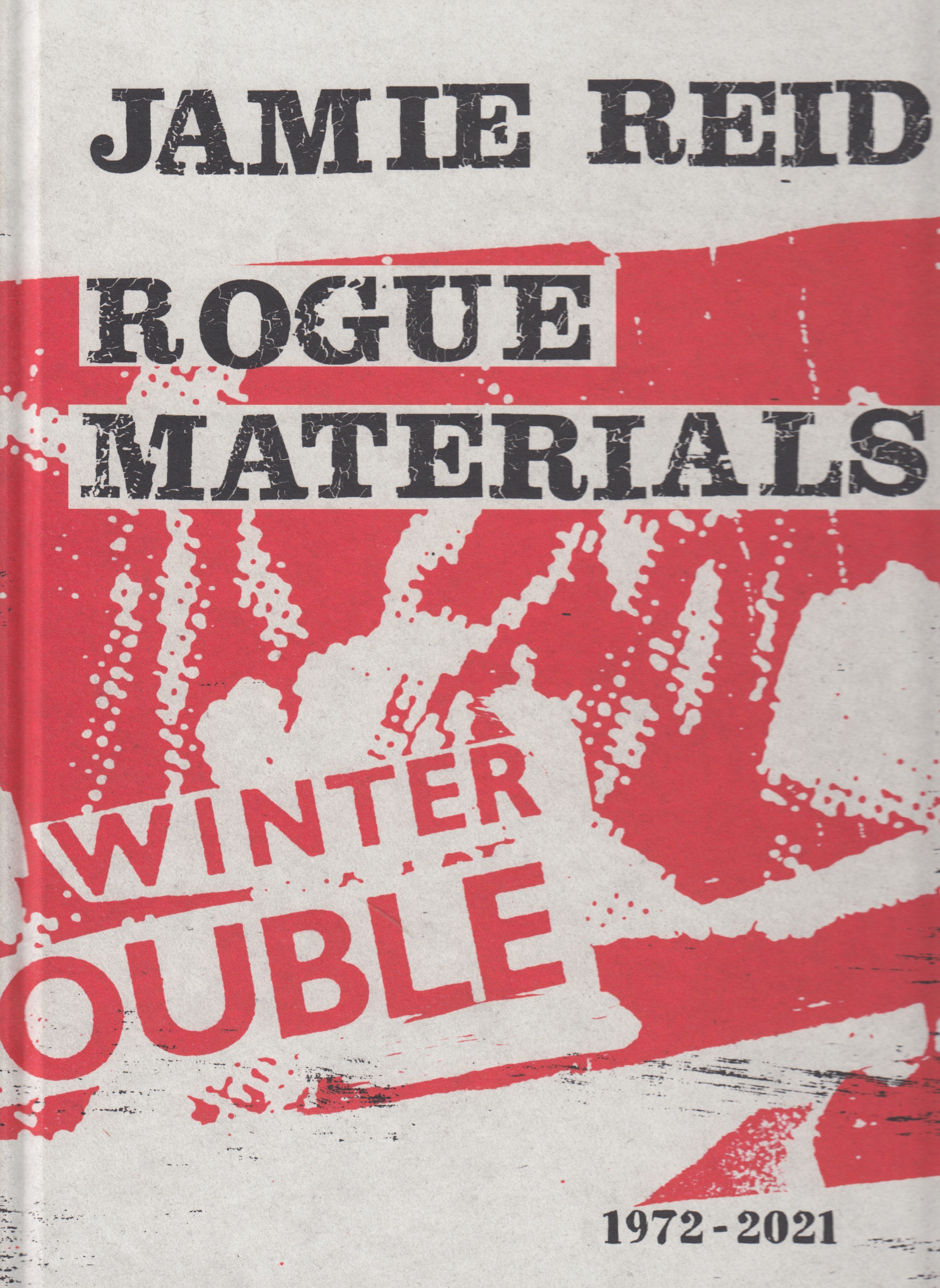
This book explores the quirky, anarchic world of photocopied ephemera from the archive of Jamie Reid. Celebrated for his iconic Sex Pistols album covers—Never Mind the Bollocks, Anarchy in the UK, and God Save the Queen—Reid’s work captures the rebellious, irreverent spirit of punk through Xeroxed flyers, zines, and playful visual experimentation.

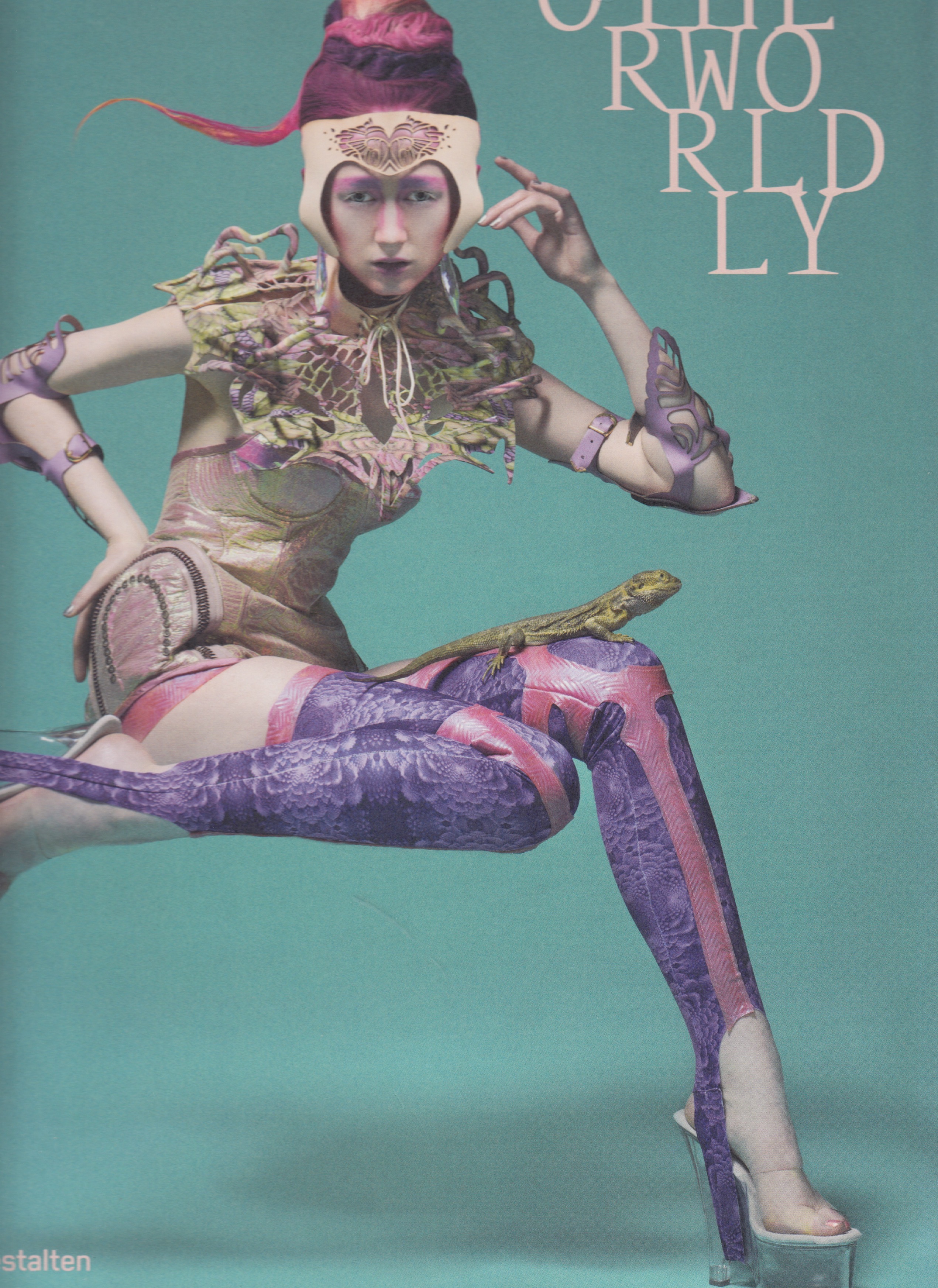
Otherworldly presents avant-garde garments, styling, fashion photography, and young designers who are reimagining fashion through new design technologies – from wearables to the utter transfiguration of the human silhouette. Otherworldly showcases a fashion avantgarde between futurism and fetish.

This book presents a dialogue between Shoji Hamada and Bernard Leach, exploring the aesthetics, techniques, and philosophy of one of the 20th century’s most influential craftsmen. It offers insights into their creative processes and the distinctive lifestyle shaped by dedication to traditional and studio pottery.

Through his camera, Genevan photographer Charles Weber documented Iconstases – minature chapels adored with icons found along the roads of Greece. His pictures that deliberately reject the romantic question: what is preserved of the divine in the midst of ever-changing landscapes?

Liz Rideal is an artist, writer, and Professor of Fine Art at the Slade School of Fine Art, University College London. Working across a variety of media including photography, printmaking, and painting, Rideal explores themes of drapery, portraiture and pilgrimage in her work.

Whiteread is known for her castings in resin and plaster of familiar objects and the spaces they surround, and for her ability to make people see these objects and spaces anew. Water Tower is a resin cast of the interior of a once-functioning cedar water tower, chosen specifically for the texture this type of wood would impart to the surface.

The definitive book on the legendary photographer's life in New York City, with many never-before-seen images and reminiscences by his closest friends and confidants. From the 1930s, when he helped revolutionize fashion journalism, through the 1960s, when he launched headlong into the Pop art era, London-based photographer Cecil Beaton brought to New York City his own perspective--aristocratic, sexually ambiguous, and theatrical
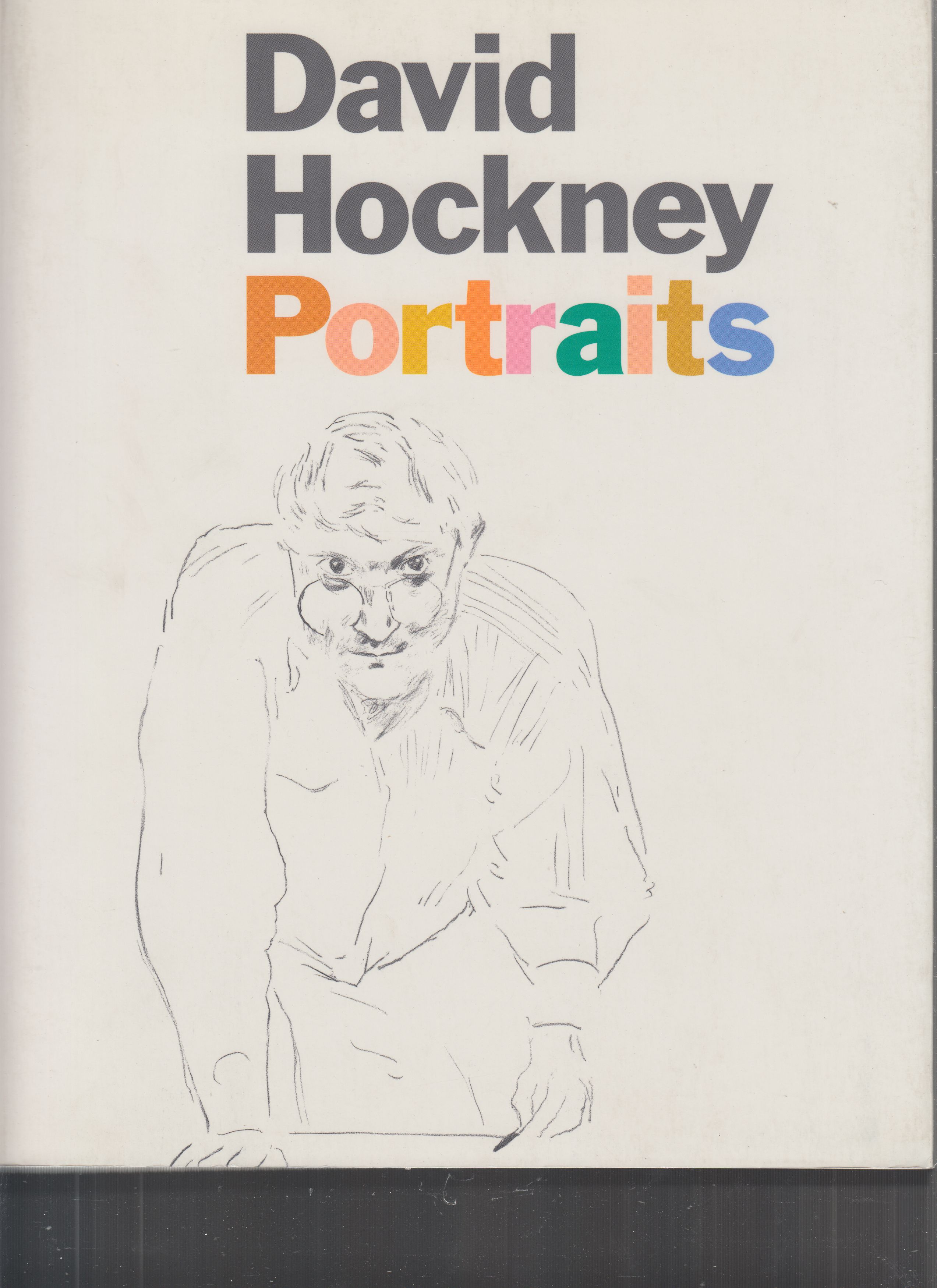
This book explores Hockney's portraits spanning a fifty year period in all media - painting, drawing, photocollage and prints. It reveals Hockney's creative development and concerns about representation: from his iconic double portraits of the late 1960s and early 1970s to his cubist-influenced investigations of the 1980s and from his recent camera lucida drawings to his return to painting from life in oils.

Poster for Bollywood action film C.I.D

Richard Prince is a prominent American conceptual artist who takes existing images from mass media and recontextualises them to critique American consumerism, desire, sex, and power. Adult, Comedy, Action, Drama is a visual "autobiography through words and pictures," utilising a DIY scrapbook aesthetic. It contains 235 color illustrations, juxtaposing Prince's own artwork with images he has collected from consumer culture.

A collection of different designs of Rock band T-shirts.
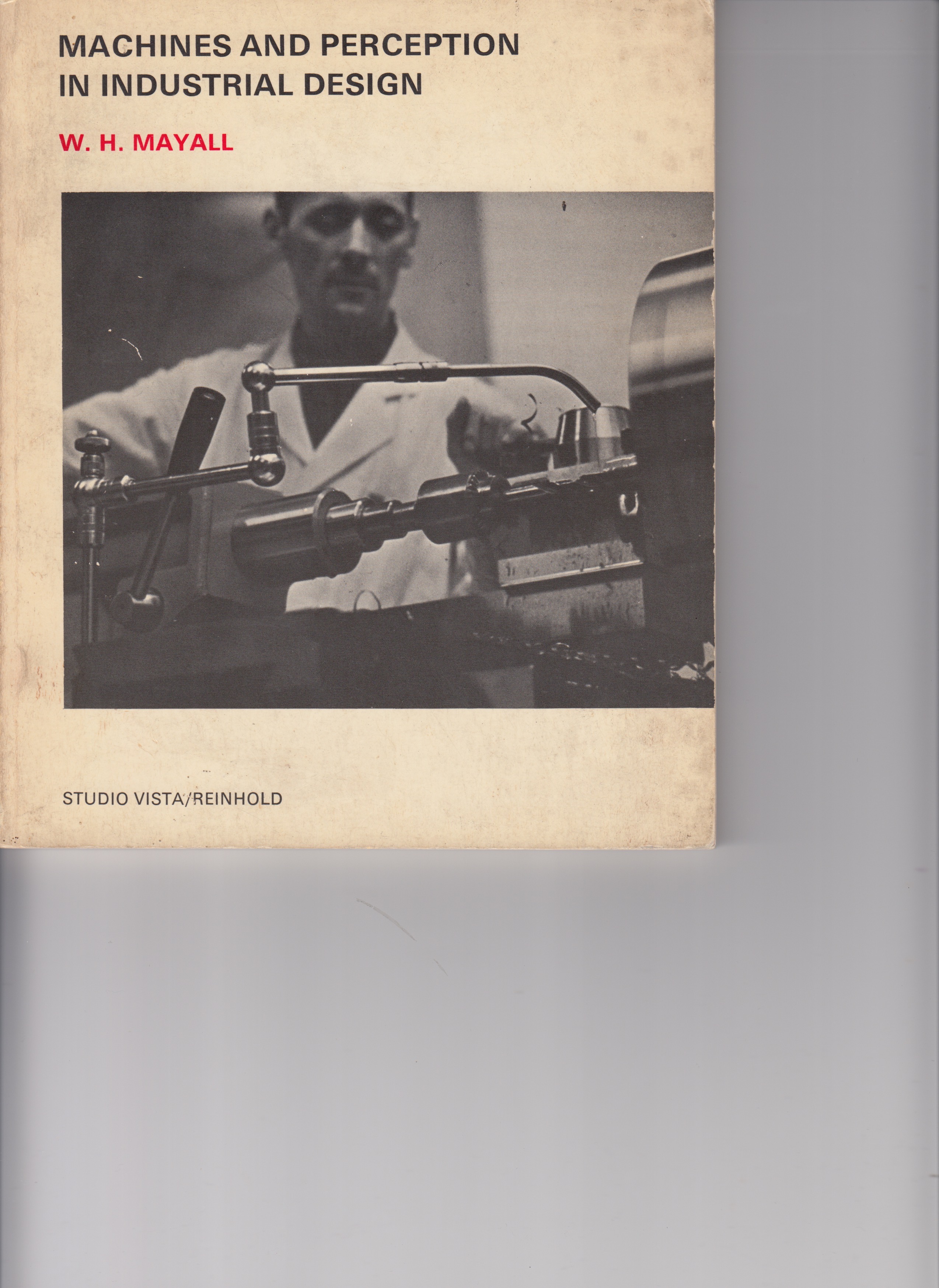
In this book, Mayall identified the dangers and difficulties created for machine operators by the increasing complexity of modern machines and examined the development of the "machine aesthetic" against social, technical and marketing factors. He also believed that organizing machines into coherent visual fields would help prevent accidents.
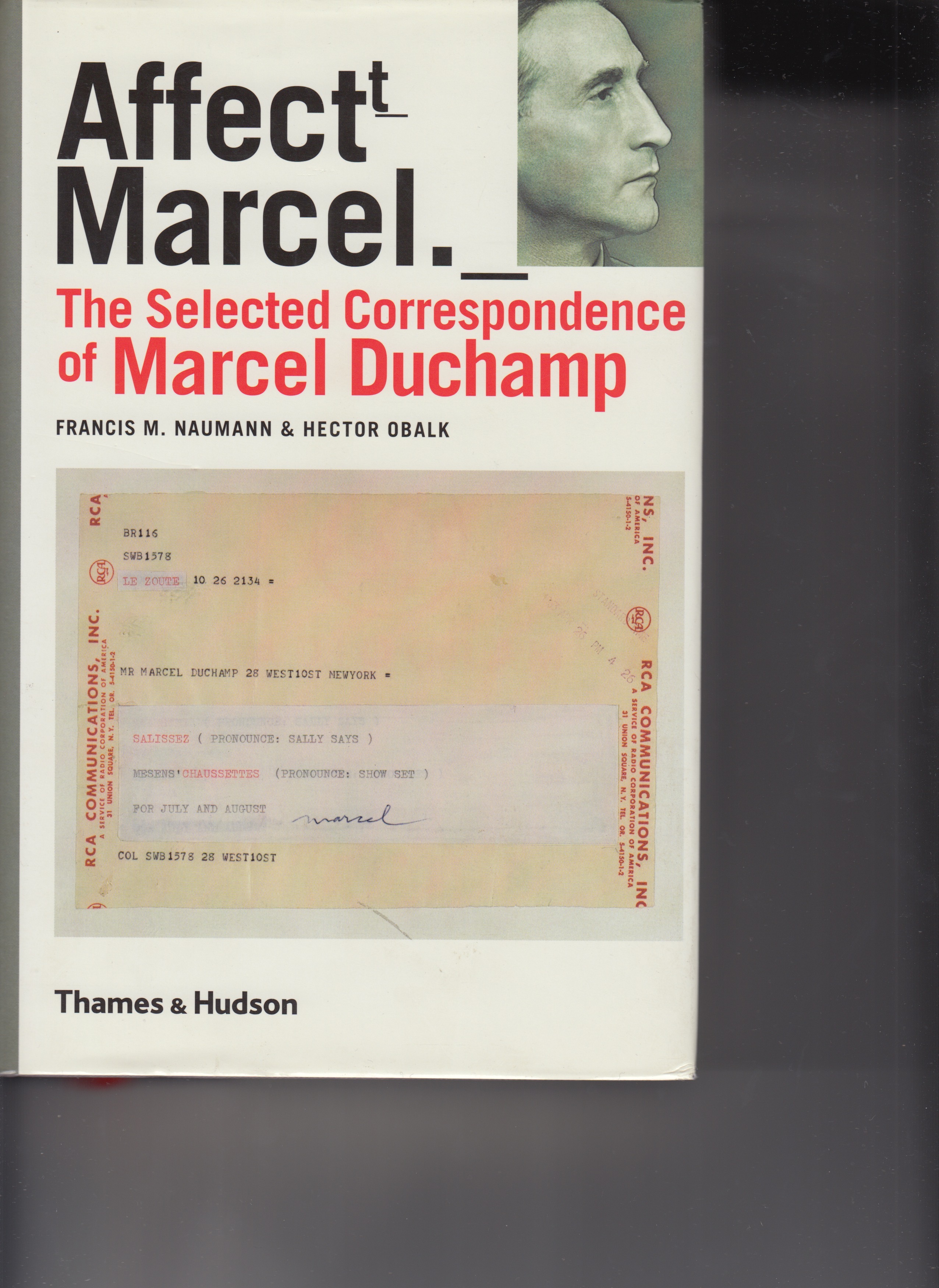
This volume compiles and annotates the extensive correspondence of Marcel Duchamp, offering insights into his personality, creative process, and groundbreaking projects—including the “ready-made” that reshaped 20th‑century art. Curated over 20 years by Francis Naumann, the book translates, contextualizes, and introduces each correspondent, making Duchamp’s life and ideas accessible to both scholars and general art enthusiasts.
Adrien Mesko spent three months with the dancers of La.Horde directed National Ballet de Marseille. Each day, he would visi the studio to observe, document their training, perfomances, dedication to the physical demands of their craft and the quiet moments of intimacy in between.

A book of fashion and jewelry made from metal tabs pulled from beverage cans.


In this photographic scrapbook, fashion photographer Stan Shaffer share his extraordinary life at the nexus of art, fashion and cinema. Over his career as icon maker, Shaffer hung out with everyone from Andy Warhol to Jerry Hall, Carla Bruni to Uma Thurman. With his fine-tuned intuition, this trendsetting photographer reveals the real person beyond these public facades.
War Without Heroes is a book of black and white photographs by David Douglas Duncan of soldiers during the Vietnam war – capturing moments of both comradeship and tragedy.


This book is a tribute to an extraordinary personality in 20th-century architecture. It features an exemplary selection of his key designs, both built and unrealised, lavishly illustrated with images and reproductions of previously unpublished plans, drawings, and documents.

This experimental volume reimagines what a book can be by inviting over thirty leading artists and writers to reinvent its traditional parts. Endpapers, footnotes, page numbers, even the ribbon bookmark become individual artworks. The result is a playful, collaborative object that blurs boundaries between literature and visual art, celebrating creativity, surprise, and the book as medium itself in inventive ways.

Marking the 100th anniversary of the First Manifesto of Surrealism and the founding of the Bureau of Surrealist Research in Paris in 1924, Archive of Dreams is dedicated to the surrealist movement as well as the networks it engendered and the artistic stimuli it provided in the 20th century. The publication shows how the practices of the avant-gardes blurred the boundaries between dream and reality, between the traditional, passive notion of the archive and the idea of active, innovative artistic experiment.

Among the significant projects of the last year of his life, Richard Avedon (1923–2004) completed a book of his photographs of women – ranging from celebrities (Marilyn Monroe), artists (Marguerite Duras, June Leaf), and high-fashion models (Suzy Parker, Dovima) to anonymous people that simply drew his attention.

Unseen Vogue goes beyond the cliches and often repeated "greatest hits" of fashion photography and tells a completely new story. Drawn from the archives of British Vogue, the book presents hundreds of images never seen before— rejects and outtakes—to form a fresh, new history of fashion photography.

Get Rid of Meaning is a comprehensive compendium on the work, life, and legacy of Kathy Acker, one of the most influential figures in transgressive autofiction. Situating her writing within postwar experimental traditions, the volume explores her radical blend of literature, theory, and visual culture. It includes archival material, cut-up notebooks, correspondence, and essays that trace her connections to avant-garde art scenes in New York and California, as well as her lasting influence on contemporary writers and thinkers.

An illustrated guide to the principles and practice of hairdressing.

A booklet for an exhibition at the 1976 Venice Biennale surveying improvements in city planning in the Netherlands, based on the concept that good living environments go beyond shelter.

This book explores the dynamic relationship between fashion and graphic design, revealing how clothing draws on visual communication and graphic language. Spanning streetwear, ready-to-wear, and haute couture, it showcases diverse international styles to demonstrate how typography, imagery, and layout shape contemporary fashion aesthetics and identity across global design cultures.

L'Armour Fou explores the crucial role photography did in fact play in the Surrealist movement, featuring photographic works from artists including Man Ray, Marcel Duchamp, Max Ernst, André Breton, Brassaï, Salvador Dalí, André Kertész, and Hans Bellmer.