
The book is the intended outcome of the Royal Mail Millennium Stamps project and is a wonderful celebration of British art and design.

Abloh-isms is a collection of essential quotations from American fashion designer, DJ, and stylist Virgil Abloh, who was a major creative figure in the worlds of pop culture and art.

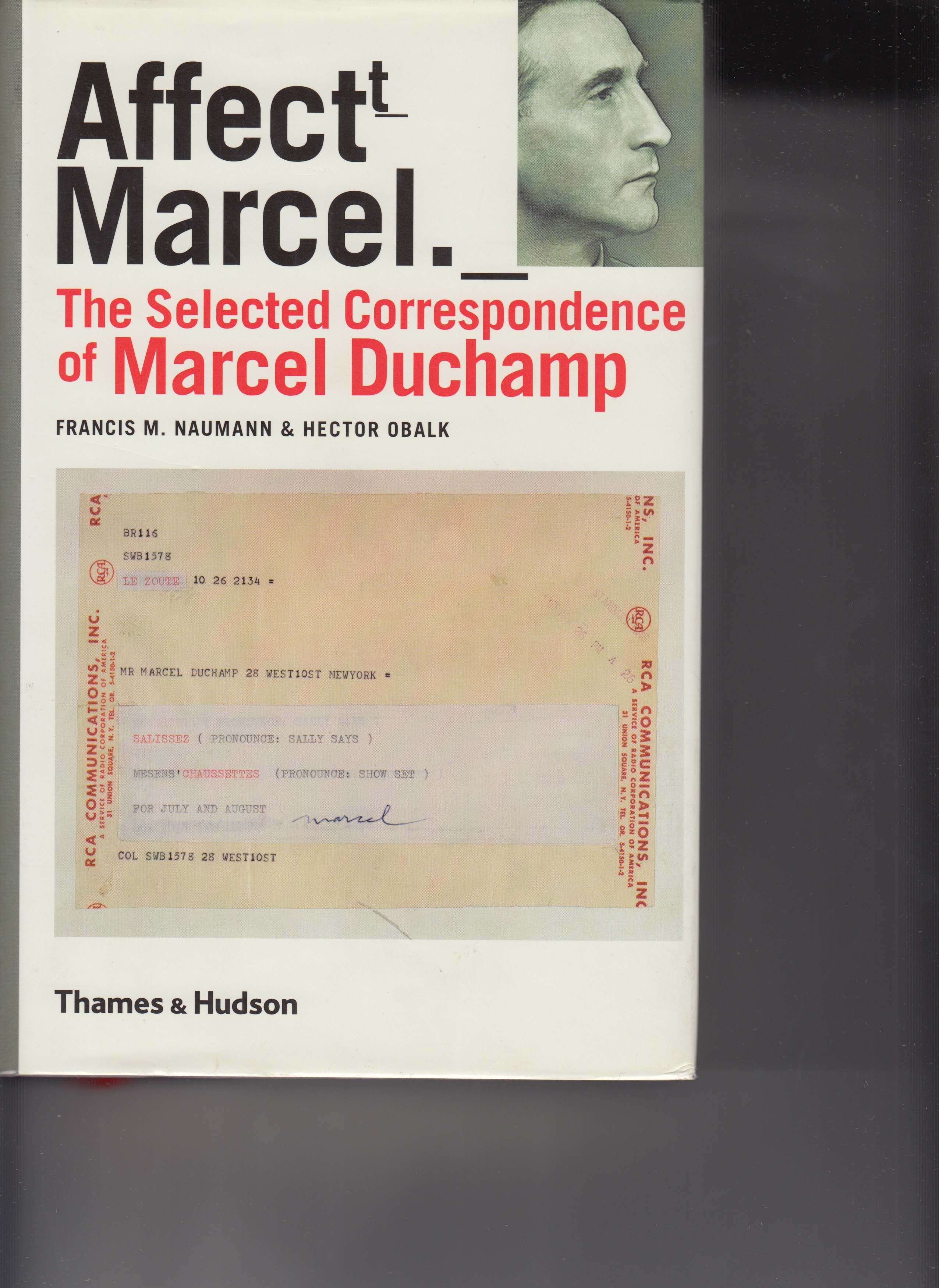
This volume compiles and annotates the extensive correspondence of Marcel Duchamp, offering insights into his personality, creative process, and groundbreaking projects—including the “ready-made” that reshaped 20th‑century art. Curated over 20 years by Francis Naumann, the book translates, contextualizes, and introduces each correspondent, making Duchamp’s life and ideas accessible to both scholars and general art enthusiasts.

After Butler’s Wharf: Essays on a Working Building is a collaborative project by the 2013 MA Critical Writing in Art & Design graduates at the Royal College of Art. Combining thirteen critical, historical, and fictional perspectives, it examines the landmark London wharf through archival material, interviews—including Derek Jarman and Kevin Atherton—performance documentation, and rare photographs, exploring its evolution from Victorian industry to 1970s art hub, mid-century decline, and present-day gentrificatio


For her first solo exhibition in an Italian museum, Between Art and Life, curated by Alberto Salvadori, Andrea Zittel is celebrated in a monographic catalogue by Mousse, highlighting her innovative and influential practice within international contemporary art.

An Exhibition Always Hides Another Exhibition is a collective portrait of Hans Ulrich Obrist composed by friends, collaborators, admirers, and inquisitors. From personal anecdotes to analytic estimations to visual representations, the contributions respond to the questions that frame the book: Who is HUO? What does HUO do? What has HUO done?

Contemporary Hyloshapes establishes a relationship between contemporary sculpture (produced over the last 25 years) and typography, as an exercise of translating visual language from a medium to another, between scales, collaborators and methodologies.

A reprint of David Wojnarowicz’s fractured scrapbook of dream journals, political critique and collage—a document of 1980s New York subculture.

Cage voices his concerns on the nature and future of music, they ways of dancers, the West's interpretation of Eastern ideas in this thought provoking collection of anecdotes and epigrams.
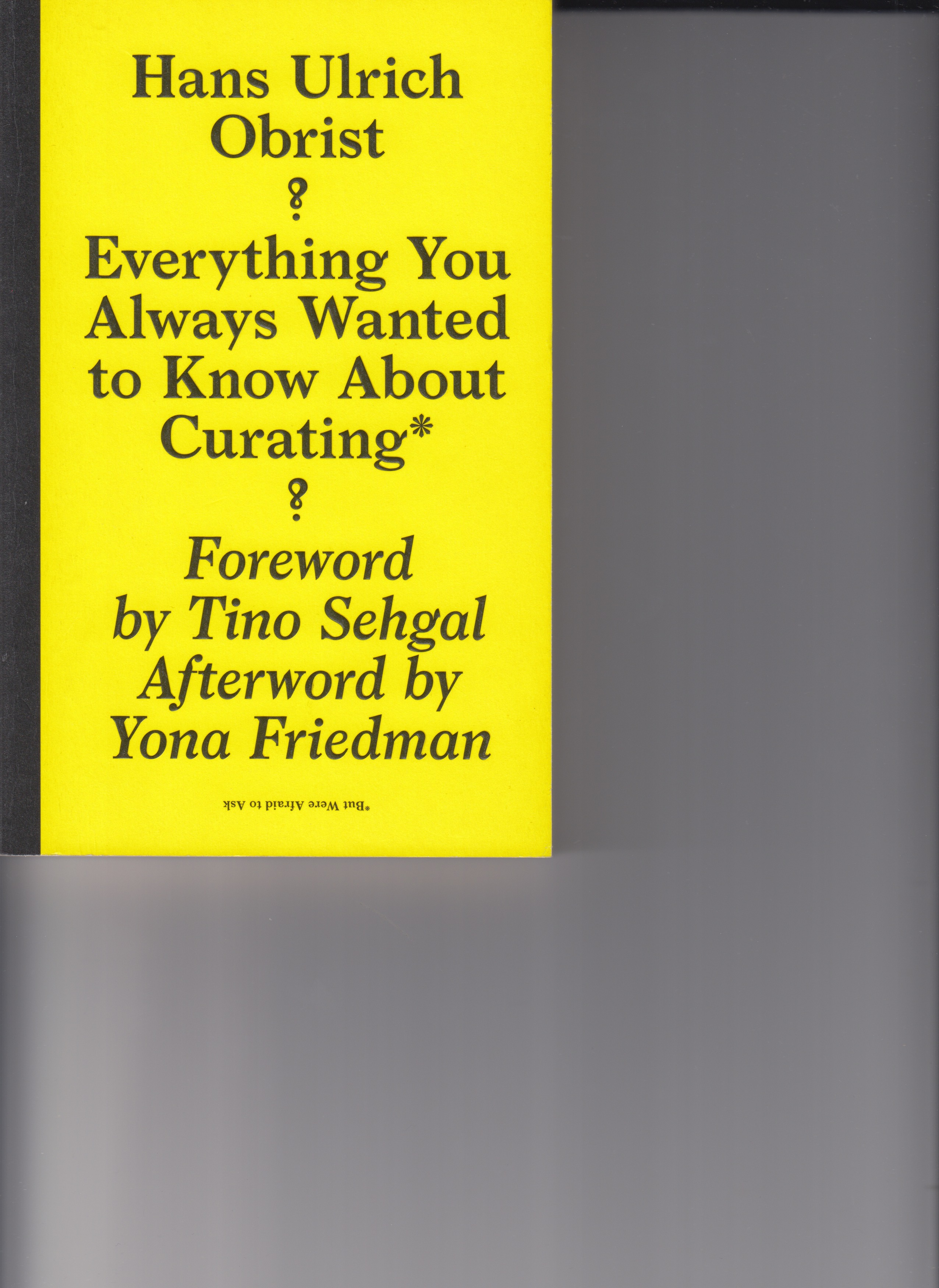
Sixteen practitioners interview curator Hans Ulrich Obrist, tracing his journey from curating exhibitions in his Zurich kitchen to directing international projects at Serpentine Galleries in London. Through “production of reality conversations,” the book explores his restless practice, intellectual networks, and “protest against forgetting,” mapping the psychogeography, curiosity, and cross-disciplinary thinking that shaped his influential curatorial career

The inaugural Future Art Ecosystems report examines emerging infrastructures supporting artistic practices engaged with advanced technologies. Drawing on research by the Serpentine Galleries, it includes insights from artists such as Hito Steyerl, James Bridle, Ian Cheng, and Jakob Kudsk Steensen. Through interviews with creatives, technologists, and researchers—including Refik Anadol and teamLab—the publication explores how art, technology, and innovation are shaping future cultural ecosystems.

Future Art Ecosystems 3: Art × Decentralise (FAE3) explores how decentralised technologies—often termed web3, crypto, and the dweb—could reshape cultural infrastructure. Through interviews with specialists across art, technology, and policy, the publication examines new models for creative production, distribution, and funding, proposing strategies for cultural organisations to build interoperable systems that support innovation and resilient democratic societies.

This book examines the cultural implications of the emerging metaverse, exploring how 21st-century institutions can shape digital worlds and hybrid forms of presence. Drawing on contributions from artists and industry figures the publication brings together voices from art, gaming, film, and technology to address the opportunities and challenges of the metaverse.

A substantial selection of Stanley's fiction over the past ten years or so, this book shows a contemporary master of the micro narrative. Apocalyptic, funny, unsettling and hallucinogenic in their intensity, Stanley Donwood's stories present a series of haunting episodes in a world drained of meaning, sense and consequence.


This book features a collection of written materials from American artist Joseph Cornell, famous for his surrealist shadow boxes – it includes diaries, letters, and files detailing his creative process, influences, and personal life.

This book brings together key writings on the interrelationship of Britain and the English-speaking Caribbean nations, focusing specifically on the art of the Caribbean diaspora in Britain from the 1920s to today.

Long Shot Volume 15 was published in 1993 and contains contributions by Allen Ginsberg, Jack Micheline, Larry Clark, Robert DeNiro, Larry Rivers, Charles Bukowski a.o.
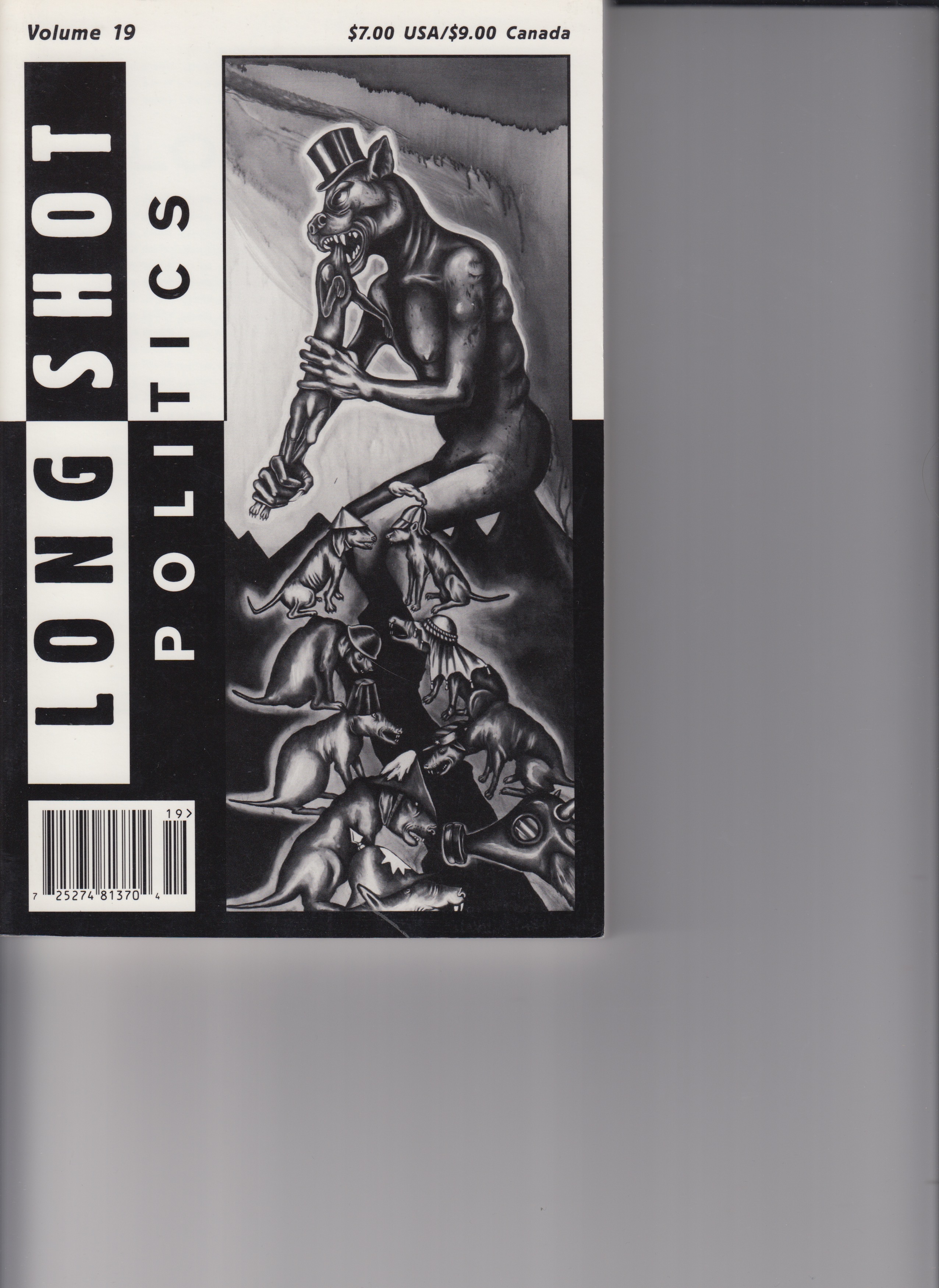
Long Shot was a notable underground literary journal founded in New Brunswick, New Jersey, that published poetry, prose, and art focused on social issues.
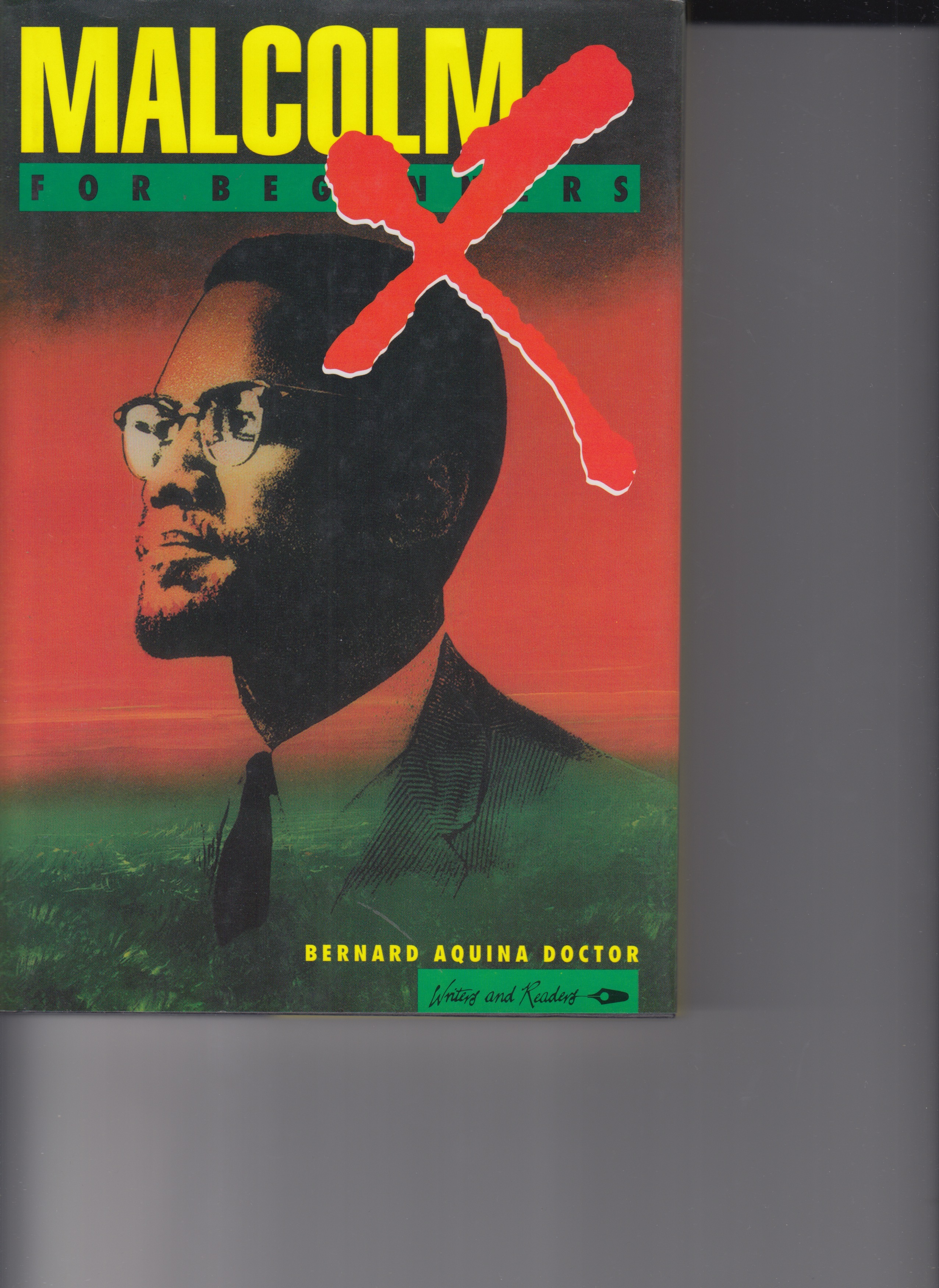
Powerful narrative and graphics tell the story of Malcolm X’s life, his journey of self-discovery, his far-reaching ideas, his martyrdom, and his impact on an era.

Mondialité features visual artworks and environments, documentary film and songs, dramaturgical structures and archival material by Edouard Glissant for an exhibition at Fondation Boghossian.
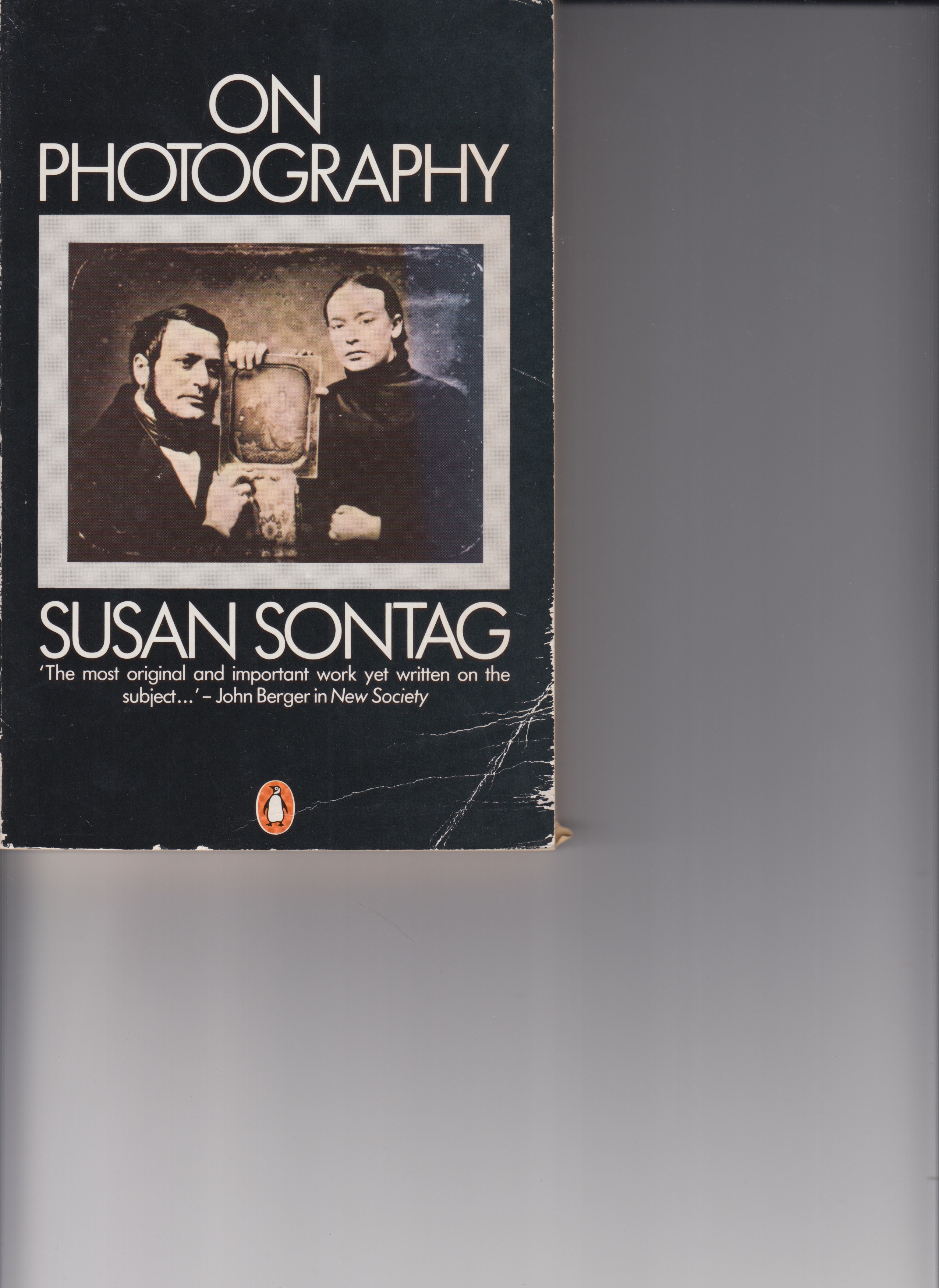
In this essential and revelatory book, Susan Sontag confronts important questions surrounding the power dynamics between photographer and subject, the blurred boundary between lived events and recreated images, and the desires that lead us to record our lives.

Pierre Huyghe is known for creating complex, self-evolving ecosystems and immersive, time-based installations that blur the line between reality and fiction. This publication follows the course of the development of Huyghe’s practice in the last ten years.

Roderick Buchanan is a Scottish artist working in the fields of installation, film and photography. This first monographic publication dedicated to Buchanan’s work, including illustrations of works made between 1990 and 2000.

Privatise the Mandem is a manifesto and blueprint detailing how members of inner-city communities can acquire the freehold of their buildings through legislative tools such as ‘CollectiveEnfranchisement’ and the ‘Right-to-Buy/Acquire‘. The work argues the necessity of collective ownership of the ends as well as detailing the consequences of delivering on the vision.
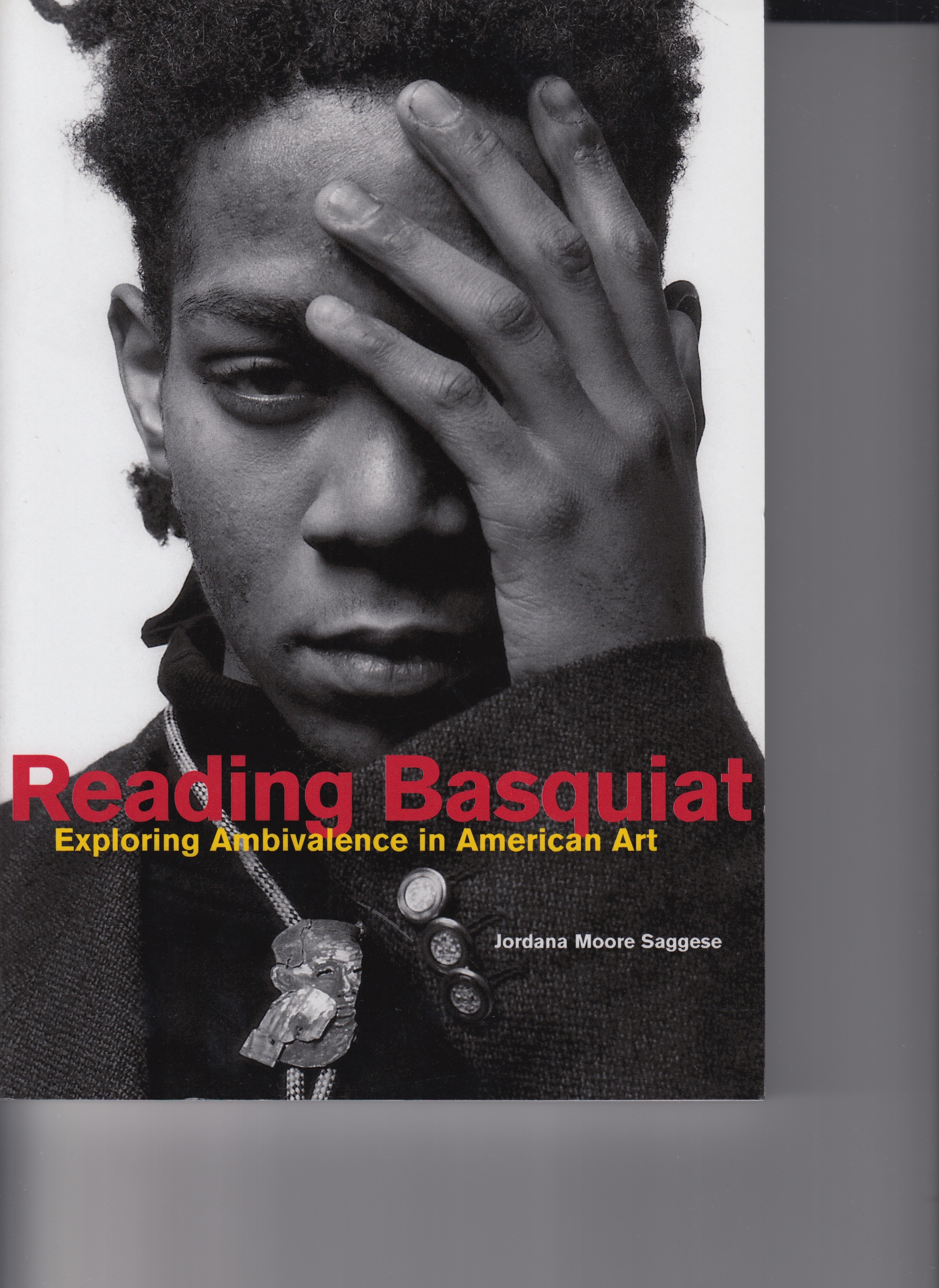
Reading Basquiat considers the ways in which Basquiat constructed large parts of his identity--as a black man, as a musician, as a painter, and as a writer--via the manipulation of texts in his own library.

Cornelius Cardew cofounded the Scratch Orchestra in 1969 with Howard Skempton and Michael Parsons. The orchestra was a culmination of the ideals expressed in Cardew's own innovative and experimental music through the 1960s. Scratch Music is a collection of the repertory the Scratch Orchestra created. Brought back into print with a new preface by John Harries and Sharon Gal, this reissued edition of a classic work makes a key title in sound studies available to new audiences.

Semina was a mail-art magazine founded by Wallace Berman that connected the disparate artistic, literary, music, and film scenes of Los Angeles and San Francisco. Its nine issues between 1955 and 1964 contain original works by the likes of John Altoon, Charles Brittin, William Burroughs, Jean Cocteau, Allen Ginsberg, Taylor Mead and more. This book is a reproduction of the full run of Semina, containing annotations and texts by Johan Kugelberg, Adam Davis, Tosh Berman, Shirley Berman, Philip Aarons and Andrew Roth.

A collection of poetry written in the form of Bhakti Poems in the ancient romantic Indian tradition, exploring the Jungian relationship between the animus and anima.

Following Everything You Always Wanted to Know About Curating* *But Were Afraid to Ask, this second volume in the series on international curator Hans Ulrich Obrist presents a selection of his key writings from the past two decades, which elaborate on the manifold thinkers, curators, and events that influence his interdisciplinary practice of exhibition making.
Lippard’s classic text from 1973 documents the emergence of conceptual art and related experimental artistic practices. Experimental in itself, this book details various artworks by their chronological context rather than by artist.

The Afterimage Reader collects writings from the independent British film journal Afterimage (1970–1987), which chronicled radical cinema in a period of intense cultural and political change. Featuring texts by critics Noël Burch, B. Ruby Rich, and filmmakers Jean-Luc Godard, Derek Jarman, and Jan Švankmajer, along with interviews with Hollis Frampton and Raúl Ruiz, the collection—edited by Mark Webber with contributions from Simon Field and Ian Christie—offers an essential record of avant-garde, Latin American, and visionary cinema.

In this innovative take on early video art, Ina Blom considers the widespread notion that analog video was endowed with lifelike memory and agency. Reversing standard accounts of artistic uses of video, she follows the reflexive unfolding of a technology that seemed to deploy artists and artistic frameworks in the creation of new technical and social realities.
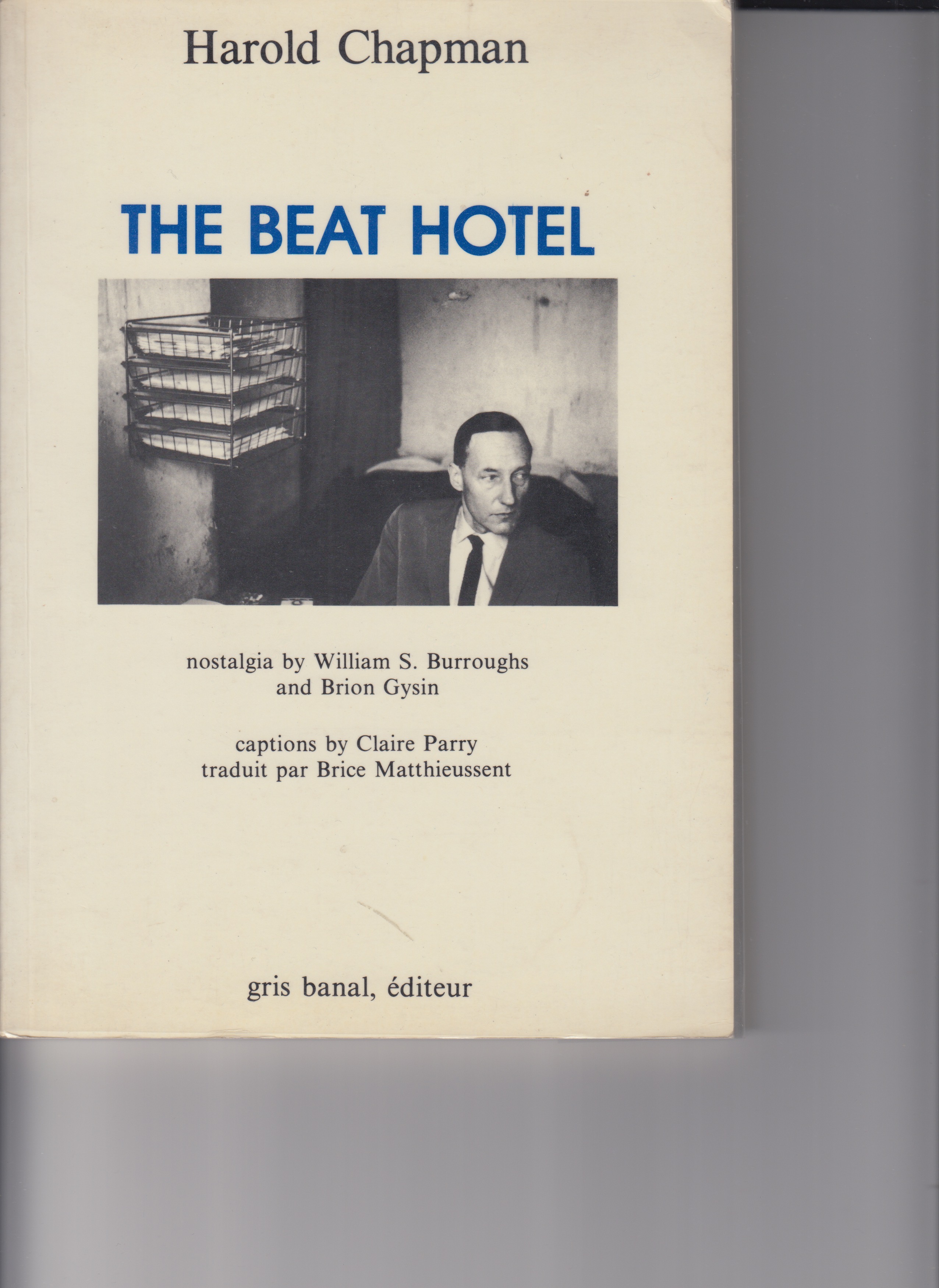
A collection 200 black-and-white photos taken by Harold Chapman, British photographer and resident of the legendary 'Beat Hotel' in Paris during its heyday as a residence for members of the Beat Poetry movement. With forwards by William S. Burroughs and Brion Gysin, plus Chapman's own account of his first visit to the hotel.
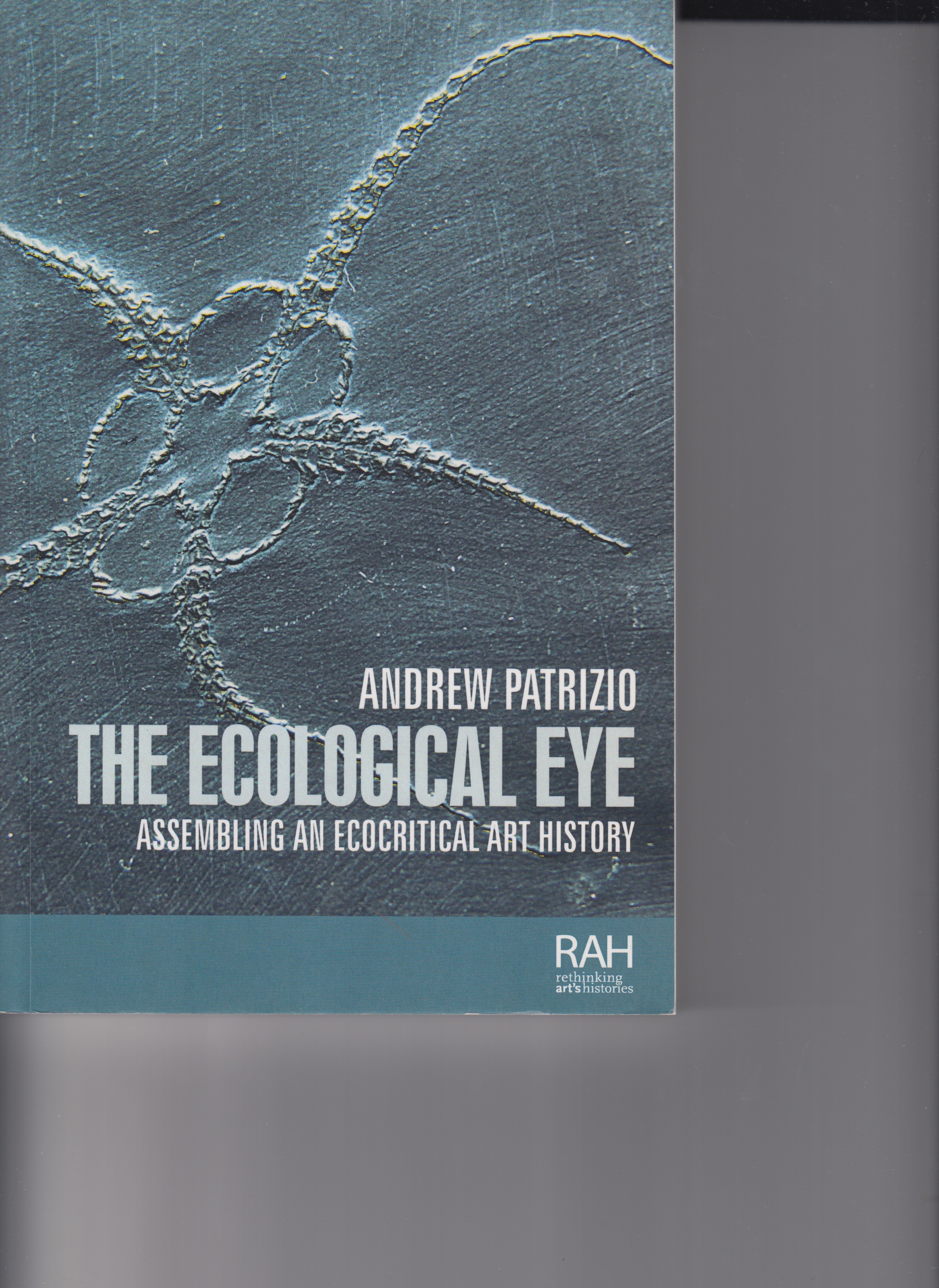
This book provides the blueprint for an ‘ecocritical art history’, one that is prepared to meet the challenges of the Anthropocene, climate change and global warming. Without ignoring its own histories, the book looks beyond – politics, posthumanism, new materialism, feminism, queer theory and critical animal studies – invigorating the art-historical practices of the future.

This book is a study of fashion and the body which aims to establish the relations between codes and systems of clothing and the conduct of everyday life.

Originally published by Doubleday and Company in 1970, N.H. Pritchard's The Matrix was one of a tiny handful of books of concrete poetry published in America by a major publishing house. Forcing the reader to straddle the line between reading and viewing, the book features visual poems that predate the experiments of the Language poets, including words that are exploded into their individual letters, and columns of text that ride the edge of the page.

This book is a groundbreaking, visually driven exploration of how media technology reshapes human perception and society. The book, known for its iconic, unconventional, and disjointed layout, argues that the form of media (television, print) has a greater impact on society than its content.

This book gathers the conversations between curator Hans Ulrich Obrist and leading contemporary artist Gerhard Richter. Here, Richter reveals rare insights inot his thinking and his art.

In the 1960s and 1970s, Conrad was perhaps best known for his contribution to film, where he helped to redefine structural filmmaking with The Flicker and Yellow Movies. Conrad went on to create an extensive body of work in a variety of media such as installation, photography, and performance until his death in 2016. Essential writings from the downtown New York legend and polymath, pioneer of both structural film and drone music.

Forty years of catwalk photography featuring seventy groundbreaking collections from the inimitable Vivienne Westwood--over 1,000 looks as they originally appeared in Westwood's iconic shows