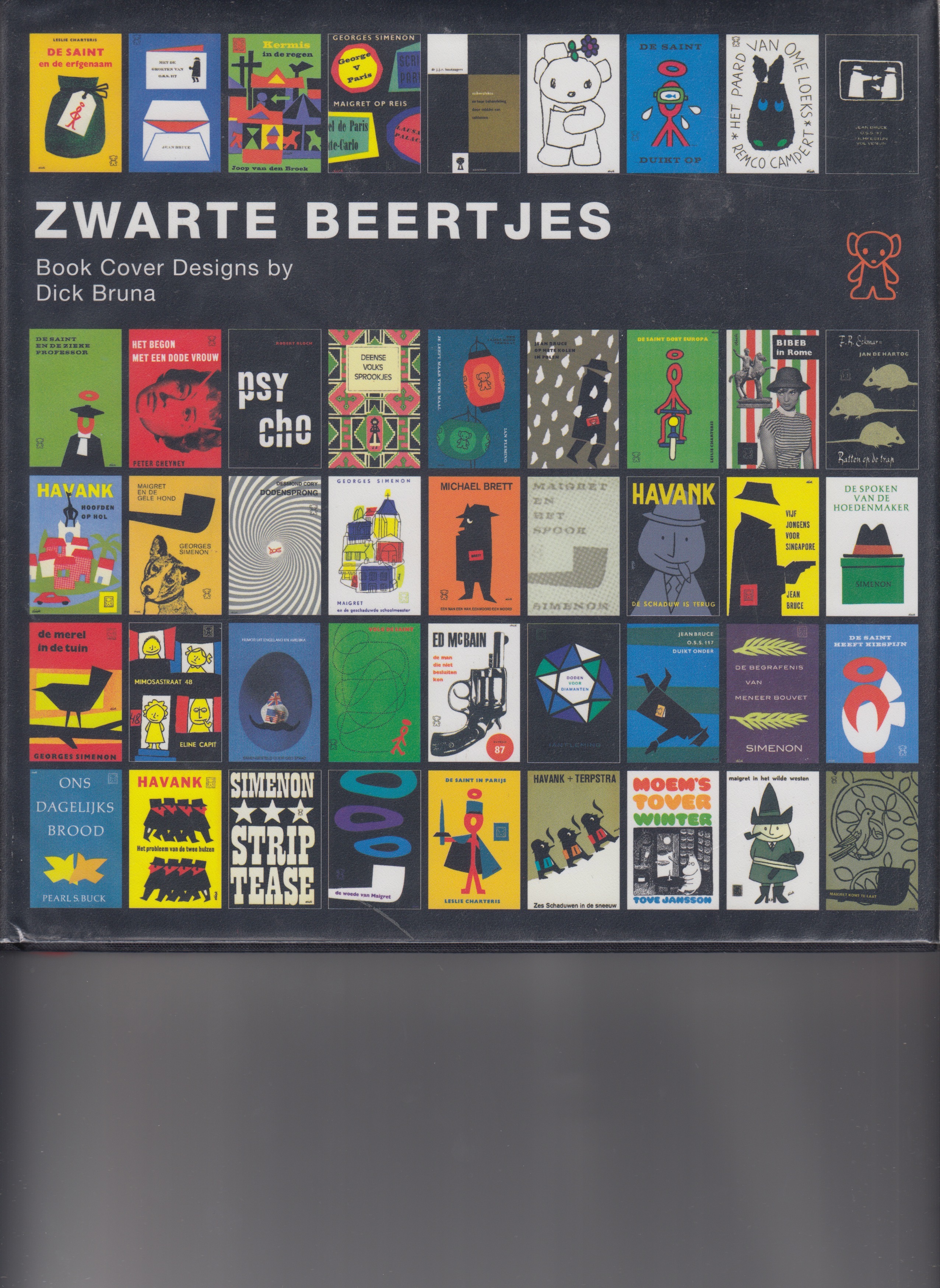
This interactive, experimental book offers 140 contributions—drawings, recipes, activist guides, and meditative exercises—encouraging readers to engage creatively with a worldview where humans and the planet are inseparable. Featuring artists and thinkers such as Olafur Eliasson, Vivienne Westwood, Jane Fonda, Judy Chicago, and others, it invites hands-on participation, reflection, and environmental consciousness.

45 RPM celebrates the design and cultural impact of 7-inch single record sleeves. These small cardboard covers, popular with DJs and collectors since 1949, became iconic elements of Top 40 music culture. The book presents over 200 sleeves arranged chronologically, highlighting inventive graphic design across genres and featuring legendary artists such as the Beatles, Elvis Presley, the Rolling Stones, and many others.


This offers an insight into early Dutch punk zines from 1977 - 1980, when Punk first hit The Netherlands. It is a rare collection curated by Matt Plezier focusing on the graphic output of the zines, from covers, ads, band pages, comics and collages. Most zines deteriorated overtime as most zines were stenciled, an inferior but readily available printing technique at that time.

This book explores the bold, colorful world of Bollywood movie posters found across the streets of Mumbai. Blending popular art with energetic cinema, the posters showcase a striking mix of color, dramatic imagery, and expressive typography that reflects the spirit of Bollywood.

Bosnian War Posters presents a powerful visual history of the Bosnian War (1992–1995) through political posters, archival images, and contemporary photographs. Collected across Bosnia and the former Yugoslavia, these graphics capture lived experiences of conflict, nationalism, and propaganda.

Canal Zone postage stamps were specialized stamps issued from 1904 to 1978 for use in the U.S.-governed Panama Canal Zone. These stamps, collected in this book, served to facilitate mail during the construction and operation of the canal.

This book explores propaganda posters from the early decades of the People’s Republic of China, portraying Mao Zedong as a heroic, guiding figure within idealized socialist scenes. Drawn from Max Gottschalk’s extensive collection, it presents rare artworks that reveal how visual culture promoted unity, moral conduct, and faith in a communist utopia through powerful imagery and carefully staged representations of everyday life.
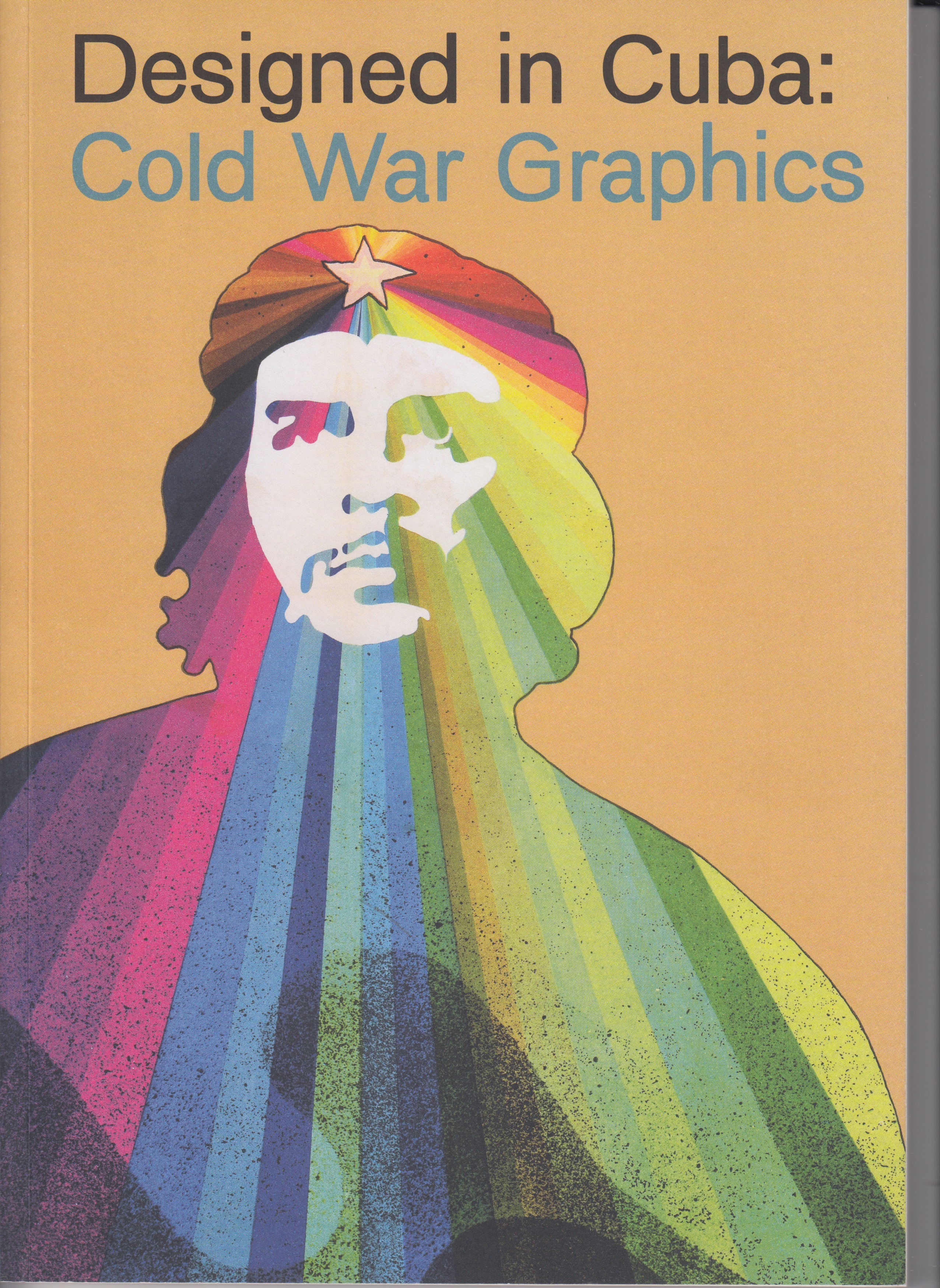
Designed in Cuba: Cold War Graphics presents the work of 33 designers and artists such as Alfredo Rostgaard and Emory Douglas whose provocative and politically charged work transmitted a message of revolution to millions across the globe.

Dictator Banknotes explores the symbolism of absolute power through a curated collection by Jonathan Mott. Designed like an album, it features sixteen genuine banknotes from authoritarian regimes, each paired with commentary recounting the rulers’ brutality, excesses, and eccentricities—revealing how currency can serve as both propaganda and a stark reflection of dictatorship.
.jpg)
This book presents over forty leading designers and companies using innovative packaging and graphic design to address environmental challenges. Through global case studies, it shows how thoughtful graphics and sustainable packaging can reduce environmental impact while also encouraging improvements in product formulation, demonstrating design’s growing role in promoting responsible production and consumption


Eyes For Blowing Up Bridges explores the radical artistic networks linking post-war countercultural movements—from Situationism to Beat and Punk. Featuring rare materials, it traces the creative exchange between figures such as William S. Burroughs, Guy Debord, Asger Jorn, Alexander Trocchi, and King Mob, and their influence on Malcolm McLaren’s disruptive cultural experiments across art, fashion, music, and film.

This book captures the spirit of the 1960s through a vibrant visual survey of cinema, reflecting a decade of upheaval in art, fashion, music, politics, and philosophy. Filled with iconic images, it celebrates the ethos, cultural shifts, and legendary figures that defined a transformative era in both film and society.

This book presents 250 film posters from the pre-Stalin Soviet Union (1920s–1930s), showcasing a vibrant era of visual and graphic experimentation before Soviet Realism dominated. Drawn from Susan Pack’s private collection, it highlights 27 artists whose bold, dynamic designs reject Hollywood glamour in favor of striking compositions, unusual perspectives, and inventive cinematic expression.


Published alongside an exhibition series on American poster art, this book celebrates the creativity and cultural power of posters. Opening essays by leading critics and designers explore their artistic significance, while the bulk of the volume showcases vivid, full-color reproductions. An extensive bibliography further supports the study of poster design and its role in visual culture.

Originally completed in 1968, Kent’s Signal Code Alphabet is a series of 26 kaleidoscopic serigraphs combining scripture, typography, imagery, iconography, and International Code of Signals flags.

This book celebrates modern Japanese poster design, showcasing works that combine tradition, bold experimentation, and visual sophistication. Highlighting the concept of kirei, the collection demonstrates how Japanese posters blend classical elegance with inventive, self-contained visual messages, creating striking, memorable imagery that transcends conventional advertising and reflects a unique, independent creative spirit.

This book documents 45 singles from The Mott Collection for the Kraftwerk 45RPM exhibition. Featuring iconic 45 RPM record covers, it highlights Kraftwerk’s distinctive aesthetic, capturing the tension between their analogue origins and the digital sensibilities that define their enduring influence.

Kraftwerk: Dance Forever documents the visual and cultural evolution of the pioneering electronic group Kraftwerk from the 1970s to today. Published alongside an exhibition launched in Detroit, the birthplace of techno, it showcases posters, photographs, recordings, sheet music, and memorabilia that capture the band’s iconic machine-music aesthetic and lasting influence on electronic and dance music culture.

This book explores the central role of posters in defining punk culture in Britain. Curated by Toby Mott, the exhibition and book feature over 1,000 artifacts—including fanzines, flyers, and ephemera—by iconic artists like Jamie Reid and Linder Sterling, as well as anonymous creators. It documents punk’s aesthetics, political engagement, and its dialogue with events such as Rock Against Racism and the Queen’s Silver Jubilee.

Austin Cooper, a leading UK poster designer of the interwar period, shares enduring insights in his 1938 book Making a Poster. Celebrated for its practical guidance and artistic wisdom, the book remains a timeless reference for designers, illustrating principles of composition, typography, and visual impact that are still relevant today.

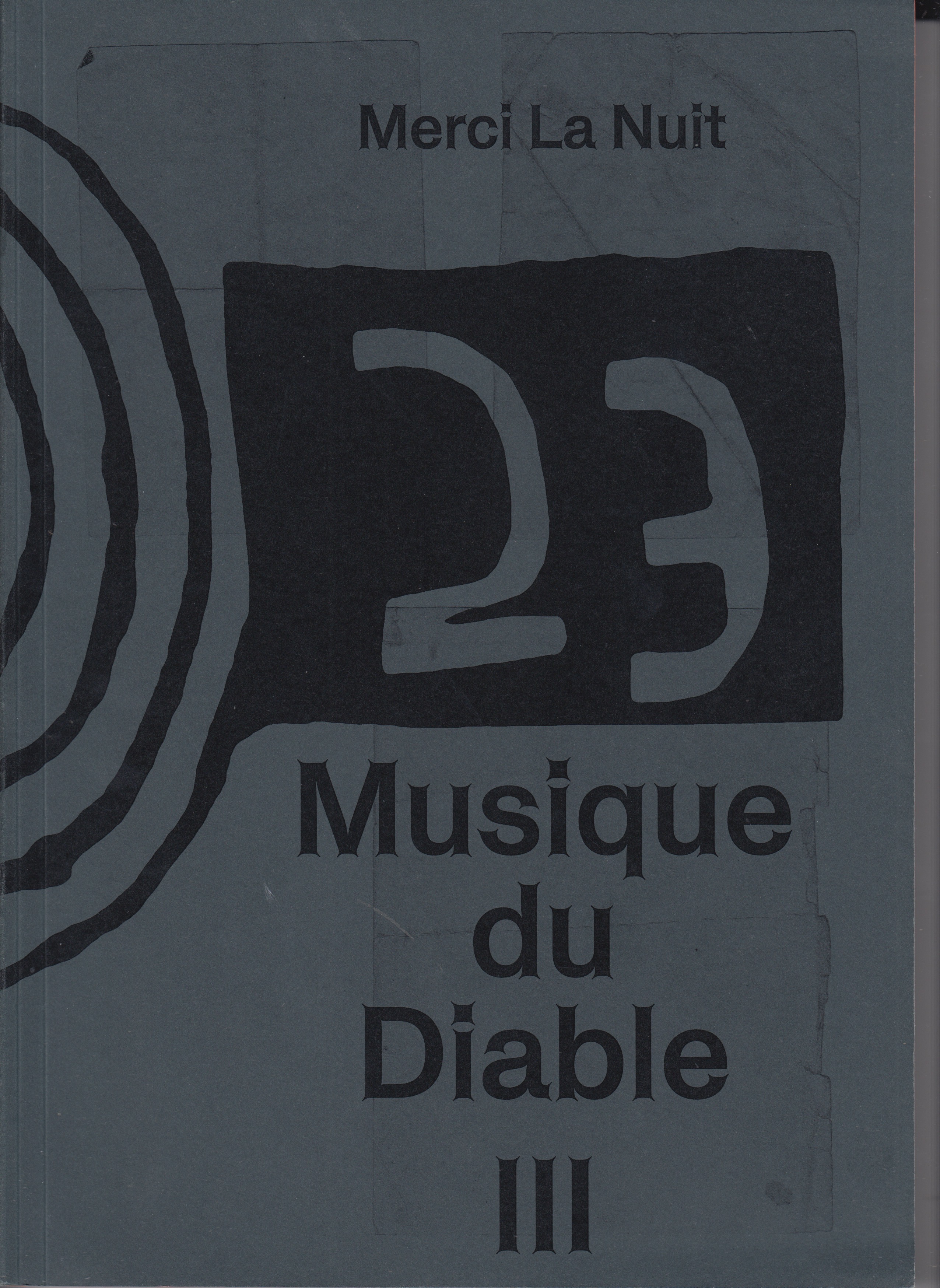
Merci la nuit documents European rave culture from the 1990s to today, highlighting its DIY energy and creative communities. The book features posters and flyers from 90s raves, including the fanzine Musique du diable, curated by Mö, a free-party DJ and activist, offering a vibrant visual record of underground music, art, and countercultural expression.


New Age: Stonehenge to Jungle is a visual chronicle of UK rave, jungle, and warehouse party culture from the early 1970s to 2000. Drawn from Toby Mott’s extensive Mott Collection, the book features 575 flyers and ephemera, tracing a generation of youth rebellion and the imaginative visual language that defined British party culture and its global influence.


In this publication, Tiane Doan na Champassak curates his collection of Parkett magazine (1984–2017), focusing on double-spread gallery advertisements from its first five years. Treating these ads as artworks, the book highlights the primacy of text in conceptual art, tracing an alternative history of postmodern and contemporary practice and recurring figures such as Marcel Broodthaers, Louise Bourgeois, Cindy Sherman, and others.


This book accompanies the Parrworld exhibition at ","Haus der Kunst","Munich, Germany"], showcasing examples from Martin Parr’s extensive collection of 20,000 postcards. Featuring 750 cards across 21 themed chapters, it includes an essay on the history of postcards and their influential role in shaping Parr’s photographic practice.

Punk in Print 1976–80 presents over 500 artifacts from Britain’s punk scene, curated from The Mott Collection. Featuring zines, gig posters, flyers, and badges, it captures punk’s raw, strident aesthetic and rebellious attitude. Beyond music, the book documents shifts in British society, class, and visual culture, offering a vivid portrait of a transformative subcultural movement.

The 99th publication by Temporary Services, Records as Portable Exhibitions and Interactive, Participatory Objects, serves as a catalog and a playful exploration of records as visual and interactive objects.

This book explores the quirky, anarchic world of photocopied ephemera from the archive of Jamie Reid. Celebrated for his iconic Sex Pistols album covers—Never Mind the Bollocks, Anarchy in the UK, and God Save the Queen—Reid’s work captures the rebellious, irreverent spirit of punk through Xeroxed flyers, zines, and playful visual experimentation.

Postwar Package Design: 1945–1965 by Jerry Jankowski showcases over 150 color images of packaging from the booming postwar era. From Salvador Dali perfume bottles to Brillo pads and early Frisbees, the book highlights bold graphics, quirky humor, and cultural commentary, offering a vivid visual record of consumer culture, social trends, and the playful optimism of mid‑20th-century America.

Showboat traces the interplay of punk and sexuality from 1972 to the present through posters, flyers, record covers, photographs, and ephemera from The Mott Collection. Complemented by essay, the book offers a vivid exploration of punk’s provocative, subversive visual and cultural legacy.

The Art of Bollywood explores the vibrant hand-painted posters of India’s Bollywood, tracing their evolution since the early 20th century. Showcasing original artworks, rare street publicity, and cinema displays, the book highlights the skill of key poster artists, restoring a neglected visual tradition and revealing Bollywood’s distinctive, highly collectible graphic language.

This anthology presents Parisian fashion show invitations from 1983–84 to 1993–94, showcasing ephemeral yet highly creative graphic works. Featuring designers such as Yves Saint Laurent, Thierry Mugler, Yohji Yamamoto, Chanel, Karl Lagerfeld, and others, the book documents these miniature artworks as a vital record of design, creativity, and collectible artistry in fashion culture.

The X Directore presents a collection of 601 “kink” cards gathered from London telephone booths between 1984 and 1994. Documenting the secretive, eclectic world of Bizarre Madams, Old Colonial Schoolboys, and cross-dressers, the book preserves a disappearing ephemera culture—once ephemeral due to cheap color printing and now nearly unimaginable in the digital age.

To Evelyn collects local entertainer posters from a Yorkshire pit village working men’s club, originally gathered in the 1990s by Evelyn Short and now curated by her grandson, David. Pre-dating the internet and social media, these posters celebrated alternate identities and weekend personas, offering a glimpse into local culture, national identity, and the imaginative freedom to transform into anyone or anything.

This book presents over 700 original scans of printed ephemera and memorabilia, capturing the visual energy and cultural impact of the punk and post-punk movements, with posters signed by designers Sebastian Conran and Malcolm Garrett.

An important early gathering of the work of Wallace Berman, an enigmatic figure whose work blends music and poetry to explore everyday life. He was hugely influential on a group of artists and poets to emerge from the legacy of the Beat generation in the late 1950s and 1960s.