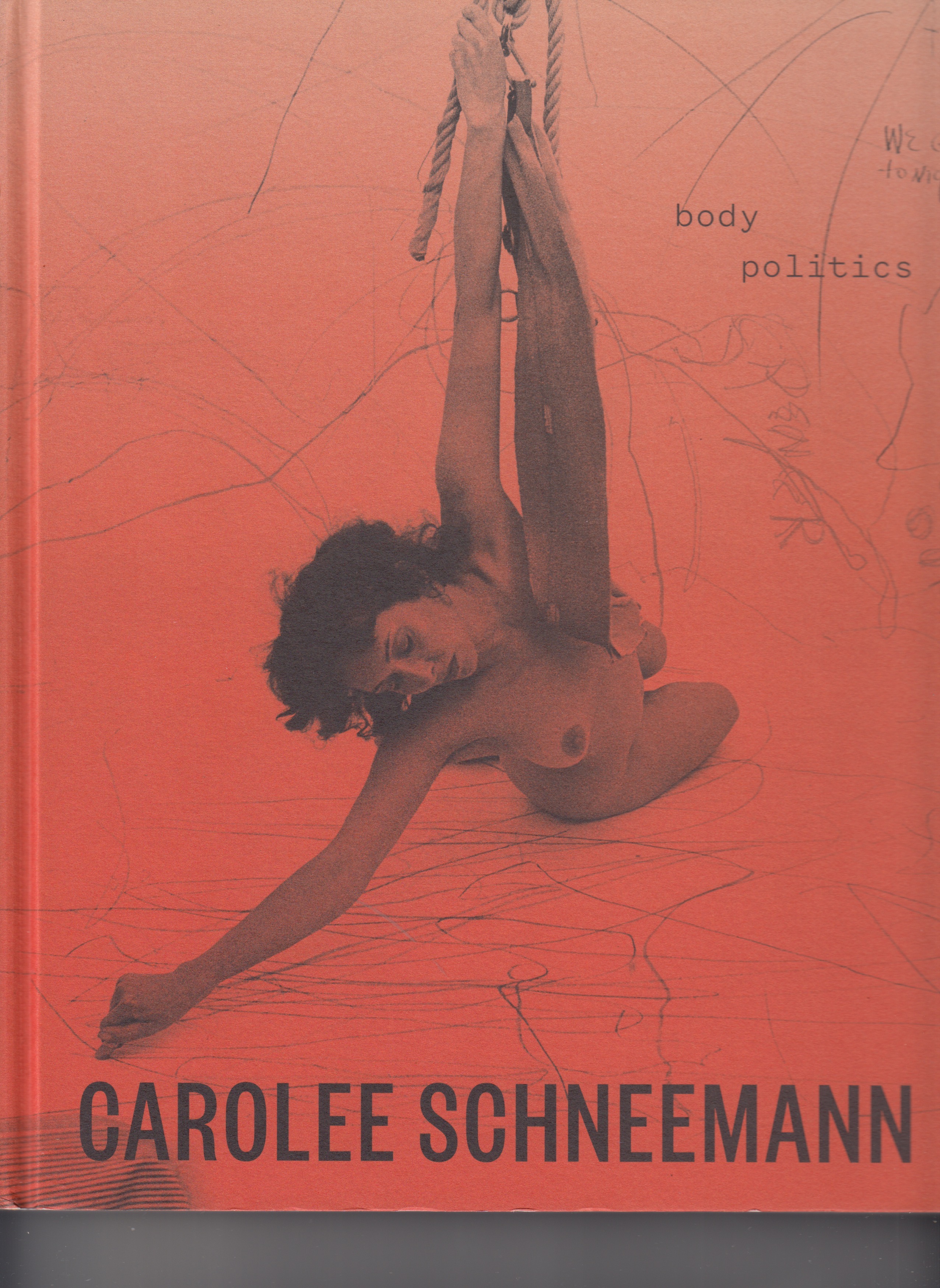
Carolee Schneemann (1939–2019) was one of the most experimental artists of the twentieth and early twenty-first centuries. This book traces six decades of the feminist icon’s diverse, transgressive and interdisciplinary expression through Schneemann’s experimental early paintings, sculptural assemblages and kinetic works; rarely seen photographs of her radical performances; her pioneering films; and groundbreaking multi-media installations.
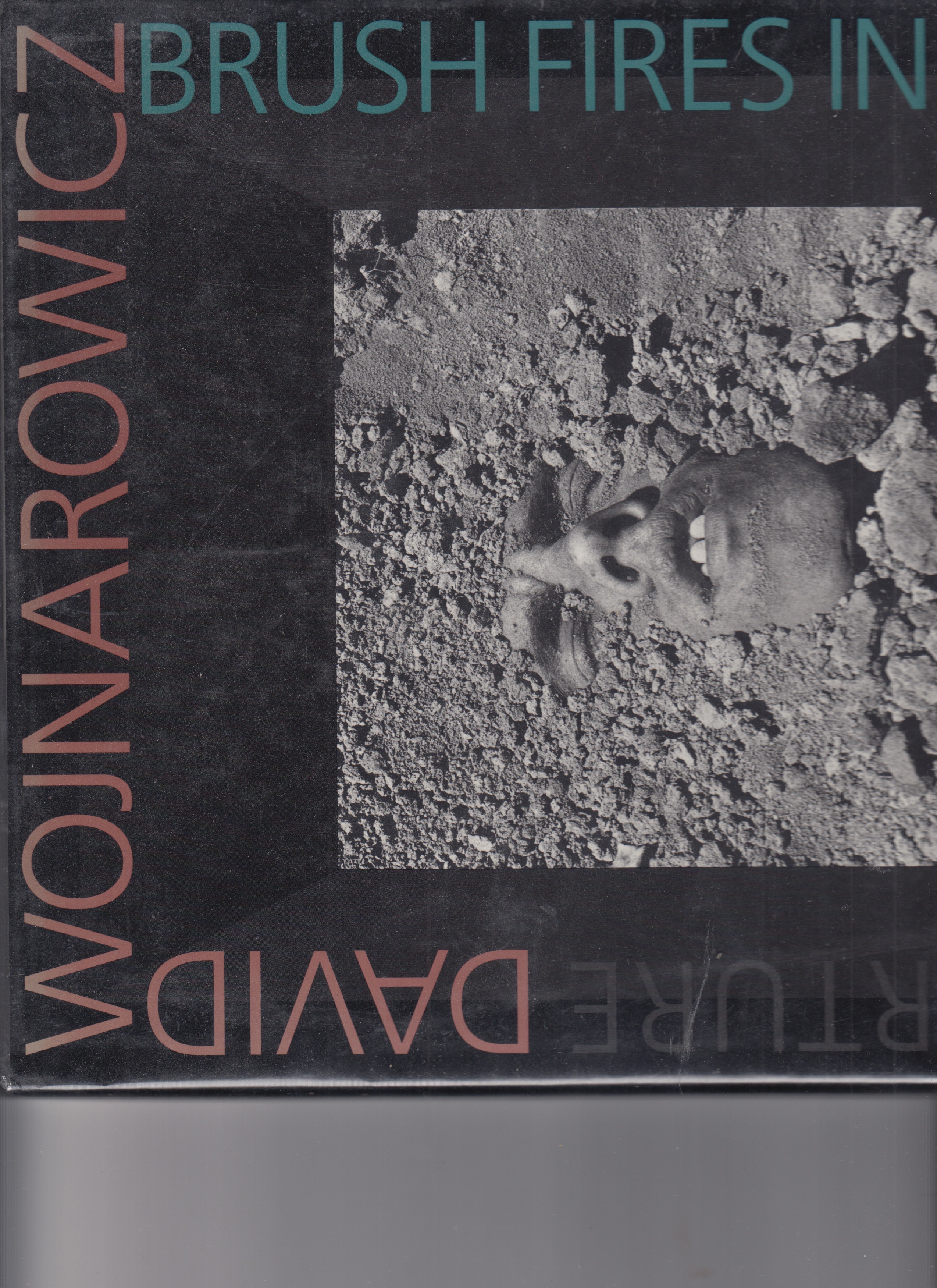
Brush Fires in the Social Landscape is a powerful and evocative retrospective collection of Wojnarowicz life. It includes a collection of his paintings, photographs, and writings also includes essays by Nan Goldin, Kiki Smith, Fran Lebowitz, and Karen Finley, among others.
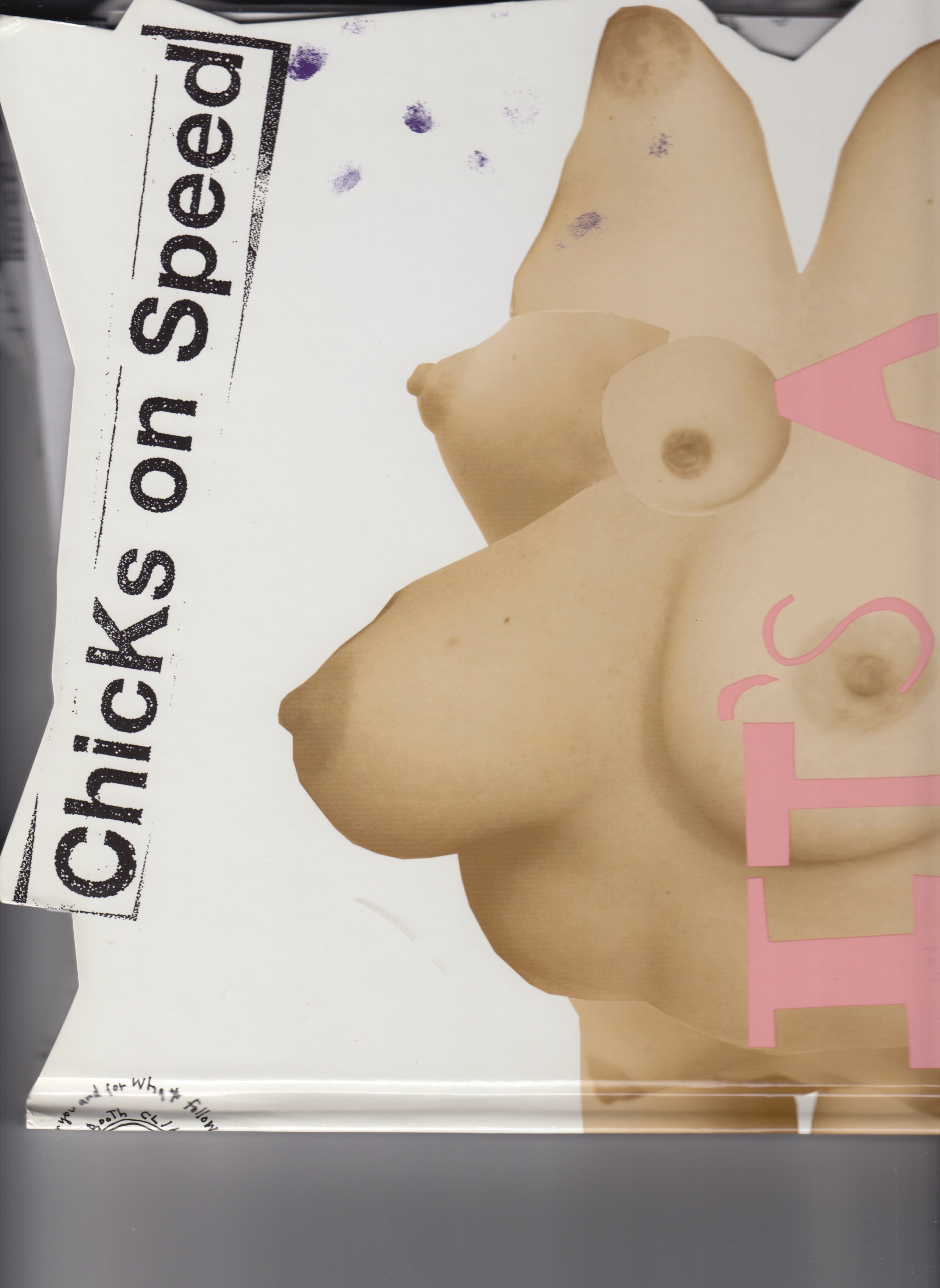
Chicks on Speed is a feminist music-art ensemble formed by Melissa Logan, Kiki Moorse and Alex Murray-Leslie. This publication, contained inside of a cloth bag, captures their sense of freedom. It is divided into periods of their lives: 'Fake Band:, 'Pressing the Press', 'Sell Out;, and so on. Die-cut, over-printed, and assembled from many different paper stocks, this book approximates a scrapbook, full of press clippings, personal mementos, printed ephemera, and merch.

A book published from the exhibition of the same name held May 22 - June 16, 1976 of women artists from Paris. Features works by Bour, Hessie, Janicot, Maglione, and a collective work by Aballea, Blum, Croiset, Mimi, and Yalter.
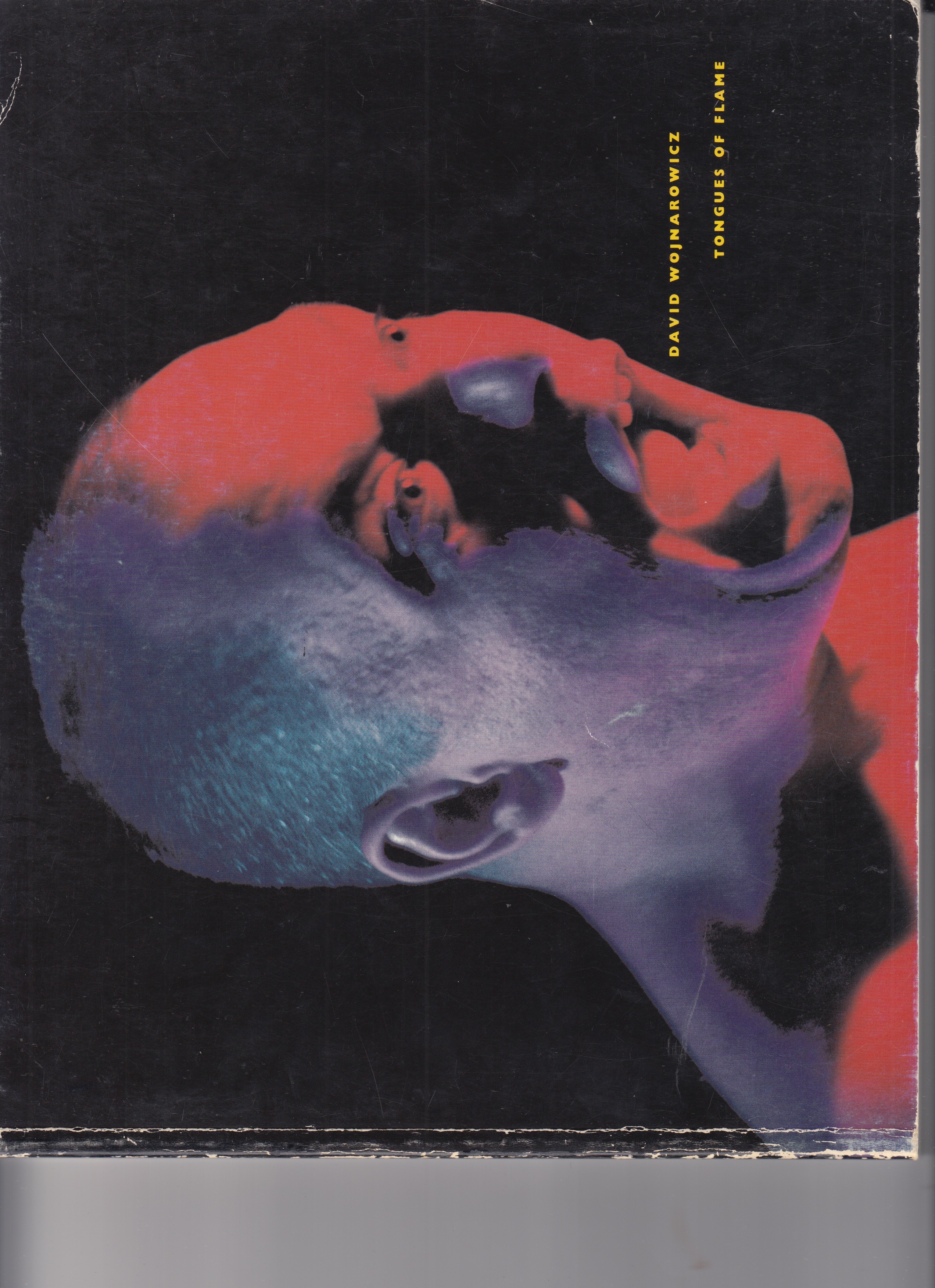
In this book, through searing images evoked in paintings, photographs, performances and texts, David Wojnarowicz exposes the duplicity and soullessness of an illusory "one-tribe nation" promoted by media, government and organised religion.

Dionysus in 69 was created by The Performance Group and played in the Group’s theater, The Performing Garage, from June 6, 1968 to July 27, 1969. The play text of Dionysus in 69 is based on group improvisation, composition by members of The Performance Group, and the William Arrowsmith translation of Euripides’ The Bacchae.
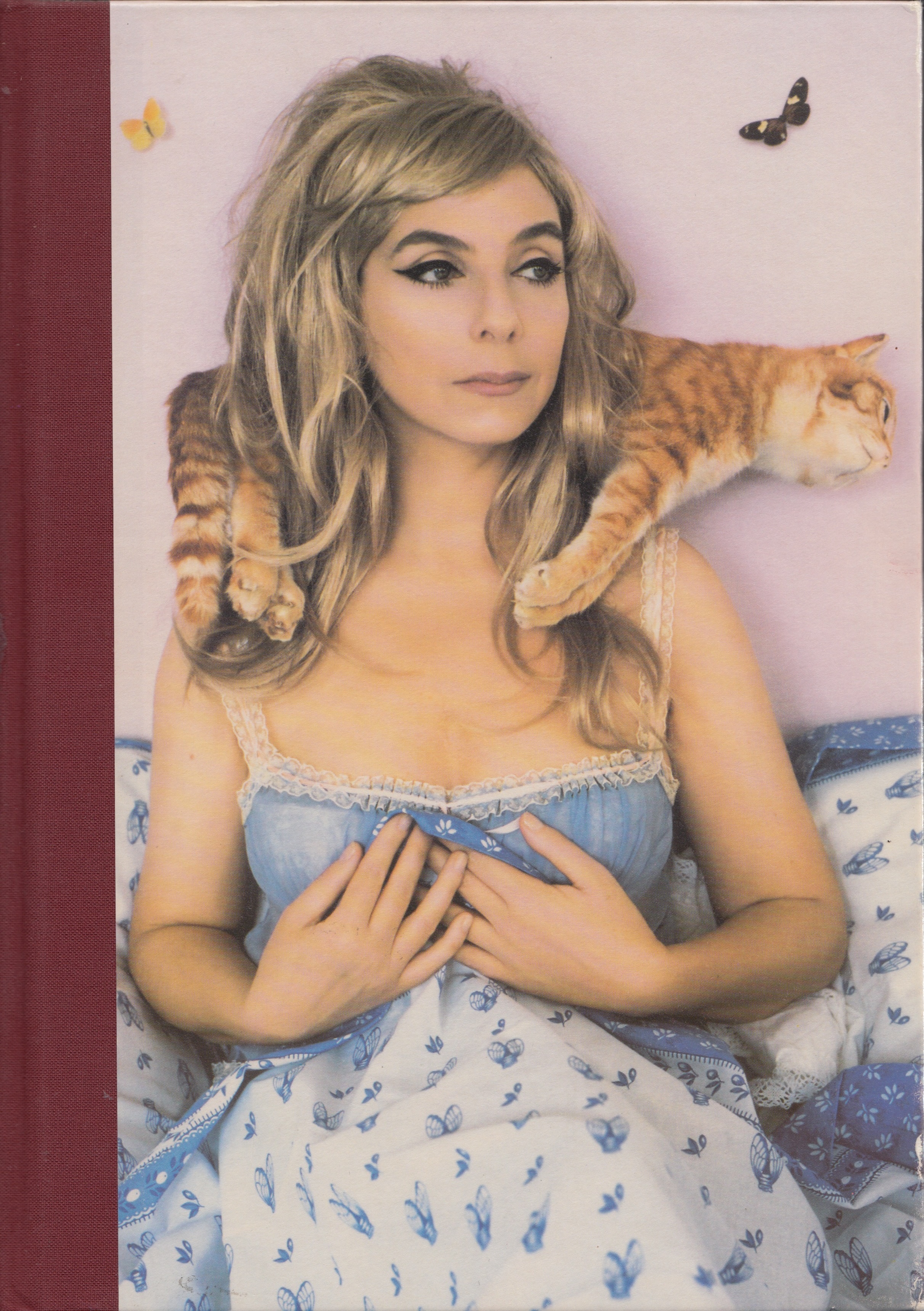
Double Game is the a book of work by Sophie Calle and the fiction of Paul Auster. We see the pieces both as they're described in their fictional context and as Calle's own interpretation of the descriptions from Auster's novel. The book delves deeper into Calle's world, with a sequence of Calle's seminal narrative and abstract works in texts and images that were in turn appropriated by the fictional Maria in Leviathan.

Hannah Wilke was a radical feminist artist working across painting, sculpture, performance art, photography and video. She developed a multifaceted practice that challenged dialogues around art and gender, often using her own body to provoke these dialogues. This book presents nearly 80 works of Wilke's.
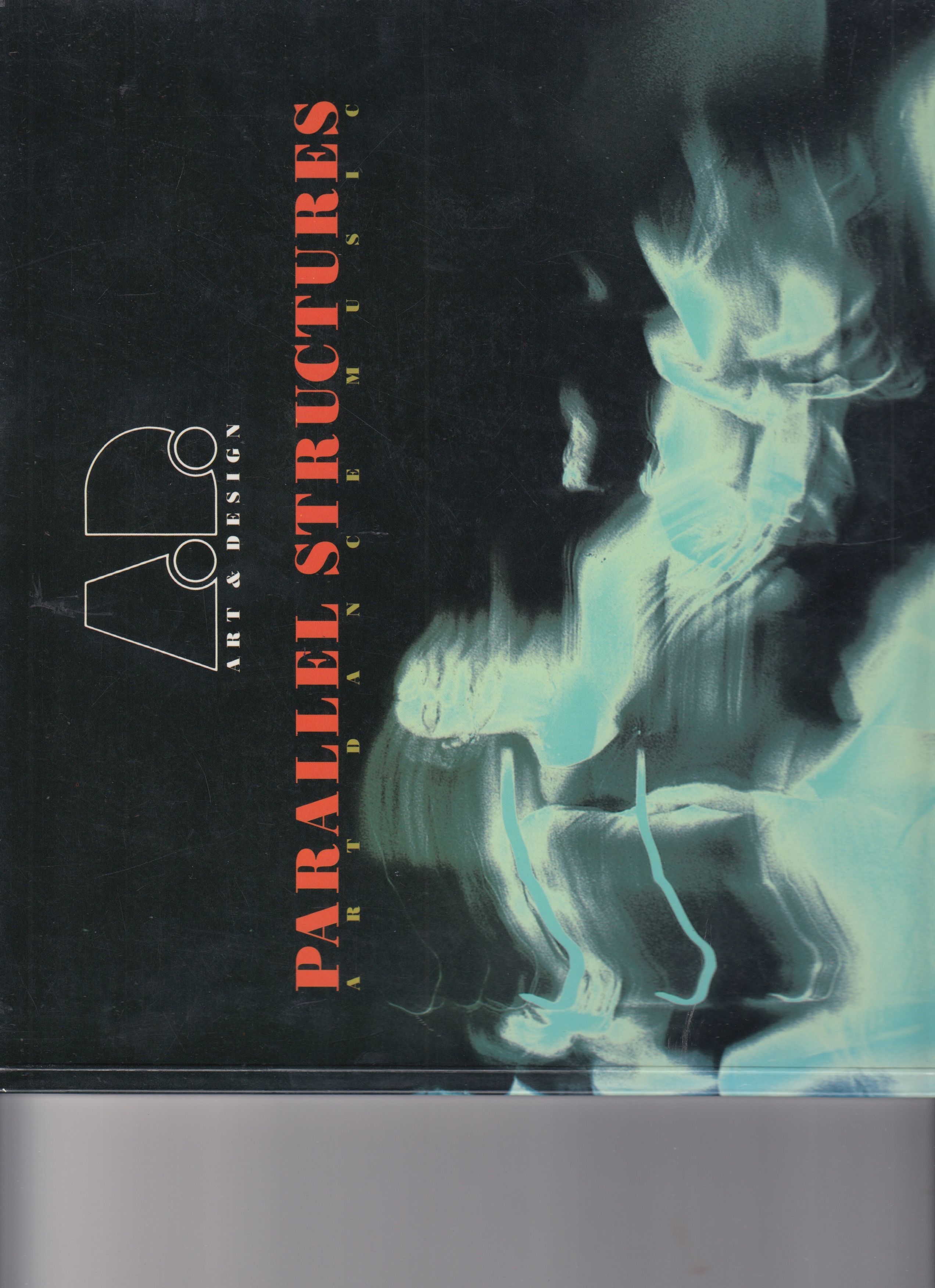
Examining some of the many parallels between visual art, dance and music in the 20th century, this issue of Art & Design brings together an enormous diversity of material: from the pure saturated colours and blue-black voids of Anish Kapoor's art, to the choreographic notations of Merce Cunningham; to the musical scores and edible drawings of John Cage.

Rat Piece is a compendium of documents regarding Kim Jones’ infamous piece of performance art on February 17, 1976; in which he lit three live rats on fire in a cage, causing their torture and consequent death. The piece, performed in front of 30 students on the California State University Campus in Los Angeles, caused an enormous public backfire, initiating dialogue about the ethical limitations of action done in the name of “conceptual art”.
A catalogue from an exhibition exploring 'post-object art' – featuring works by Vito Acconci, John Baldessari, Mel Bochner, Michael Findlay, Dan Graham, Peter Hutchinson, Ray Johnson, Joseph Kosuth, Les Levine, Billy Adler, John Margolies, Bruce Nauman, Dennis Oppenhiem, Michael Snow, John Van Saun, Bernar Venet, Robert Smithson.

Perhaps the most famous and significant fashion model of the 1960s, the muse to Richard Avedon and star of Antioni's Blow Up, 'Veruschka' was the alter ego of a young German art student called Versa Con Lehndorff and, after a decade as the subject, she gave up modelling to become the canvas. Working in collaboration with the painter Holger Trülzsch, she disappears in images with her body as the canvas, becoming a stone, a wall, a factory floor, or a man, a worker, an aged queen.

This monograph presents the work of Vito Acconci, one of the most influential of the last 30 years. His experiments with performance, audio and video, sculpture, and architecture from the late 1960s through the present have become points of reference for younger artists. The overriding concerns throughout his work have been self-analysis and interpersonal relationships, themes he has explored in many different ways.
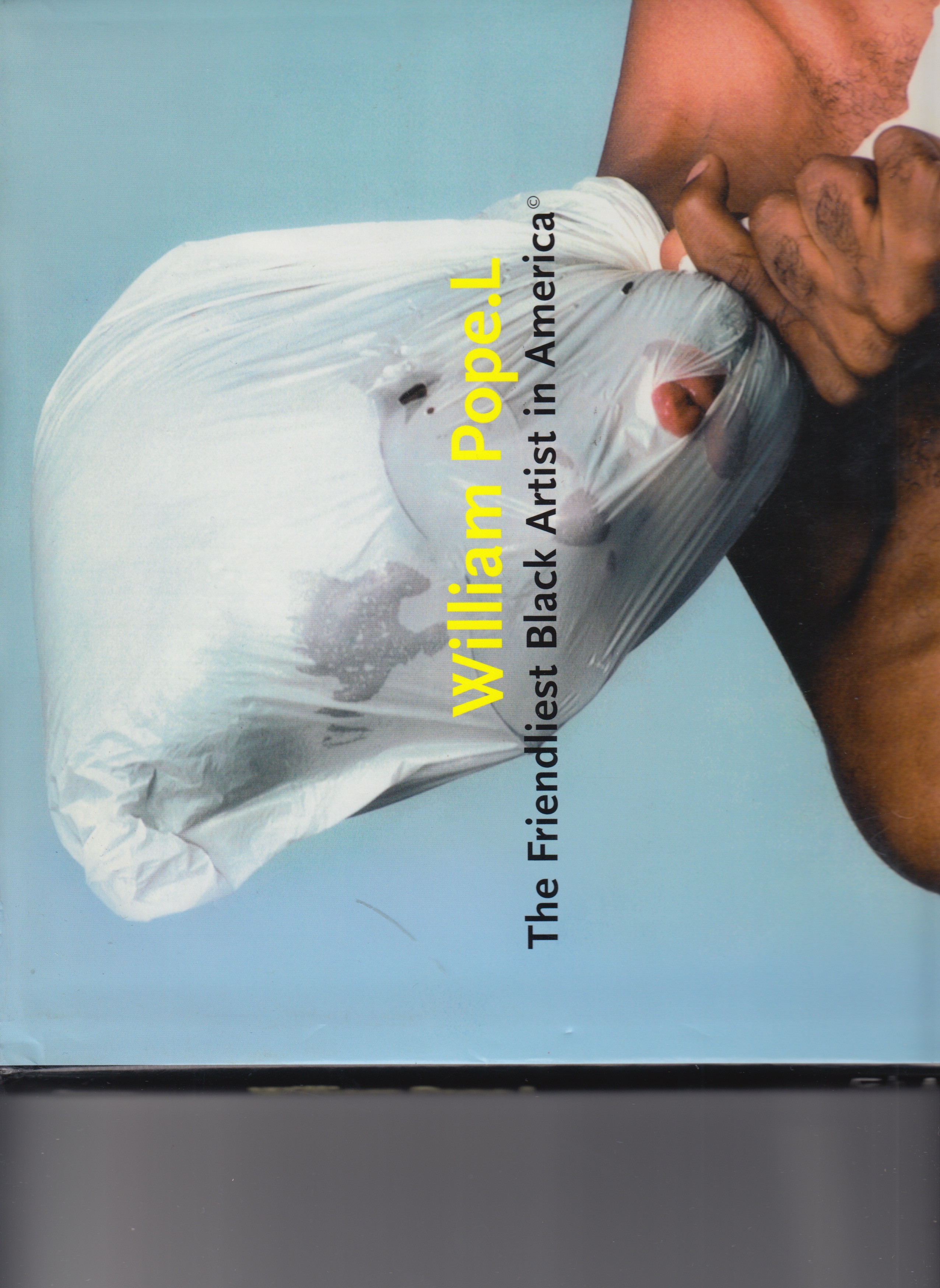
This book explores William Pope. L's impact on American art and culture. It contains sections on practices, body, performance, dialogue, consumption, and a selection of the artist's writings and a chronology.
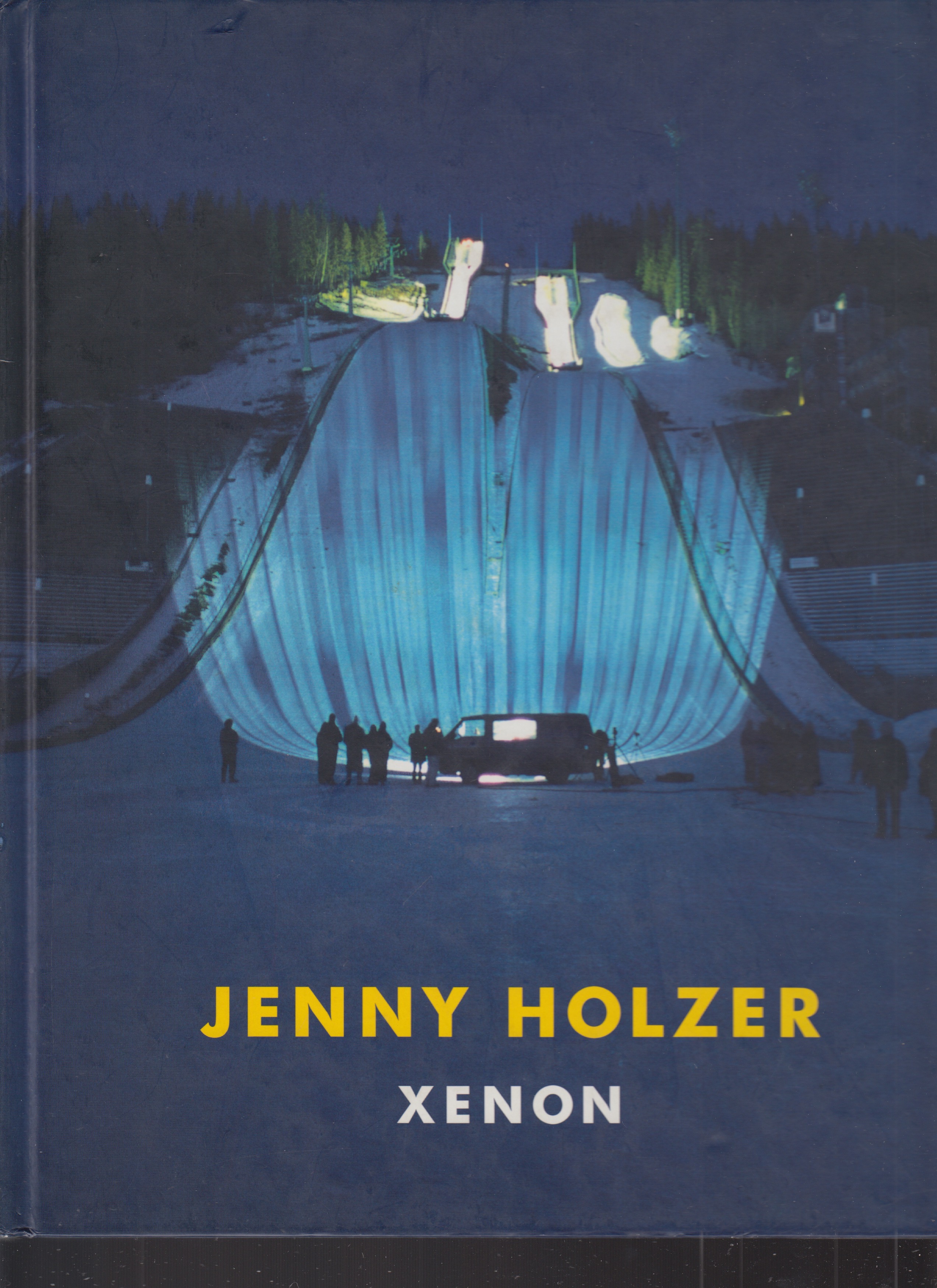
This book provides a 30-year overview of the collaborations between American artist Anthony Aziz (born 1961) and Italian artist Sammy Cucher (born 1958), pioneers in the field of digital art. Synthesizing reality and fiction, their work highlights pathologies associated with unfettered globalization and posthuman conditions.
This book explores the career of Yoko Ono, include her work in all media, including film and music. An introductory essay by Alexandra Munroe explores Ono's life, her relationship to international avant-garde movements in America and Japan, and the aspects of her art and thought that have guided her prolific production over four decades.