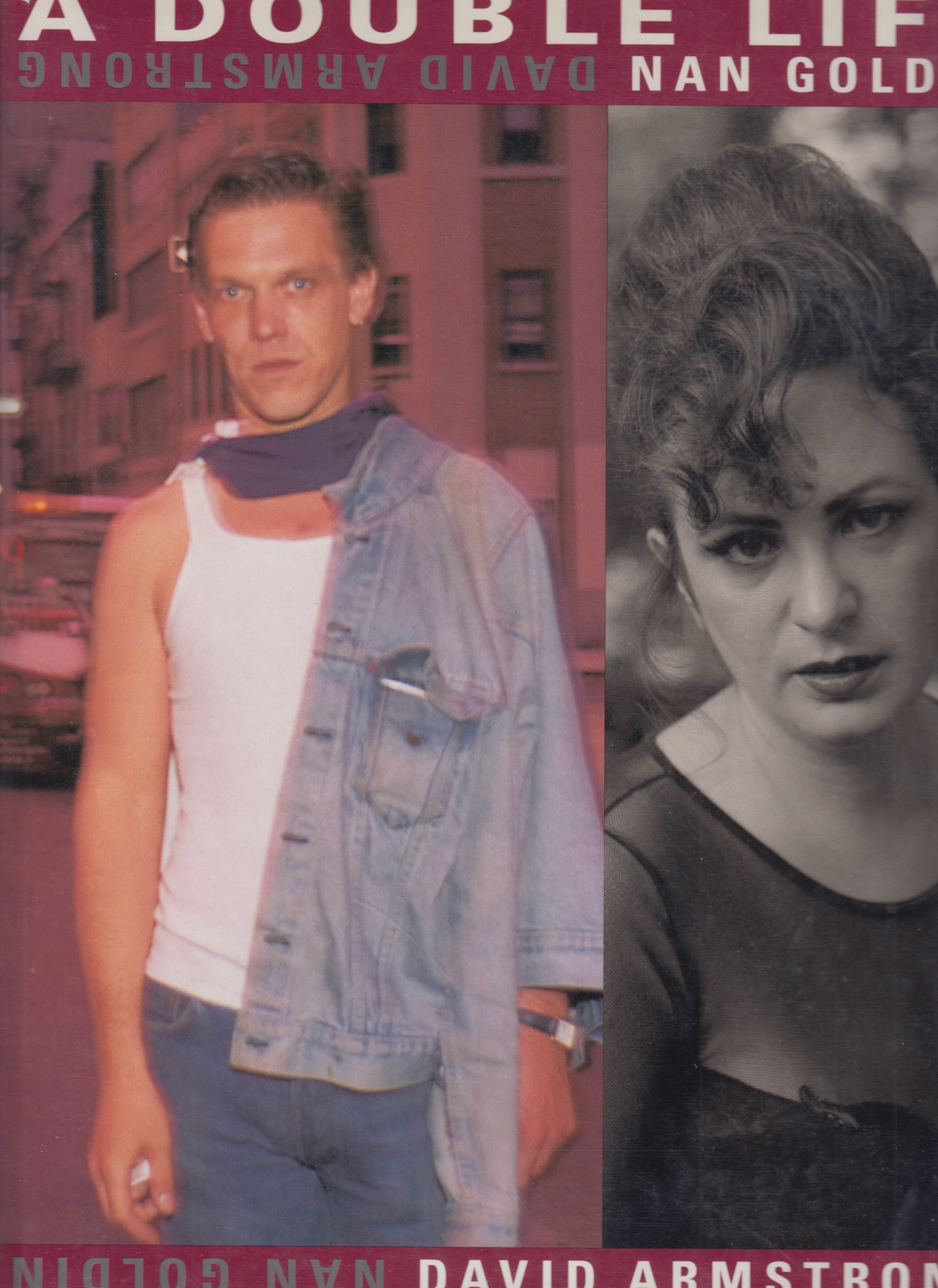
This is a chronicle of Nan Goldin and David Armstrong's friends, loves, and lives over 20 years. The book is both a visual dialogue between two artists, friends and lovers who together create a portrait of a generation whose hopes and aspirations have been scarred by drugs, AIDS and sexual harassment. The parallel paths of their lives are represented in this book in the juxtaposition of styles - Goldin's colour photography set against Armstrong's more austere black-and-white imagery
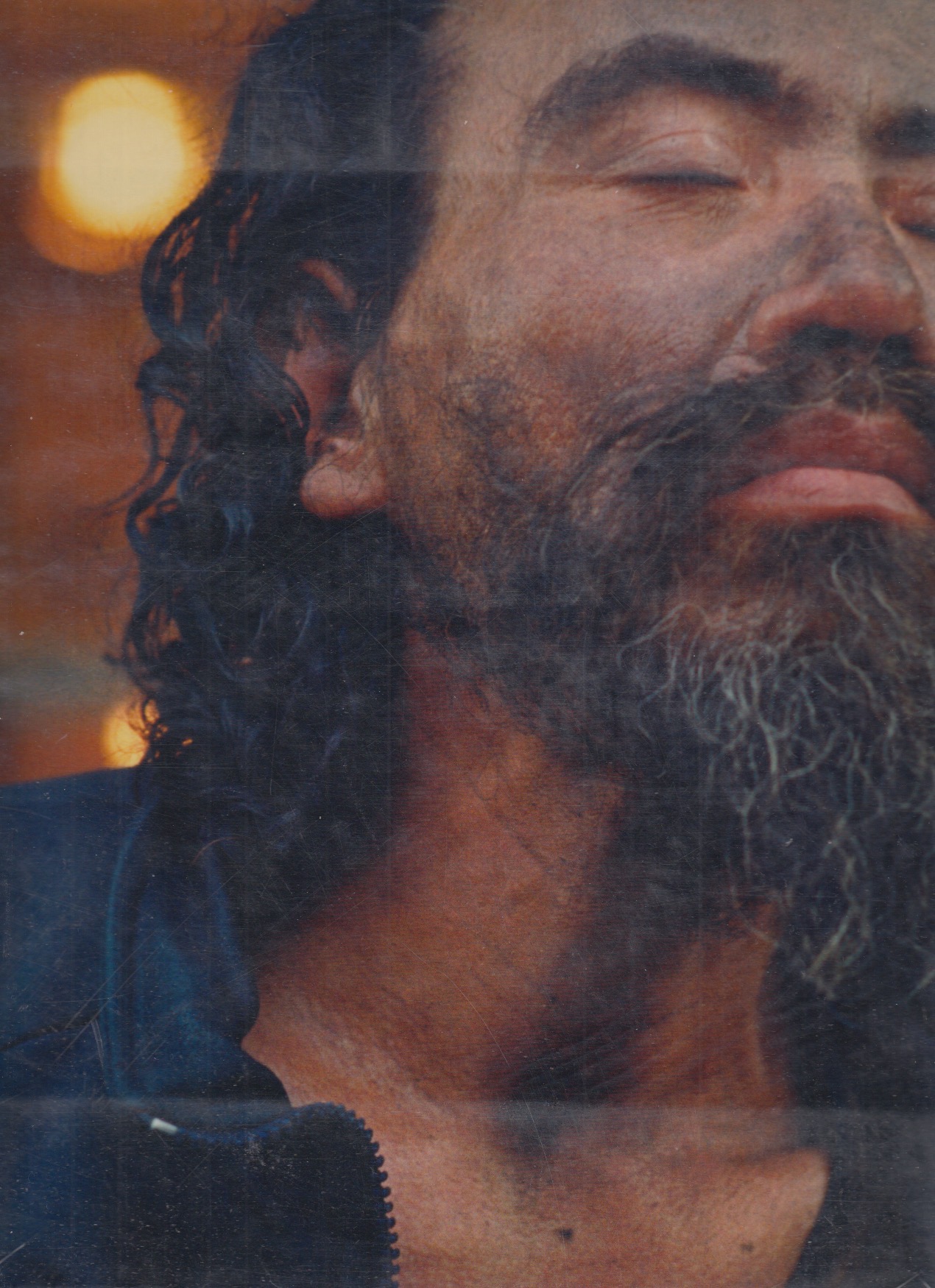
For over a decade, Robert Bergman journeyed through America’s Rust Belt and East Coast, capturing striking color portraits of everyday people who deeply moved him. Using simple equipment but extraordinary vision, he created a powerful portrait of the American spirit. A Kind of Rapture presents the first selection from this epic project, showcasing images reproduced with unprecedented artistic fidelity and care.

Few artists have succeeded in creating a body of work as uncompromisingly honest and tender as Goldin’s. Couples and Loneliness presents a collection of images gathered from across her photographic ouevre – represents the thematic reoccurances of love, loss, sexuality, intoxication, pain, and her ongoing obsession with the documentation of those around her. Alongside images, this book contains a narrative commentary by Goldin adding further anecdotal insight into her world.

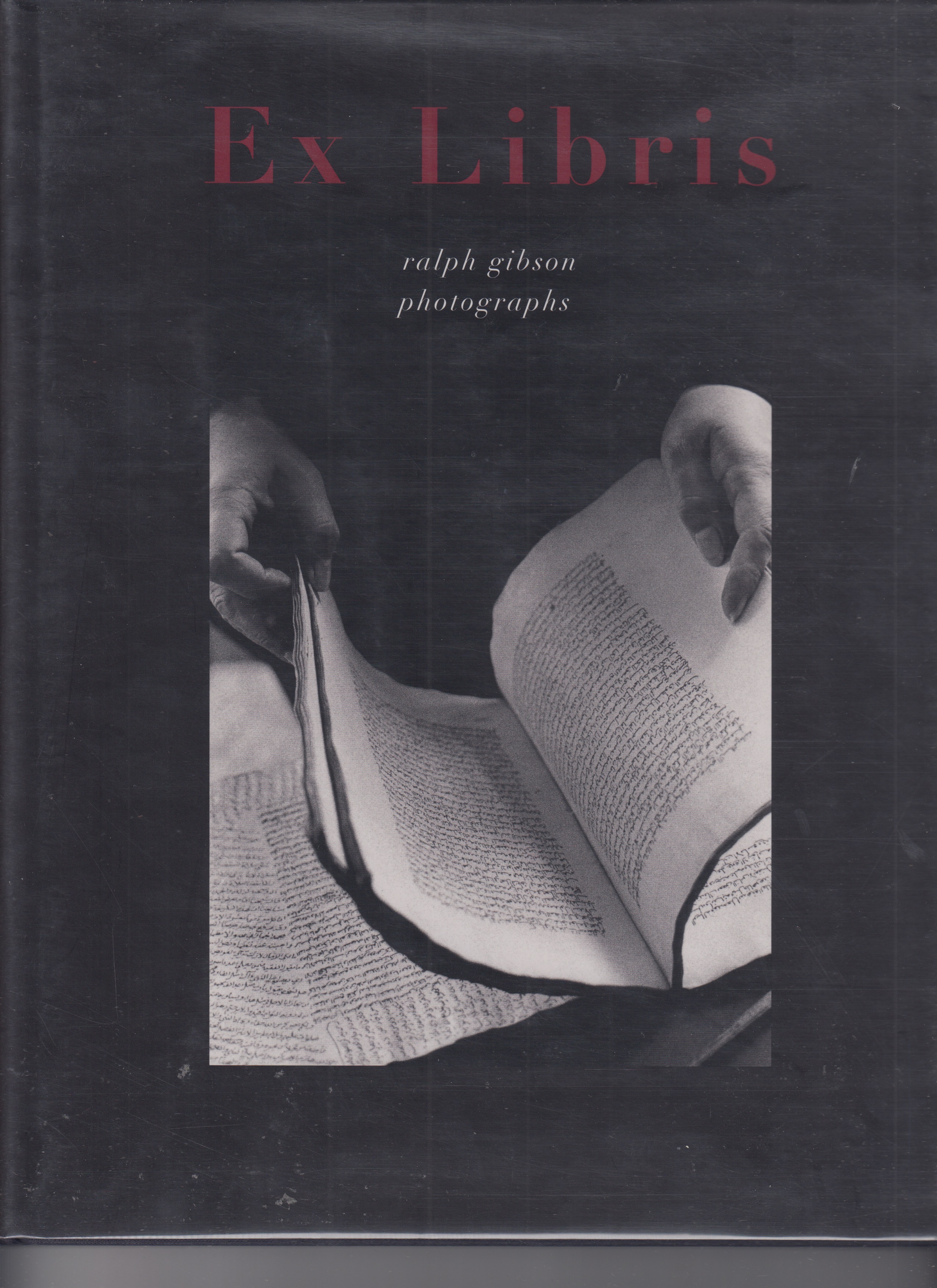
This book is a testament to the fascination of books themselves. From the early days of ancient Roman stone carvings to today's explosion of Internet information, Ex Libris chronicles the written record, offering a new interpretation of the signs, letter forms, shapes, and images used to document human history. Featuring images from the world's greatest book collections and libraries, including the Bibliotheque Nationale in Paris; the British Museum; the New York Public Library; the Pierpont Morgan Library; and the Cairo Museum.

This book is a collection of photographs of the painter Georgia O'Keeffe by Alfred Stieglitz. The two met in 1916 and married in 1924, and these several hundred portraits made over twenty-something years is an image of a life and a love. O'Keeffe claimed: "When I look over the photographs Stieglitz took of me . . . I wonder who that person is. It is as if in my one life I have lived many lives."

Ghosts Don’t Walk in Straight Lines, a book and film collaboration between Saskia de Brauw and Vincent van de Wijngaard, follows a journey through the streets of New York by foot, walking from North to South in one full day. This slow walk along Manhattan’s old Broadway was documented along with stories and encounters from the Broadway Bridge to Battery Park. The walk took de Brauw on a journey through Manhattan, crossing different neighbourhoods, sparking meetings, observations, thoughts and memories.

A nuanced profile, in image and text, of the great Black Power leader at the exhilarating moment of the movement's ascendancy.

Photographer Philip-Lorca diCorcia is best known for his elaborately staged scenes made to look like real life, in which he meticulously plans every element of a shot-lighting, pose, etc, before taking the photograph, creating the "ur" moment. This is conceptual photography with the veneer of the documentary. Heads is a departure from this method. Turning his lens onto New York City, diCorcia took unstaged pictures of passers by that follow in the street photography tradition of Paul Strand, Walker Evans, Harry Callahan and Robert Frank.

American conceptual artist Pacifico Silano’s practice is rooted in excavating the printed ephemera of gay culture to create new images that comment on loss, longing and queer melancholy. In particular, Silano uses the gestures of framing, cropping and layering vintage gay erotica to comment on the HIV/AIDS crisis and its reverberations on queer lives, which included the loss of the artist's uncle at the height of the epidemic.
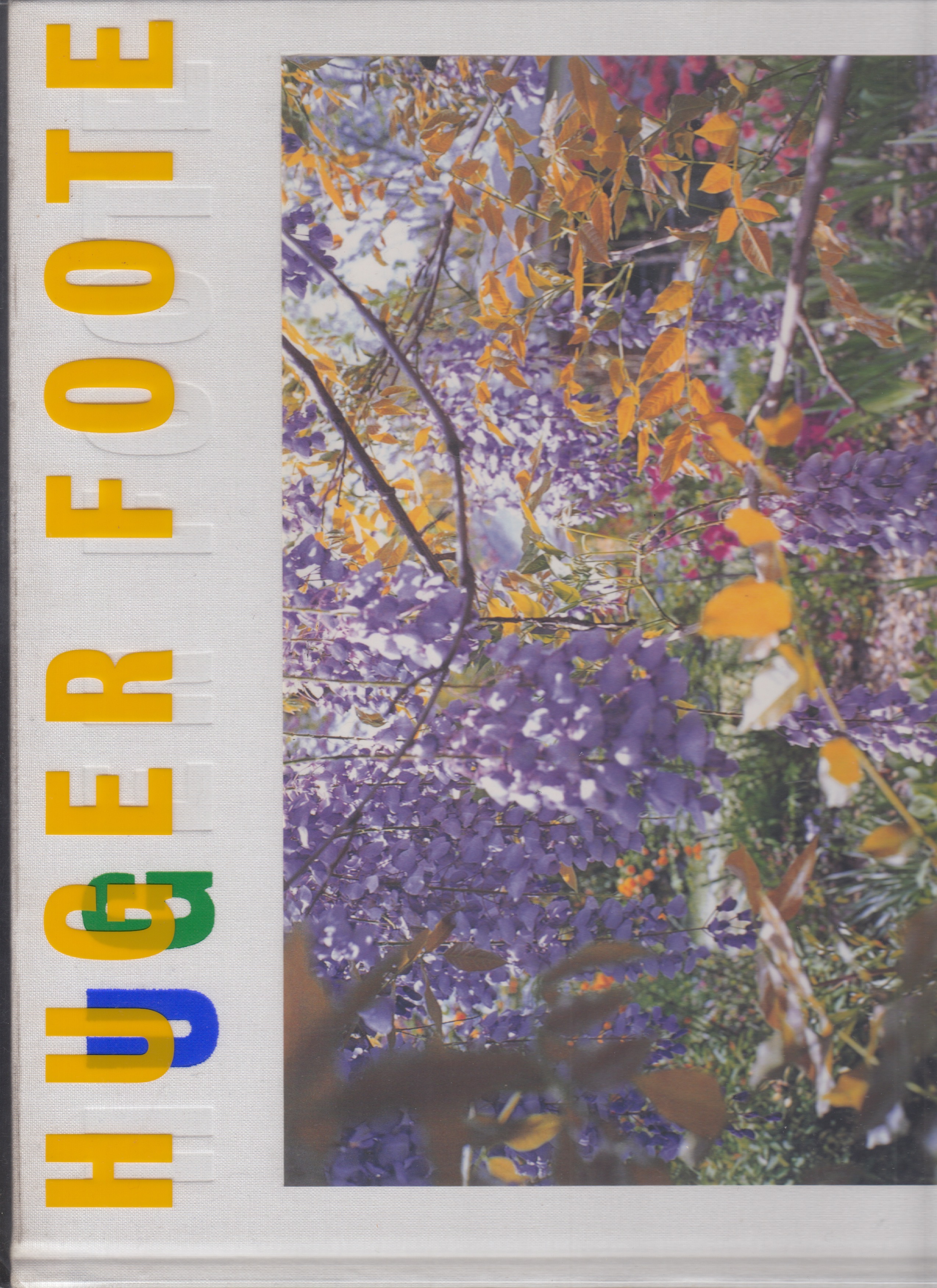
Foote abandoned a successful fashion photographer career to wander the back alleys, scrub land and bars of Memphis portrayed in this book. With textual contributions by photographer William Eggleston and film director Bernardo Bertolucc
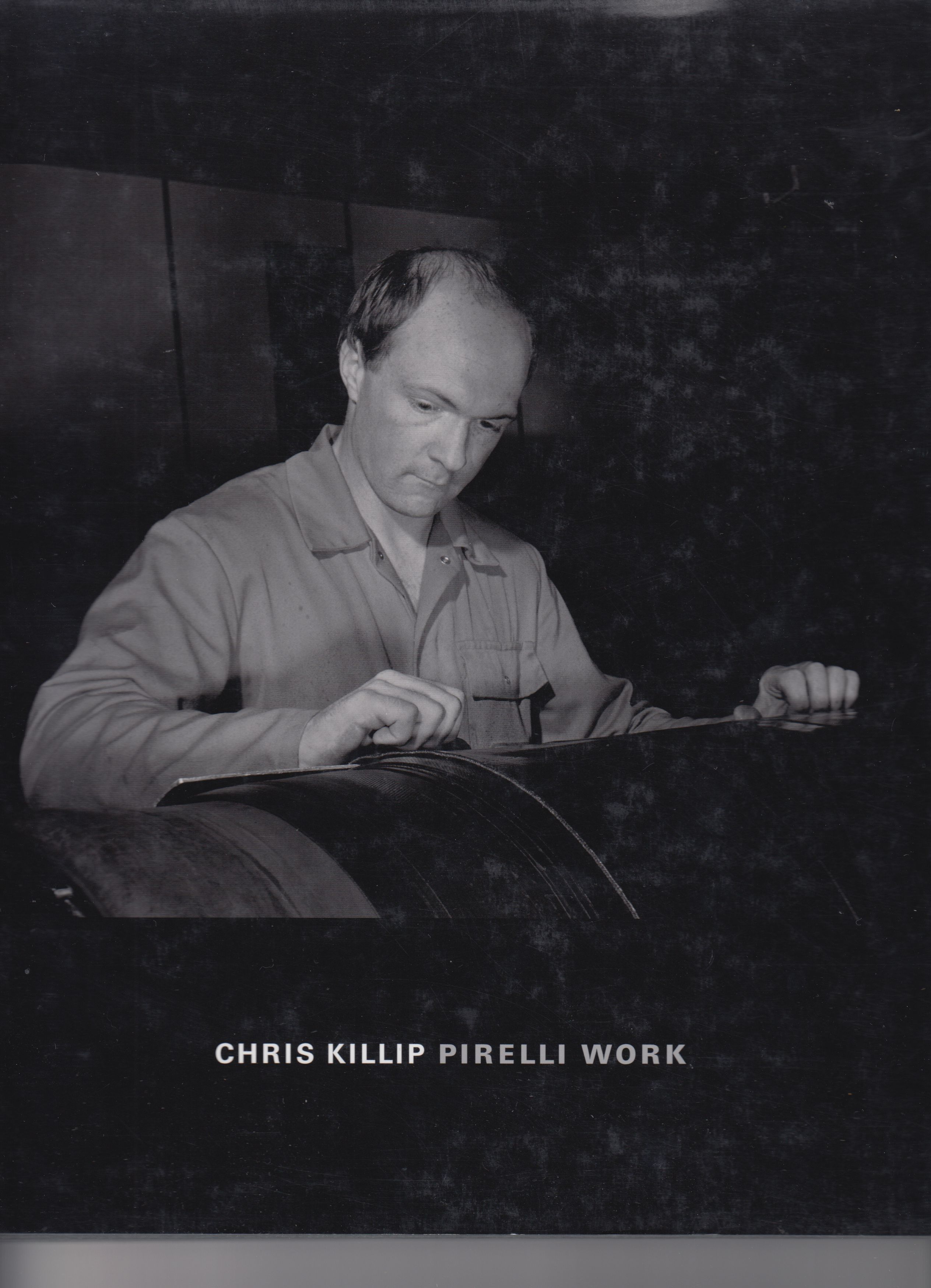
Chris Killip’s 1980s photographic study of the Pirelli tyre factory, documenting the process of industrial manufacture using only the available light.

Richard Billingham's Ray's a Laugh is considered one of the most important contemporary photobooks from Britain. Centered around Billingham's working-class family who live in a cramped Birmingham high-rise tenement apartment and his father Ray - a chronic alcoholic - these candid snapshots describe their daily lives in a visual diary that is raw, intimate, touching and often uncomfortably humorous.
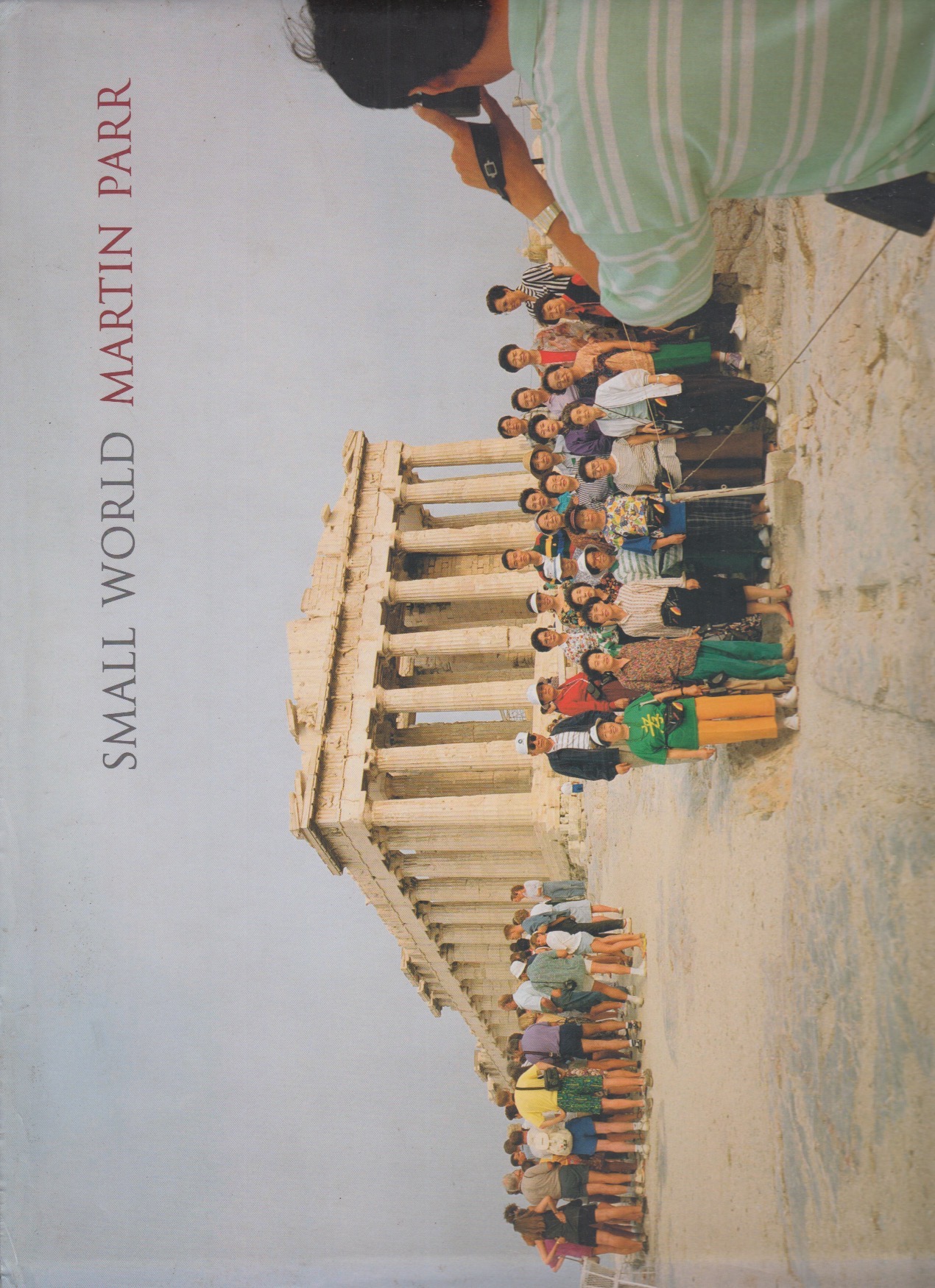
Small World is Martin Parr’s long-running photographic series examining global tourism and its cultural rituals. First published in 1996 and revised in 2007, this third edition (2018) adds over 40 new images to the classic body of work. Spanning more than three decades, it combines iconic and recent photographs to reflect the evolving spectacle of mass travel.
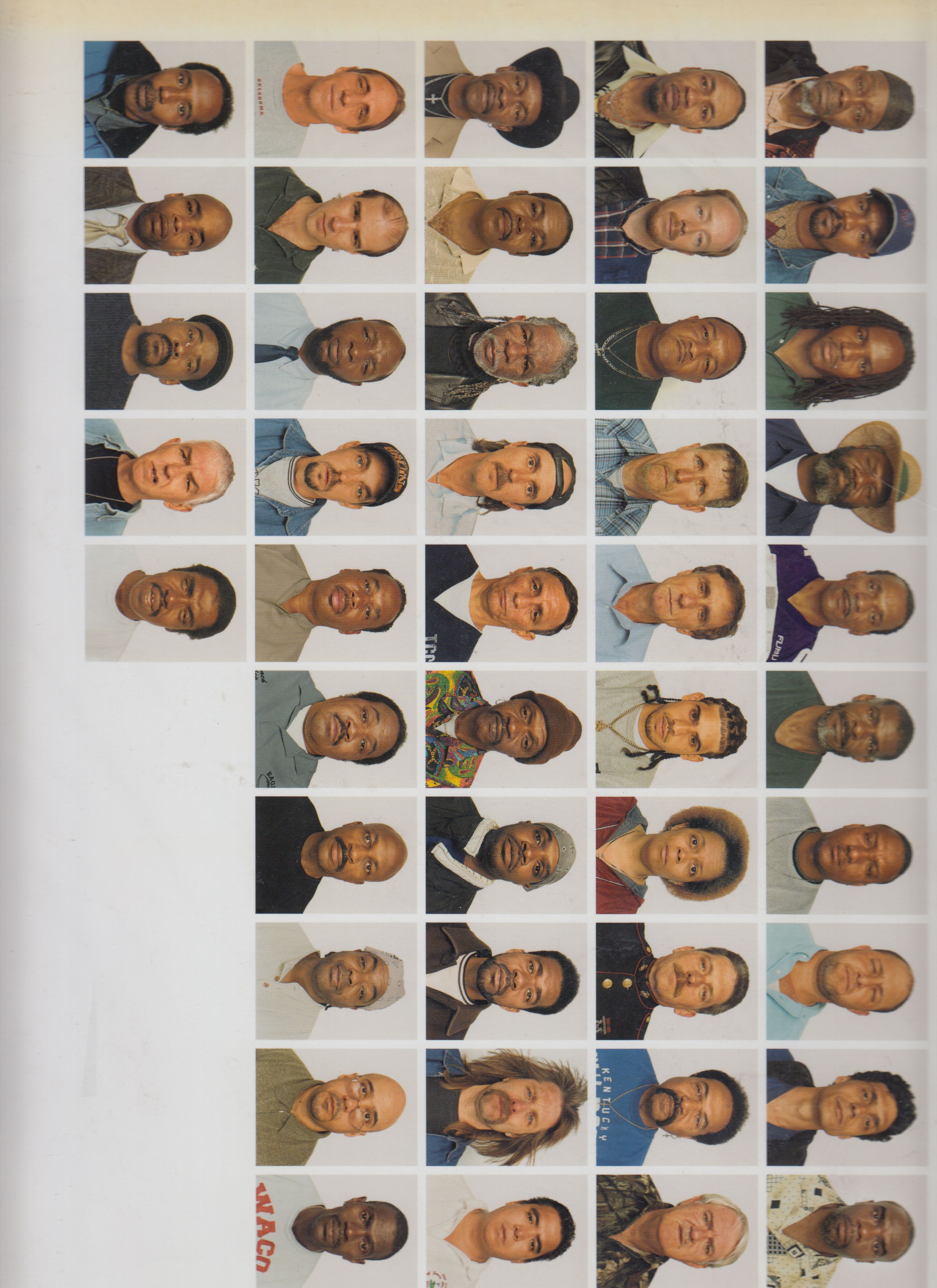
Leading civil rights attorneys Peter Neufeld and Barry Scheck of The Innocence Project commissioned photographer Taryn Simon to travel across the United States photographing and interviewing individuals who were convicted of heinous crimes of which they were innocent. Simon photographed these innocents at sites of particular significance to their illegitimate conviction: the scene of the crime, misidentification, arrest, or alibi. Simon’s portraits are accompanied by a commentary by Neufeld and Scheck.
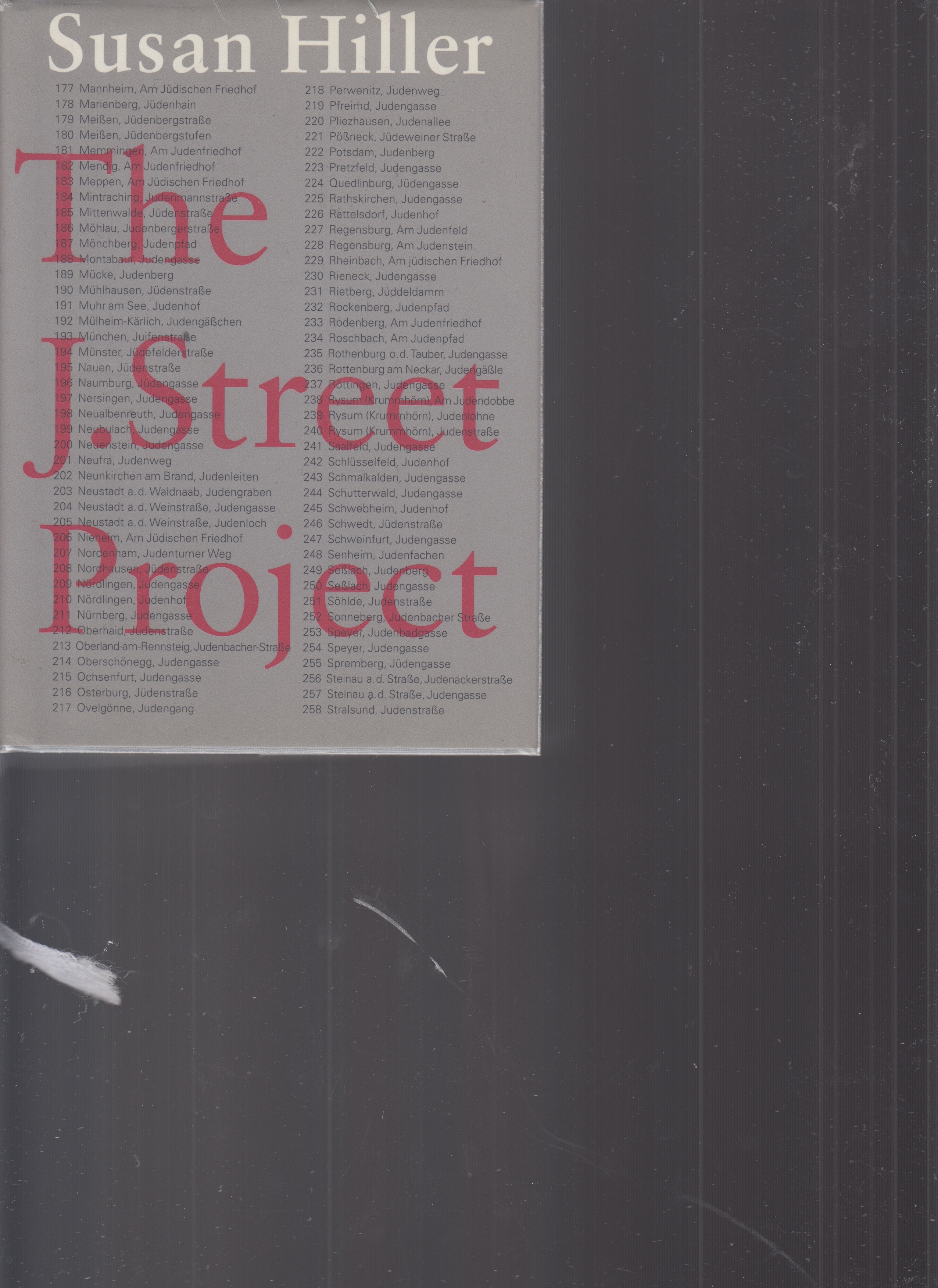
This exhibition catalogue was published to coincide with the J Street Project exhibition held at Compton Verney between September and October 2005. At Compton Verney, Hiller showed The J-Street Project; a complex study documenting every street in Germany whose name contains a reference to Jews. The resulting installation contained both video and photographic works, mapping the whole of Germany and containing an extraordinary 303 place names. The images are haunting, often sparse yet dramatic, some occupied with people; others empty.
Focusing on the near-fifty-year period in which abortion was legal in the United States (1973–2022), The Last Safe Abortion recognises the care, advocacy, and community-building of abortion workers. Artist Carmen Winant draws from over a dozen personal, organisational, and institutional archives from across Midwest America. The photographs themselves are surprisingly regular. In centring the tender, quotidian, and routine acts that inform this healthcare work, Winant works to counter the ways anti-choice activists have weaponised photography by proposing a visuality that attends to abortion care. The Last Safe Abortion presents a selection of this vast collection of photographs, accompanied by a text by Winant.

This work, subtly homoerotic, draws from themes of the past rather than the present, resulting in an overall quality that is unbounded by the constraints of time. As Nan Goldin says on the back cover: "David has always used photography as a seductive device, a sublimation of his desire. His pictures of people feel so tactile because one senses his desire to touch but never in an aggressive or insistent way...He is intensely aware of the delicate balance of form in the shapes, the light, the relationship between person and place."
Trinity by British artist Oliver Raymond Barker explores the complex histories embedded in the fabric of the land and engages with narratives around spirituality, protest and control.
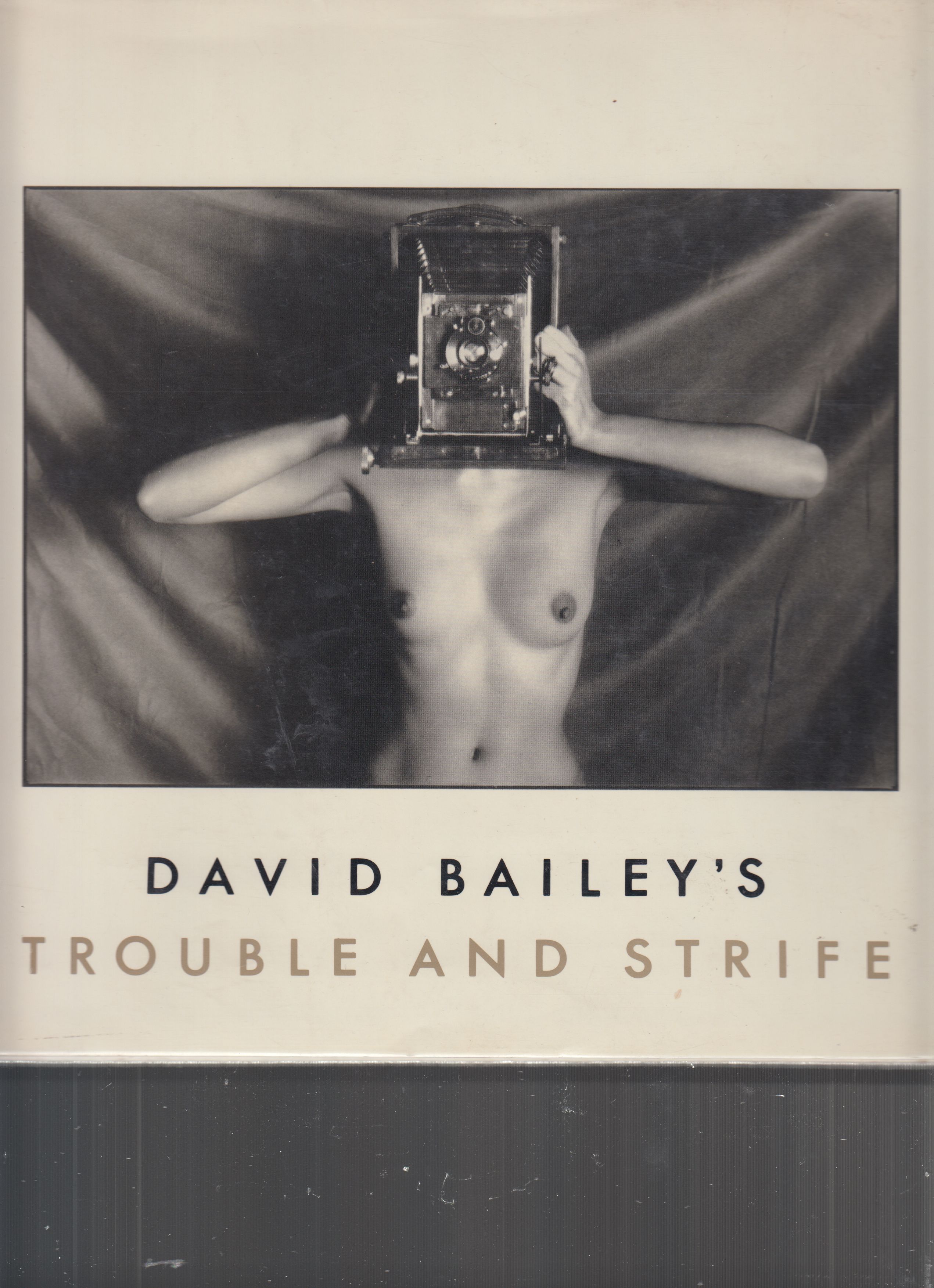
An impressive, as ever, collection of 81 black-and-white photographs of model (and his wife at the time) Marie Helvin by David Bailey.

With a decades-long career in photography and film, Brian Griffin is considered one of the UK's most celebrated photographers alongside Martin Parr, John Davies, and others. Work is a seminal book in the history of photography, featuring portraits of people at work in the 1980s - ranging from middle management to construction workers.