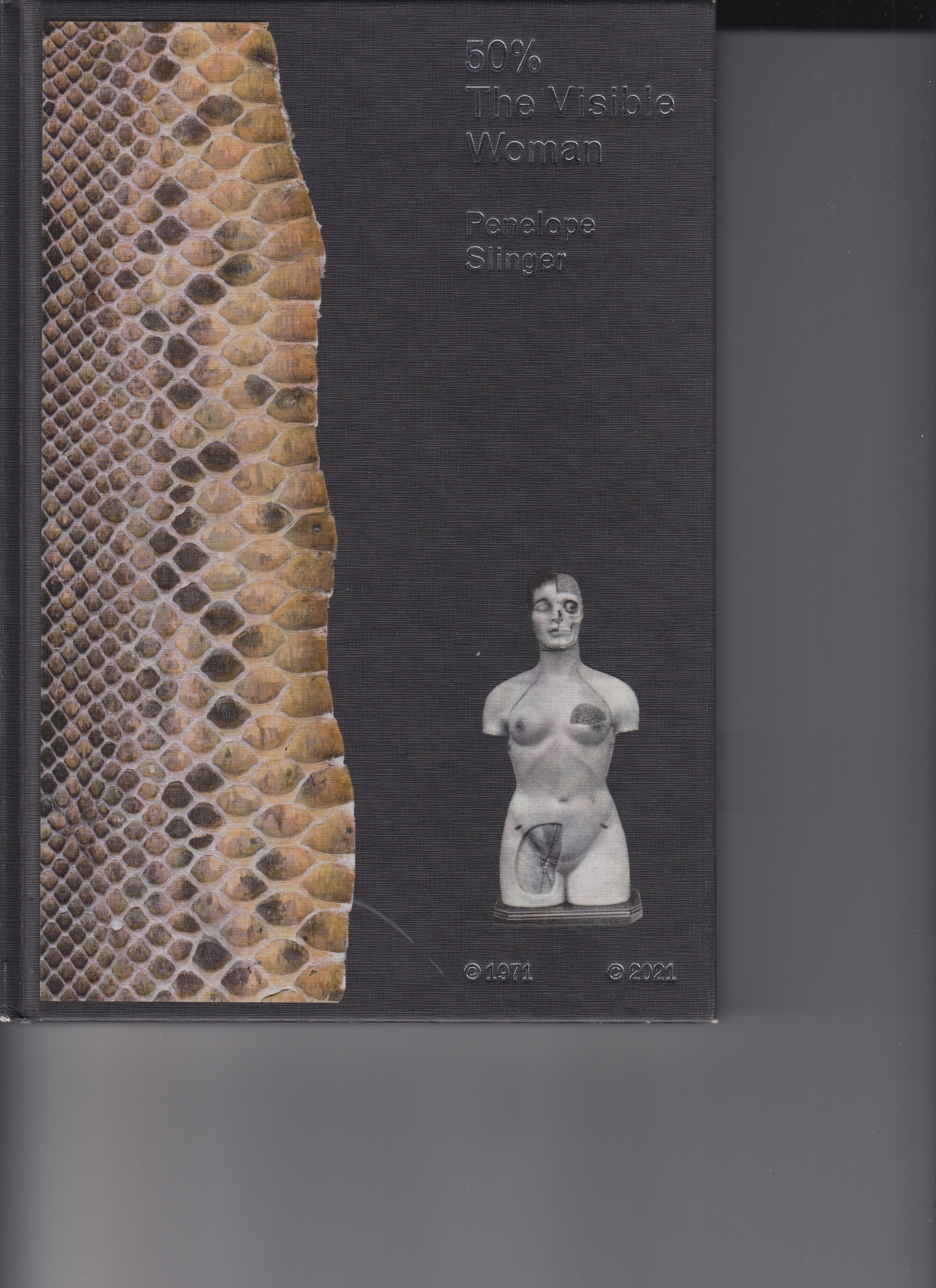
Released on the 50th anniversary of the publication of Penny Slinger's iconic artists’ book 50% The Visible Woman, this edition presents Slinger’s series of surrealist photomontage works and poetry unabridged for the first time, following the hand-constructed snakeskin-bound book from 1969, and the out-of-print abridged edition from 1971.
Taryn Simon: A Living Man Declared Dead and Other Chapters, I-XVIII was produced over a four-year period (2008-2011), during which Simon travelled the world researching and recording bloodlines and their related stories. In each of the eighteen "chapters" that make up the work, the external forces of territory, power, circumstance, or religion collide with the internal forces of psychological and physical inheritance. Her subjects feuding families in Brazil, victims of genocide in Bosnia and the living dead in India.
Artist’s book by appropriation artist Richard Prince and art dealer Colin de Land, inspired by Bob Crane, the star of the 1960s television show "Hogan's Heroes."
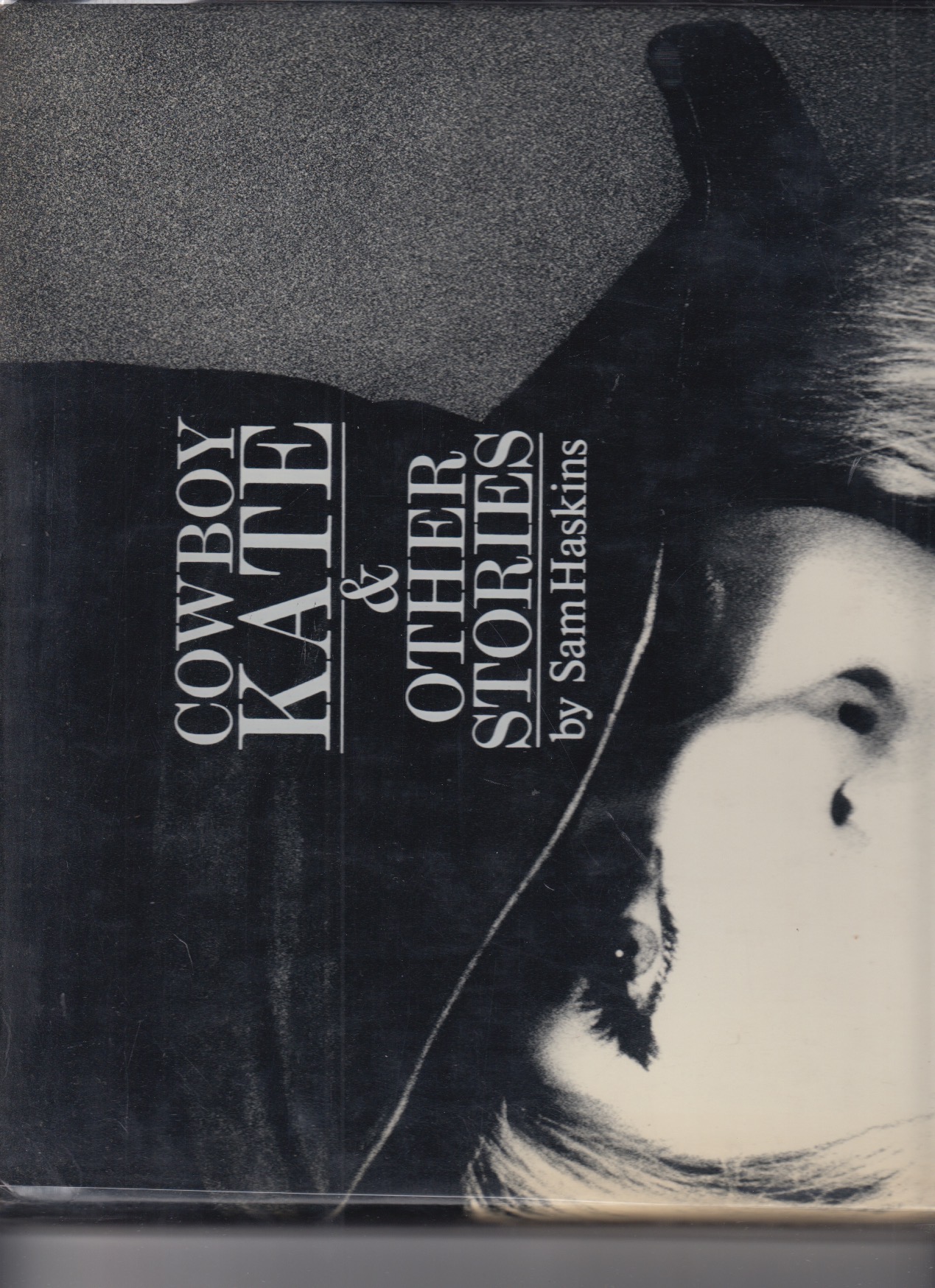
In Cowboy Kate, a lyrical tale of the triumph of youth played out by cowgirls of the old west, Haskins reinvented the genre of the nude with stunningly well-executed photographs, a cinematic approach, and a subtly engaging narrative.

Decaying with the Speed of Spring follows a woman who encounters multiple versions of herself, observing them until the experience becomes overwhelming. Blending photography and illustration, it unfolds like a cinematic fairy tale exploring self-acceptance, growth, and release. Inspired by depersonalisation-derealisation, project reflects healing through confronting fractured identity and collaboration.
Berlin-based photographer Michael Schmidt is among the most important photographers of post-war German photography. In his long out-of-print artist's book "Ein-heit" (Unity), Schmidt explores the universal symbolism of political systems and their image of humanity. In his uncompromising view of reality, he combines photographs already mediated by the media with his own photographic works.

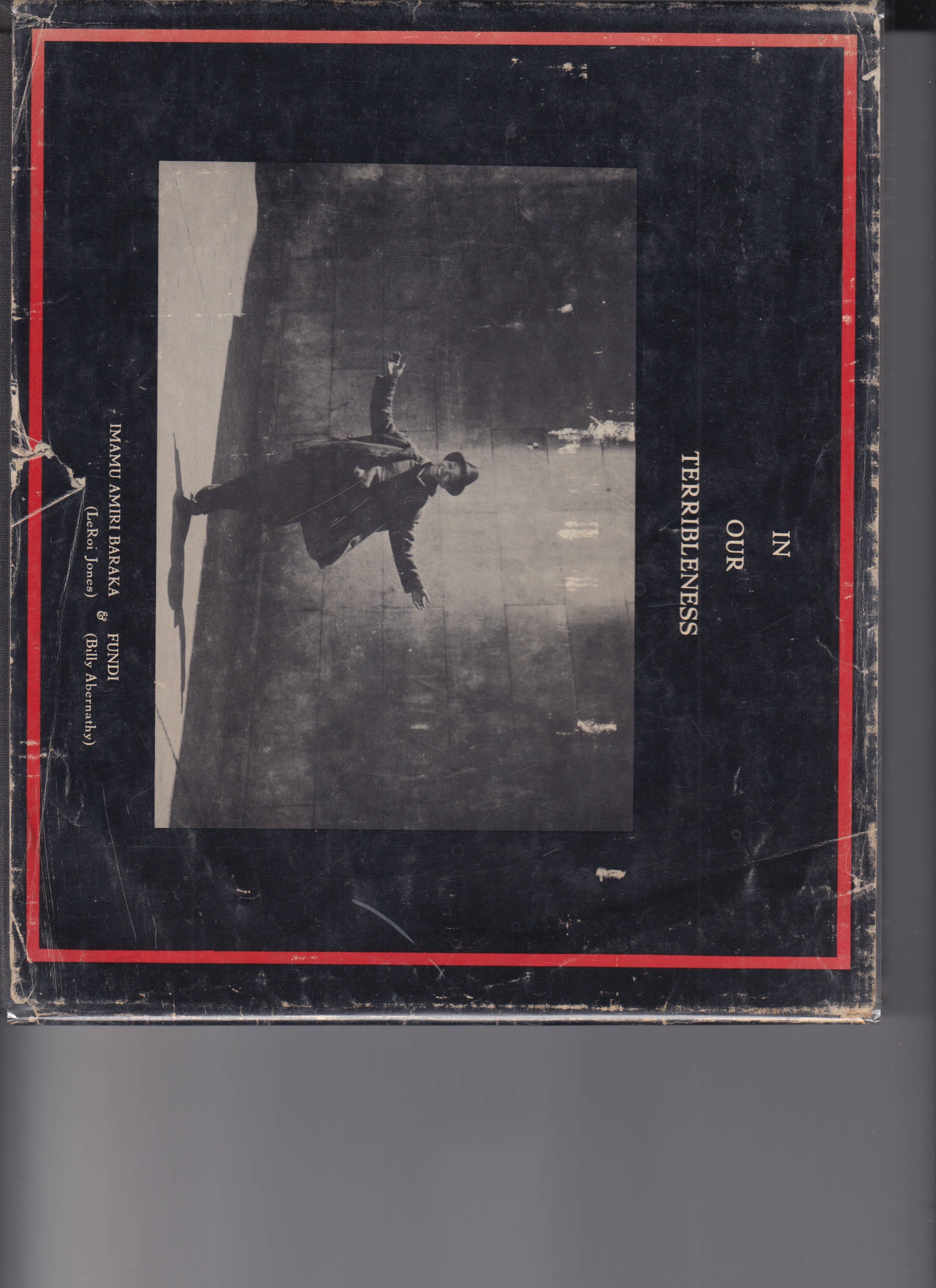

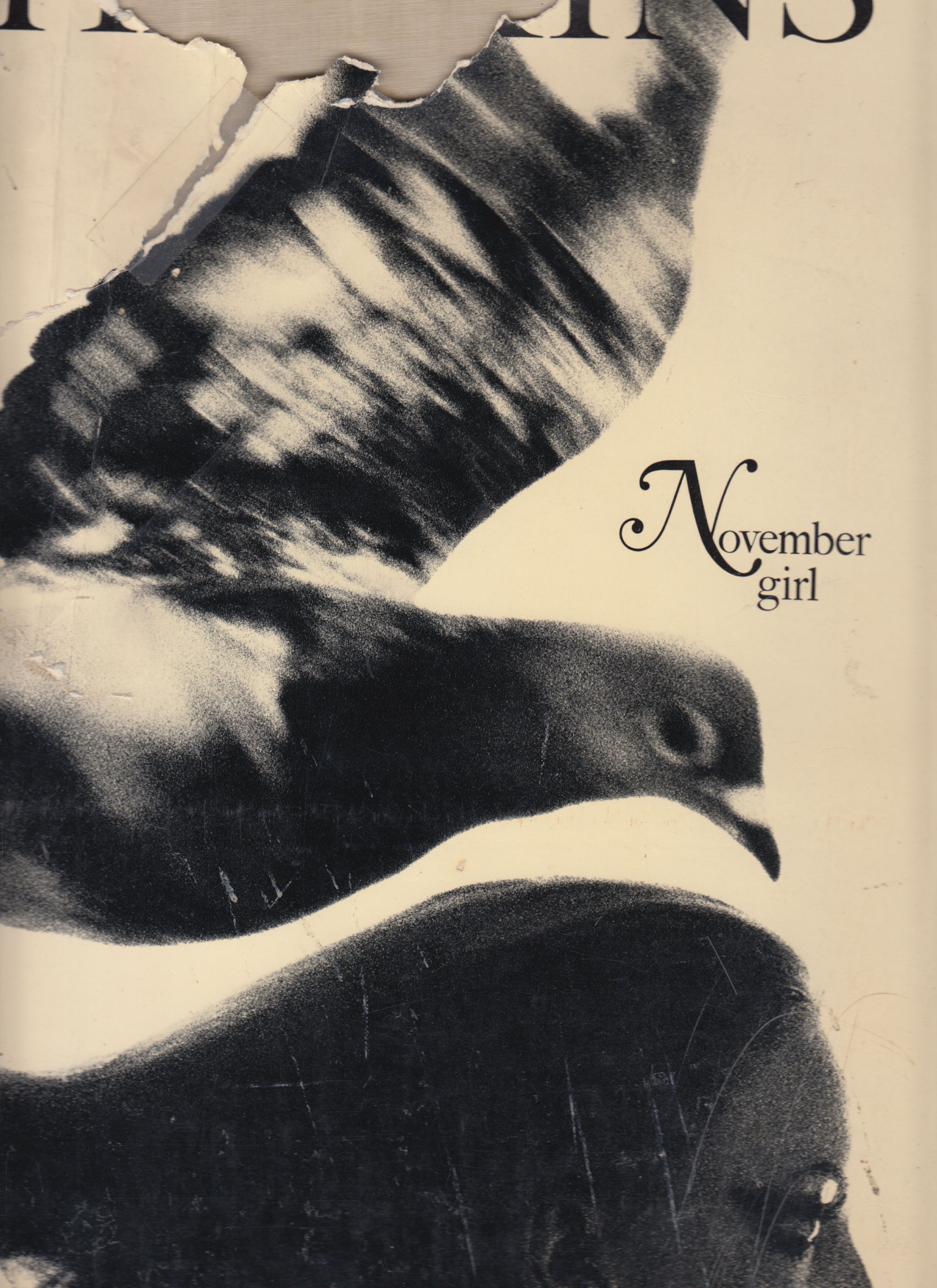
This is the third book in Sam Haskin's 1960s trilogy of books containing evocative female nudes, following on from Five Girls and Cowboy Kate.
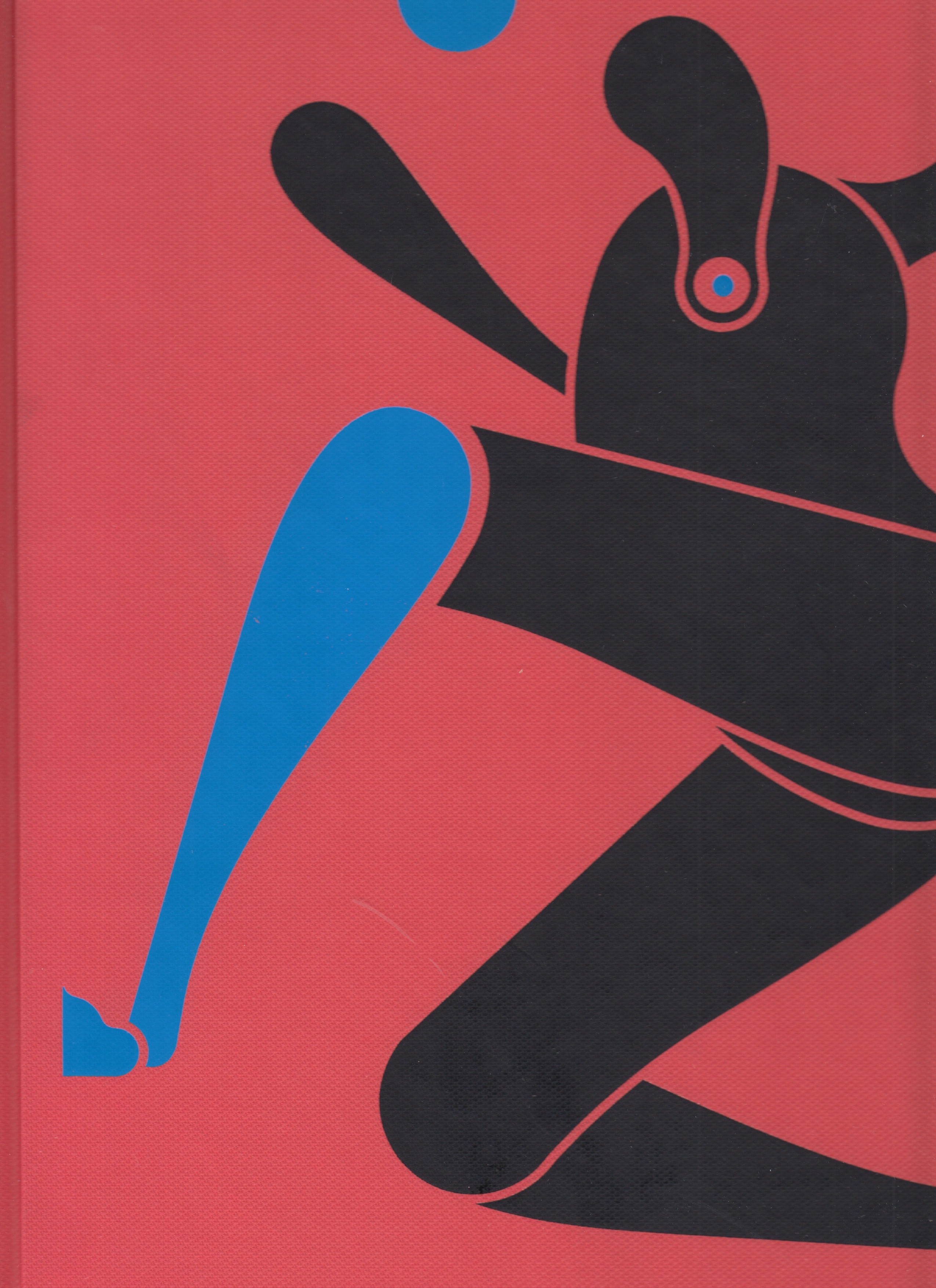
Eamonn Doyle employs a unique approach to photographing Dubliners in the streets—from a close but respectful distance, his views of the city’s solitary figures reveal a quiet reverence and respect for these old souls. This book contains full bleed black and white photographs, cinematic and dramatic in their execution, of people in Dublin.
ONE BLOOD is the first monograph by photographer Frank Lebon. Borne out of loosely applied yet technically defined approaches to portraiture, ONE BLOOD showcases multiple photographic series taken between 2020 and 2023. The practice of photographing loved ones is taken to its extreme both in process and form. In this book, Lebon searches across scales and through layers for photographic evidence of unity and similitude across the people in his family, his life, and his city, London.

Paintings by Harley Weir presents images made as a form of digression from her traditional photographic practice. Presented as short, rhythmical sequences, Paintings moves across the page like a melody, linking rhythm, colour and form through surface studies made consistently throughout the last three years.

A collection of Nozolino's images of the Arab world taken on numerous trips through Egypt, Syria, Morocco, Yemen, Mauritania, Jordan and Lebanon. His images explore the Arabic culture's struggle between ancient desert villages and overcrowded, polluted cities.
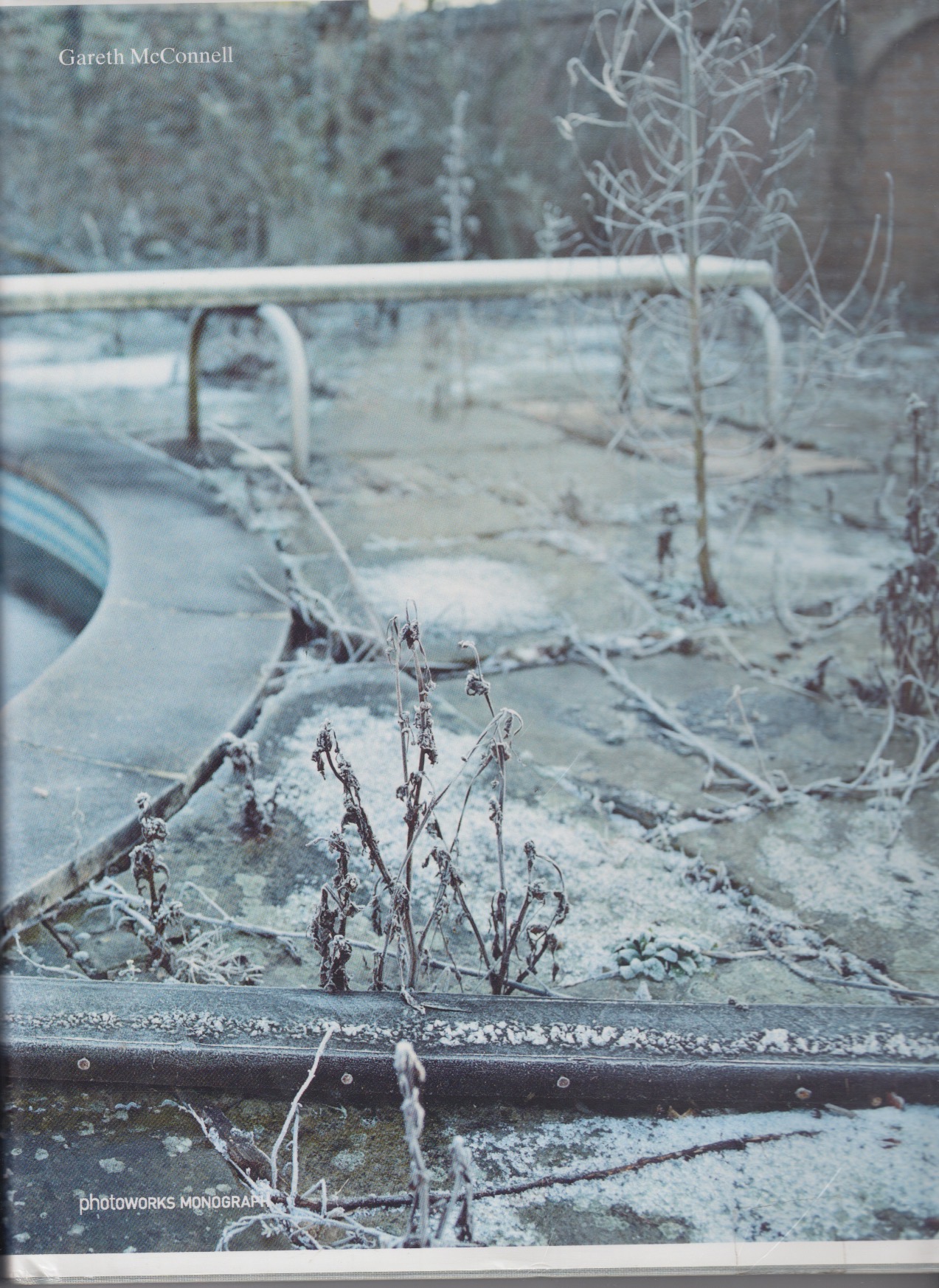
The third in the Photoworks Monograph series, a publication displaying the work by Irish photographer Gareth McConnell.

Pictures From Home is a landmark visual memoir and photography book by artist Larry Sultan, first published in 1992. It combines contemporary photographs, film stills from 1950s/1960s home movies, and text to explore the complexities of his parents' lives in suburban Southern California and the myth of the American Dream.
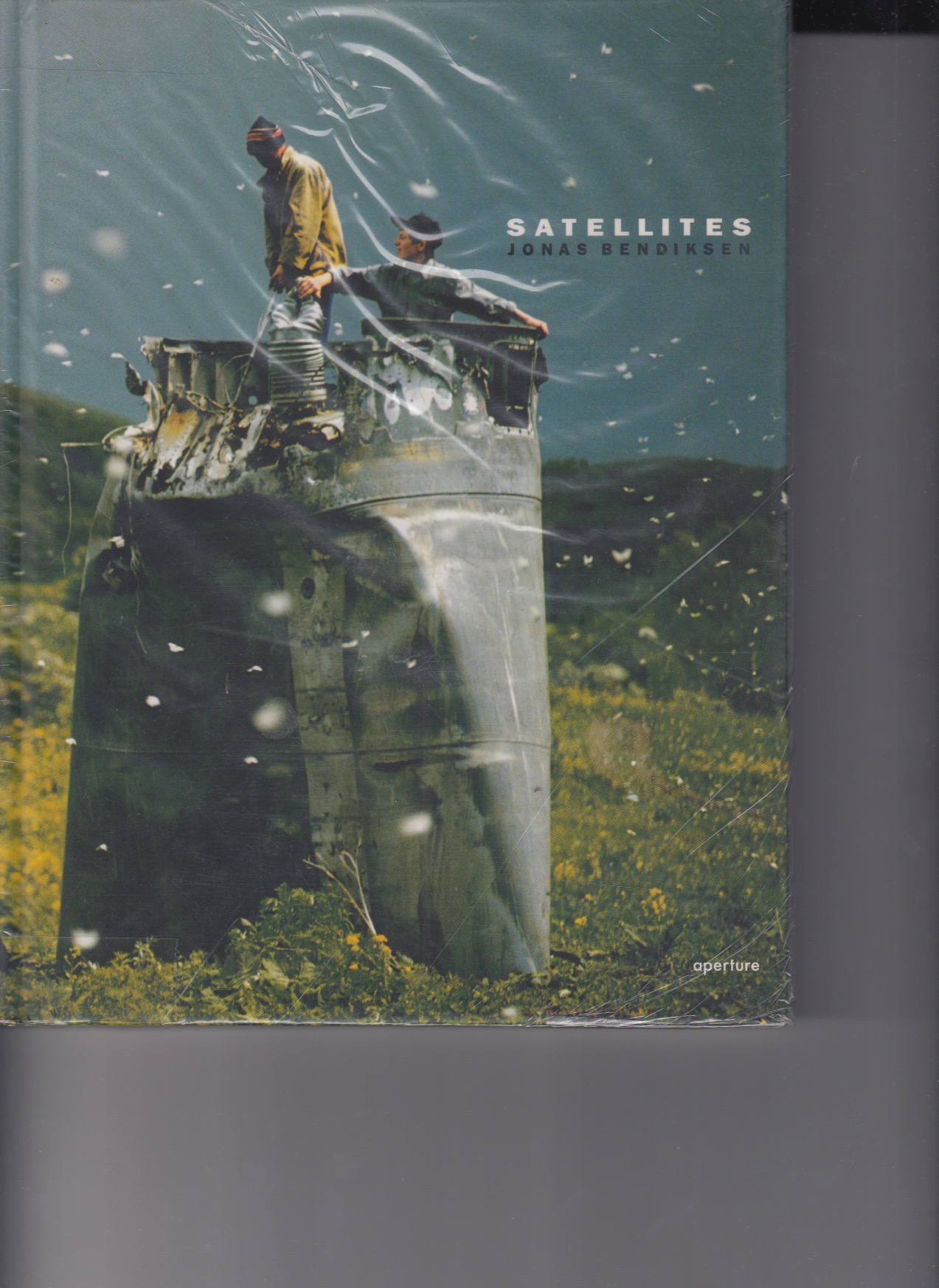
Satellites is the culmination of a seven-year photographic journey that takes viewers through the countries and enclaves once held in orbit by the immense gravity of Moscow, the nucleus of the Soviet empire. The photographs reveal the often grim circumstances in these half-forgotten regions, uniformly poor and often politically unstable.
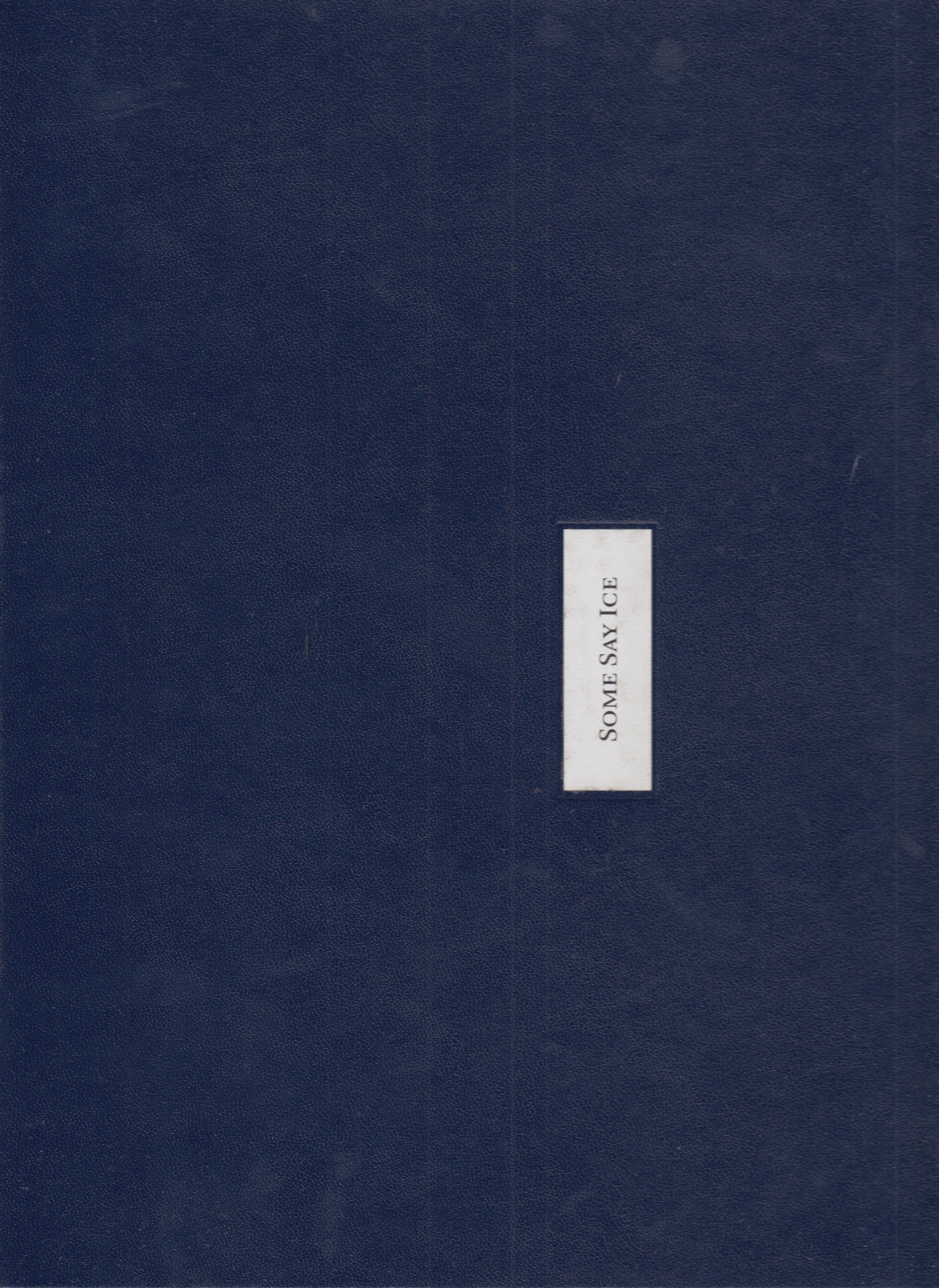
For a decade, Alessandra Sanguinetti returning to the small town of Black River Falls in Wisconsin to create the photographs that would come to form this stark and elliptical series. Inspire by the 1800s photographs of Charles Van Schaick found in Wisconsin Death Trip, Some Say Ice is a humane look at bleack and melancholic realities of those that inhabit Black River Falls.
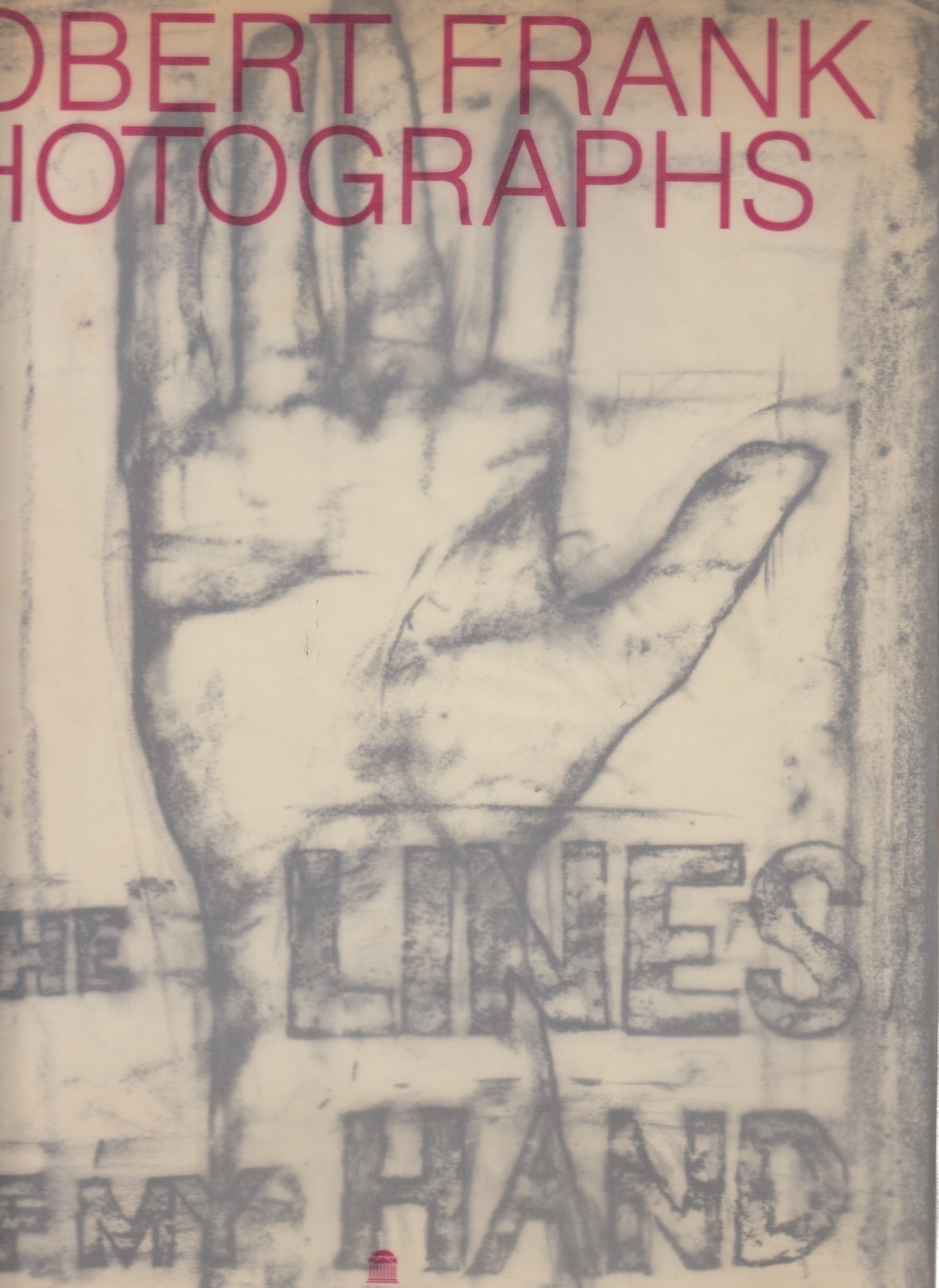
Robert Frank was a Swiss-American photographer and filmmaker best known for his influential book The Americans (1958), which presented a raw, outsider’s perspective on U.S. society and transformed modern photography. His work is distinguished by its emotional intensity and focus on themes such as identity, loss, and the complexities of American life. Frank later expanded into filmmaking and experimenting with altered photographs and video art. This publication established his autobiographical, sometimes confessional, approach to bookmaking. This structure itself mirrors the rhythm of Frank’s life – featuring short personal texts, diary entries, and photographs that fully bring his voice into the book.

The Smell of Calpol on a Warm Summer's Night blurs the line between reality and fiction. Framed like paintings, each image is a cinematic tableau of Suburbia, with a warm glow of neon light reminiscent of hazy evenings spent in front of TV screens. Carlos Clarke presents a glance into others' living rooms and domestic environments, offering an eerie portrayal of twilight.