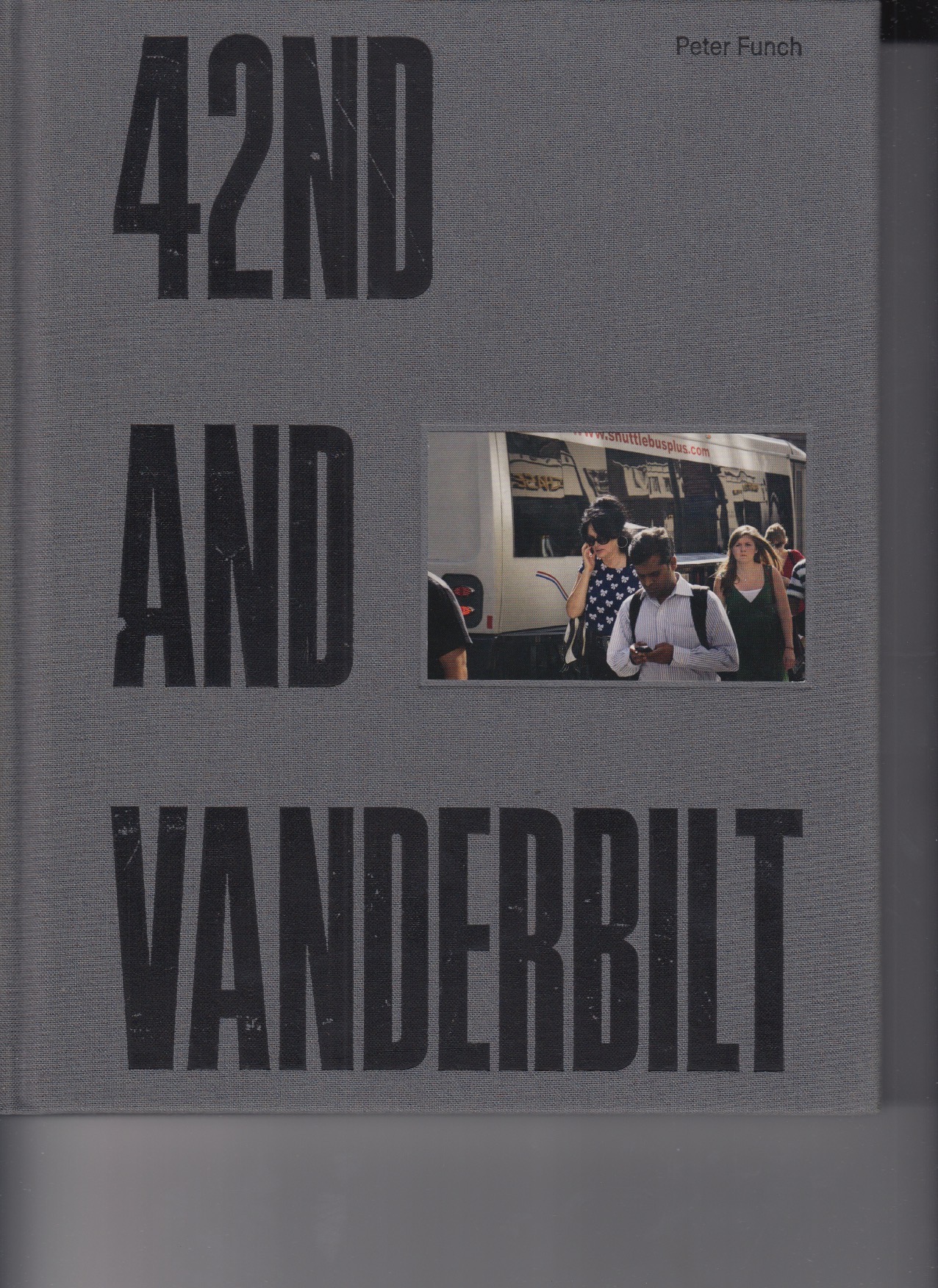
Between 2007 and 2017, across the hours of 8:30 and 9:30am, Danish photographer stood with his camera at the southern corner of 42nd Street and Vanderbilt Avenue in New York City. In narrowing the infinite opportunities New York City has to offer an artist, Funch brings to the surface the minutiae contained within a fragment of our daily routine.

This book comprises a timely and controversial assertion of beauty as vital to the energy of contemporary art, from Gilbert & George as supreme aesthetes to contemporary artists as varied in their practice as Isa Genzken, Kai Althoff, Lucy McKenzie, Lukas Duwenhögger, Berkeley Hendricks and Wolfgang Tillmans, to whom are added Lana del Rey and Andy Warhol
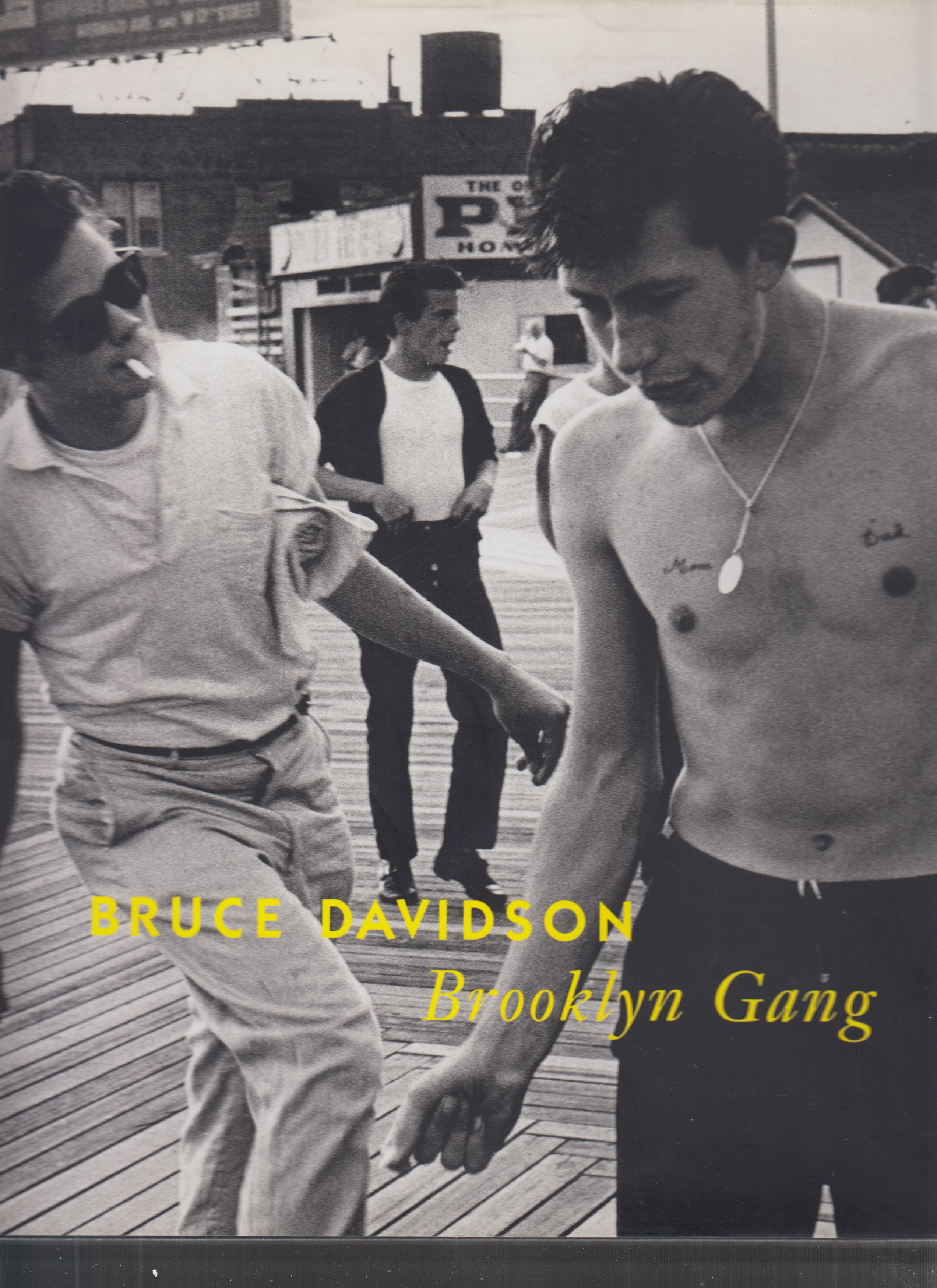
During the summer of 1959, Bruce Davidson followed a loosely knit "gang" of teenagers around Brooklyn, New York. His camera captured the youth of the James Dean generation in both private and public moments at the soda fountain, the tattoo parlor, Coney Island, and late night basement dance parties.

Cindy Sherman's Untitled Film Stills, a series of 69 black-and-white photographs created between 1977 and 1980, is widely seen as one of the most original and influential achievements in recent art. Witty, provocative and searching, this lively catalogue of female roles inspired by the movies crystallises widespread concerns in our culture, examining the ways we shape our personal identities and the role of the mass media in our lives.

Tillmans’s now iconic artist’s book consists of 62 color photographs of the Concorde airplane—taking off, landing or in flight, and sometimes as just a tiny, birdlike silhouette in the sky.

This is book published to accompany the exhibition Diary at the Seibu Museum, Tokyo, Japan in 1993. it includes extracts of Peter Beard's diary made of various collage of photographs, texts, newspaper clippings and paintings.

Merry Alpern is known for her controversial oeuvre and utilisation of surveillance photography. Her acclaimed series Dirty Windows (1995), presented here in this book, contains voyeuristic black and white images of men and women engaging in sex, doing drugs, and dressing or undressing at a low-rent brothel near Wall Street in Manhattan. “Although the notion of the ‘female gaze’ has never really interested me, as a woman I could project some of my own experiences onto the pantomime in the window,” the artist remarked on the series.
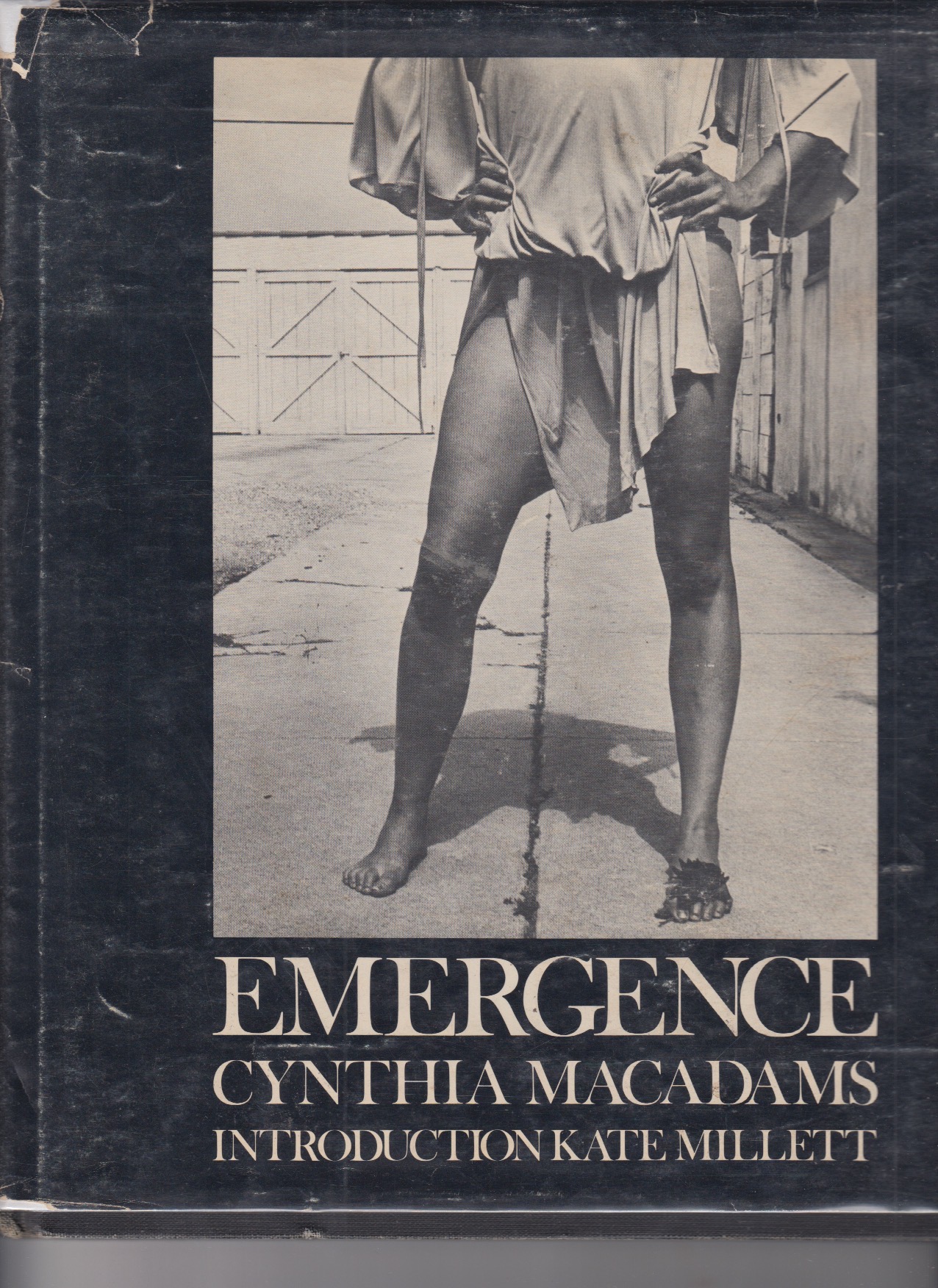
Portraits of American women by Macadams including Patti Smith, Laurie Anderson, Margie Beals, Marisol Escobar, Laurel Wise, Michelle Phillip and more.
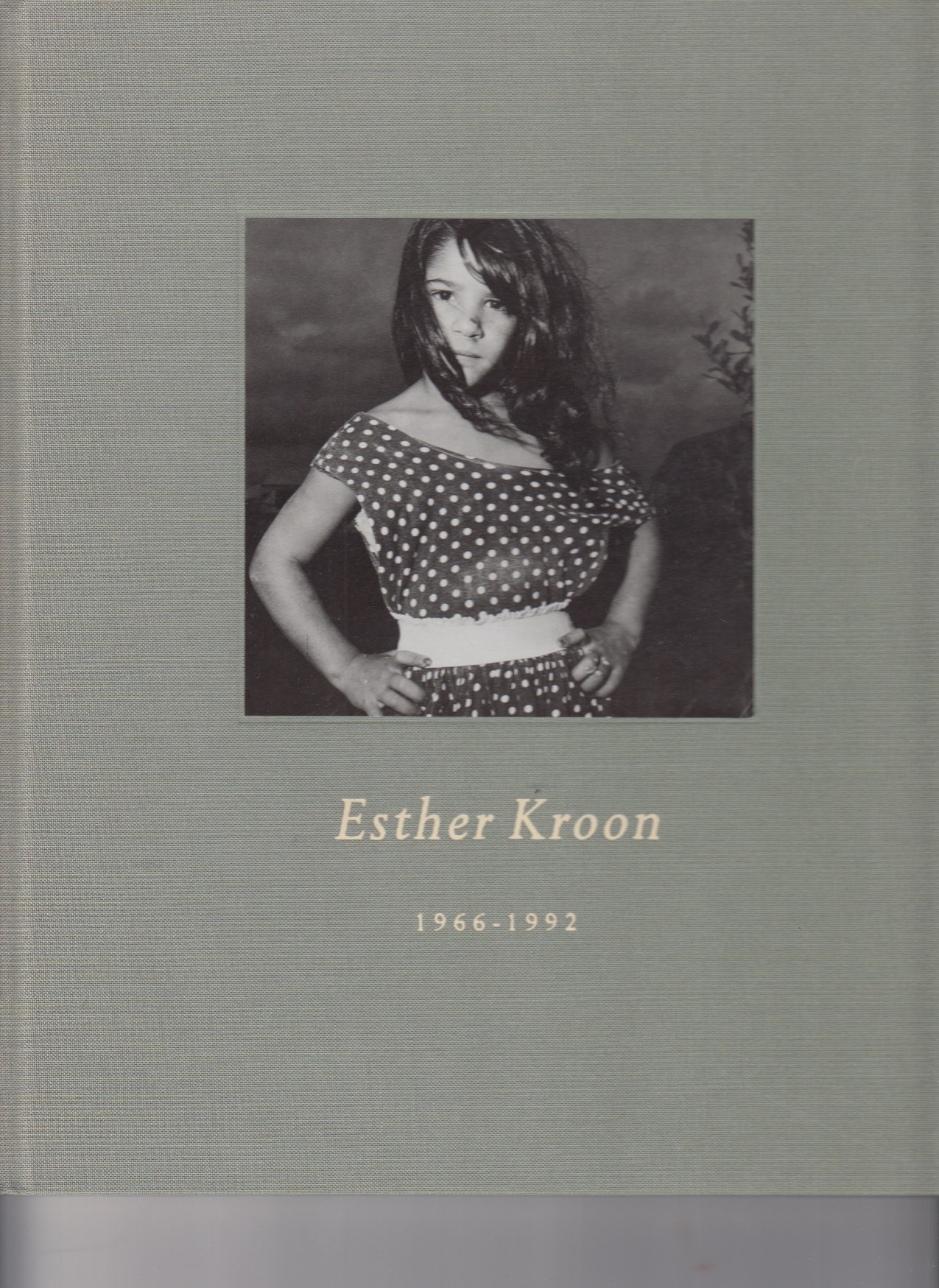
This book presents a collection of works taken between 1966 and 1992 by photographer Esther Kroon. Kroon mainly photographed street children, with the streets and the neighbourhoods forming the background of the images. Her photos are moving but never move into cliché territory, which often happens with photographs of children. The images are characterised by honesty and openness. The children pictured are both curious and hesitant. The hard flash and the often low perspective create penetrating photos and give the images a rather dark and ominous feeling, bringing to mind the photos of Diane Arbus.

Josef Koudelka: Exiles reflects the personal and profound experience of a life in exile, a theme central to Koudelka's life after he left Czechoslovakia in 1968. His photographs captures the spiritual and physical state of his nomadic and stateless life, exploring themes of alienation, disconnection, and loss.

In reaction to--as Nick Waplington puts it--'the grainy, downtrodden, black-and-white interpretation of working-class life' one generally sees, Living Room offers lushly colored glimpses of the communal spirit, fired by the joys, mishaps, and adventures of family life.
.jpg)
During a Jack Kerouac-inspired road trip that lasted nine years, the photographer William Eggleston documented working-class towns, rest stop diners, dilapidated gas stations, and barren stretches of land in the American South and Southwest. For thirty years following Eggleston’s trip, the images sat in a warehouse as he focused on other work, many of them unseen. In 2002, Eggleston’s journey finally reached its destination when the resurfaced snapshots were published in Los Alamos.
.jpg)
This book is a journey into the film of Morvern Callar directed by Lynne Ramsay. A collection of impressions and behind the scenes shots.
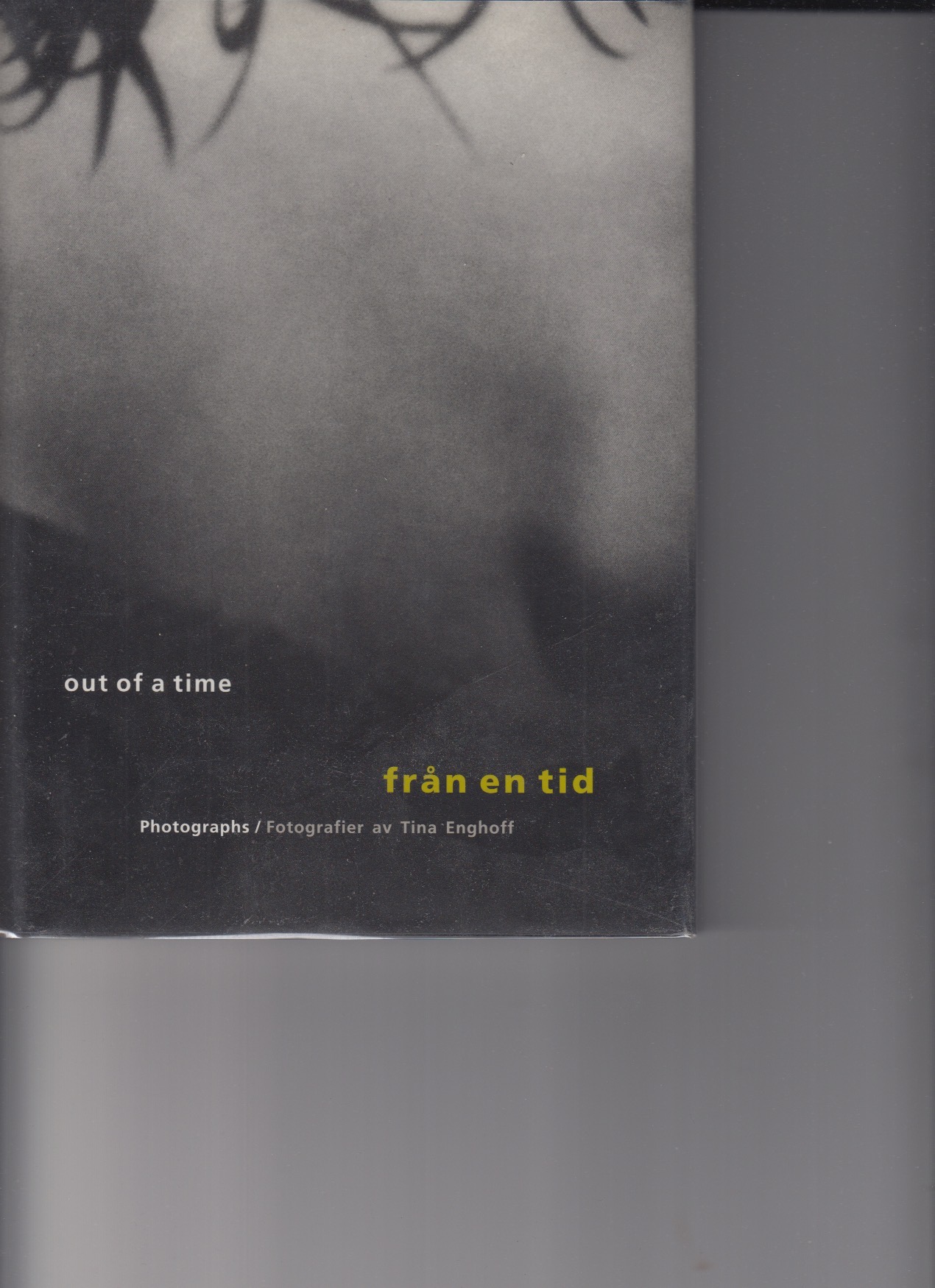
A reflective photographic project by Tina Enghoff exploring childhood, identity, and memory. It considers what is lost in leaving childhood behind—imagination, emotional fluidity, and a fairy-tale sense of perception. Enghoff suggests that while childhood becomes distant and fragmented, its memories persist as an obscured but foundational emotional presence shaping adult life

Pretty Hurts by the London-based photographer Rosie Marks is a mosaic of eleven vignettes that feature an exploration of contemporary notions of beauty and glamour. Oddities and curiosities take center stage as Marks allows her subjects to freely exist in their individually constructed–or reconstructed–worlds. From London to Los Angeles, we meet personalities from all walks of life in search of betterment and beauty, no matter what the costs
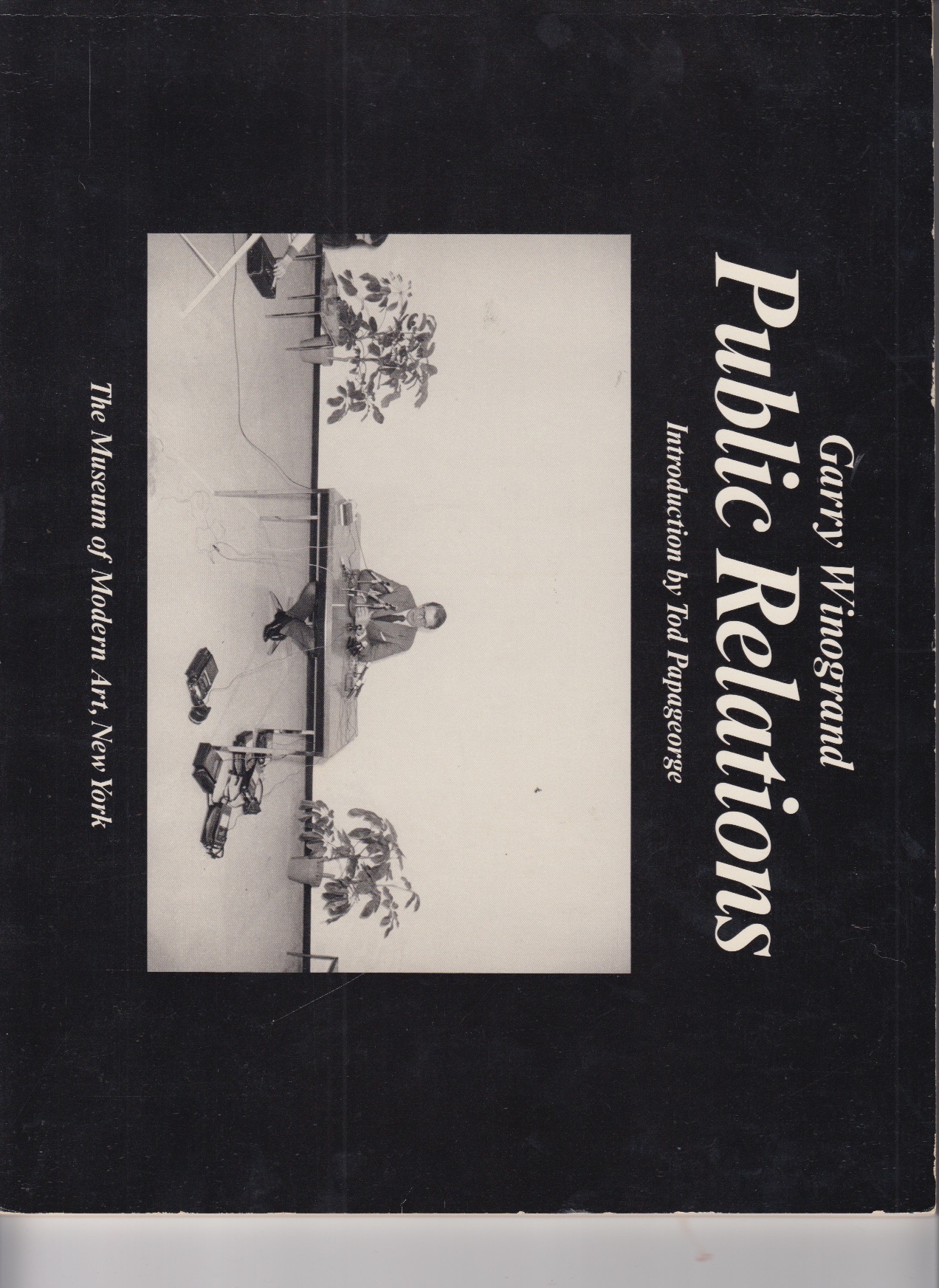
In 1969, Winogrand documented a number of public events. The photographs depict our emerging dependence on the media as well as how the media changes and sometimes even creates the event itself.

Photographer Jo Spence challenges the assumptions of conventional photography in this groundbreaking visual autobiography, which traces her journey from self-censorship to self-healing.
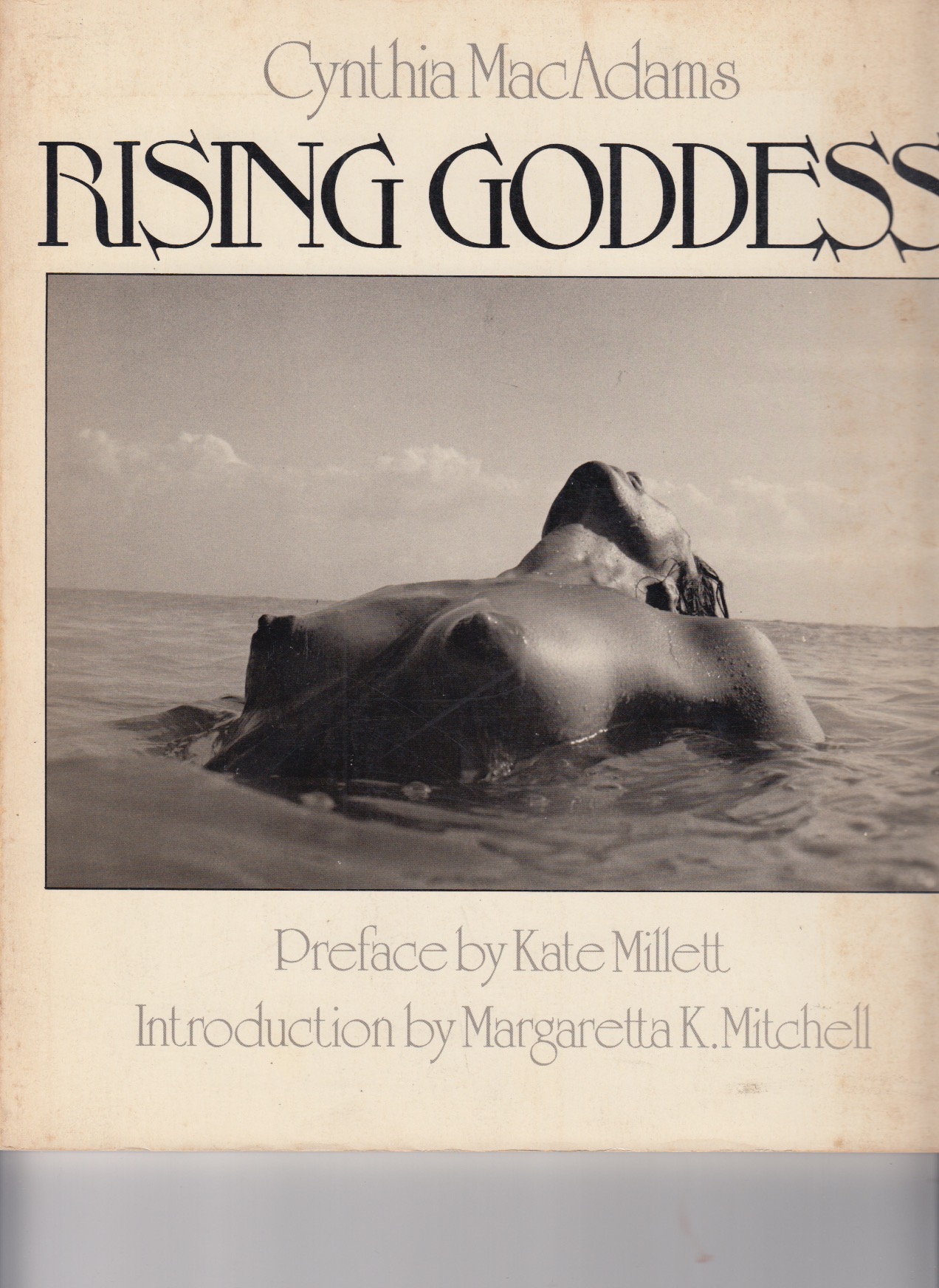
Rising Goddess presents photographs of the female body in relation to the woman as an "archetype of the Great Mother". The black and white, almost surrealist, images depict women in various natural landscapes from mountains to deserts to lakes.
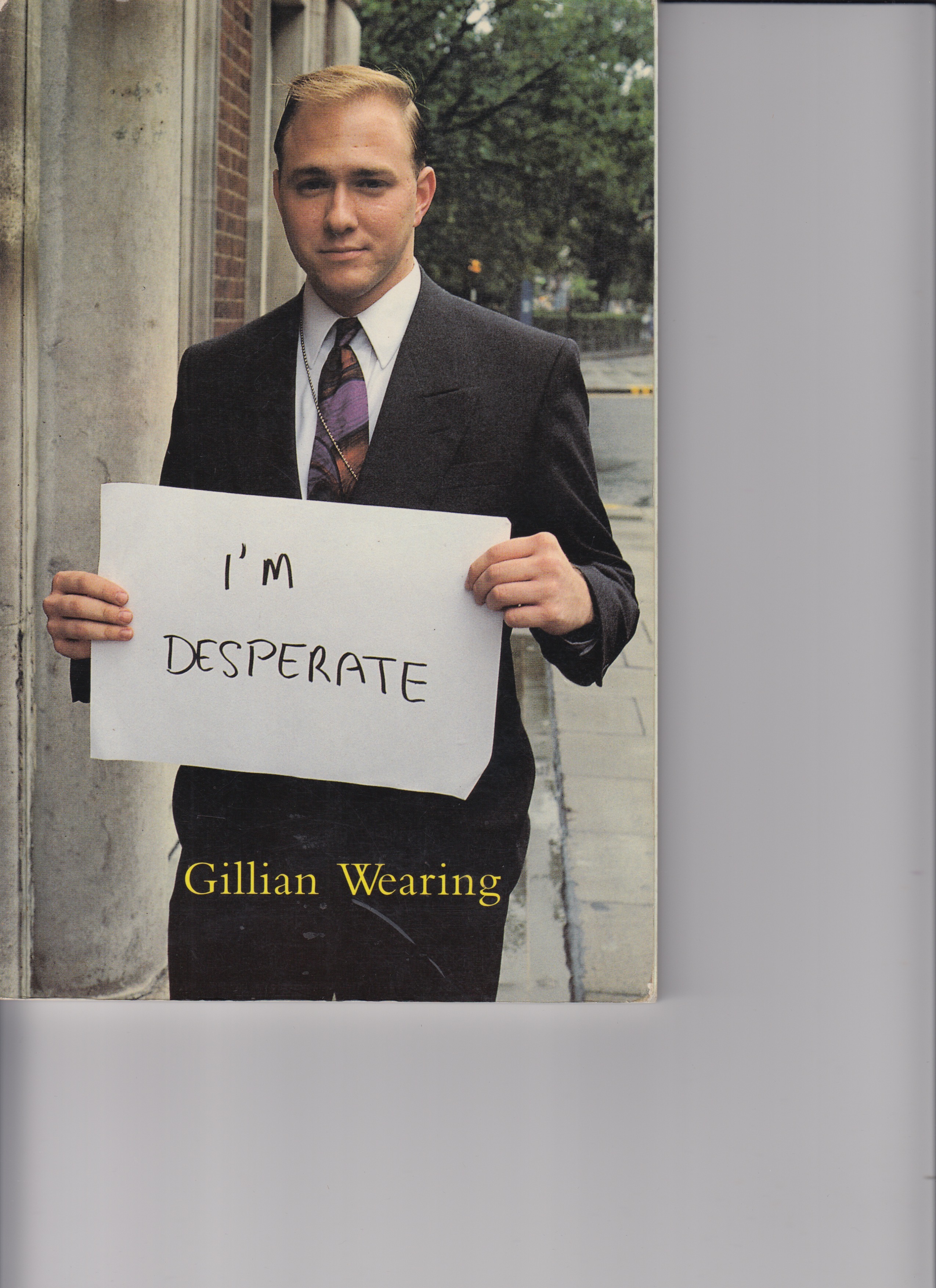
This book presents Gillian Wearing's most seminial public artwork in which she invited members of the public to write what was on their mind on a sign. With their permission, she then photographed them holding their written statement. 'Queer and Happy', 'I'm Desperate', 'I Really Love Regents Park', 'Convenience causes apathy', are just a few of the responses. The images presented interrupt the logic of documentary photography, and present an engineering of self representation.

New York photographer Tina Barney was born to an upper-class East Coast family. Ever since she started to take photographs in 1974 she has documented and examined her family's life. As an intimate observer, the viewer witnesses the intricacies of social rituals-weddings, Christmas dinners, and cocktail parties. Barney captures the tension between the polished surfaces and the intensity of the feelings underneath.

For nearly two thousand years, Japanese women living in coastal fishing villages made a remarkable livelihood hunting the ocean for oysters and abalone, a sea snail that produces pearls. They are known as Ama, and they make their living (well into their 90s) by filling their lungs with air and diving for long periods of time deep into the Pacific ocean, with nothing more than a mask and flippers. This book is a document to the lives of these women.

Since 1988, Larry Sultan photographed on porn sets in the San Fernando Valley area of Los Angeles. The result is a dense series of pictures of middle-class homes invaded by the porn industry. His lens focuses on pedestrian details – a piece of half-eaten pie, dirty linens in a heap, "actors" taking a break – that offer clues to a bizarre other-world. The lush and intricate images adroitly play with artifice and reality, adding up to rich, elliptical narratives that circle around the concepts of "home" and "desire.
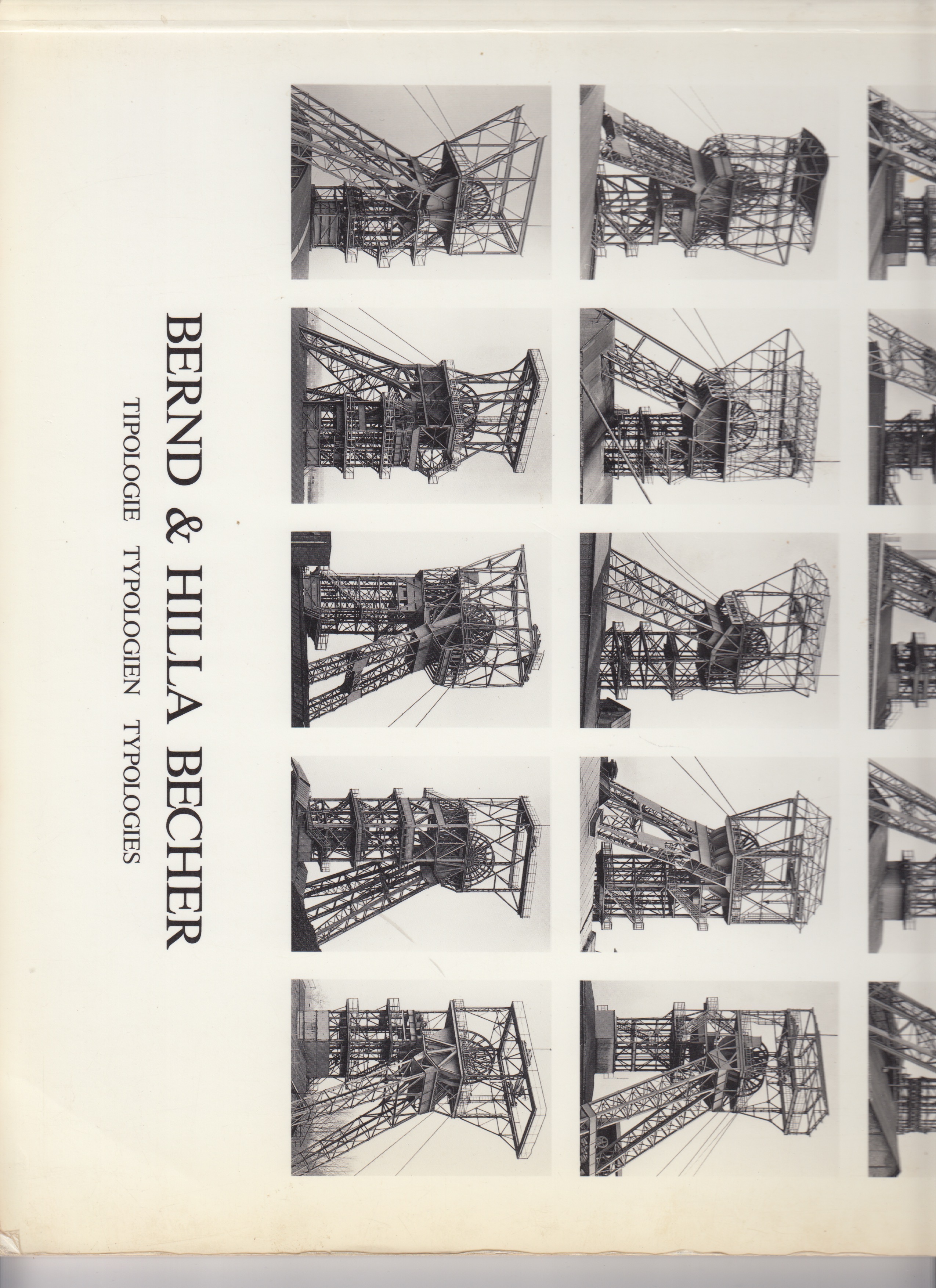

Hilla and Bernd Becher's cool, objective photographs of industrial structures have earned them a special position in international photography. The Bechers' 224 photographs of watertowers comprise a unique, single minded, even obsessive mission. They were taken from as many as 8 angles, over a period of 25 years, with a stylistic approach so consistent that photographs juxtaposed from the 1950s and 1980s suggest a minute to minute account deadpan portraits of unadorned metal, concrete, and wooden structures.