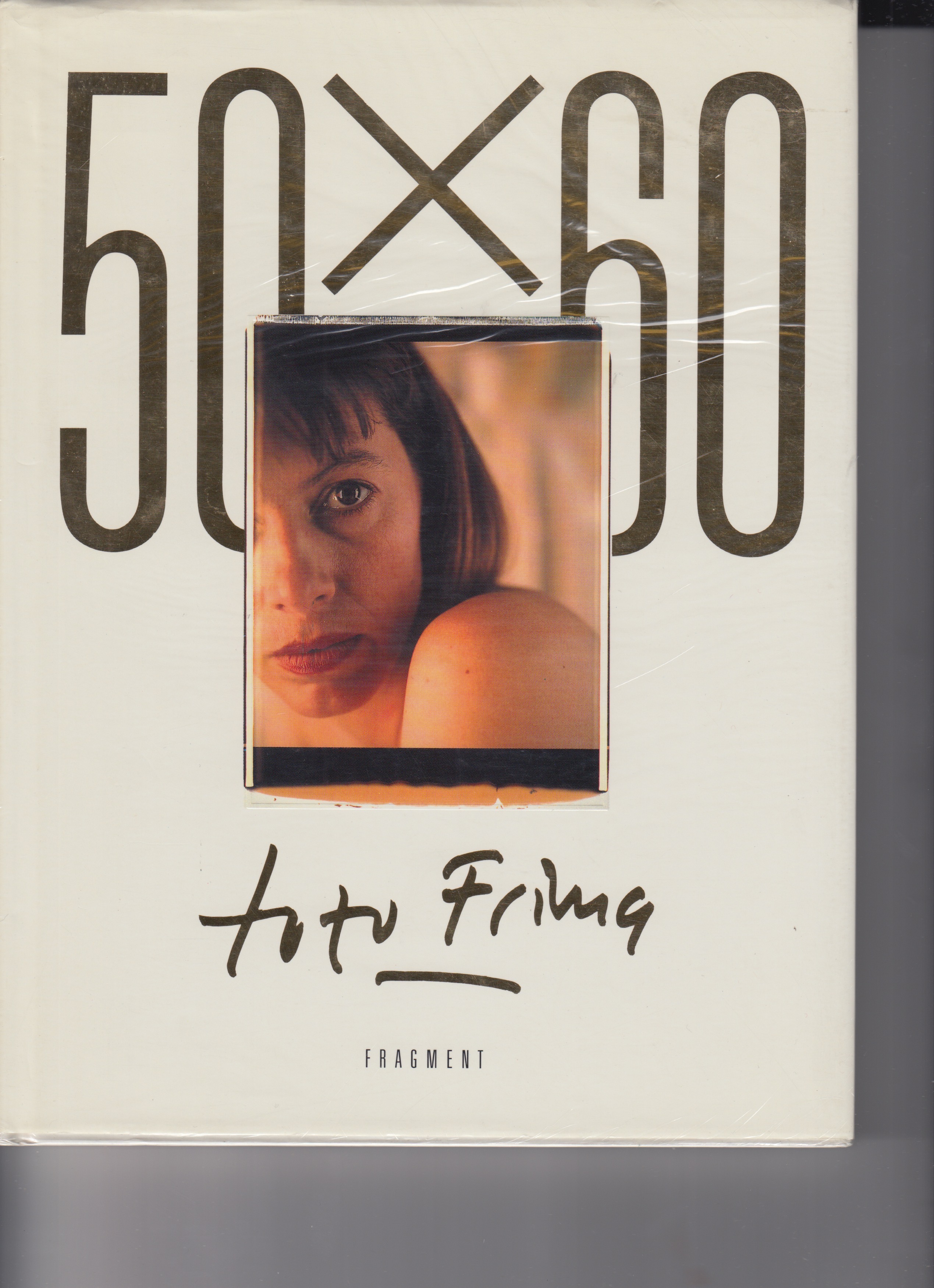
Toto Frima reached recognition in the 80's with her Polaroid (SX70) selfportraits, also known as 50x60, photographic works created on her own using a remote shutter release. The small, often erotically charged images rapidly captivated the whole of Europe. One of the reasons for her success was that the works perfectly matched the at the time ongoing socio-cultural developments: women worked without undergoing competition with men. Through the lens, Toto exhibited herself in different ways, either playing a role or using different attributes. However, in all cases, she keeps referring to her own person, which could as well be someone else.
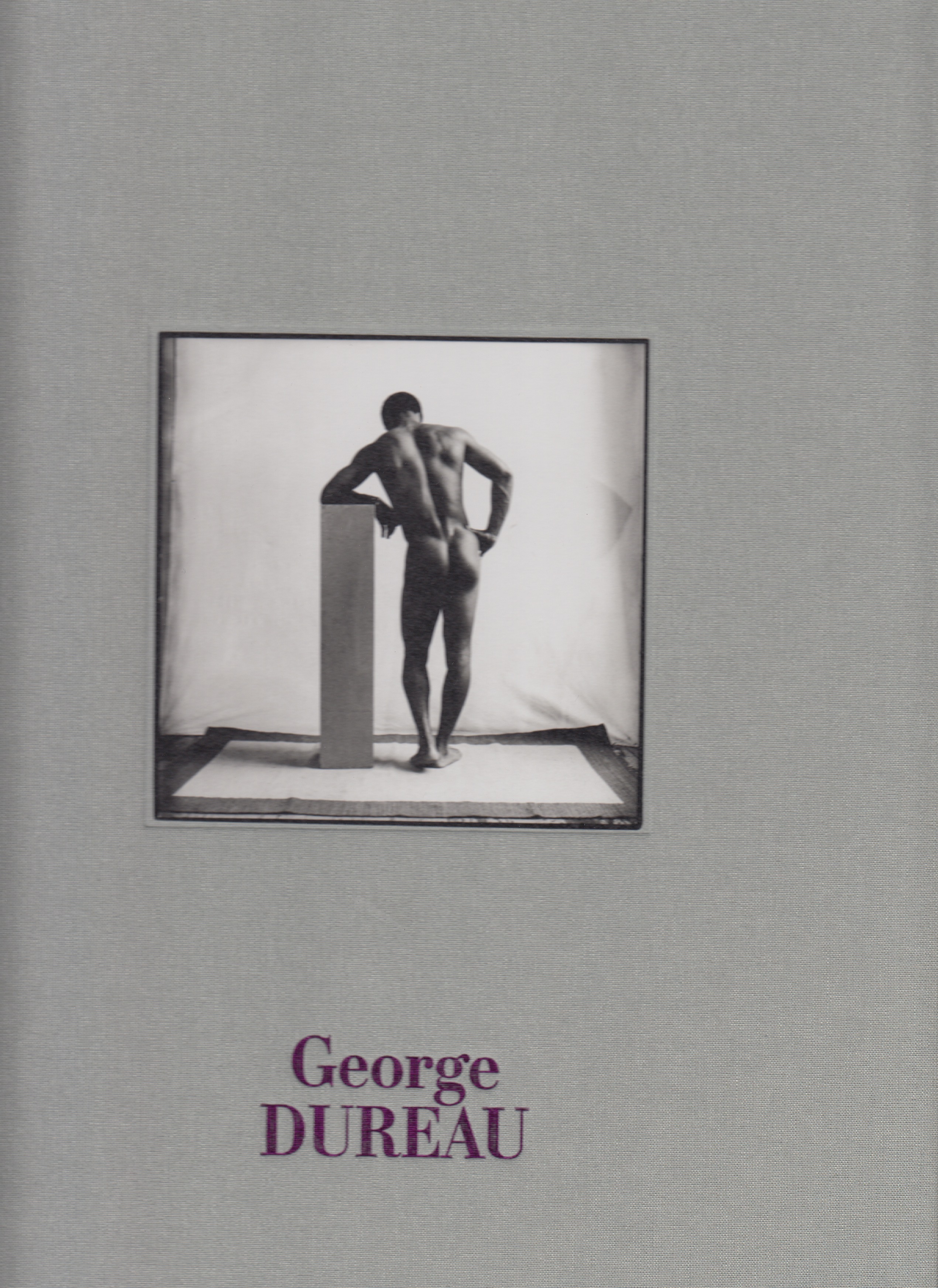
George Dureau, The Photographs is an album of the great photographic portraits made throughout the forty years of Dureau’s artistic career―a New Orleans romance between the photographer and his subjects. All of Dureau’s exquisite photographs, many of them nudes, were made in his studio in the French Quarter of New Orleans, or on the city’s streets.
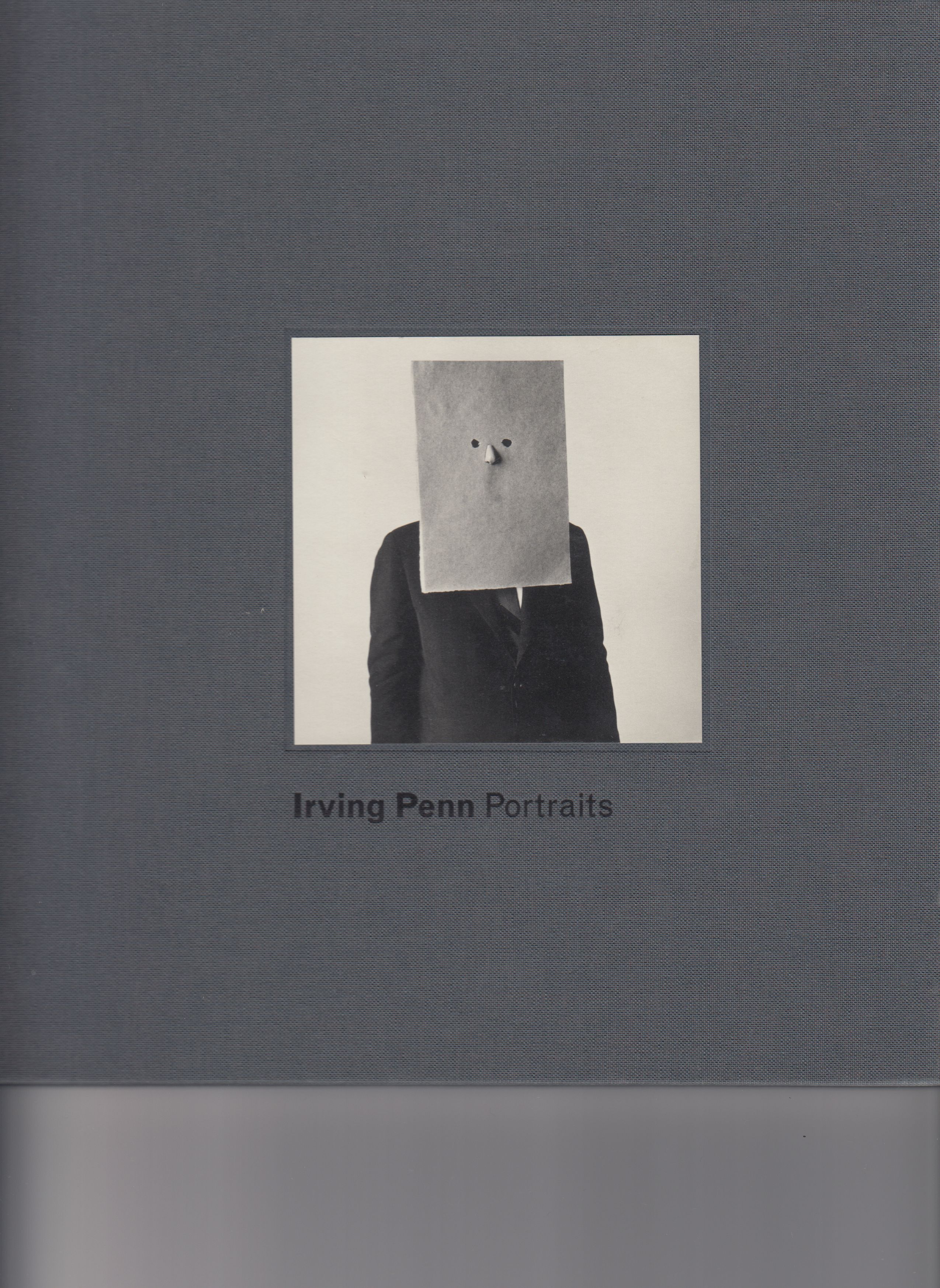
Drawn from a career spanning seven decades, Irving Penn Portraits presents thirty photographs of renowned personalities by one of the most distinguished photographers of the 20th century
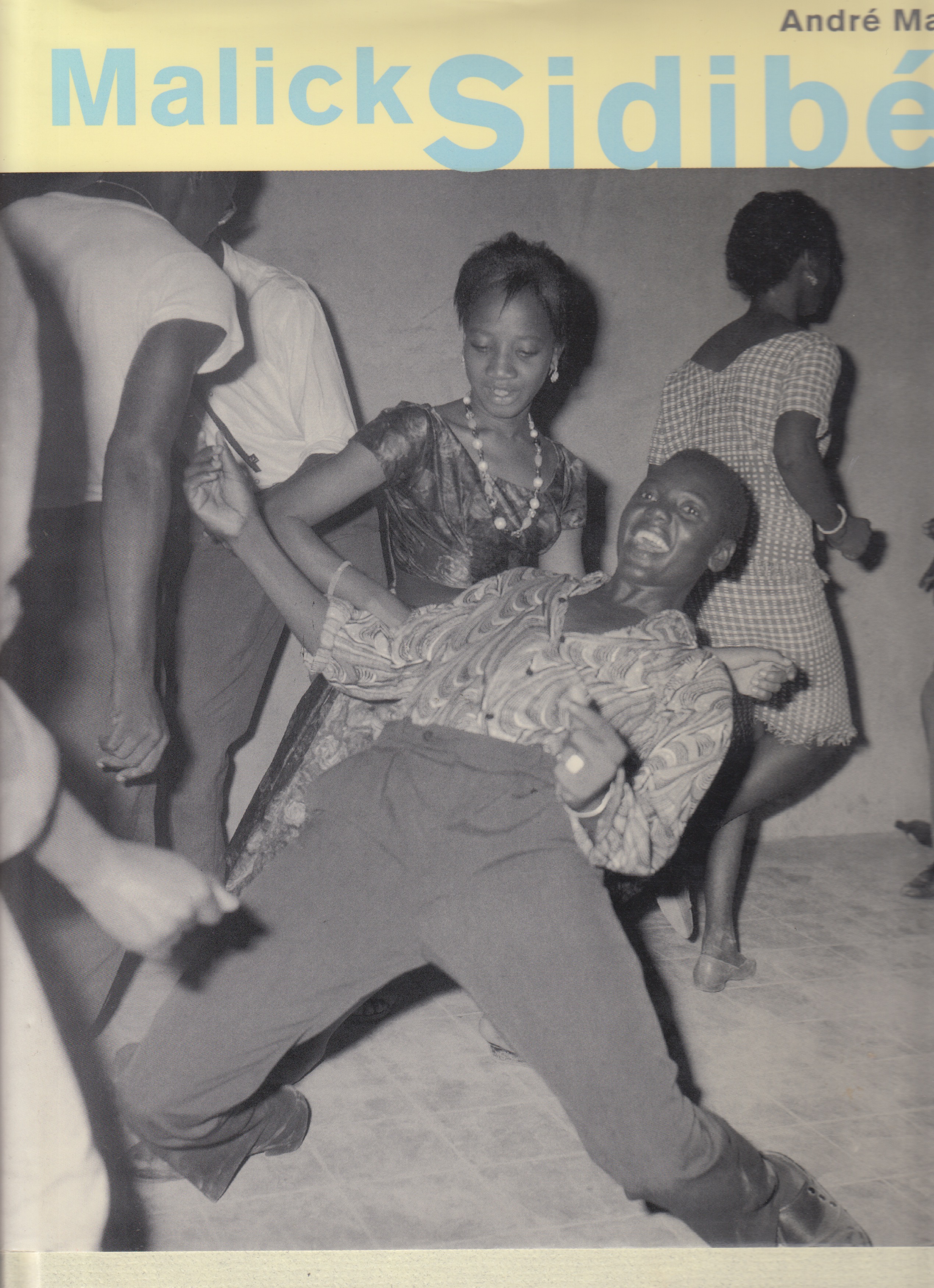
Malick Sidibe has gained an international reputation for his documentation of an important period in the history of Bamako. His portraits document the social life in of this region, especially the youth culture. Images of people gathering outside of a club; couples performing the Mali twist in a disco; African fashions; the beauty of havng fun in the street. Sidibe's photographs oscillating between the traditional tribal life and urban survival in the West African city of Bamako.
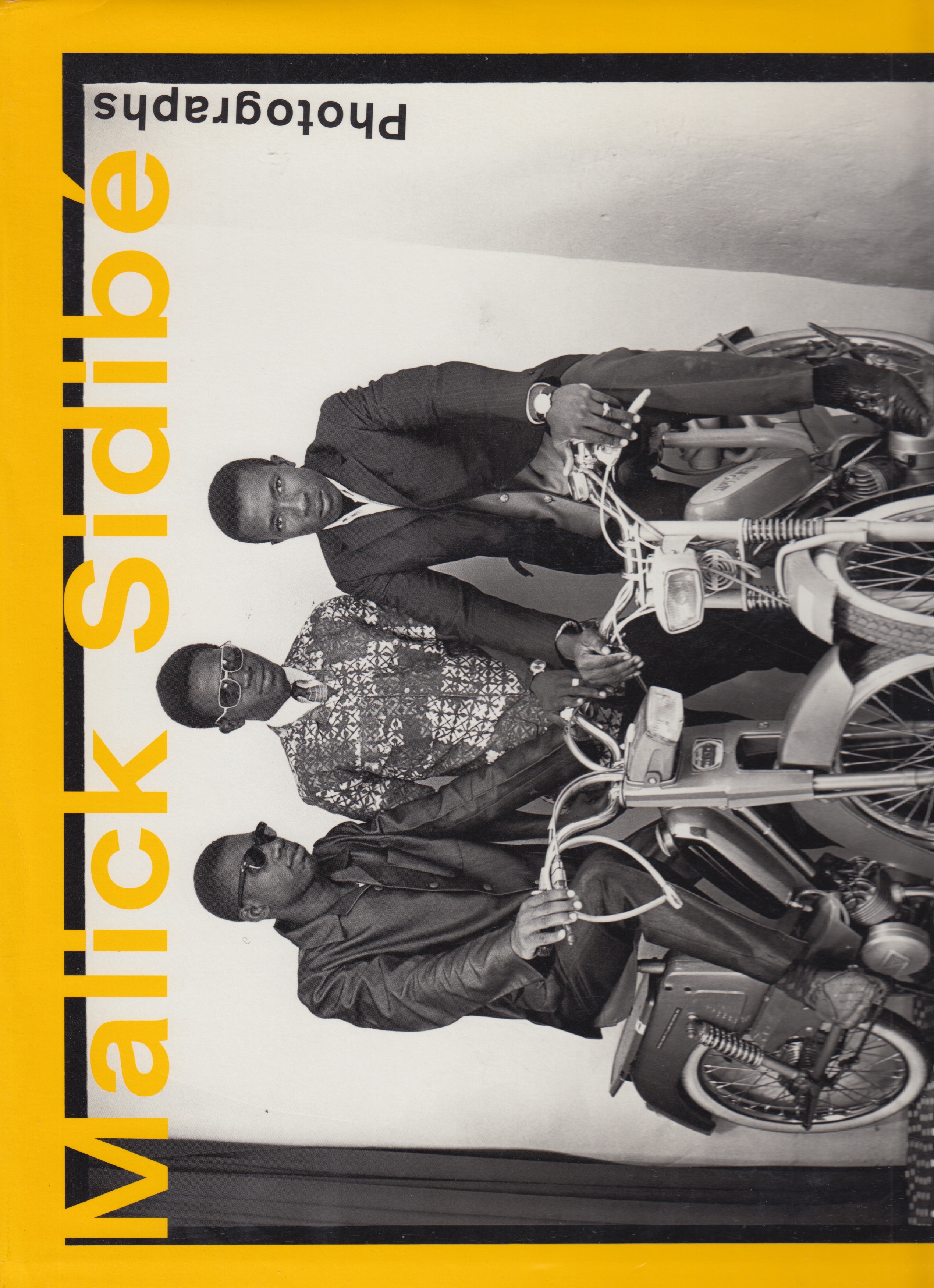
This book was published on the occasion of the Hasselblad Foundation International Award in 2003, which was awarded to West African photographer Malick Sidibé. Sidibé was Bamako's first photojournalist, capturing the energy of that city's youth at parties and social gatherings. Studio Malick became a central meeting place for this new generation, and Sidibé's striking portraits reveal an exuberance for photography that matched the spirit emblematic of post-colonial West Africa in the late 1950s through the mid-1970s.
Nothing Personal is Avedon's classic photobook depicting 1950s America. Here, the photographer moves away from the glitz of fashion photography and presents a series of political portraits documenting the power and the weaknesses of mid-century USA. Featured are portraits of Allen Ginsberg, Brother Malcom X, Arthur Miller, Marilyn Monroe and more.
Observations is Richard Avedon's first book – a striking collection of portraits of artists, authors, musicians, and performers, with accompanying text by Capote.
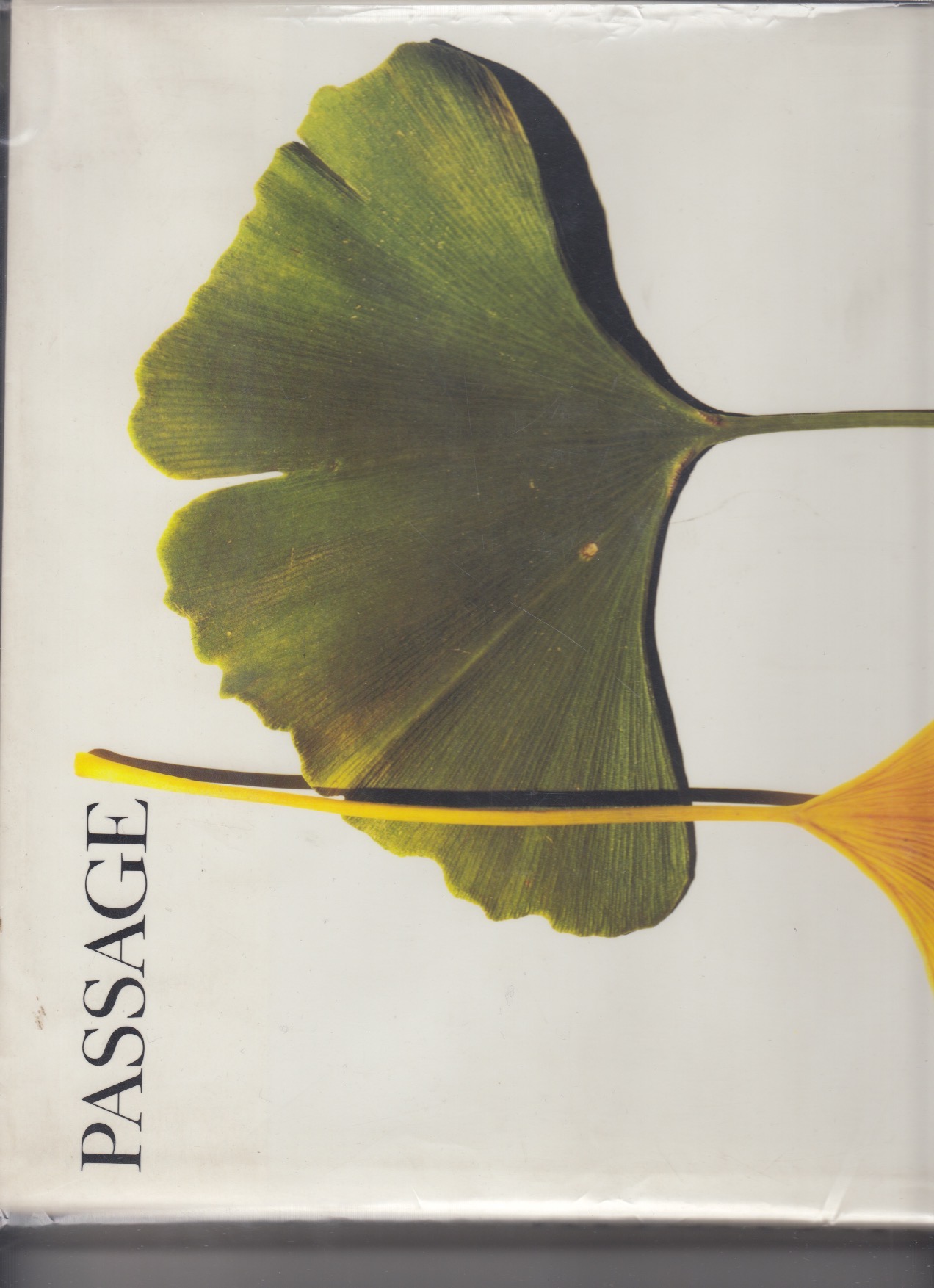
The definitive retrospective of America's preeminent photographer. This book reveals for the first time Penn's own view of his extraordinary and diverse career. Accompanied by his fascinating and insightful commentaries and examples of his portraits, still lifes, and fashion drawings.
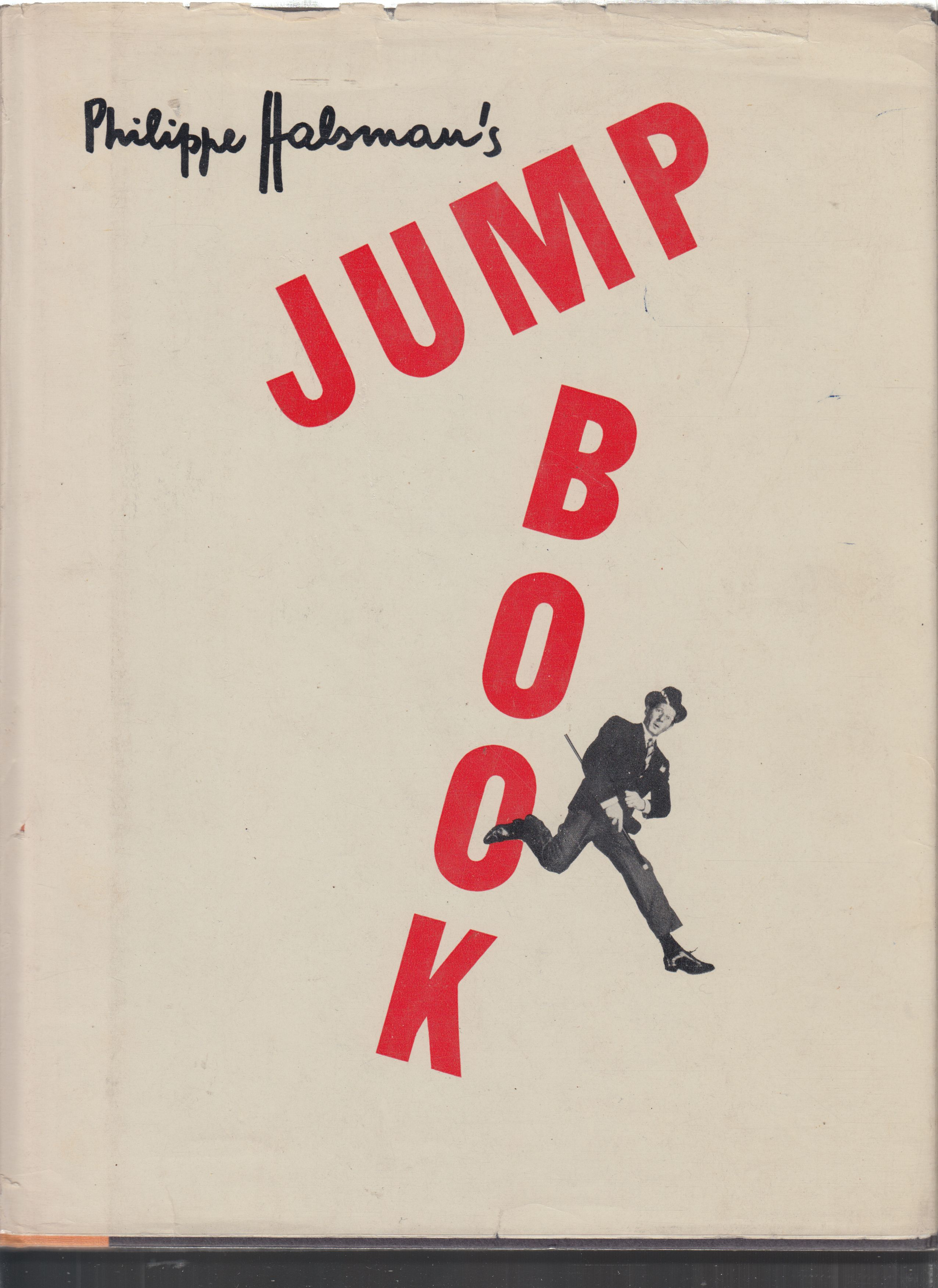
Where other portraitists were content to have their subjects sit for them, Philippe Halsman had his jump, an action which he felt caused the real self of his illustrious sitters to come out. Famous sitters included in the book are Marilyn Monroe, Grace Kelly, Brigitte Bardot and Richard Nixon.

In a collection of austere portraits of personalities including Truman Capote, Rose Mary Woods, and Andy Warhol, Avedon demonstrates his aim to retain the sitter's identity and solidity of being without using illusionistic effects.
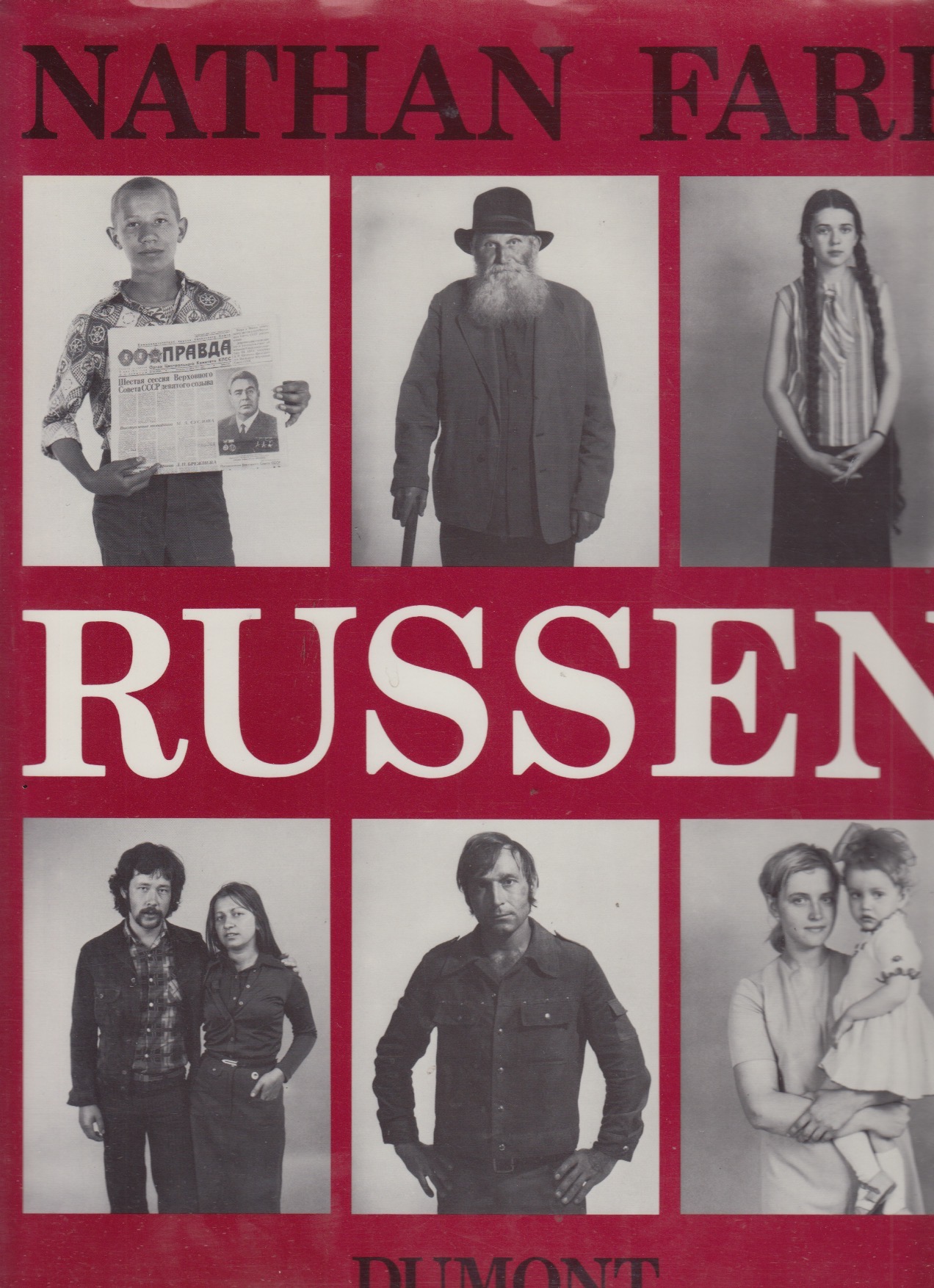
In 1978, photographer Nathan Farb found his away into Soviet Russian to document the people living in Nowosibirsk, Siberia. This book presents these portraits of everyday people, presenting their fashions and expressions.
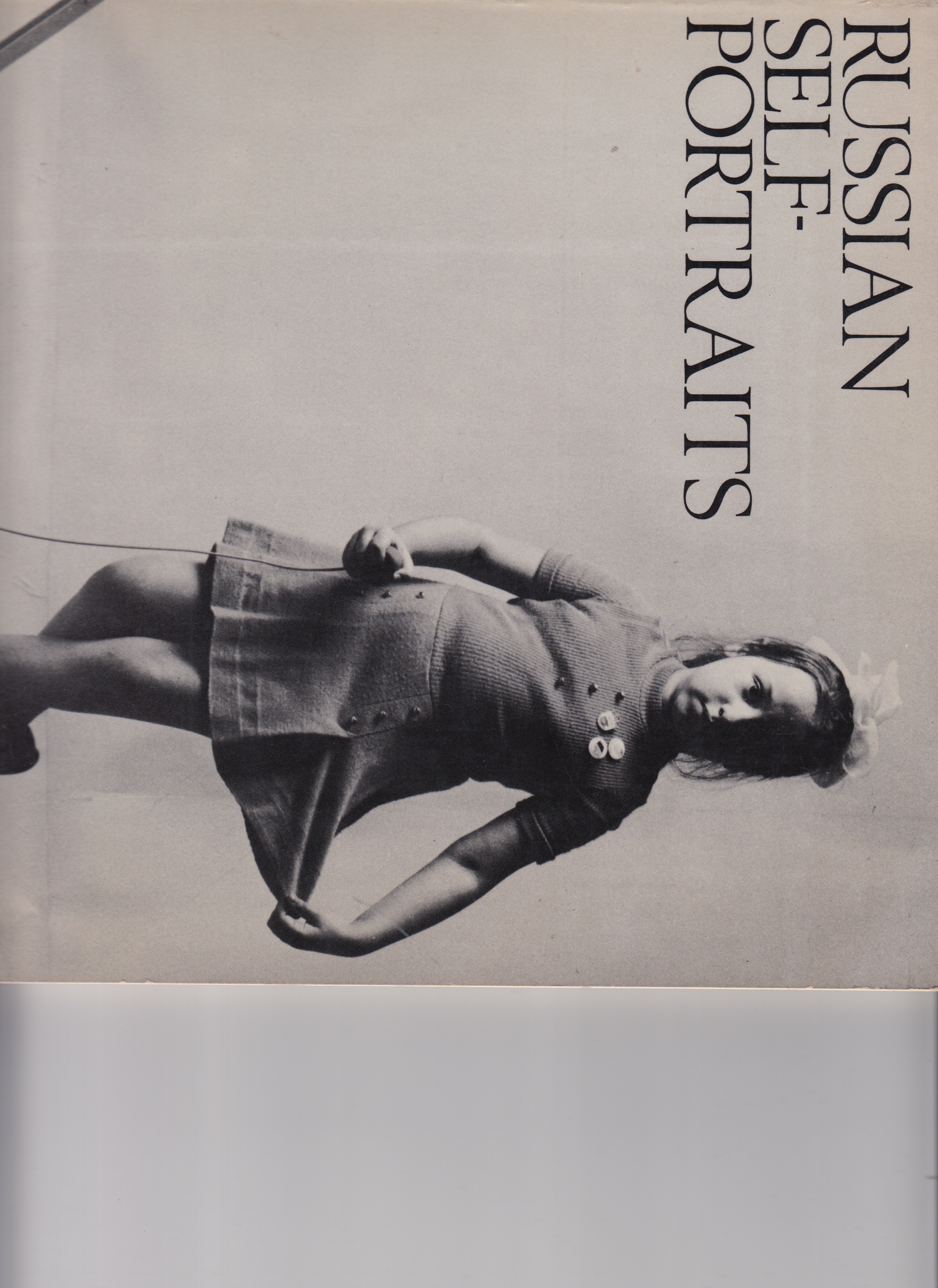
The self-portraits in this book were taken by visitors in the summer 1976 at an American cultural exchange visit, Photography USA, in Kiev. Here, photographer David Attie set up his large format camera in a studio with a shutter release for Russian visitors to take their portraits – from couples to children, youth, old people and families.
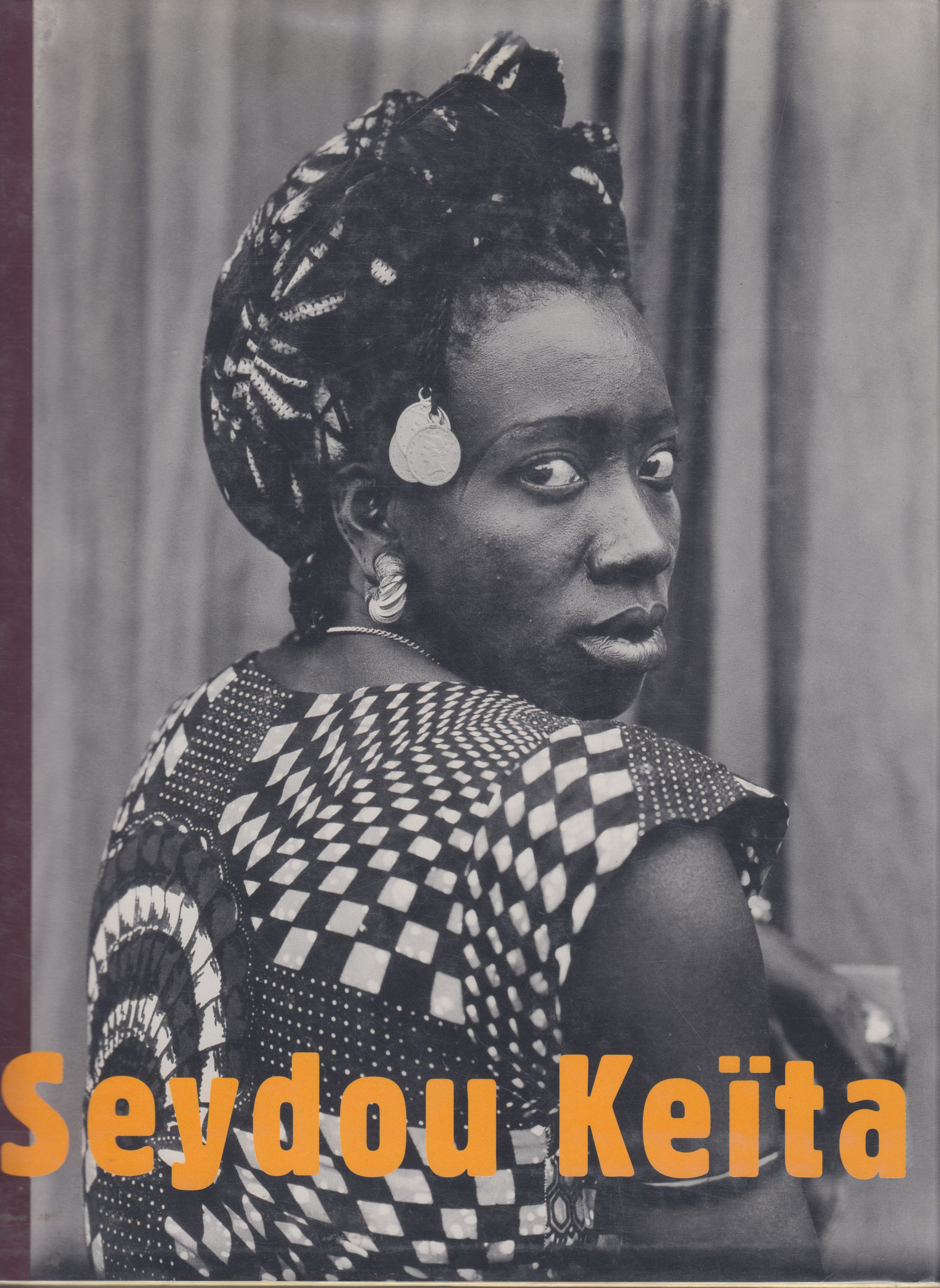
The thousands of portraits that Keïta took form an outstanding record of Malian society between the end of the Forties and the early Sixties. His photographs have become - in addition to their sociological value - works of art, free from tricks, eccentricity, or any attempt at illusion. As such they have acquired an objective character and a timeless dimension. Through his quest for accuracy, Seydou Keïta seems intuitively to have reinvented the art of the portrait.
-min.jpg)
Sory documented the fast evolution of Bobo-Dioulasso, then Burkina Faso's cultural and economic capital, portraying the city's inhabitants with wit, energy and passion. His work conveys a youthful exuberance in the wake of the first decades of African independence.
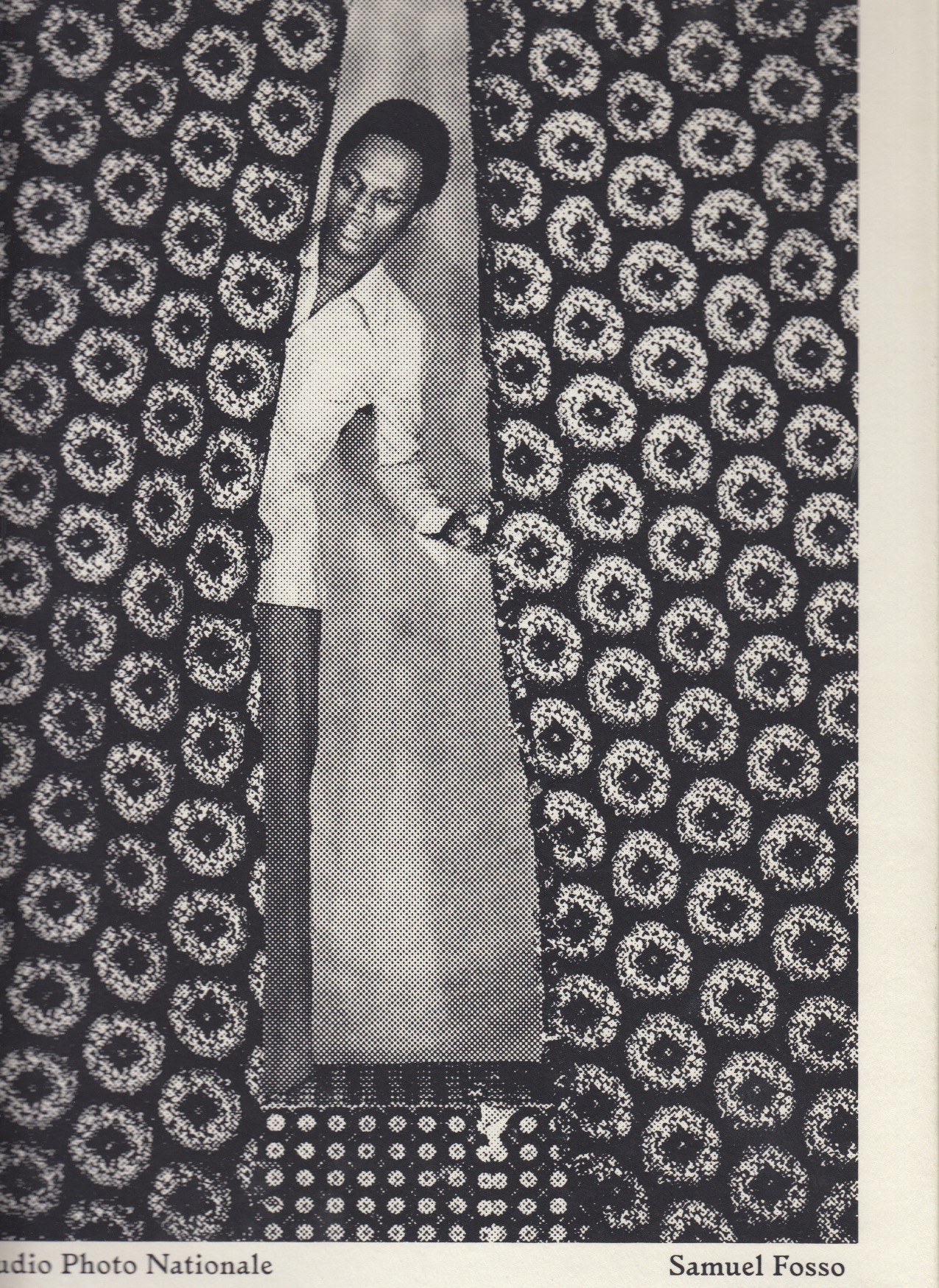
Dedicated to Samuel Fosso’s early studio photographs in the 1980’s, this artist’s book tells the story of photographer Samuel Fosso’s fascinating Bangui studio images a few decades before his recognition as a major African artist.
Ibrahima Sory Sanle (b. 1943) started his photographic career in Bobo-Dioulasso in 1960, the year his country (now Burkina Faso) gained independence from France. Sanle opened his Volta Photo portrait studio in 1965 and, working with his Rolleiflex twin lens medium format camera, Volta Photo was soon recognised as the finest studio in the city. This book is dedicated to Volta Photo’s heyday in the 1960’s and 1970’s, telling the story of photographer Sanlé Sory’s fascinating and moving studio images.
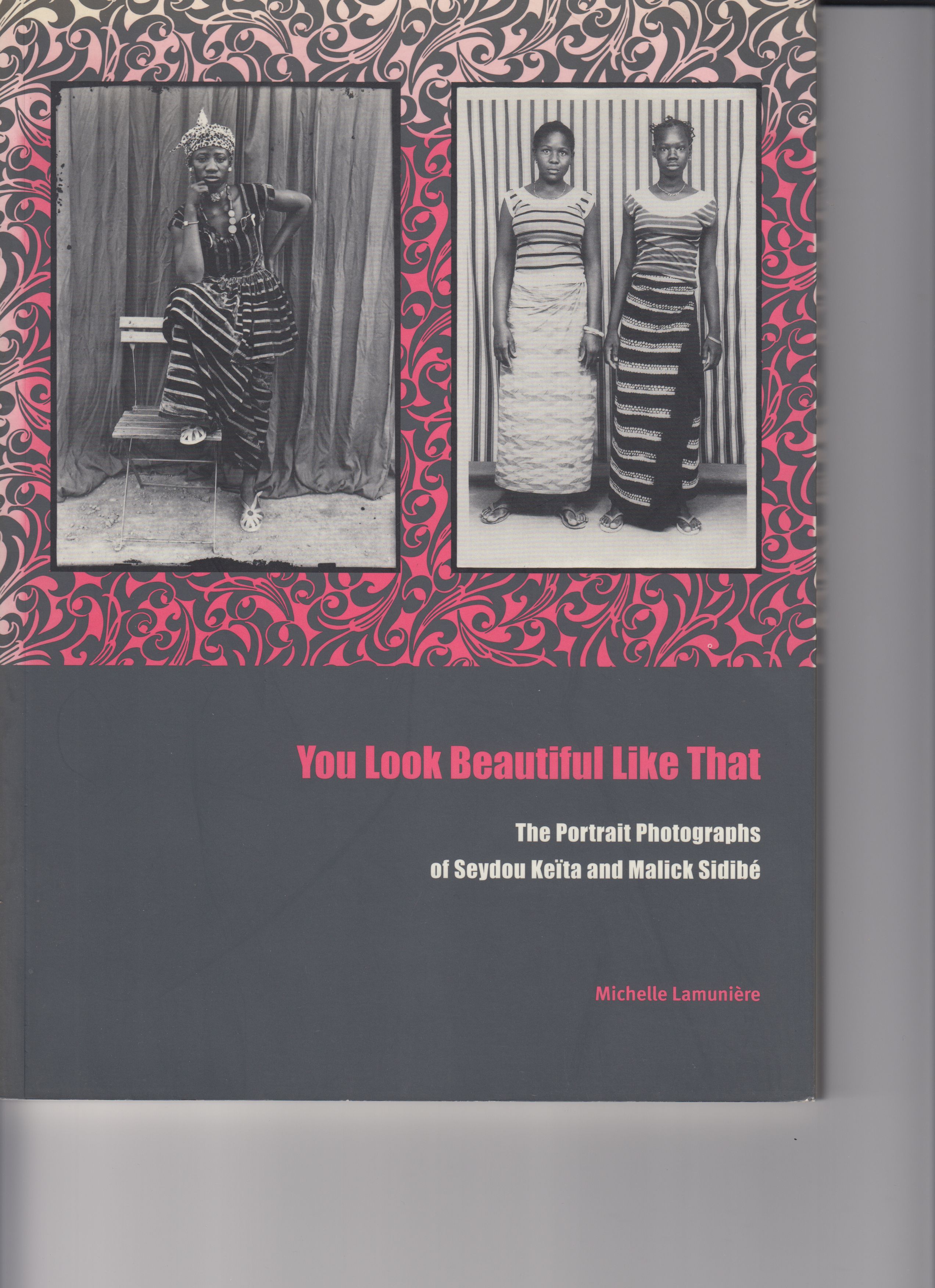
Seydou Keita and Malick Sidibe, two important and widely known commercial photographers from Mali, took mesmerising photographs of members of their communities during the decades before and after the country's independence from France in 1960. This book presents a range of these portraits, as well as excerpts of recent interviews with the artists and an essay placing the photographers within the context of the history of portrait photography in West Africa since its beginnings in the 1840s.
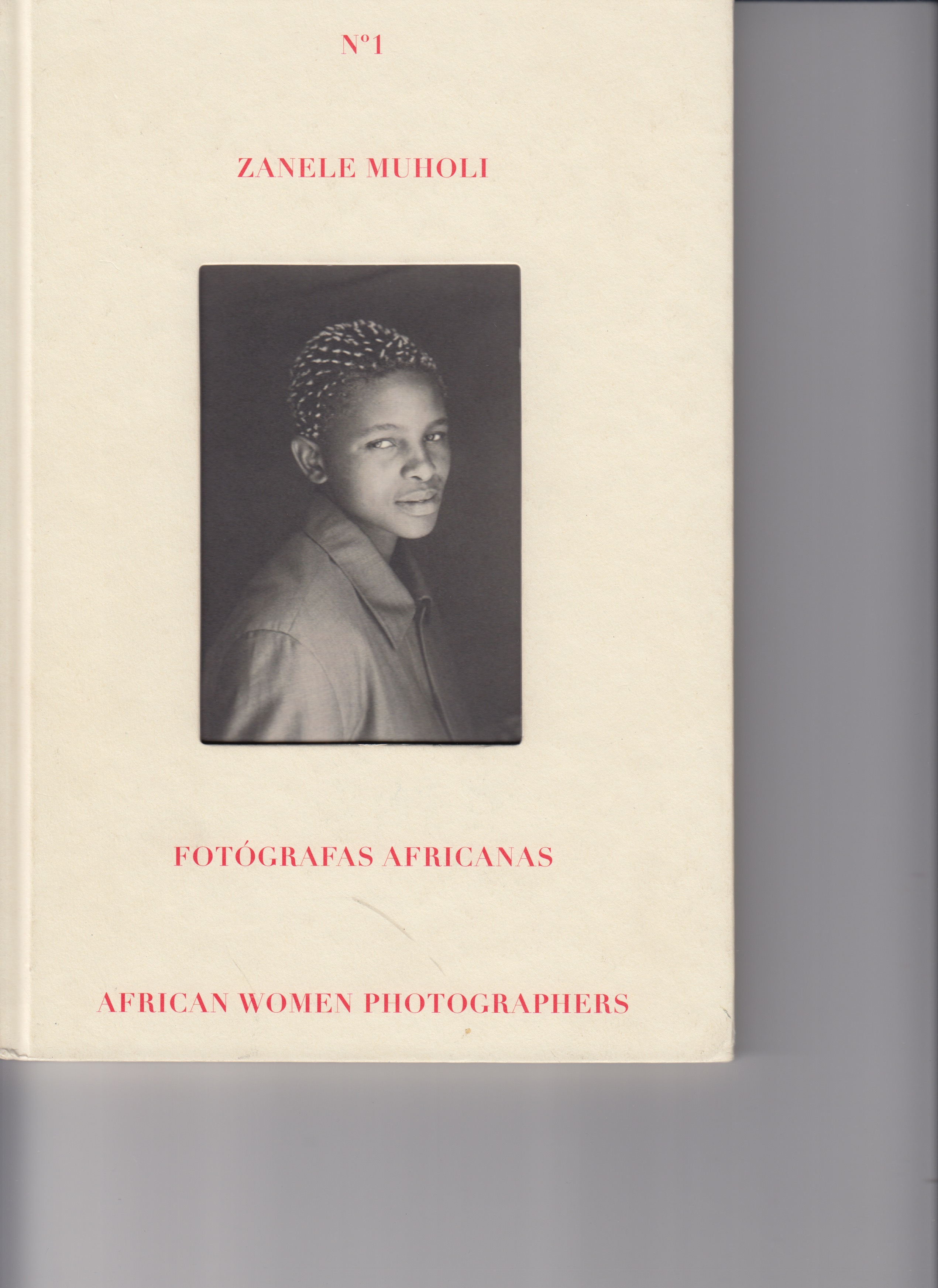
This is the first title a new series of books published by Casa Africa, aimed at promoting the most outstanding African women photographers, specifically those who have won the Casa Africa Award at the Bamako African Photography Biennial. This iteration focuses on the work of Zanele Muholi – a South African artist and visual activist working in photography, video, and installation exploring Black identity, sexuality and queerness.