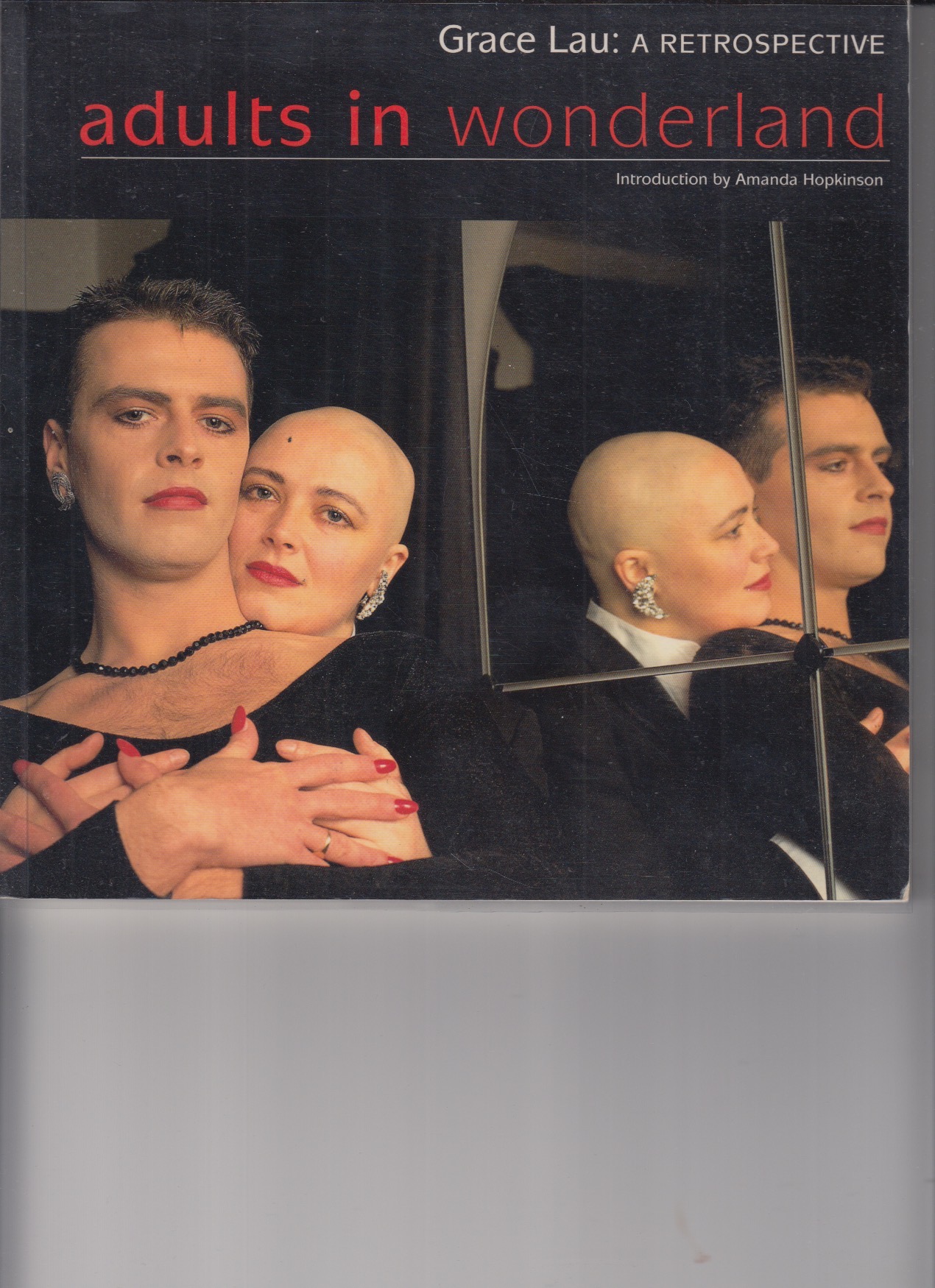
Since the early 1980s, Grace Lau has explored sexuality, gender identity, and BDSM subcultures through photography. This book traces her work from early male nudes to immersive studies of Skin Two events, dominatrix spaces, and cross-dressing, reflecting evolving ideas of desire and identity.

With over 200 images of t-shirt 'messages', A Typology of T-shirts looks at those individuals who stand out in a crowd through their choice of the message on their back.
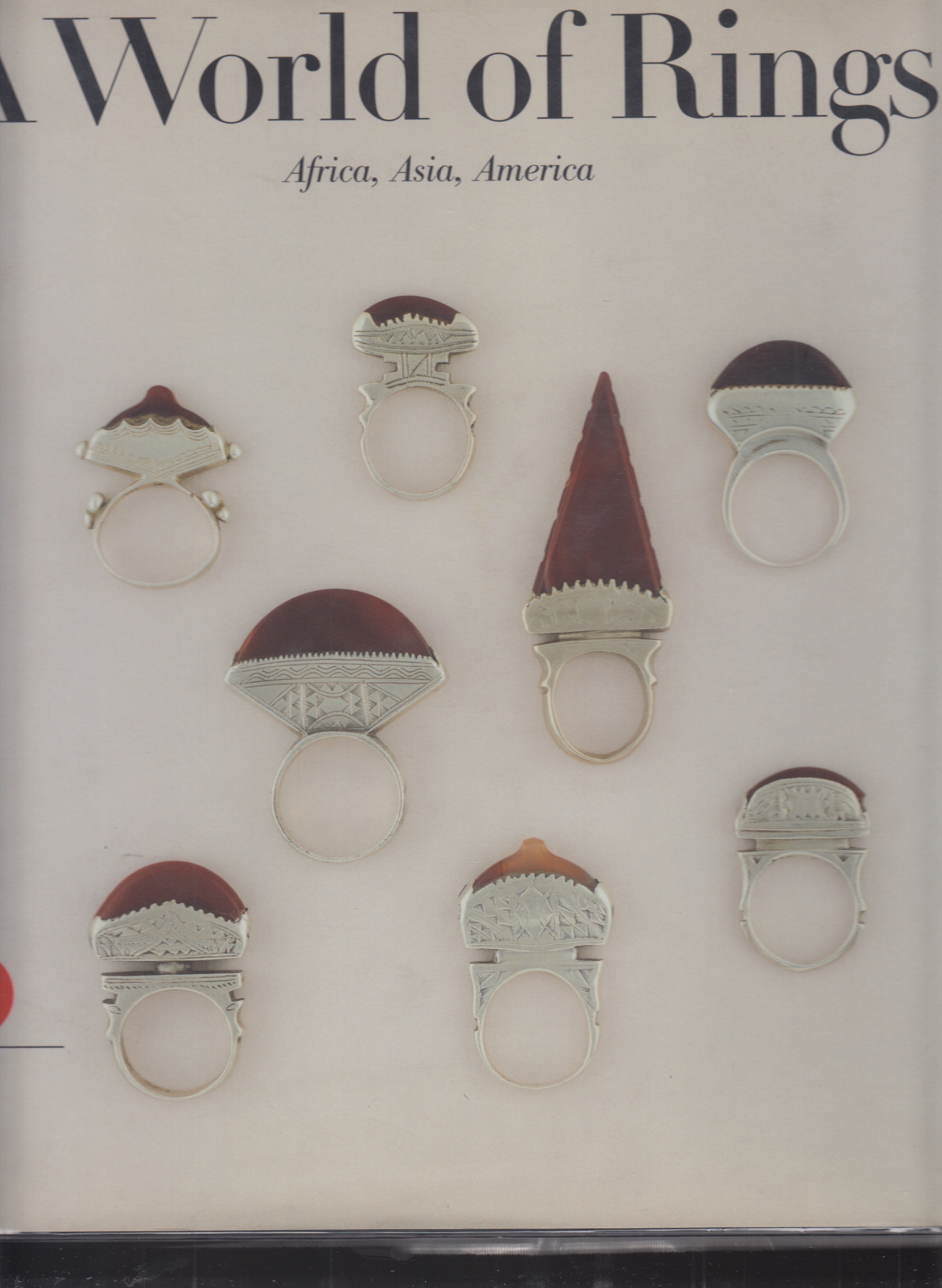
A selection of rings from the Ghysels collection and a complete monography about the different topologies, shapes, materials and functions of rings in the history and culture of different peoples and countries in the world.
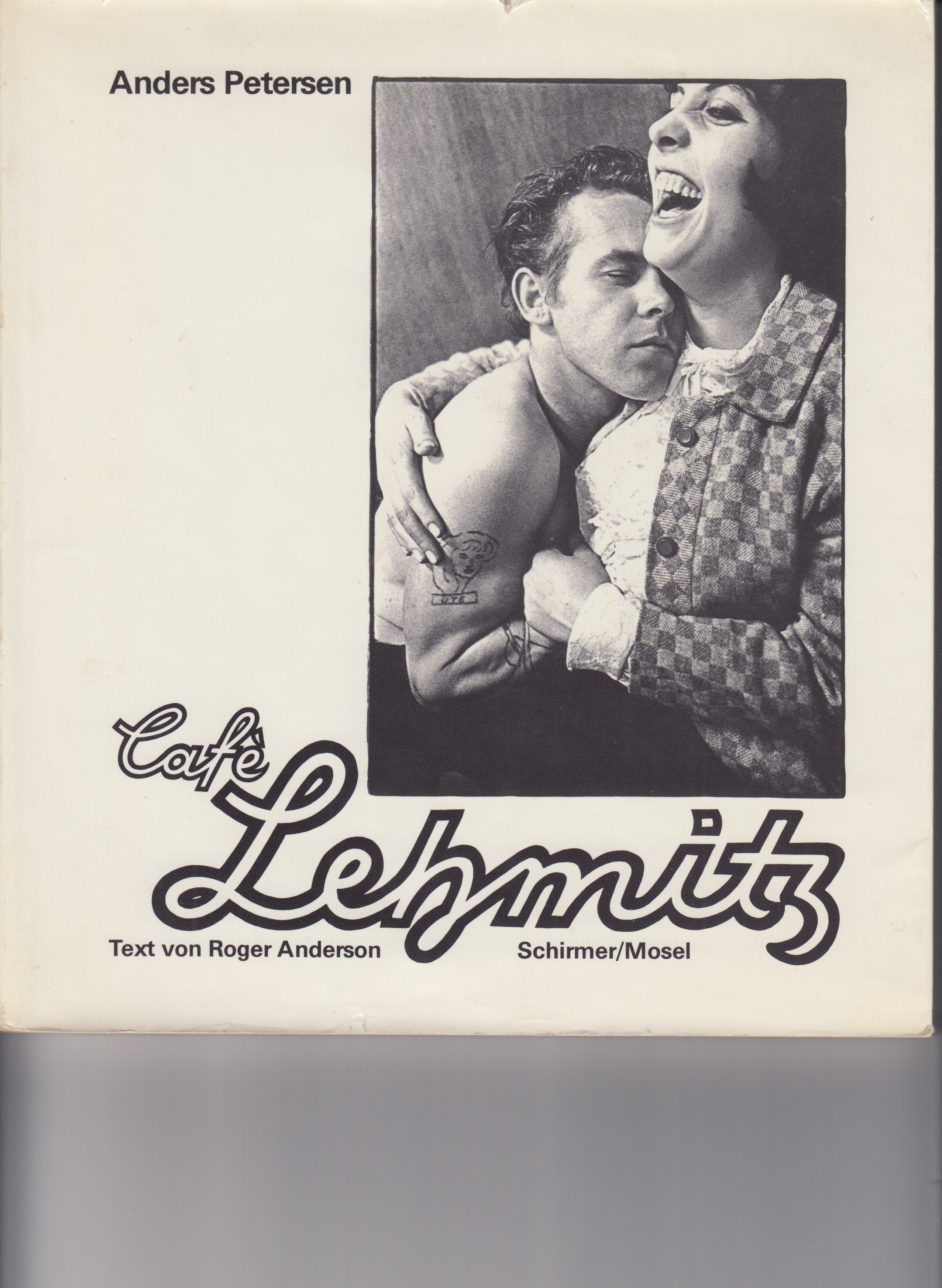
This classic work of analog photojournalism—focusing on the idiosyncratic denizens of an iconic bar in the red-light district of Hamburg, Germany


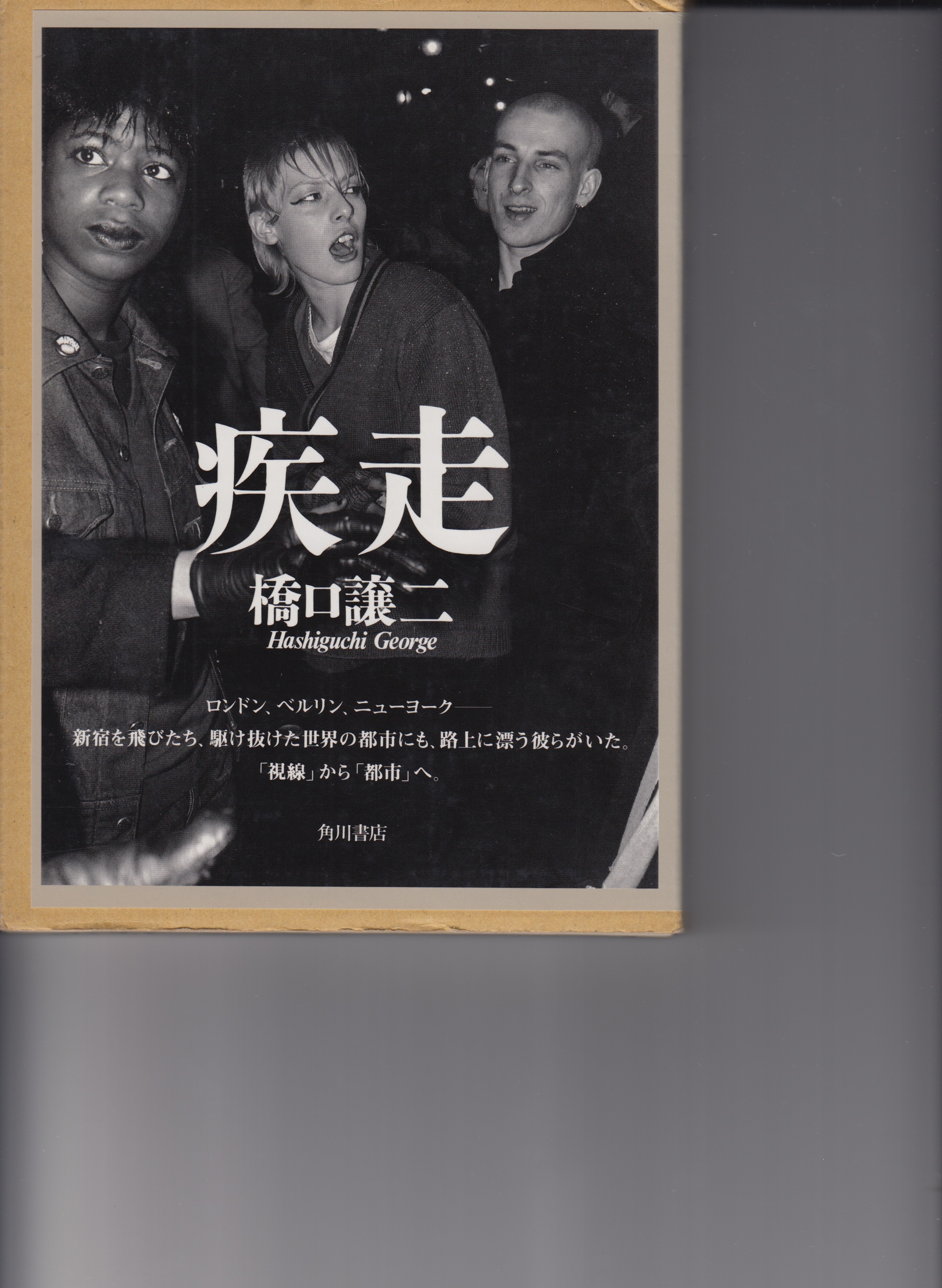
In this book, Japanese photographer Joji Hashiguchi (also known as George Hashiguchi) documents subcultures and youth seeking freedom and self-expression in various cities, including 1980s Tokyo and Berlin.
.jpg)
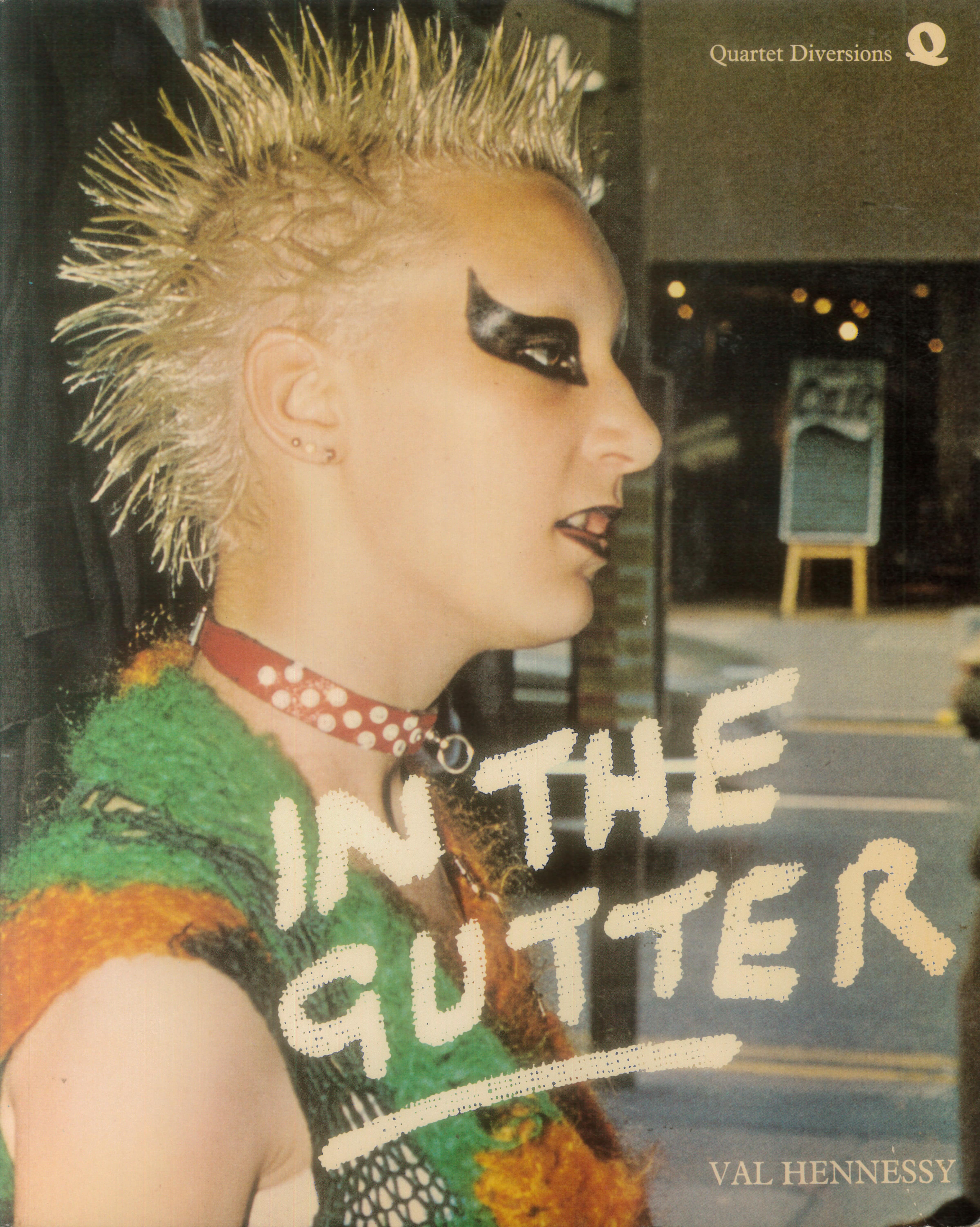
This book combines the very best of the punk press photographs and the most interesting pictures of primitive peoples resplendent in their ritual adornments.



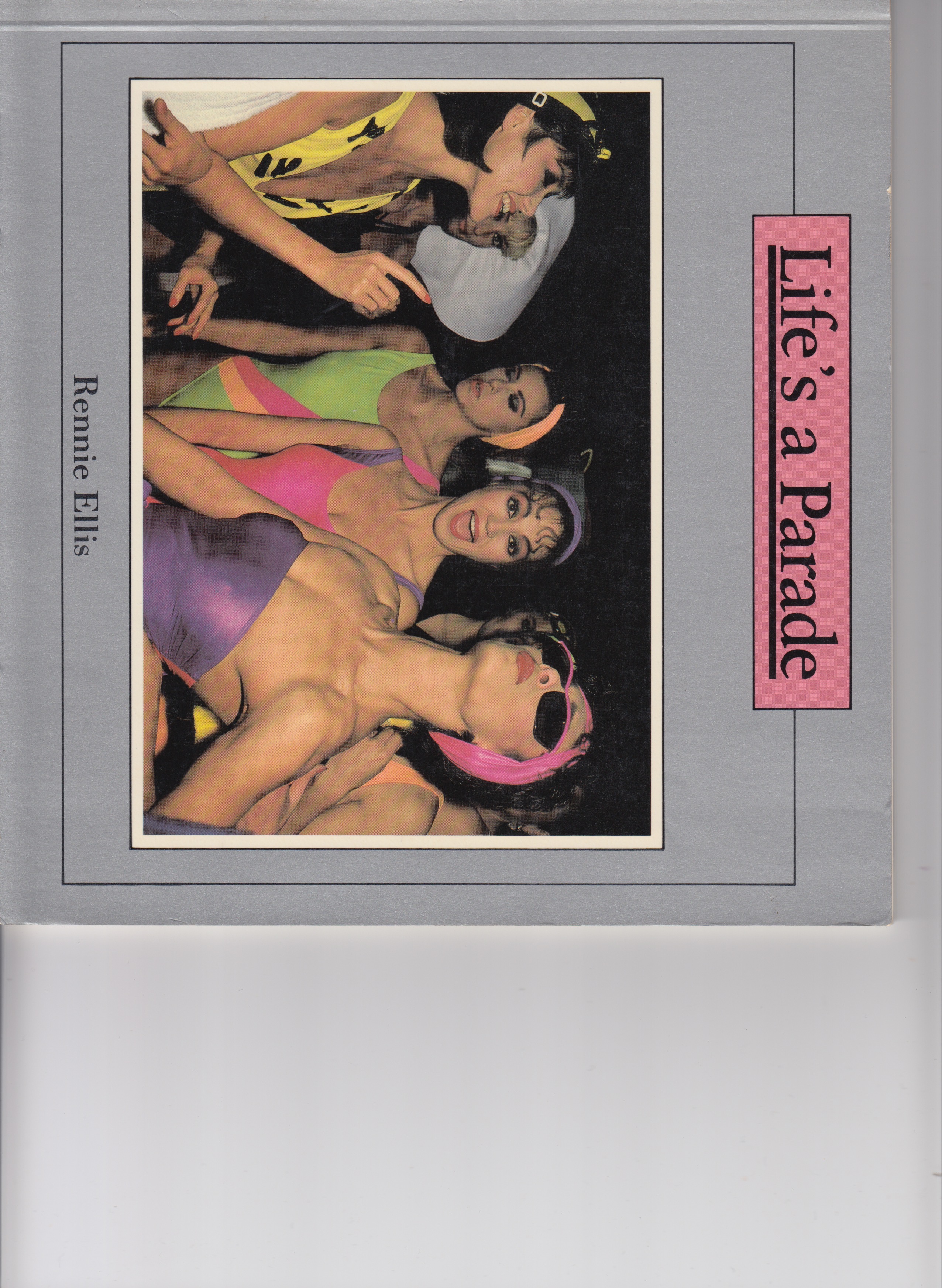
Whilst most Fashion photographers were out the front at the catwalk photographing the glitz and the glamour, Rennie Ellis, more often than not, could be found out the back, in the dressing rooms amongst the fan fare and flashes of flesh.

Including over 200 of Vinca Petersen’s photographs, diary entries and ephemera, No System is a party book that one can also read like an alternative family album. This publication tells the story of a 10-year journey around Europe in the 1990’s that Petersen did in a van, following illegal free parties and techno festivals. Images of rave parties, the road and intimate portraits of friends and strangers compose the series. If nostalgia for this free-spirited bygone era and this alternative lifestyle certainly arise in the book, one can also read it as a necessary manifesto for our current times under surveillance.



This book features photographs of the pre-fame Beatles taken in Hamburg in 1961 along with pictures of German and French Rock'n'Roll fans from the years 1961 to 1964. The photos are complemented by a fascinating account by Jurgen Vollmer of his friendship with the Liverpool band and his sometimes dangerous encounters with Rockers.

Eric Kroll’s cult 1977 book is an unflinching study of the marginalised mid-seventies American sex worker. Focusing on women who worked at roadside sex shops, massage parlours or live peep shows, Kroll’s poignant portraits sit alongside matter-of-fact interviews conducted with each subject. Kroll travelled from Iowa to California and to Texas, photographing 50 women in total and interviewing over 100.
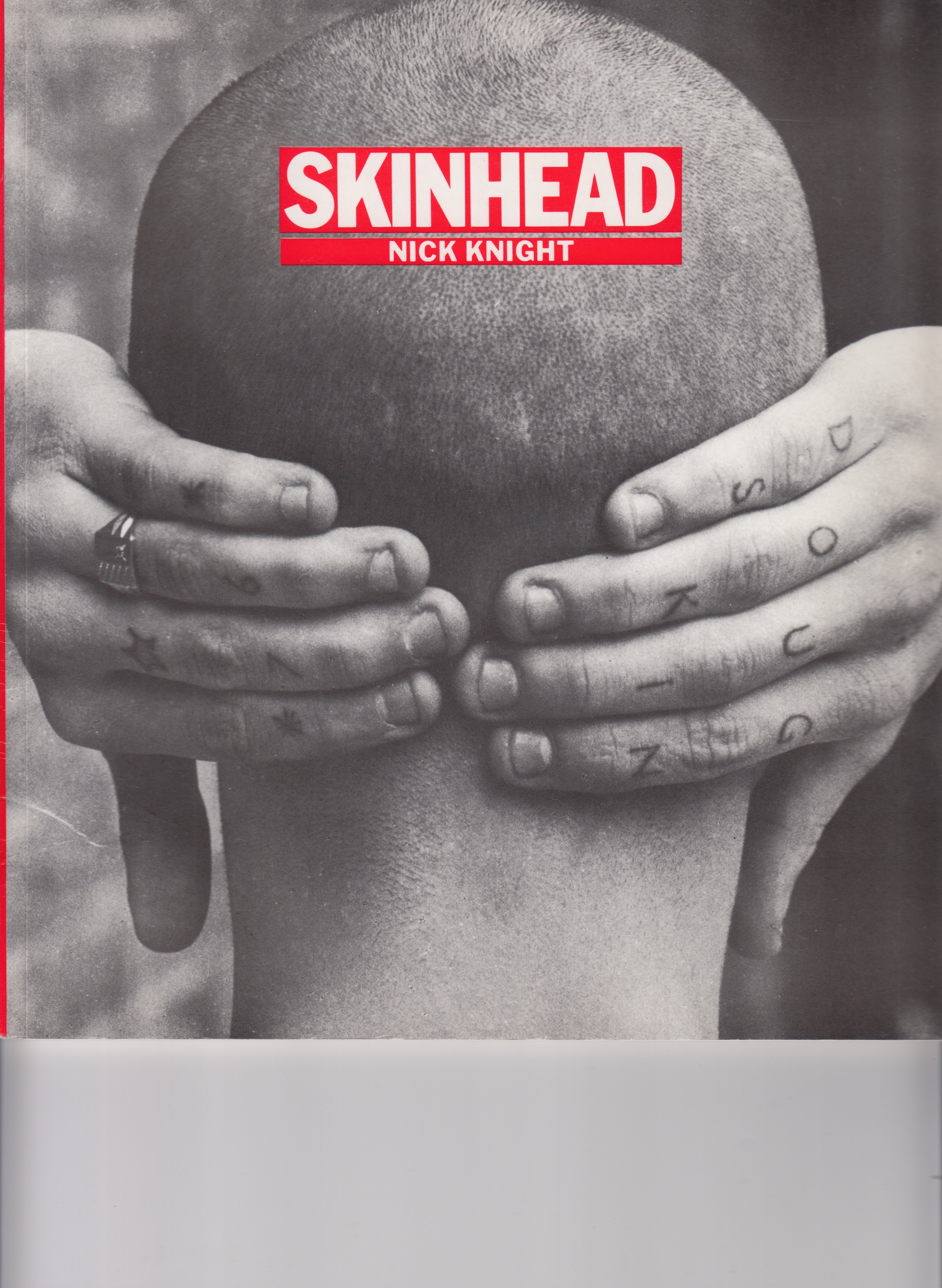
This title presents a handbook of the potent skinhead cult. It traces the development of the skinhead movement in England, describes the characteristics and behaviour of these gangs, and explains their attitudes towards school, the police, and the government.

Bruce Davidson's groundbreaking Subway, first published by Aperture in 1986, has garnered critical acclaim both as a documentation of a unique moment in the cultural fabric of New York City and for its phenomenal use of extremes of color and shadow set against flash-lit skin.



The Teddy Boys were a flashily dressed, rebellious and sometimes violent youth movement that originated in Britain in the ’50s. The three-quarter-length Edwardian jacket with velvet collar, drainpipe trousers and quiff became a focus of male fashion which still holds cult status today. The Teds combines image and text to tell their story—a fascinating tale spanning three decades.

While working as projectionish in a porn cinema in the 1980s, Bob Mazzer began photographing on the tube during his daily commute, creating irresistibly joyous pictures alive with humour and humanity. His pictures are published here for the first time.
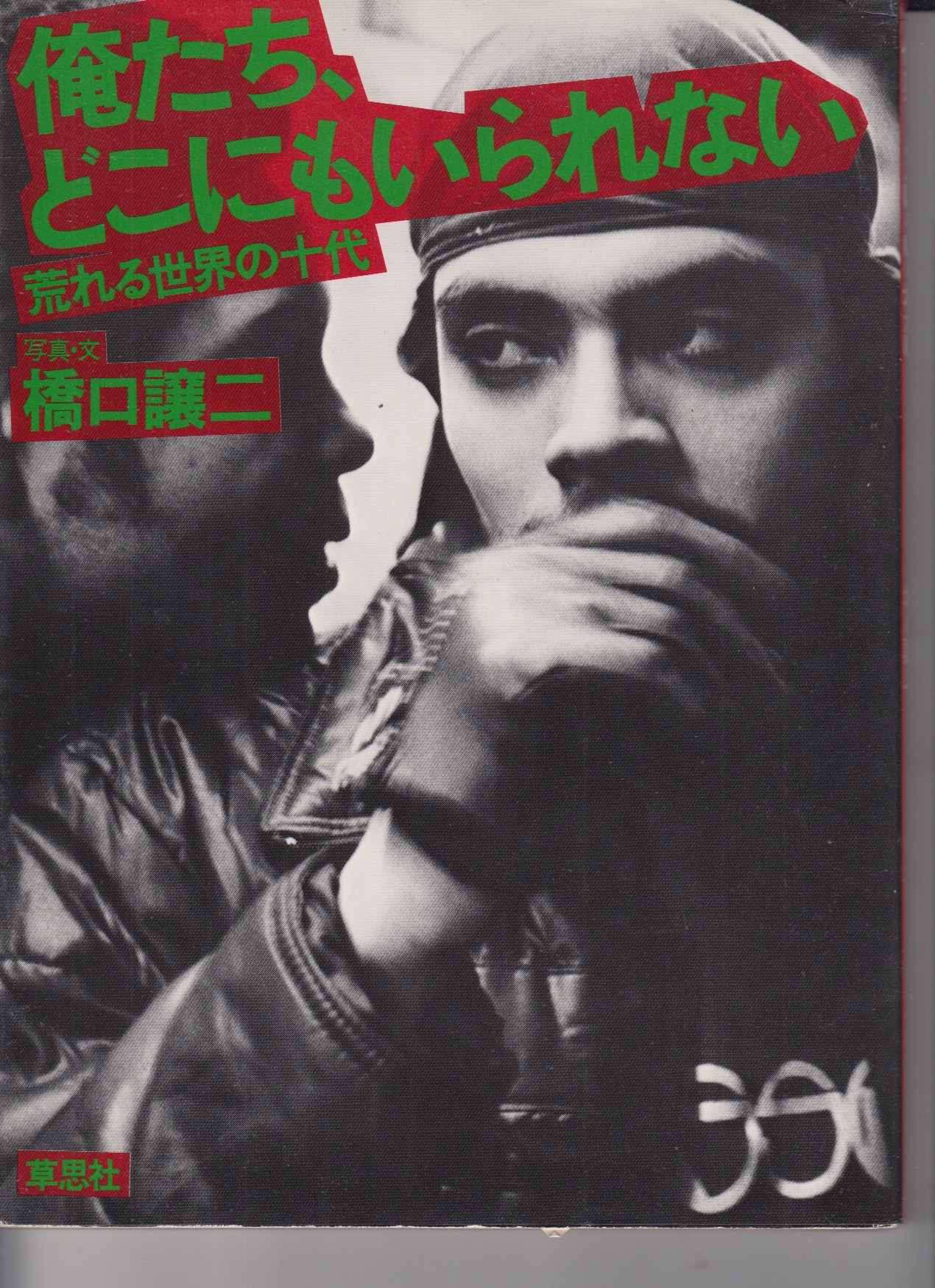
Hashiguchi’s We Can’t Stay Anywhere – Wild Teens of the World was his first major publication following his 1981 Taiyō Photography Award. The book documents disaffected youth subcultures across the globe, beginning in Tokyo and moving through Nuremberg, Berlin, London, Liverpool, and New York. Capturing the rise of 1980s youth movements—from punk to emerging hip-hop—it reveals how style, uniform, and attitude express shared unrest across cultures.

We Have No Place To Be sees Joji Hashiguchi turn his lens towards a generation of young people seeking refuge on the streets across 6 different cities. Liverpool, London, Nuremberg, Berlin, New York and Tokyo, Hashiguchi documents the social discord within each of these locations through the youths that had taken to their streets. Featuring more than 100 images, this book is as a valuable artefact of the complexities of youth in an era mired in the fallout from war, austerity, unemployment and challenging leadership.
.jpg)
We Have No Place to Be (originally published by Soshisha in 1982) launched Hashiguchi’s illustrious 40-year career, and remains widely regarded as one of the photographer’s seminal early works. This new edition from Session Press, supervised and edited by Hashiguchi himself, is comprised of 139 b&w photographs, including more than 30 previously unpublished images.
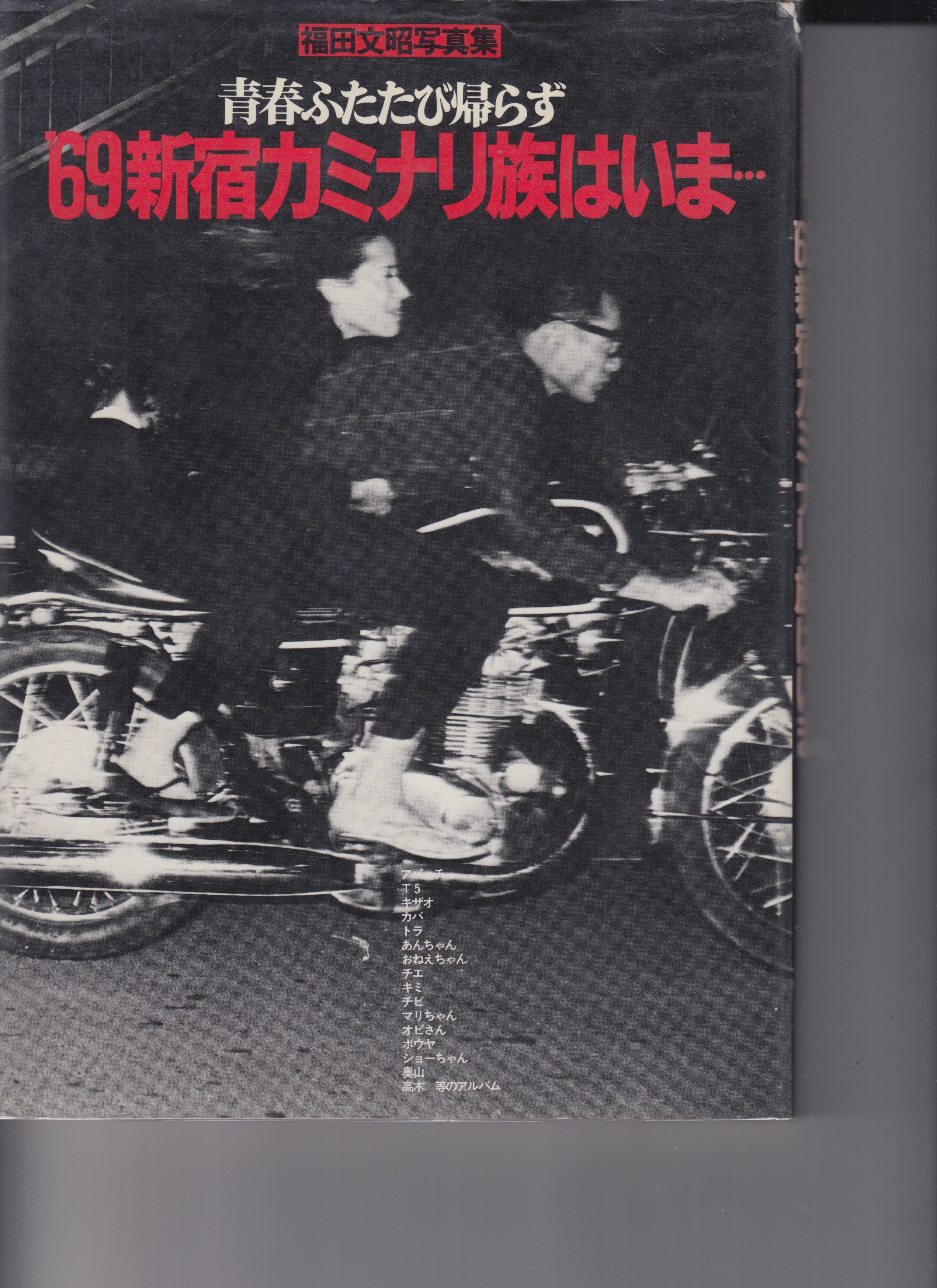
Where is ‘69” Shinjuku Kaminari Zoku has taken on cult status in Japan and is almost impossible to find. The book contains numerous gritty black and white photographs documenting the Japanese biker gangs of Shinjuku in the late sixties. Fukuda has done an incredible job of capturing the life style surrounding this slice of pop history
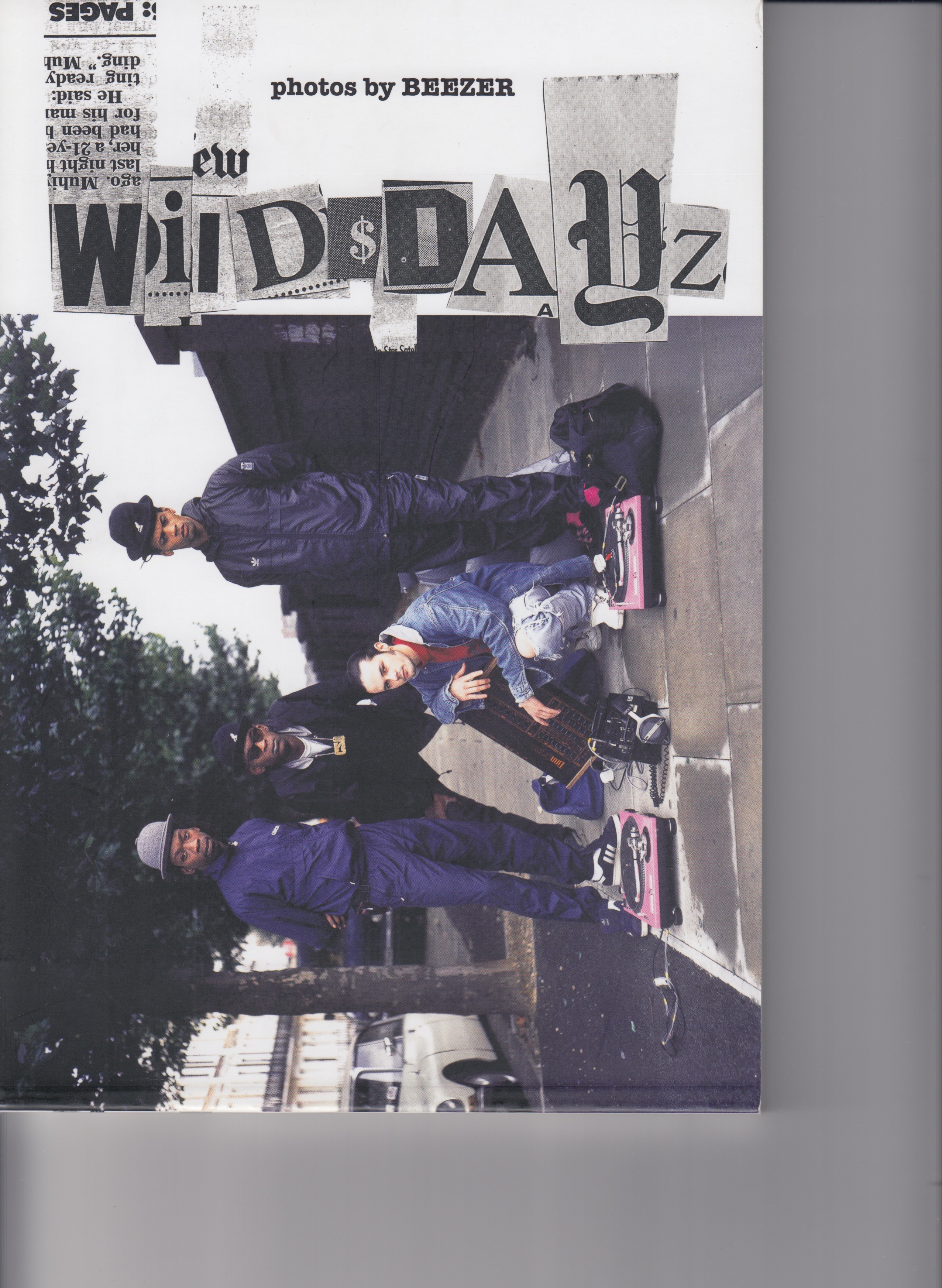
A collection of photographs shot mainly in Bristol in the mid 80s documenting the rise of Massive Attack. It also includes shots of them performing at the dug out club, the infamous red house jam and at St Pauls Carnival.
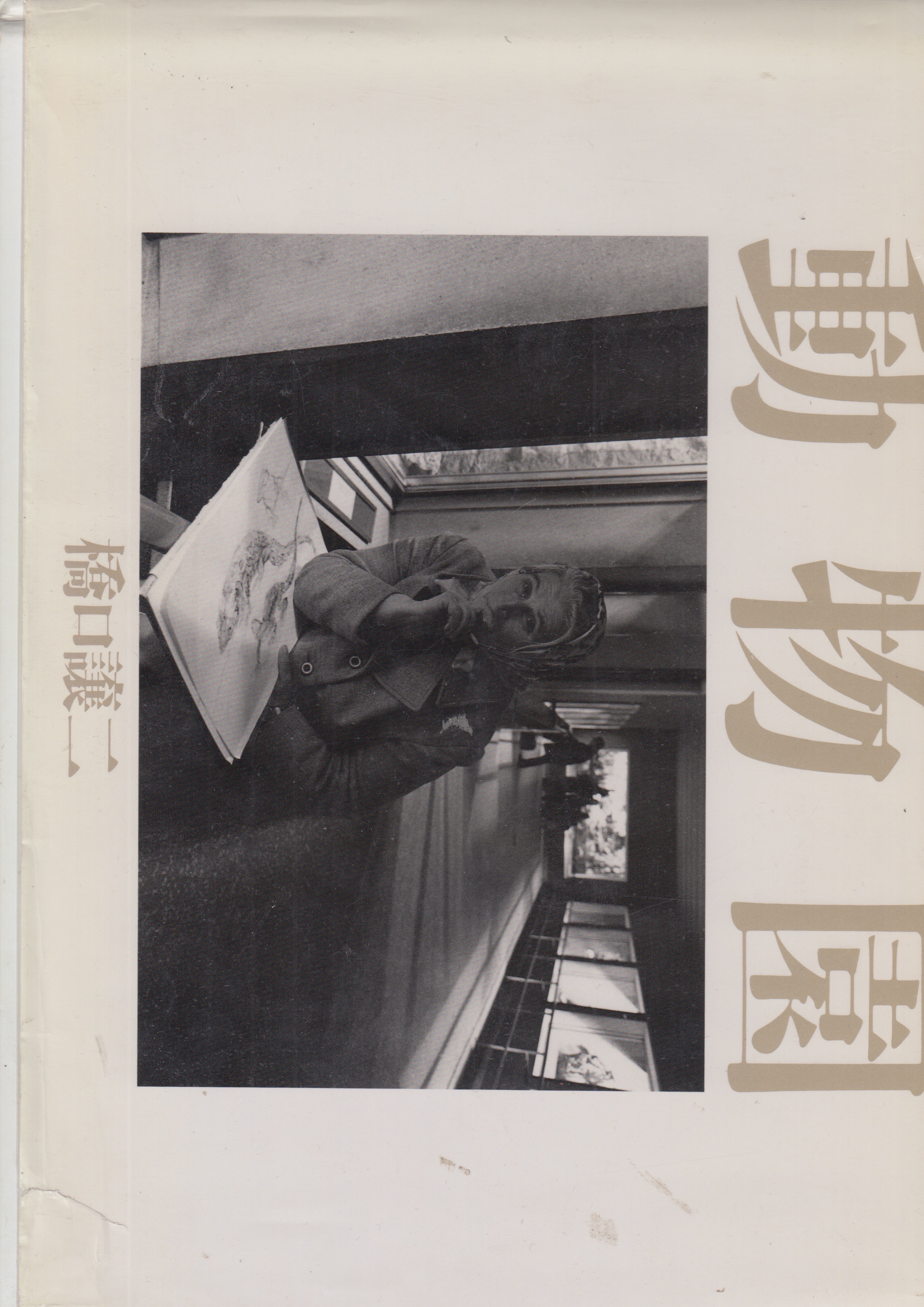
A collection of works by Joji Hashiguchi, full of "human drama" in Hashiguchi's typical zoo, from works captured from a unique angle between humans and animals, reminiscent of Garry Winogrand's masterpiece "The Animals". Cnsists of imahges taken at the "zoo", and is set not only in Tokyo but also in Berlin, New York, Moscow, London, Delhi, Ho Chi Minh City, Seoul, Mexico City, and other places around the world.
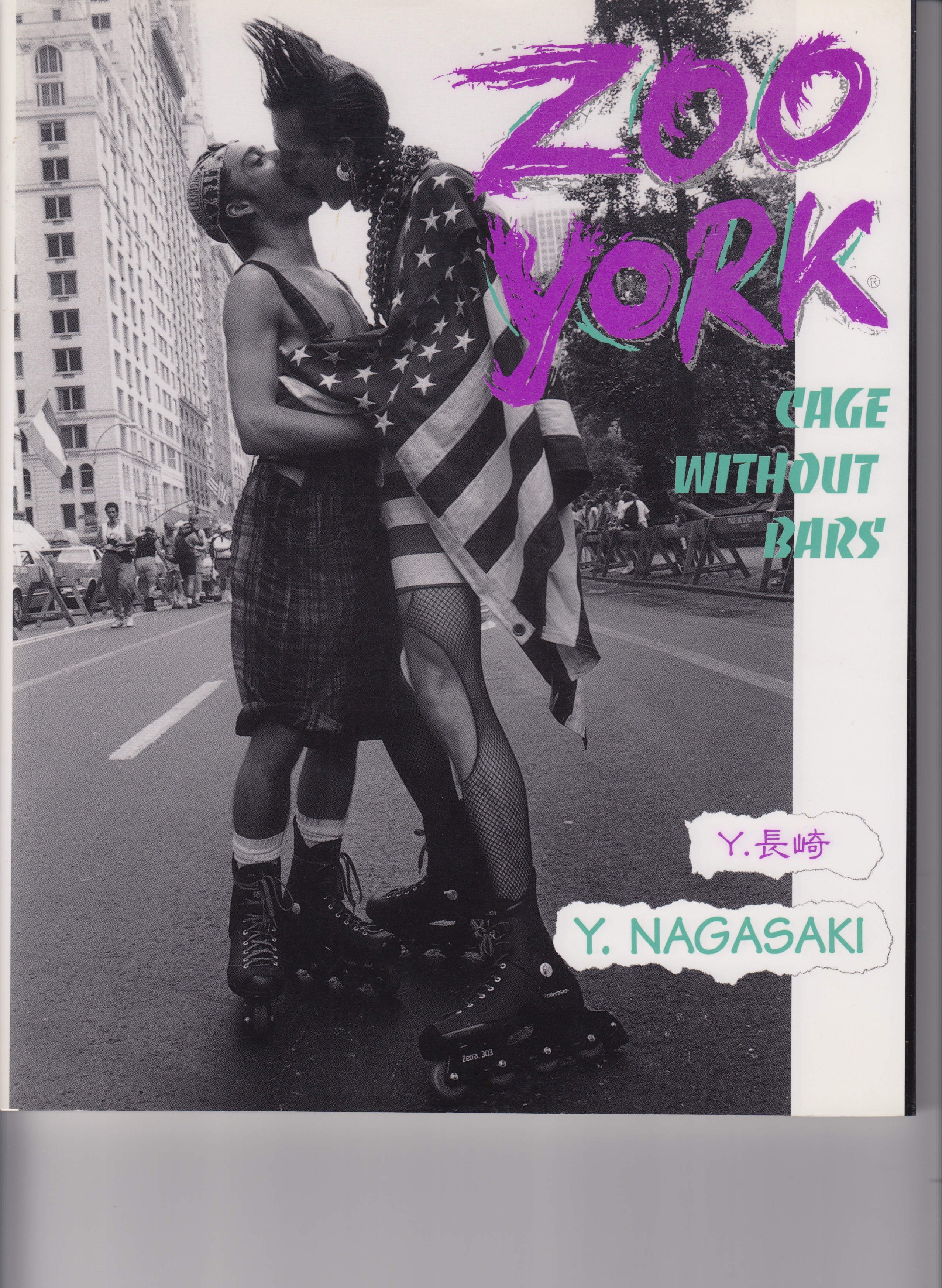
“Zoo York” reflects New York’s extravagance of the 1980s, when individual freedoms, sexual in particular, became relatively unrestricted and openly expressed in the streets of New York. Nagasaki’s title for this photobook could sound critical of NY’s flamboyant lifestyle, but in fact, as he explains in the introduction, “New York is a zoo, not because the people here are animals, but because, as in any zoo, they are interesting and worth examining. We do not visit a zoo with a sense of judgement or superiority. We go for a better understanding of a different way of life…Here people have freedom to choose their own lifestyles: how they want to live.”