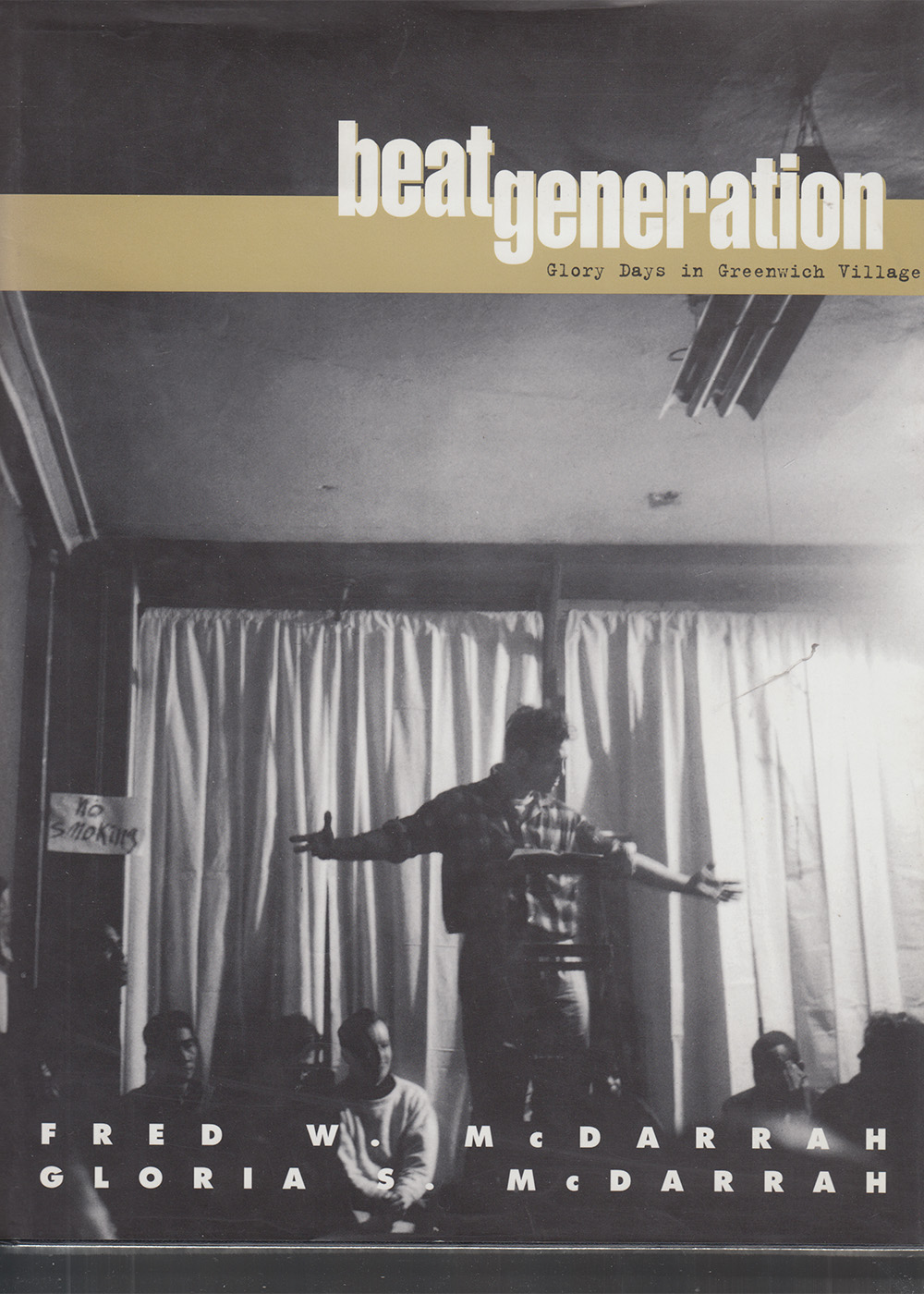
From fashion and food to literature and music, the Beats heralded a new way of living, and a new mode of recording their lives. There is hardly a part of American culture today that is untouched by their work. Fred and Gloria McDarrah lived and worked in the heart of the Beat scene. Astute observers and participants, they faithfully recorded what they saw in word and picture. Besides their own thoughts and images, they amassed a collection of authentic Beat writings, all in the author's own hand or typed by them. Now reproduced for the first time, these writings complement the photographs and memories in giving a full picture of what it was like to be a Beat. With over 240 photographs, this work promises to be a landmark document of the Beats, their lives, and times.
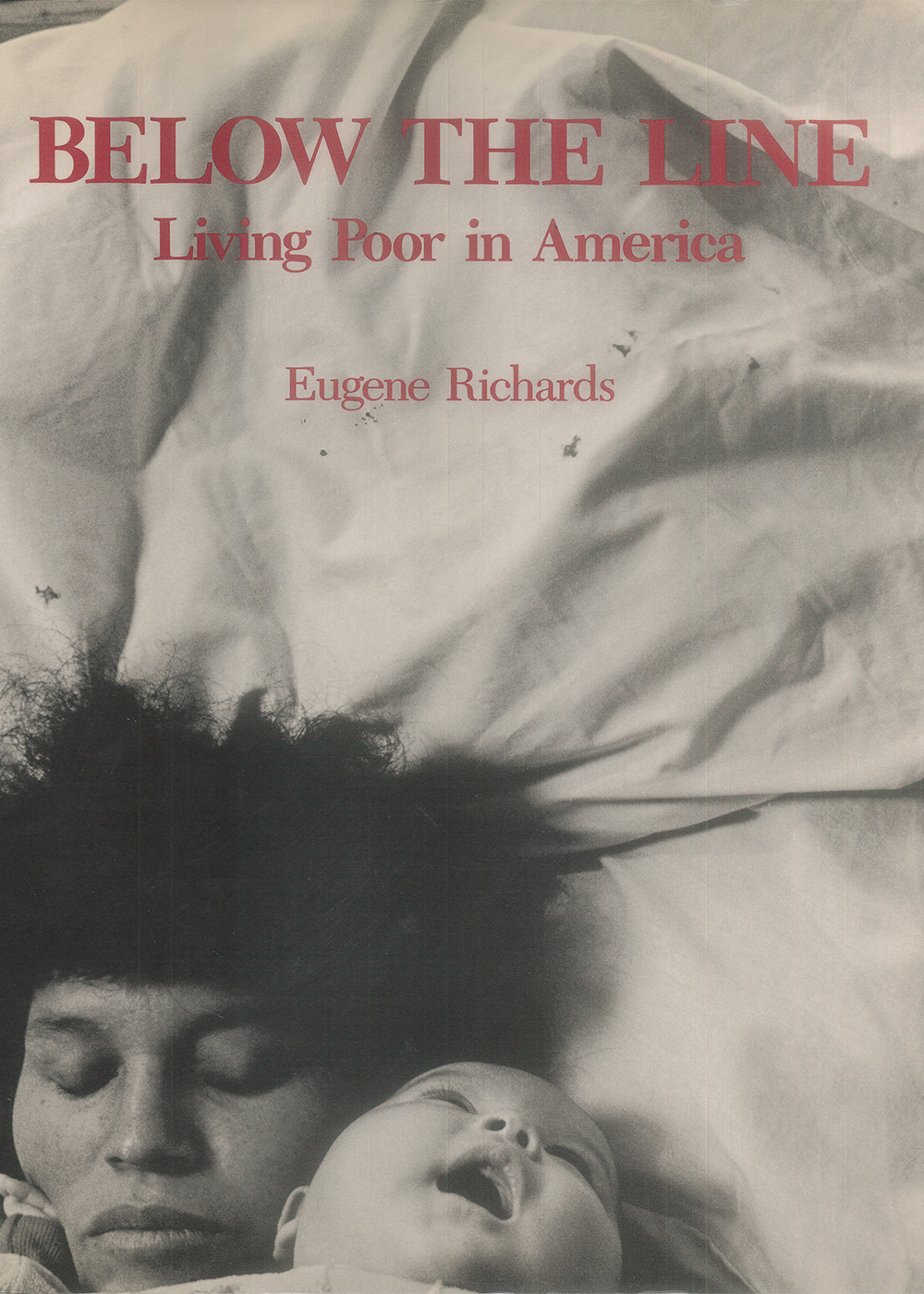
In early 1986, Consumers Union commissioned esteemed photographer Eugene Richards to travel across the country to document the dimensions of American poverty. In 144 unforgettable photographs and 14 essays, Richards captures the hoplessness of urban youth, the struggle of Midwestern farmers, the squalor of day-to-day existence for Mexican-American immigrants living in Texas border towns.
.jpg)
This book is a moving collection of sensitive and informative photos and captions documenting the African American struggle for self-definition in mid-20th century America. Through black and white photographs, Freed investigates the politics of the country in the 1960s, as well as articulates the anxiety of under represented and discriminated people.

Black in White America 1963-1965 is an expanded edition of Leonard Freed’s 1969 publication, Black in White America, published by Reel Art Press. Here, Michael D. Shulman, Magnum’s director of publishing and the book’s co-editor, introduces how the title was produced in consultation with the Freed Estate, providing an overview of the project’s striking images and their relevancy today.
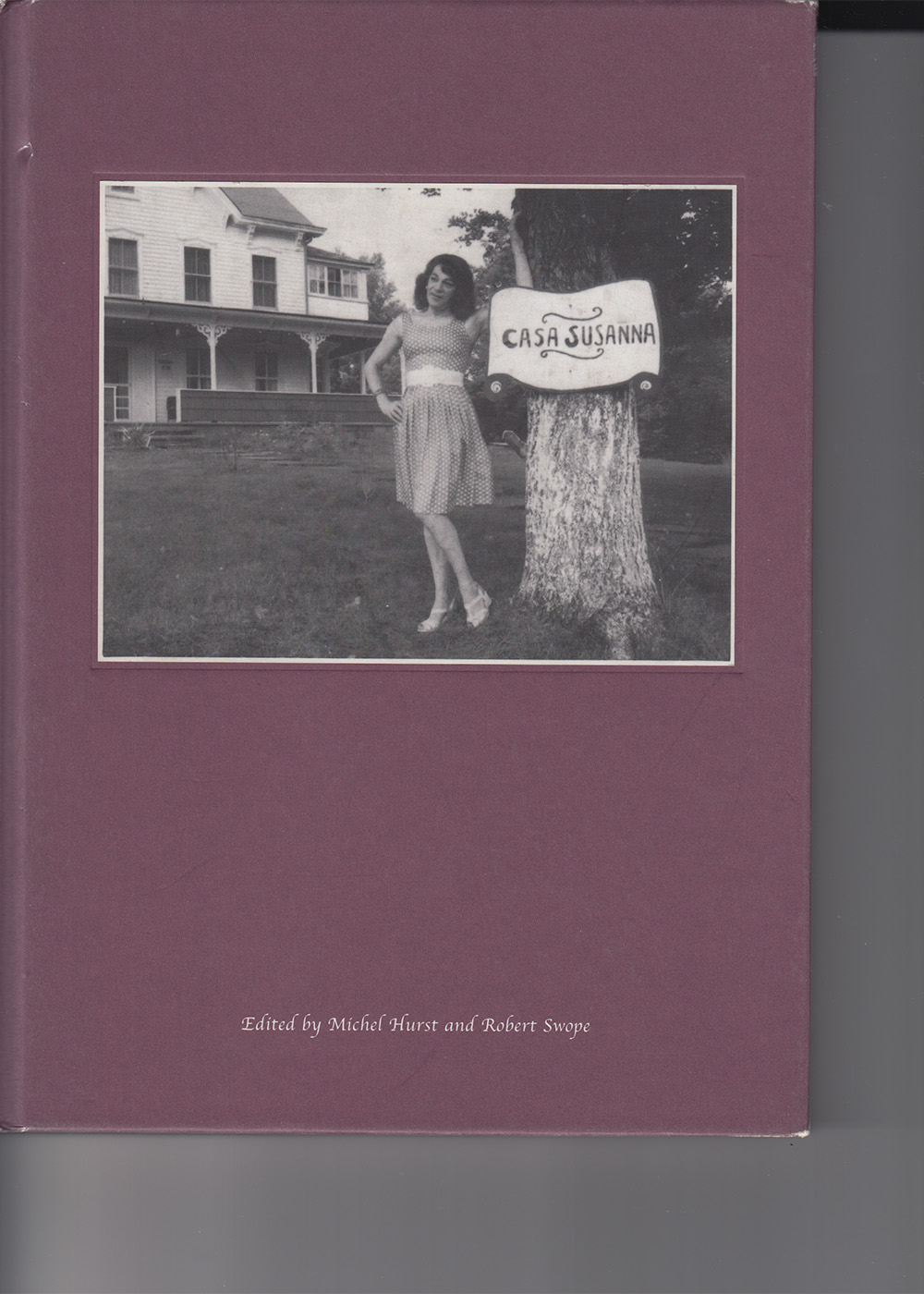
This book brings together a wealth of research and an expansive selection of photographs found at a New York Flea Market to create an enduring account of America's first known trans network, Casa Susanna.
Every Street by Nik Hartley was photographed over three days in March 2014, in Nelson, North-East Lancashire. A former cotton mill town with a high British-Asian population, the roads are lined with terraced, former mill-worker cottages.
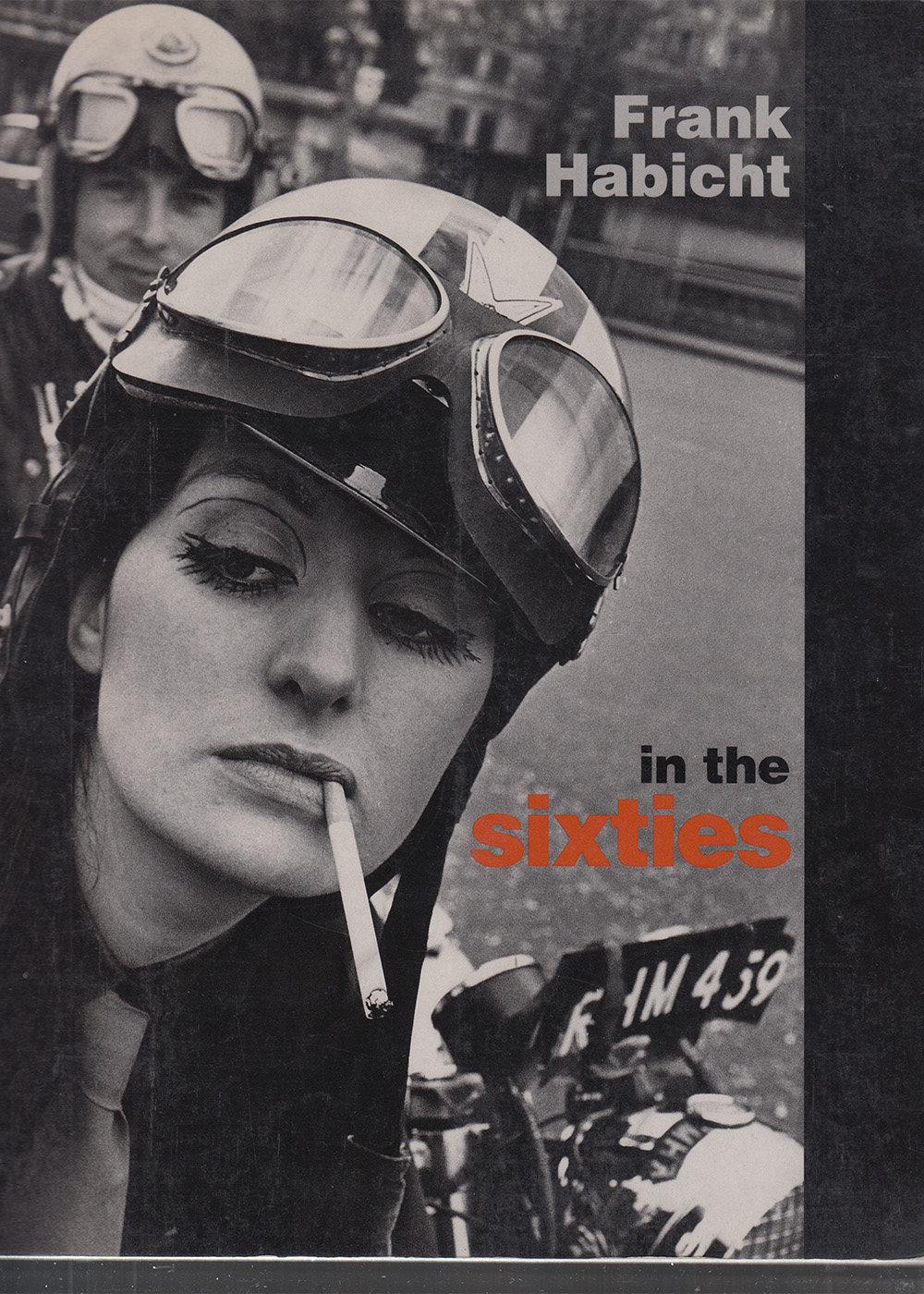
The iconic black-and-white photographs of Hamburg-born photographer Frank Habicht displayed in this book reflect the spirit of the Swinging Sixties in London. In the 1960s, the conservative postwar years in England gave way to a period of upheaval, with a younger generation dreaming of an unconstrained life, peace and harmony. On the streets of the British capital, Habicht began photographing the profound social and political changes that were underway.

In the South Bronx of America is a work which, through documentary photographs, counterpointed with statements by residents and by newspaper reports and statistical information, offers both an intimate view of life in this neighbourhood and a context for understanding accelerated social decay.
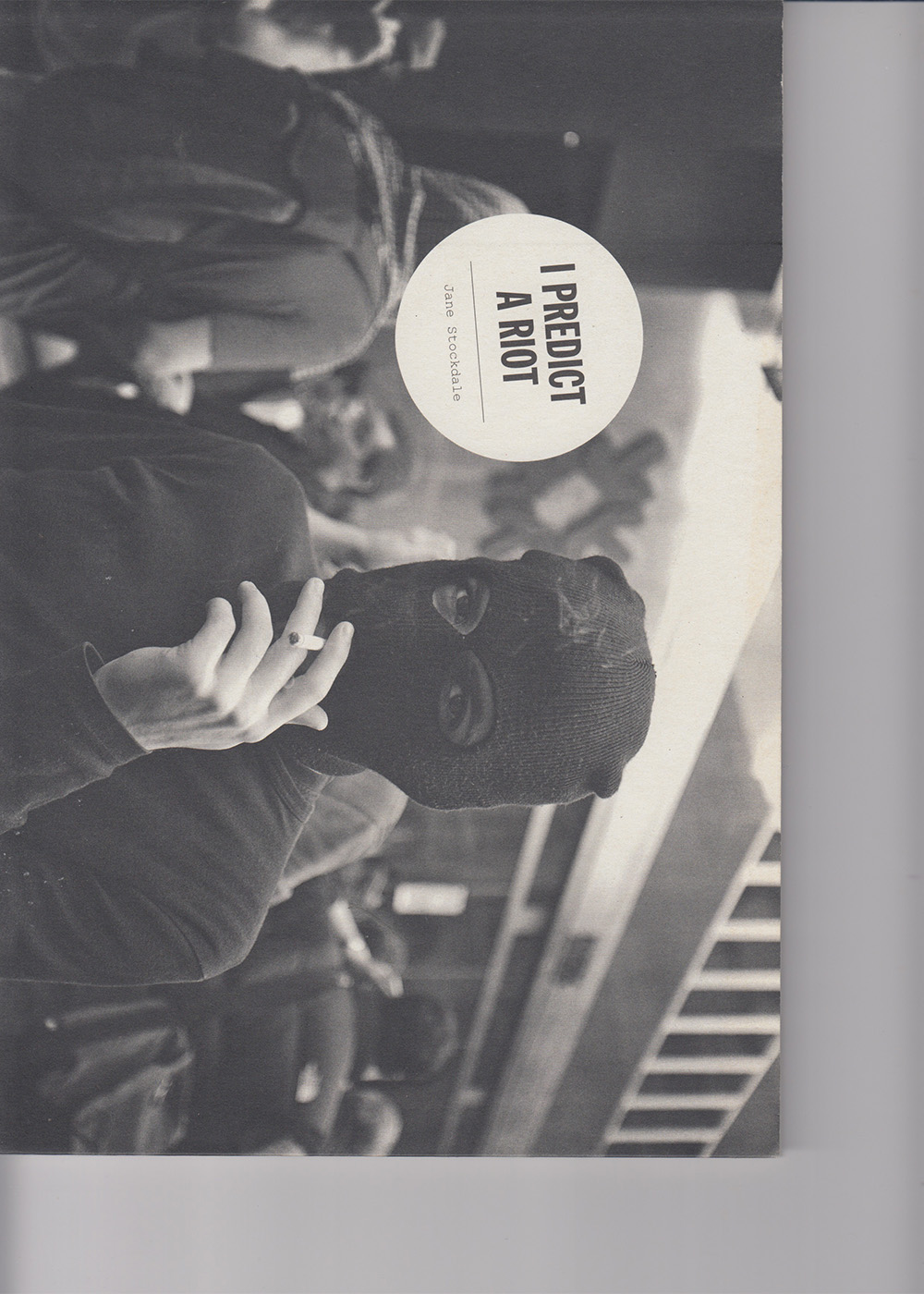
Scottish photographer Jane Stockdale's first publication I Predict a Riot documents the now notorious G20 demonstrations that took place in London in April 2009. Hyped in the British media as "The Summer of Rage" and "Meltdown in the City," the events of that summer are here recorded from the midst of the action, in photographs and interspersed captions.
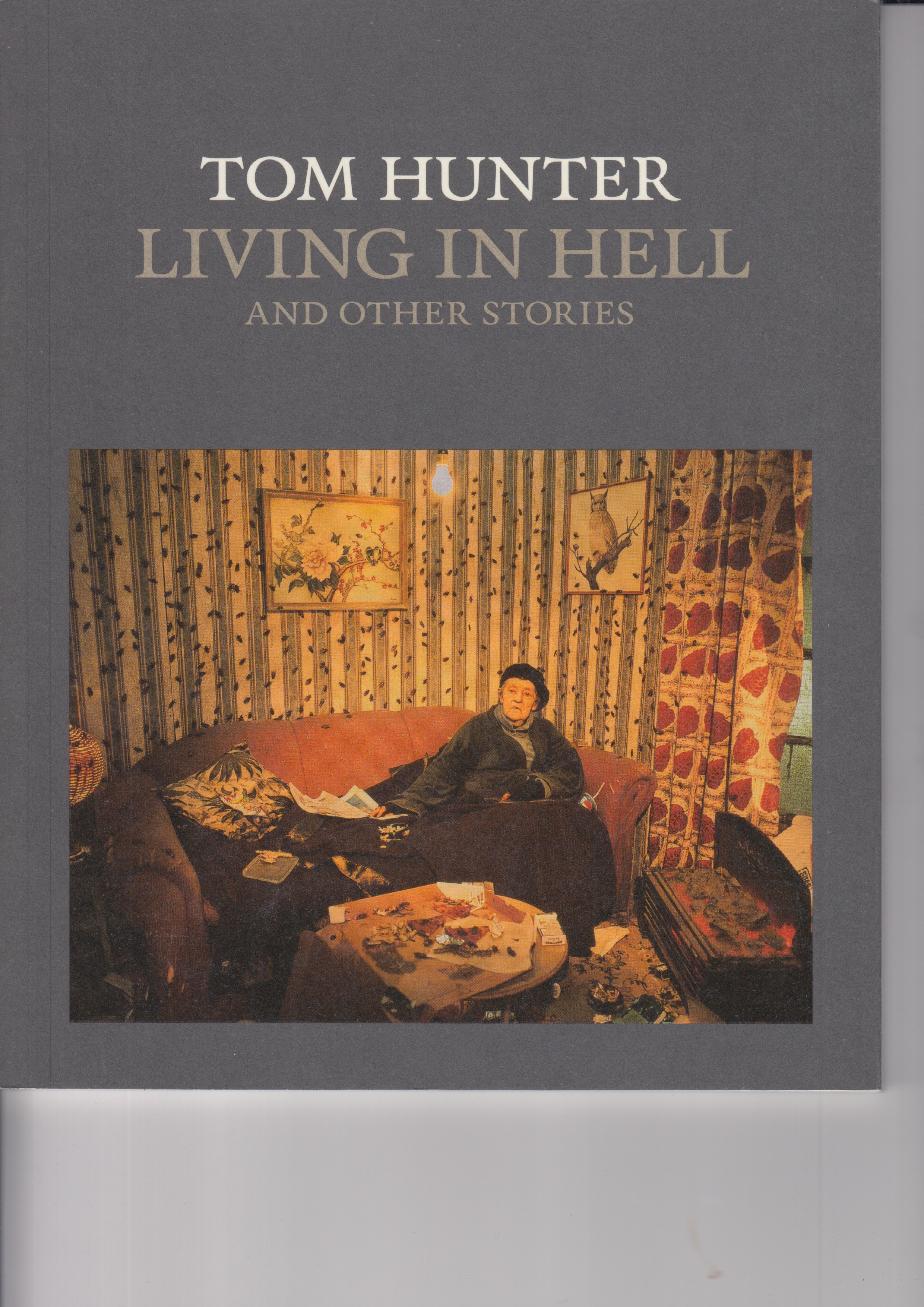
This book presents some of the striking images that have established Hunter's reputation. These startling, sometimes tragic, stories are retold in carefully staged photographs, whose compositions are frequently derived from paintings in the National Gallery's collection.

Showing Elderfield's distinct view of South Philadelphia, this book documents a big scope of "street life", ranging from snapshots to carefully composed pictures. These beautiful black and white photographs strike the eye because of their lyrical quality, which is enhanced and complemented by contemporary poems.

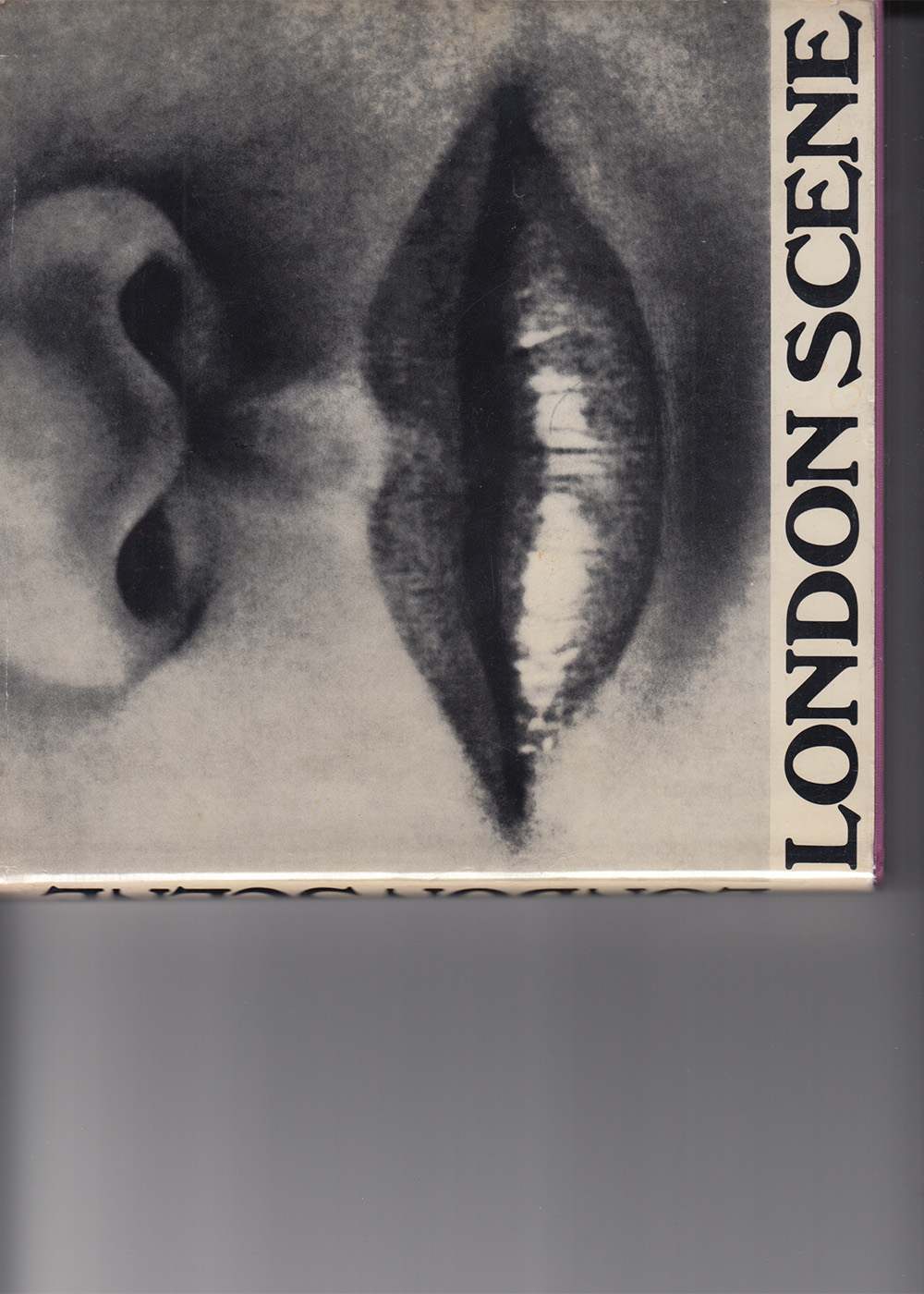
This book contains over 150 pages of 200 photographs of London in the late sixties taken by German photographer Juergen Seuss.

Although Will McBride's work almost always appeared in magazines, this book presents a different side to his work that presents more intimate and photographs private snapshots into the most private spheres of American human existence.

Notting Hill in the Sixties attempts to capture the exuberance and vivacity of the people in one of London's most famous neighbourhoods. Phillips photographs present a pictorial documentary of the area of North Kensington which, from the fifties, became the spiritual home of Britain's Afro-Caribbean community. His pictures are both affectionate personal portraits of friends and neighbours, and a social commentary which evokes the flavour of the period and the locality.
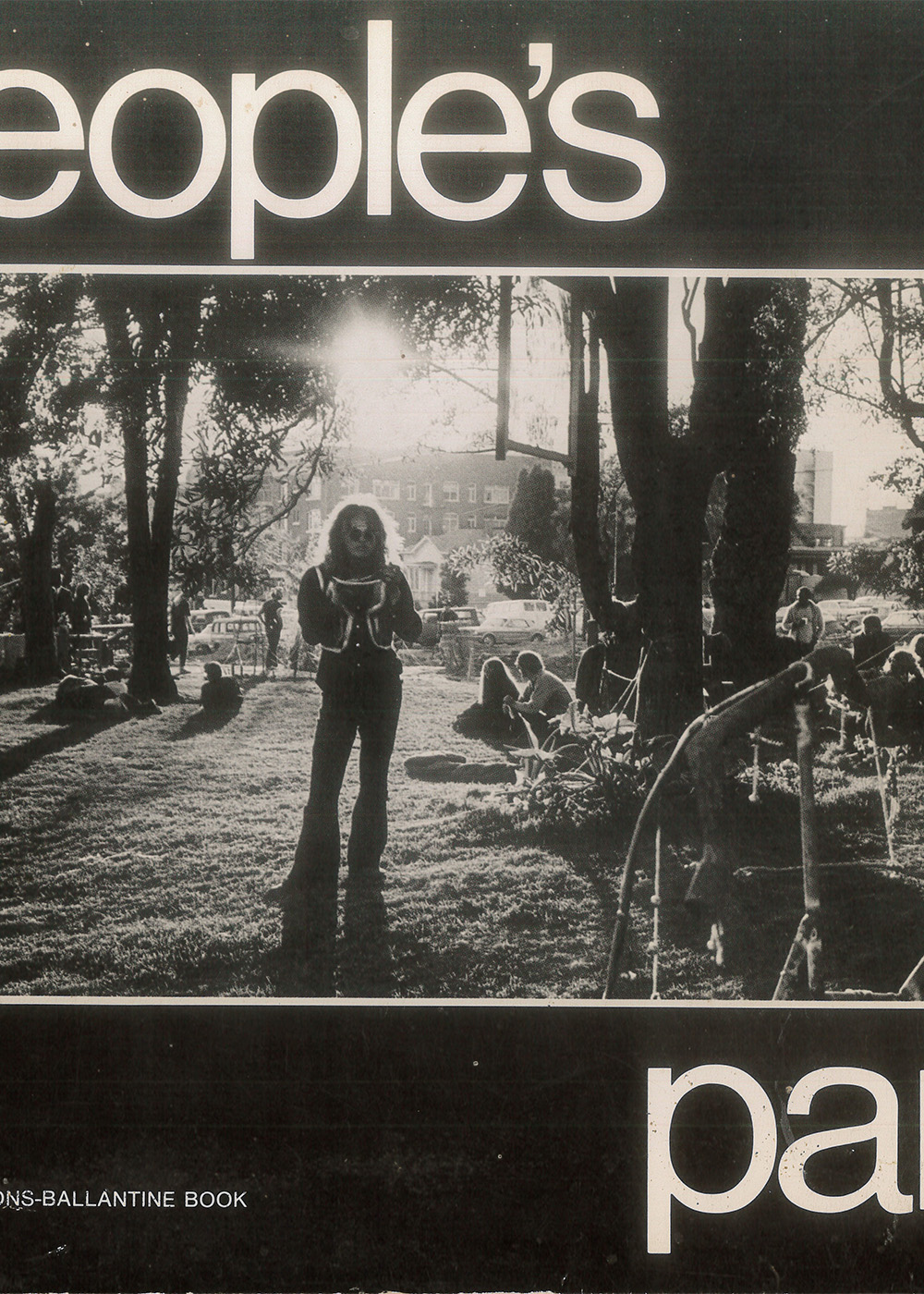

Jim Goldberg’s seminal project, Rich and Poor, was shot between 1977 and 1985 of people acorss San Francisco. As the title suggests, the wealthy and comfortable are juxtaposed with those who are living in poverty. All the pictures were taken in the same West Coast city but the difference in circumstances makes them seem worlds apart. Inviting more intimacy into the photographs, Goldberg invited the people he photographed to reflect on their portraits and the lives that they depict. Their accounts range from devastating edicts of hopelessness to affirmations of self-satisfaction. One man writes “I am doomed to be in this place, I have no future” while another woman comments “My life is luxurious and my taste is refined.”
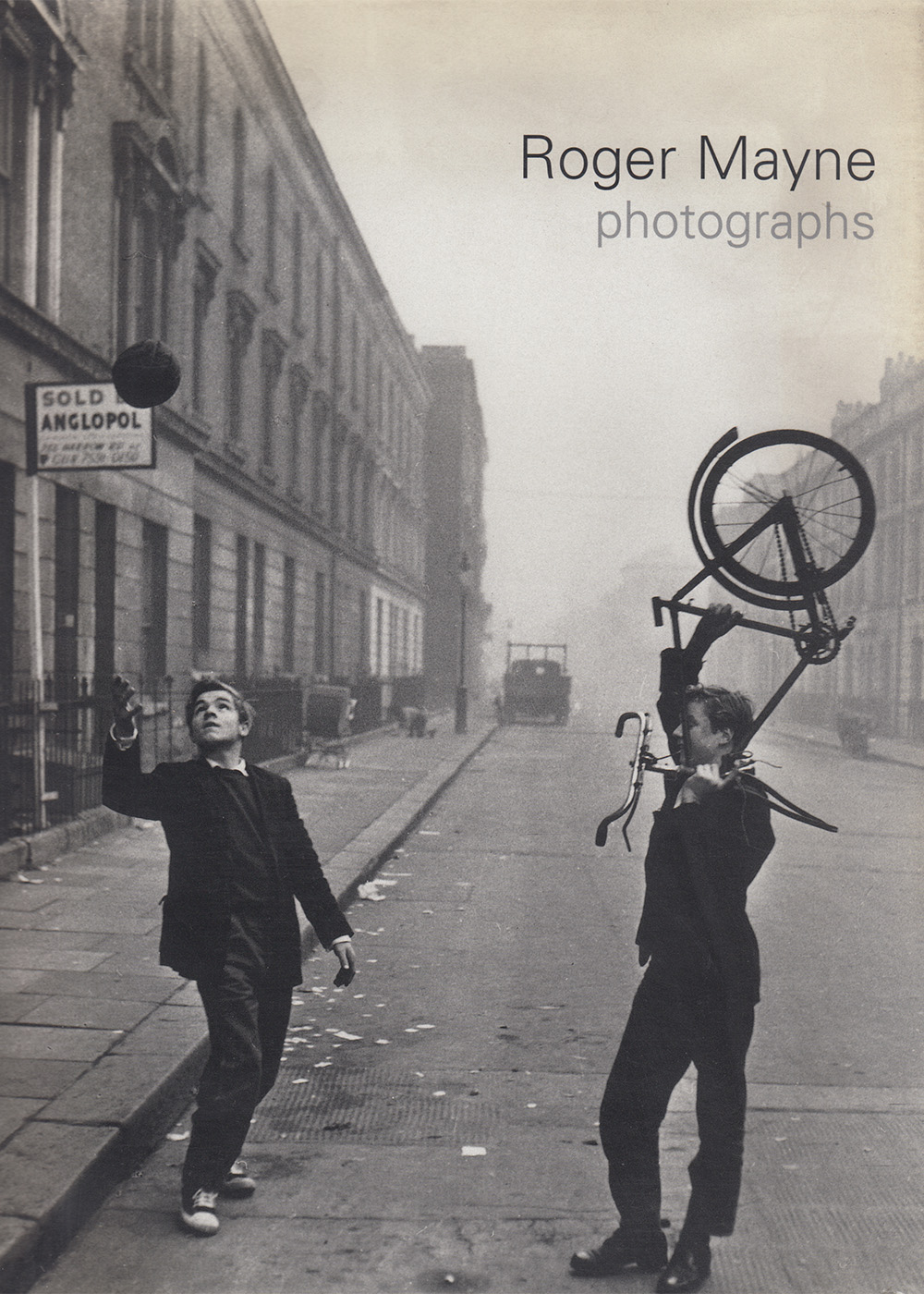
In the space of three days in 1956, Roger Mayne photographed children at play in a street in North Kensington. The photographs of Southam Street became the evidence of a community and a way of life which vanished under the eyes of developers and politicians; the street itself was demolished. Mayne's work is the evidence of a vanished age, yet works as more than a social document.
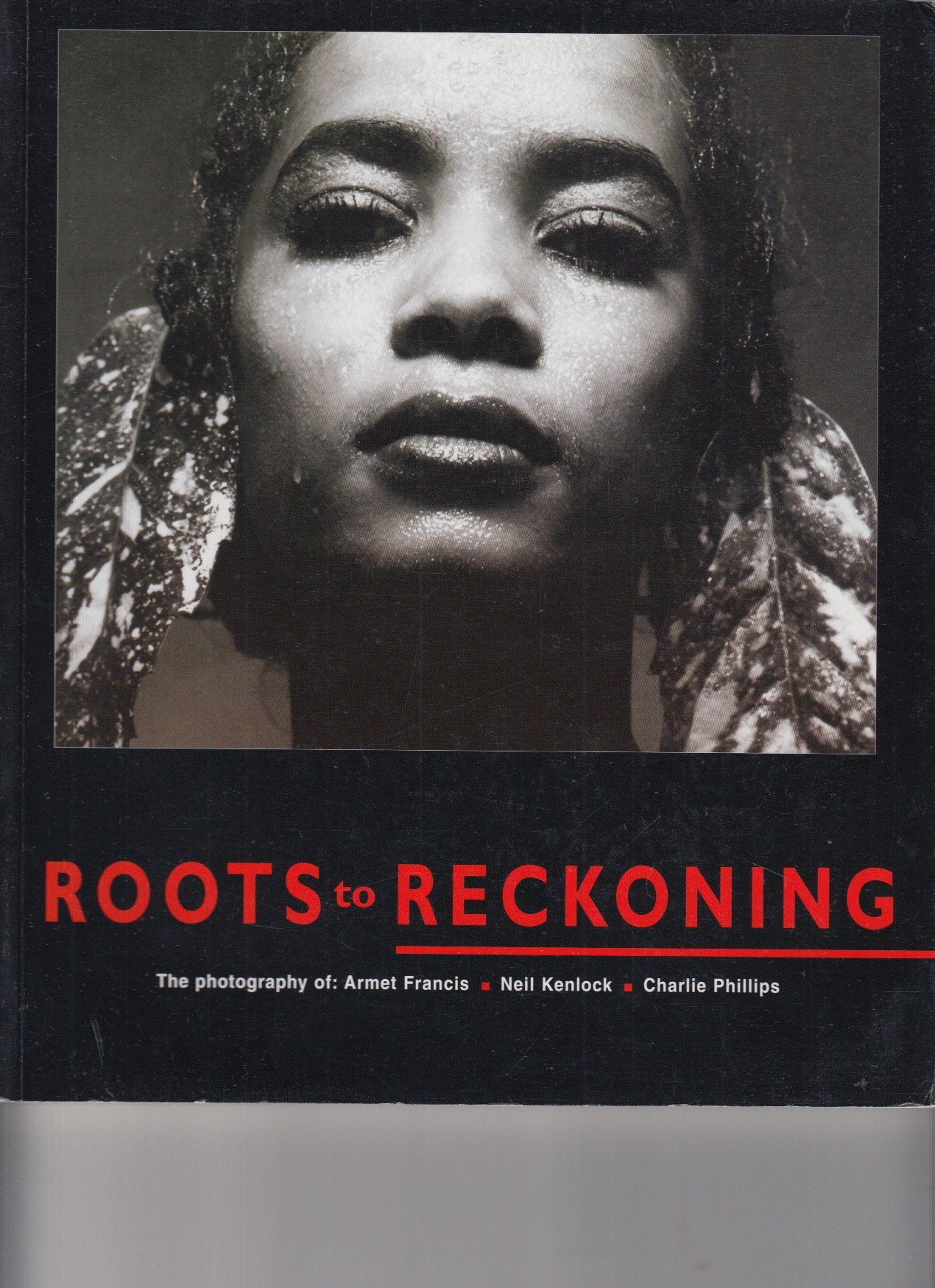
Roots to Reckoning brings together more than 100 photographs by pioneering Jamaican-born British photographers Neil Kenlock, Armet Francis, and Charlie Phillips. Spanning four decades, the images capture cultural icons, political movements, everyday life, and evolving Black identities, offering a powerful visual record of Britain’s social and cultural transformation.

In the early sixties, Marilyn Stafford spent over a year in Lebanon and became fascinated with the country and its people. She travelled extensively, journeying to the most remote villages and recording scenes of everyday life. This album is a selection of 140 of these outstanding photographs. Although there are some architectural scenes and views of towns and villages, the main focus is on the Lebanese people and their way of life.
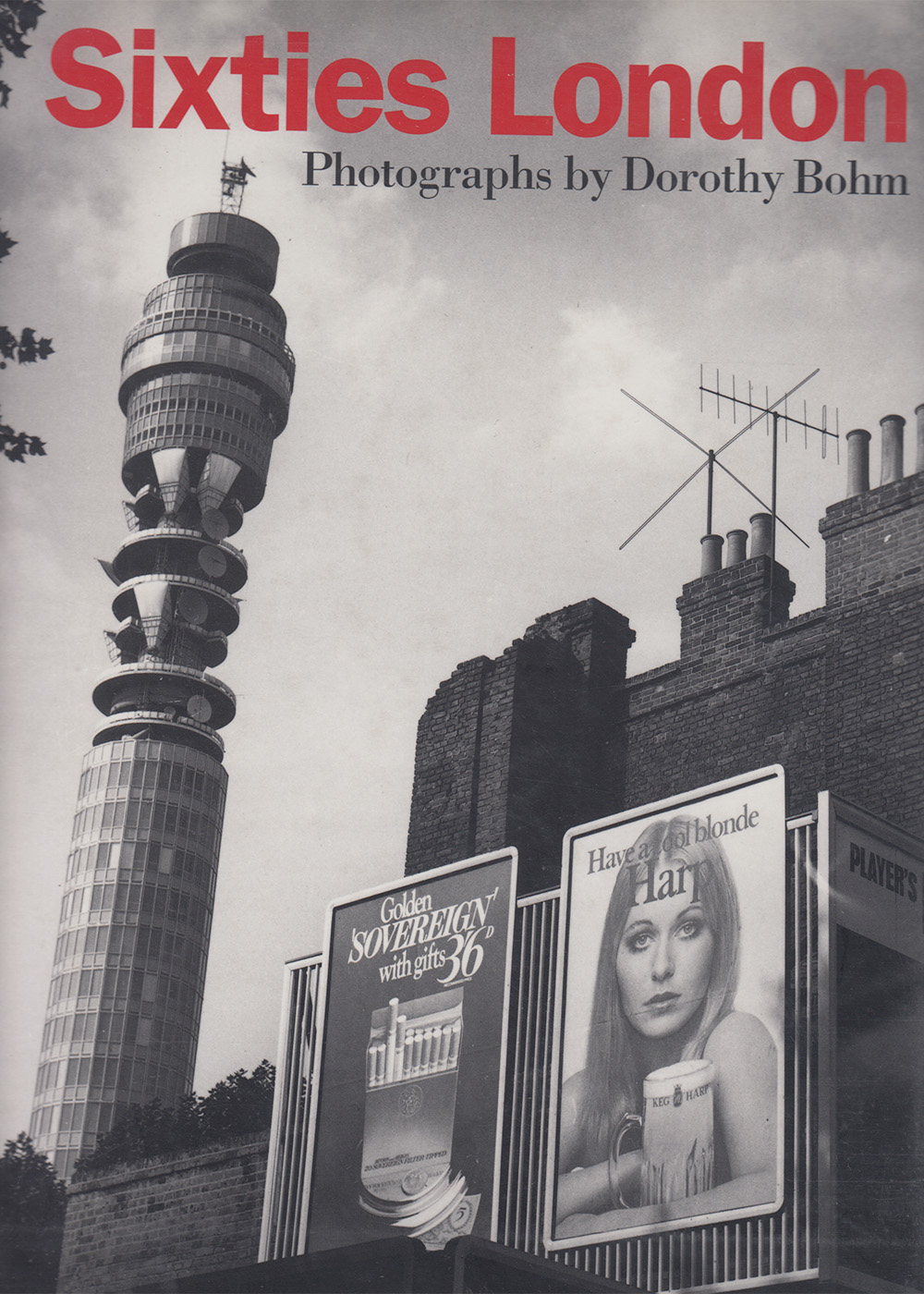
In this closely observed sequence of photographs, Dorothy Bohm has captured her vision of London as it appeared to her in the late 1960s.

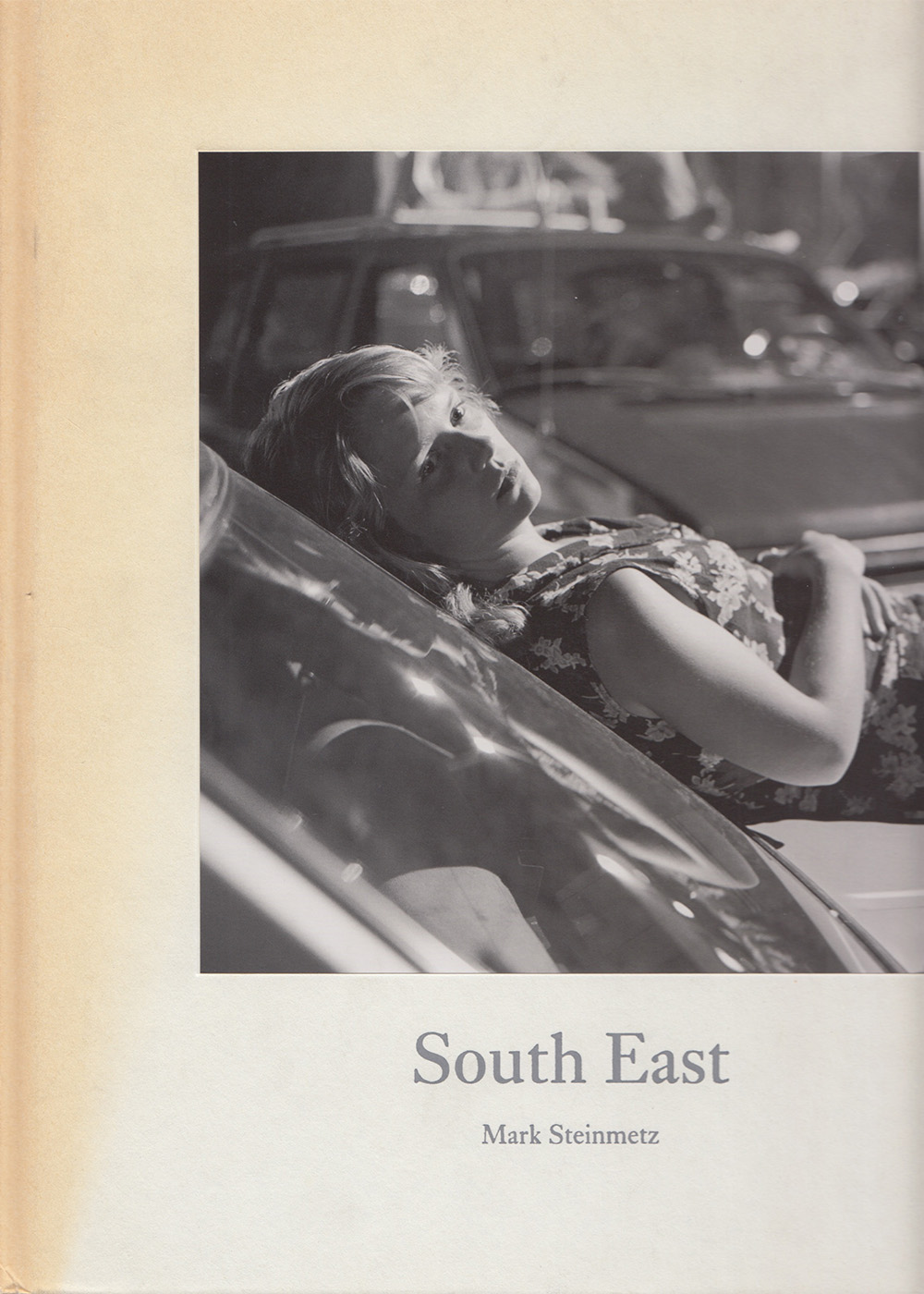
Designed as a companion book to his critically-acclaimed monograph South Central, Mark Steinmetz here turns his focus to Athens and Atlanta, New Orleans, Memphis and East Tennessee, and the roads between.
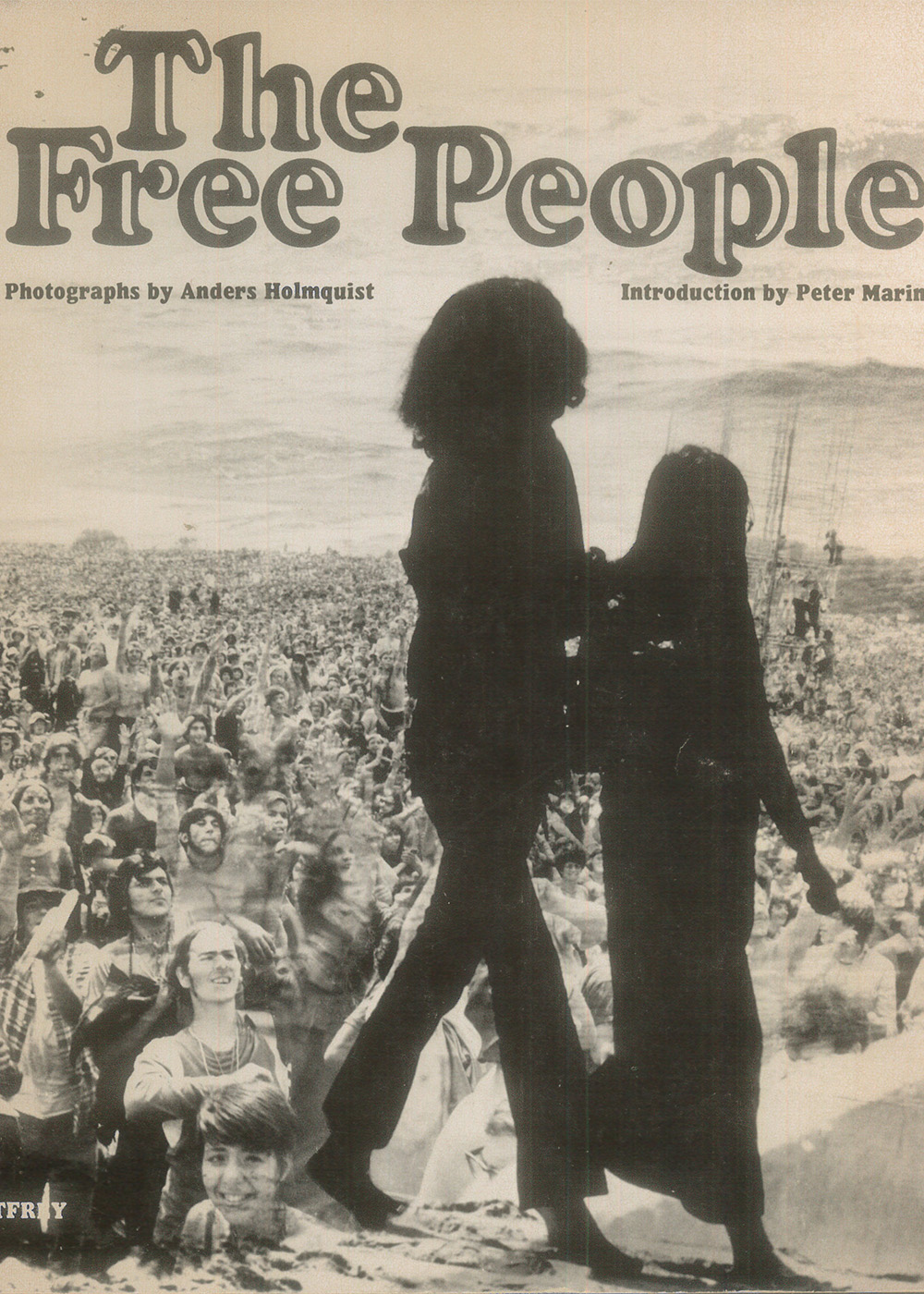
The Free People is a photo essay about a new generation of young people and the quality of openness and sharing that permeates their life. It is a book about their music, their work, their mobility, what they read and what they buy, their styles, about why they are free people and how they live.
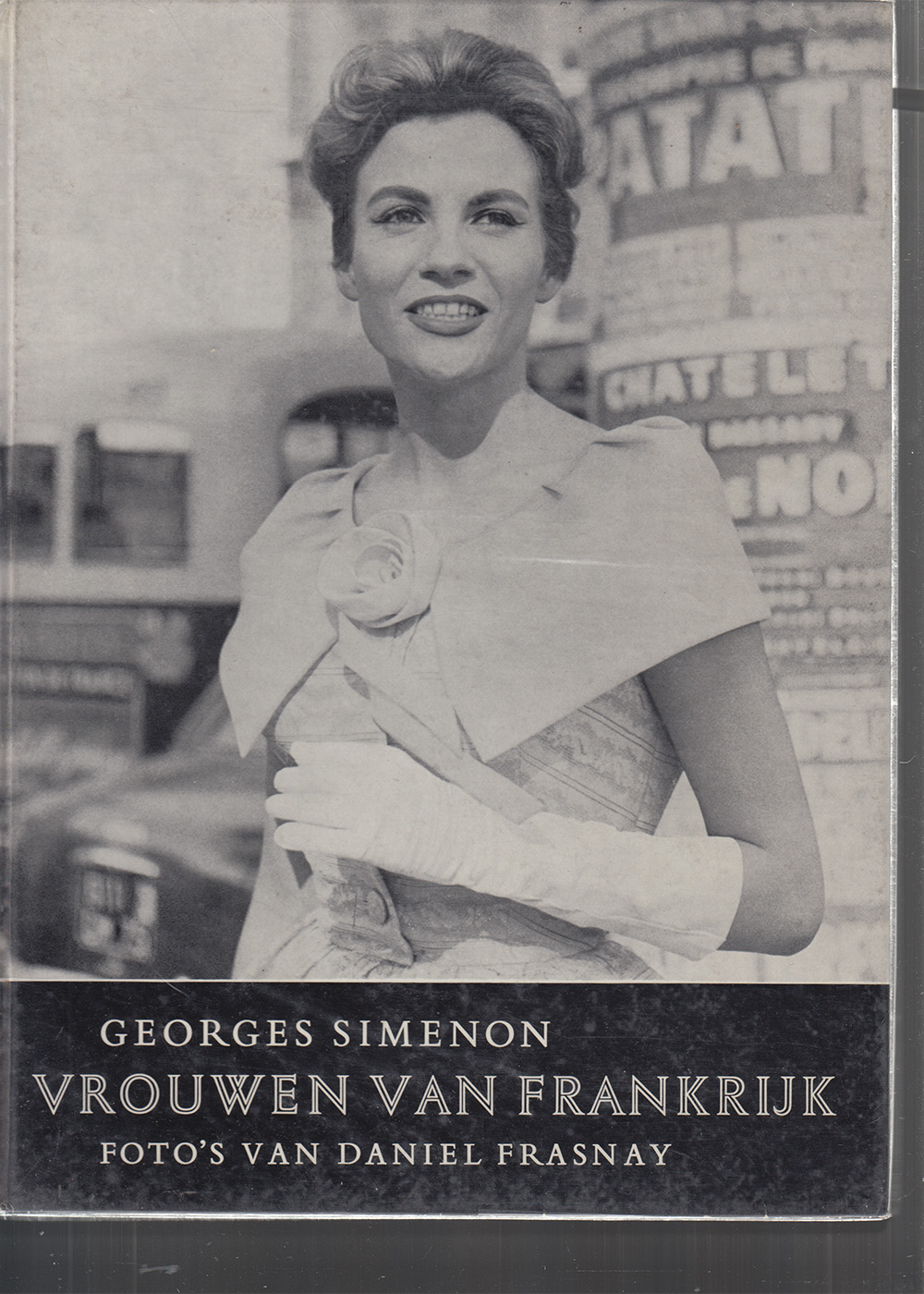
This book is a collection of portraits of women in France by Daniel Frasnay. Frasney, born in 1928 in Paris, was a French landscape and portrait photographer who belonged to the humanist movement.
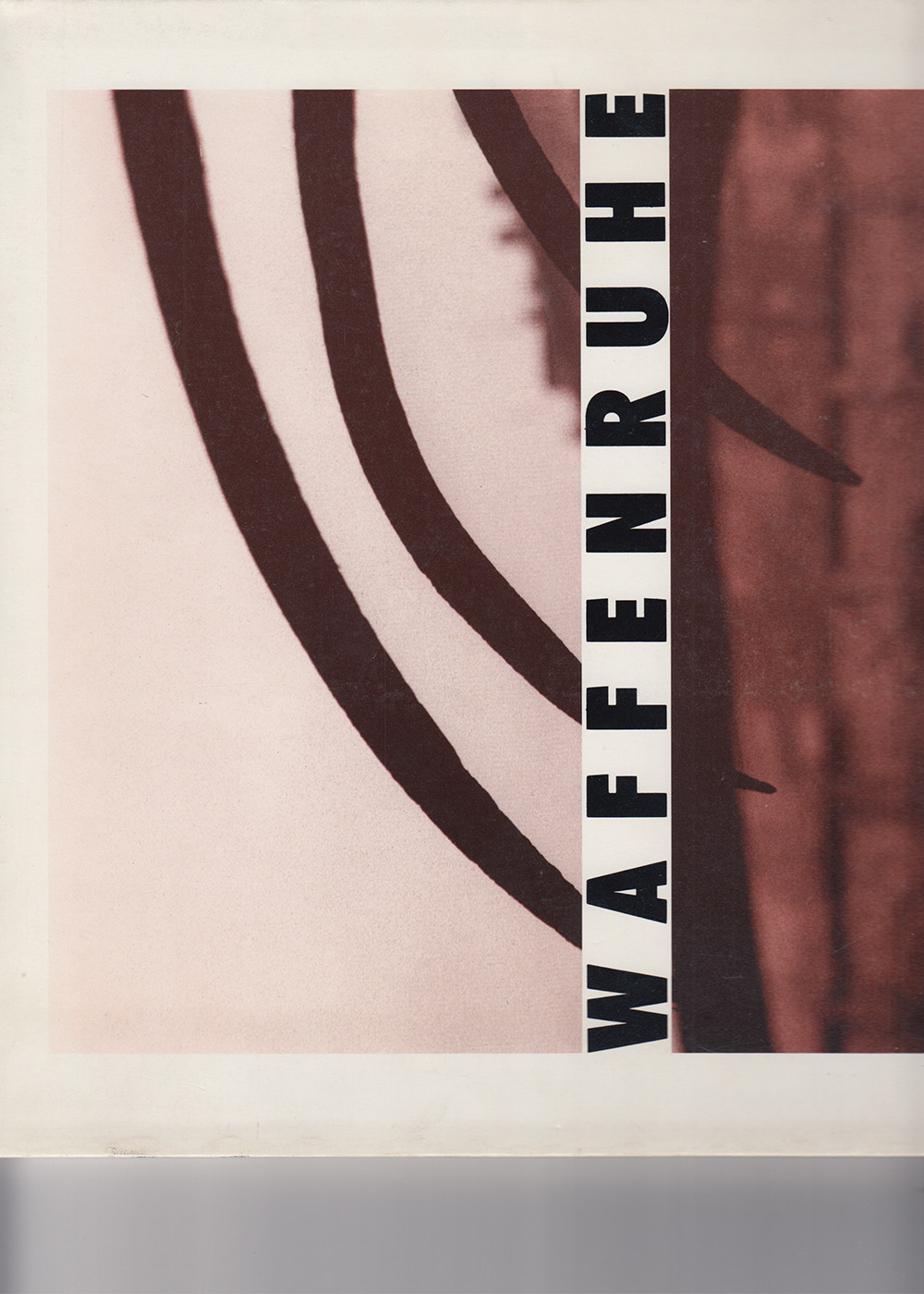
This book presents Schmidt's portrait of a still-divided Berlin: it brings together surprising combinations of high-contrast, black-and-white images to express a generation's dystopian sense of life shortly before the fall of the Wall.
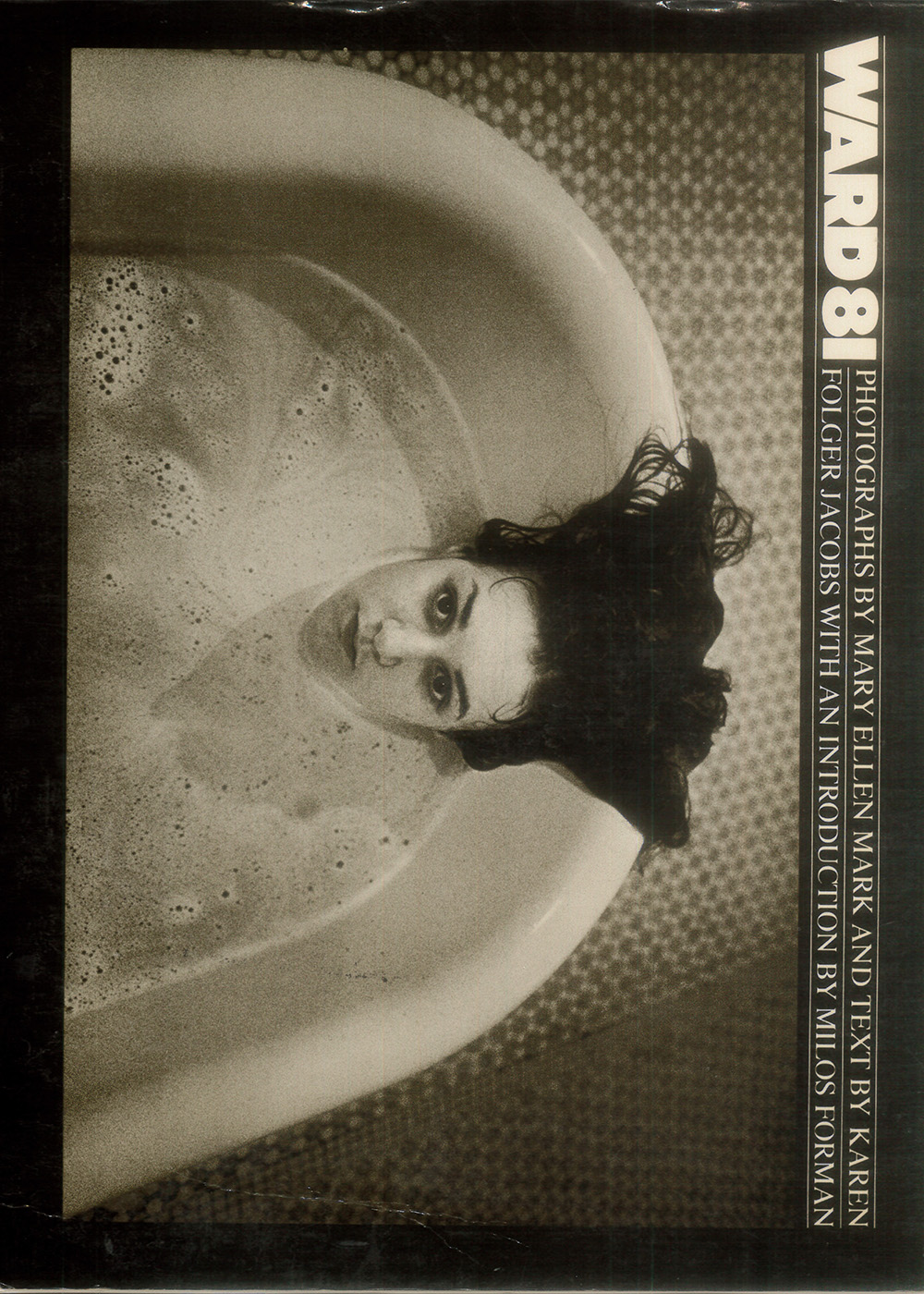
In 1975, photographer Mary Ellen Mark was assigned by The Pennsylvania Gazette to produce a story on the making of Milos Forman's film of Ken Kesey's 1962 novel One Flew Over the Cuckoo's Nest, shot on location at the Oregon State Hospital, a mental institution. While on set, Mark met the women of Ward 81, the only locked hospital security ward for women in the state. The result is a compelling, intimate and haunting collection of portraits of vulnerable women.
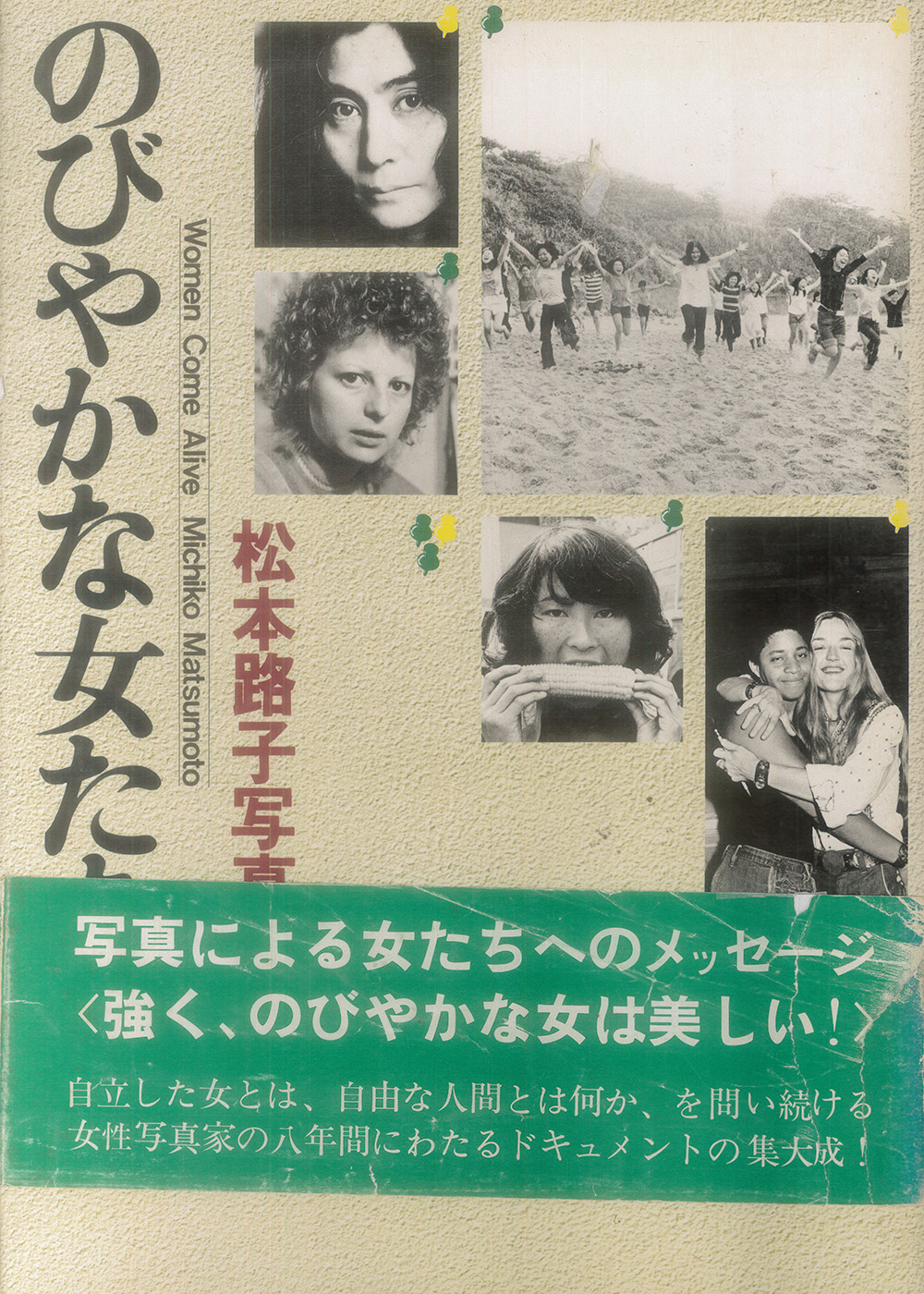
A scarce, incredible publication documenting the women's liberation movement in Japan and worldwide. This rich work begins with intimate portraiture, documenting the lives of inspiring women activists, including a feature that spends time with Yoko Ono. Photographed over an eight-year period this is a unique portrayal of radical women in Japan beautifully depicting communal living and political organising.

Michael Cooper (1941–1973) was a British photographer who is remembered for his photographs of leading rock musicians of the 1960s and early 1970s, most notably the many photos he took of The Rolling Stones from 1963 to 1973. This book collect some of his photographs shot during the 1960s in London.